In This Guide
- Can You Drive an RV in Chicago? License & Age Rules
- Road Conditions & Terrain in Chicago
- RV Size Limits, Bridges & Restricted Zones
- Fuel: Diesel vs. Petrol & Cost per 100 km
- Tolls, Vignettes & Border Rules
- Driving Tips for Long Term RV Rental Travelers
- Recommended RV Class for Chicago Roads
- Should I Choose a Compact Van Instead of a Large RV in Chicago?
- Can I Park Anywhere? Free & Wild Camping Rules in Chicago
- Can I Drive an RV Into the City Center? Heights, Tunnels & Local Signage
- What is the 3-3-3 rule for RVs?
- What is the 4-4-4 rule for RVing?
- Do you need a license to drive an RV in Illinois?
- What is the best RV insurance for full-timers?
- How much does full-time RV insurance cost?
- How much is insurance on a $200,000 RV?
Imagine yourself picking up your rented motorhome from O'Hare International Airport (ORD) or Midway International Airport (MDW) in Chicago and setting off on an unforgettable long-term adventure. Driving an RV from Chicago Airport offers unparalleled freedom, allowing you to explore the Windy City and beyond at your own pace. With Bandana RV, you get full transparency on pricing, no hidden fees, and the support of true RV specialists who genuinely know the ins and outs of motorhome travel. For live availability and current prices, start with our RV Rental Chicago - Complete Guide 2026 guide.
Can You Drive an RV in Chicago? License & Age Rules
Yes, you can absolutely drive a rented RV in Chicago, and most recreational motorhomes in Illinois, including Class A, Class B campervans, and Class C motorhomes, only require a standard Class D driver's license. Illinois law specifies that a special license is not needed unless the vehicle's Gross Vehicle Weight Rating (GVWR) exceeds 26,001 pounds or is designed to carry 16 or more passengers, which is highly uncommon for rental RVs. For international visitors, a valid driver's license from your home country is accepted for up to one year, but carrying an International Driving Permit (IDP) is always recommended to avoid any language barriers with local authorities. The minimum age for RV rental in Chicago is typically 21 years old across our partner suppliers, with no young driver surcharges or vehicle class restrictions based on age, making it accessible for a wide range of travelers ready for an extended road trip.
Road Conditions & Terrain in Chicago
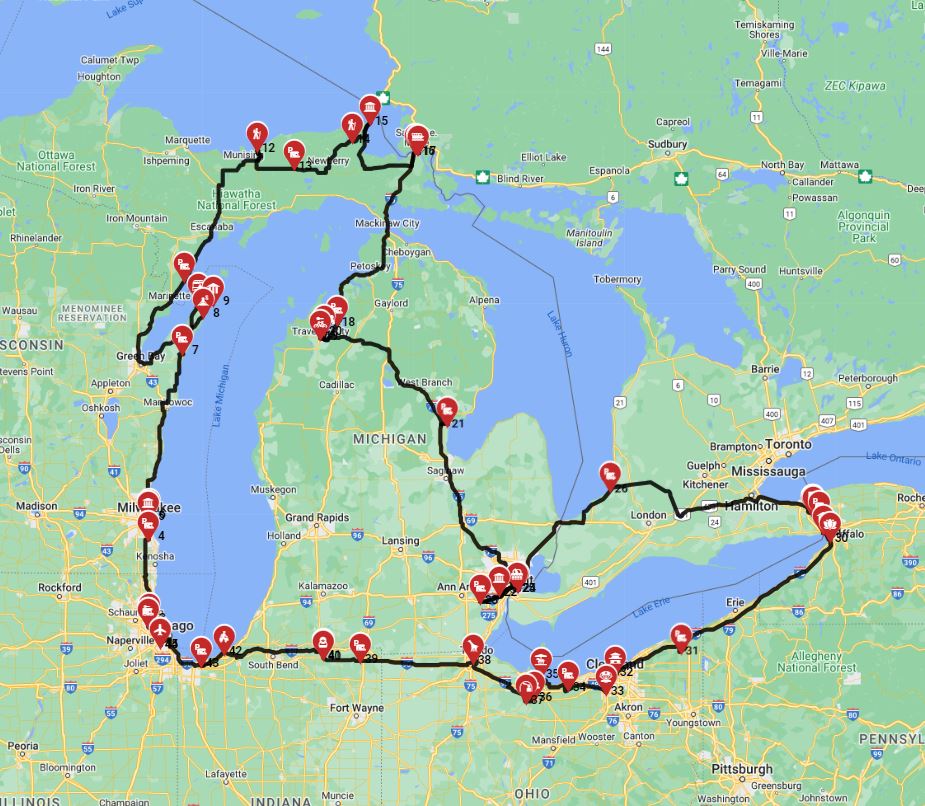
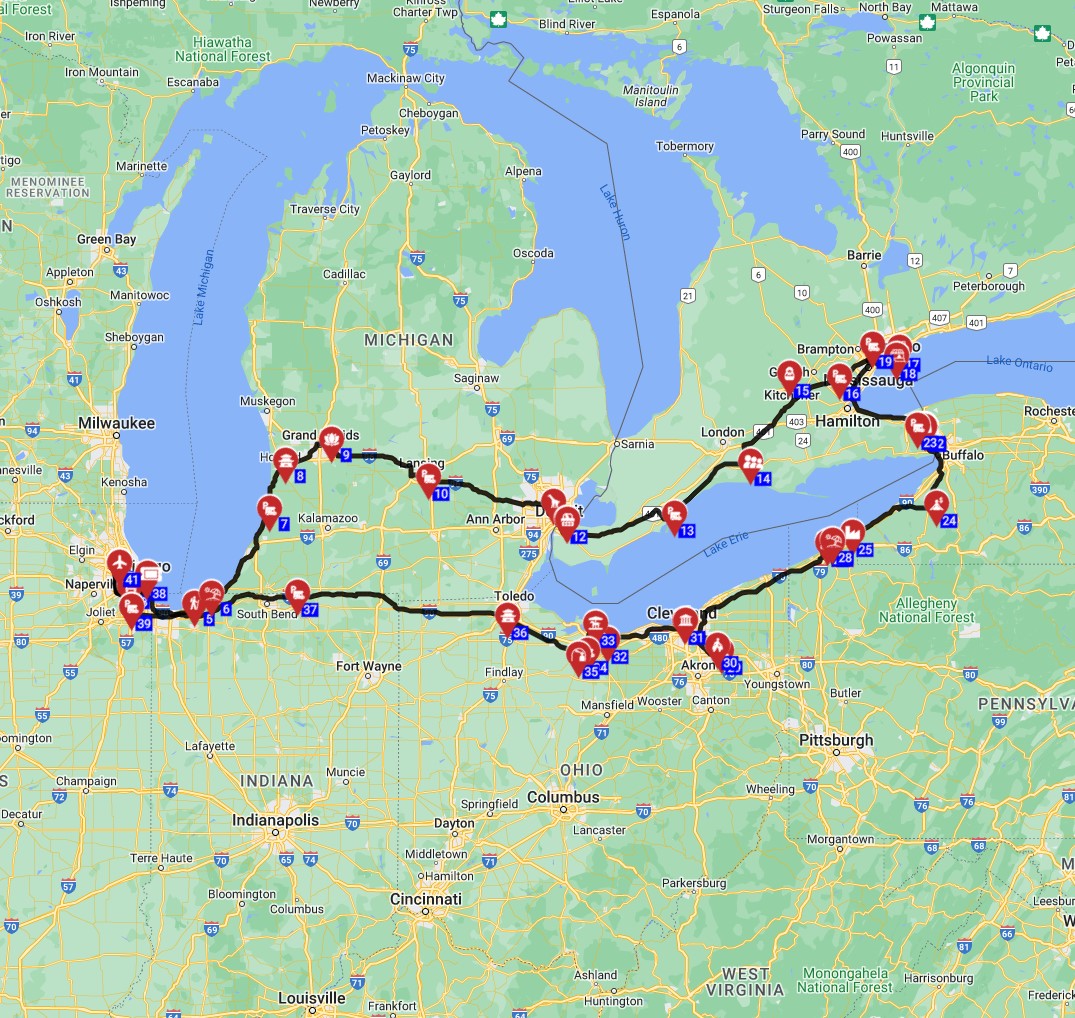
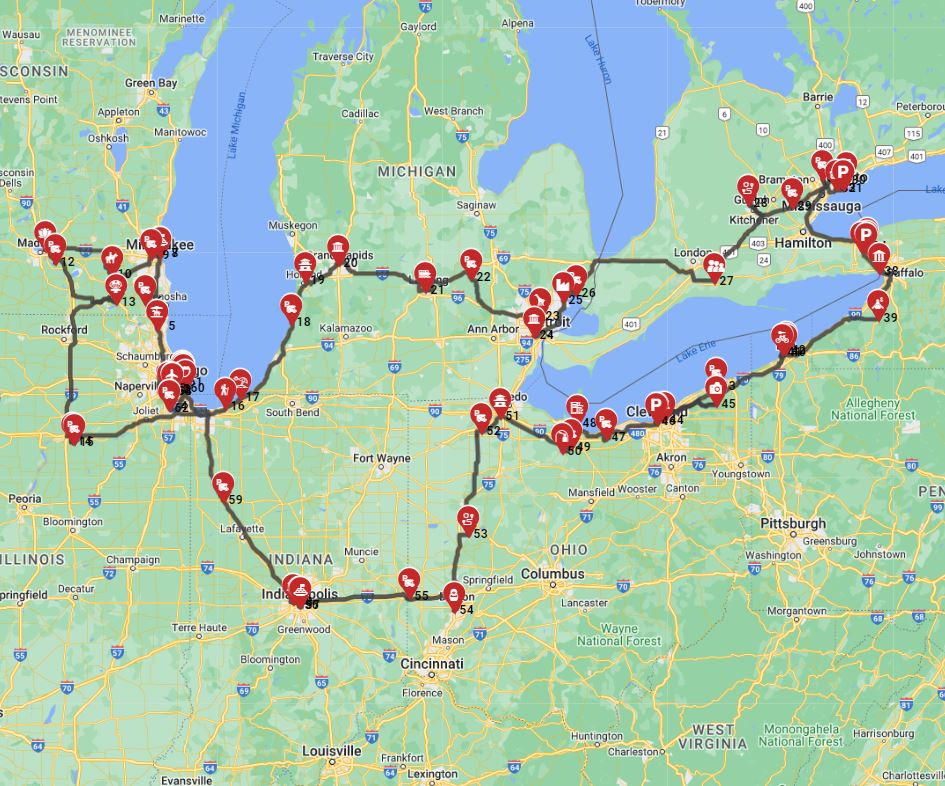
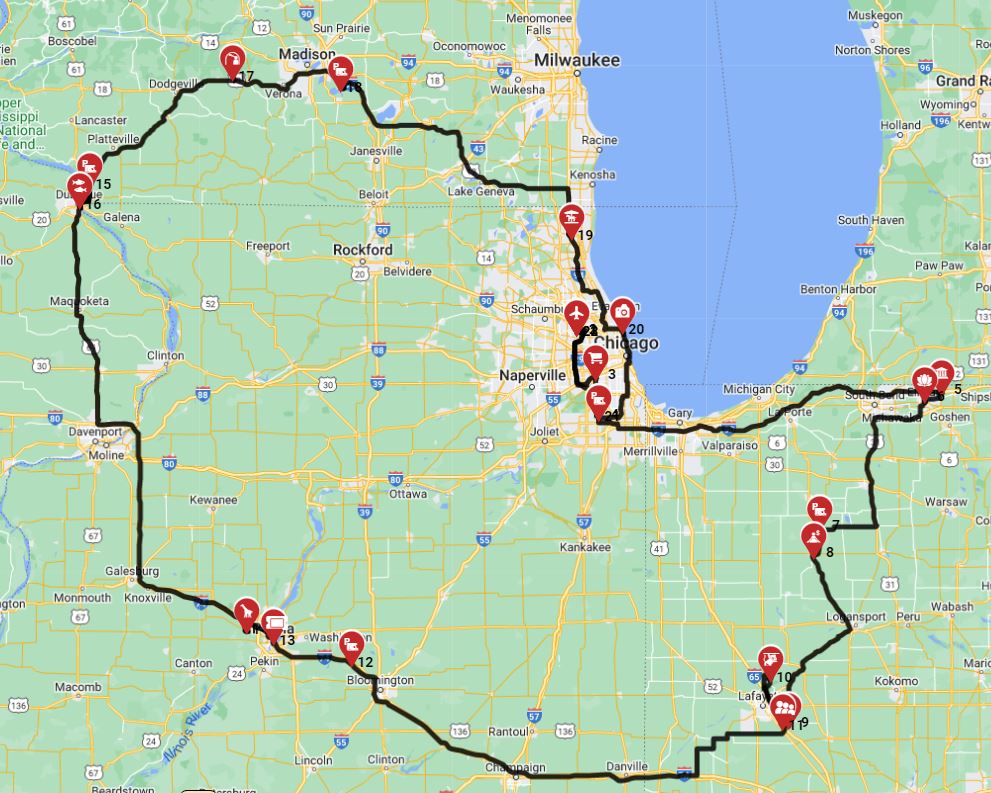
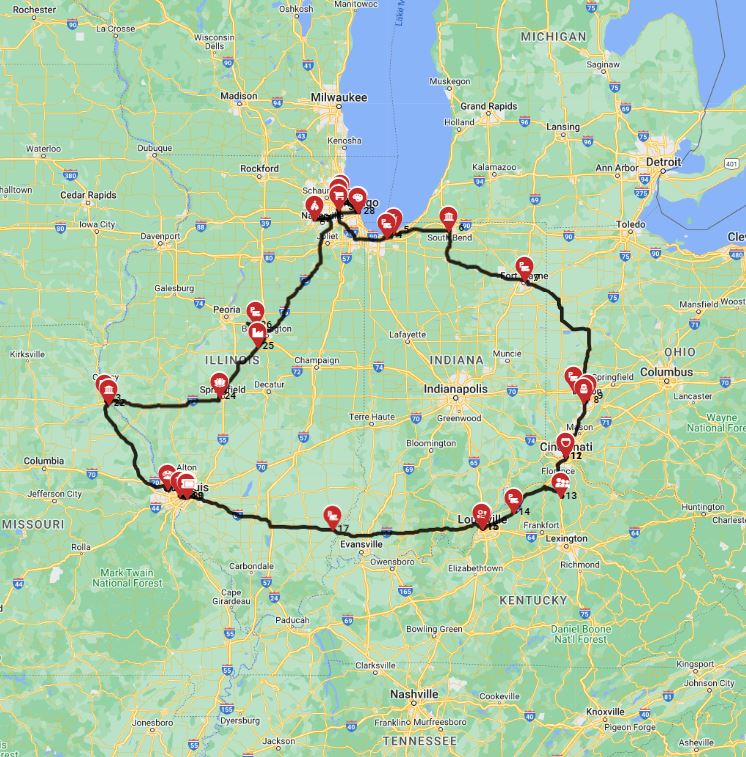
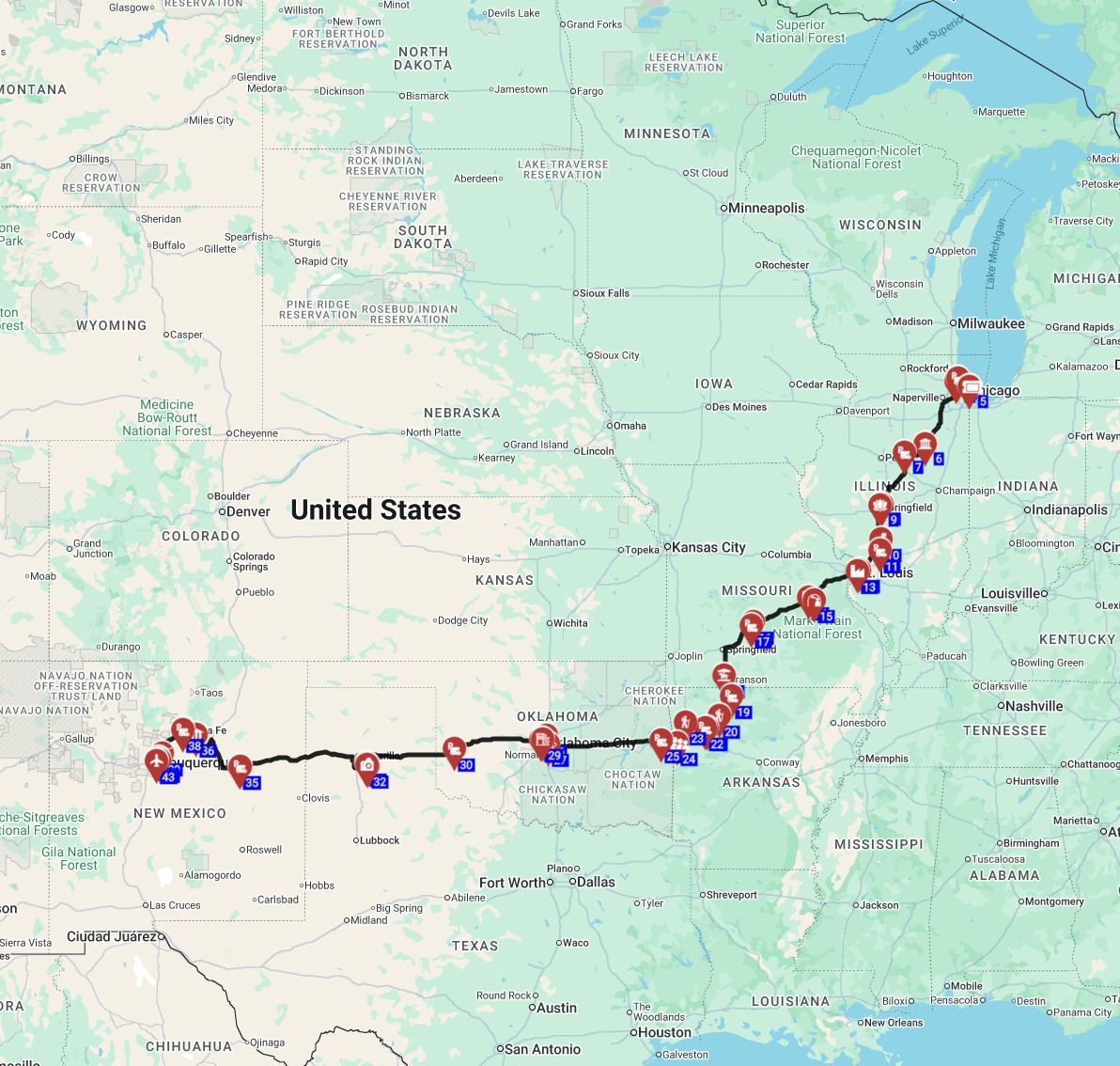
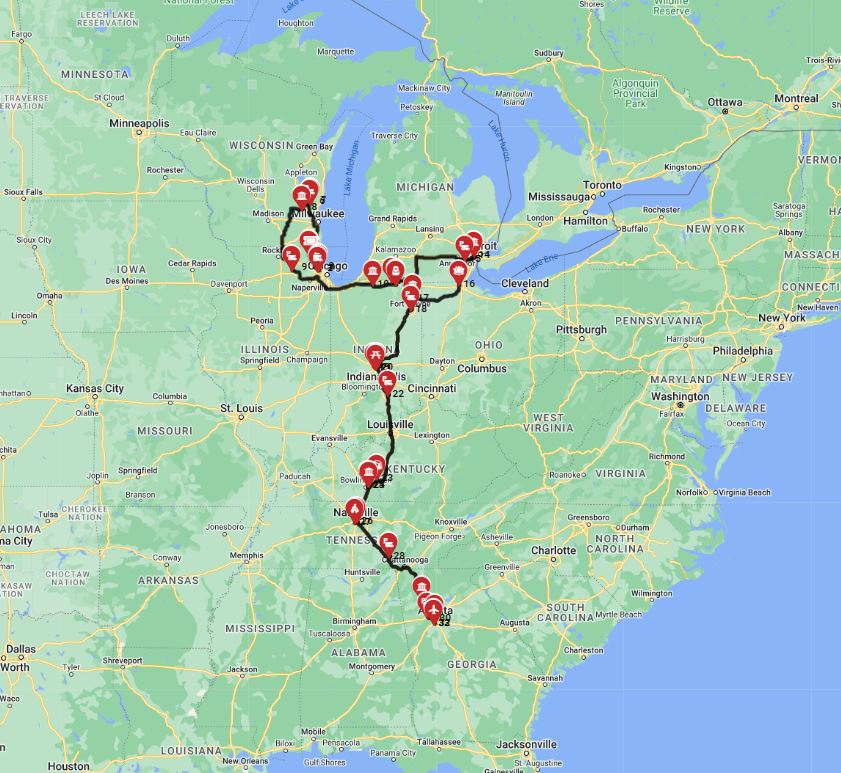
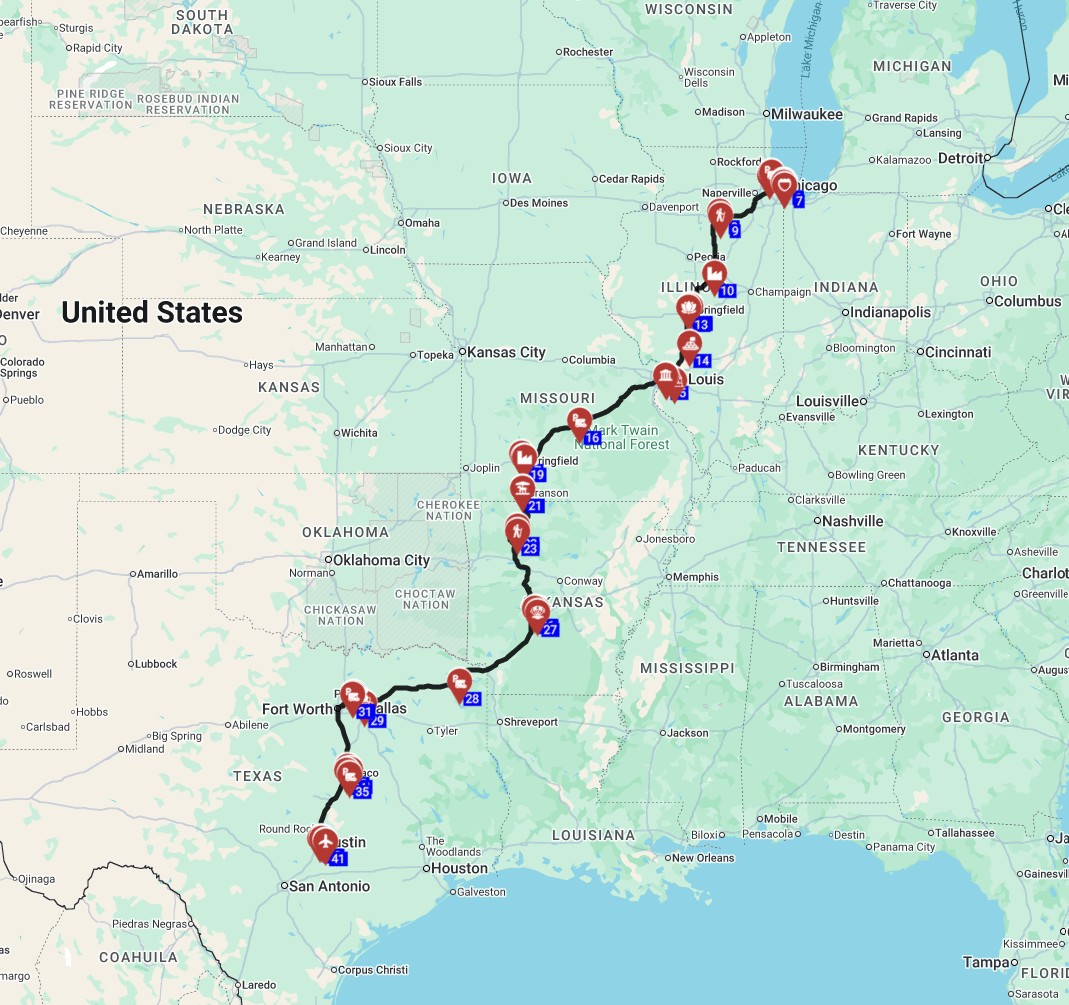
Chicago's terrain is predominantly flat, offering relatively easy driving conditions without challenging mountainous inclines or steep declines, which simplifies navigation for any rented motorhome. While major highways like I-90 and I-55 are generally well-maintained, long-term RVers should be aware that road quality on city streets can vary, with occasional potholes or uneven surfaces requiring careful attention and slower speeds. Urban density and heavy traffic are common, especially during peak hours around downtown and near major attractions, but driving slowly and carefully allows you to navigate almost anywhere without issues. No need to stress-just use common sense and pay attention. When planning your extended route, such as a "Chicago To New Orleans - 61 Strings: A Musical Motorhome Trip Along the Blues Highway" covering 2918.4 km in 15 days, keep in mind that most of your driving will be on flat, open interstates once you leave the immediate metropolitan area.
RV Size Limits, Bridges & Restricted Zones
Chicago does not impose blanket RV size limits on general roads, allowing you to comfortably drive your rented motorhome through most areas, though vigilance is key for posted height restrictions. Downtown parking garages are largely unsuitable for even smaller RVs, with typical clearance signs indicating limits of 7-8 feet (2.1-2.4 meters), so always double-check. There are no specific 'environmental zones' in Chicago that restrict RV access based on emissions, unlike some European cities. However, be mindful of local signage that might indicate heavy vehicle restrictions on certain residential streets or historic areas, which could lead to fines or difficult maneuvering. Planning your itinerary with an awareness of your RV's dimensions and checking for alternative parking outside dense urban cores can prevent issues, especially for a "Luxury RV Rental in Chicago - Premium Prices 2026" where a larger Class A motorhome might be chosen for comfort.
Fuel: Diesel vs. Petrol & Cost per 100 km
Both diesel and petrol (gasoline) are readily available at numerous fuel stations throughout Chicago and its surrounding areas, ensuring convenient refueling for your long-term RV rental. Many motorhomes in the Bandana fleet, such as a Class SI - Semi-integrated RV or a Class B - Camper Van, are diesel-powered, which generally offers better fuel efficiency for extended journeys. For example, a Class SI - Semi-integrated RV typically consumes 10-11 Liters/100 km, while a Class C - Alcove RV averages 10-12 Liters/100 km. Smaller Class B - Camper Vans are even more efficient, using around 8-10 Liters/100 km, and larger Class A - Integrated RVs typically consume 8-12 Liters/100 km. Budgeting for an average fuel cost of $0.90-$1.20 per liter in Chicago, which translates to roughly $9-14 per 100 km depending on the vehicle, is a practical starting point for a long-term trip. Some Bandana RV rental suppliers may offer fuel discount cards, which can help manage these ancillary costs over an extended period. For a comprehensive overview of trip expenses, remember that RV PLANET routes allow you to itemize and track every expense along the way for easy budgeting. On the routes offered through RV PLANET routes, you can itemize and track every expense along the way for easy budgeting.
Tolls, Vignettes & Border Rules
Chicago is encompassed by the extensive Illinois Tollway system, meaning most major expressways around the metropolitan area require payment for their use. Tolls can be paid electronically via an I-PASS transponder, which is Illinois's electronic toll collection system, or by using the 'Pay By Plate' option online within 14 days of your travel. For long-term RV travelers in Chicago, using an I-PASS transponder, often available through Bandana RV rentals or purchasable locally at retail locations like Jewel-Osco, is highly recommended to avoid higher cash rates and potential fines. There are no 'vignettes' or specific border rules to consider when driving a rented motorhome solely within Illinois or when traveling to adjacent U.S. states like Indiana, Wisconsin, or Michigan, which makes cross-state journeys straightforward. Always factor in these toll costs when planning your budget for a long term rv rental in Chicago.
Driving Tips for Long Term RV Rental Travelers
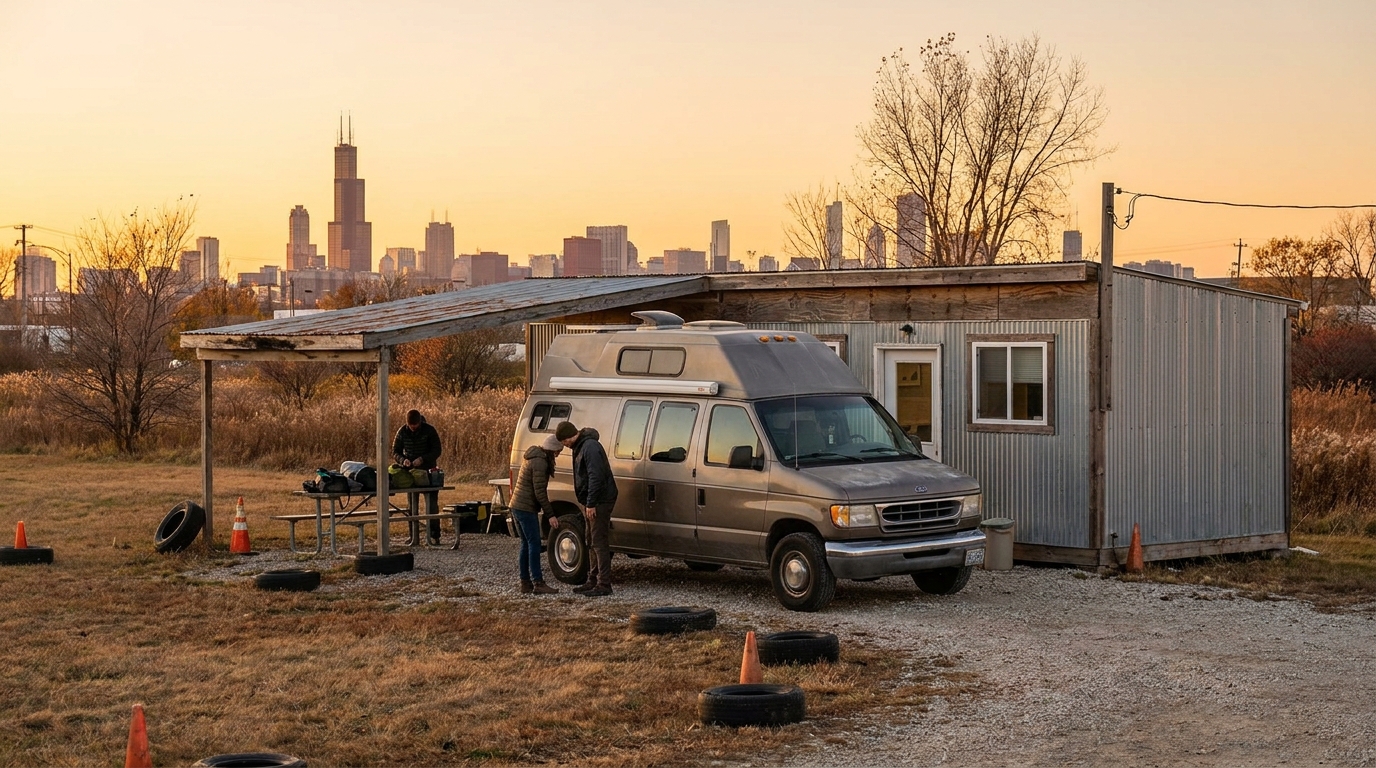
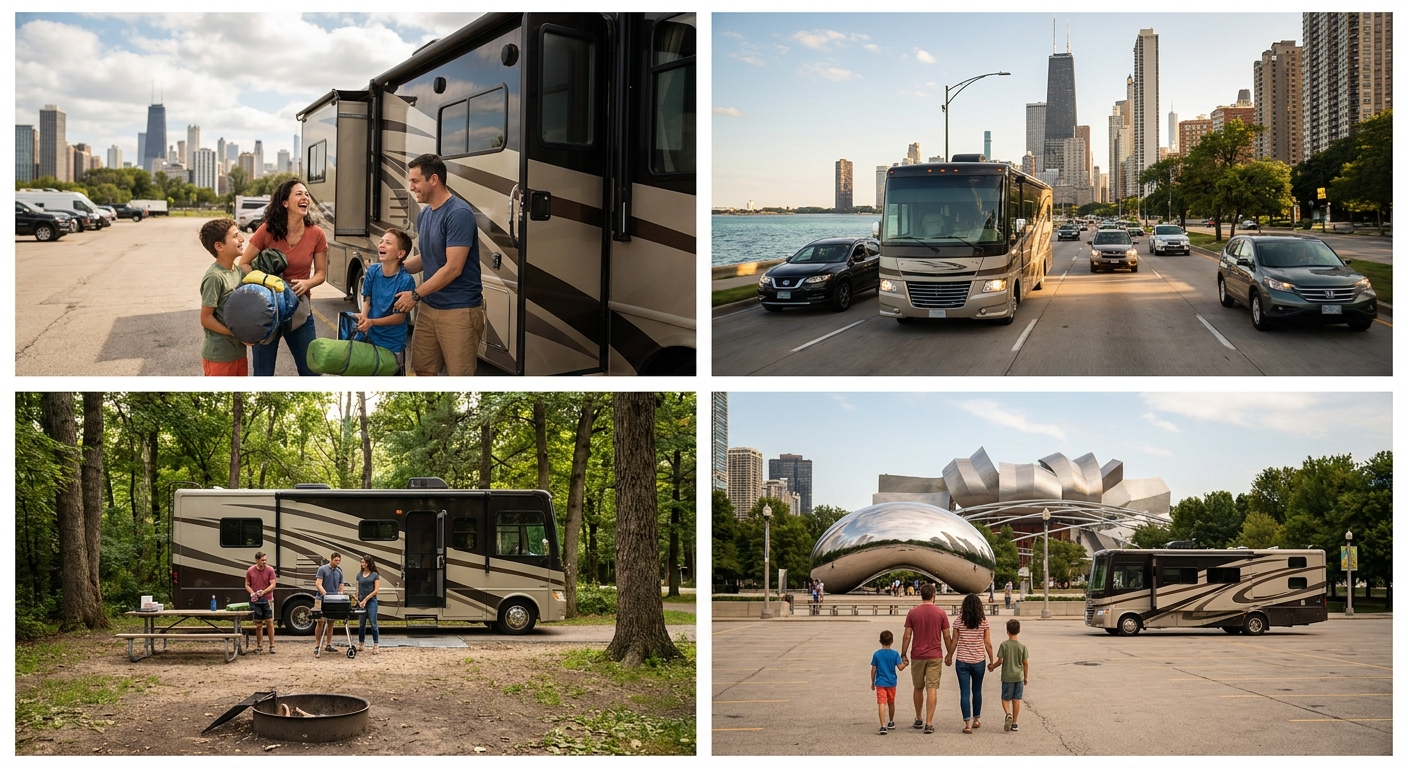
Planning your route carefully is crucial for an enjoyable long-term RV rental in Chicago; utilize RV-specific navigation apps to bypass low clearances, restricted roads, and heavy traffic areas, particularly around downtown. To truly experience the city without the stress of urban driving, leverage Chicago's excellent public transit system: park your rented campervan or motorhome at a suburban campground or RV-friendly lot and use the CTA (trains/buses) or Metra (commuter rail) to explore the city. Budget for tolls and parking, as the Illinois Tollway can incur significant costs, and downtown parking fees can add up even in suburban areas. Drive defensively and patiently in Chicago traffic, maintaining extra following distance and anticipating sudden stops and lane changes. Finally, for urban stays, always secure your belongings and lock your RV, especially when parked overnight outside of dedicated campgrounds.
Recommended RV Class for Chicago Roads
For optimal maneuverability and easier parking in and around Chicago, a Class B - Camper Van is highly recommended for your long-term rental, with an average length of 5.8 meters from Bandana's global fleet. These nimble campervans, such as the "rv rental denver example Category Van" (ideal for a couple, small size, shower, toilet), offer flexibility to navigate tighter city streets and fit into more standard parking spots. A Class SI - Semi-integrated RV, typically averaging 6.9 meters in length, presents a good balance of living space for extended comfort and remains manageable on Chicago's roads, especially if you plan to stay in suburban campgrounds and use public transport for city excursions. While larger Class C - Alcove (avg. 7.5 meters) or Class A - Integrated (avg. 7.5 meters) motorhomes provide more amenities and sleeping capacity for bigger families or groups seeking a spacious long-term trip, they will require more meticulous planning for urban driving and parking solutions in Chicago. For those seeking "Cheap RV Rental in Chicago - Budget Guide 2026", smaller Class B or C models often offer the best value.
Should I Choose a Compact Van Instead of a Large RV in Chicago?
Choosing a compact van, such as a Class B Camper Van with an average length of 5.8 meters, can significantly enhance urban navigation and parking flexibility in Chicago, allowing for easier direct access to city attractions. However, for a long-term RV rental, a larger motorhome like a Class C (averaging 7.5 meters) or a Class SI (averaging 6.9 meters) often provides substantially greater indoor space, storage, and amenities that are essential for comfort and livability over an extended period. For instance, a "cruise america rv rental example Explorer" Class C offers 4 sleeping places and ample living space, featuring a 90-liter refrigerator and a 4-burner gas stove, ideal for preparing RV-friendly recipes playlist. While a compact van is better for fitting into standard parking spaces, the trade-off is reduced living and sleeping comfort during a prolonged stay. If your long-term rental involves significant time inside the RV or accommodating more people, a larger motorhome is generally preferable, accepting the need to park further out and rely on public transit for downtown exploration.
Can I Park Anywhere? Free & Wild Camping Rules in Chicago
Free or 'wild camping' is generally not permitted within Chicago city limits, with strict enforcement against overnight parking on public streets for RVs. The legal and safest options for overnight RV parking during long-term stays in Chicago are dedicated RV parks and campgrounds, which are primarily located in the surrounding suburbs. For example, Chicago Northwest KOA Holiday in Union, IL, or Indiana Dunes State Park in Chesterton, IN (about 70 km east) offer proper amenities. McCormick Place Lot B, near downtown, provides daytime parking for larger vehicles but typically does not allow overnight camping or offer hookups. Always prioritize staying in established campgrounds or designated RV-friendly lots to ensure safety, access to amenities like dump stations, fresh water refills, electricity, and propane, and compliance with local ordinances. Rules can vary by region, so always check specific campground regulations and local laws before parking overnight. Many long-term renters utilize RV PLANET for finding available spots and planning their extended journeys.
Can I Drive an RV Into the City Center? Heights, Tunnels & Local Signage
Yes, you can generally drive a rented RV into Chicago's city center, but this requires careful attention to specific urban challenges, particularly for larger motorhomes. Drivers must pay close attention to local signage indicating height limits for tunnels and parking garages; many downtown Chicago garages have clearance restrictions (often 7-8 feet) too low for most RVs. While primary arterial roads generally do not have major low bridges, always be vigilant for posted height restrictions, especially on older underpasses when navigating streets like Lake Shore Drive or Michigan Avenue. Be aware of common urban driving rules such as one-way streets, bus lanes, and no-turn restrictions, which can be challenging for larger vehicles. Planning your route in advance using satellite or street view applications can help identify potential obstacles before you navigate busy city blocks, ensuring a smoother experience with your long term rv rental. Our guide, "RV Travel Guide to Chicago - Tips and Top Spots 2026", offers further detailed local tips.
🎬 Video coming soon
What is the 3-3-3 rule for RVs?
The 3-3-3 rule for RV travel is a widely recommended guideline advising travelers to drive no more than 300 miles a day, arrive at their destination by 3 PM, and stay for a minimum of 3 nights. This rule is designed to prevent driver fatigue, allow ample time for campsite setup before dark, and encourage a slower, more immersive travel experience, which is particularly beneficial for long-term RV rentals in and around Chicago. Adhering to the 3-3-3 rule helps minimize stress, provides flexibility for unexpected delays, and allows more time to enjoy each location. For an extended trip from Chicago, traveling slowly, perhaps averaging 100-150 km per day, allows you to truly feel the place, connect to the culture, the food, and the scenery.
What is the 4-4-4 rule for RVing?
The 4-4-4 rule for RVing is a variant of the 3-3-3 rule, suggesting RVers aim to travel no more than 400 miles a day, arrive by 4 PM, and stay for at least 4 nights. This rule allows for slightly longer travel days and more extended stays, which might appeal to long-term renters who want to cover more ground, such as exploring beyond Illinois into neighboring states like Indiana or Wisconsin, or settling into a location for a more extended period. Similar to the 3-3-3 rule, its purpose is to ensure a relaxed pace, avoid hurried arrivals, and promote deeper exploration of destinations, allowing you to truly immerse yourself in the journey. For those exploring options like "Weekly RV Rental in Chicago - Pricing 2026", these rules help maximize the value and enjoyment of your rental period.
Do you need a license to drive an RV in Illinois?
In Illinois, most recreational RVs, including rented motorhomes and campervans, that weigh under 26,001 pounds Gross Vehicle Weight Rating (GVWR) can be driven with a standard Class D driver's license. A higher class license, such as a Class B non-Commercial Driver's License (CDL), is typically only required if the RV's GVWR exceeds 26,000 pounds or if it is designed to transport 16 or more passengers, which is rare for standard recreational rentals from Bandana RV. Drivers should always confirm the specific GVWR of their rented RV to ensure they hold the appropriate license category, especially for larger Class A or C models. For long-term RV rentals in Chicago, it is critical to ensure your license remains valid throughout your entire rental period.
What is the best RV insurance for long-term trips?
For individuals undertaking long-term RV trips, specialized RV insurance is crucial as it typically combines standard collision and comprehensive coverage with enhanced personal liability and personal effects coverage. This type of policy provides broader protection, covering your RV rental comprehensively for extended use, rather than just basic recreational vehicle coverage. Key coverages often include personal liability for accidents, medical payments, comprehensive and collision for vehicle damage, uninsured/underinsured motorist protection, and coverage for personal belongings inside the RV, offering peace of mind for those on an extended adventure from Chicago. While Bandana RV offers options for top-level deductible reimbursement as an optional upgrade, it is always recommended to compare quotes from several insurance providers to find the best fit for your specific long-term rental needs and budget.
How much does comprehensive RV insurance for long-term use cost?
The cost of comprehensive RV insurance for long-term use varies significantly based on factors such as the RV's value, make, model, age, your driving record, chosen coverage limits, and deductible, generally ranging from $1,500 to $4,000 annually for a private owner. For long-term renters in or near Chicago, additional factors like your state of residency (if different from Illinois), claims history, and credit score can also influence premiums. Bandana RV rental fees include basic insurance, but you can upgrade to a top-level deductible for extra peace of mind and reduced out-of-pocket costs in case of an incident. It is advisable for long-term renters to obtain personalized quotes from multiple insurance providers to get an accurate estimate tailored to their specific rental RV and extended travel plans.
How much is insurance on a $200,000 RV?
Insuring a $200,000 RV for extended recreational use typically costs between $2,000 and $5,000 per year, though this can fluctuate significantly based on the specific insurer, coverage choices, and the driver's profile. A higher-value RV naturally incurs higher insurance costs due to increased repair or replacement expenses in the event of an accident or theft. Factors such as the RV's class (e.g., a Class A motorhome vs. a Class C), installed security features, and where it is typically stored (e.g., a secure, gated RV park near Chicago) can also impact the premium. To get an accurate quote for a $200,000 RV rental, you should provide detailed information about the vehicle and your intended long-term use to multiple specialized RV insurance providers, keeping in mind that Bandana offers an optional top-level deductible reimbursement for added security.
What You Shouldn't Miss
- **Explore Millennium Park & The Art Institute:** Park your RV in a secure suburban lot and take the Metra or CTA 'L' train directly downtown. Enjoy iconic landmarks like "The Bean" (Cloud Gate) in Millennium Park, and then immerse yourself in world-class art at the Art Institute of Chicago, near the official start/end point of Route 66.
- **The Chicago Riverwalk & Architectural Boat Tour:** Discover Chicago's stunning architecture from a unique perspective. Park your motorhome on the outskirts and use public transport to reach the Riverwalk, then embark on an architectural boat tour, which offers an incredible 90-minute journey through the city's history and design.
- **Deep-Dish & Hot Dogs on an RV Foodie Tour:** No trip to Chicago is complete without savoring its culinary icons. Plan your route to include legendary spots like Lou Malnati's or Portillo's for deep-dish pizza and Chicago-style hot dogs. Look for locations with accessible parking, or consider using a ride-share service from an RV-friendly parking zone to dive into these delicious local treats.
- **Nature Escape in Cook County Forest Preserves:** Combine your urban adventure with natural tranquility. Just a short drive from the city, the vast Cook County Forest Preserves offer thousands of acres for hiking, biking, and wildlife viewing. Consider staying at campgrounds like Blackwell Family Campground for a peaceful retreat after exploring the city.
- **Navy Pier & Lake Michigan Views:** A vibrant hub of entertainment and activity, Navy Pier offers stunning views of the Chicago skyline and Lake Michigan. Park your rented campervan at an external lot and take a bus or train to the pier, where you can enjoy rides, restaurants, and boat cruises, experiencing Chicago's beautiful waterfront.
- **Looking for expert insights from Avi Bandana?** Top 5 Adventures - recommendations from Avi Bandana.
Final Thoughts
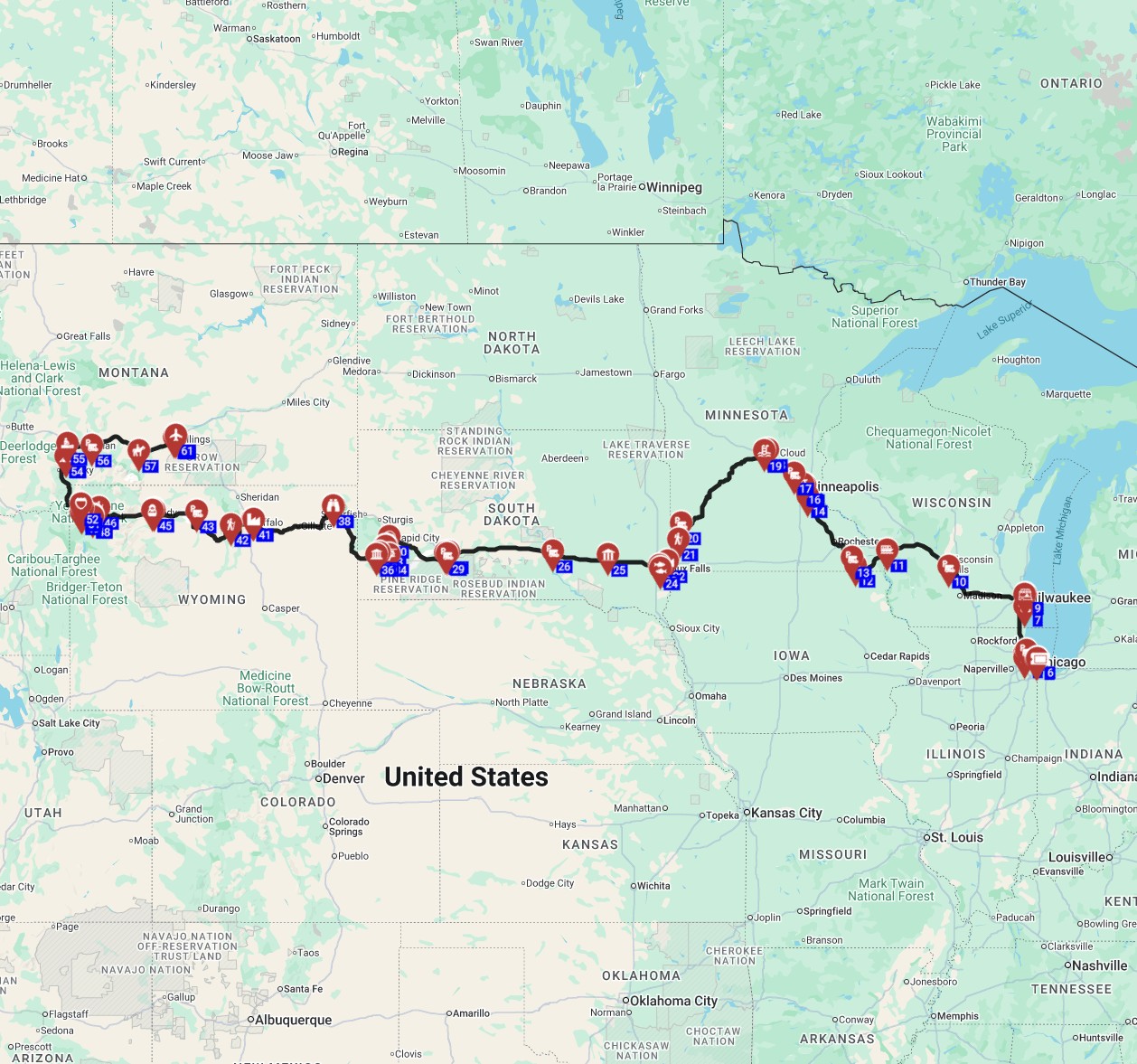
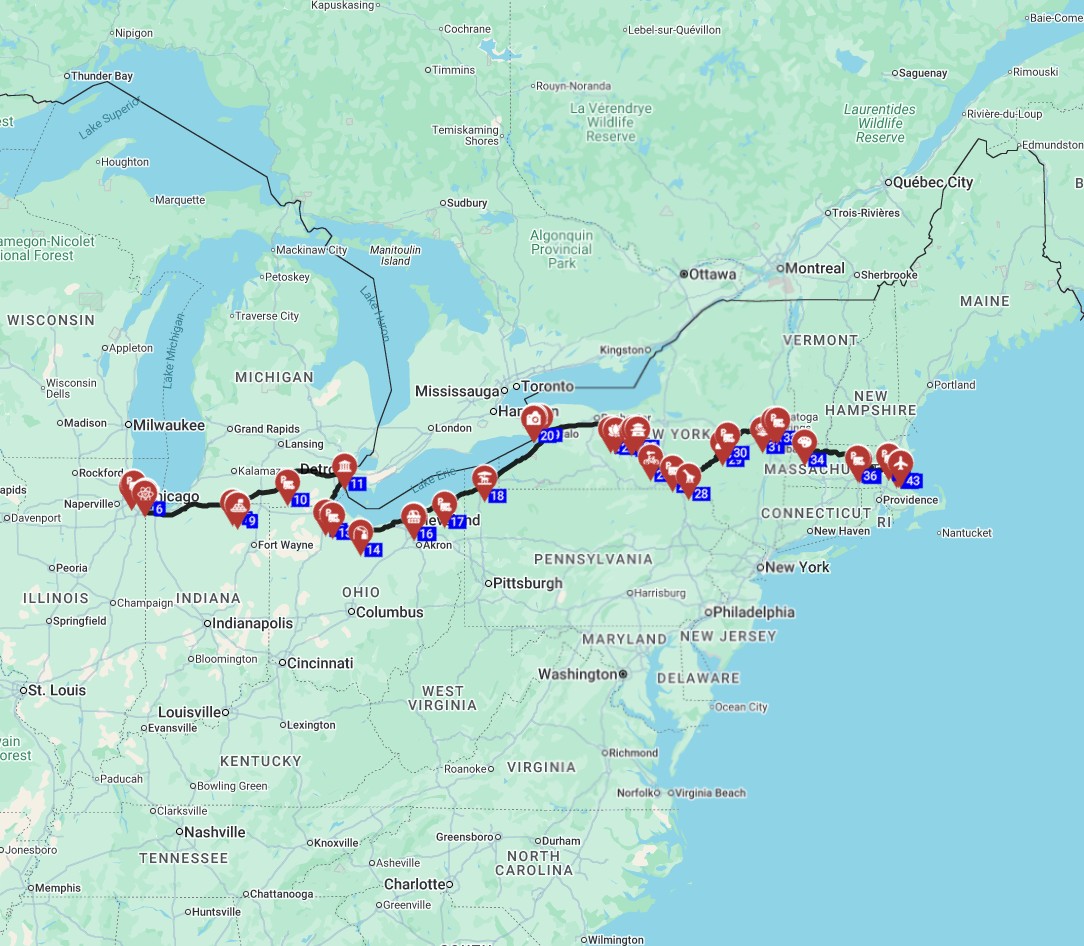
Embarking on a long-term RV rental from Chicago opens up a world of possibilities, whether you're planning an extensive trip along the "
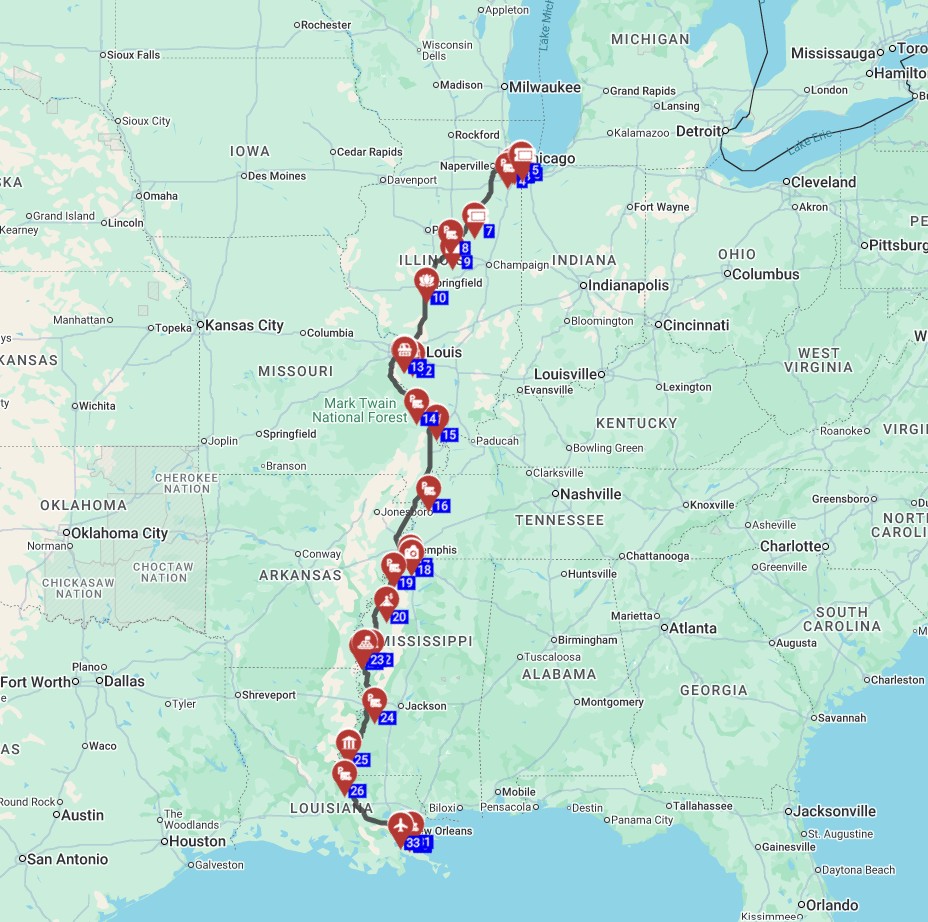
From understanding local driving nuances like the Illinois Tollway system to finding the perfect campground with the help of rvplan.net, Bandana RV is dedicated to making your long-term Chicago RV adventure stress-free and memorable. We pride ourselves on being your trusted RV specialists, offering full transparency and support every step of the way. So pack your bags, choose your ideal motorhome, and get ready to discover the heartland of America with the freedom only an RV can provide!
Find Motorhome Rentals in Chicago