For live availability and current prices, start with our RV Rental Boston - Complete Guide 2026 guide.
In This Guide
- Can You Drive an RV in Boston? License & Age Rules
- Road Conditions & Terrain in Boston
- RV Size Limits, Bridges & Restricted Zones
- Fuel: Diesel vs. Petrol & Cost per 100 km
- Tolls, Vignettes & Border Rules
- Driving Tips for weekly rv rental Travelers
- Recommended RV Class for Boston Roads
- Should I Choose a Compact Van Instead of a Large RV in Boston?
- Can I Park Anywhere? Free & Wild Camping Rules in Boston
- Can I Drive an RV Into the City Center? Heights, Tunnels & Local Signage
- What is the 3-3-3 rule when rving?
- What is the 4 4 4 rule for rving?
- What requirements do you need to drive an RV?
- Do I need a special license to drive an RV in Massachusetts?
- What is the 5 or more rule in Boston?
- Do I need a separate license for an RV?
- How much is RV insurance in Massachusetts?
- Can you get temporary RV insurance?
- Does AAA cover RV insurance?
Can You Drive an RV in Boston? License & Age Rules
Most standard RV rentals under 26,000 lbs Gross Vehicle Weight Rating (GVWR) can be driven in Massachusetts with a regular Class D driver's license for drivers typically aged 21 or older. A Class D license is generally sufficient for RVs under 26,000 lbs GVWR, covering most rental Class B, C, and Semi-integrated RVs. The minimum driver age for RV rentals is usually 21 or 25, varying by rental company policy. International Driving Permits (IDPs) are recommended for foreign drivers, to be used alongside their valid national driver's license. Massachusetts does not require a special license for RVs unless they exceed 26,000 lbs GVWR or are used for commercial purposes.
Road Conditions & Terrain in Boston
Boston's road conditions are characterized by a mix of historic, often narrow and winding streets in the city center, modern highways, and varied pavement quality, requiring careful navigation for weekly RV renters. Expect heavy urban traffic, particularly during peak hours, throughout Boston and its surrounding areas. Road quality varies, with some historic areas featuring cobblestone streets and other sections having typical urban pavement conditions. The terrain within Boston is predominantly flat, though surrounding areas may present gentle rolling hills. Driving an RV, especially larger models, demands extra vigilance due to congestion, one-way streets, and limited turning radii inherent to Boston's infrastructure.
RV Size Limits, Bridges & Restricted Zones
RVs traveling in Boston must adhere to specific height and weight restrictions, particularly regarding tunnels and historic underpasses, with careful attention to local signage. The major Big Dig tunnels (I-90, I-93) generally provide a clearance of 13 feet 6 inches (4.1 meters), accommodating most RVs, but older bridges or underpasses on local roads can have lower clearances (e.g., 10-12 feet). Most rental RVs fall within legal weight limits for Massachusetts roads; however, always observe posted bridge weight limits, especially on less traveled routes. Certain historic areas or residential streets in Boston may have 'no trucks' or 'no through traffic' signs that RVs must respect to avoid fines or difficult navigation. If planning to take an RV on a ferry (e.g., to Martha's Vineyard), inquire directly with the ferry service about strict length, height, and weight restrictions, as well as associated costs.
Fuel: Diesel vs. Petrol & Cost per 100 km
Most rental RVs in the Bandana fleet typically use diesel fuel, which is widely available in Massachusetts, with average fuel consumption varying by RV class. Bandana's Class SI, Class C, Class A, and Class TC models predominantly run on diesel, while some smaller Class B Camper Vans may be petrol (gasoline). Both petrol and diesel are readily available; however, larger RVs might find truck stops or larger service stations easier to navigate for refueling. Average fuel consumption for Bandana's global fleet typically ranges from 10-11 Liters/100 km for Class SI, 10-12 Liters/100 km for Class C, and 8-10 Liters/100 km for Class B Camper Vans. Some Bandana RV rentals may offer fuel discount cards or access to preferred pricing, which can help mitigate fuel costs over a weekly rental period. On the routes offered through RV PLANET routes, you can itemize and track every expense along the way for easy budgeting.
Tolls, Vignettes & Border Rules
Massachusetts utilizes an electronic tolling system, primarily through E-ZPass, with tolls frequently encountered on major highways and bridges around Boston. The Massachusetts toll system is all-electronic; cash payments are not accepted, so drivers without an E-ZPass transponder will have their license plate photographed and a bill mailed, often with administrative fees. Many Bandana RV rentals may include an E-ZPass transponder, allowing for seamless toll passage and potentially discounted rates compared to Pay-By-Plate; inquire about this option to avoid surcharges. Expect tolls on key routes such as the Massachusetts Turnpike (I-90), the Tobin Bridge, and certain sections of I-93 when traveling around Boston. No vignettes (time-based road tax stickers) are required for RVs in Massachusetts or neighboring US states, and crossing state borders within the US is generally straightforward with standard documentation.
Driving Tips for weekly rv rental Travelers
For weekly RV rentals around Boston, prioritize meticulous route planning, allow ample time for travel, and leverage public transportation to enhance your experience. Utilize RV-specific GPS apps that account for vehicle dimensions to avoid low bridges, narrow streets, and restricted zones common in Boston. To minimize stress from Boston's intense traffic, plan to drive during off-peak hours or park your RV outside the city and use public transit for urban exploration. Research 'Park & Ride' lots near MBTA (Boston's 'T' system) stations that can accommodate RVs, as this is often the most practical way to access downtown attractions. When driving in historic districts, practice making wide turns and be highly aware of your RV's tail swing, as many Boston streets are very narrow and challenging for larger vehicles. Always research RV-friendly parking in advance, as dedicated RV parking in downtown Boston is virtually nonexistent, necessitating suburban campgrounds or lots with transit access.
Recommended RV Class for Boston Roads
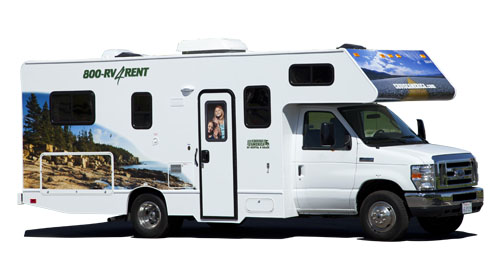
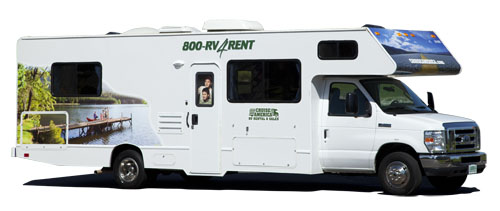
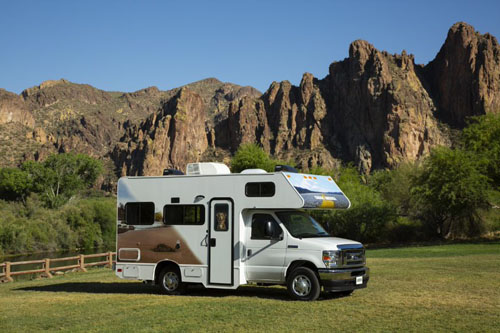
For navigating Boston's urban environment and surrounding areas, a Class B Camper Van or a Class SI Semi-integrated RV is generally recommended due to their more manageable lengths and maneuverability. Class B Camper Vans, with an average length of 5.8 meters (approximately 19 feet) from Bandana's global fleet, offer superior maneuverability for Boston's narrow streets and easier parking options. Bandana's Class B Camper Vans are ideal for 2-3 adults and typically consume 8-10 Liters/100 km, making them an economical choice for weekly rentals focused on urban and local exploration. Class SI Semi-integrated RVs, averaging 6.9 meters (approximately 22.6 feet) in length, strike a good balance between interior comfort (avg. 3.8 sleeping places) and relative ease of driving compared to larger models. Class SI RVs typically consume 10-11 Liters/100 km and are well-suited for families or couples seeking more amenities while still being manageable for suburban parking and highway driving around Boston.
Should I Choose a Compact Van Instead of a Large RV in Boston?
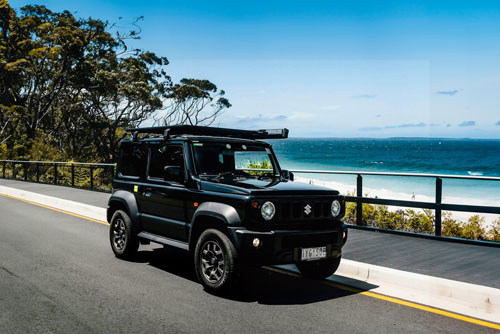
While a compact camper van offers superior maneuverability and easier parking in Boston's tight urban environment, the choice often depends on your comfort preferences and the amount of indoor space desired for your weekly rental. Compact vans (e.g., Class B Camper Vans, avg. 5.8m) excel in urban navigation, simplifying travel on narrow streets and finding parking in suburban areas. Larger RVs (e.g., Class C or SI) provide significantly more living space, dedicated sleeping areas, and amenities, enhancing comfort for a weekly rental, especially for families or during longer stays. For many travelers, the enhanced comfort and amenities of a slightly larger RV outweigh the minor inconvenience of parking further from the city center and relying on public transport. If extensive driving directly within downtown Boston is a priority, a compact van is highly advantageous; if you prefer a comfortable base camp outside the city with transit access, a larger RV like a Class SI or C can be better.
Can I Park Anywhere? Free & Wild Camping Rules in Boston
No, free and wild camping are generally not permitted within Boston city limits or most developed areas of Massachusetts; RVs must utilize designated campgrounds or private RV parks for overnight stays. Overnight parking in an RV on public streets within Boston is largely prohibited due to strict parking regulations, traffic, and safety concerns. Massachusetts State Parks typically require reservations for designated campsites and do not allow dispersed or wild camping. The primary option for RV parking near Boston involves staying at private campgrounds or RV parks located outside the city, usually offering amenities and transit access. While some commercial lots (e.g., certain Walmarts) *may* allow overnight parking, policies vary greatly and change frequently, so always call ahead to confirm permission. Rules vary by region — check local regulations and follow local law before parking overnight.
Can I Drive an RV Into the City Center? Heights, Tunnels & Local Signage
Yes, it is technically possible to drive an RV into Boston's city center, but it is generally not recommended due to extreme congestion, narrow streets, strict parking limitations, and specific height restrictions within tunnels and underpasses. Always pay meticulous attention to local signage, including 'no trucks,' 'one-way,' and especially height restriction signs on underpasses and tunnel entrances. While major Big Dig tunnels typically have 13 feet 6 inch (4.1 meter) clearances, certain historic areas feature much lower underpasses or overhead structures; an RV-specific GPS is crucial for navigation. Finding any parking in downtown Boston is notoriously difficult and expensive, and dedicated RV parking in the city center is virtually nonexistent. Boston experiences severe traffic congestion, making driving a large vehicle a slow, stressful, and often frustrating experience within the city center. The most practical approach for weekly RV renters is to park your RV at a campground or park-and-ride facility outside the city and utilize Boston's efficient public transportation system ('the T') to explore downtown.
What is the 3-3-3 rule when rving?
The 3-3-3 rule in RVing is a popular guideline suggesting travelers drive no more than 300 miles, arrive by 3 PM, and stay for a minimum of 3 nights at each location, promoting a relaxed and enjoyable travel pace. Driving no more than 300 miles a day helps prevent driver fatigue and allows ample time for spontaneous stops and sightseeing. Arriving by 3 PM ensures you have sufficient daylight to set up your RV comfortably and familiarize yourself with your surroundings without rushing. Staying for at least 3 nights at each destination encourages a slower travel pace, allowing for deeper exploration of the local area without the constant need to pack and move. While a general guideline, the 3-3-3 rule can be adapted for a weekly RV rental in the Boston area, where a central campground might serve as a base for multiple day trips.
What is the 4 4 4 rule for rving?
The 4-4-4 rule for RVing is a variation of travel guidelines, advising to drive no more than 400 kilometers (approximately 250 miles), stopping by 4 PM, and staying for a minimum of 4 nights. Similar to the 3-3-3 rule, limiting daily travel to around 250 miles (400 km) aims to reduce driver stress and allow for a more leisurely journey. Stopping by 4 PM provides ample time to set up your campsite, relax, and explore the immediate area before sunset. A minimum stay of 4 nights encourages a deeper immersion into each location, reducing the hassle of frequent moves and maximizing enjoyment of your chosen destination for a weekly rental. These 'rules' are flexible suggestions designed to enhance the RV experience, rather than strict mandates, and should be adjusted based on your personal preferences and itinerary around Boston.
What requirements do you need to drive an RV?
To drive most rental RVs in Massachusetts, you generally need a valid standard driver's license (Class D in MA), be at least 21-25 years old (depending on rental company policy), and possess adequate insurance coverage. A regular Class D driver's license from any U.S. state is typically sufficient for driving RVs under 26,000 lbs GVWR, which includes most rental Class B, C, and SI models. Most RV rental companies require drivers to be at least 21, and often 25 years old, to rent and operate an RV. Valid insurance coverage is mandatory and can often be acquired through your personal auto insurance policy (verify RV riders), credit card benefits, or purchased directly from the rental company. Foreign drivers need their valid national driver's license, and an International Driving Permit (IDP) is highly recommended for clarity during short-term visits to Massachusetts.
Do I need a special license to drive an RV in Massachusetts?
No, in Massachusetts, you typically do not need a special license to drive an RV for personal use, as long as its Gross Vehicle Weight Rating (GVWR) is under 26,000 pounds. A regular Class D driver's license, standard for passenger vehicles in Massachusetts, is sufficient for operating most recreational vehicles. The 26,000-pound GVWR threshold encompasses virtually all standard rental RVs, including Class B camper vans, Class C alcoves, and Class SI semi-integrated models from the Bandana fleet. A special license, such as a Commercial Driver's License (CDL), would only be required if the RV exceeds 26,000 pounds GVWR and is used for commercial purposes, which does not apply to a typical weekly RV rental. Exceptions like an air brake endorsement on a CDL for RVs over 26,000 lbs GVWR with air brakes are extremely rare for rental vehicles.
What is the 5 or more rule in Boston?
The '5 or more rule' in Boston typically refers to the city's occupancy limits for vehicles parking on residential streets, generally prohibiting vehicles with a capacity of five or more passengers from parking in those areas overnight without a resident parking permit. Boston has extremely strict residential parking permit requirements, meaning RVs and other oversized vehicles are largely restricted from parking on most residential streets. This rule is designed to prevent large vehicles from occupying limited residential parking spaces and to manage congestion in densely populated neighborhoods. For weekly RV renters, this rule, combined with the overall difficulty of finding parking, effectively means that using an RV for overnight street parking in Boston's residential areas is impractical and generally illegal. RV travelers should rely on designated campgrounds or park-and-ride lots outside the city for overnight parking, then use public transit to enter downtown Boston.
Do I need a separate license for an RV?
For the vast majority of personal use RV rentals, including those available for a weekly rental, a separate or special license beyond your standard Class D driver's license is not required in Massachusetts or most other U.S. states. Your regular driver's license is sufficient for operating recreational vehicles that fall below a specific weight threshold, typically 26,000 pounds Gross Vehicle Weight Rating (GVWR). Almost all commercially available rental RVs, such as Class B camper vans, Class C alcoves, and Class SI semi-integrated models, are designed to be operated with a standard driver's license. A separate license, such as a Commercial Driver's License (CDL), is only necessary for very large RVs exceeding the 26,000-pound GVWR or for specific commercial applications, neither of which applies to a typical weekly vacation rental. Instead of focusing on licensing, it's more important to familiarize yourself with the RV's dimensions, handling, and braking distances before starting your journey.
How much is RV insurance in Massachusetts?
The cost of RV insurance in Massachusetts varies widely, depending on factors such as the RV's value and class, the driver's record, coverage limits, and whether you acquire it through your personal auto policy, credit card, or directly from the rental company. For weekly RV rentals, insurance is commonly offered as an add-on by the rental company, typically including liability and collision/damage waivers, often the most straightforward option. Your existing personal auto insurance policy may extend some coverage to an RV rental; however, it is crucial to contact your insurer to verify specific coverage, deductibles, and any exclusions for RVs. Some premium credit cards offer rental car insurance benefits, but RVs or larger vehicles are frequently excluded, requiring direct confirmation with your credit card provider. Rental RV insurance costs can range significantly, from approximately $20-$100+ per day, meaning a standard weekly rental might incur $140-$700+ in insurance costs depending on the level of coverage chosen.
Can you get temporary RV insurance?
Yes, temporary RV insurance is often available for weekly RV rentals, typically offered directly by the rental company, or potentially through a specialized short-term policy from an independent insurer. The most convenient way to secure temporary RV insurance for a weekly rental is usually through the rental company itself, which provides various levels of coverage for the duration of your trip. Your existing auto insurance policy might extend some temporary coverage to a rental RV, but it's essential to confirm the extent of this coverage, particularly for liability and physical damage to a non-owned RV. Independent insurance brokers can sometimes provide standalone temporary RV policies for short durations, though these might be more complex or costly than options from the rental company. While some credit cards offer rental car insurance benefits, RVs are frequently excluded from this coverage, necessitating a thorough check with your provider. Having adequate temporary RV insurance is essential for peace of mind and financial protection during your weekly rental period in Massachusetts.
Does AAA cover RV insurance?
AAA offers various insurance products, and while they do provide RV insurance, coverage for a rental RV through AAA typically depends on your specific policy and AAA club, so it's essential to contact them directly for clarification. AAA is widely known for its valuable roadside assistance, which is highly beneficial for RVers, but their insurance offerings can vary by state and individual club affiliation. Many AAA clubs provide dedicated RV insurance policies for *owned* RVs, covering comprehensive, collision, liability, and specialized needs like personal belongings. Whether your existing AAA auto insurance policy extends to *rental* RVs is not guaranteed; you must contact your specific AAA insurance agent to confirm if your policy includes non-owned recreational vehicle coverage or if a rider can be added for your weekly rental. If your AAA policy does not cover rental RVs, you would then need to secure insurance through the rental company, credit card benefits, or a separate temporary policy.
What You Shouldn't Miss
- Explore Historic Boston: Wander through the Freedom Trail, visit Faneuil Hall Marketplace, and explore iconic sites like the Old North Church and Paul Revere's House.
- Beacon Hill Charm: Stroll through the picturesque streets of Beacon Hill, known for its gaslit alleys, brick sidewalks, and charming rowhouses.
- Museum Hopping: Immerse yourself in art and history at the Museum of Fine Arts, the Isabella Stewart Gardner Museum, and the Museum of Science.
- Fenway Park Experience: Catch a Red Sox game or take a tour of America's oldest ballpark for a quintessential Boston experience.
- Public Garden and Boston Common: Enjoy a leisurely walk or a Swan Boat ride in these historic urban parks, easily accessible via public transit.
- North End Culinary Delights: Indulge in authentic Italian cuisine in the North End, Boston's oldest residential neighborhood, renowned for its trattorias and pastry shops.
Final Thoughts
Renting an RV for a weekly trip in Boston offers a unique way to explore the historic city and its surrounding New England charm. While navigating Boston's unique urban landscape requires careful planning, choosing the right vehicle and utilizing smart driving strategies will make your journey enjoyable and stress-free.
Remember that the key to a successful RV adventure in Boston lies in preparation: select a more compact RV, plan your routes with an RV-specific GPS, and be ready to embrace public transportation for city exploration. With Bandana Caravan, you'll find the perfect rental to kickstart your New England road trip!
Find Motorhome Rentals in Boston