For live availability and current prices, start with our RV Rental Asia - Complete Guide 2026 guide.
In This Guide
- Can You Drive an RV in Asia? License & Age Rules
- Road Conditions & Terrain in Asia
- RV Size Limits, Bridges & Restricted Zones
- Fuel: Diesel vs. Petrol & Cost per 100 km
- Tolls, Vignettes & Border Rules
- Driving Tips for RV Rental Beginners Travelers
- Recommended RV Class for Asia Roads
- Should I Choose a Compact Van Instead of a Large RV in Asia?
- Can I Park Anywhere? Free & Wild Camping Rules in Asia
- Can I Drive an RV Into the City Center? Heights, Tunnels & Local Signage
- What is the 3-3-3 Rule for RV Travel?
- What Countries in Asia Are RV Friendly?
- Can You Take a Rented RV Across the Border in Asia?
- What is the Largest RV You Can Drive Without a Special License in Asia?
- Can I Rent an RV to Drive Across Country in Asia?
- Understanding RV Classes: Which Type is Best for Asia?
Embarking on a rented RV adventure across Asia offers an unparalleled way to immerse yourself in diverse cultures, breathtaking landscapes, and vibrant local experiences. As true RV specialists, Bandana RV has been helping tens of thousands of travelers explore the world by RV since our founding in 2001. We genuinely know RV travel and love helping people discover it, offering full transparency with no hidden fees and 24/7 support for pre-booking, booking, and post-booking coordination. Imagine yourself navigating serene Japanese countrysides, vibrant South Korean coastal roads, or venturing into the dramatic heart of Thailand - all from the comfort of your mobile home.
For live availability and current prices, start with our RV Rental Asia - Complete Guide 2024. This guide focuses on essential information for RV rental beginners, covering everything from licensing to road conditions, ensuring your trip planning is as smooth as possible. With direct partnerships with over 50 leading RV suppliers worldwide, including trusted names like Apollo and Britz, we compare final prices across a vast selection so you don't have to, providing what you see is what you pay.
Can You Drive an RV in Asia? License & Age Rules
In Asia, driving a rented RV typically requires a valid domestic driver's license and often an International Driving Permit (IDP) translated into relevant local languages, especially for vehicles under 3.5 metric tons. Most standard motorhomes, such as a Class B campervan (averaging 5.8m in length) or many Class C alcoves, generally fall under the B-category license (or equivalent) in most Asian countries, similar to driving a passenger car. For larger vehicles exceeding 3.5 metric tons, a higher license category (like C1 or C) may be required, so it is crucial to confirm the Gross Vehicle Weight Rating (GVWR) of your chosen rental RV with your supplier. The minimum driver age for RV rentals in Asia generally starts at 21 years old, with Bandana Caravan having no young driver surcharges or vehicle class restrictions based on age, ensuring more flexibility for travelers.
We believe in full transparency, which means clarifying all licensing requirements upfront, so there are no surprises when you pick up your motorhome. While an IDP is recommended for visitors from non-English-speaking countries, it is not mandatory in all cases, but it's always a good idea to have one for ease of communication and legal compliance. Always ensure you have both your domestic license and IDP with you, along with digital and physical copies of your rental agreement and insurance.
Road Conditions & Terrain in Asia
Road conditions across Asia vary dramatically by country and region, from the exceptionally well-maintained highways in Japan and South Korea to more rugged, unpaved routes found in rural areas of countries like Thailand. As an RV rental beginner, you should anticipate diverse terrains, including winding mountainous regions (such as the Japanese Alps), dense urban areas with heavy traffic, and picturesque coastal roads that may be narrower than you're used to. It is highly advisable for beginners to prioritize slow, scenic driving, aiming for a maximum of 100-150 km per day on average, especially in unfamiliar or challenging conditions. This approach allows you to truly feel the place, connect to the culture, the food, and the scenery, making your journey more enjoyable and less stressful. Before your trip, research country-specific road reports and conditions, and utilize planning tools like RV PLANET routes to get a clear picture of what lies ahead.
RV Size Limits, Bridges & Restricted Zones
RV travelers in Asia must be particularly mindful of vehicle dimensions, as low bridges, narrow tunnels, and city center restrictions are common, especially in older urban areas and mountainous regions. While specific height and weight restrictions vary by country, many Asian cities and historic towns have zones limiting access for vehicles exceeding certain dimensions, for instance, over 3.5 meters high or 3.5 tons Gross Vehicle Weight Rating (GVWR). It is crucial to know your rented RV's exact height, length, and weight, including any roof-mounted accessories. Pay close attention to local signage, which is often in local languages; having a translation app or pre-planning your routes can be invaluable. Additionally, ferry services, which are common in archipelagic nations like Japan, also impose strict length, height, and weight limits, influencing route planning for larger motorhomes. As true RV specialists, we understand these nuances and are here to help you choose the right vehicle that fits your travel style and the roads you plan to explore.
Fuel: Diesel vs. Petrol & Cost per 100 km
Most rental motorhomes and campervans in Asia typically run on diesel fuel, which is generally widely available at fuel stations across the continent. Based on Bandana's global fleet averages, a Class B - Camper Van (with an average length of 5.8m) typically consumes 8-10 Liters/100 km, while a larger Class C - Alcove (averaging 7.5m in length) consumes 10-12 Liters/100 km. Semi-integrated Class SI RVs (averaging 6.9m in length) usually consume around 10-11 Liters/100 km, and Class A - Integrated RVs (also averaging 7.5m in length) average 8-12 Liters/100 km. Fuel costs in Asia vary significantly by country; for easy budgeting, remember that RV PLANET routes allow travelers to itemize and track every expense along the way, including fuel. Many rental companies also offer fuel discount cards or loyalty programs, so it's a good idea to inquire about these benefits when booking your RV rental. On the routes offered through RV PLANET routes, you can itemize and track every expense along the way for easy budgeting.
Tolls, Vignettes & Border Rules
Toll roads are prevalent in many Asian countries, including Japan, South Korea, Thailand, and Malaysia, often offering faster travel routes than secondary roads. Unlike European vignettes, most Asian countries use a point-to-point toll system or electronic toll collection (ETC) tags, with rules and payment methods varying significantly by nation. For instance, Japan's Expressways rely heavily on ETC cards, while some countries may still accept cash or card payments at booths. Rental companies might offer pre-purchased toll passes or ETC devices, which can help RV rental beginners avoid fines and simplify travel on tolled routes. Crossing international borders with a rented RV in Asia, however, is generally complex and often prohibited by rental agreements due to varying customs, insurance, and vehicle import regulations. This is part of our full transparency, ensuring you know all potential restrictions before you embark on your journey.
Driving Tips for RV Rental Beginners Travelers
For RV rental beginners, especially families, adhering to the "drive slow, stop often" mantra is crucial; consider stopping every 2-3 hours to rest and explore, enhancing the journey and reducing driver fatigue. Always carry an International Driving Permit (IDP) alongside your domestic license, and keep digital and physical copies of all essential documents, including rental agreements and insurance papers, readily accessible. Utilize reliable offline GPS navigation apps like Maps.me or Google Maps with downloaded areas, as cell service can be spotty in remote Asian regions. Familiarize yourself with local traffic laws, road signs (especially height/weight restrictions), and cultural driving etiquette, which can differ significantly from Western norms. Prioritize safety by securing all loose items inside your motorhome before driving, checking tire pressure and fluid levels regularly, and having local emergency contact numbers readily accessible. Remember, we are with you before, during, and after your booking, offering support and peace of mind. Check our RV-friendly recipes playlist for easy meal ideas on the go!
Recommended RV Class for Asia Roads
For RV rental beginners navigating Asia's diverse roads, a Class B - Camper Van or a Class SI - Semi-integrated RV is often recommended for their optimal balance of comfort and maneuverability. Class B - Camper Vans, with an average length of 5.8 meters from Bandana's global fleet, are incredibly versatile, easily fitting into tighter parking spots and navigating narrow urban or mountain roads. These are perfect for adventurous couples or small families seeking agile exploration. Class SI - Semi-integrated RVs, averaging 6.9 meters in length, offer more interior space and amenities than campervans, providing comfortable living areas and separate sleeping spaces, while still being more agile than larger Class C or A models. This makes them a good compromise for longer trips with 2-4 people. These classes generally provide sufficient ground clearance for varied Asian road conditions without being excessively large for city driving or ferry crossings, making them ideal for new RVers. You can also upgrade to a top-level deductible reimbursement for extra peace of mind, no matter your chosen vehicle.
Should I Choose a Compact Van Instead of a Large RV in Asia?
While a compact van (Class B Camper Van) offers superior maneuverability in Asia's tight urban centers and narrow mountain passes, a larger RV often provides significantly more comfort and indoor space, which can be a better trade-off for many travelers. For RV rental beginners, a compact van, like Bandana's Class B Camper Van with an average length of 5.8 meters, is genuinely beneficial for navigating crowded city streets, finding parking, and accessing smaller, more remote campsites. However, for those prioritizing amenities, extended stays, or traveling with more people (e.g., a family needing more than 2-3 sleeping places), the additional living space, kitchen facilities, and separate sleeping areas of a larger Class SI or Class C RV often outweigh the minor maneuverability challenges. Ultimately, the choice depends on your travel style: a compact campervan for agile, minimalist exploration versus a larger motorhome for a more comfortable, self-sufficient journey with less emphasis on extreme urban exploration. As true RV specialists, we help you weigh these options to find your perfect rented RV.
Can I Park Anywhere? Free & Wild Camping Rules in Asia
No, you generally cannot park a rented RV just anywhere for overnight stays in Asia; rules regarding free and wild camping vary extensively by country and specific region, with many areas prohibiting it. Countries like Japan offer a well-developed network of 'Michi-no-Eki' (roadside stations), which often permit overnight RV parking with amenities, serving as a popular and unique alternative to traditional campgrounds. In other parts of Asia, designated RV parks or campgrounds are available, but wild camping may be restricted or culturally inappropriate, and local authorities often enforce no-parking zones. It is always essential to research country-specific regulations, look for official signage, and obtain explicit permission from landowners or local authorities before parking overnight outside of designated campgrounds. You'll find a spot. If not at the first campground, then the next one. Always call ahead before driving to confirm availability and rules. For finding campsites and campgrounds during your trip, we recommend using RV PLANET (rvplan.net) - a great resource for locating available spots along your route, and you can get a 25% planning discount when using it for your trip!
Can I Drive an RV Into the City Center? Heights, Tunnels & Local Signage
Yes, you can almost always drive a rented RV into city centers in Asia, but it requires careful attention to local signage, especially regarding height limits, narrow streets, and environmental zones. Drive slowly and carefully, and you can drive almost anywhere without issues. No need to stress - just use common sense and pay attention. Many Asian cities feature low bridges, tunnels with restricted clearances, and older districts with very narrow roads where even mid-sized RVs can struggle, making pre-planning routes essential. Urban areas, particularly in countries like Japan or South Korea, may also have sophisticated traffic management systems and environmental zones that restrict access for larger or older vehicles. Always pay close attention to local signage, often displayed in local languages, and consider parking on the outskirts of major cities and using public transport to explore the downtown core for a less stressful experience.
What is the 3-3-3 Rule for RV Travel?
The 3-3-3 rule for RV travel is a widely adopted guideline, particularly beneficial for beginners, recommending that you drive no more than 300 miles (approximately 480 km) a day, aim to arrive at your campsite by 3 PM, and stay for at least 3 nights. This rule is designed to promote a relaxed and safer travel pace, preventing driver fatigue, allowing ample time for setup and unexpected delays, and encouraging deeper exploration of each destination. For RV rental beginners in Asia, adhering to the 3-3-3 rule is particularly valuable given the diverse road conditions, potential language barriers, and the need for careful navigation in unfamiliar territories. Arriving by 3 PM provides sufficient daylight for setting up camp, exploring local surroundings, and addressing any unforeseen issues before nightfall, which can be especially important in remote Asian locations. This thoughtful approach ensures you maximize enjoyment and minimize stress during your week-long trip or extended road trip.
What Countries in Asia Are RV Friendly?
Several countries in Asia, along with often-grouped Pacific nations, are considered RV friendly due to their infrastructure, scenic routes, and growing RV culture. Japan is notably RV friendly, boasting an extensive network of 'Michi-no-Eki' (roadside stations) that welcome overnight parking, alongside beautiful national parks and exceptionally well-maintained roads. South Korea also offers a good experience for RVers with numerous official campgrounds, developed infrastructure, and a stunning coastline, making it increasingly popular for motorhome travel. Thailand, particularly in its northern regions, is developing its RV infrastructure and offers incredible natural beauty, though road conditions can be more varied and local rental options are still emerging. While not strictly Asia, Australia and New Zealand are highly popular and RV-friendly destinations in the broader Asia-Pacific region, offering world-class facilities and diverse landscapes for motorhome adventures. For more detailed insights, explore articles like Weekly RV Rental in Asia - Pricing 2024 or One-Way RV Rental in Asia - Price Guide 2024.
Can You Take a Rented RV Across the Border in Asia?
Generally, taking a rented RV across international borders in Asia is challenging and often explicitly prohibited by rental agreements due to complex insurance, customs, and vehicle registration regulations. Unlike in some European countries, seamless cross-border RV travel is rare in most of Asia, requiring extensive permits, fees, and bureaucratic processes that rental companies are often unwilling to facilitate for short-term rentals. Even for personal RVs, cross-border travel within Asia involves detailed planning, multiple permits, carnets de passage, and navigating varying regulations and political sensitivities between nations. RV rental beginners planning to explore multiple countries in Asia should typically plan separate rentals within each country or focus on an extended domestic trip within a single, larger nation. This ensures a smoother, more enjoyable RV rental experience without unexpected hurdles.
What is the Largest RV You Can Drive Without a Special License in Asia?
In most Asian countries, you can drive rented RVs with a Gross Vehicle Weight Rating (GVWR) up to 3.5 metric tons (approximately 7,700 pounds) using a standard B-category driver's license, often accompanied by an International Driving Permit (IDP). This weight limit typically encompasses most Class B - Camper Vans (averaging 5.8m in length) and many Class SI - Semi-integrated RVs (averaging 6.9m in length), which are popular choices for their balance of size and amenities. Larger motorhomes, such as some Class C - Alcove (averaging 7.5m in length) and Class A - Integrated models (also averaging 7.5m), may exceed the 3.5-ton threshold, potentially requiring a higher license category (e.g., C1 or C), similar to light trucks. Always verify the specific GVWR of your intended rental RV and consult the driving license requirements for each Asian country you plan to visit, as regulations can vary significantly. At Bandana, we strive for full transparency, so you know exactly what’s needed.
Can I Rent an RV to Drive Across Country in Asia?
Yes, renting an RV to drive across country is a common and viable option for domestic travel within many individual Asian countries that have established RV rental markets, such as Japan, South Korea, and increasingly, Thailand. Driving a rented RV across a single country allows travelers to explore diverse landscapes, from vibrant cities to tranquil mountains, at their own pace without the complexities of international border crossings. Rental companies typically offer comprehensive insurance and support for domestic journeys, making it straightforward to pick up a motorhome in one city and drop it off in another, if the company allows one-way rentals. For beginners, focusing on a cross-country trip within a single RV-friendly nation in Asia is an excellent way to experience the freedom of motorhome travel while minimizing logistical challenges. Consider exploring our RV Rental Deals in Asia - Latest Offers 2024 for potential savings on your domestic adventure.
Understanding RV Classes: Which Type is Best for Asia?
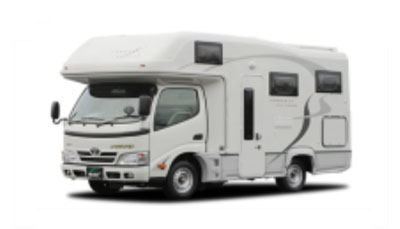
Understanding different RV classes is crucial for beginners to choose the best vehicle for Asian travel, as each type offers unique advantages in terms of size, amenities, and maneuverability. Class B Camper Vans (averaging 5.8m length) are compact and nimble, ideal for navigating narrow Asian roads and city centers, making them excellent for adventurous couples or solo travelers. These are exemplified by models similar to the '2 Berth Hi Top' or 'Active Pop Top'. Class SI Semi-integrated RVs (averaging 6.9m length) offer a desirable balance of space and drivability, providing comfortable living areas and amenities for small families without being overly cumbersome. Options like a '2 Berth Rover' or 'Active Compact Select' fit this category. Class C Alcove RVs (averaging 7.5m length) are distinguished by their prominent over-cab sleeping area, offering ample space for larger families (often with 5-6 sleeping places), but their size can present greater challenges in very tight Asian urban environments. Finally, Class A Integrated RVs (also averaging 7.5m length), while luxurious and spacious, are the largest and may present significant challenges with road dimensions, parking, and fuel efficiency in many Asian contexts, making them less common for beginner rentals. As true RV specialists, we can help you compare vehicle classes to find the perfect rented RV for your Asia adventure.
What You Shouldn't Miss
- Explore Japan's Michi-no-Eki: Experience Japan's unique roadside stations offering local produce, hot springs, and often free overnight parking for your RV rental.
- Drive South Korea's Coastal Roads: Traverse the beautiful coastal highways of South Korea, stopping at charming fishing villages and pristine beaches.
- Discover Thailand's Northern Mountains: Journey through the lush, mountainous regions of Northern Thailand, visiting ancient temples and vibrant night markets with your rented campervan.
- Experience Mongolian Steppe Camping: Venture off the beaten path in Mongolia, enjoying vast open landscapes and the chance to camp near traditional nomadic ger camps for a unique cultural immersion.
- Visit UNESCO Sites in China: With a rented motorhome, explore China's rapidly expanding RV infrastructure near magnificent UNESCO World Heritage sites, from ancient cities to natural wonders.
- Taste Local Asian Cuisine: Take advantage of your RV's kitchen to prepare fresh local ingredients acquired from markets along your route, delving deeper into Asia's incredible food culture.
Looking for expert insights from Avi Bandana? Top 5 Adventures - recommendations from Avi Bandana
Final Thoughts
Exploring Asia by rented RV is an incredible adventure, offering a unique blend of freedom and cultural immersion. While planning an RV trip through this diverse continent requires some careful consideration of local rules and road conditions, the rewards are truly unforgettable. From the efficient infrastructure of Japan to the emerging RV scene in Thailand, a motorhome provides your own mobile headquarters to venture out and truly experience each destination.
Remember, we're here to support you every step of the way, from comparing final prices across a wide range of trusted suppliers to helping you plan your perfect route. Embrace the journey, travel slowly, and let your rented RV be your gateway to Asia's endless wonders. Get inspired for your next trip and discover top destinations, planning tips, all in one place!
Ready to plan your unforgettable Asia RV adventure? Compare Campervan Prices for Asia and find your perfect rental today!