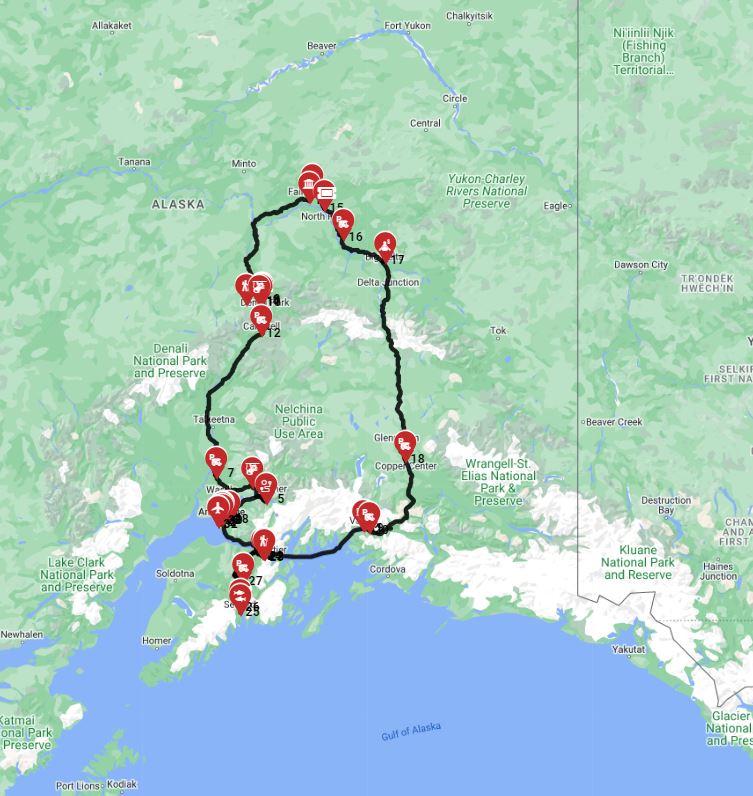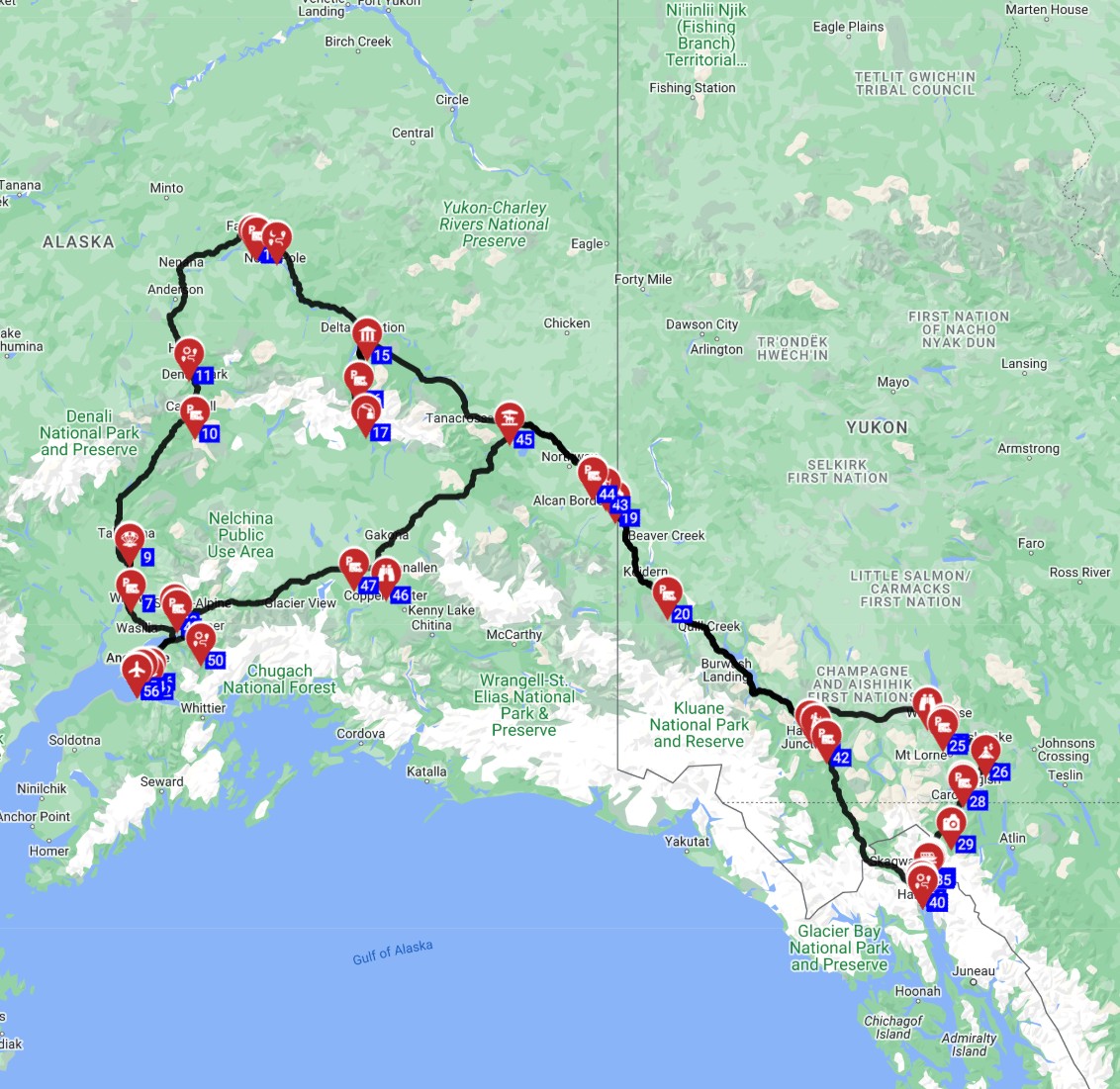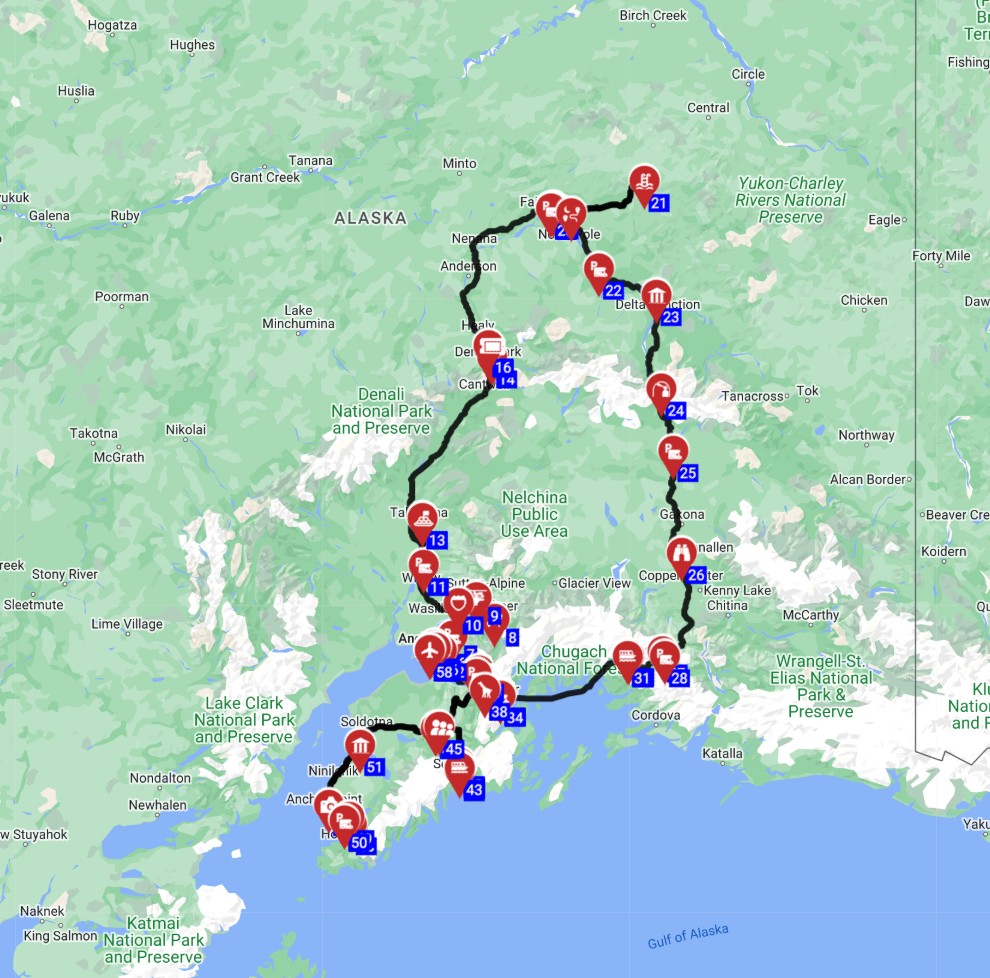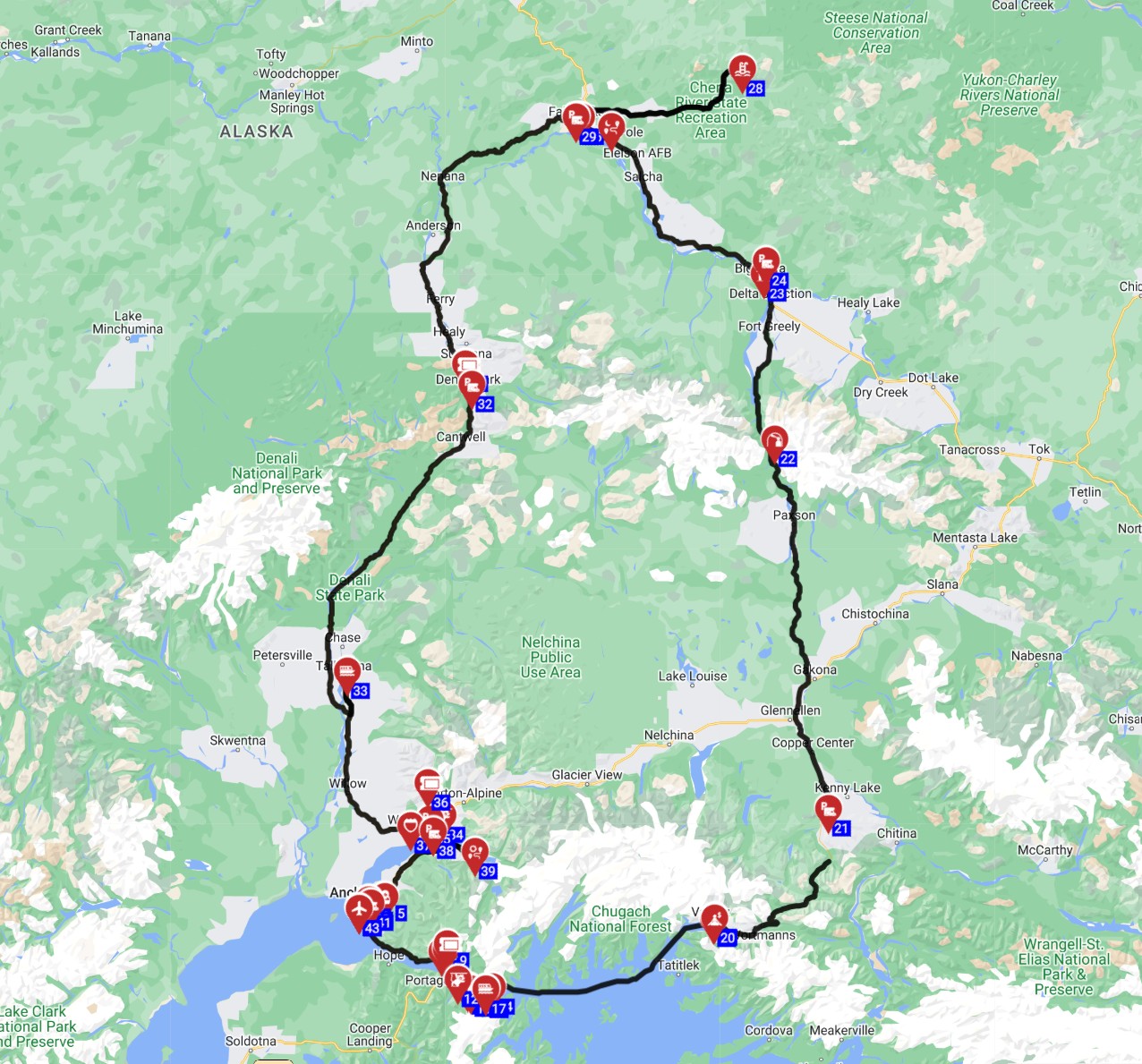
In This Guide
- Can You Drive an RV in Alaska? License & Age Rules
- Road Conditions & Terrain in Alaska
- RV Size Limits, Bridges & Restricted Zones
- Fuel: Diesel vs. Petrol & Cost per 100 km
- Tolls, Vignettes & Border Rules
- Driving Tips for RV Rental Travelers
- Recommended RV Class for Alaska Roads
- Should I Choose a Compact Van Instead of a Large RV in Alaska?
- Can I Park Anywhere? Free & Wild Camping Rules in Alaska
- Can I Drive an RV Into the City Center? Heights, Tunnels & Local Signage
- Can I Drive My RV to Alaska - Border Crossings and Logistics
- What is the 3-3-3 rule for RV living?
- Can you sleep in an RV while driving in the USA?
- Can you turn left on a red light in Alaska?
- What You Shouldn't Miss
- Why Book with Bandana Caravan
- Final Thoughts
- Frequently Asked Questions
An RV rental in Alaska offers unparalleled freedom to explore the Last Frontier, from glacial landscapes to vast wildlife reserves. Whether you're planning a week-long trip through national parks or an extended road trip across the state, understanding the practicalities of driving a motorhome in Alaska is key to an unforgettable journey. For live availability and current prices, start with our RV Rental Alaska - Complete Guide 2026 guide.
Can You Drive an RV in Alaska? License & Age Rules
A standard Class D driver's license is typically sufficient for driving most recreational vehicles (RVs) in Alaska, including larger Class A, Class B, and Class C motorhomes up to approximately 9 meters (30 feet) in length, as long as they are not used for commercial purposes. There is generally no need for a special license or additional permits for any rental motorhome within this size range.
The minimum age to rent and drive an RV in Alaska is 21 years old across most Bandana partner suppliers. Unlike some other destinations, there are no young driver surcharges or vehicle class restrictions based on age, meaning a 21-year-old can rent any available motorhome from our fleet. Foreign drivers can operate an RV in Alaska with a valid driver's license from their home country; however, an International Driving Permit (IDP) translated into English is highly recommended, especially if your national license is not in English, to ensure smooth interactions with local authorities.
We work with over 50 leading RV suppliers worldwide, including trusted names like El Monte and Cruise America, ensuring you have a wide selection of motorhomes and campervans that meet these licensing requirements for your Alaskan adventure. Our full transparency means you won't encounter hidden fees or surprises regarding driver qualifications.
Road Conditions & Terrain in Alaska
Alaska's road conditions vary significantly, from well-maintained paved highways like the Alaska Highway and Parks Highway to rough gravel and unpaved roads, particularly when accessing remote areas and some national parks. The terrain itself is incredibly diverse, featuring majestic mountainous regions, dense boreal forests, breathtaking coastal routes, and vast open tundra, all of which demand cautious and attentive RV driving.
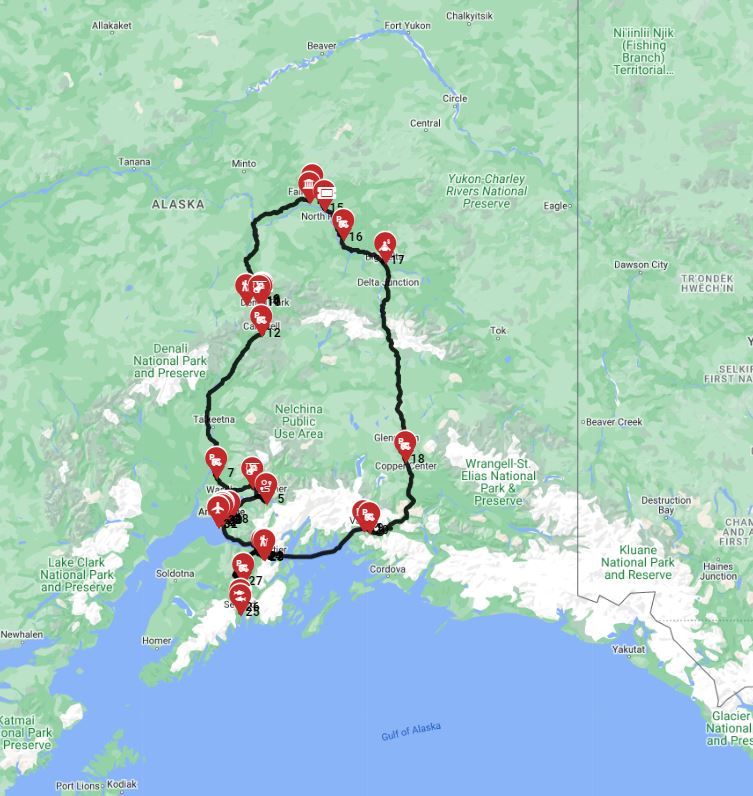
For comfortable travel, especially if venturing beyond the main corridors, considering a rented motorhome with good ground clearance is always a practical choice, though not a strict requirement for all trips. All-weather tires are standard on most rental RVs and are generally suitable for the varied conditions you might encounter. We strongly encourage slow, scenic driving to truly appreciate the abundant wildlife and stunning landscapes, and to safely navigate winding roads and unexpected hazards like potholes or animals on the road. Remember to travel slowly, averaging a maximum of 100-150 km per day, allowing plenty of time to feel the place, connect to the culture, the food, and the scenery. For instance, the "
RV Size Limits, Bridges & Restricted Zones
While Alaska does not impose strict RV length limits that would prevent most standard rental RVs (such as our Class C Alcove averaging 7.5 meters) from traveling its main roads, drivers should always be aware of specific local restrictions. It is crucial to pay close attention to road signage for height and weight restrictions, particularly on smaller bridges, in tunnels, or when entering specific park areas and ferry terminals. For example, some areas within Denali National Park have length restrictions, so checking park regulations in advance is advisable.
Unlike some European counterparts, there are no specific "environmental zones" or emissions restrictions targeting RVs in Alaska's cities. Respecting natural environments, however, is paramount. For those considering island hopping or exploring coastal areas, ferry services like the Alaska Marine Highway System have specific length, width, and height surcharges and limits for RVs, requiring advance booking and strict adherence to their regulations. Being a true RV specialist, Bandana provides all necessary vehicle dimensions and details upfront, ensuring full transparency with no hidden fees or surprises.
Fuel: Diesel vs. Petrol & Cost per 100 km
Most motorhomes and campervans available for rent in Alaska operate on petrol (gasoline), though some larger Class A units may be diesel. Petrol is widely available across Alaska, including in many remote towns, but diesel stations can be less frequent in very isolated areas, requiring careful planning for longer trips, such as on the "
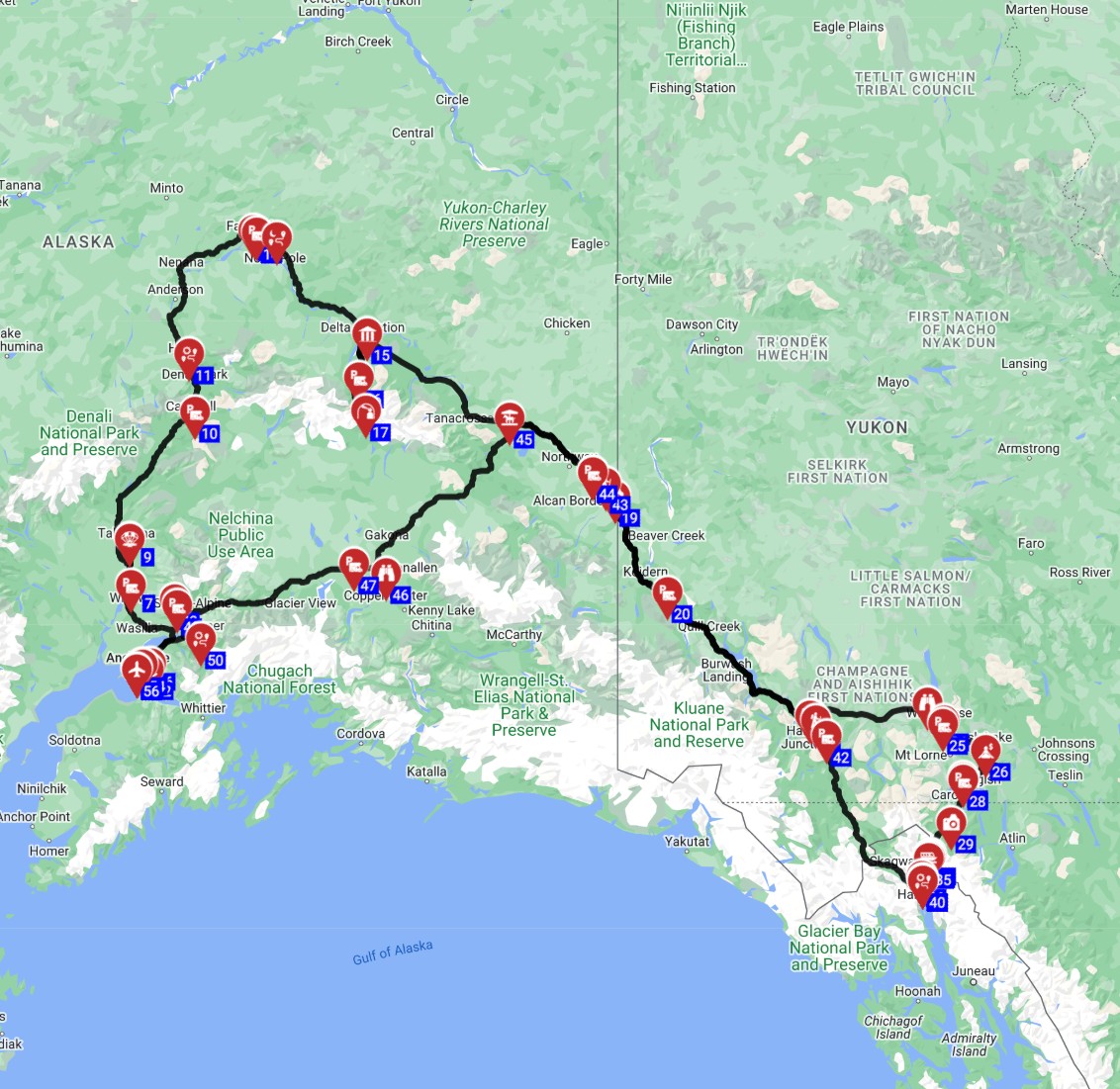
The average fuel consumption for Bandana's global fleet typically ranges from 8-17 Liters/100 km. Specifically, a Class B Camper Van like a "Combi Van" averages 9-12 Liters/100 km, while a Class C Alcove, similar to a "24' Class C Motorhome," averages around 11-14 Liters/100 km. The average cost per 100 km for a rented RV in Alaska varies significantly with fluctuating fuel prices, which are generally higher in Alaska compared to other US states due to logistics. Budgeting for fuel is essential, and on RV PLANET routes, travelers can itemize and track every expense, including fuel, for easy budgeting. On the routes offered through RV PLANET routes, you can itemize and track every expense along the way for easy budgeting.
Tolls, Vignettes & Border Rules
Alaska itself does not have state-wide toll roads or require vignettes for RV travel within its borders, simplifying in-state travel from a cost perspective. However, the primary border consideration for RV travelers to Alaska is crossing into Canada, as most land routes from the contiguous USA require transit through Canadian provinces like British Columbia and Yukon. This means adhering to both US and Canadian customs and immigration rules.
For Canadian border crossings, all RV occupants will need valid passports, along with the vehicle registration and proof of insurance that is valid in Canada. If traveling with pets, ensure you have current health certificates and proof of rabies vaccination, as Canadian regulations are strict. Be aware of Canadian customs regulations regarding prohibited items, including firearms, certain food products, and excess alcohol or tobacco. Pre-planning for these Canadian border requirements is essential to avoid delays or issues, making your journey from Anchorage to the broader Alaska-Yukon region smooth.
Driving Tips for RV Rental Travelers
Driving a rented RV in Alaska requires a few specific considerations to ensure a safe and enjoyable journey. Firstly, **Wildlife Awareness** is paramount; Alaska is home to abundant wildlife, including moose, bears, and caribou, so drive defensively, especially at dawn, dusk, and night, and be prepared to stop suddenly. Secondly, always **Maintain Ample Spacing** between your RV and other vehicles, particularly on gravel roads where dust can reduce visibility and extend braking distances.
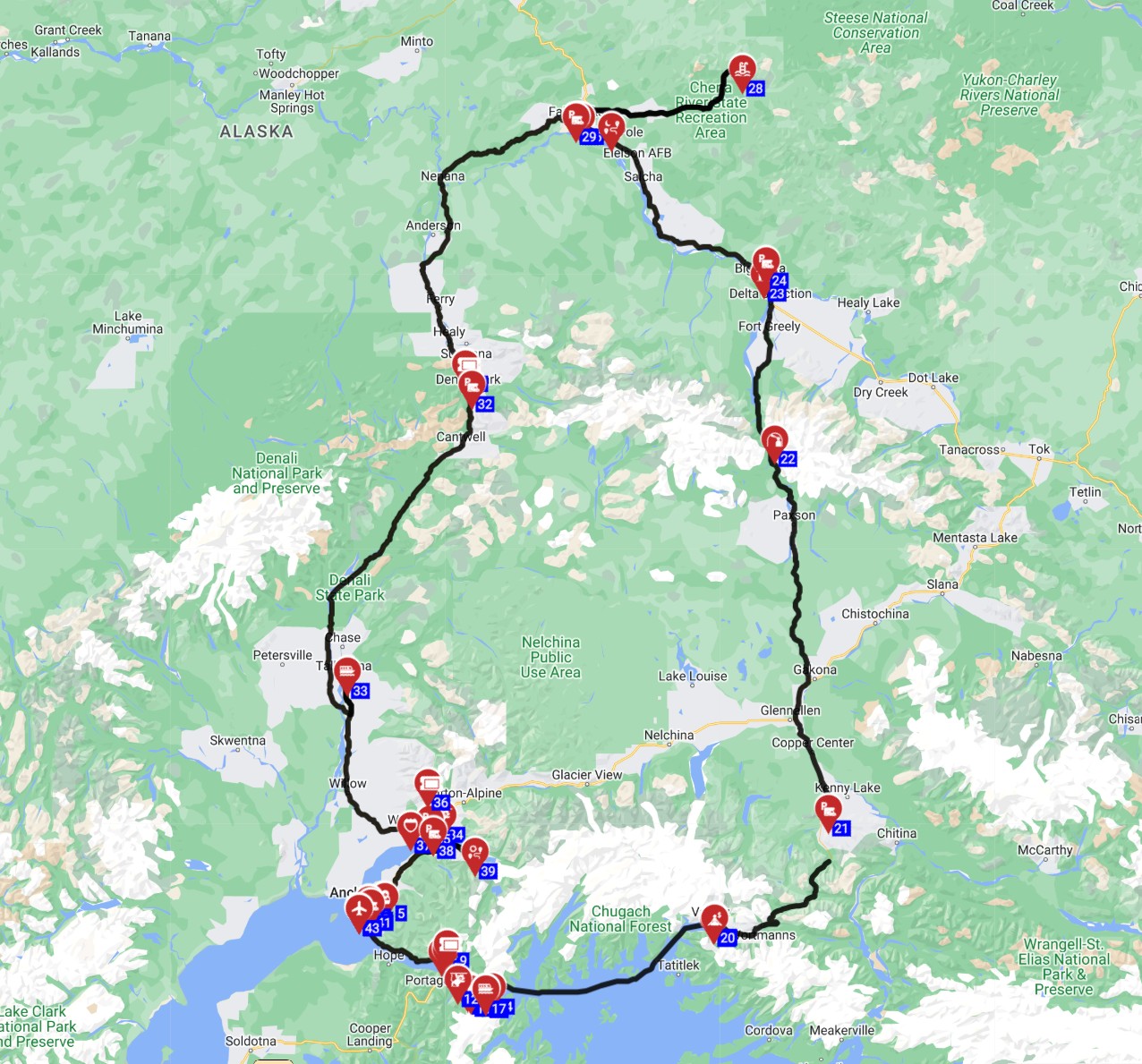
Thirdly, **Plan Fuel Stops and Supplies Carefully**, as distances between services can be extensive in remote areas; always carry extra water, food, and emergency supplies, including a spare tire and a basic toolkit. Fourthly, observe **Road Etiquette** by pulling over safely to allow faster traffic to pass on narrow or winding roads, and signal clearly when turning or changing lanes. Lastly, given the remote nature of much of Alaska, **Mechanical Preparedness** is wise; have roadside assistance coverage, as parts and repair services can be scarce. For instance, the "
Recommended RV Class for Alaska Roads
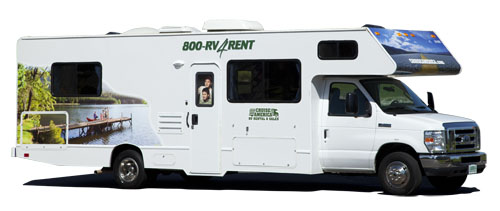
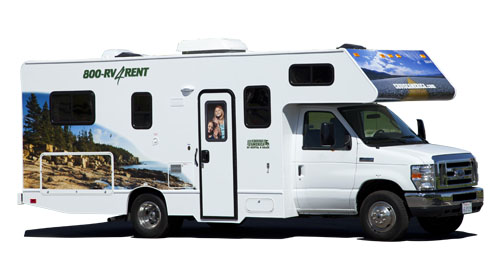
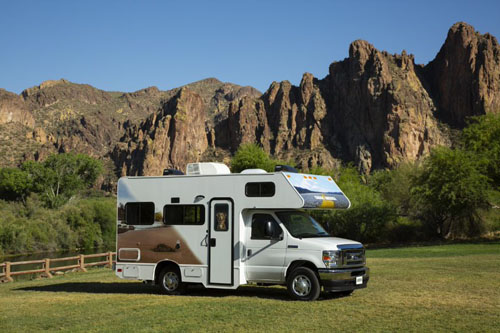
For a balanced experience of comfort and maneuverability on Alaska's diverse roads, a rented **Class C - Alcove** motorhome is highly recommended. Class C RVs, with an average length of 7.5 meters and sleeping capacity for around 5-6 people, offer ample space and amenities while generally being manageable on most Alaskan highways and well-traveled gravel roads. For example, a "24' Class C Motorhome" with a 7.46-meter length and sleeping capacity for 5, often found with our partners, provides a comfortable option.
Alternatively, a **Class SI - Semi-integrated** motorhome, averaging 6.9 meters in length, provides a more streamlined profile and slightly better fuel efficiency (typically 10-11 Liters/100 km), suitable for couples or smaller families seeking a blend of comfort and easier handling. Both classes offer adequate ground clearance for typical Alaskan road conditions and are widely available for rental. Ultimately, the best choice depends on your group size, budget, and desired level of amenities for your unique Alaskan adventure.
Should I Choose a Compact Van Instead of a Large RV in Alaska?
While compact vans, such as a rented Class B Camper Van (averaging 5.8 meters in length), offer excellent maneuverability and superior fuel efficiency (typically 8-10 Liters/100 km), most Alaskan roads are wide enough to accommodate larger RVs without significant issues. The primary advantage of a compact van in Alaska might be easier parking in smaller towns and potentially better access on extremely narrow or rough unpaved tracks, though such tracks are often discouraged for any RV.
However, a larger motorhome like a Class C or Semi-integrated often provides superior comfort, significantly more indoor living space, a full bathroom, and larger fresh and waste holding tanks (e.g., 167 liters fresh water, 132 liters waste water for a "rv rentals utah example Sunrise Escape" model), which are considerable benefits for extended trips in remote Alaskan areas. Consider a compact van if your priority is agility and a minimal footprint for a couple or a solo traveler. However, for families or those seeking more amenities and comfort on an extended week-long trip, sticking with a larger Class C or Semi-integrated RV is often the better trade-off for an Alaskan adventure, offering a true mobile home experience.
Can I Park Anywhere? Free & Wild Camping Rules in Alaska
No, you generally cannot park your rented RV anywhere in Alaska, as regulations for free and wild camping (often called boondocking or dispersed camping) vary significantly by land ownership and local jurisdiction. While Alaska offers abundant opportunities for dispersed camping on public lands managed by the Bureau of Land Management (BLM) and some National Forests, specific rules and restrictions always apply. Many national and state parks in Alaska reserve 25-30% of their spots for first-come, first-served arrivals, meaning you'll often find a spot, but it's always best to call ahead.
Always check with local authorities, park rangers, or BLM offices for precise regulations regarding overnight parking, especially concerning fire restrictions, maximum stay limits, and Leave No Trace principles. Private property requires explicit permission from the landowner for overnight parking, and municipal areas often prohibit overnight RV parking on streets or in public lots. Rules can vary greatly by region, from the state park system to federal lands. For finding campsites and campgrounds during your trip, we recommend using RV PLANET (rvplan.net) - a great resource for locating available spots along your route and exploring various camping options. It ensures you know where you can legally and safely park your motorhome.
Can I Drive an RV Into the City Center? Heights, Tunnels & Local Signage
Yes, you can almost always drive a rented RV into city centers in Alaska, including Anchorage, Fairbanks, and Juneau, as these cities are generally RV-friendly with accessible roads. Drive slowly and carefully, and you can drive almost anywhere without issues. No need to stress - just use common sense and pay attention to your surroundings.
However, drivers must pay close attention to local signage, especially for potential height limits on parking garages or underpasses, though these are less common for surface streets in Alaskan cities compared to larger metropolitan areas. Be aware of one-way streets, tighter turns, and limited parking availability in downtown cores, especially for larger motorhomes, which may make navigating challenging. There are no specific environmental zones or residents-only streets that typically restrict RV access in Alaskan city centers, but always obey posted parking regulations. For ease of exploring city attractions, it is often advisable to park at a peripheral RV park or designated spacious lot and use public transport or a smaller vehicle (if you're towing one) to navigate congested areas, if available.
Can I Drive My RV to Alaska - Border Crossings and Logistics
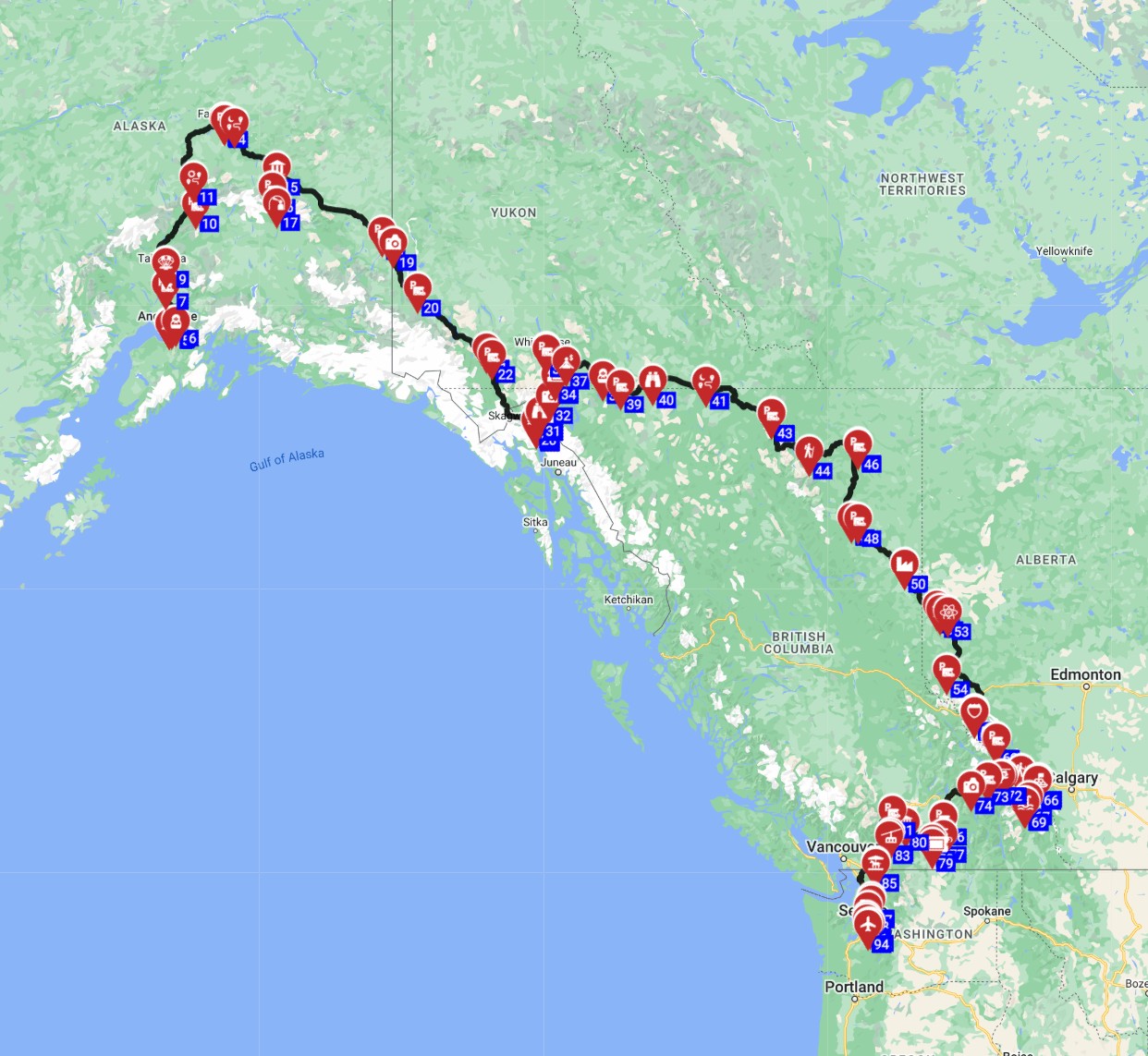
Yes, you can absolutely drive your rented RV to Alaska, with the most common and iconic route being through Canada via the Alaska Highway, requiring careful planning for border crossings. This epic journey means you'll typically cross the US-Canada border into Yukon or British Columbia, and then the Canada-US border again into Alaska.
Ensure all travelers have valid passports; you'll also need to bring all necessary vehicle documents, including the rental agreement, registration, and proof of insurance valid in both Canada and the US. If traveling with pets, ensure you have current vaccination records (especially rabies certificates) and potentially a vet health certificate, as Canadian regulations are strict. Be aware of customs regulations for both countries regarding prohibited items, such as firearms, certain food products, and plants, to ensure a smooth border crossing experience and avoid delays. Our 24/7 support is there before, during, and after your booking to help with these logistical questions, offering peace of mind for your extensive "RV Rental USA - Complete Guide 2026" adventure.
What is the 3-3-3 rule for RV living?
The 3-3-3 rule is a popular guideline for RV travel designed to promote a relaxed pace and enjoyable experience, especially when navigating vast, scenic regions like Alaska. It suggests driving no more than **300 miles (approximately 500 km)** per day, allowing ample time for scenic stops, detours, and avoiding driver fatigue on long stretches of Alaskan highway. This pace helps prevent burnout and encourages deeper exploration, aligning with our recommendation of slow travel.
The rule also recommends arriving at your destination by **3 PM**, which provides sufficient daylight for setting up camp, exploring the immediate area, and relaxing before dusk, particularly important in regions with varying daylight hours. Finally, it advises staying at least **3 nights** in one location, which allows travelers to fully experience the area without feeling rushed, unpack and settle in, and reduce the stress of constant packing and moving. Adopting the 3-3-3 rule in Alaska helps manage the vast distances and allows for better appreciation of the unique environment and potential wildlife encounters, enhancing your overall rented motorhome vacation.
Can you sleep in an RV while driving in the USA?
No, it is generally illegal and highly unsafe to sleep in the living area of a rented RV while the vehicle is in motion in the USA, including Alaska. All passengers must be seated in designated passenger seats with seatbelts securely fastened whenever the RV, whether a Class A, Class B, or Class C motorhome, is being driven. This regulation is crucial for passenger safety, as unbelted occupants can be severely injured during sudden stops, turns, or collisions, especially on winding Alaskan roads.
The driver must remain awake and alert at all times; any sleeping or resting should occur only when the RV is safely parked and turned off at a designated campground or overnight stop. Some RVs may have beds or seating areas without seatbelts, which are strictly for use when the vehicle is stationary. Prioritizing safety and adherence to traffic laws ensures a smooth and enjoyable rv rental in Alaska experience.
Can you turn left on a red light in Alaska?
In Alaska, as in most U.S. states, it is generally legal to turn left on a red light only when turning from a one-way street onto another one-way street, provided there is no sign explicitly prohibiting it. This specific rule means you can proceed with a left turn after a complete stop, ensuring the intersection is clear of opposing traffic and pedestrians, and it is safe to do so.
It is strictly illegal to turn left on a red light when turning from a two-way street onto any street, or from a one-way street onto a two-way street. Always observe traffic signs, which will indicate if a left turn on red is prohibited at a particular intersection with a 'No Left Turn on Red' sign. When in doubt, it is always safest to wait for a green light to make a left turn, especially when driving an unfamiliar, rented motorhome. Common sense and paying attention to local signage will serve you well on your Alaskan RV adventure.
What You Shouldn't Miss
- **Explore Denali National Park and Preserve**: Drive the accessible portion of the Denali Park Road for incredible wildlife viewing and stunning mountain vistas. Consider a guided bus tour for deeper access.
- **Cruise the Kenai Fjords National Park**: Take a boat tour from Seward to witness tidewater glaciers, marine wildlife like whales and puffins, and dramatic coastal scenery.
- **Visit the Alaska Wildlife Conservation Center**: Located just south of Anchorage, this center provides close-up views of rescued Alaskan animals like bears, moose, and bison in a spacious natural setting.
- **Hike in Chugach State Park**: Offering over 500,000 acres near Anchorage, find trails ranging from easy walks to challenging mountaineering, providing breathtaking views of mountains, glaciers, and the city.
- **Experience the Midnight Sun in Fairbanks**: During summer, enjoy nearly 24 hours of daylight for extended exploration, fishing, or simply enjoying the unique phenomenon.
- **Drive the scenic Seward Highway**: This All-American Road between Anchorage and Seward is renowned for its panoramic views of mountains, Turnagain Arm, and potential wildlife sightings.
Looking for expert insights from Avi Bandana? Top 5 Adventures - recommendations from Avi Bandana.
🎬 Video coming soon
Final Thoughts
An RV adventure from an Alaska airport offers the ultimate freedom to immerse yourself in this magnificent state's untamed beauty. With transparent pricing, dedicated support, and a vast selection of quality motorhomes and campervans, Bandana is here to ensure your journey is seamless from the moment you consider your trip.
Imagine waking up to views of snow-capped mountains, cooking breakfast with an RV-friendly recipe, and embarking on another day of exploration, all from the comfort of your rented mobile home. Alaska is a destination that truly comes alive when explored by RV, allowing you to set your own pace and discover hidden gems. For ideas you can prep on the road, watch our RV-friendly recipes playlist on YouTube.
Don't just dream of the Alaskan wilderness – make it your reality. Compare Motorhome Prices for Alaska now and begin planning an adventure that will create memories to last a lifetime. We handle the details, so you can simply live the journey.