For live availability and current prices, start with our RV Rental West Canada - Complete Guide 2026 guide.
In This Guide
- The 5 RV Families Compared for West Canada
- Class A (Integrated) — Best For
- Price Comparison by RV Class in West Canada
- Class SI (Semi-Integrated) — Best For
- Class C (Alcove) — Best For
- Class B (Campervan) — Best For
- Class TC (Truck Camper) — Best For
- Side-by-Side Comparison Table
- Our Recommendation for cheap rv rental Travelers in West Canada
- What are important RV driving and wildlife safety tips for West Canada?
- What are the rules for boondocking and dispersed camping in West Canada?
- What are some recommended RV itineraries for West Canada?
- Where can I find off-the-beaten-path RV destinations in West Canada?
- How can I stay connected while RVing in remote West Canada?
- What are the considerations for RVing in West Canada during shoulder or winter seasons?
The 5 RV Families Compared for West Canada
West Canada's diverse terrain and climate, from the coastal rainforests of British Columbia to the vast prairies of Alberta, necessitate choosing an RV family suited to your trip style and the specific regions you plan to explore. The right RV choice impacts not only the initial rental price but also critical factors like fuel efficiency, accessibility in national parks and smaller towns, and the overall comfort of your travel experience.
For those seeking a "cheap RV rental," it's crucial to balance the upfront cost with operational expenses such as fuel, potential toll fees, and campground site fees. Considering your group size, desired comfort level, and planned activities—whether it's extensive hiking in national parks, exploring urban centers, or venturing onto more remote, unpaved roads—will help narrow down the best RV class for your West Canadian adventure. On the routes offered through RV PLANET routes, you can itemize and track every expense along the way for easy budgeting.
Understanding the distinctions between the primary RV classes available for rent will significantly enhance your trip planning. Each class offers a unique combination of living space, amenities, and drivability, directly influencing your budget and the accessibility of your chosen destinations.
Class A (Integrated) — Best For
Class A motorhomes are the largest and most luxurious RVs, often resembling a bus in appearance and offering the most spacious and amenity-rich living experience. Bandana's fleet typically features Class A motorhomes averaging around 7.5 meters in length, comfortably sleeping approximately 4-5 people, with an average adult capacity of 4 and a typical load capacity of about 200 kg. Fuel consumption for these robust units commonly ranges from 11-12 Liters per 100 km, based on global fleet averages, which is a key consideration for budget-conscious travelers.
These integrated motorhomes are best suited for larger families or groups prioritizing maximum living space, extensive onboard amenities, and a hotel-like experience for longer trips primarily along West Canada's main highways. While they offer unparalleled comfort and convenience, their size can also present challenges when navigating smaller towns, winding national park roads, or attempting to find parking in busier urban areas, potentially leading to higher rental and fuel expenses compared to smaller RVs.
Choosing a Class A motorhome means embracing a more relaxed travel pace, allowing you to fully immerse yourself in the journey without the need to compromise on comfort or space, making it an excellent, albeit more costly, option for extensive exploration.
Price Comparison by RV Class in West Canada
Because RV rental pricing is dynamically flex-rate, costs fluctuate significantly based on demand, season, booking lead time, and specific RV class across West Canada. The table below pulls real example prices from Bandana's live search for various durations and RV classes to give you a transparent overview.
| Family | Avg Length (m) | Sleeps | Fuel Use (L/100 km) | Best Use Case in West Canada |
|---|---|---|---|---|
| Class A (Integrated) | 7.5 | 4.4 | 11-12 | Large groups, luxury, long highway trips |
| Class SI (Semi-Integrated) | 6.9 | 3.8 | 10-11 | Couples/small families, balanced comfort/maneuverability |
| Class C (Alcove) | 7.5 | 5.8 | 10-12 | Families, good space & amenities, value-oriented |
| Class B (Campervan) | 5.8 | 3.2 | 10 | Solo/couples, maneuverability, fuel efficiency, budget |
| Class TC (Truck Camper) | 5.5 | 2.4 | 12-17 | Adventurous couples, off-grid access, flexibility |
Generally, smaller and more fuel-efficient RVs like Class B campervans or truck campers tend to have lower daily rental rates, making them ideal for those prioritizing "cheap RV rental." Remember that these prices are estimates and update daily; for the most current rates and availability, please use the search box at the top of the page.
Class SI (Semi-Integrated) — Best For
Class SI (Semi-Integrated) motorhomes, often called “low-profile” or “half-integrated” models, offer a sophisticated blend of comfort and maneuverability, striking a sweet spot for many travelers. Bandana's fleet typically shows Class SI motorhomes averaging around 6.9 meters in length, accommodating about 3-4 sleepers with an average adult capacity of 3-4, and a load capacity of approximately 70 kg. Their fuel consumption is generally efficient, commonly ranging from 10-11 Liters per 100 km, based on global fleet averages, aligning well with budget-conscious travel.
These motorhomes are an excellent choice for couples or small families exploring West Canada, offering more dedicated living and sleeping space than compact campervans but remaining more manageable on diverse road conditions than larger Class A or C models. They often present a cost-effective option for travelers seeking a comfortable mid-range experience, balancing the amenities needed for extended trips with a footprint that simplifies navigation and parking, making them a smart pick for a "cheap RV rental" that doesn't skimp on comfort.
The semi-integrated design often means a lower profile than Class C models, potentially improving aerodynamics and fuel efficiency, further enhancing their appeal for travelers mindful of their budget and looking for a versatile travel companion.
Class C (Alcove) — Best For
Class C motorhomes are easily identifiable by their distinctive over-cab sleeping area or storage space, offering a practical and family-friendly RV experience. Bandana's fleet typically shows Class C motorhomes averaging about 7.5 meters in length, comfortably sleeping approximately 5-6 people, with an average adult capacity of 4-5, and a load capacity of roughly 40 kg. Their fuel consumption commonly falls between 10-12 Liters per 100 km, making them a surprisingly fuel-efficient option for their size, especially when considering the number of passengers they can accommodate.
Class C alcove motorhomes are ideal for families or groups seeking a good balance of ample sleeping capacity, including the convenient over-cab bunk, and practical living space for their West Canada adventure. They are often a cost-efficient choice for larger groups due to their generous amenities and good drivability on West Canada's varied road conditions, aligning well with "cheap RV rental" priorities for families who need to accommodate everyone comfortably without breaking the bank. The distinct alcove also provides valuable extra storage or sleeping space, adding to their practicality.
These motorhomes generally provide a comfortable and accessible entry point into RV travel, offering a familiar driving feel thanks to their truck-chassis foundation, making them a popular choice for first-time renters.
Class B (Campervan) — Best For
Class B motorhomes, commonly known as campervans, are the most compact and maneuverable of the motorhome classes, built within a standard van chassis. Bandana's fleet typically shows Class B campervans averaging around 5.8 meters in length, sleeping approximately 2-3 people with an average adult capacity of 2-3, and a load capacity of about 35 kg. These units boast excellent fuel economy, commonly around 10 Liters per 100 km, making them the most budget-friendly option for fuel costs during your West Canadian journey.
Campervans are perfect for solo travelers, couples, or small groups prioritizing agility, easy parking, and the best possible fuel efficiency for exploring West Canada's diverse landscapes, from bustling city streets to scenic national park roads. Their compact size makes them ideal for navigating tight urban areas, accessing more remote or less-trafficked natural spots, and often represent the cheapest overall RV rental option due to lower rental rates and reduced fuel consumption, providing maximum flexibility for the budget-conscious explorer.
While they offer less living space and fewer amenities than larger RVs, their ease of driving and parking, combined with excellent fuel economy, makes them a top choice for those who value freedom and spontaneity in their travels.
Class TC (Truck Camper) — Best For
Class TC (Truck Camper) RVs consist of a camper unit mounted onto the bed of a pickup truck, offering a unique blend of ruggedness and versatility. Bandana's fleet typically shows Class TC truck campers averaging about 5.5 meters in length, sleeping approximately 2-3 people with an average adult capacity of 2, though this can vary significantly with the truck's cab configuration. Fuel consumption for these units is generally higher than campervans, ranging from 12-17 Liters per 100 km, based on global fleet averages, due to the added weight and drag of the camper unit on the truck chassis.
Truck campers are best for adventurous couples or individuals seeking the ability to tackle off-grid adventures and access more remote or rugged terrain in West Canada, where a standard motorhome might struggle. Their key advantage is the ability to detach the camper unit from the truck, allowing for separate vehicle use for day trips and exploration, making them a highly flexible option for explorers. However, their fuel efficiency is generally lower than other compact RV types, and the living space can be more limited compared to dedicated motorhomes.
This type of RV is ideal for those who prioritize access to less-traveled paths and a more immersive outdoor experience, where the truck's capabilities are as important as the camper's amenities.
Side-by-Side Comparison Table
This table provides a quick, at-a-glance comparison of the key specifications for each RV family available for rent in West Canada, summarizing average length, sleeping capacity, estimated fuel consumption, and the ideal use case to help inform your decision. Use this overview to match your travel style, group size, and budget with the most suitable RV class for your West Canadian adventure.
| Family | Avg Length (m) | Sleeps | Fuel Use (L/100 km) | Best Use Case in West Canada |
|---|---|---|---|---|
| Class A (Integrated) | 7.5 | 4.4 | 11-12 | Large groups, luxury, long highway trips |
| Class SI (Semi-Integrated) | 6.9 | 3.8 | 10-11 | Couples/small families, balanced comfort/maneuverability |
| Class C (Alcove) | 7.5 | 5.8 | 10-12 | Families, good space & amenities, value-oriented |
| Class B (Campervan) | 5.8 | 3.2 | 10 | Solo/couples, maneuverability, fuel efficiency, budget |
| Class TC (Truck Camper) | 5.5 | 2.4 | 12-17 | Adventurous couples, off-grid access, flexibility |
Our Recommendation for cheap rv rental Travelers in West Canada
For travelers prioritizing a "cheap RV rental" experience in West Canada, especially families or groups seeking value without sacrificing comfort, the **Class C (Alcove)** motorhome is our primary recommendation. It masterfully balances excellent sleeping capacity, with fleet averages showing approximately 5-6 sleepers and a comfortable 7.5-meter length, alongside reasonable fuel efficiency averaging 10-12 L/100 km. This combination provides significant value for money, ensuring a pleasant journey without an exorbitant budget impact.
As a strong runner-up for solo adventurers or couples focused on the lowest overall cost and maximum flexibility, the **Class B (Campervan)** is an outstanding choice. With superior fuel economy averaging 10 L/100 km and a compact 5.8-meter length, campervans offer unparalleled maneuverability and minimal operating expenses, making them perfect for budget-conscious exploration of West Canada's diverse landscapes and intimate travel experiences.
Ultimately, the best "cheap RV rental" choice depends on your specific needs, but both Class C and Class B vehicles offer compelling advantages for cost-effective exploration across this stunning region.
What are important RV driving and wildlife safety tips for West Canada?
Safety for RV driving in West Canada is paramount and involves understanding the varied road conditions, particularly mountain passes and long, open stretches, alongside being acutely aware of potential wildlife encounters. When navigating mountainous regions, it's crucial to utilize lower gears for both ascents and descents to prevent brake overheating and always maintain ample following distance from other vehicles, especially those that are larger or slower. Being prepared for rapid weather changes, including potential snow or ice even in shoulder seasons, is also vital.
Vigilance for wildlife such as moose, elk, deer, and bears is essential, particularly at dawn, dusk, and along unfenced highways. Always maintain a safe distance from animals, never feed them, and consider carrying bear spray when hiking in bear country, ensuring you know how to use it effectively. Familiarizing yourself with local wildlife advisement signage is also a key safety practice for RVers.
Additionally, always check provincial road reports (e.g., DriveBC for British Columbia, 511 Alberta for Alberta) for current conditions, potential closures, or advisories before departing, especially when traveling during shoulder or winter seasons when ice, snow, or temporary road closures may occur. This proactive approach ensures a safer and more enjoyable journey through West Canada's spectacular, yet sometimes challenging, landscapes.
What are the rules for boondocking and dispersed camping in West Canada?
Boondocking and dispersed camping regulations in West Canada vary significantly by province and specific land management agencies, but generally require strict adherence to "Leave No Trace" principles to minimize environmental impact. In provinces like British Columbia and Alberta, there are extensive areas of Crown land (public land) that offer opportunities for free camping, often referred to as dispersed camping, though permits may be required for stays exceeding a certain number of days or in specific designated areas.
National Parks, including iconic destinations like Banff and Jasper, generally restrict boondocking to designated campgrounds, making it essential for RVers to book their spots well in advance or be prepared for potential fees at these established sites. Provincial parks may have more lenient rules, but always verify local regulations before setting up camp, as specific fire bans, site limitations, or waste disposal requirements can apply. It's also highly recommended to utilize apps like iOverlander or Campendium, which provide user-generated information on legal, safe, and sometimes free dispersed camping locations, often including reviews and amenity details.
Responsible dispersed camping ensures that these beautiful natural areas remain accessible and pristine for future generations of RV travelers, so always practice the principles of pack it in, pack it out, and leave your campsite better than you found it.
What are some recommended RV itineraries for West Canada?
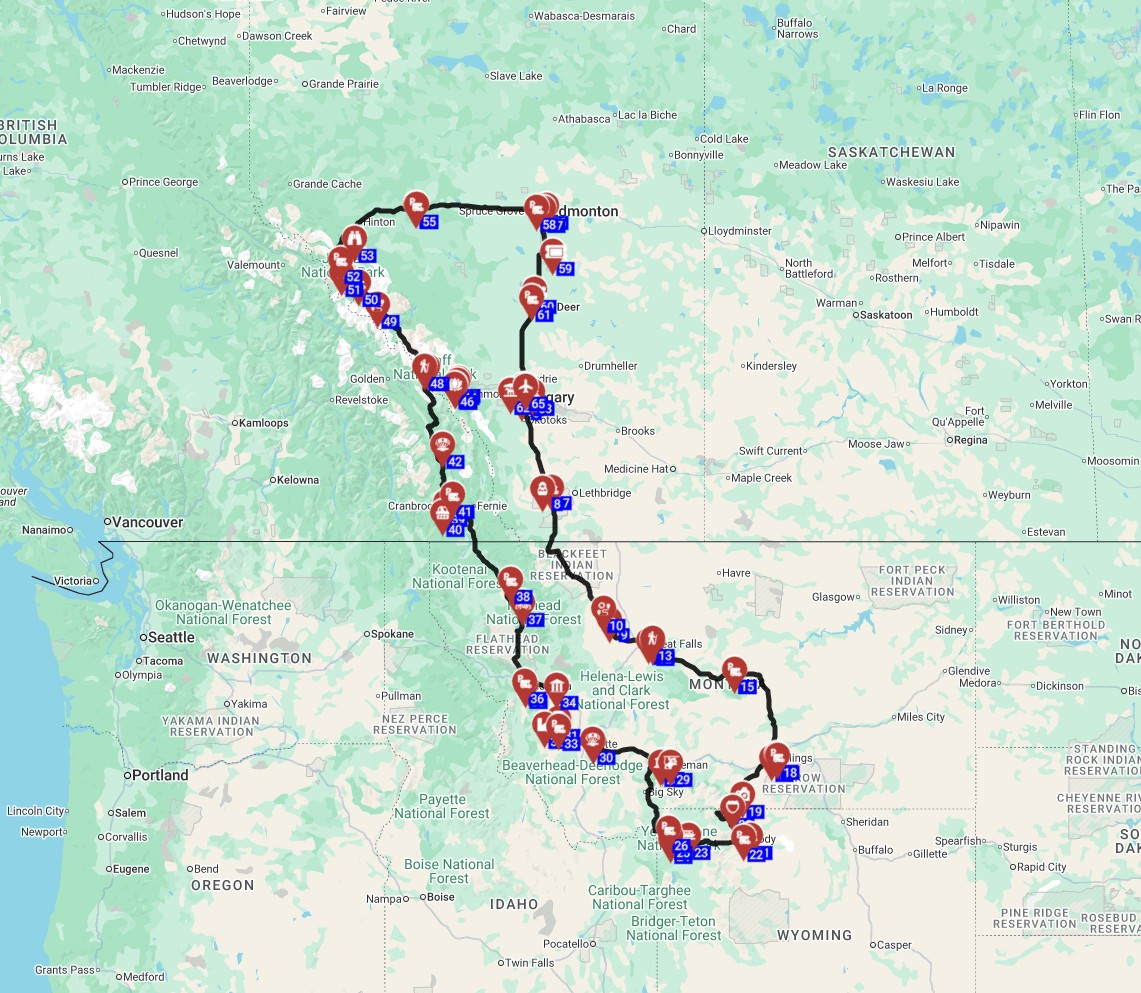
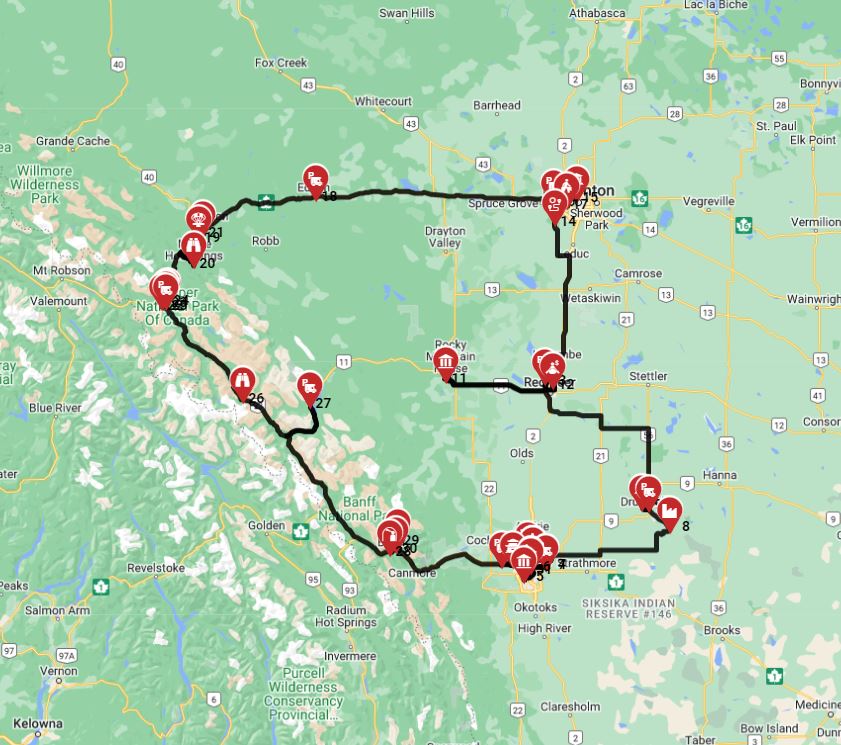
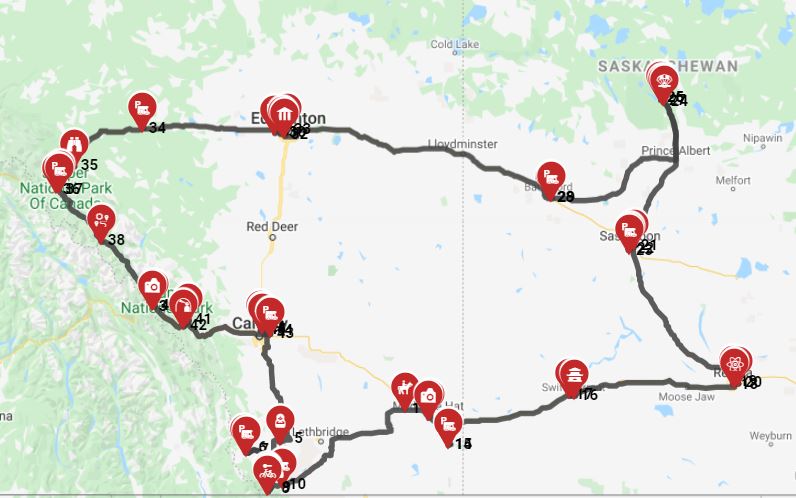
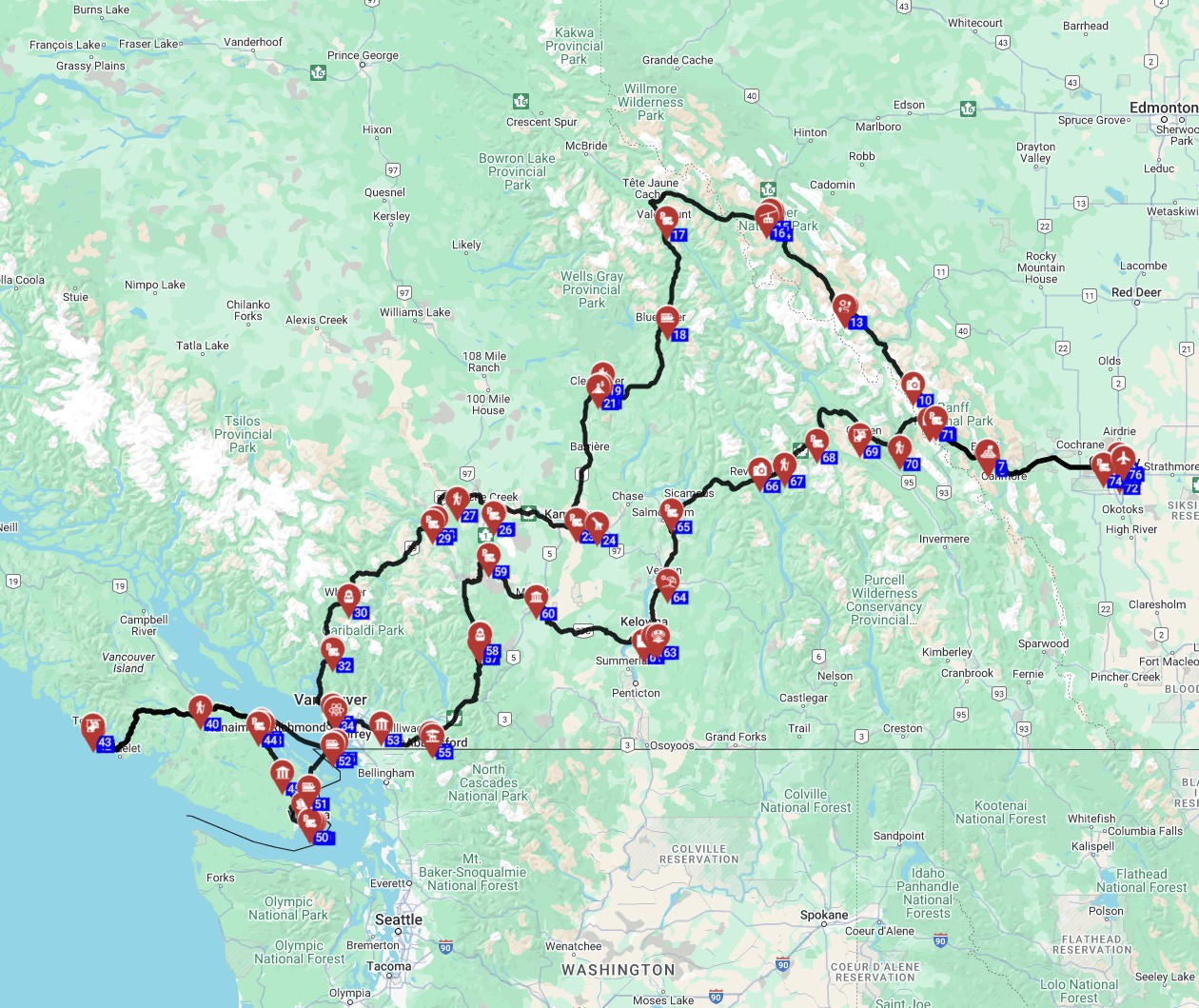
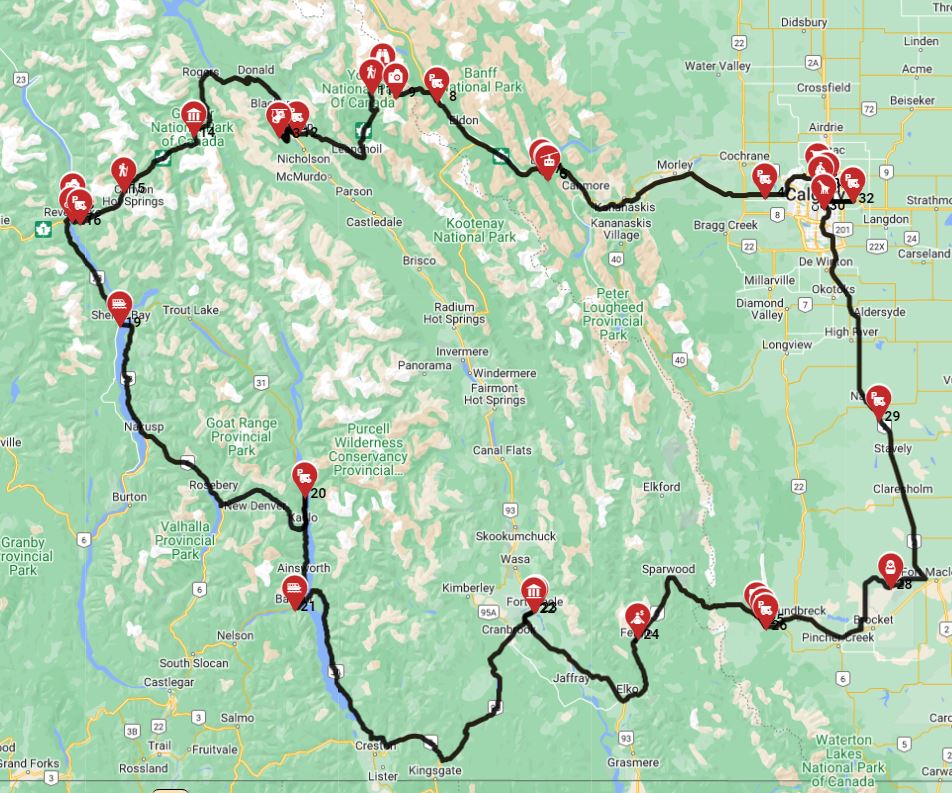
Recommended RV itineraries for West Canada often highlight iconic routes that showcase the region's stunning natural beauty and diverse culture, spanning from Alberta's breathtaking Icefields Parkway to British Columbia's scenic coastal drives and the charming towns of the Okanagan Valley. For those exploring Alberta, a popular route is the "Rocky Mountain Loop," which typically covers Banff and Jasper National Parks, and is best enjoyed over 7-10 days to allow ample time for hikes, sightseeing, and experiencing the majestic mountain landscapes.
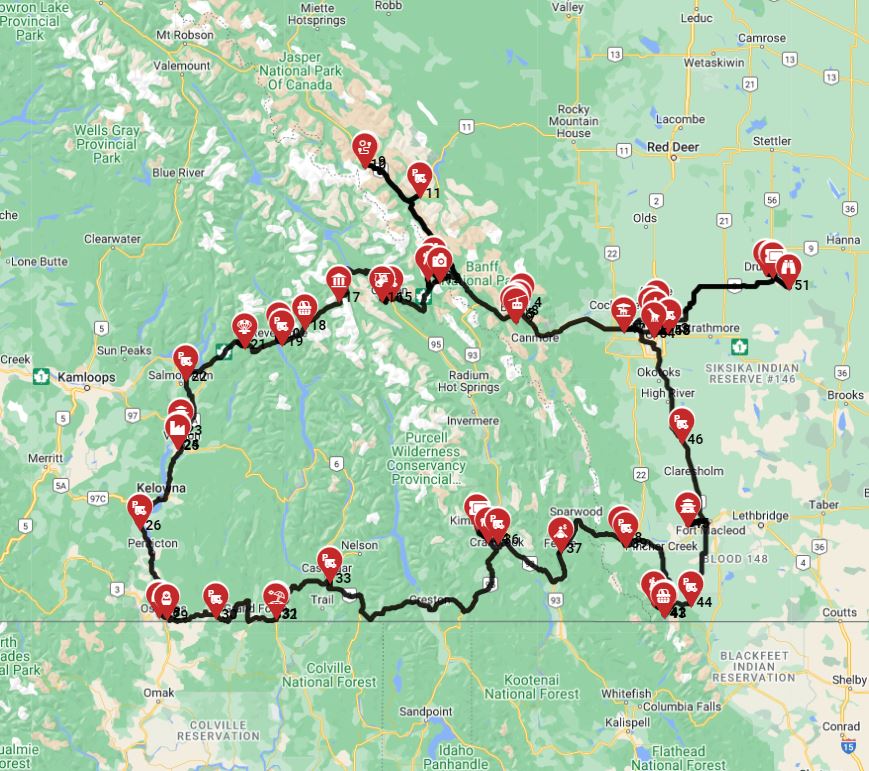
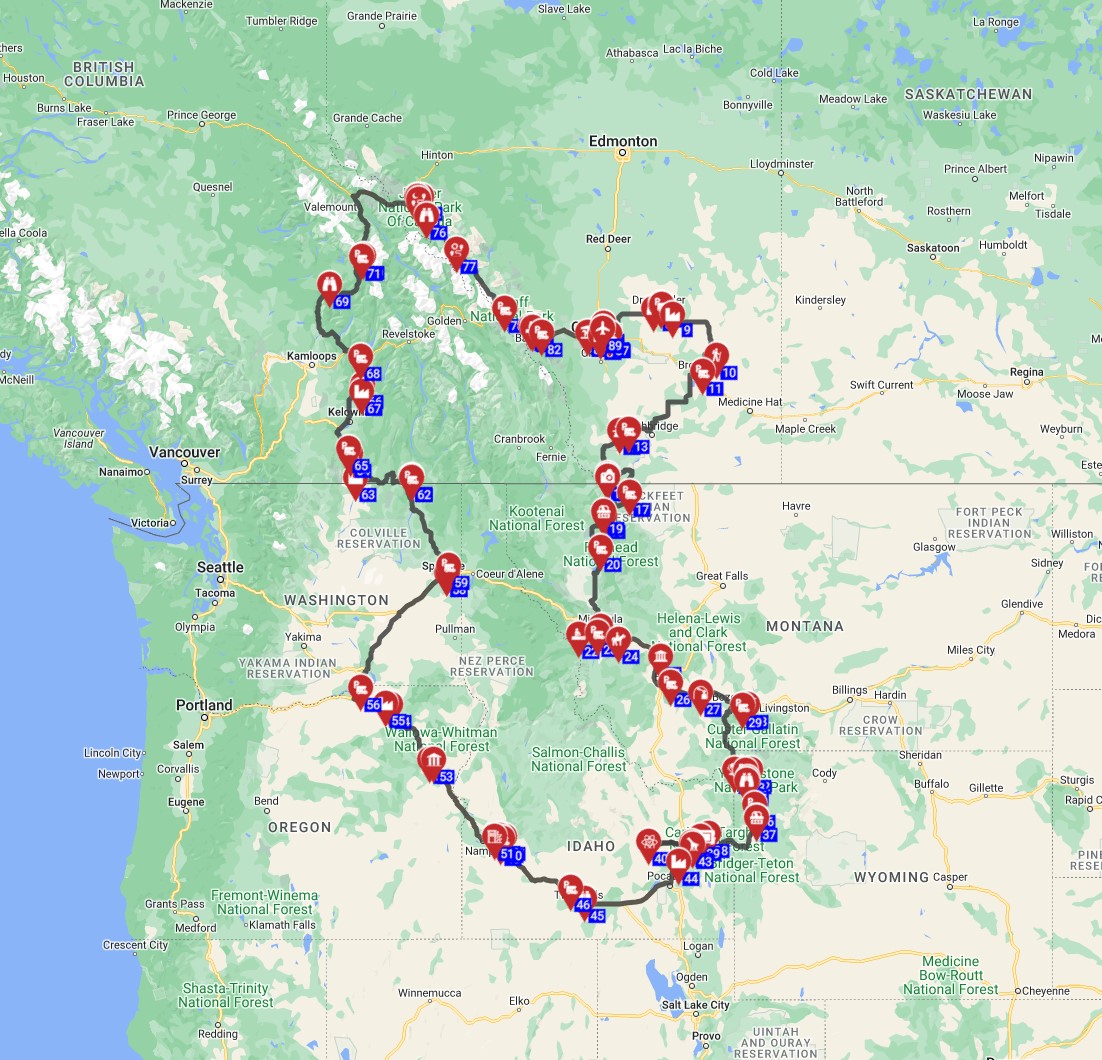
For a multi-provincial adventure, consider extending your trip to explore the Kootenay region in British Columbia, known for its hot springs and less crowded hiking trails, or delve into the unique geological formations and dinosaur history of Alberta's Canadian Badlands, particularly around Dinosaur Provincial Park and Drumheller. A 19-day "

Budget-friendly itineraries can be crafted by focusing on provincial parks, which often have lower fees than national parks, or by incorporating more dispersed camping opportunities where permitted. This approach allows for longer, more immersive trips while keeping costs manageable, enabling travelers to truly connect with the landscapes and cultures of West Canada.
Where can I find off-the-beaten-path RV destinations in West Canada?
Discovering off-the-beaten-path RV destinations in West Canada is an rewarding endeavor that often involves venturing beyond the primary tourist hubs and delving into the charm of provincial parks, exploring smaller towns, and seeking out local cultural festivals. For those looking to escape the crowds, consider areas like the Kootenay Rockies in British Columbia for their numerous hot springs and less-trafficked hiking trails, or explore the Cariboo Chilcotin Coast region for a rich blend of wilderness and indigenous culture.
In Alberta, beyond the iconic Rockies, the Canadian Badlands offer a captivating, almost otherworldly landscape with unique geological formations and a fascinating history of dinosaur discoveries, particularly around Dinosaur Provincial Park and Drumheller. These areas provide a starkly beautiful contrast to the mountainous terrain and are perfect for RV explorations that offer a different perspective on the natural wonders of Western Canada.
To uncover truly authentic experiences, engage with local tourism offices and community event calendars—they are invaluable resources for finding unique eateries, artisan markets, and lesser-known natural attractions that showcase the heart of West Canadian culture and hospitality, leading to a more memorable and personal journey.
How can I stay connected while RVing in remote West Canada?
Staying connected while RVing in remote West Canada often requires a proactive strategy, as cellular and Wi-Fi services can be quite spotty or entirely unavailable in many wilderness areas and national parks. Before you embark on your journey, it's advisable to purchase a local SIM card from major providers like Telus, Bell, or Rogers, which generally offer better coverage across populated areas, and to research known cellular service blackouts along your planned route.
For those venturing into truly remote regions where even local SIM cards may not provide reliable service, satellite internet options such as Starlink or a satellite messenger device like a Garmin InReach are highly recommended, not only for staying connected for work or personal use but crucially for emergency communication capabilities. These devices can be a lifesaver in areas without any terrestrial signal.
While it's wise to plan strategically around campgrounds or towns where Wi-Fi is available for essential tasks, consider embracing periods of digital detox. Disconnecting from constant connectivity can enhance the immersive experience of RVing in West Canada's vast and beautiful landscapes, allowing you to fully appreciate the natural surroundings and the freedom of the open road.
What are the considerations for RVing in West Canada during shoulder or winter seasons?
RVing in West Canada during the shoulder seasons (spring and fall) or even the winter season offers unique advantages like fewer crowds and the opportunity to witness stunning snowy landscapes, but it necessitates careful preparation for colder temperatures and potential road challenges. Ensure your RV is properly winterized, or that you opt for a model rated for cold weather, paying close attention to the heating systems, insulation quality, and the condition of your tires—winter tires may be legally required on some routes, such as British Columbia's Coquihalla Highway, during specific periods.
Many campgrounds and visitor services operate seasonally, meaning availability can be significantly reduced during off-peak travel. It's crucial to verify operating hours and book reservations well in advance for any shoulder or winter travel to avoid disappointment. Some facilities may be closed entirely, requiring more reliance on dispersed camping or RV parks that remain open year-round.
Be prepared for rapidly changing weather conditions, including the possibility of snow and ice, even outside of mid-winter. Always check provincial highway reports for the latest road conditions, closures, or advisories before you depart, especially when planning routes that include mountain passes, as conditions can deteriorate quickly, impacting travel times and safety.
What You Shouldn't Miss
- Drive the iconic Icefields Parkway in Alberta, connecting Banff and Jasper National Parks, for unparalleled mountain scenery and abundant wildlife viewing opportunities.
- Explore Vancouver Island's rugged Pacific Rim National Park Reserve, offering stunning coastlines, ancient rainforests, and world-class surfing.
- Discover the unique geological formations of the Alberta Badlands, including the hoodoos near Drumheller, for a prehistoric adventure.
- Soak in the natural hot springs scattered throughout the Kootenay region of British Columbia for a relaxing and rejuvenating experience.
- Visit Waterton Lakes National Park, a UNESCO World Heritage site and International Peace Park, for its diverse ecosystems and breathtaking alpine scenery.
- Experience the vibrant culture and culinary scene of cities like Vancouver, Victoria, and Calgary, enjoying their unique offerings from a convenient RV base.
Final Thoughts
Embarking on an RV adventure in West Canada offers an unparalleled opportunity to explore stunning landscapes at your own pace, creating memories that will last a lifetime. From the majestic Canadian Rockies to the serene Pacific coast, the journey itself becomes as significant as the destination.
Choosing the right RV is key to a comfortable and budget-friendly trip. Whether you opt for the compact agility of a campervan or the spacious luxury of a larger motorhome, Bandana Caravan is here to help you find the perfect fit. We encourage you to travel slowly, savoring each mile and connecting with the incredible natural beauty and unique culture West Canada has to offer.
Get inspired for your next trip! Discover top destinations, planning tips, all in one place! Plan your RV adventure with Bandana Caravan and experience the freedom of the open road.