In This Guide
- The 5 RV Families Compared for North Canada
- Class A (Integrated) — Best For
- Class SI (Semi-Integrated) — Best For
- Class C (Alcove) — Best For
- Class B (Campervan) — Best For
- Class TC (Truck Camper) — Best For
- Side-by-Side Comparison Table
- Our Recommendation for cheap rv rental Travelers in North Canada
- What is the cheapest way to rent an RV?
- How much does it cost to rent an RV in Canada for a week?
- Is RV rental cheaper than hotel?
- Which motorhome rental company is the best in Canada?
- Which province in Canada has the cheapest rent?
- What is the 3-3-3 rule for RVs?
- Which RV brand is the most reliable and affordable?
- What is the 10-year rule for RVs in Canada?
The 5 RV Families Compared for North Canada
Choosing the right RV family is paramount for a successful and cost-effective North Canada adventure, as vehicle type directly impacts navigation on challenging terrain, fuel efficiency in remote areas, and overall comfort for diverse trip lengths and group sizes. Considerations for North Canada include ground clearance for unpaved roads, tank capacities for extended off-grid stays, and sufficient insulation for varying climates, all of which influence the 'cheap RV rental' objective beyond just the daily rate. The ideal RV for northern travel balances the upfront rental cost with operational expenses like fuel and suitability for remote locations with limited services, ensuring a practical and enjoyable experience.
Class A (Integrated) — Best For
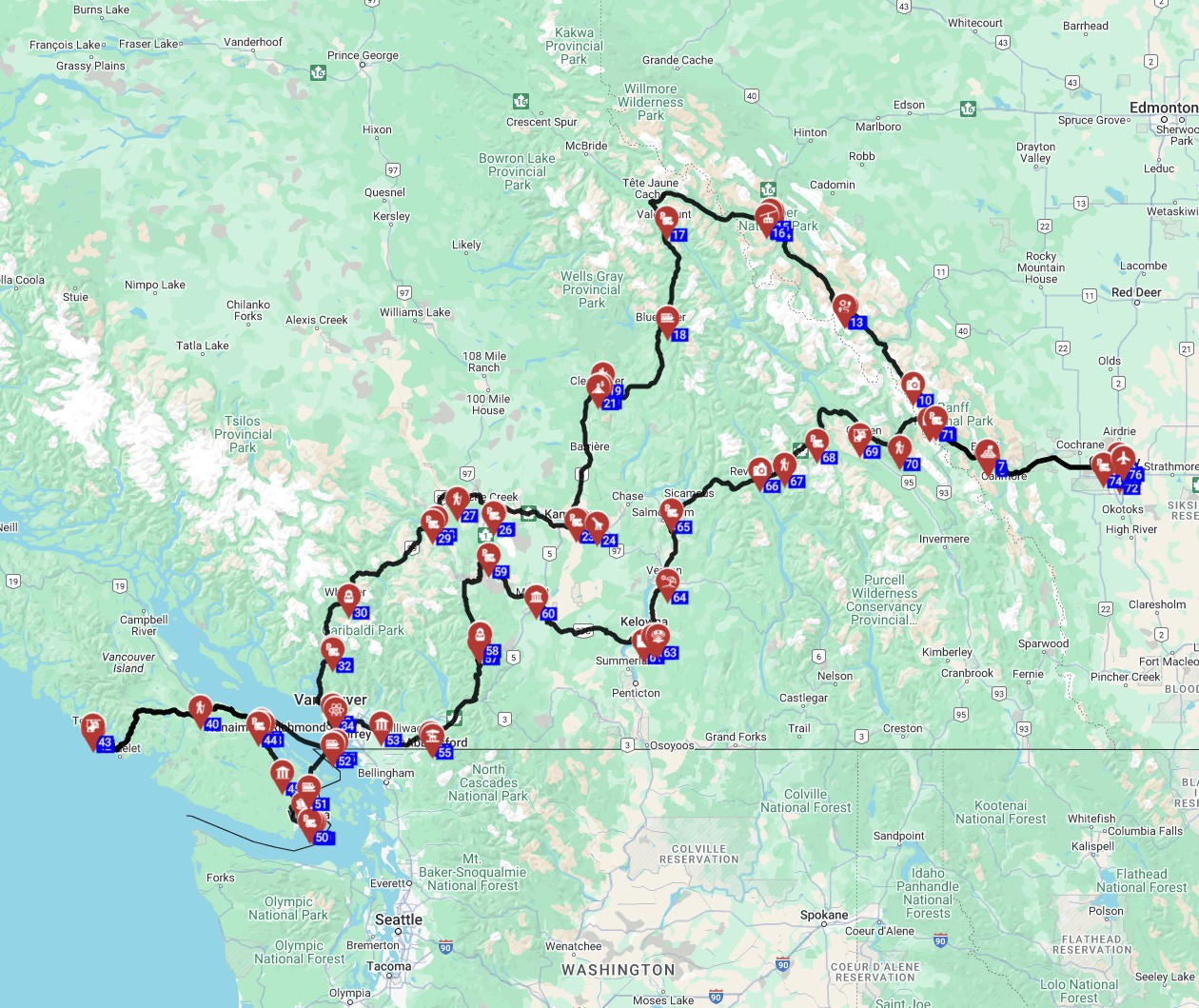
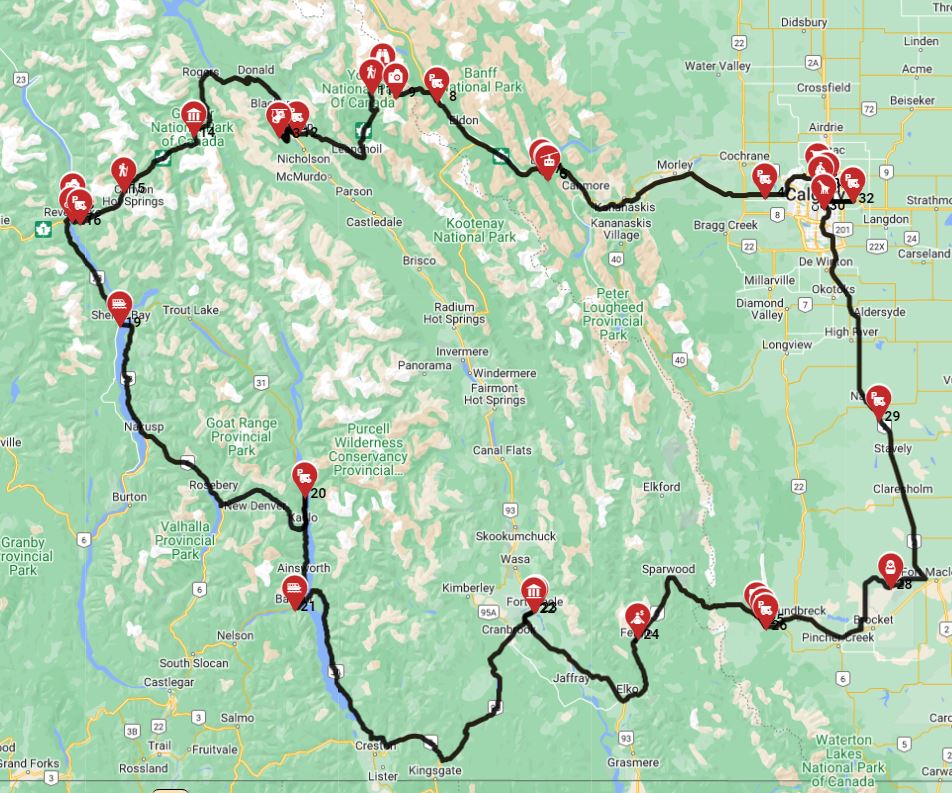
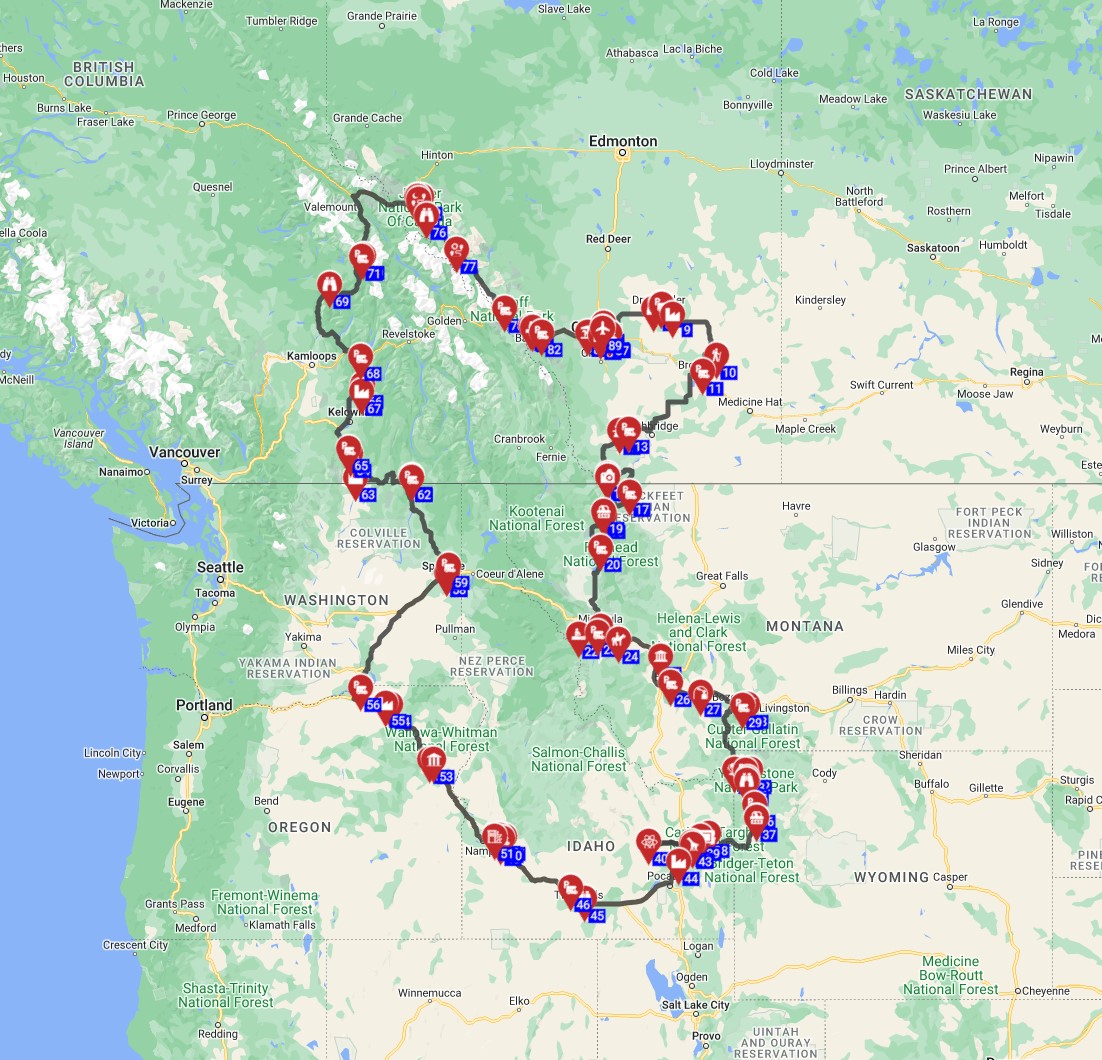
Class A integrated motorhomes, typically averaging 7.5 meters in length and sleeping around 4.4 people, are best suited for those seeking maximum comfort, space, and amenities for large groups on long-distance, primarily paved road trips through North Canada. Bandana's global fleet typically shows a common fuel consumption of 11-12 Liters/100 km, offering robust living space and a substantial average load capacity of around 209.5 kg for extensive gear, making them ideal for self-contained travel. While providing a luxurious experience, their larger size can be challenging on narrower or unpaved northern roads, and their higher rental and fuel costs generally position them outside the 'cheap RV rental' category. On the routes offered through RV PLANET routes, you can itemize and track every expense along the way for easy budgeting.
Class SI (Semi-Integrated) — Best For
Class SI semi-integrated motorhomes, averaging 6.9 meters in length and sleeping about 3.8 people, offer an excellent balance of comfort, maneuverability, and cost-efficiency, making them a strong contender for cheap RV rental in North Canada for couples or small families. Bandana's global fleet typically consumes around 10-11 Liters/100 km and provides an average load capacity of approximately 72.2 kg, striking a good balance between living space and operational cost. These RVs are well-suited for exploring northern highways, offering better fuel economy and easier handling than Class A models while still providing ample amenities and robust construction for the conditions.
Class C (Alcove) — Best For
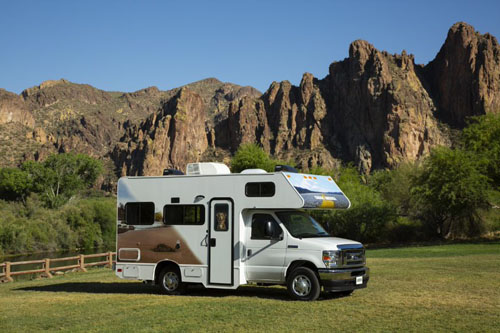
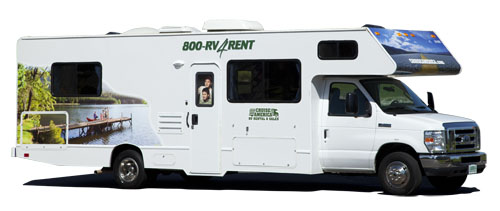
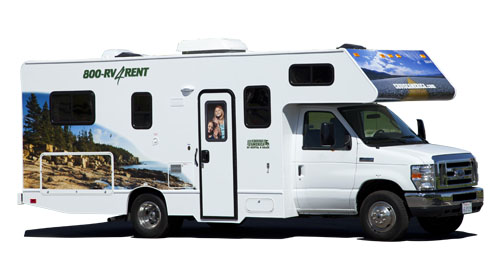
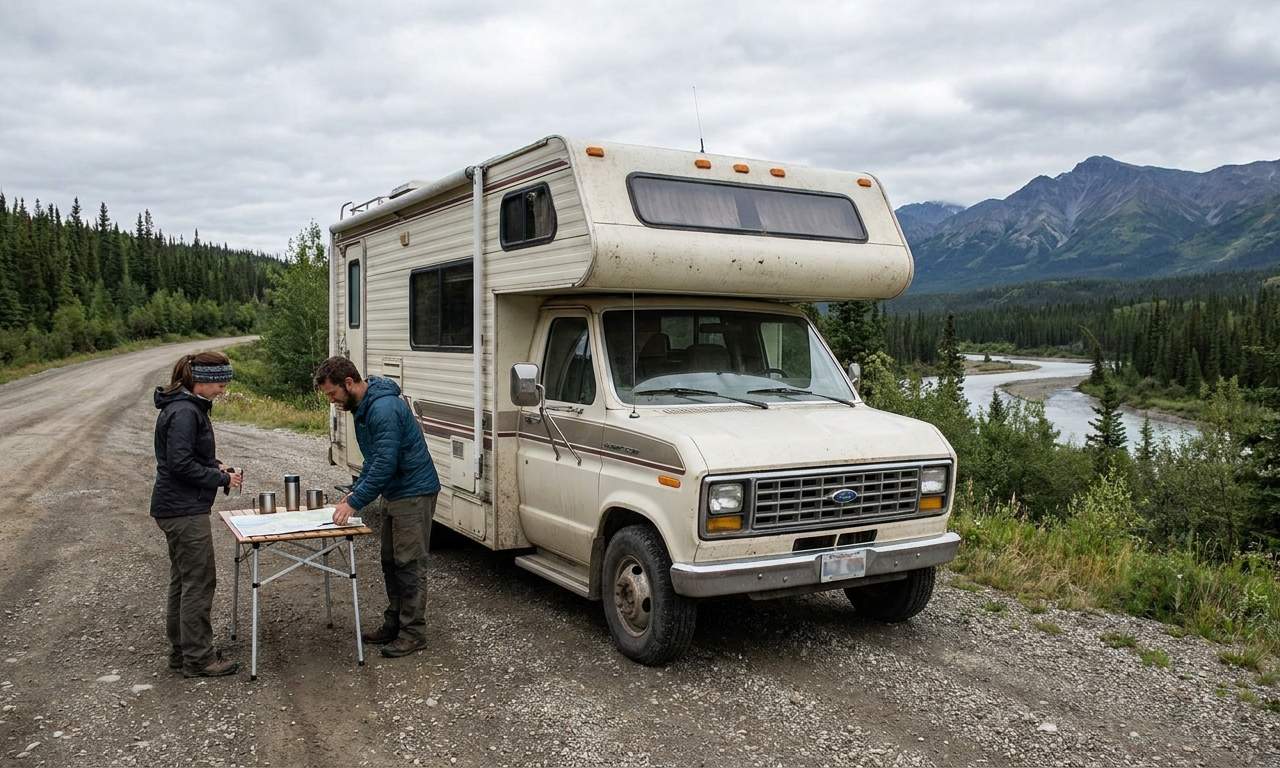
Class C alcove motorhomes, with an average length of 7.5 meters and sleeping capacity for around 5.8 people, are often the most practical and cost-effective choice for families or groups aiming for a cheap RV rental in North Canada. Bandana's global fleet typically reports a fuel consumption of 10-12 Liters/100 km and an average load capacity of approximately 42.4 kg, making them a practical choice for longer trips with multiple passengers. Their design, featuring an accessible overhead sleeping area, maximizes sleeping arrangements and offers a good balance of amenities, durability, and cost for navigating varied northern road conditions, including potentially rougher sections of the Alaska Highway.
Class B (Campervan) — Best For
Class B campervans, averaging 5.8 meters in length and sleeping about 3.2 people, are perfect for solo travelers or couples prioritizing maneuverability, excellent fuel economy, and access to more remote or smaller campsites in North Canada. With Bandana's global fleet showing a typical fuel consumption of around 10 Liters/100 km and an average load capacity of 37 kg, they offer superior efficiency and are easier to drive on narrower, less-maintained northern roads like parts of the Dempster Highway. While offering fewer amenities and less living space than larger RVs, their compact size makes them nimble for exploring off the beaten path and finding parking in smaller towns or wilderness areas, significantly contributing to a 'cheap RV rental' goal through reduced fuel expenses.
Class TC (Truck Camper) — Best For
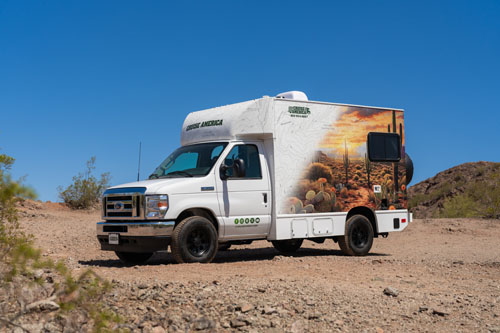
Class TC truck campers, averaging 5.5 meters in length and sleeping about 2.4 people, are best for adventurous couples or individuals seeking extreme off-road capability and flexibility in North Canada's diverse, rugged terrain. Bandana's global fleet data indicates a higher typical fuel consumption of 12-17 Liters/100 km, reflecting their robust truck base, and an average load capacity of 0 kg (as the truck itself handles the payload). Their detachable nature allows the truck to be used independently for accessing remote fishing spots or challenging trails, though their smaller living space and higher fuel cost may not align with all 'cheap RV rental' seekers despite their unique advantages for wilderness exploration.
Side-by-Side Comparison Table
| Family | Avg Length | Sleeps | Fuel Use | Best Use Case in North Canada |
|---|---|---|---|---|
| Class A (Integrated) | 7.5 m | 4.4 | 11-12 L/100 km | Luxurious comfort for large groups on paved roads; higher budget. |
| Class SI (Semi-Integrated) | 6.9 m | 3.8 | 10-11 L/100 km | Balanced choice for small families/couples; good comfort and maneuverability. |
| Class C (Alcove) | 7.5 m | 5.8 | 10-12 L/100 km | Cost-efficient for families/groups; versatile for varied northern roads. |
| Class B (Campervan) | 5.8 m | 3.2 | 10 L/100 km | Maneuverable and fuel-efficient for solo/couples; access remote spots. |
| Class TC (Truck Camper) | 5.5 m | 2.4 | 12-17 L/100 km | Off-road capability, flexible for adventure seekers; detachable truck. |
Our Recommendation for cheap rv rental Travelers in North Canada
For cheap RV rental travelers heading to North Canada, a Class C (Alcove) motorhome is highly recommended as the primary choice due to its excellent balance of sleeping capacity (avg. 5.8 people), comfort, and relative cost-efficiency for families or groups. Its robust construction, often with good ground clearance, is well-suited for varied northern road conditions, and its larger tank capacities (typical of this class) are beneficial for remote travel where services are sparse, allowing for longer stretches between resupply points. A strong runner-up is the Class B (Campervan) for solo adventurers or couples prioritizing fuel economy (avg. 10 L/100km) and maneuverability, allowing access to more secluded spots and significantly reducing overall trip fuel costs, which are typically higher in the North.
What is the cheapest way to rent an RV?
The cheapest way to rent an RV involves selecting smaller, more fuel-efficient models like Class B campervans or Class C alcoves, opting for off-peak seasons (late spring or early fall in North Canada), and booking longer durations which often come with reduced daily rates. Utilizing peer-to-peer rental platforms can sometimes offer better deals than traditional rental companies, and being flexible with pickup/drop-off locations (if one-way fees are manageable) can also uncover savings. For North Canada specifically, consider travel during shoulder seasons like late May to early June or late August to mid-September to avoid peak summer rates while still enjoying favorable weather before deep winter sets in, and always factor in higher fuel costs.
How much does it cost to rent an RV in Canada for a week?
The cost to rent an RV in Canada for a week varies significantly, typically ranging from $700 for a compact campervan during the shoulder season to over $2,500 for a large Class A motorhome in peak summer, with prices also influenced by location and specific amenities required for North Canada travel. These figures generally cover the base rental fee, but do not include additional costs such as insurance, mileage fees, preparation fees, fuel, propane, and campsite fees, which are particularly important to budget for in the remote North. For North Canada, expect potentially higher fuel costs, specific park permits, and consider specialized insurance for remote travel, adding to the overall weekly expense.
Is RV rental cheaper than hotel?
For families or longer trips in North Canada, an RV rental can often be more cost-effective than hotels, especially when factoring in significant savings from cooking your own meals and avoiding multiple nightly room charges across several destinations. In remote areas of North Canada where hotel options are scarce and exorbitantly expensive (or nonexistent), an RV provides a practical and frequently cheaper accommodation solution, allowing access to pristine wilderness that hotels cannot. However, when comparing an RV rental to budget hotels for a single traveler or very short trip, the initial RV rental cost, higher fuel prices, and campsite fees might make hotels a cheaper option, requiring careful calculation based on travel style and duration. For ideas you can prep on the road, watch our RV-friendly recipes playlist on YouTube.
Which motorhome rental company is the best in Canada?
Determining the 'best' motorhome rental company in Canada, especially for North Canada travel, depends on individual priorities such as budget, vehicle type, comprehensive insurance coverage, and robust customer support, with platforms like Bandana allowing direct comparison across multiple operators. For remote northern travel, prioritize companies known for well-maintained fleets, 24/7 roadside assistance (which is crucial where cell service is absent), and clear policies regarding travel on unpaved roads and into specific territories like the Yukon or Northwest Territories. Look for reviews specifically mentioning northern travel experiences and inquire about options for satellite phones or emergency communication devices, which are indispensable beyond cellular service areas.
Which province in Canada has the cheapest rent?
For RV rentals, rather than housing 'rent,' areas with high inventory and competition, typically major population centers like British Columbia's Lower Mainland or Alberta's Calgary/Edmonton regions, often present more competitive daily RV rental rates compared to more remote North Canada. However, while the base rental price might be lower in major provinces, the unique appeal and logistical challenges of North Canada (e.g., higher fuel costs, specialized permits, and limited availability) mean the 'cheapest' overall experience depends on total trip expenses and the desired adventurous immersion. Availability can also influence price; during peak seasons, even major hubs can see higher rates, while off-season rentals in any region, including the less accessible northern areas, generally offer better value due to lower demand.
What is the 3-3-3 rule for RVs?
The 3-3-3 rule for RVs recommends driving no more than 300 miles (or roughly 300 kilometers) in a day, arriving at your campsite by 3 PM, and staying for at least 3 nights at each location. This rule is particularly pertinent and highly recommended for North Canada travel, where long distances between services, variable road conditions (like gravel sections of the Dempster Highway or isolated stretches of the Alaska Highway), and the constant need for wildlife awareness make unhurried travel essential. Adhering to this guideline helps prevent driver fatigue, allows ample time for setting up camp and enjoying the pristine northern surroundings, and provides a crucial safety buffer in regions with limited roadside assistance or cellular service.
Which RV brand is the most reliable and affordable?
When considering 'cheap RV rental in North Canada,' the reliability and affordability of an RV are more dependent on the rental company's rigorous maintenance standards and the vehicle's age and class rather than a specific brand name. Reputable rental companies, regardless of the specific RV brand they stock (e.g., Thor Motor Coach, Forest River, Winnebago), ensure their fleet is well-serviced and equipped for the rigors of northern travel, which is paramount for safety and preventing costly breakdowns in remote, unforgiving areas. Often, smaller, simpler models like Class B campervans or older, well-maintained Class C motorhomes from various brands can offer a more affordable rental price point while still being reliable if consistently serviced and inspected by a quality provider.
What is the 10-year rule for RVs in Canada?
The '10-year rule' commonly referenced for vehicles in Canada actually pertains to the 15-year exemption for importing older vehicles, making them easier to bring into the country by waiving certain RIV (Registrar of Imported Vehicles) requirements, not specifically a '10-year' standard. However, this import rule is largely irrelevant for RV rentals in North Canada, as commercial rental fleets are typically composed of newer, commercially compliant vehicles that meet all current safety and operational standards required by Canadian regulations. For travelers seeking a 'cheap RV rental in North Canada,' rest assured that reputable rental agencies provide vehicles that are up-to-date, regularly inspected, and fully insured, ensuring reliability for remote journeys regardless of specific vehicle import rules.
What You Shouldn't Miss
- Drive a portion of the historic Alaska Highway, experiencing the vastness and stunning scenery that defined the journey for early travelers.
- Explore the Yukon's Gold Rush history in Dawson City, a UNESCO World Heritage site, and perhaps try your luck panning for gold.
- Witness the awe-inspiring Northern Lights (Aurora Borealis) during the fall or winter months – a truly magical experience when RVing in the North.
- Visit the unique Indigenous communities and learn about the rich cultural heritage of the First Nations people throughout Northern Canada.
- Experience the midnight sun in communities above the Arctic Circle during the summer solstice, where daylight stretches endlessly.
- Consider a detour to the Yukon's Tombstone Territorial Park for dramatic, windswept mountain landscapes and incredible hiking opportunities.
Final Thoughts
Embarking on an RV adventure through North Canada is more than just a vacation; it's an immersion into some of the planet's most raw and breathtaking landscapes. The sense of freedom, the connection with nature, and the sheer scale of the North offer an unparalleled travel experience. By choosing the right vehicle and planning thoughtfully, you can unlock an unforgettable journey that truly lives up to the spirit of exploration.
Remember, flexibility and preparation are key to navigating the unique challenges and rewards of RVing in this vast region. From the potential for aurora sightings to the sheer joy of an uncrowded campsite, the adventure of North Canada awaits. Let Bandana Caravan help you find the perfect rented RV to make your exploration dreams a reality.
Ready to start planning your epic North Canada RV trip? Compare our diverse range of motorhomes and campervans to find the perfect fit for your adventure. Discover top destinations, planning tips, and book with confidence!
Get inspired for your next trip!
Discover top destinations, planning tips, all in one place!
Plan a trip itinerary in advance with minimal effort and maximum enjoyment.