In This Guide
- The 4 RV Families Compared for Namibia
- Class A (Integrated) - Best For
- Price Comparison by RV Class in Namibia
- Class SI (Semi-Integrated) - Best For
- Class C (Alcove) - Best For
- Class B (Campervan) - Best For
- Side-by-Side Comparison Table
- Our Recommendation for cheap rv rental Travelers in Namibia
- Can You Wild Camp or Bush Camp in Namibia
- What Specific RV Features and Gear Do You Need for Namibia
- How Do You Prepare for Emergencies During Remote RV Travel in Namibia
- How Do You Manage Water and Food on an RV Trip in Namibia's Arid Regions
- What Are the Best Connectivity and Navigation Options for RV Travel in Namibia
- How Can You Practice Responsible Tourism and Cultural Immersion with an RV in Namibia
- What are the Specific RV Regulations and Permits for Namibia
- What Driving Hazards Should You Expect on Namibia's Roads, Especially at Night
Embarking on a cheap RV rental adventure in Namibia offers unparalleled freedom to explore its vast, untamed landscapes, from the towering dunes of Sossusvlei to the wildlife-rich Etosha National Park. Choosing the right motorhome or campervan is key to unlocking this incredible experience, ensuring comfort, capability, and value. For live availability and current prices, start with our RV Rental Namibia - Complete Guide 2026 guide.
The 4 RV Families Compared for Namibia
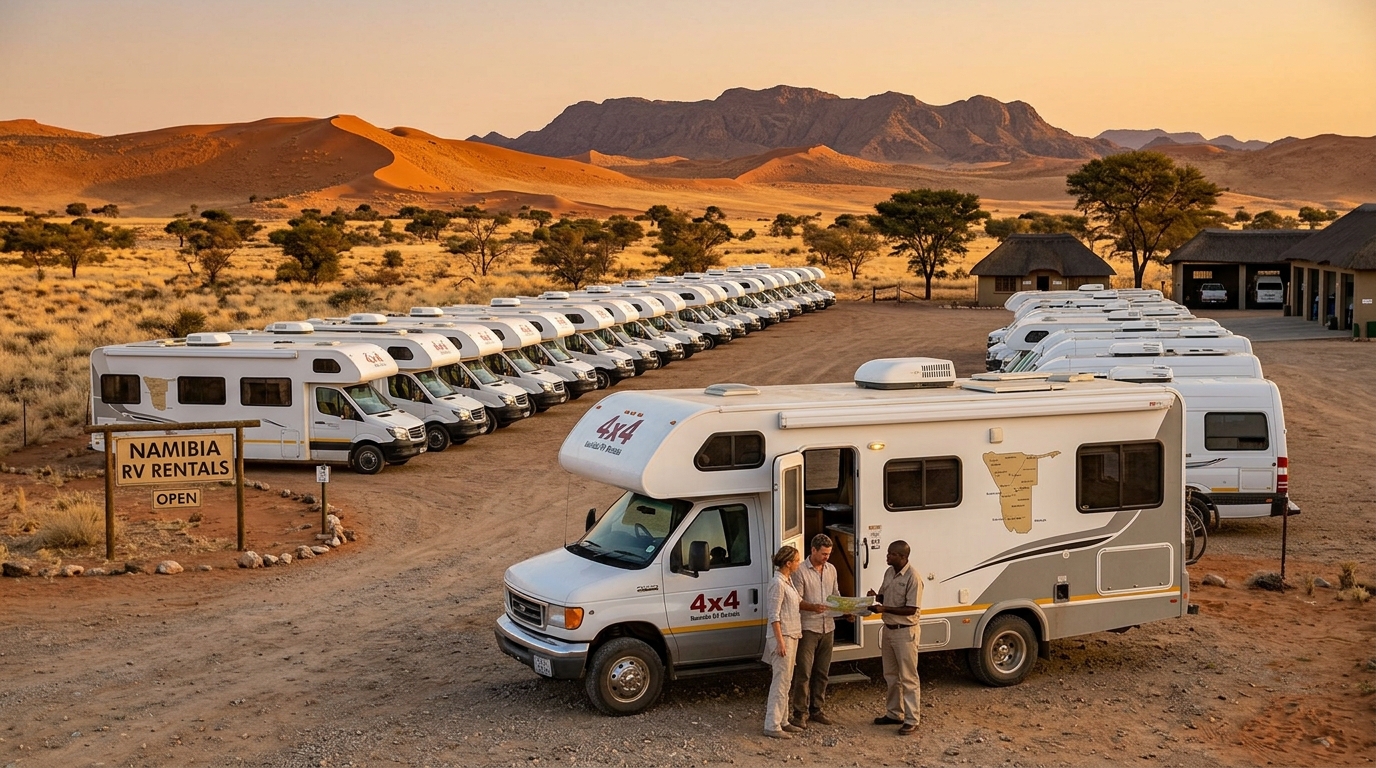
Understanding the available RV families is crucial for a successful and cost-effective Namibian adventure, as each class caters to varying terrains, climate considerations, trip durations, and group sizes. Namibia's diverse landscapes, which range from extensive desert tracks to well-maintained primary roads, demand careful consideration of a rented vehicle's capabilities to ensure a smooth and enjoyable journey.
We focus exclusively on motorhomes and campervans, steering you towards the best value and practical solutions for your trip. At Bandana RV, we pride ourselves on being true RV specialists, not just a side department of a general travel agency, ensuring you get expert advice tailored specifically for your RV travel needs in Africa and beyond. When planning your route, remember our recommendation for slow travel; aim for a maximum of 100-150 km per day on average to truly feel the place, connect to the culture, the food, and the scenery.
Class A (Integrated) - Best For
Class A integrated motorhomes are best suited for groups seeking maximum comfort and luxury on well-maintained primary routes in Namibia, offering a spacious "home-away-from-home" experience. Bandana's global fleet of Class A RVs typically averages 7.5 meters in length, comfortably sleeps around 4 adults, with a total sleeping capacity for 4.4 people, and boasts a high average load capacity of 209.5 kg.
These larger vehicles provide extensive amenities, including full kitchens and bathrooms, but may incur higher fuel consumption, typically around 11-12 liters per 100 km, and are less agile on Namibia's extensive gravel and unpaved roads, potentially limiting access to some remote areas. Despite their size, you can confidently drive slowly and carefully, almost anywhere without issues in Namibia; no need to stress, just use common sense and pay attention. For those considering a luxurious journey, exploring "Luxury RV Rental in Namibia - Premium Prices 2026" might provide further insights into these premium options.
Price Comparison by RV Class in Namibia
Because pricing for RV rentals is dynamic and fluctuates daily based on demand, availability, and supplier marketing decisions, real-time comparisons are essential for finding the cheapest options in Namibia. The final price for your rented RV is always set at the actual booking time, ensuring full transparency with no hidden fees or surprises.
To give you a realistic idea, here are example prices for different RV classes and durations. These are illustrative and reflect market trends, but always check our platform for the most accurate current numbers. For managing all your trip expenses beyond the rental cost, remember that on RV PLANET routes, travelers can itemize and track every expense along the way for easy budgeting. On the routes offered through RV PLANET routes, you can itemize and track every expense along the way for easy budgeting.
Live April Price Comparison — RV Class × Trip Length
| Trip length | Class A | Class B | Class C | Class SI | Class TC |
|---|---|---|---|---|---|
| 1 week 15/04 → 22/04 | Check prices | Check prices | 21,386.00 ZAR | 19,776.00 ZAR | 701.88 € EUR |
| 2 weeks 15/04 → 29/04 | Check prices | Check prices | 40,098.75 ZAR | 37,080.00 ZAR | 1,313.40 € EUR |
| 1 month 01/04 → 30/04 | Check prices | Check prices | 80,197.50 ZAR | 74,160.00 ZAR | 2,545.18 € EUR |
Estimates only — flex-rate prices change daily based on availability and season.
When searching for the cheapest RV rental in Namibia, flexibility with your travel dates can be a significant advantage. Traveling during the shoulder seasons (April-May or November) often yields lower daily rates compared to peak season (June-October), potentially saving you up to 20-30% on your total rental cost. Our platform allows you to compare final prices across a wide range of suppliers, so what you see is what you pay, with no surprise fees at pickup.
Class SI (Semi-Integrated) - Best For
Class SI semi-integrated motorhomes offer a balanced choice for travelers prioritizing comfort and maneuverability on a budget in Namibia. These rented motorhomes, often referred to as Class C low-profile models, typically average 6.9 meters in length and sleep 3.8 people, comfortably accommodating about 3.4 adults, with an average load capacity of 72.2 kg.
Semi-integrated RVs are more fuel-efficient than larger Class A models, typically consuming 10-11 liters per 100 km, making them ideal for couples or small families exploring a mix of paved and some well-graded gravel roads without sacrificing too much interior space. They provide a comfortable living area, a functional kitchen for preparing meals (you might find some inspiration in our RV-friendly recipes playlist), and an onboard bathroom. While compact, they offer a significant upgrade in amenities compared to campervans, bridging the gap between basic and luxury options.
Class C (Alcove) - Best For
Class C alcove motorhomes are perfectly suited for families or larger groups seeking cost-effective and spacious travel in Namibia, thanks to their efficient use of space and distinctive over-cab sleeping area. These popular rented RVs typically average 7.5 meters in length and boast a significant sleeping capacity, accommodating 5.8 people and around 4.4 adults, with an average load capacity of 42.4 kg.
The prominent alcove above the driver's cabin provides extra beds, making them excellent for families with children or friend groups traveling together. With typical fuel consumption of 10-12 liters per 100 km, they offer a good balance of space and economy for navigating Namibia's varied road conditions, including primary gravel routes to popular destinations like Etosha National Park. Renting a motorhome like this provides flexibility for cooking and dining together, fostering a true family adventure.
Class B (Campervan) - Best For
Class B campervans are ideal for solo adventurers, couples, or small groups seeking maximum maneuverability, fuel economy, and flexibility for their Namibian journey, especially for exploring remote areas. These compact rented RVs typically average 5.8 meters in length, sleep 3.2 people, and are best suited for about 2.7 adults, with an average load capacity of 37 kg.
Campervans excel on Namibia's diverse terrain, from urban streets in Windhoek to challenging gravel roads leading to hidden gems, with excellent fuel consumption averaging around 10 liters per 100 km. Their smaller size makes them a top choice for cheap RV rentals and adventurous itineraries that might involve reaching more secluded spots or navigating tighter spaces. They often come equipped with a basic kitchen and sleeping area, providing all the essentials for an authentic road trip. For those interested in extended adventures, looking into "Weekly RV Rental in Namibia - Pricing 2026" could provide valuable budgeting information.
Side-by-Side Comparison Table
This comparison table provides a quick overview of key specifications and ideal use cases for each motorhome and campervan family available for rent in Namibia, helping you choose the best vehicle for your adventure. Understanding average length, sleeping capacity, fuel consumption, and load capacity is crucial for matching a rented RV to your group size, budget, and planned itinerary.
| Family | Avg Length (m) | Sleeps | Fuel Use (L/100 km) | Best Use Case in Namibia |
|---|---|---|---|---|
| Class A (Integrated) | 7.5 | 4.4 | 11-12 | Luxury, main roads, large groups |
| Class SI (Semi-Integrated) | 6.9 | 3.8 | 10-11 | Balanced comfort & maneuverability, couples/small families |
| Class C (Alcove) | 7.5 | 5.8 | 10-12 | Families, cost-efficient, good space |
| Class B (Campervan) | 5.8 | 3.2 | ~10 | Maneuverability, fuel economy, small groups, off-grid |
The best rented RV for your Namibian trip balances comfort, cost, and the ability to navigate the country's unique roads and remote landscapes. Bandana RV offers a variety of motorhomes from leading suppliers like Apollo and Britz, providing you with diverse choices to suit your specific travel style and budget.
Our Recommendation for cheap rv rental Travelers in Namibia
For most cheap RV rental travelers in Namibia, the Class B Campervan is the primary recommendation due to its optimal balance of fuel efficiency, maneuverability, and suitability for diverse Namibian terrains, including gravel roads. Its compact size, averaging 5.8 meters in length with typical fuel consumption of 10 liters per 100 km, makes it economical for couples or small groups (sleeping up to 3.2 people) looking to explore extensively without high costs.
The Class SI Semi-Integrated RV stands as a strong runner-up, offering more comfort and space (averaging 6.9 meters, sleeping up to 3.8 people) for a slight increase in price and fuel use (10-11 liters per 100 km), ideal for those desiring more amenities while still remaining agile. These options provide the necessary flexibility to explore Namibia's beauty, whether you're heading to the coastal city of Swakopmund or inland to the capital, Windhoek. Remember, a standard car driver's license is sufficient for all motorhome classes, and an International Driving Permit (IDP) is recommended for visitors from non-English speaking countries, though not always mandatory.
Can You Wild Camp or Bush Camp in Namibia
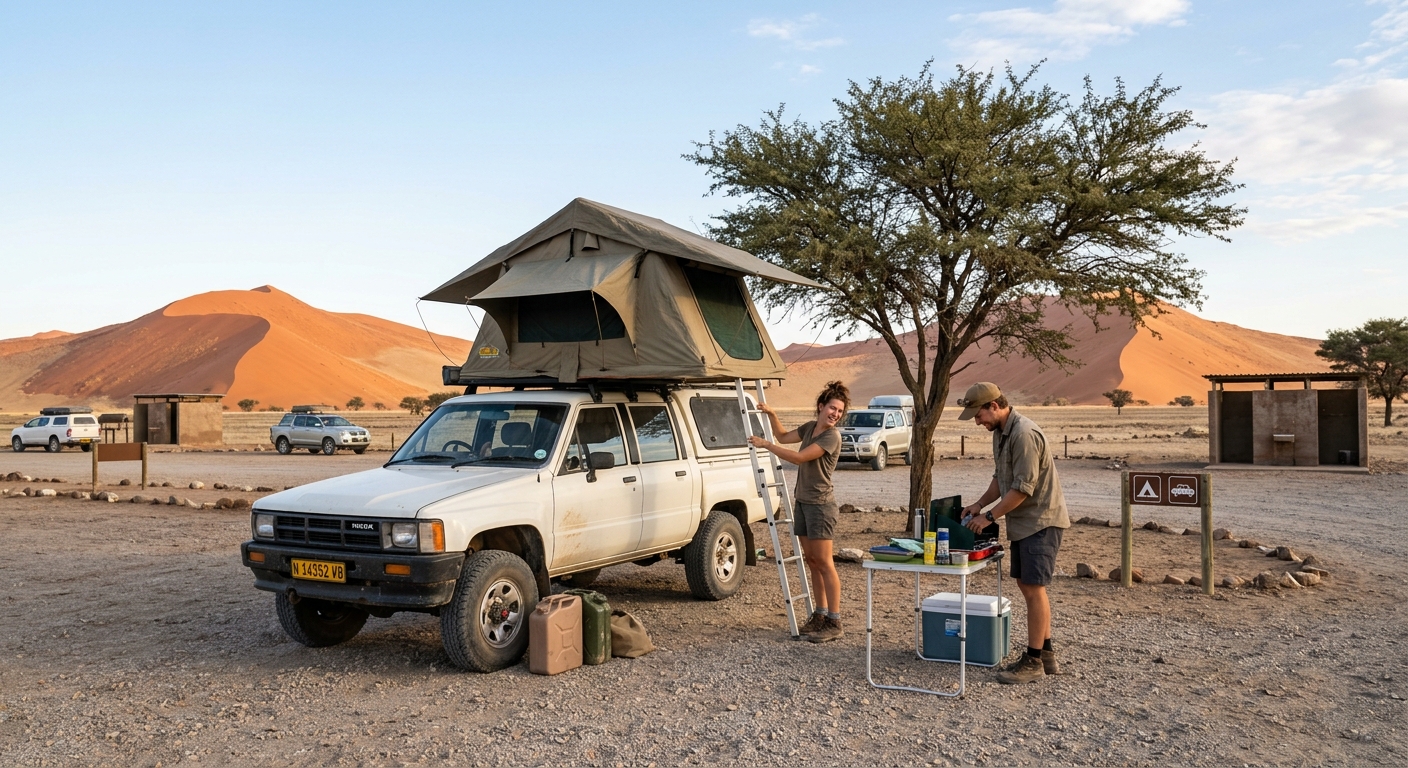
While officially wild camping is generally discouraged in Namibia's national parks and private lands, bush camping is often tolerated or permitted in designated wilderness areas, especially on larger private conservancies or concessions with explicit permission. Travelers must always seek landowner permission or stick to official campsites within protected areas to avoid legal issues and ensure safety.
Understanding local regulations, minimizing environmental impact (following Leave No Trace principles), and being prepared for remote conditions are paramount for any form of off-grid camping. Many national and state parks only reserve 25-30% of their spots in advance, leaving the majority available on a first-come, first-served basis, especially outside peak season. You'll find a spot; if not at the first campground, then the next one. Always call ahead before driving long distances to confirm availability.
What Specific RV Features and Gear Do You Need for Namibia
For an RV trip in Namibia, essential vehicle features for your rented motorhome or campervan include high ground clearance, robust suspension, and all-terrain tires, with 4x4 capability being highly recommended for accessing remote areas like parts of Damaraland or the Caprivi Strip. Beyond the vehicle, crucial gear includes at least two spare tires, a high-quality air compressor for tire pressure adjustments, recovery equipment (e.g., tow strap, shovel, basic tools for minor repairs), and sufficient carrying capacity for water (at least 50-100 liters) and extra fuel (jerry cans are advisable for long stretches between fuel stations).
While not strictly technical requirements, having these items ensures peace of mind and self-sufficiency, which are essential for Namibia's vast and sparsely populated regions. Bandana RV, as true RV specialists, understand these needs and work with suppliers who offer well-equipped vehicles for such destinations. You can also upgrade to a top-level deductible for extra peace of mind, an optional enhancement for your rental insurance.
How Do You Prepare for Emergencies During Remote RV Travel in Namibia
Preparing for emergencies during remote RV travel in Namibia involves carrying a comprehensive first-aid kit tailored for wilderness conditions, including snake bite kits and anti-malarials if visiting endemic areas like the northern regions. Crucially, a satellite communication device (e.g., satellite phone, InReach) is highly recommended as mobile phone coverage is sparse in vast parts of the country, ensuring you can call for help in case of breakdown or medical emergency.
Other vital preparations include understanding basic vehicle self-recovery techniques, carrying ample water and non-perishable food supplies, and informing a trusted contact of your itinerary, especially when venturing into extremely isolated regions. Our 24/7 support is there for you before, during, and after your booking to assist with coordination, but self-reliance is key once you're on the remote Namibian roads. For pre-planned routes and safety information, consider exploring Rent&Plan on rvplan.net, where professional itineraries can help you mitigate risks and organize your trip effectively, including finding available spots for camping during your trip.
🎬 Video coming soon
How Do You Manage Water and Food on an RV Trip in Namibia's Arid Regions
Managing water in Namibia's arid regions requires careful planning, with a general recommendation of carrying a minimum of 5-10 liters of water per person per day for drinking, cooking, and basic hygiene, topped up whenever possible in larger towns or established campsites. For food, focus on non-perishable items, use quality cooler boxes or your rented RV's fridge, and plan provisioning stops in larger towns like Windhoek, Swakopmund, or Walvis Bay where supermarkets are readily available, as smaller settlements often offer limited choices.
Consider local markets for fresh produce and unique culinary experiences, but prioritize items that store well in hot climates, and carry a water purification system as a backup for emergencies. When preparing meals in your motorhome, having a well-stocked pantry makes a big difference; check out our RV-friendly recipes playlist for easy ideas on the go. Planning these details meticulously contributes to a smooth and enjoyable extended road trip, helping you to truly immerse yourself in Namibia's natural beauty without unnecessary stress.
What Are the Best Connectivity and Navigation Options for RV Travel in Namibia
For reliable navigation during RV travel in Namibia, robust offline GPS applications (such as Tracks4Africa or Maps.me) are essential, as internet and mobile phone coverage are intermittent and often non-existent outside major towns and along primary routes. Acquiring a local MTC or TN Mobile SIM card upon arrival in Windhoek is advisable for limited cellular connectivity in inhabited areas, offering some data for online tasks or communication where available.
For emergency communication and consistent connectivity in remote areas, a satellite phone or a personal satellite messenger device is the most reliable option, providing crucial peace of mind and safety. While enjoying your motorhome rental, it's wise to embrace the digital detox that Namibia's vastness offers, but always have a backup plan for communication. Exploring "RV Driving Deals in Namibia - Routes and Savings 2026" can also give you insights into routes where connectivity might be more reliable.
How Can You Practice Responsible Tourism and Cultural Immersion with an RV in Namibia
To practice responsible tourism and foster cultural immersion in Namibia, engage respectfully with local communities, such as the Himba and San, by asking permission before taking photos, learning a few basic phrases in local languages, and supporting local economies through ethical purchases and community-based tourism initiatives. Minimizing environmental impact is crucial; properly dispose of all waste, use water sparingly, and adhere to designated tracks to protect fragile ecosystems and wildlife habitats, especially in sensitive desert environments.
Observing cultural etiquette, such as dressing modestly when visiting traditional villages and being mindful of local customs, enhances your experience and promotes positive interactions with Namibian people. As you travel slowly, averaging max 100-150 km per day, you'll have ample opportunity to feel the place, connect to the culture, and truly appreciate the scenery. For planned routes that incorporate cultural stops, remember that using rvplan.net can give you a 25% planning discount, helping you create impactful itineraries.
What are the Specific RV Regulations and Permits for Namibia
RV travelers in Namibia must adhere to general traffic laws, including speed limits (typically 120 km/h on tarred roads, 100 km/h on gravel roads, and 60 km/h in urban areas), and ensure all vehicle documents, including your standard driver's license (and an International Driving Permit if applicable), are in order. Specific permits beyond general national park entry fees (which average N$80-N$100 per person per day plus a N$10 vehicle fee) may be required for certain remote areas, conservation areas, or for certain activities within national parks, so it's essential to check with park authorities or your rental company in advance.
Proper waste disposal from rented RVs is legally mandated; emptying grey and black water tanks only at designated dumping stations in established campsites or facilities helps protect Namibia's pristine environment. There are no specific toll roads for RVs in Namibia, simplifying budgeting for ancillary trip costs, which you can easily track using RV PLANET routes. Driving is on the left-hand side of the road, and seatbelts are mandatory for all occupants.
What Driving Hazards Should You Expect on Namibia's Roads, Especially at Night
Drivers in Namibia should anticipate varied road conditions, including extensive stretches of corrugated gravel, deep sand, and potential seasonal river crossings (especially during the rainy season from November to April), which demand reduced speeds and careful navigation. The specific dangers of driving at night are significant due to the prevalence of wildlife (such as kudu, springbok, warthogs, and even elephants) on roads, poor visibility, and the presence of unlit vehicles or pedestrians, making night driving strongly discouraged for safety reasons.
Other hazards include puncture risks from sharp stones on gravel roads, dust affecting visibility from oncoming traffic, and the vast distances between towns requiring careful fuel and water planning to avoid being stranded. Drive slowly and carefully, and you can drive almost anywhere without issues. No need to stress - just use common sense and pay attention. Having a reliable rented motorhome and understanding these conditions will help ensure a safe and enjoyable journey across this incredible country.
What You Shouldn't Miss
- Climb Big Daddy Dune in Sossusvlei: Experience the incredible scale of the Namib Desert by climbing one of the world's highest dunes, Big Daddy, for a breathtaking sunrise or sunset view over the red sands and Deadvlei's ancient trees.
- Wildlife Safari in Etosha National Park: Self-drive your rented RV through Etosha, stopping at waterholes to witness elephants, lions, rhinos, and countless antelope species in their natural habitat.
- Explore the Coastal Charm of Swakopmund: Discover the unique blend of German colonial architecture and desert activities in Swakopmund, offering everything from quad biking and sandboarding to dolphin cruises and fresh seafood.
- Visit the Spitzkoppe Rock Formations: Marvel at the towering granite peaks and ancient rock art of Spitzkoppe, a spiritual and scenic highlight for photographers and adventurers alike.
- Encounter Desert-Adapted Elephants in Damaraland: Witness the resilience of nature by seeking out the rare desert-adapted elephants, which roam the dry riverbeds of Damaraland, a truly unique wildlife experience.
- Stargaze in the NamibRand Nature Reserve: Experience some of the darkest skies on Earth, perfect for unparalleled stargazing and astrophotography in Namibia's designated Dark Sky Reserve.
Looking for expert insights from Avi Bandana? Top 5 Adventures - recommendations from Avi Bandana
Final Thoughts
Namibia truly is a destination meant for exploration by rented RV, offering an incredible blend of stunning natural beauty, diverse wildlife, and unique cultural experiences. By choosing the right motorhome or campervan and preparing for the unique challenges of this vast country, you're set for an adventure that will create lasting memories. Our commitment at Bandana RV is to empower you with the knowledge and the perfect vehicle to make your trip exceptional.
Remember to embrace the journey, take your time, and immerse yourself in the wonders of Namibia. With full transparency in pricing, dedicated support, and expert advice from true RV specialists, you can book with confidence and focus on the excitement of the open road. Start planning your unforgettable Namibian road trip today!
Discover top destinations, planning tips, all in one place! Find Cheap RV Rentals in Namibia now.