In This Guide
- The 5 RV Families Compared for Europe
- Class A (Integrated) - Best For
- Price Comparison by RV Class in Europe
- Class SI (Semi-Integrated) - Best For
- Class C (Alcove) - Best For
- Class B (Campervan) - Best For
- Class TC (Truck Camper) - Best For
- Side-by-Side Comparison Table
- Our Recommendation for cheap rv rental Travelers in Europe
- How much does it cost to rent an RV in Europe?
- What is the cheapest way to rent an RV?
- Where is the cheapest country to rent a campervan?
- Is it cheaper to rent an RV or stay in a hotel?
- Is Europe RV friendly?
- What do Europeans call an RV?
- What is the 333 rule for campervan?
- Where is the cheapest place in Europe to buy a camper van?
- What is the most affordable RV to buy?
Embarking on a cheap RV rental adventure through Europe offers unparalleled freedom and a fantastic way to explore diverse landscapes and rich cultures at your own pace. With Bandana Caravan, your journey to find the perfect value-for-money motorhome starts with full transparency and expert guidance. For live availability and current prices, start with our RV Rental Europe - Complete Guide 2026 guide.
The 5 RV Families Compared for Europe
Choosing the right RV family is critical for a cheap RV rental in Europe, significantly impacting costs, maneuverability on diverse terrain, and overall suitability for your group size and trip length. Europe's varying road widths, climate zones, and camping styles necessitate a careful selection to maximize value and enjoyment. Understanding the trade-offs between living space, fuel efficiency, and rental price helps you find the perfect balance for your budget and adventure. Whether you're considering a nimble campervan or a spacious motorhome, each class offers distinct advantages for your European road trip.
Class A (Integrated) - Best For
Class A integrated motorhomes, typically averaging 7.5 meters in length and sleeping around 4.4 people in Bandana's fleet, are best suited for larger groups or families seeking maximum comfort and luxury on longer European trips. These premium rented RVs offer expansive living areas and ample storage, with Bandana's fleet typically offering a generous average load capacity of 209.5 kg. While providing a luxurious experience, their larger size and fuel consumption (averaging 11-12 liters per 100 km in Bandana's fleet) can make them less ideal and more expensive for navigating narrow European city streets or tight rural roads, and thus generally not the 'cheapest' option. Trade-offs for Class A rentals include higher daily rental costs, increased fuel expenses, and potential limitations in accessing certain historic centers or smaller campsites. If you're exploring options for a more lavish journey, our Luxury RV Rental in Europe - Premium Prices 2026 guide offers further details.
Price Comparison by RV Class in Europe
Rental prices for RVs in Europe are highly dynamic, operating on a flex-rate system influenced by seasonality, demand, booking lead time, and the specific RV class. Generally, smaller and more fuel-efficient RV classes like campervans (Class B) and semi-integrated models (Class SI) offer lower daily rental rates compared to larger, more luxurious Class A or Alcove (Class C) motorhomes. For example, a compact Class B campervan might rent for as low as €50-€70 per day in the off-season, while a Class A motorhome can easily exceed €200 per day during peak summer. Early booking, often 6-12 months in advance, is crucial for securing the best deals and wider availability. For the most accurate and up-to-date pricing, we recommend using the search box at the top of this page to compare live availability and rates for your specific travel dates and desired pickup location. Our RV Rental in Europe - Prices and Best Deals 2026 provides more insights into how these factors affect your overall budget.
Class SI (Semi-Integrated) - Best For
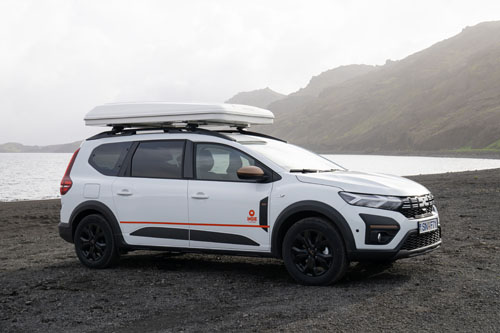
Class SI (Semi-integrated) motorhomes, averaging 6.9 meters in length and sleeping around 3.8 people in Bandana's fleet, represent a balanced and often cost-effective choice for cheap RV rentals in Europe. These models offer a good compromise between living space and maneuverability, making them suitable for couples or small families exploring a mix of European cities and natural landscapes. Bandana's fleet typically shows an average fuel consumption of 10-11 liters per 100 km, offering better economy than Class A while providing more amenities than a campervan. With an average load capacity of 72.2 kg, they are versatile enough for extended trips without being overly cumbersome on Europe's diverse road networks. A rented Class SI motorhome like the "2 Berth Rover" or "2 Berth Tamar" can provide comfort without breaking the bank.
Class C (Alcove) - Best For
Class C (Alcove) motorhomes, characterized by the distinctive sleeping area above the cab, are ideal for families or larger groups seeking a cheap RV rental in Europe without sacrificing sleeping capacity, typically accommodating 5.8 people in Bandana's fleet. Averaging 7.5 meters in length, these vehicles provide ample living space and privacy with separate sleeping zones, and Bandana's fleet usually consumes 10-12 liters per 100 km. Their robust design and spacious interiors make them comfortable for longer journeys across Europe, and the extra sleeping capacity often translates to better value per person. While longer, their familiar driving feel (often based on a van chassis) can make them less intimidating than Class A models, though careful navigation is still required on narrower European roads; Bandana's fleet typically has an average load capacity of 42.4 kg. The "6 Berth Deluxe" is a popular choice for larger families.
Class B (Campervan) - Best For
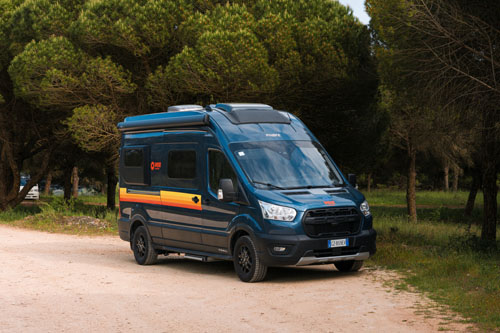
Class B campervans, averaging 5.8 meters in length and sleeping around 3.2 people in Bandana's fleet, are the top recommendation for cheap RV rental travelers in Europe prioritizing maneuverability, fuel economy, and urban accessibility. These compact rented vehicles, consuming an average of 8-10 liters per 100 km in Bandana's fleet, handle narrow European roads and city parking with ease, making them perfect for exploring historic towns and diverse terrains. Their smaller footprint often leads to lower rental costs and significantly reduced fuel expenses, directly contributing to a cheaper overall trip. While offering less interior space and an average load capacity of 37 kg, the ability to wild camp more discreetly and park like a regular car provides unparalleled flexibility and cost savings across Europe. Models like the "2 Berth Hi Top" or "Active Classic" exemplify the value of a Class B campervan rental.
Class TC (Truck Camper) - Best For
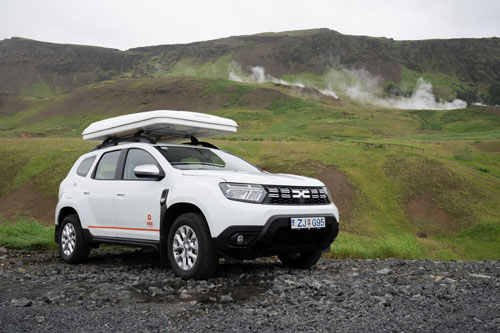
Class TC (Truck Camper) models, averaging 5.5 meters in length and sleeping around 2.4 people in Bandana's fleet, are best for adventurous couples or small groups seeking off-grid capabilities and flexibility in their cheap RV rental in Europe. These unique units, mounted onto a pickup truck chassis, offer superior access to remote areas, unpaved roads, and rugged terrain, making them ideal for exploring Europe's national parks or less-traveled paths. While fuel consumption can be higher (averaging 12-17 liters per 100 km in Bandana's fleet), their ability to detach the living unit from the truck provides flexibility for day trips once camped. The primary advantage for a cheap RV rental profile comes from their potential for more wild camping and accessing free or low-cost dispersed camping spots where larger RVs cannot go, though load capacity is highly variable and depends on the base truck, with some options like the "Patagonia Camper 4x4 double cab" offering a robust solution.
Side-by-Side Comparison Table
To help you quickly compare options for your cheap RV rental in Europe, here's a side-by-side table summarizing the key characteristics of each motorhome class:
| Family | Avg Length (m) | Sleeps | Fuel Use (L/100km) | Best Use Case in Europe |
|---|---|---|---|---|
| Class A (Integrated) | 7.5 | 4.4 | 11-12 | Luxury, large groups, long trips (open roads) |
| Class SI (Semi-integrated) | 6.9 | 3.8 | 10-11 | Couples/small families, balanced comfort/maneuverability |
| Class C (Alcove) | 7.5 | 5.8 | 10-12 | Families with children, maximizing sleeping capacity |
| Class B (Campervan) | 5.8 | 3.2 | 8-10 | Solo/couples, urban exploration, fuel efficiency, discreet camping |
| Class TC (Truck Camper) | 5.5 | 2.4 | 12-17 | Adventure, off-grid exploration, rugged terrain access |
Our Recommendation for cheap rv rental Travelers in Europe
For travelers specifically seeking a cheap RV rental in Europe, the Class B Campervan is our primary recommendation due to its unparalleled blend of affordability, maneuverability, and fuel efficiency. Its compact size (averaging 5.8 meters in length with Bandana's fleet) makes it ideal for navigating narrow European village streets and parking discreetly, while its superior fuel economy (typically 8-10 liters per 100 km) significantly reduces overall trip costs. You’ll have no problem driving slowly and carefully through almost any street or small town without issues. As a strong runner-up, the Class SI Semi-integrated motorhome offers a fantastic balance for those needing a bit more space (averaging 6.9 meters) and comfort for small families, without the larger costs associated with Class A or C models. The Semi-integrated provides a good balance of amenities and drivability, averaging 10-11 liters per 100 km, making it a viable option for those who prioritize a comfortable mid-range experience at a competitive price, such as the "Active Standard Auto".
How much does it cost to rent an RV in Europe?
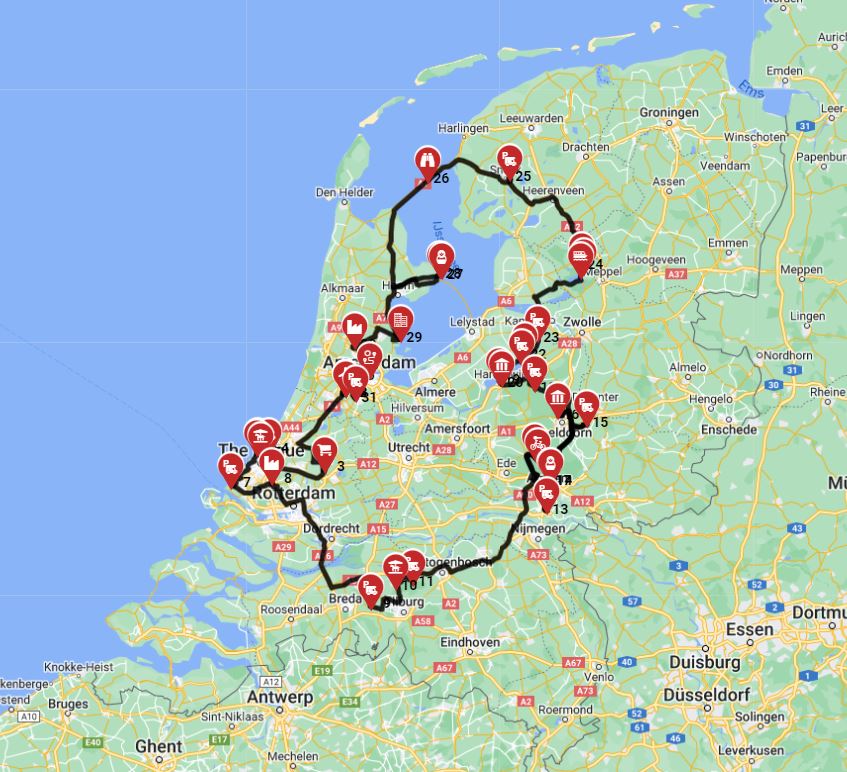
The cost to rent an RV in Europe typically ranges from €50 to €200+ per day, influenced by the RV class, rental duration, season, and specific country, with comprehensive budgeting needing to account for additional expenses beyond the base rental rate. Smaller campervans (Class B) and semi-integrated models (Class SI) usually start at €50-€100/day in the off-season, while larger alcoves (Class C) or integrated (Class A) motorhomes can range from €100-€200+/day, especially during peak summer months. Peak season (June-August) sees prices soar by 30-50% compared to shoulder (April-May, Sept-Oct) or off-season (Nov-March) rates. Beyond the rental itself, fuel is a major variable, with diesel prices varying significantly across Europe (€1.50 - €2.00+ per liter) and RVs consuming 8-17 liters/100 km, making it a substantial portion of the total cost. Many European countries (e.g., France, Italy, Austria, Switzerland) also have tolls or require vignettes for highway use, adding variable costs depending on your route and vehicle size. Campsite fees range from €15-€30/night for basic pitches to €30-€60+/night for full-service sites. When planning your budget, remember to factor in potential hidden fees like extra mileage charges, cleaning fees, or administration fees, and a 10-15% contingency for unexpected expenses. On the routes offered through RV PLANET routes, travelers can itemize and track every expense along the way for easy budgeting, ensuring no surprises. On the routes offered through RV PLANET routes, you can itemize and track every expense along the way for easy budgeting.
What is the cheapest way to rent an RV?
The cheapest way to rent an RV in Europe involves booking well in advance, opting for smaller vehicle classes during off-peak seasons, and being flexible with your pick-up locations and travel dates. Secure your rental 6-12 months ahead, especially for peak season, to access early bird discounts and better availability. Traveling during spring (April-May) or autumn (September-October) offers significantly lower rates than summer, cooler weather, and fewer crowds, potentially saving you 30-50%. Consistently, Class B campervans or Class SI semi-integrated motorhomes are more affordable to rent, more fuel-efficient, and easier to manage on Europe's diverse road networks than larger Class A or C models. Consider a week-long trip or longer, as many companies offer daily rate reductions for rentals exceeding 7, 14, or 21 days. Use comparison platforms like Bandana to easily compare prices from multiple trusted suppliers across various European locations. Being flexible with pickup and drop-off points, perhaps considering one-way rentals (which may incur a fee, as detailed in our One-Way RV Rental in Europe - Price Guide 2026), can sometimes yield better deals. Remember that prices are dynamic, similar to flight tickets, changing daily based on availability, seasonality, and supplier marketing decisions. Planning to cook most of your meals in the rented RV's kitchen can also save substantially on dining out costs; check out our RV-friendly recipes playlist for meal inspiration on the go.
Where is the cheapest country to rent a campervan?
Eastern European countries like Poland, Czech Republic, Hungary, and the Baltic states (Estonia, Latvia, Lithuania) generally offer the cheapest campervan rental rates in Europe due to lower costs of living and a developing tourism infrastructure. Destinations such as Poland and the Czech Republic often have significantly lower daily rental costs, cheaper fuel, and more affordable campsite fees compared to Western European counterparts. For example, a basic campervan could be found for as low as €50-€70 per day in these regions during off-peak seasons. While not always the absolute cheapest, Portugal and parts of Spain can also offer competitive rates, especially outside of major tourist hubs and during the shoulder seasons. Even Germany, a Western European country, has a large and competitive RV market, which can sometimes lead to good deals, particularly for longer rentals or specific models. Beyond the base rental price, always consider the total cost including fuel, tolls, campsites, and groceries in your chosen destination, as these significantly impact the overall budget for your cheap RV rental trip. Our guide on Cheap RV Rental in Europe - Budget Guide 2026 provides more budgeting tips.
Is it cheaper to rent an RV or stay in a hotel?
For longer trips, family travel, or exploring multiple destinations, renting an RV in Europe is generally cheaper than a combination of hotels and separate transportation, as it consolidates accommodation and transport costs. A rented RV acts as both your transport and lodging, eliminating separate car rental fees, train tickets, and hotel bills for each stop. This is particularly cost-effective for groups or families who would otherwise need multiple hotel rooms. Cooking your own meals in the RV galley significantly reduces food expenses compared to eating out for every meal, which is a major cost saving over hotel stays. RVs also offer the freedom to move, allowing you to chase better weather, find cheaper campsites, or even wild camp where permitted (with local regulations varying by country), further reducing accommodation costs. For very short trips, solo travel, or strictly city-center exploration where parking a larger motorhome can be challenging and expensive, a hotel might be more convenient and potentially cheaper. However, for a true road trip experience, an extended motorhome or campervan rental offers superior value and flexibility, especially when comparing overall trip costs, which is detailed in our Cheap RV Rental in Europe - Budget Guide 2026.
Is Europe RV friendly?
Europe is largely RV friendly, offering an extensive network of campsites and services, though navigating specific country regulations, narrow historical roads, and urban restrictions requires careful planning. Most major European roads are well-maintained and suitable for RVs, but smaller, rural roads and historical town centers can be very narrow and challenging for larger vehicles; Class B campervans excel here. Europe boasts an impressive network of campsites, from basic pitches to luxury resorts, many offering facilities for waste disposal, water, and electricity. For non-EU citizens, an International Driving Permit (IDP) is recommended alongside your national license, though a standard driver's license is sufficient for all motorhome classes; always verify specific requirements for each country you plan to visit. Many European cities have Low Emission Zones or Crit'Air zones, requiring specific stickers or permits for entry, particularly for older vehicles. Laws on wild camping vary drastically by country; it's generally prohibited in Western Europe but more tolerated in Nordic and some Eastern European countries. Always check local regulations to avoid fines. Drive slowly and carefully, and you can drive almost anywhere without issues. No need to stress - just use common sense and pay attention, especially when parking RVs in cities, which can be difficult and expensive. Diesel (Gasóleo, Diesel, Gasoil) is widely available for fuel. Waste disposal systems (grey and black water) differ, so understanding local 'Aire de Services' or 'Stellplatz' signs is important. Offline maps or RV-specific GPS are highly recommended for navigation.
What do Europeans call an RV?
In Europe, the term 'RV' (Recreational Vehicle) is less common, with people typically referring to these vehicles as 'motorhomes' or 'campervans,' depending on their size and features. 'Motorhome' is the most common umbrella term for self-propelled recreational vehicles, encompassing larger units similar to Class A, SI, and C. 'Campervan' is used for smaller, more compact vehicles, often based on a van chassis, much like a Class B, and these are particularly popular for their maneuverability and fuel efficiency on European roads. It is important to note that 'Caravan' refers specifically to a towed trailer (what Americans call a travel trailer or fifth-wheel) and not a self-propelled vehicle, so when seeking a rental, always specify 'motorhome rental' or 'campervan rental' to avoid confusion. Understanding these terms can be helpful when communicating with locals or searching for specific amenities and services during your trip.
What is the 333 rule for campervan?
The '333 rule' for campervan travel is a guideline recommending that RVers drive a maximum of 300 kilometers per day, arrive at their campsite by 3 PM, and ideally stay a minimum of 3 nights in one location, promoting a more relaxed and immersive travel experience. Driving a maximum of 300 km daily promotes slow travel, which Bandana Caravan highly recommends, averaging 100-150 km per day to truly experience a place. This pace reduces stress, conserves fuel, and allows more time for spontaneous stops and enjoying the journey rather than rushing. Arriving at your destination by 3 PM ensures you secure a good pitch, especially during peak season or at popular sites, and provides ample time to set up, explore your surroundings, and relax before dinner. Staying a minimum of 3 nights in one location encourages a deeper exploration of local areas, allows for day trips without moving the rented RV, and fosters a more sustainable and less rushed pace. Adopting the 333 rule can lead to significant cost savings by reducing fuel consumption and minimizing the need for last-minute, expensive campsite bookings, contributing to a cheaper RV rental experience. Our detailed route plans, like the "

Where is the cheapest place in Europe to buy a camper van?
For those looking to *buy* a campervan rather than rent, Germany is widely considered one of the cheapest places in Europe due to its large market, high sales volume, and robust second-hand RV industry. With a strong manufacturing base and a culture of RVing, Germany offers a vast selection of new and used campervans at competitive prices. The United Kingdom also has a significant used campervan market, particularly for right-hand drive vehicles, which can sometimes offer good value. Private sales, often found through online marketplaces like Mobile.de in Germany, typically yield lower prices than dealerships, but require more due diligence regarding vehicle condition and legalities. The most affordable options are typically older models or vans suitable for DIY conversion, though these require significant upfront work or maintenance. While this article focuses on *renting* an RV, understanding buying options can provide context for overall RV costs. For vacation travel, renting a motorhome in Europe through platforms like Bandana Caravan is a hassle-free and often more economical choice than ownership, avoiding depreciation, maintenance, and storage costs.
What is the most affordable RV to buy?
The most affordable RVs to buy are typically small, used Class B campervans, often based on standard commercial vans, or vehicles suitable for do-it-yourself (DIY) conversions. Used campervans (Class B) are usually the least expensive entry point into RV ownership due to their smaller size, simpler construction, and fuel efficiency. Purchasing older models, regardless of class, will generally be more affordable upfront, but may come with higher maintenance costs over time. DIY conversions, where you buy a used cargo van and customize it yourself, offer the highest potential for affordability, allowing you to control costs and features. However, for short to medium-term European adventures, renting a Class B campervan often proves to be the most cost-effective and hassle-free solution compared to the significant upfront investment and logistical challenges of ownership, especially for international travelers. Exploring cheap RV rental deals in Europe allows you to experience the continent without the commitment of a purchase.
🎬 Video coming soon
What You Shouldn't Miss
Europe is a tapestry of natural beauty and cultural wonders, perfect for exploration by rented motorhome. Here are some adventures you shouldn't miss:
- Eastern European Christmas Markets: Experience the festive charm of cities like Vienna, Budapest, and Prague, bustling with unique handicrafts and local delicacies. The "Vienna Roundtrip - The epic Eastern European Christmas markets" route plan from RV PLANET covers 10 traditional markets and 2 historical sites over 15 days.
- Alps Mountain Drives: Conquer iconic passes like Italy's Stelvio Pass (48 hairpin turns, 2,757 meters elevation) for breathtaking views and challenging driving. Or opt for more serene routes through the Austrian or Swiss Alps.
- French Countryside & Coastal Adventures: Explore the diverse landscapes of France, from the vineyards of Bordeaux to the lavender fields of Provence, and stunning coastlines. The "Toulouse Round trip - European Charms & Family Delights" itinerary includes 2 caves, 2 historical sites, and 1 amusement park over 15 days, spanning 2088.7 km.
- Nordic Wilderness & Fjords: Venture to Scandinavia for majestic fjords, endless forests, and the chance to witness the Northern Lights. The "
" route plan is an 18-day, 3579 km journey through places with 5 museums and 3 natural features.
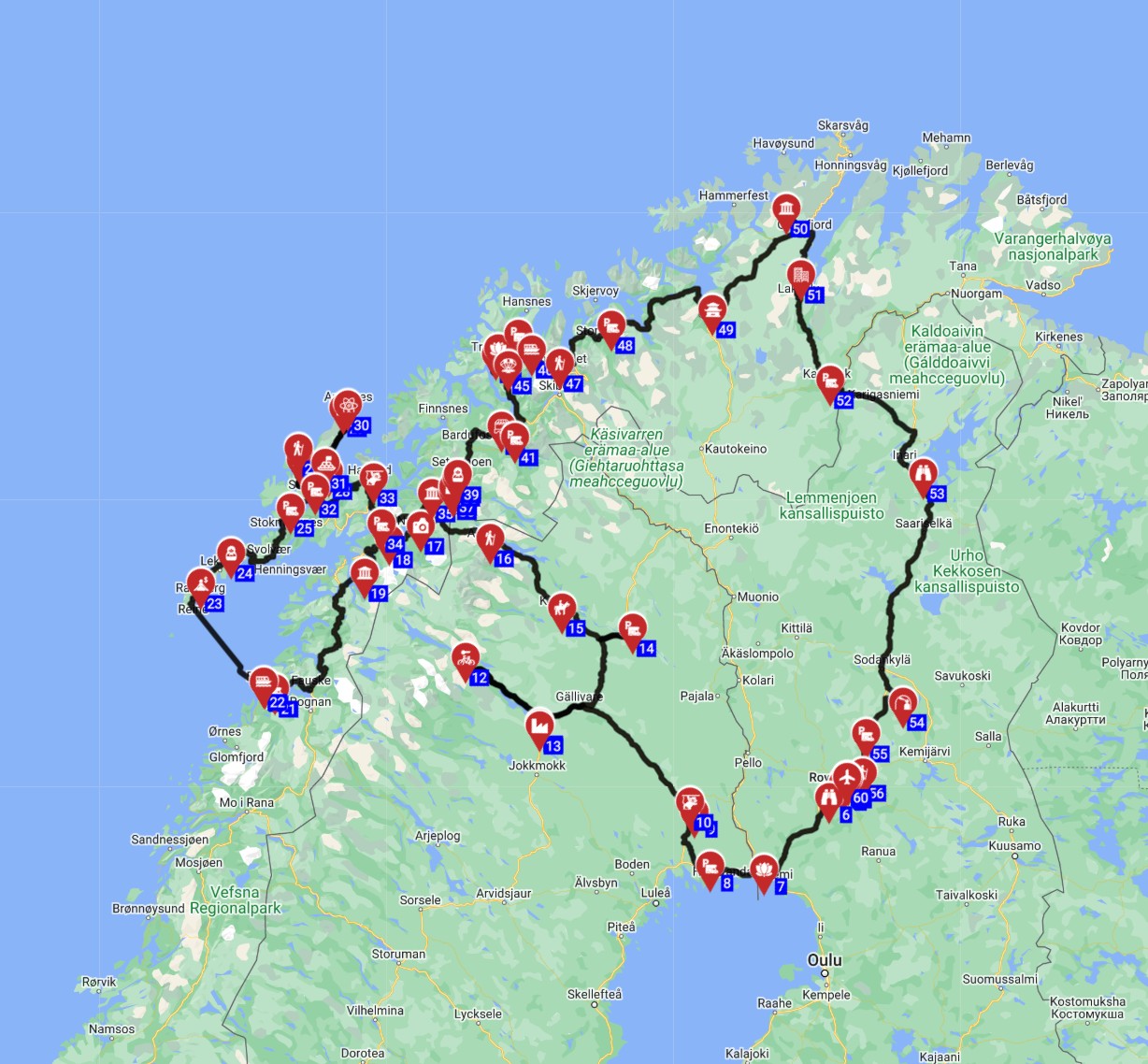 Rovaniemi Roundtrip - End of Europe scenic roads
 - Coastal Drives: Traverse the scenic coastal roads of Croatia, Portugal, or Albania, with stunning sea views and charming fishing villages.
Final Thoughts
Exploring Europe with a rented RV is an experience like no other, blending the comfort of home with the thrill of discovery. By choosing the right motorhome class, planning your budget meticulously, and taking advantage of tools like RV PLANET (rvplan.net) for route planning, you can unlock incredible value and create unforgettable memories. Remember, slow travel is key - aim for around 100-150 km per day to truly immerse yourself in the local culture, food, and stunning scenery.
At Bandana Caravan, we are passionate about making your European motorhome adventure accessible and stress-free. Our commitment to full transparency, 24/7 support during your booking journey, and partnerships with top global suppliers ensures you get the best deal without any hidden surprises. So, whether you dream of navigating the historical streets of Italy in a nimble campervan or exploring the vast landscapes of Scandinavia in a comfortable semi-integrated motorhome, we're here to help you every step of the way.
Ready to find your perfect European road trip vehicle? Discover top destinations, planning tips, all in one place! Compare Cheap RV Rental Prices for Europe and start planning your adventure today!