For live availability and current prices, start with our RV Rental Canada - Complete Guide 2026 guide.
In This Guide
- The 5 RV Families Compared for Canada
- Class A (Integrated) — Best For
- Price Comparison by RV Class in Canada
- Class SI (Semi-Integrated) — Best For
- Class C (Alcove) — Best For
- Class B (Campervan) — Best For
- Class TC (Truck Camper) — Best For
- Side-by-Side Comparison Table
- Our Recommendation for cheap rv rental Travelers in Canada
- What is the cheapest RV rental in Canada?
- How much does it cost to rent an RV in Canada for a month?
- What are the requirements for renting an RV in Canada?
- Can you sleep anywhere in an RV in Canada?
- What is the best time to RV in Canada?
- How much is a RV rental in Canada per day?
- What is the average gas mileage for an RV in Canada?
- Is it cheaper to rent an RV or stay in hotels in Canada?
- Do you need a special license to drive an RV in Canada?
- Is it expensive to RV in Canada?
- How much is RV insurance in Canada?
- Where are the best places to RV in Canada?
- Can you wild camp an RV in Canada?
- What RV rental companies are in Canada?
The 5 RV Families Compared for Canada
Choosing the right RV is crucial for navigating Canada's diverse terrain and climate. Each RV class offers distinct advantages for specific Canadian adventures. Considering your trip length, group size, and budget will help you select the ideal RV class for your journey.
For those seeking a cheap RV rental in Canada, understanding these classifications is the first step in planning an unforgettable road trip.
Class A (Integrated) — Best For
Class A motorhomes, averaging 7.5 meters in length, are ideal for large groups (sleeping typically 4.4 people) seeking luxury and comfort on long Canadian highway journeys. With an average load capacity of 209.5 kg, they offer ample storage for extended trips. Fuel consumption typically ranges from 8-12 Liters/100 km, though larger vehicles can incur higher fuel costs, especially when considering diesel vs. gas availability in remote Canadian areas. Trade-offs include higher rental prices and less maneuverability on smaller roads or in tight campgrounds. On the routes offered through RV PLANET routes, you can itemize and track every expense along the way for easy budgeting.
These integrated motorhomes are essentially custom-built, offering the most living space and amenities, making them a great choice for families or groups prioritizing comfort and convenience on cross-country Canadian tours.
Price Comparison by RV Class in Canada
Because pricing for RV rentals is flex-rate, the table below pulls real example prices from Bandana's live search, showcasing cost variations by RV class and rental duration. These prices are estimates and update daily based on availability, demand, and booking lead time; for the most current rates, please use the search box at the top of the page.
| Family | Avg Length (m) | Sleeps (Avg) | Fuel Use (L/100 km) | Best Use Case in Canada |
|---|---|---|---|---|
| Class A (Integrated) | 7.5 | 4.4 | 8-12 | Luxury, large groups, long highway trips, ample storage |
| Class SI (Semi-Integrated) | 6.9 | 3.8 | 10-11 | Balance of comfort & maneuverability, mid-size groups, varied routes |
| Class C (Alcove) | 7.5 | 5.8 | 10-12 | Family-friendly, cost-effective, common choice for most roads |
| Class B (Campervan) | 5.8 | 3.2 | 8-10 | Maneuverability, fuel efficiency, urban/small road access, solo/couple |
| Class TC (Truck Camper) | 5.5 | 2.4 | 12-17 | Off-road capability, flexibility, remote access, adventurers |
Class SI (Semi-Semi-Integrated) — Best For
Class SI (Semi-Integrated) motorhomes offer a balanced blend of comfort and maneuverability, making them suitable for travelers who desire more amenities than a campervan without the bulk of a Class A. Across Bandana's global fleet, these RVs typically average 6.9 meters in length, comfortably sleeping about 3.8 people. With an average fuel consumption of 10-11 Liters/100 km and a load capacity of 72.2 kg, they are a practical choice for diverse Canadian routes and mid-sized groups looking for a cost-effective yet comfortable option. They generally outperform Class A in fuel efficiency and Class C in overall driving experience for couples or small families.
Their streamlined design, often featuring a lower profile than Class C models, contributes to better fuel economy and easier navigation through varied Canadian landscapes, from scenic coastal drives to mountainous terrain.
Class C (Alcove) — Best For
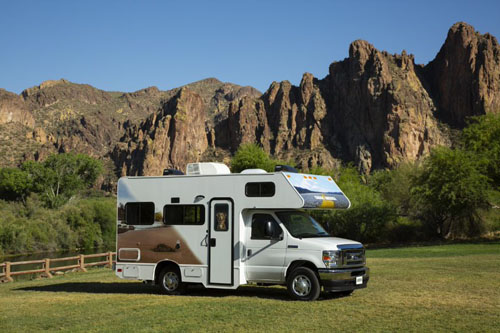
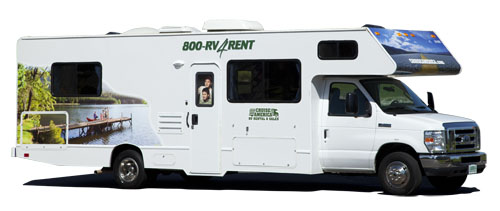
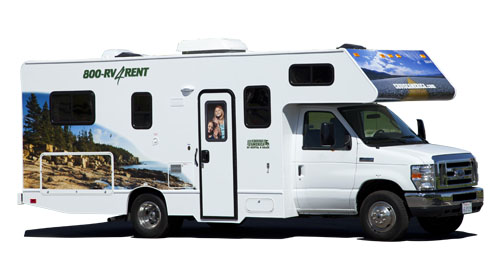
Class C (Alcove) motorhomes are an excellent option for families and larger groups, providing extra sleeping space with an over-cab bunk and robust performance on Canada's varied road conditions. Bandana's fleet averages show these units are about 7.5 meters long, accommodating approximately 5.8 sleepers, and have an average load capacity of 42.4 kg. Their fuel consumption typically ranges from 10-12 Liters/100 km, positioning them as a cost-efficient choice for family adventures aiming to maximize space and utility without excessively high rental or fuel costs. This class is well-suited for covering long distances comfortably across Canada, from national parks to urban centers.
The distinctive over-cab sleeping area is a popular feature for families, providing a dedicated space for children and adding to the overall sleeping capacity without sacrificing central living areas.
Class B (Campervan) — Best For
Class B (Campervan) models are the top choice for couples or solo adventurers prioritizing maneuverability, fuel economy, and the ability to access smaller roads and urban areas across Canada. These compact RVs average 5.8 meters in length, sleep around 3.2 people, and feature excellent fuel efficiency, typically consuming 8-10 Liters/100 km. With an average load capacity of 37 kg, they are perfect for minimalist travel, allowing for easy parking and discreet overnight stops where permitted. Class B campervans excel in scenarios where larger RVs might be restricted due to length (e.g., specific national park roads) or when travelers prefer a nimble, car-like driving experience.
Their compact size makes them ideal for navigating narrow city streets and parking in standard parking spots, offering a convenient way to explore Canada's vibrant urban centers.
Class TC (Truck Camper) — Best For
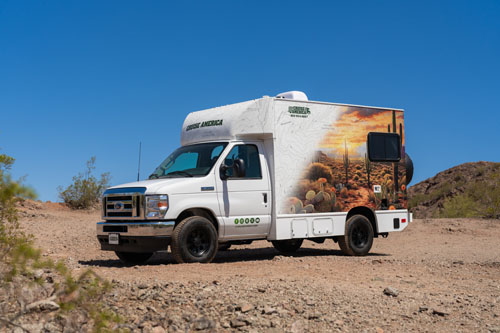
Class TC (Truck Camper) units are ideal for adventurous travelers seeking the flexibility to explore rugged, off-the-beaten-path regions of Canada, offering a detachable living space on a pickup truck chassis. These campers average 5.5 meters in length and typically sleep around 2.4 people, making them suitable for couples or small groups focused on outdoor activities. While specific load capacity is listed as 0kg (indicating the primary cargo capacity is in the truck bed itself), their main advantage is the ability to navigate challenging terrains that larger motorhomes cannot access, despite their higher fuel consumption of 12-17 Liters/100 km. Truck campers are perfect for reaching hidden gems and less-serviced areas, offering true boondocking potential and a robust solution for wildlife-rich Canadian environments.
The ability to detach the camper unit from the truck adds versatility, allowing the truck to be used for exploring or running errands while the camper remains set up at a campsite.
Side-by-Side Comparison Table
This table provides a concise comparison of the key specifications for each RV family, aiding in your decision for a cheap RV rental in Canada.
| Family | Avg Length (m) | Sleeps (Avg) | Fuel Use (L/100 km) | Best Use Case in Canada |
|---|---|---|---|---|
| Class A (Integrated) | 7.5 | 4.4 | 8-12 | Luxury, large groups, long highway trips, ample storage |
| Class SI (Semi-Integrated) | 6.9 | 3.8 | 10-11 | Balance of comfort & maneuverability, mid-size groups, varied routes |
| Class C (Alcove) | 7.5 | 5.8 | 10-12 | Family-friendly, cost-effective, common choice for most roads |
| Class B (Campervan) | 5.8 | 3.2 | 8-10 | Maneuverability, fuel efficiency, urban/small road access, solo/couple |
| Class TC (Truck Camper) | 5.5 | 2.4 | 12-17 | Off-road capability, flexibility, remote access, adventurers |
Our Recommendation for cheap rv rental Travelers in Canada
For most cheap RV rental travelers in Canada, a Class C (Alcove) motorhome is our primary recommendation due to its excellent balance of sleeping capacity (averaging 5.8 people), affordability, and suitability for Canada's diverse road network. It provides ample space for families without the high fuel costs or restricted maneuverability of larger Class A units. As a strong runner-up, the Class B (Campervan) is highly recommended for solo travelers or couples, offering superior fuel economy (8-10 L/100 km) and unmatched maneuverability for exploring both cityscapes and more remote, smaller access roads, making it ideal for those prioritizing budget and flexibility.
What is the cheapest RV rental in Canada?
The cheapest RV rentals in Canada typically involve smaller, more fuel-efficient models like Class B campervans or older Class C motorhomes, especially when booked during shoulder seasons or for longer durations. Class B campervans, averaging 8-10 Liters/100 km, often have the lowest daily rental rates and fuel costs, ideal for solo or couple travelers. Booking well in advance, targeting shoulder seasons (April-May, September-October), and opting for longer rental periods can significantly reduce overall costs compared to peak summer rates. Consider regional rental companies, which sometimes offer competitive prices compared to national chains.
How much does it cost to rent an RV in Canada for a month?
The cost to rent an RV in Canada for a month varies significantly based on RV class, season, and booking lead time, but typically ranges from CAD $2,000 to over $6,000 for a standard Class C or SI model during peak season. Monthly rentals usually offer a lower daily rate compared to shorter durations, making them more economical for extended trips. Factor in additional expenses such as vehicle and health insurance (critical for non-Canadian visitors), mileage packages, fuel (averaging 8-17 L/100 km depending on RV class), and campground fees (CAD $30-80 per night). Booking for a month in the shoulder season (e.g., May or October) can significantly reduce costs compared to peak summer rates.
What are the requirements for renting an RV in Canada?
To rent an RV in Canada, typically you need to be at least 21 or 25 years old (depending on the rental company), possess a valid driver's license from your home country (an International Driving Permit is recommended for non-English/French licenses), and provide a major credit card for deposit and payment. Most rental RVs, particularly Class B, C, and SI models under 11,000 kg (24,250 lbs), do not require a special driver's license; a standard Class 5 equivalent is sufficient. Be aware of specific provincial and territorial RV regulations, which can vary regarding equipment, speed limits, and overnight parking. Comprehensive vehicle insurance is mandatory, and non-Canadian visitors should ensure they have adequate travel health insurance.
Can you sleep anywhere in an RV in Canada?
No, you cannot legally sleep anywhere in an RV in Canada; overnight parking and camping are generally restricted to designated campgrounds, private RV parks, or specific areas where "boondocking" or "wild camping" is explicitly permitted. National and Provincial Parks require reservations for designated campsites, often booked months in advance during peak season. Crown Land offers opportunities for wild camping, particularly in provinces like BC and Alberta, but requires research into specific provincial regulations, adherence to Leave No Trace principles, and preparedness for no services (water, grey/black water disposal). Many municipalities and private lots (like Walmart) prohibit overnight RV parking; always look for 'No Overnight Parking' signs or seek permission.
What is the best time to RV in Canada?
The best time to RV in Canada for most travelers is generally from late May to early September, when weather is mildest, all attractions are open, and roads are clear, though shoulder seasons (April-May, September-October) offer fewer crowds and potentially cheaper rates. Peak season (July and August) guarantees the warmest weather and full access to all parks and services, but also means higher prices and crowded campgrounds. Shoulder seasons provide a good balance: spring (late May-June) sees blossoming landscapes and fewer tourists, while fall (September-early October) offers stunning autumn foliage and cooler temperatures. RVing during shoulder seasons or even winter is possible with appropriate vehicles and preparation, allowing for unique experiences like winter sports or enjoying destinations without the crowds, but specific route and park accessibility (e.g., mountain passes, national park roads) must be checked.
How much is a RV rental in Canada per day?
Daily RV rental prices in Canada typically range from CAD $100 for a small campervan in the off-season to over $400 for a large motorhome during peak summer, with averages varying significantly by class, duration, and booking window. Smaller, fuel-efficient Class B campervans (avg. 8-10 L/100 km) generally have the lowest daily rates, making them attractive for budget-conscious travelers. Beyond the base daily rate, factor in additional costs such as mileage charges, insurance (CAD $20-50/day), prep fees, and potential generator usage fees, which can significantly increase the total daily expenditure. Consult the Live April Price Comparison — RV Class × Trip Length Estimates only — flex-rate prices change daily based on availability and season.
for illustrative daily-equivalent costs across different durations and RV classes.
Trip length Class A Class B Class C Class SI Class TC 1 week
15/04 → 22/04[Price_ClassType-A_PickupID-129_DropoffID-129_PickupDate-15/04_DropoffDate-22/04] [Price_ClassType-B_PickupID-129_DropoffID-129_PickupDate-15/04_DropoffDate-22/04] [Price_ClassType-C_PickupID-129_DropoffID-129_PickupDate-15/04_DropoffDate-22/04] [Price_ClassType-SI_PickupID-129_DropoffID-129_PickupDate-15/04_DropoffDate-22/04] [Price_ClassType-TC_PickupID-129_DropoffID-129_PickupDate-15/04_DropoffDate-22/04] 2 weeks
15/04 → 29/04[Price_ClassType-A_PickupID-129_DropoffID-129_PickupDate-15/04_DropoffDate-29/04] [Price_ClassType-B_PickupID-129_DropoffID-129_PickupDate-15/04_DropoffDate-29/04] [Price_ClassType-C_PickupID-129_DropoffID-129_PickupDate-15/04_DropoffDate-29/04] [Price_ClassType-SI_PickupID-129_DropoffID-129_PickupDate-15/04_DropoffDate-29/04] [Price_ClassType-TC_PickupID-129_DropoffID-129_PickupDate-15/04_DropoffDate-29/04] 1 month
01/04 → 30/04[Price_ClassType-A_PickupID-129_DropoffID-129_PickupDate-01/04_DropoffDate-30/04] [Price_ClassType-B_PickupID-129_DropoffID-129_PickupDate-01/04_DropoffDate-30/04] [Price_ClassType-C_PickupID-129_DropoffID-129_PickupDate-01/04_DropoffDate-30/04] [Price_ClassType-SI_PickupID-129_DropoffID-129_PickupDate-01/04_DropoffDate-30/04] [Price_ClassType-TC_PickupID-129_DropoffID-129_PickupDate-01/04_DropoffDate-30/04]
What is the average gas mileage for an RV in Canada?
The average fuel consumption for an RV in Canada varies significantly by class and model, with Class B campervans typically achieving 8-10 L/100 km, while larger Class A or C motorhomes might consume 10-12 L/100 km or more, especially when heavily loaded or in mountainous terrain. Class TC (Truck Campers) can have the highest consumption at 12-17 L/100 km due to their robust build and potential for off-road use. Factors influencing mileage include the RV's weight (load capacity varies from 37 kg for Class B to 209.5 kg for Class A), driving speed, terrain (e.g., mountain passes), and whether the vehicle is gas or diesel (affecting fuel efficiency and availability in remote areas). Fuel prices are a significant budget component in Canada, often fluctuating between CAD $1.50 - $2.00+ per liter.
Is it cheaper to rent an RV or stay in hotels in Canada?
Renting an RV in Canada can be cheaper than staying in hotels, especially for families or groups on longer trips, as it combines accommodation and transport costs, allows for self-catering, and offers flexibility, though initial rental and fuel costs can be substantial. The ability to cook your own meals in an RV significantly reduces food expenses compared to dining out daily, a major saving for budget travelers. For families, an RV avoids the need for multiple hotel rooms, potentially offering significant savings. However, a comprehensive cost comparison must include RV rental fees (base rate, mileage, insurance, prep fees), fuel, and campground fees versus hotel rates, restaurant meals, and car rental costs. For ideas you can prep on the road, watch our RV-friendly recipes playlist on YouTube.
Do you need a special license to drive an RV in Canada?
For most recreational vehicles in Canada, you do not need a special license; a standard valid Class 5 (or equivalent) driver's license from your home jurisdiction is sufficient for RVs under 11,000 kg (24,250 lbs), which covers the vast majority of rental units. This includes typical Class B, C, SI, and TC models. Only very large or heavy Class A motorhomes exceeding this weight threshold may require a higher class of license, which are uncommon in standard rental fleets. For international visitors, an International Driving Permit (IDP) is highly recommended if your national license is not in English or French, though not always legally mandatory, it can simplify interactions with law enforcement and rental agencies.
Is it expensive to RV in Canada?
RVing in Canada can be expensive, primarily due to rental costs, high fuel prices, and campground fees, but careful planning, choosing smaller RVs, traveling during shoulder seasons, and self-catering can significantly reduce overall expenses, making it a viable option for budget-conscious travelers. Key cost components include the RV rental fee, mandatory insurance, mileage charges (if not unlimited), fuel (especially for larger units with 10-17 L/100 km consumption), and nightly campground fees (CAD $30-80). Strategies to minimize costs include booking well in advance, opting for smaller Class B (Campervan) or Class C (Alcove) units, traveling during the less-demanding shoulder seasons, and utilizing free camping options on Crown Land where permitted. Being aware of specific provincial and territorial RV regulations and preparing for potential emergency breakdown procedures in remote or less-serviced areas can also prevent unexpected costs.
How much is RV insurance in Canada?
RV rental insurance in Canada typically costs between CAD $20-50 per day for basic collision damage waiver (CDW) and liability coverage, with additional options for roadside assistance or personal effects insurance increasing the total. Most rental companies require you to purchase their CDW or provide proof of equivalent coverage, often with a deductible that can range from CAD $750 to $2,500. It's crucial to understand the extent of your coverage, including third-party liability limits, and for non-Canadian visitors, to secure comprehensive travel health insurance as Canadian healthcare is not free for tourists. Check if your personal auto insurance or credit card benefits offer any RV rental coverage, but always confirm directly with your providers and the rental company.
Where are the best places to RV in Canada?
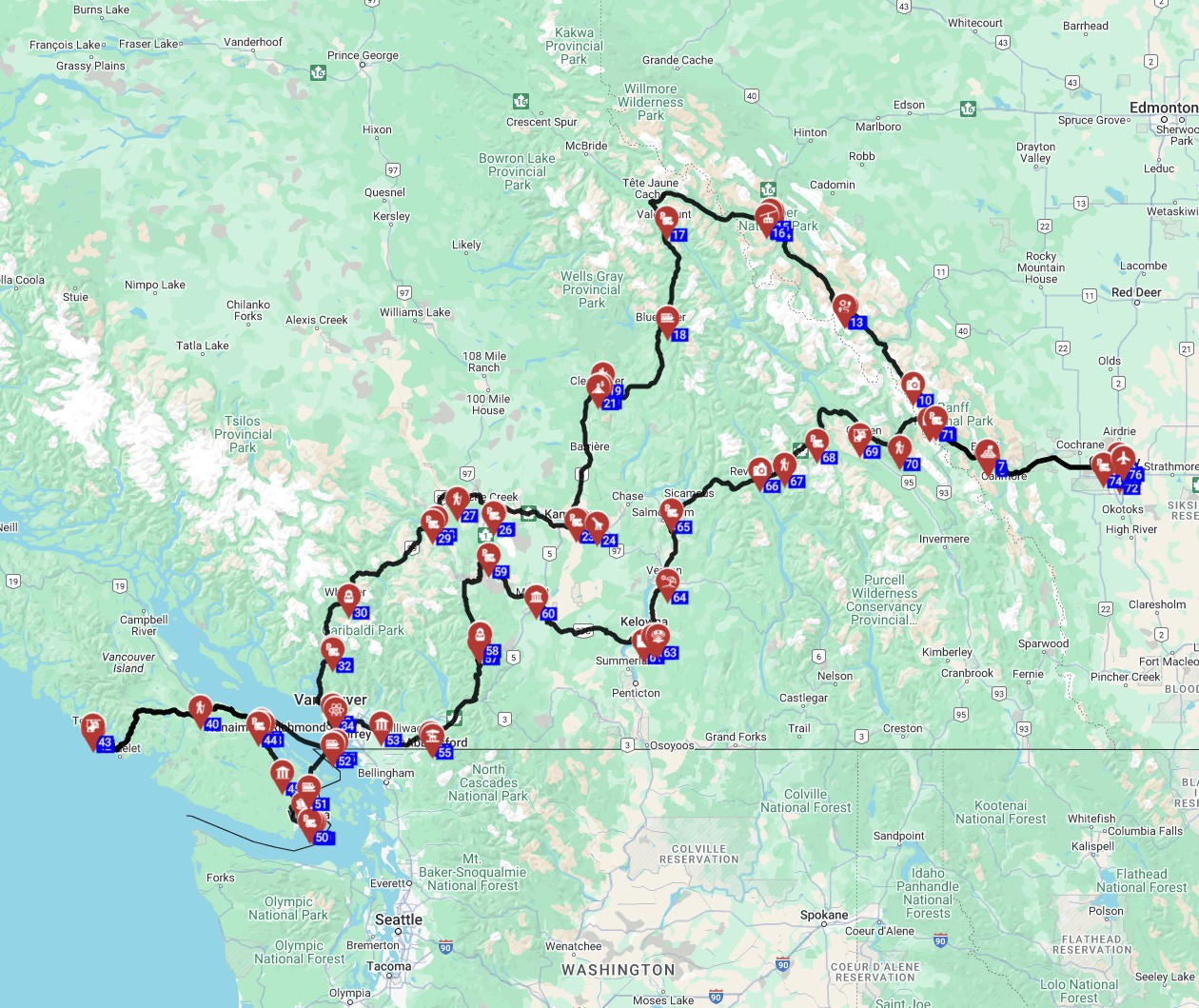
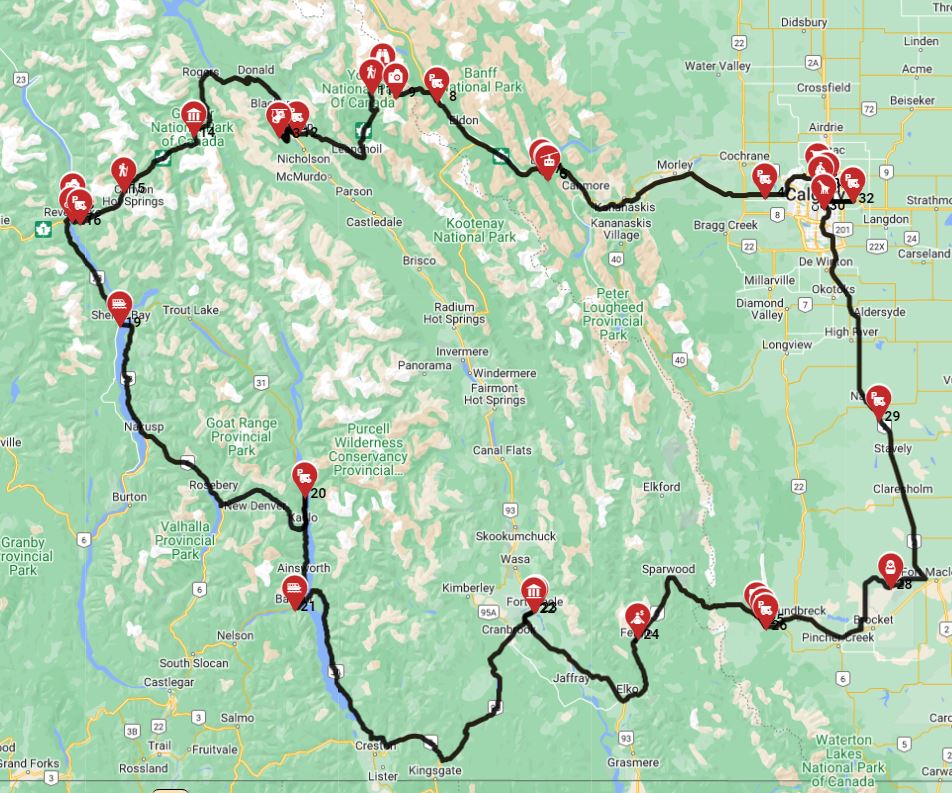
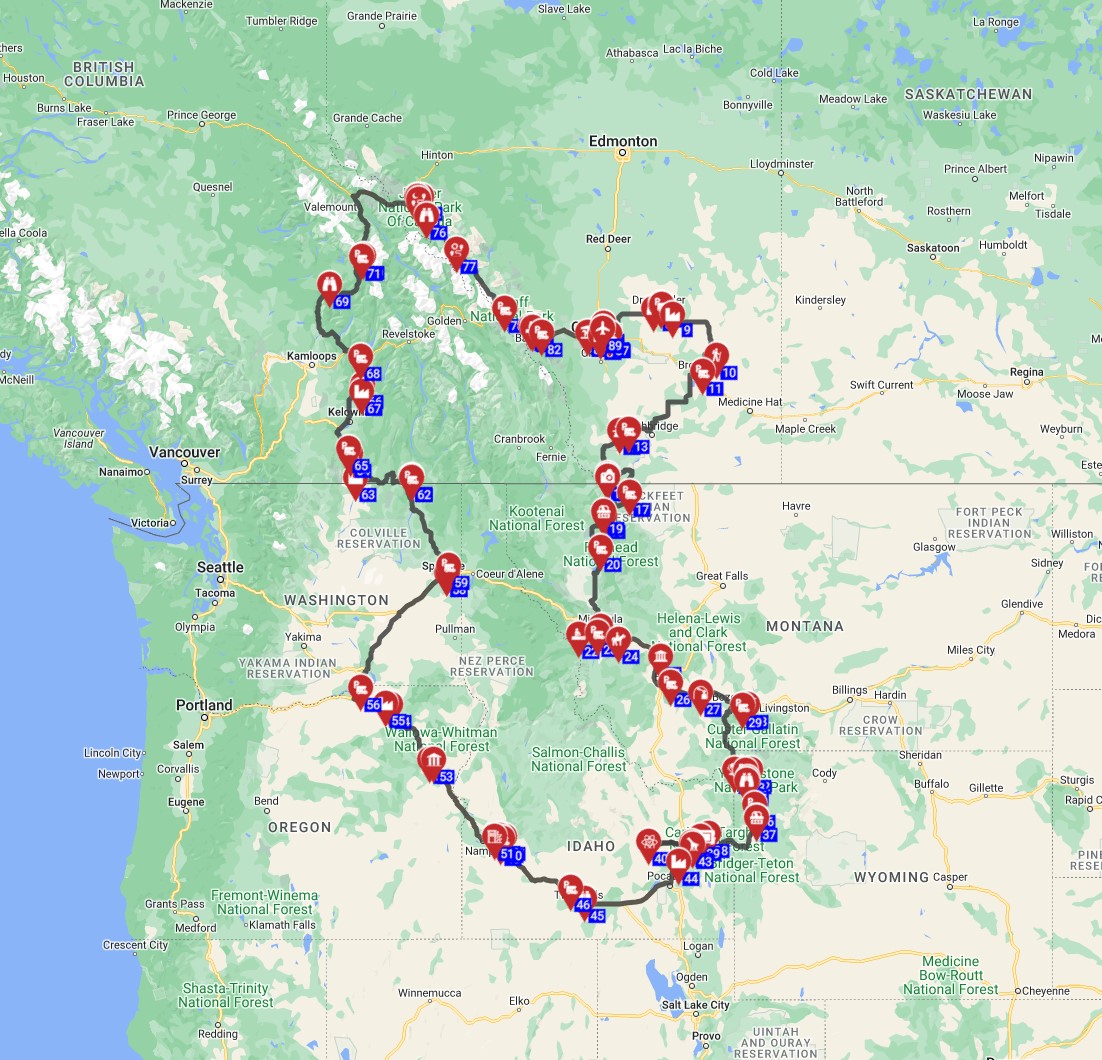
Canada offers diverse RVing destinations, with popular choices including the Rocky Mountains (Banff, Jasper), coastal routes in British Columbia (Vancouver Island), the Maritime Provinces (Nova Scotia, Prince Edward Island), and the stunning landscapes of Ontario and Quebec (Algonquin Park, Gaspé Peninsula). For the Rockies, consider specific RV types and sizes due to potential length restrictions on mountain passes (e.g., some Class A RVs) and diesel vs. gas considerations for steep climbs in remote areas. Hidden gems like the Viking Trail in Newfoundland or the sparsely populated regions of the Yukon offer unique, off-the-beaten-path experiences beyond major national parks. Seek out opportunities to engage respectfully with Indigenous communities across Canada, learning about their culture and history, and research accessibility information for RVers with specific needs regarding campgrounds, attractions, and trails.
Can you wild camp an RV in Canada?
Wild camping or "boondocking" in an RV is generally permissible on certain Crown Lands across Canada, particularly in less populated provinces like British Columbia, Alberta, and Quebec, but requires thorough research, adherence to local regulations, and strict Leave No Trace principles. Detailed information on provincial and territorial RV regulations for Crown Land access is essential, as rules vary significantly; permits may be required in some regions. When wild camping, ensure you have reliable potable water sources and a plan for grey/black water disposal beyond basic campground hookups, as services will be nonexistent. Comprehensive wildlife safety protocols are crucial, especially in bear country, including secure food storage and knowledge of practical advice for common wildlife encounters (bears, moose, cougars).
What RV rental companies are in Canada?
Several major RV rental companies operate in Canada, including international brands like CanaDream (often associated with Cruise America), Fraserway RV, and smaller regional operators, with platforms like Bandana aggregating options from various providers to offer a wide selection. Key players offer fleets across all RV classes, from compact Class B campervans to spacious Class A motorhomes. When considering RV rentals within Canada for those flying in and exploring, it's vital to inquire about specific insurance and driver's license considerations for out-of-province or international visitors. Always compare terms, included mileage, additional fees, and customer reviews across different companies to find the best fit for your cheap RV rental in Canada.
What You Shouldn't Miss
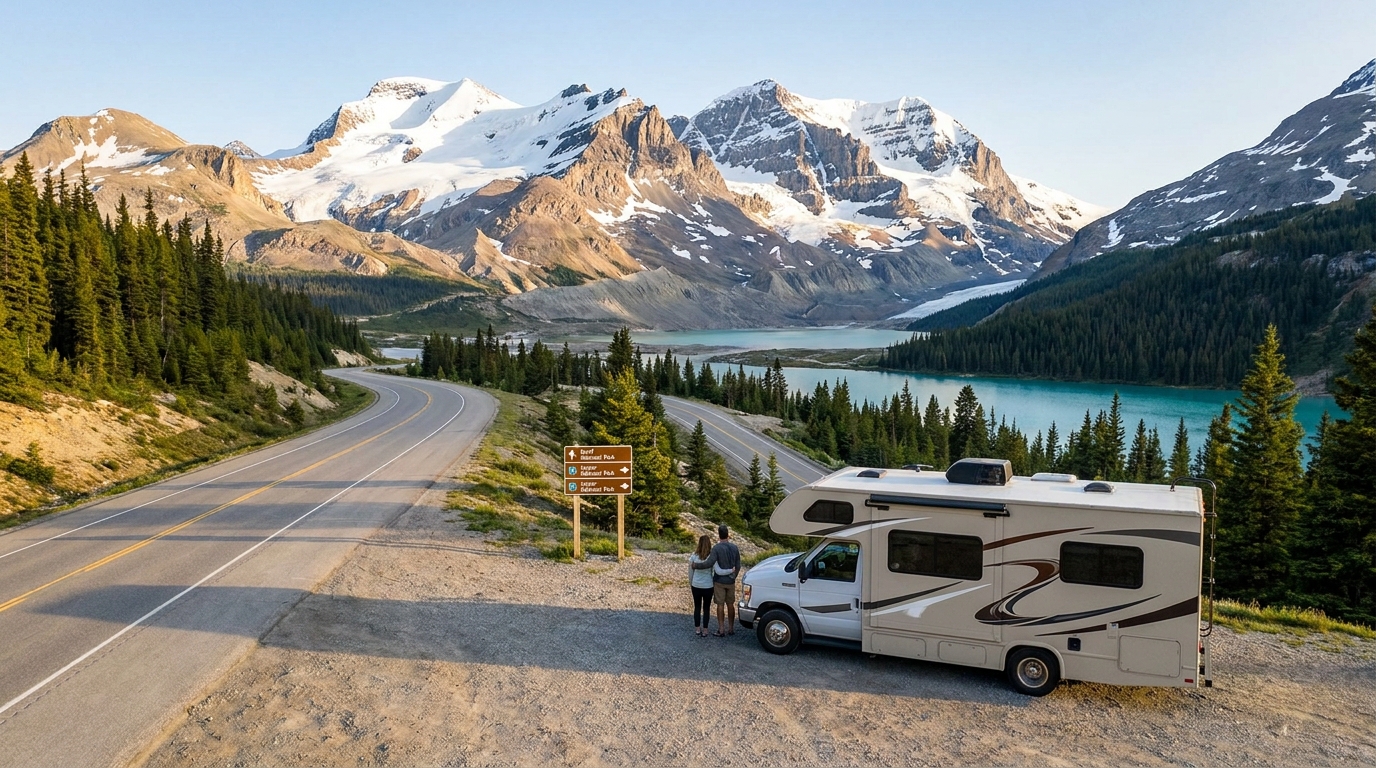
- Drive the Icefields Parkway (Highway 93) in Alberta for unparalleled views of glaciers and wildlife.
- Explore Vancouver Island's rugged coastline and charming towns by RV, with 3 hiking areas and several parks perfect for exploration.
- Visit Banff National Park, known for its stunning turquoise lakes and abundant wildlife viewing opportunities.
- Experience the Cabot Trail in Nova Scotia, a scenic route offering breathtaking coastal vistas and numerous points of interest for RV travelers.
- Discover the historic charm and natural beauty of Quebec's Gaspé Peninsula, a popular RV destination with several traditional restaurants and heritage sites.
- Embrace the vastness of Canada by venturing towards the Yukon for a truly off-the-beaten-path adventure, where unique landscapes and wildlife encounters abound.
Final Thoughts
Renting an RV in Canada opens up a world of incredible possibilities, from the majestic Rockies to the stunning coastlines. By understanding the different RV classes and planning strategically, you can find a cheap RV rental that perfectly suits your adventure. Remember to book in advance, especially for peak season, and consider the shoulder months for potentially better rates and fewer crowds.
At Bandana Caravan, we're dedicated to making your RV rental experience as smooth and transparent as possible. We're here to help you find the right vehicle and provide the support you need for an unforgettable Canadian road trip. So, start planning your adventure today and get ready to explore the vast beauty of Canada!