In This Guide
- The 4 RV Families Compared for Alaska
- Class A (Integrated) - Best For
- Price Comparison by RV Class in Alaska
- Class SI (Semi-Integrated) - Best For
- Class C (Alcove) - Best For
- Class B (Campervan) - Best For
- Side-by-Side Comparison Table
- Our Recommendation for RV Rental Travelers in Alaska
- Where can I find the best RV rental in Alaska?
- Which RV rental site is best?
- What is the cheapest price for an RV rental in Alaska?
- Is it cheaper to rent an RV or stay in a hotel?
- What is the 3-3-3 rule for RVs?
- What is the best type of RV for an Alaska trip?
- Which RVs to stay away from?
- Top Cities for RV Rental in Alaska
- Driving an RV in Alaska: Key Road Rules and Tips
- Connectivity and Emergency Services in Alaska
- What You Shouldn't Miss
Embarking on an RV adventure in Alaska offers an unparalleled opportunity to explore its vast, untamed wilderness at your own pace. With Bandana, you’re choosing a partner dedicated to full transparency and support, ensuring no hidden fees or surprises along your journey. Whether you're a seasoned RVer or planning your first motorhome trip, our expertise, honed over 20+ years, will guide you through selecting the perfect rental for your Alaskan dream vacation. For live availability and current prices, start with our RV Rental Alaska - Complete Guide 2026.
🎬 Video coming soon
The 4 RV Families Compared for Alaska
Choosing the right rented RV for your Alaska adventure is crucial, as vehicle type significantly impacts comfort and accessibility on Alaskan terrain. Your ideal motorhome will depend on factors like the number of travelers in your group, the length of your trip, and the specific climate conditions you anticipate. Each RV family offers distinct advantages tailored for different travel styles, from luxurious comfort to compact maneuverability.
Class A (Integrated) - Best For
Class A motorhomes offer maximum comfort, luxury, and spacious living, making them ideal for larger groups or families planning extended trips primarily on Alaska's main highways. These integrated motorhomes provide generous interior space, often featuring full kitchens, multiple sleeping areas, and ample storage for all your gear. Bandana’s fleet of Class A motorhomes typically averages 7.5 meters (25 feet) in length, comfortably sleeping 4-6 people, offering a true "home away from home" experience in the Alaskan wilderness.
Price Comparison by RV Class in Alaska
RV rental prices in Alaska vary significantly by class, rental duration, and seasonality, with smaller, more fuel-efficient models generally presenting lower daily rates. During peak season (June-August), prices can be considerably higher due to increased demand, often ranging from $250-$500+ per day for larger motorhomes. It is essential to remember that prices are dynamic, similar to flight tickets, changing daily based on availability and supplier marketing decisions, so always check live rates for the most accurate pricing.
When budgeting for your Alaskan RV trip, remember to account for ancillary costs beyond the rental fee, such as fuel, campground fees, propane, and groceries. On RV PLANET routes, travelers can itemize and track every expense along the way for easy budgeting, ensuring you have a clear picture of your total trip cost. This full transparency is a hallmark of Bandana's service, meaning what you see is what you get, with no hidden fees to surprise you. On the routes offered through RV PLANET routes, you can itemize and track every expense along the way for easy budgeting.
Class SI (Semi-Integrated) - Best For
Class SI (Semi-integrated) motorhomes are ideal for couples or small families seeking a balanced combination of comfort and maneuverability on Alaskan roads. These models offer a more streamlined profile than Class A RVs, often resulting in better fuel efficiency and easier handling, particularly on winding scenic routes. A Class SI motorhome from Bandana’s fleet typically averages 6.9 meters (23 feet) in length, comfortably sleeping 2-4 people, and provides a cozy yet functional living space.
Class C (Alcove) - Best For
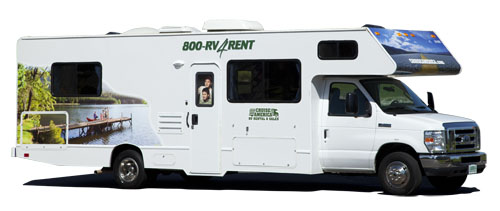
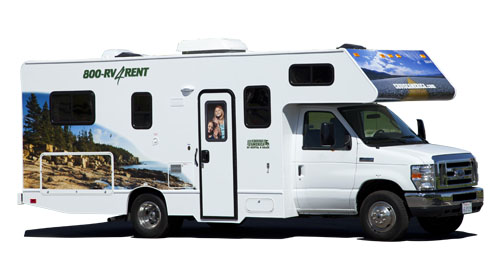
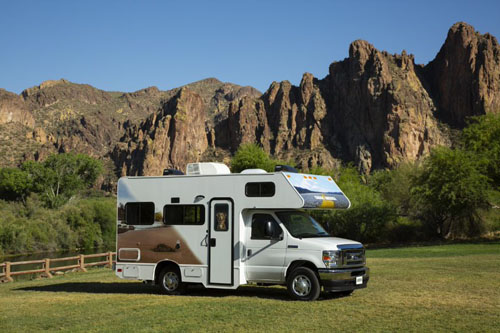
Class C (Alcove) motorhomes are an excellent choice for families traveling in Alaska, thanks to their dedicated overhead sleeping area and robust design, which handles varied road conditions well. These popular RVs offer a cost-effective solution with ample living and sleeping space, often featuring full amenities like kitchens and bathrooms. Our Class C fleet at Bandana typically averages 7.5 meters (25 feet) in length and comfortably sleeps 4-6 people, making them a versatile option for an Alaskan family adventure.
Class B (Campervan) - Best For
Class B campervans are perfect for adventurous couples or solo travelers who prioritize maneuverability, fuel economy, and the ability to access more remote or stealth camping spots in Alaska. These compact RVs are designed for ease of driving and parking, making them suitable for both urban exploration in cities like Anchorage and traversing scenic routes. Bandana's campervan fleet, often averaging 5.8 meters (19 feet) in length, typically sleeps 2-3 people, offering essential amenities in a highly versatile package.
Side-by-Side Comparison Table
This quick reference table provides a side-by-side comparison of the key specifications for different RV families available for rent in Alaska, helping you identify the best vehicle for your specific travel needs. When choosing, consider not just the length and sleeping capacity but also factors like fuel usage and your primary use case, whether it's long-distance highway travel or exploring quaint towns.
| RV Class | Average Length (m) | Sleeping Capacity (people) | Typical Use Case |
|---|---|---|---|
| Class A (Integrated) | 7.5-9.0 | 4-6 | Luxury, large groups, highways |
| Class SI (Semi-Integrated) | 6.5-7.5 | 2-4 | Couples/small families, balanced comfort/maneuverability |
| Class C (Alcove) | 6.5-8.0 | 4-6 | Families, varied road conditions, good value |
| Class B (Campervan) | 5.0-6.5 | 2-3 | Adventurous couples/solo, maneuverability, fuel economy |
Bandana RV is a true RV specialist, not just a travel agency side department. We understand these nuances and are here to provide supportive, expert advice before, during, and after your booking, ensuring you make the best choice for your Alaskan journey.
Our Recommendation for RV Rental Travelers in Alaska
For most RV rental travelers in Alaska, especially families seeking a balance of comfort, space, and cost-effectiveness, the Class C (Alcove) motorhome is generally recommended. Its robust design is well-suited for varied Alaskan road conditions, and the integrated overhead bunk often provides additional sleeping space without sacrificing living areas. For couples or smaller groups prioritizing maneuverability and better fuel efficiency on scenic routes, a Class SI (Semi-integrated) motorhome serves as an excellent runner-up. Both options offer the flexibility and amenities to make your extended road trip truly memorable, allowing you to travel slowly, averaging 100-150 km per day, and truly immerse yourself in Alaska's natural beauty.
Where can I find the best RV rental in Alaska?
The best RV rental in Alaska can be found through comprehensive online comparison platforms like Bandana, which aggregates options from over 50 leading RV suppliers worldwide, including popular partners like El Monte and Cruise America. These platforms offer a wide range of RV classes, competitive pricing, and various amenities specifically tailored for Alaskan adventures. When evaluating options, prioritize providers offering clear insurance policies, dedicated 24/7 support for remote Alaskan conditions, and full transparency on vehicle age and maintenance standards. Bandana offers top-level deductible reimbursement as an optional upgrade, providing extra peace of mind for your trip.
Which RV rental site is best?
For comparing a wide range of RV rental options in Alaska and ensuring transparent pricing, Bandana is highly regarded due to its extensive inventory from various partner providers and user-friendly comparison tools. A top rental site, like Bandana, should offer robust filtering options for RV class, amenities, and price, along with clear information on insurance, included mileage, and accessible customer support crucial for remote Alaskan travel. We handle the details so you can live the journey, with personal service from day one until your booking is confirmed.
What is the cheapest price for an RV rental in Alaska?
The cheapest price for an RV rental in Alaska typically starts around $150-$250 per night for smaller Class B campervans during the shoulder seasons of May or September, though prices fluctuate significantly based on demand, duration, and RV class. Beyond the daily rental rate, the true cost encompasses significant expenses like fuel (which can be a major cost in Alaska), campground fees, activity costs, potential ferry fees, and groceries. Always inquire about additional charges such as mileage fees, generator usage, and provisioning costs to obtain a complete understanding of your total trip expense.
Is it cheaper to rent an RV or stay in a hotel?
Renting an RV in Alaska can be comparable to or even more expensive than staying in hotels combined with a rental car, especially for shorter trips and smaller groups, but it offers unparalleled flexibility and access to remote areas that hotels cannot. A full cost comparison must factor in RV rental rates, significant fuel consumption, varying campground fees (from free boondocking to expensive full-hookup sites), and groceries for self-catering, versus hotel nightly rates, car rental, and restaurant meals. While initial RV rental costs might seem higher, the ability to cook your own meals on board and immerse yourself in unique, off-the-beaten-path locations often provides a value proposition beyond simple monetary comparison for an authentic Alaskan experience.
Many rented motorhomes come equipped with a kitchen, allowing you to prepare meals and save on dining out. Our RV-friendly recipes playlist offers great ideas for delicious and easy meals on the road.
What is the 3-3-3 rule for RVs?
The "3-3-3 rule" for RV travel, particularly relevant in vast regions like Alaska, is a guideline suggesting travelers drive no more than 300 miles (approximately 480 km) a day, arrive at their destination by 3 PM, and stay for at least 3 nights, promoting a relaxed pace and deeper exploration. Adhering to this rule in Alaska helps mitigate risks associated with long driving days on potentially challenging roads (gravel, frost heaves, wildlife crossings), allows ample time for wildlife viewing, and ensures you secure a campground spot before dark, especially in areas with limited cell service. This guideline enhances safety by preventing driving fatigue and provides the flexibility to adapt to changing weather conditions or unexpected scenic detours, vital for a truly enjoyable Alaskan experience.
What is the best type of RV for an Alaska trip?
The best type of RV for an Alaska trip largely depends on your group size and desired adventure level, but Class C (Alcove) motorhomes offer a popular blend of comfort and practicality for families due to their versatile sleeping arrangements and robust chassis. For Alaskan conditions, travelers should consider features like good ground clearance, adequate generator capacity for periods of dry camping, and sufficient fresh and greywater tank sizes to extend time between dump stations. Insulation quality is also key for comfort during cooler Alaskan nights and early mornings, and ample storage space for extra gear like fishing rods, hiking equipment, or photography essentials will greatly enhance your trip.
Which RVs to stay away from?
When planning an RV trip to Alaska, it's generally advisable to focus on newer, well-maintained motorhomes and campervans, and specifically avoid older rentals with limited insulation or small water/waste tanks, especially if you plan extensive remote travel. Such vehicles can lead to discomfort and inconvenience in Alaska's challenging conditions, particularly during cooler weather or prolonged stays away from full hookups. RVs with very low ground clearance are not suitable if you anticipate driving on gravel roads or accessing less-developed trailheads, as they risk damage to the undercarriage. Furthermore, always ensure your chosen rental includes comprehensive roadside assistance and current maintenance records, which are crucial for navigating Alaska's diverse and sometimes harsh environment, and consider satellite communication options for remote areas where cell service is non-existent.
Top Cities for RV Rental in Alaska
Alaska offers several fantastic starting points for your motorhome adventure, each providing access to unique regions and experiences. Anchorage is by far the most popular and largest hub for RV rentals, with the widest selection of vehicles and amenities. From Anchorage, you can easily access national parks like Denali, explore the Kenai Peninsula, or head north into the vast interior. Fairbanks serves as another excellent option, especially if your itinerary focuses on the Arctic Circle or the Alaska Highway's northern sections. Juneau, while not accessible by road, offers small campervan rentals for exploring the immediate area via ferry. Other smaller cities like Palmer and Wasilla also have local rental options, catering to more localized explorations.
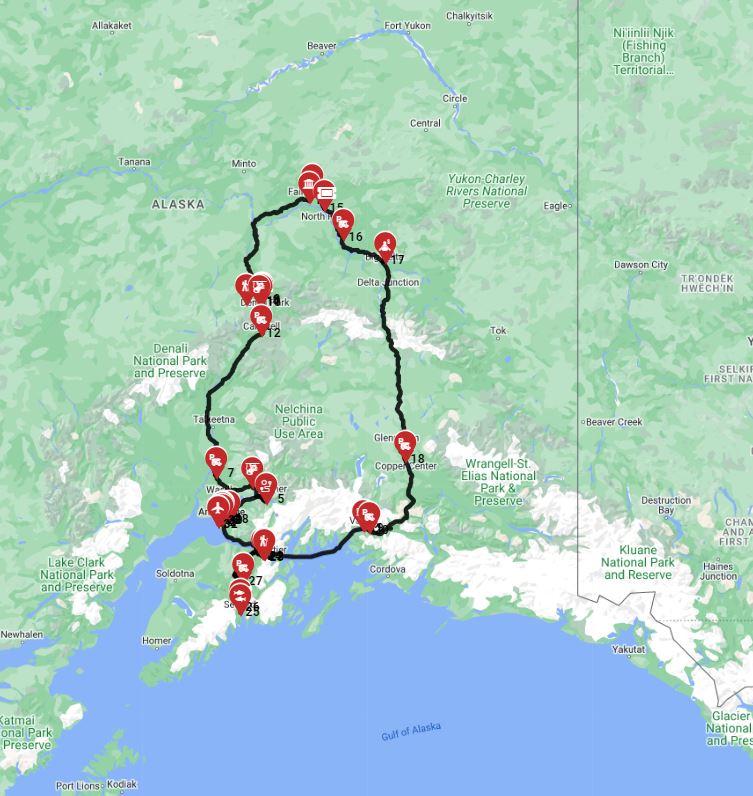
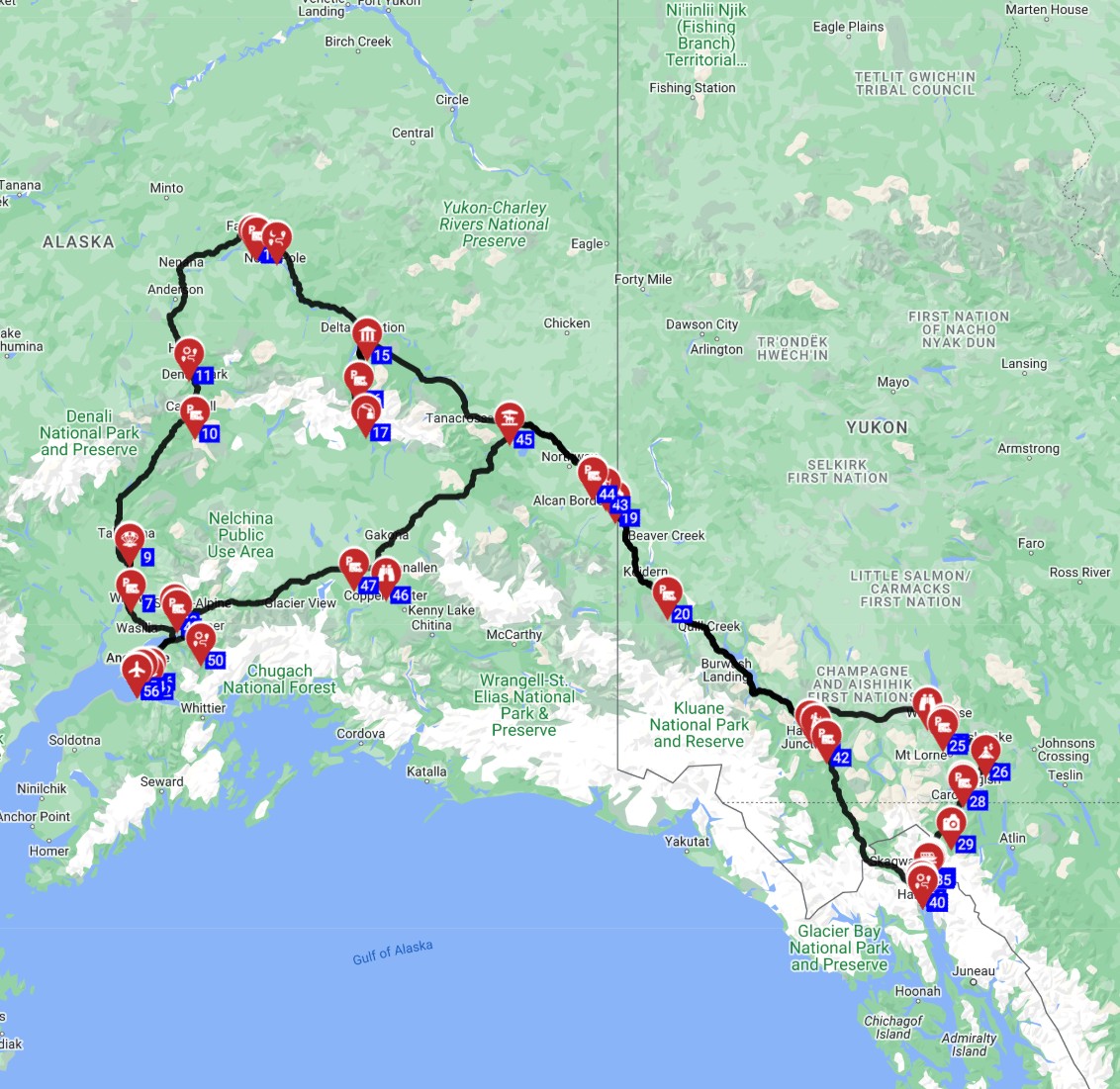
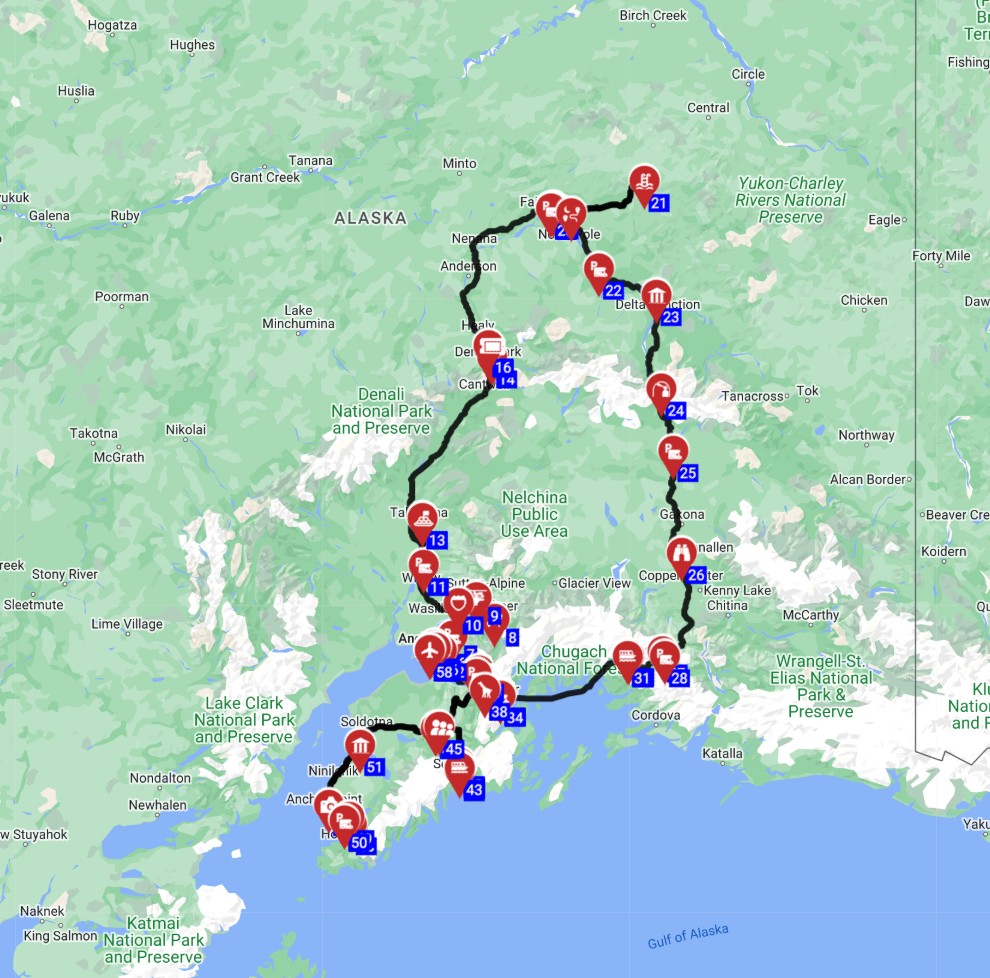
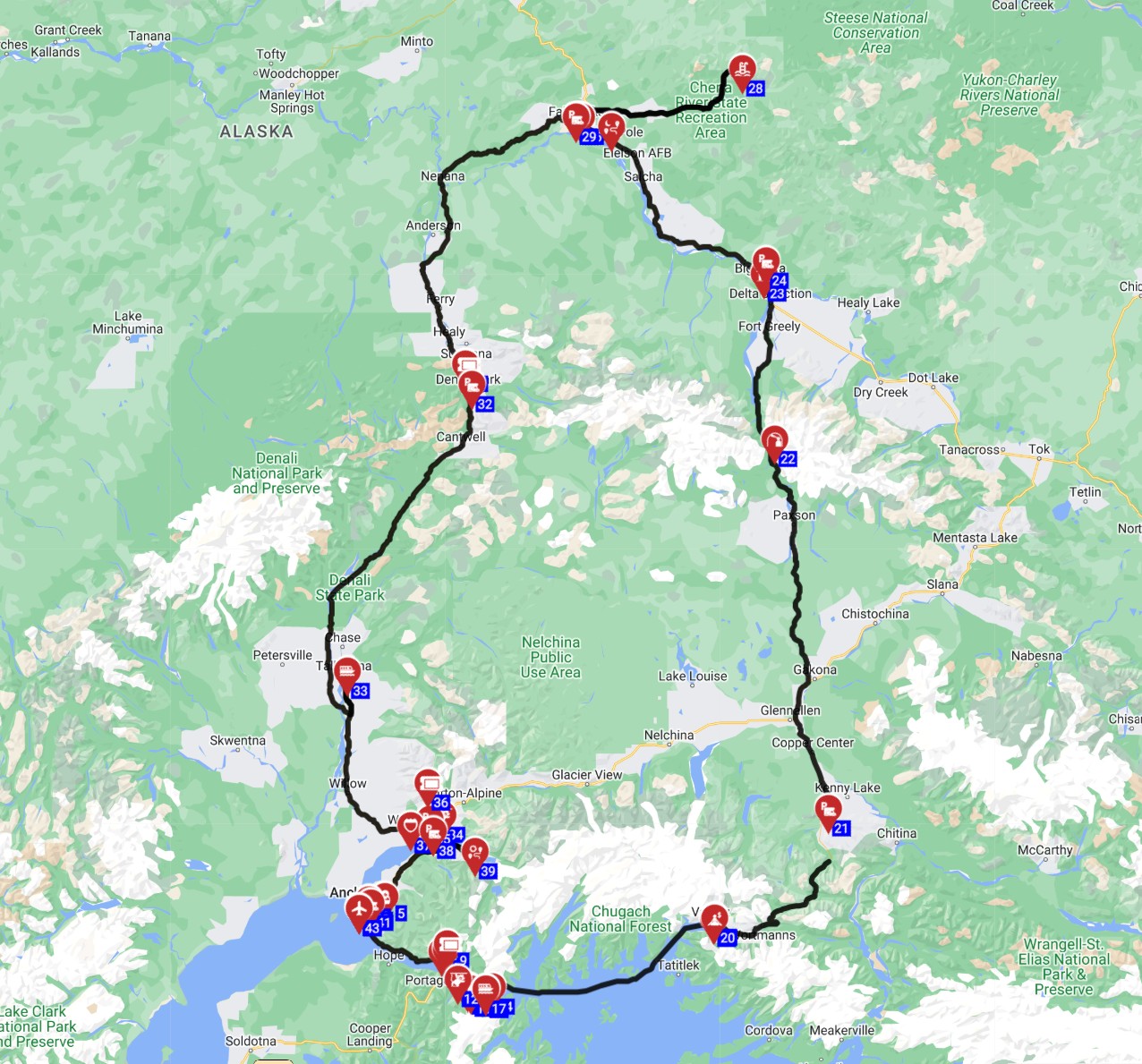
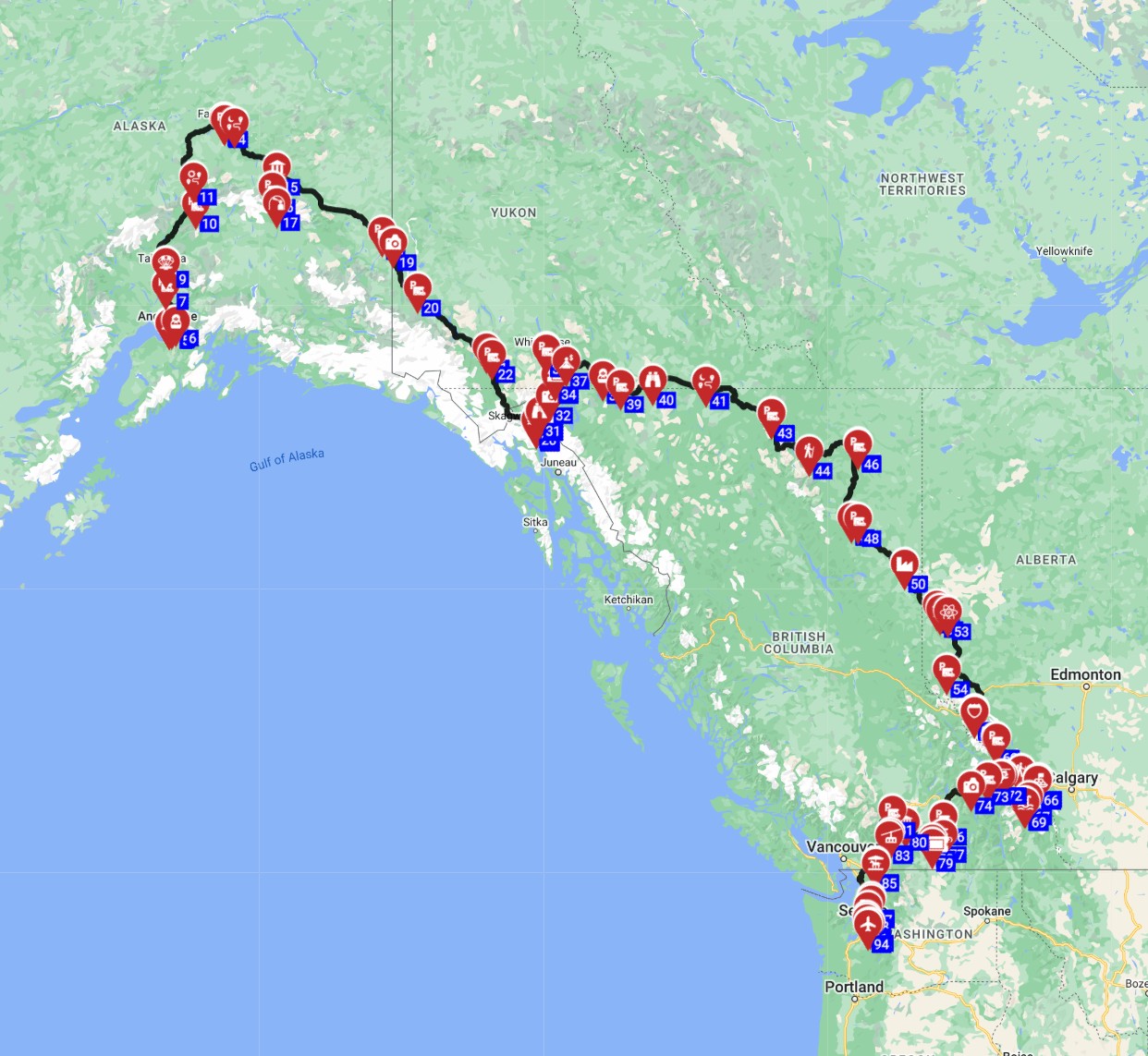
For more detailed planning on specific routes out of these cities, remember that RV PLANET (rvplan.net) offers 1,300+ pre-planned routes across 5 continents, including comprehensive itineraries for Alaska, helping you easily discover top destinations and planning tips.
Driving an RV in Alaska: Key Road Rules and Tips
Driving a rented RV in Alaska is an incredible experience, but it's important to be aware of local road rules and conditions. In Alaska, you drive on the right side of the road, and a standard car driver's license is sufficient for operating all motorhome classes (Class A, B, and C) for rental purposes. While an International Driving Permit (IDP) is recommended for visitors from non-English-speaking countries, it is not mandatory in most cases. Speed limits typically range from 55-65 mph (88-105 km/h) on highways, reducing to 35-45 mph (56-72 km/h) in more populated areas and often lower on gravel or unpaved roads. Drive slowly and carefully, and you can drive almost anywhere without issues. No need to stress - just use common sense and pay attention to road signs, which often warn of wildlife crossings.
Fuel stations can be sparse in remote areas, so it's wise to fill up whenever you have the opportunity, especially before embarking on long stretches of highway. Parking RVs at attractions and in towns generally requires common sense; larger motorhomes may need to use designated RV parking areas or seek out larger lots. Always be prepared for changing weather conditions, even in summer, and keep an eye out for wildlife, as moose, caribou, and bears are common sights on Alaskan roadsides.
Connectivity and Emergency Services in Alaska
Connectivity can be a challenge in Alaska’s vast wilderness, as cell service becomes unreliable or non-existent once you leave major towns and highways. For reliable navigation, a physical map or a GPS device with downloaded offline maps is highly recommended, as smartphone GPS may not function without a data signal. For extended trips into truly remote areas, considering a satellite phone or a satellite messenger device for emergency communication is a prudent safety measure. Wi-Fi may be available at some larger campgrounds or visitor centers, but it's rarely guaranteed or consistently fast.
Alaska's emergency number is 911 for police, fire, and medical services. In remote areas, be aware that response times can be significantly longer. It's always wise to inform someone of your planned itinerary, especially if you're venturing into less-traveled regions. Bandana provides 24/7 support for pre-booking comparisons, booking assistance, and post-booking coordination, ensuring you have real people behind you every step of the way before and after your journey.
For an in-depth understanding of RV travel across the country, refer to our comprehensive RV Rental USA - Complete Guide 2026.
What You Shouldn't Miss
Alaska offers an incredible array of experiences best enjoyed with the freedom of a rented motorhome or campervan. Here are some must-do adventures:
- **Explore Denali National Park:** Drive the scenic Denali Park Road (private vehicles usually restricted beyond Savage River, but shuttle buses run deeper), hike pristine trails, and marvel at North America's tallest peak.
- **Cruise the Kenai Peninsula:** Discover coastal towns like Seward and Homer, famous for fishing, glacier tours, and abundant wildlife. Enjoy fresh seafood and stunning ocean views.
- **Drive the Glenn Highway Scenic Byway:** This route offers breathtaking mountain vistas, glacier viewpoints (like Matanuska Glacier), and access to charming small towns and state parks.
- **Experience the Alaska Highway (Alcan):** Journey along this historic 1,387-mile route, a true RV rite of passage, passing through stunning landscapes and rich history.
- **Visit Fairbanks for the Northern Lights:** If traveling in late fall or early spring, Fairbanks is one of the best places to witness the spectacular Aurora Borealis.
- **Discover Local Culture:** Immerse yourself in local Alaskan communities, visit cultural centers, and maybe even catch a dog mushing demonstration.
Looking for expert insights from Avi Bandana? For planning the specific routes that make the most of these incredible sights, explore comprehensive itineraries for your RV journey, such as those found on RV PLANET.
For even more itinerary inspiration, the RV Travel Guide to Alaska - Tips and Top Spots 2026 provides valuable insights into making the most of your adventure.
Final Thoughts
Renting an RV in Alaska promises an adventure unlike any other, offering the freedom to chase the Northern Lights, witness incredible wildlife, and explore vast landscapes on your own terms. We understand that planning such a journey requires careful consideration, and that's why Bandana is here to simplify the process. From transparent pricing with no hidden fees to ensuring you have the right vehicle for Alaska's unique conditions, we’ve got your back.
Imagine yourself cruising along a stunning scenic byway, pulling over spontaneously for a wildlife sighting, and enjoying a home-cooked meal amidst breathtaking natural beauty. That's the magic of RV travel in Alaska, and we're committed to making it an accessible and joyful experience for every traveler. Discover top destinations, planning tips, all in one place and let us handle the details, so you can focus on living the journey.
Ready to start comparing? Find RV Rentals in Alaska and begin your unforgettable wilderness adventure!