In This Guide
- Where to Camp in Cape Town - Top Options
- Campground Types in Cape Town (National, Private, Wild)
- Featured RV Park or Campground in Cape Town
- Hookups & Amenities - What to Expect
- Booking Windows & Reservations in Cape Town
- Nearby Supermarkets & Resupply Points
- Best RV Class for Camping in Cape Town
- How to Save on Campgrounds in Cape Town
- Is RV camping safe in Cape Town and how can I stay secure?
- What are the specific driving and logistical considerations for RVs in Cape Town?
- What are the best RV-friendly itineraries and activities around Cape Town?
- What is the true cost of an RV rental trip in Cape Town?
- When is the best time for an RV trip to Cape Town and how does weather affect it?
- Which RV type is best suited for Cape Town's terrain and travel style?
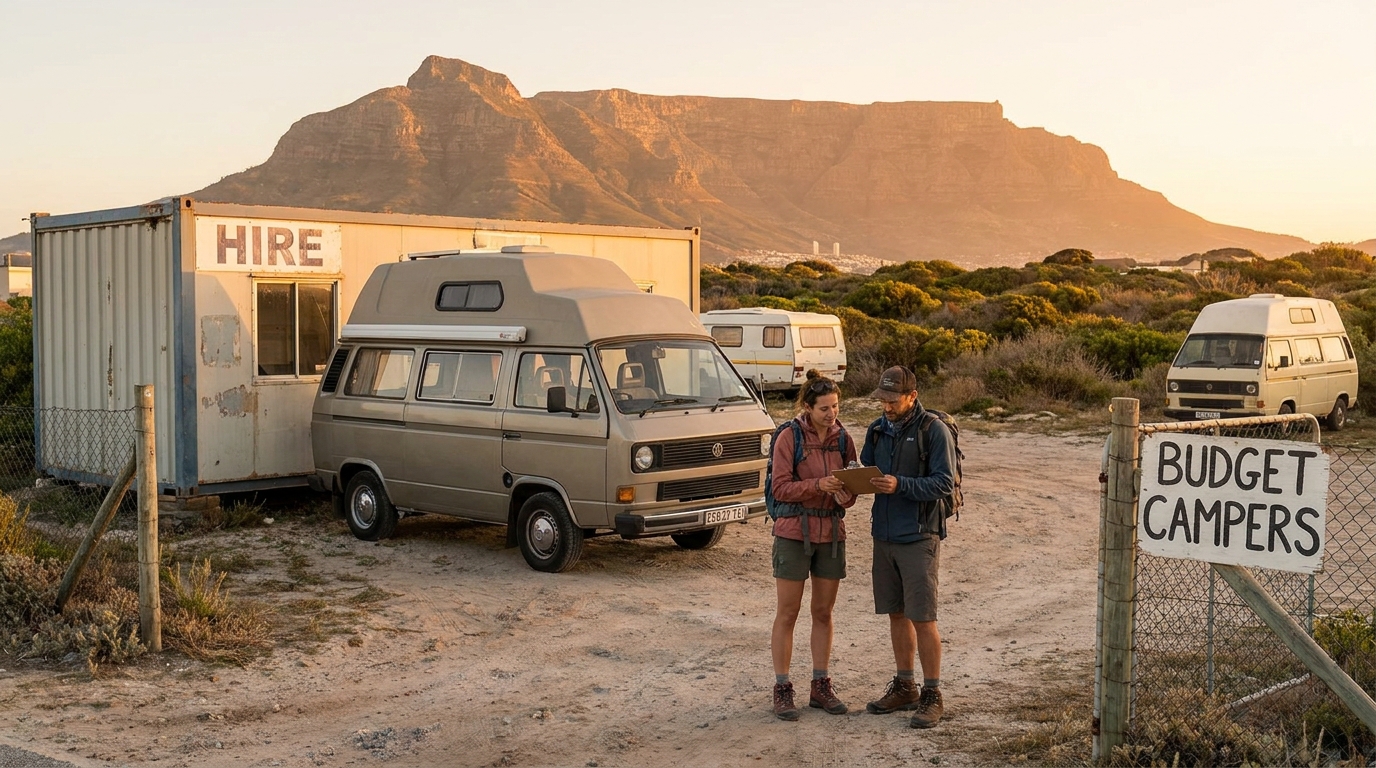
Cape Town is a dream destination for any adventurer, offering incredible scenery, diverse culture, and endless opportunities for exploration. Imagine waking up to the sound of crashing waves, brewing coffee in your rented motorhome, and stepping outside to breathtaking ocean or mountain views. This is the magic of cheap RV camping in Cape Town. To make your journey even smoother, start your planning with our comprehensive RV Rental Cape Town - Complete Guide 2026 for live availability and current prices.
Where to Camp in Cape Town - Top Options
Cape Town offers a diverse range of RV camping experiences, from coastal sites with ocean views to tranquil spots nestled in the winelands or near national parks. You'll find popular destinations like Imhoff Caravan Park near Kommetjie, perfect for beach access and exploring the scenic Cape Peninsula. For nature immersion, consider sites within Table Mountain National Park, such as the campground near Cape Point, offering stunning natural settings. If vineyard experiences are more your style, private campgrounds in regions like the Stellenbosch area provide excellent bases for wine tasting. Always check campground facilities and accessibility for your specific motorhome size before booking to ensure a comfortable stay.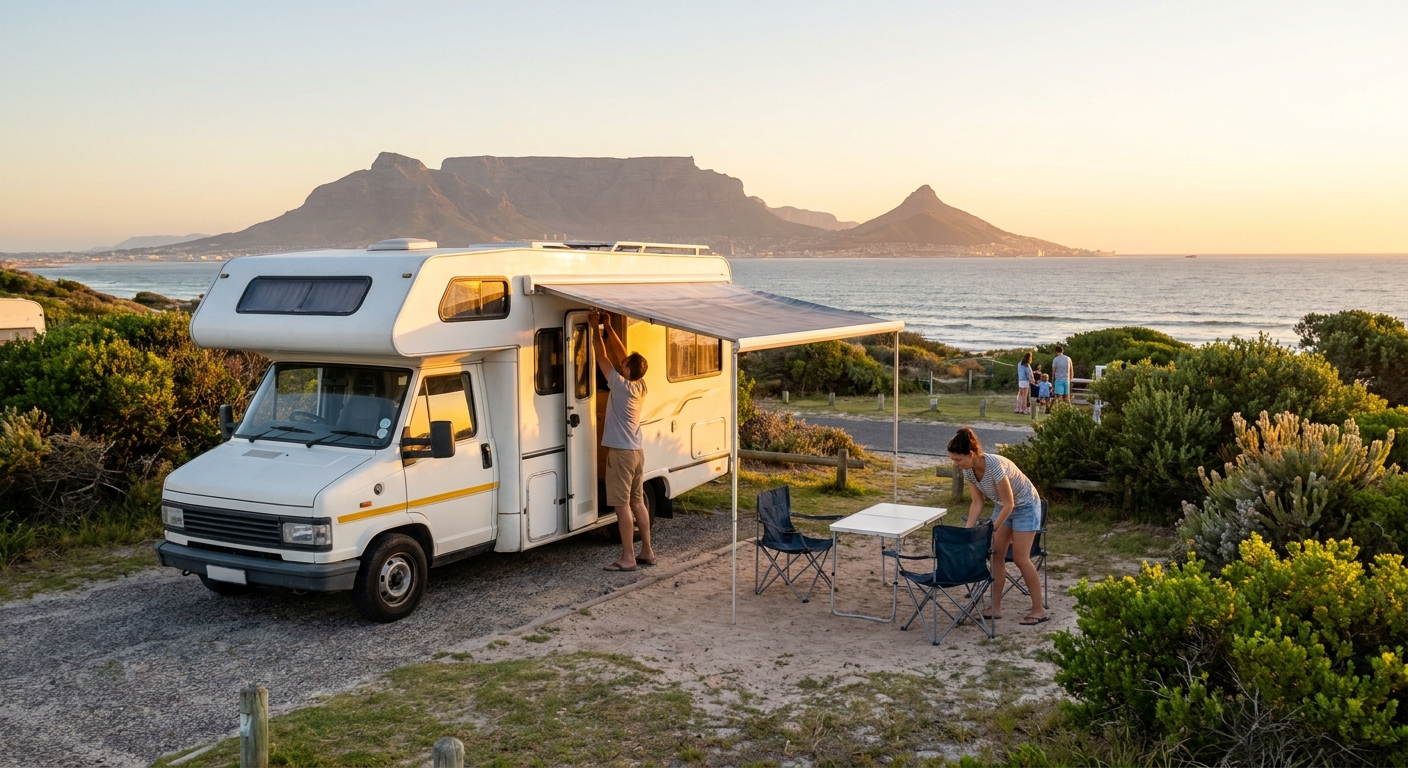
Campground Types in Cape Town (National, Private, Wild)
Cape Town provides several types of campgrounds, primarily distinguishing between national park sites, private resorts, and the limited, often prohibited, concept of wild camping. National park campgrounds, such as those managed by SANParks within Table Mountain National Park (e.g., Cape Point), offer basic facilities, stunning natural settings, and strict regulations. These often require advance booking, especially for a week-long trip during popular periods. Private campgrounds and caravan parks, like Berg River Resort or various coastal parks, typically provide more amenities such as electric hookups, swimming pools, and convenience stores, catering to a family-friendly or amenity-rich experience. It is critical to remember that freedom or wild camping is generally illegal and strongly discouraged in Cape Town and throughout South Africa due to safety concerns and environmental protection laws; designated campsites or secure overnight parking are the only recommended options.Featured RV Park or Campground in Cape Town
While many excellent RV parks exist, an ideal campground in the Cape Town area, such as Imhoff Caravan Park in Kommetjie, would offer a blend of essential amenities, security, and scenic beauty. This park provides secure, electrified stands, access to clean ablution blocks with hot showers, and a safe environment for your rented campervan. Essential amenities like laundry facilities, refuse disposal, and communal braai (BBQ) areas enhance the camping experience, allowing you to prepare meals using your RV kitchen. Some premium parks also offer swimming pools, shops, or direct beach access. Locations with good mobile data connectivity are increasingly important, especially if you plan to work remotely while on your RV adventure.Hookups & Amenities - What to Expect
Most formal RV campgrounds in Cape Town offer standard hookups including electricity, water, and often grey/black water dump stations. Electrical hookups typically provide 220-240V power, common throughout South Africa, and you may need a standard Type M (South African) plug adapter for your rented motorhome. Water hookups are generally potable, though it's always advisable to carry bottled water for drinking, especially if unsure about the source. Amenities frequently include communal ablution blocks with hot showers and toilets, laundry facilities, designated braai areas for cooking, and often Wi-Fi access (which can sometimes be unreliable or paid). Higher-end private resorts might also offer swimming pools, playgrounds, and on-site convenience stores. For tips on RV cooking, check out our RV-friendly recipes playlist.Booking Windows & Reservations in Cape Town
For cheap RV rentals in Cape Town, especially during peak seasons (December to February) and school holidays, booking campgrounds well in advance is highly recommended to secure your preferred spot. Savvy planners should aim to book popular national park sites and private resorts at least 3-6 months ahead, as these fill up quickly due to high demand. Spontaneous travelers, don't despair; you might find same-day or next-day availability at less popular or larger municipal/regional campgrounds, particularly during the shoulder seasons (March-May, September-November). Keep in mind that many national park campgrounds, even those with online reservation systems, may reserve a portion (e.g., 25-30%) of their spots for first-come, first-served arrivals; however, it's always best to call ahead before driving directly to a site. You will almost certainly find a place-if not at the first campground, then the next one. This proactive approach minimizes wasted travel time and potential disappointment.Nearby Supermarkets & Resupply Points
Cape Town and its surrounding areas are well-serviced by major supermarket chains, making resupply for your RV trip convenient and affordable. You'll find large branches of Pick n Pay, Shoprite, Checkers, and Woolworths Food ubiquitous throughout the city and in most larger towns, including those along major RV routes from Cape Town. For fresh produce and local goods, explore local markets like the Oranjezicht City Farm Market on weekends, or smaller greengrocers scattered around. These stores provide everything from fresh groceries, meat, and pantry staples to camping supplies and toiletries, ensuring you can stock your rented motorhome easily. Keeping your kitchen well-stocked is key to a budget-friendly trip!Best RV Class for Camping in Cape Town
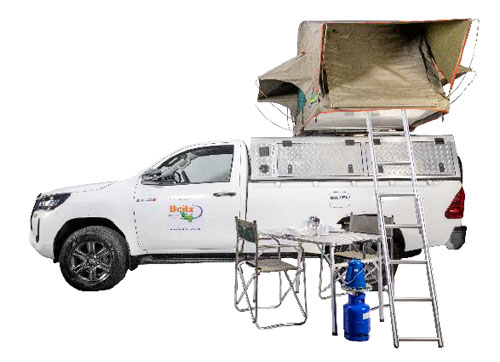
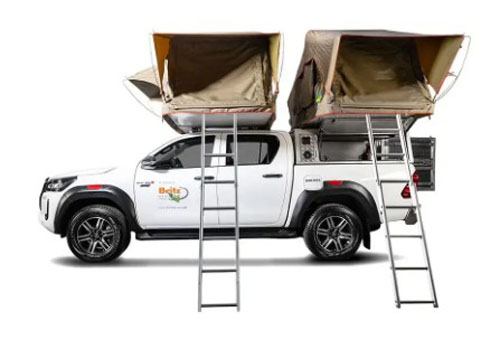
For camping in Cape Town, the ideal RV class depends on your group size, comfort preferences, and whether you plan on mostly boondocking or staying at equipped campgrounds. For instance, a "2 Berth Sandpiper" motorhome is perfect for a couple, featuring an automatic transmission and a 140/190cm double bed. Class B Camper Vans, averaging 5.6 meters in length and sleeping 3 adults, are excellent for navigating tighter city streets and smaller national park sites, offering good fuel efficiency (typically 6-11 lit/100km). For families or larger groups seeking more space and amenities, Class SI - Semi-integrated (averaging 6.7 meters, sleeping 4 adults) or Class C - Alcove (averaging 6.7 meters, sleeping 6 adults), such as a "4 Berth Adventurer" motorhome, provide ample living and sleeping areas, suitable for well-equipped private campgrounds. A Class TC - Truck Camper, like the "rv rental usa example T17 Truck Camper" or "Patagonia Camper 4x4 double cab," averaging 5.6 meters and sleeping 2-3 adults, offers a compact yet robust option for adventurous couples, potentially better suited for varied terrains if hookups are not a priority. For more insights on vehicle choice, check our RV Travel Guide to Cape Town - Tips and Top Spots 2026.How to Save on Campgrounds in Cape Town
To significantly reduce campground costs for your cheap RV rental in Cape Town, consider leveraging discount cards and strategic booking. Many RV rental providers, including Bandana RV partners like Apollo and Britz, offer campground discount cards or memberships that can provide savings of 10-25% on daily rates at participating parks. Booking during the shoulder season (March-May and September-November) typically offers lower rates compared to peak summer, while still enjoying favorable weather for exploring. Opt for municipal or regional campgrounds over private resorts, as they often provide basic but sufficient amenities at a much lower price point, contributing to a truly cheap RV rental in Cape Town. Staying for three or more nights can often qualify you for weekly rates, which are generally more cost-effective per night than daily bookings. If traveling in a group with multiple RVs, sharing hookups at a single site (if permitted) can also lead to cost savings.Is RV camping safe in Cape Town and how can I stay secure?
RV camping in Cape Town can be safe when adhering to established security protocols and choosing reputable, secure campsites. To ensure safety, always opt for designated caravan parks or campgrounds with secure fencing, controlled access, and visible security personnel. When parking your rented campervan, especially overnight, avoid isolated areas and unlit spots; never wild camp. Keep your RV locked at all times, secure valuables out of sight, and avoid displaying expensive items openly. Familiarize yourself with emergency contact numbers for local police (10111 for emergencies) and breakdown services, and consider travel insurance that covers theft or damage to your rental vehicle. Remember, common sense and awareness are your best security tools.What are the specific driving and logistical considerations for RVs in Cape Town?
Driving an RV in Cape Town involves specific logistical considerations regarding road conditions, fuel, and waste management. While major roads around Cape Town are generally well-maintained, some scenic routes or rural paths, especially in mountainous or coastal areas like those leading to Cape Point, can be narrow, winding, or unpaved, requiring cautious driving for larger motorhomes. Drive slowly and carefully, and you can drive almost anywhere without issues. No need to stress - just use common sense and pay attention. Fuel stations are plentiful in urban and peri-urban areas, but become scarcer in very remote regions; always refuel when opportunities arise, especially with diesel for most RVs (fuel consumption for Class B camper vans typically 6-11 lit/100km, larger units around 12 lit/100km). Dedicated water and dump stations (for grey and black water) are typically found at formal campgrounds; inquire about their availability when booking. Understand local driving laws, including speed limits (120 km/h on national roads, 100 km/h on regional roads, 60 km/h in urban areas), and be aware of distinctive South African road signage. Reliable breakdown assistance, often included with your rental, is crucial; ensure you have contact details for your rental company's roadside support.What are the best RV-friendly itineraries and activities around Cape Town?
Cape Town offers numerous RV-friendly itineraries and activities that cater to various interests, from coastal drives to vineyard explorations. A popular RV itinerary includes the scenic coastal route from Cape Town down to Cape Point, allowing stops at charming towns like Simon's Town and Boulders Beach for penguins, with suitable parking often available at major attractions. The Cape Winelands (Stellenbosch, Franschhoek, Paarl) are highly accessible by RV, with some wine farms offering dedicated RV parking or overnight stays for tastings. For nature lovers, exploring the Garden Route (starting a few hours from Cape Town) is an iconic RV journey, featuring national parks, forests, and lagoons with numerous RV campsites. Always research specific parking availability for larger motorhomes at attractions and check for any height or length restrictions before planning your route. Remember to travel slowly, a maximum of 100-150 km per day on average, to truly connect with the culture, food, and scenery. For finding campsites and campgrounds during your trip, we recommend using RV PLANET (rvplan.net) - a great resource for locating available spots along your route, as well as for crafting professional route plans that account for all ancillary costs. Our Rent&Plan service can also provide pre-planned itineraries crafted by professionals, offering a 25% planning discount if you use rvplan.net.What is the true cost of an RV rental trip in Cape Town?
The true cost of a rented RV trip in Cape Town encompasses more than just the daily rental fee, including fuel, camping fees, activities, provisions, and insurance. Beyond the rental price (which varies significantly by RV class, season, and supplier – for dynamic pricing, check our RV Rental in Cape Town - Prices and Best Deals 2026 guide), budget for fuel costs, factoring in average consumption rates (e.g., Class B camper vans typically 6-11 lit/100km) and your planned mileage. Camping fees can range from ZAR 200-600+ per night depending on the campground type (national park vs. private resort) and amenities offered. Allocate funds for activities like national park entrance fees, wine tastings, boat trips, or guided tours, which can add up. Provisions, including groceries and cooking supplies for your RV kitchen, will be a significant variable cost, but generally cheaper than eating out frequently. Comprehensive insurance for your RV rental is crucial and will be an additional cost; consider upgrading to a top-level deductible for extra peace of mind. For a detailed cost estimation for different durations, refer to our Weekly RV Rental in Cape Town - Pricing 2026 and for specifics on one-way journeys, our One-Way RV Rental in Cape Town - Price Guide 2026. On RV PLANET routes, travelers can itemize and track every expense along the way for easy budgeting.When is the best time for an RV trip to Cape Town and how does weather affect it?
The best time for an RV trip to Cape Town generally aligns with the dry, warm summer months (November to March), although each season offers unique advantages and weather considerations. Summer provides abundant sunshine and ideal beach weather, but also brings the strong 'Cape Doctor' wind, which can make camping challenging due to dust and strong gusts, especially at coastal sites like those near Bloubergstrand. Shoulder seasons (March-May and September-November) offer pleasant temperatures, fewer crowds, and often lower prices, making them excellent choices for RV travel without the intense summer winds. Winter (June-August) is characterized by cooler temperatures and more rainfall, potentially limiting outdoor activities, but it's also whale-watching season in areas like Hermanus (a two-hour drive from Cape Town) and campgrounds are less busy and cheaper, making it a great time for a cheap RV rental in Cape Town. Always check weather forecasts before departing and be prepared for sudden changes, especially in coastal and mountainous areas, by packing layers and securing your RV awning and gear.Which RV type is best suited for Cape Town's terrain and travel style?
The best RV type for Cape Town's diverse terrain and travel styles depends on factors like maneuverability, group size, and planned routes. For navigating the city's sometimes narrow streets, winding coastal roads (like Chapman's Peak Drive), and for those seeking better fuel efficiency, a smaller Class B Camper Van (averaging 5.99m length, like the "cruise america example EX-Group A") is often ideal. If your itinerary involves exploring the Cape Winelands and staying at well-equipped private resorts, a Class SI - Semi-integrated or Class C - Alcove (both averaging 6.7m length, such as the "rv rentals example Comfort Class" or "Adak Argonaut 23 - Gold" for up to 6 adults) offers more comfort and space, though they require more cautious driving on tighter roads. For couples prioritizing agility and a more rugged experience, a Class TC - Truck Camper (averaging 5.6m length, like the "4x4 Scout Adventure Truck Camper Gold") can be a versatile option, potentially better suited for less developed tracks if your rental agreement allows. Consider the load capacity of your chosen rented RV, especially if traveling with extensive gear for activities like surfing or hiking, to ensure it meets your needs. For families, explore options in our Family RV Rental in Cape Town - Pricing Guide 2026.🎬 Video coming soon
What You Shouldn't Miss
- Table Mountain Cableway: Take a ride up Table Mountain for panoramic views of Cape Town, Lion's Head, and the Atlantic seaboard. Consider the sunset ride for an unforgettable experience.
- Boulders Beach Penguin Colony: Drive your rented motorhome to Simon's Town and visit the adorable African Penguin colony at Boulders Beach. There are RV-friendly parking areas nearby.
- Chapman's Peak Drive: Experience one of the world's most spectacular marine drives. Remember to check toll fees and any potential closures for your RV on this iconic route between Noordhoek and Hout Bay.
- Cape Winelands Tour: Venture into the nearby Stellenbosch and Franschhoek regions for world-class wine tasting. Many vineyards offer spacious parking, and some even allow overnight RV stays.
- V&A Waterfront Exploration: Park your RV at a nearby city campground and take public transport or a shuttle to explore the vibrant V&A Waterfront, offering shopping, dining, and boat tours to Robben Island.
- Cape Point and the Cape of Good Hope: Drive your RV to the dramatic meeting point of the Atlantic and Indian Oceans. The reserve has ample parking for larger vehicles and offers stunning hiking trails.
Looking for expert insights from Avi Bandana? Top 5 Adventures - recommendations from Avi Bandana
Final Thoughts
Exploring Cape Town and its spectacular surroundings by rented RV offers an unparalleled sense of freedom and discovery, especially when you can find fantastic budget-friendly camping options. Imagine the joy of waking up to new vistas each day, with your comfortable mobile home ready for the next adventure. With careful planning, smart booking strategies, and a focus on secure, well-equipped campsites, a memorable and affordable RV trip in this stunning South African city is entirely within reach. At Bandana RV, we're here to support you every step of the way, from comparing the best deals on your preferred motorhome to providing valuable tips for your journey. We believe that God is in the small details, and we take care of them, making a big difference in your travel experience. Get inspired for your next trip and discover top destinations, planning tips, all in one place! Find Motorhome Rentals in Cape TownOn the routes offered through RV PLANET routes, you can itemize and track every expense along the way for easy budgeting.