In This Guide
- Where to Camp in California — Top Options
- Campground Types in California (National, Private, Wild)
- Featured RV Park or Campground in California
- Hookups & Amenities — What to Expect
- Booking Windows & Reservations in California
- Nearby Supermarkets & Resupply Points
- Best RV Class for Camping in California
- How to Save on Campgrounds in California
- How much does it cost to rent an RV in California?
- What is the cheapest way to RV in California?
- What are the RV laws in California?
- Do you need a special license to drive an RV in California?
- Can you boondock in California?
- Where can I park my RV for free in California?
- Where can I find free RV camping in California?
- Can you sleep anywhere in an RV in California?
- Is RV camping allowed in California State Parks?
- What is the best month to RV in California?
- What are the busiest months for RV in California?
Where to Camp in California — Top Options
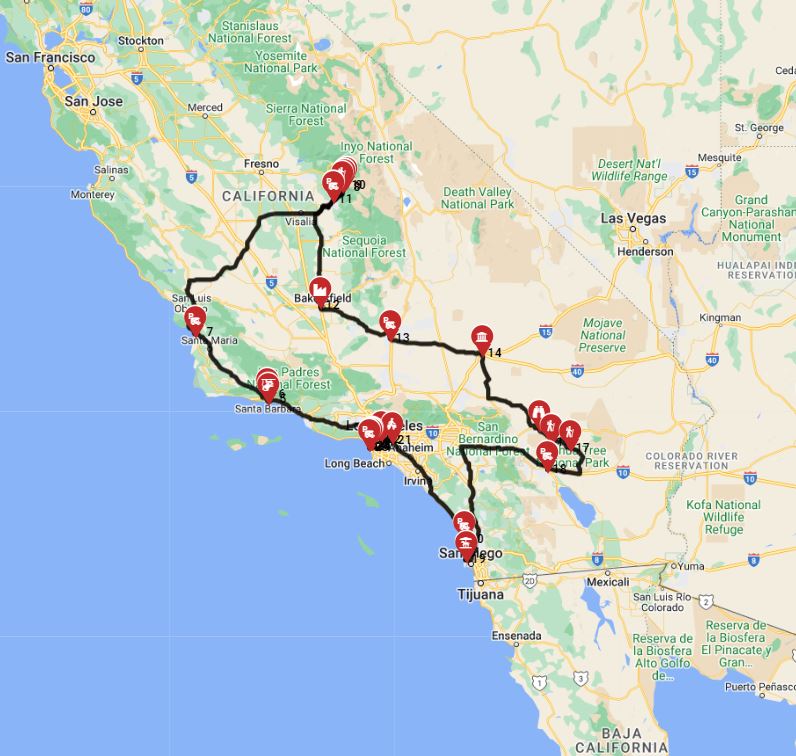
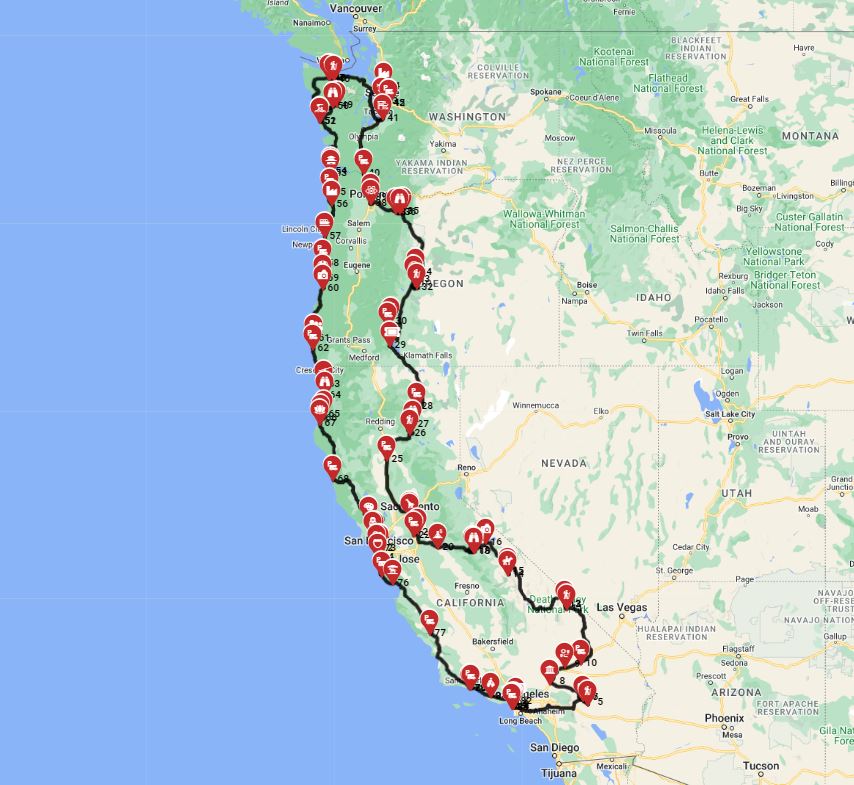
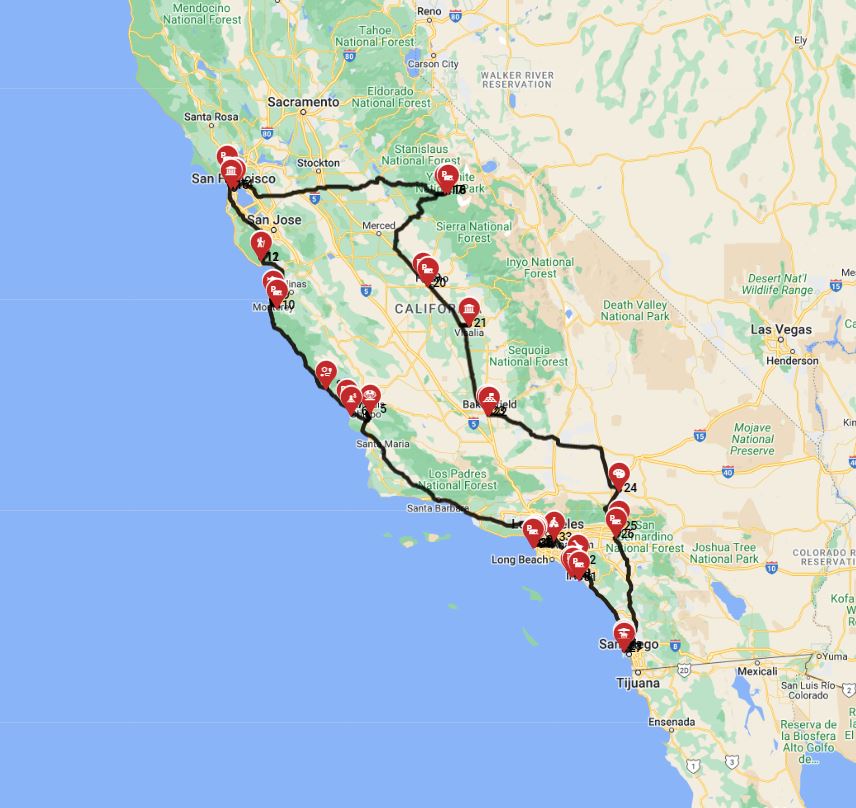
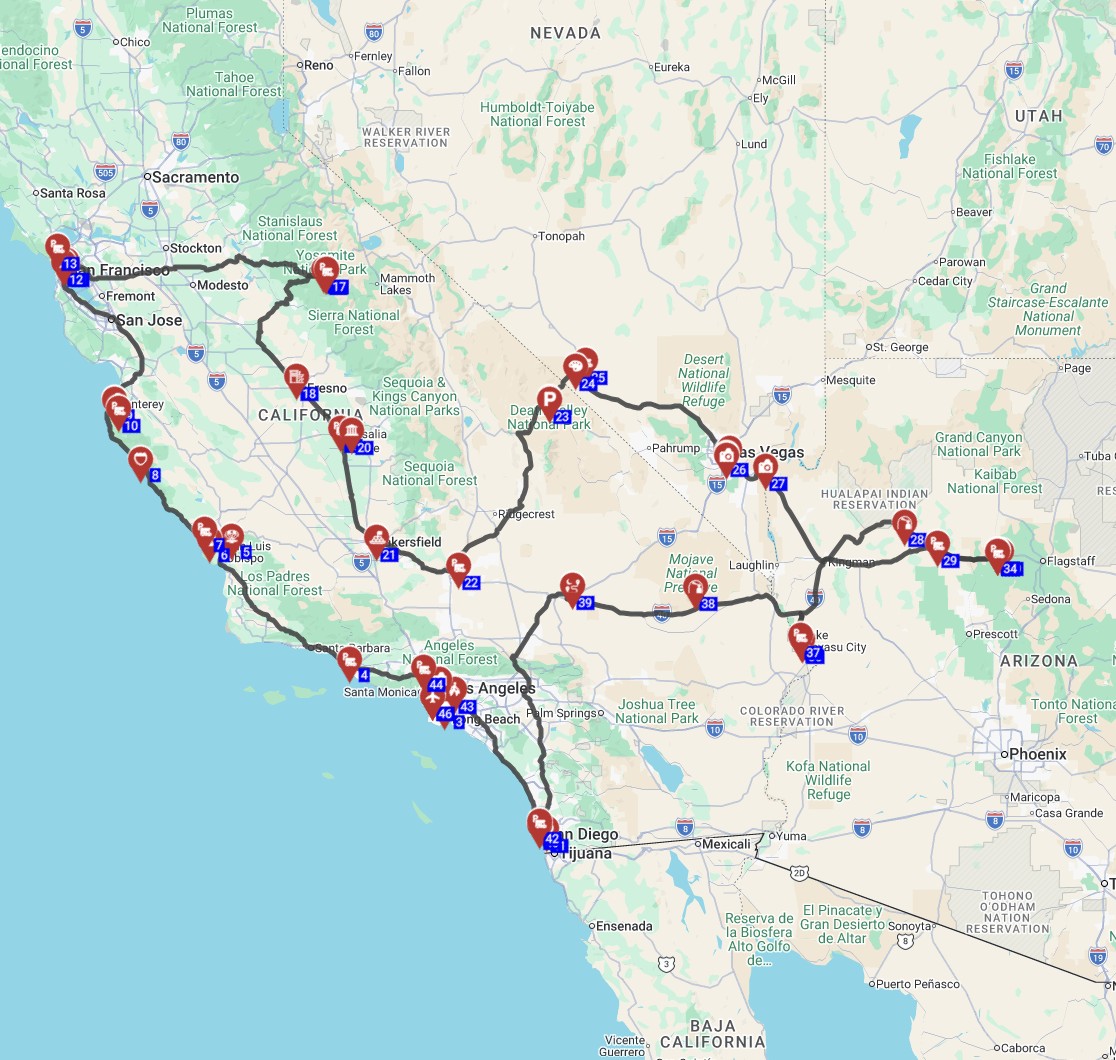
California offers an incredible diversity of camping experiences for RV travelers, from dramatic coastal vistas to serene mountain retreats and unique desert landscapes. When planning your trip, consider regions like the iconic Big Sur coastline, known for its breathtaking ocean views and winding roads, which necessitates booking campsites well in advance due to extremely high demand. Alternatively, the majestic Sierra Nevada mountains, home to national treasures like Yosemite and Lake Tahoe, provide access to unparalleled hiking, fishing, and cooler temperatures, especially during the warmer months. For those seeking a different kind of beauty, desert locations offer stark, captivating landscapes and some of the best star-gazing opportunities in the state, though these are best explored during the cooler seasons to ensure a comfortable experience.
Campground Types in California (National, Private, Wild)
California offers a diverse array of camping options to suit every RV traveler's preference and budget, including sites within National and State Parks, private RV resorts, and dispersed (wild) camping opportunities. National and State Park campgrounds typically provide more basic amenities, immersing you directly in stunning natural settings, and are generally more affordable. However, these popular public campgrounds often require reservations made months in advance, especially for coveted spots. Many of these public campgrounds are pet-friendly, though specific rules and leash requirements are common, and pets are often restricted from certain areas to protect wildlife and natural resources. For those seeking more amenities, private RV resorts usually offer full hookups (electric, water, sewer), Wi-Fi, pools, and other premium comforts, but typically come at a higher nightly rate. For the truly self-sufficient RVer, dispersed or boondocking (wild camping) is legal on a significant amount of Bureau of Land Management (BLM) and National Forest land across California. These off-grid experiences are free but demand adherence to Leave No Trace principles and local regulations, ensuring you leave no trace of your visit.
Featured RV Park or Campground in California
When selecting an RV park or campground in California, prioritize features that align with your travel style and destination interests. Key considerations include the availability of full hookups, the scenic beauty of the location, and proximity to attractions like beaches, hiking trails, or charming small towns. Many travelers seek specific amenities such as reliable Wi-Fi, clean laundry facilities, and hot showers to enhance their comfort. Additionally, checking recent visitor reviews and specific pet policies is crucial to ensure the campground meets all your needs and expectations for a pleasant stay.
Hookups & Amenities — What to Expect
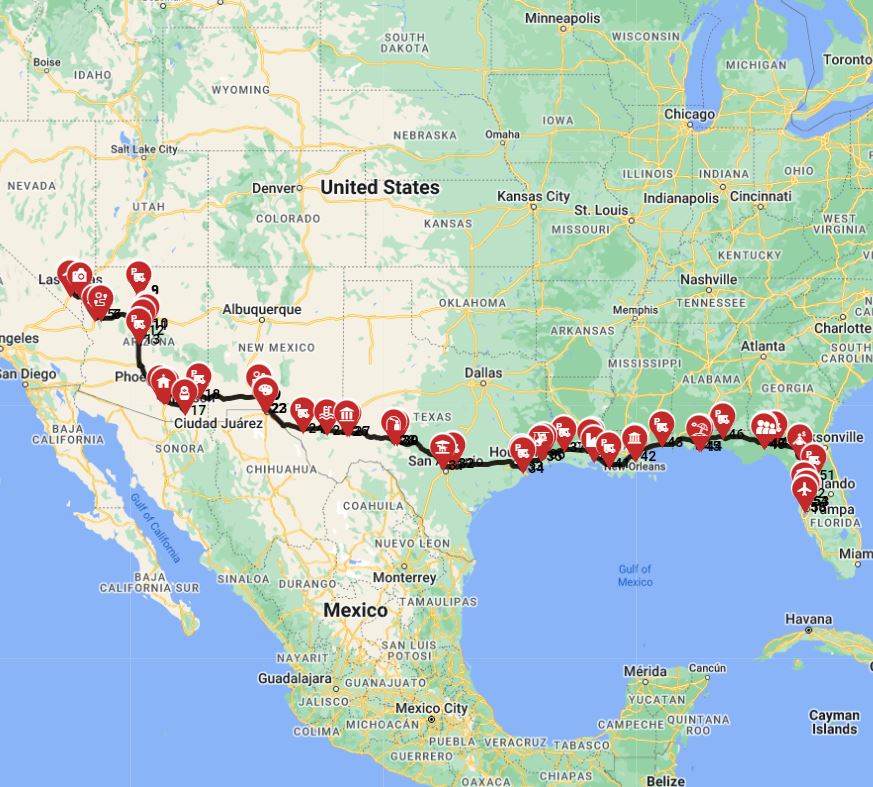
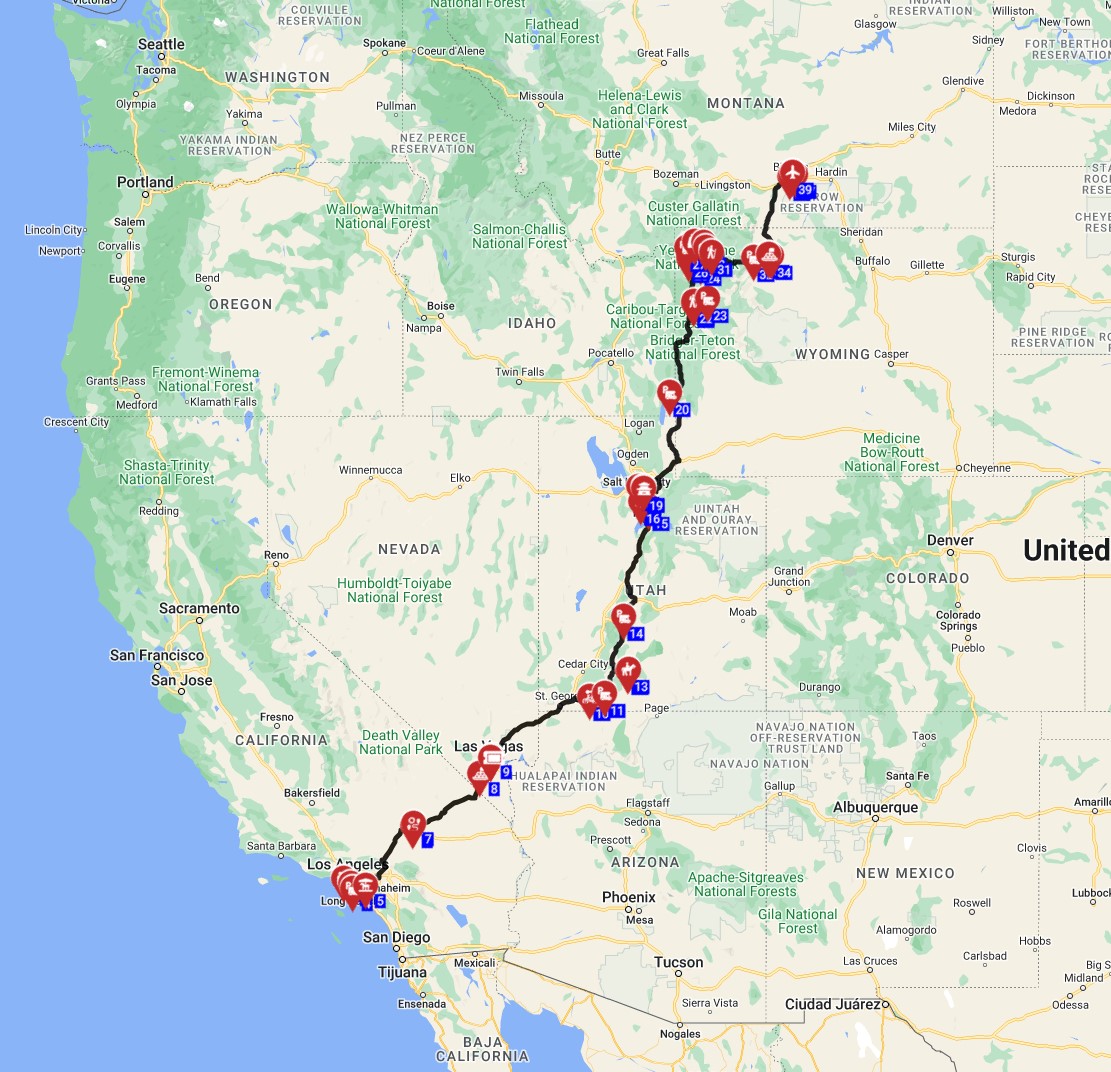
RV camping in California generally offers a range of hookup levels and amenities designed to ensure a comfortable experience. Most developed campgrounds provide essential services. Electric hookups are commonly available, typically in 30-amp or 50-amp configurations, at full-service sites. Potable water hookups are standard at most developed campgrounds, alongside on-site or nearby dump stations for managing grey and black water tanks. Beyond the essentials, many parks offer additional conveniences such as Wi-Fi (though reliability can vary in more remote areas), laundry facilities, hot showers, picnic tables, and fire rings, perfect for enjoying classic campfire meals. Be aware that cell service can be spotty in more remote parts of California, so it's wise to download maps and plan for potential connectivity gaps. For ideas you can prep on the road, watch our RV-friendly recipes playlist on YouTube. On the routes offered through RV PLANET routes, you can itemize and track every expense along the way for easy budgeting.
Booking Windows & Reservations in California
Securing an RV campsite in California, especially at highly sought-after destinations and during peak seasons, generally requires advance planning, though opportunities for more spontaneous travelers do exist. For popular National and State Parks like Yosemite or those along the Big Sur coast, planners should aim to book their spots 6-12 months in advance, as reservations often fill up almost instantly. For spontaneous travelers, same-day or next-day bookings might be more feasible at less popular parks, private campgrounds, or by utilizing first-come, first-served (FCFS) sites. Many national park campgrounds strategically release only 25%-30% of their spots for advance reservations, with the remainder often available on a first-come, first-served basis; it is highly recommended to call ahead to check availability before driving to these FCFS campgrounds. While specific sites at premier locations can be competitive, rest assured that you will almost certainly find a place to stay—if not at your first choice, then at an alternative campground nearby.
Nearby Supermarkets & Resupply Points
Resupplying groceries and essential supplies while RVing in California is remarkably convenient, with major supermarket chains readily accessible in most towns and cities situated along popular travel routes. Travelers can easily find well-known chains such as Safeway, Vons, Ralphs, Sprouts, and Trader Joe's for a wide selection of fresh produce, pantry staples, and specialty items. Additionally, Walmart and Target stores, frequently located near major highway exits, offer a broad range of supplies, including RV-specific equipment and general camping necessities, making it simple to restock your mobile home.
Best RV Class for Camping in California
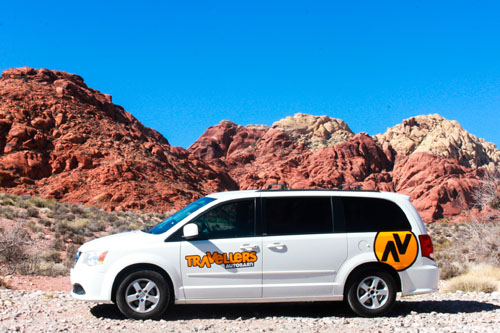
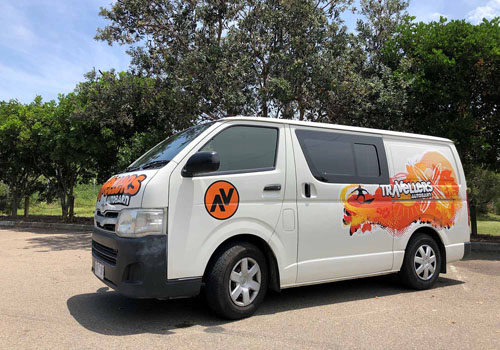
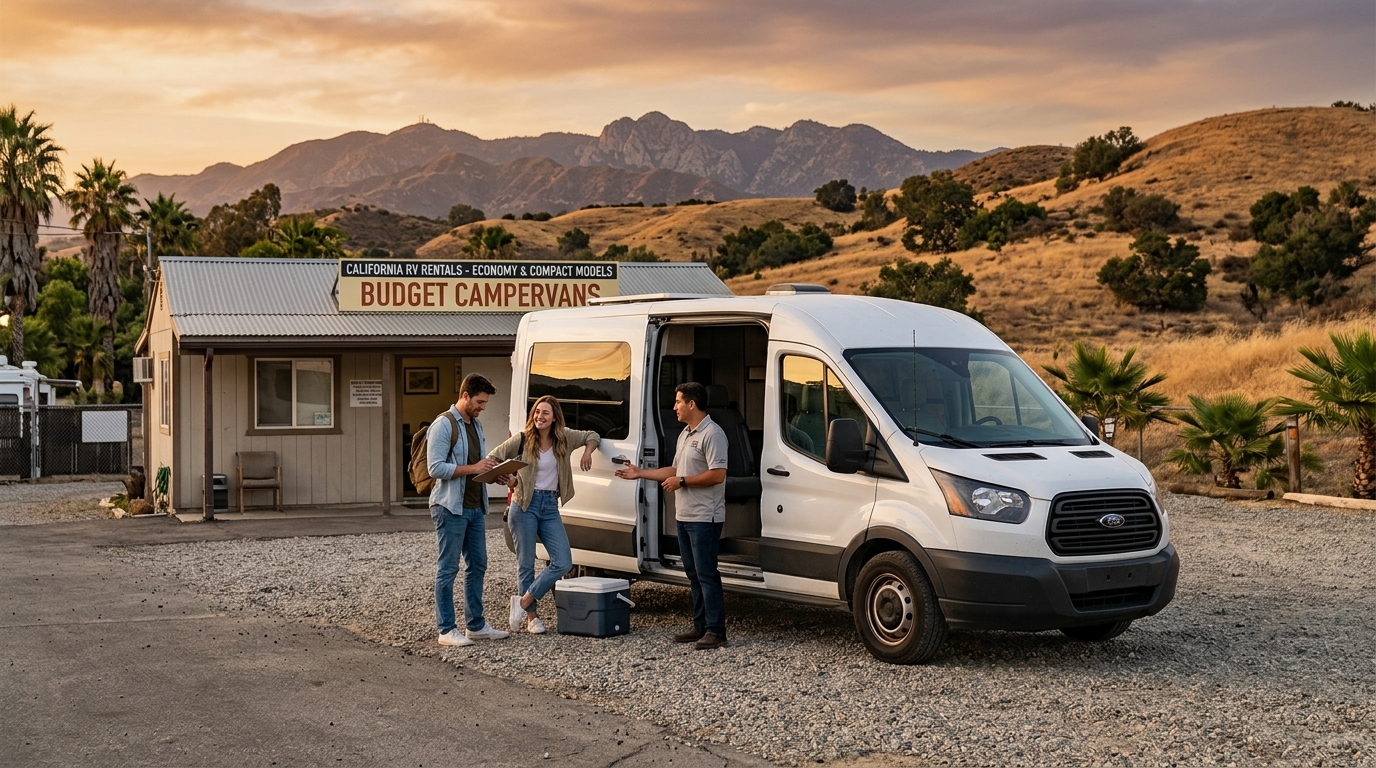
The ideal RV class for camping in California hinges on your specific travel style, group size, and desired camping experience, with Class B Camper Vans and Class SI Semi-integrated RVs offering versatile options for navigating the state's diverse landscapes. Bandana's Class B Camper Vans, averaging 5.8 meters (19 feet) in length and comfortably accommodating 3.2 people, are perfectly suited for exploring California's scenic byways and fitting into smaller, often more secluded, campsites, including many popular boondocking spots. Their compact size, estimated 37 kg load capacity, and impressive fuel efficiency, typically around 10 Liters/100 km, make them ideal for adventurers seeking flexibility and ease of maneuverability in both urban and natural settings. For those desiring a balance between comfort and agility, Class SI Semi-integrated RVs, averaging 6.9 meters (22.6 feet) in length and sleeping up to 3.8 people from Bandana's global fleet, are an excellent choice. These RVs, offering an average load capacity of 72.2 kg and fuel consumption around 10-11 Liters/100 km, are well-suited for travelers wanting more amenities than a van while still maintaining manageability on California's varied roads, including some state park campgrounds with length restrictions.
How to Save on Campgrounds in California
Saving money on RV campgrounds in California can be achieved through strategic planning, leveraging discount programs, and making informed choices about where and when you choose to camp. Utilizing campground discount cards, often offered by rental providers like Bandana, can unlock significant savings on nightly rates, making your trip more budget-friendly. Booking your RV trip during the shoulder seasons—typically spring and fall—allows you to avoid peak pricing and larger crowds, which often translates to lower rental and campground fees. Prioritizing municipal, regional, or Bureau of Land Management (BLM) campgrounds over private RV resorts with extensive amenities can also lead to substantial savings. Consider extending your stay to three or more nights at a single location, as many campgrounds offer weekly rates that considerably reduce the nightly cost. For groups traveling together, sharing hookup costs at larger, multi-RV sites can also contribute to reduced individual expenses for campsite fees, making group travel even more economical.
How much does it cost to rent an RV in California?
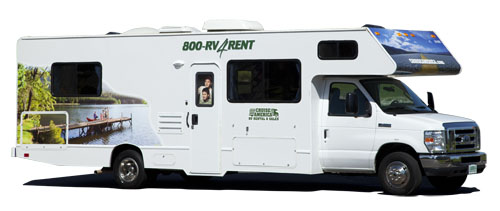
The cost to rent an RV in California varies significantly based on RV class, rental duration, the season of travel, and included amenities, typically ranging from $100 to over $400 per night. Class B Camper Vans, renowned for their fuel efficiency, can start at approximately $100-$200 per night, depending on the specific model and the season. Class C Alcove and Class SI Semi-integrated RVs, such as those commonly found in Bandana's fleet (Class C averaging 7.5m length, 5.8 sleepers; Class SI averaging 6.9m length, 3.8 sleepers), generally fall within the $150-$300 per night range. Class A Integrated RVs, like the spacious options from Bandana's global fleet averaging 7.5m in length and accommodating 4.4 sleepers, are usually the most expensive, often costing $250-$400+ per night due to their larger size and luxury features. Comprehensive budgeting should also account for ancillary costs such as fuel (e.g., Bandana's Class C models average 10-12 Liters/100 km), potential mileage fees, insurance, campsite fees, propane refills, and any applicable cleaning charges to get a complete picture of your travel expenses. Remember that prices are dynamic and fluctuate based on availability and demand, so booking in advance, especially for peak seasons, is advisable.
What is the cheapest way to RV in California?
The most cost-effective way to RV in California involves strategic planning, choosing smaller, more fuel-efficient RVs, and prioritizing free or low-cost camping options. Opting for compact RVs like a Class B Camper Van (Bandana's Class B models average 5.8m and 10 Liters/100 km fuel consumption) or a Class SI Semi-integrated RV (averaging 6.9m and 10-11 Liters/100 km) typically results in lower rental costs and better fuel economy. To significantly reduce or eliminate campground fees, utilize dispersed camping on Bureau of Land Management (BLM) or National Forest lands (boondocking). If paid camping is necessary, prioritize municipal, regional, or National Forest campgrounds, which are generally more affordable than private RV resorts offering extensive amenities. Traveling during the shoulder seasons (spring or fall) or off-peak months can also offer lower rental rates and fewer crowds, contributing to overall savings on your California RV adventure.
What are the RV laws in California?
RVers in California must be aware of and adhere to specific laws concerning driving, parking, and camping, which can vary by jurisdiction and include local ordinances alongside state regulations. Driving laws indicate that RVs exceeding 40 feet in length, such as some larger Class A motorhomes, may face restrictions on certain roads or might require a special non-commercial Class B driver's license endorsement, though a standard Class C license is sufficient for most rental RVs like Bandana's Class C and SI models. Overnight parking in an RV is generally prohibited on city streets and public parking lots unless explicitly permitted by local ordinances; always look for 'no overnight parking' or 'no camping' signs. Many campgrounds enforce strict generator usage hours to minimize noise and air pollution, so it's essential to confirm these regulations upon arrival. California frequently implements fire bans, particularly during dry seasons; always check local conditions for fire restrictions and any necessary permit requirements before planning a campfire. Furthermore, pet regulations vary significantly by park and jurisdiction; while pets are often allowed in campgrounds, they typically require leashes and are restricted from sensitive park areas like beaches or certain trails.
Do you need a special license to drive an RV in California?
For most RV rentals in California, including the popular Class B Camper Vans, Class C Alcove, and Class SI Semi-integrated models like those commonly offered through Bandana's platform, a standard Class C driver's license is perfectly sufficient. A special license endorsement, specifically a non-commercial Class B license, is typically only required for exceptionally large RVs that exceed 40 feet in length or for those towing very heavy trailers. To ensure full compliance with California's Department of Motor Vehicles (DMV) regulations and for peace of mind, always verify the specific license requirements for the RV you intend to rent directly with your rental provider.
Can you boondock in California?
Yes, boondocking, also known as dispersed camping, is indeed permissible in many areas across California, primarily on federal lands managed by the Bureau of Land Management (BLM) and within National Forests. These areas offer free, off-grid camping experiences for self-sufficient RVers. Legally, boondocking is generally allowed for up to 14 days within a 28-day period on BLM and National Forest lands, though specific rules can vary by district and are subject to change based on local conditions, such as fire restrictions. Popular spots for boondocking include regions within the vast Mojave Desert, sections of the Sierra Nevada foothills, and numerous expansive wilderness areas, but thorough research of specific locations and their associated regulations is crucial before your arrival. Essential gear for a successful boondocking trip includes a self-contained RV, reliable water and power sources (solar panels are highly recommended), and a steadfast commitment to Leave No Trace principles to protect the delicate desert and forest environments.
Where can I park my RV for free in California?
Free RV parking in California is predominantly found on federal lands designated for dispersed camping, specifically within areas managed by the Bureau of Land Management (BLM) and National Forests, where overnight stays are permitted without charge. These BLM and National Forests offer numerous opportunities for free overnight stays, typically without hookups or amenities, requiring RVers to be entirely self-sufficient. Resources like iOverlander or FreeCampsites.net can be invaluable for locating specific free spots. While some Walmart stores and casinos have historically allowed overnight RV parking as a courtesy, this policy varies significantly by individual location and is increasingly restricted; always seek explicit permission from store or casino management before setting up camp. Be aware that overnight sleeping in vehicles at California rest areas is generally limited to an 8-hour period within a 24-hour timeframe and is intended for driver recuperation, not extended camping.
Where can I find free RV camping in California?
Free RV camping in California is predominantly available on public lands, specifically within National Forests and Bureau of Land Management (BLM) areas, operating under the regulations for dispersed camping. Websites and apps such as iOverlander, FreeCampsites.net, and The Dyrt serve as excellent resources for locating these free camping spots, often providing user reviews, details on accessibility, and crucial information about any available amenities. It's important to remember that free sites typically lack hookups, restrooms, potable water, or trash services, necessitating that RVers be fully self-contained and strictly practice Leave No Trace principles. Always confirm local regulations, any specific permit requirements, and potential fire restrictions (especially during California's wildfire season) before setting up camp in these dispersed areas.
Can you sleep anywhere in an RV in California?
No, you cannot legally sleep anywhere in an RV in California, as overnight parking and camping regulations are strictly enforced, particularly in urban and developed areas. Sleeping in an RV is generally restricted to designated campgrounds, private RV parks, or legally permitted dispersed camping areas on public lands. City streets, residential areas, and many public parking lots are subject to 'no overnight parking' or 'no camping' ordinances, and failure to comply can result in fines or even vehicle towing. Even in locations where overnight parking might be tolerated, it is crucial to prioritize safety and select well-lit, secure spots, especially when traveling through unfamiliar territory.
Is RV camping allowed in California State Parks?
Yes, RV camping is widely permitted and popular within California State Parks, which feature numerous campgrounds equipped with varying levels of amenities catering specifically to recreational vehicles. State Park campgrounds are extremely popular and often require reservations to be made months in advance, particularly for coveted coastal or mountain sites, to secure a spot. Many State Park campgrounds offer sites with electric and water hookups, along with dump stations, restrooms, and showers, though full hookups (including sewer) are less commonly found compared to private RV parks. It's important to be mindful of RV length restrictions, which are common in State Parks; while Class C RVs (Bandana's averaging 7.5m) and Class B RVs (averaging 5.8m) generally fit well, always verify specific site dimensions. Additionally, State Parks often have specific rules regarding generator hours and pet access, which should be checked prior to arrival to ensure a smooth and compliant stay.
What is the best month to RV in California?
The ideal months to RV camp in California are generally spring (April-May) and fall (September-October), as these periods typically offer pleasant, moderate weather, fewer crowds compared to peak summer, and better accessibility across the state's diverse regions. Spring in California is characterized by blooming wildflowers, comfortable temperatures, and increasing accessibility to mountain passes, although higher elevations might still experience lingering snow. Fall brings crisp air, vibrant foliage in certain areas, and cooler desert temperatures, making it an excellent time for exploring both the scenic coastlines and the expansive desert landscapes. RVers should remain aware of specific seasonal challenges: wildfire season typically runs from late summer into fall, extreme desert heat can make summer travel uncomfortable, and winter snow conditions can impact travel and necessitate careful route planning, especially in mountainous areas.
What are the busiest months for RV in California?
The busiest months for RV travel in California typically align with summer vacation periods, specifically June, July, and August, corresponding with school breaks and generally warm weather across most of the state. During these peak summer months, campgrounds—especially in highly popular destinations like National Parks (e.g., Yosemite, Sequoia) and coveted coastal areas (e.g., Big Sur, San Diego)—are often fully booked months in advance. Travelers venturing out during this time should anticipate higher RV rental rates, increased campsite fees, and more crowded attractions and roadways. To navigate peak seasons successfully, consider booking your RV rental and campgrounds 6-12 months ahead, exploring less-traveled alternative destinations, or focusing on discovering hidden gems and unique local experiences in smaller towns away from the major tourist hubs.
What You Shouldn't Miss
- Drive a portion of the Pacific Coast Highway (Highway 1) in a motorhome, focusing on the Big Sur section for its dramatic cliffs and ocean vistas.
- Explore Yosemite National Park, planning for RV-accessible campgrounds and day trips to iconic spots like Yosemite Valley and Glacier Point.
- Experience the unique desert landscapes and stargazing opportunities in Joshua Tree National Park, opting for campgrounds with basic amenities or dispersed camping nearby.
- Visit the giant redwood trees in Northern California's Redwood National and State Parks, perhaps even taking an RV drive-through at a designated attraction like the Shrine Drive-Thru Tree.
- Discover the otherworldly landscapes of Death Valley National Park, remembering to manage RV systems carefully due to extreme temperatures and varying services.
Final Thoughts
Embarking on an RV adventure in California offers an unparalleled way to experience the Golden State's diverse landscapes and vibrant culture. Whether you're drawn to the dramatic coastline, the majestic mountains, or the unique desert vistas, a rented RV provides the freedom and flexibility to explore at your own pace.
Remember that planning is key, especially for popular destinations and peak seasons. By utilizing resources like RV PLANET (rvplan.net) for route planning and campsite research, you can ensure a smoother, more enjoyable journey. With Bandana Caravan, you benefit from our commitment to transparency and support, making your RV rental experience straightforward and stress-free.
So, pack your bags, chart your course, and get ready to discover the vast beauty of California from the comfort and convenience of your own rented RV. The open road awaits!