In This Guide
- Where to Camp in Botswana - Top Options
- Campground Types in Botswana (National, Private, Wild)
- Featured RV Park or Campground in Botswana
- Hookups & Amenities - What to Expect
- Booking Windows & Reservations in Botswana
- Nearby Supermarkets & Resupply Points
- Best RV Class for Camping in Botswana
- How to Save on Campgrounds in Botswana
- What is the best month to visit Botswana?
- How many days do you need for Botswana?
- What is the best way to travel around Botswana?
- Is it safe to RV camp in Botswana?
- Can you take an RV from South Africa to Botswana?
- How much does an RV rental cost in Botswana?
- Is Botswana expensive for tourists?
- What You Shouldn't Miss
- Why Book with Bandana Caravan
- Final Thoughts
- Frequently Asked Questions
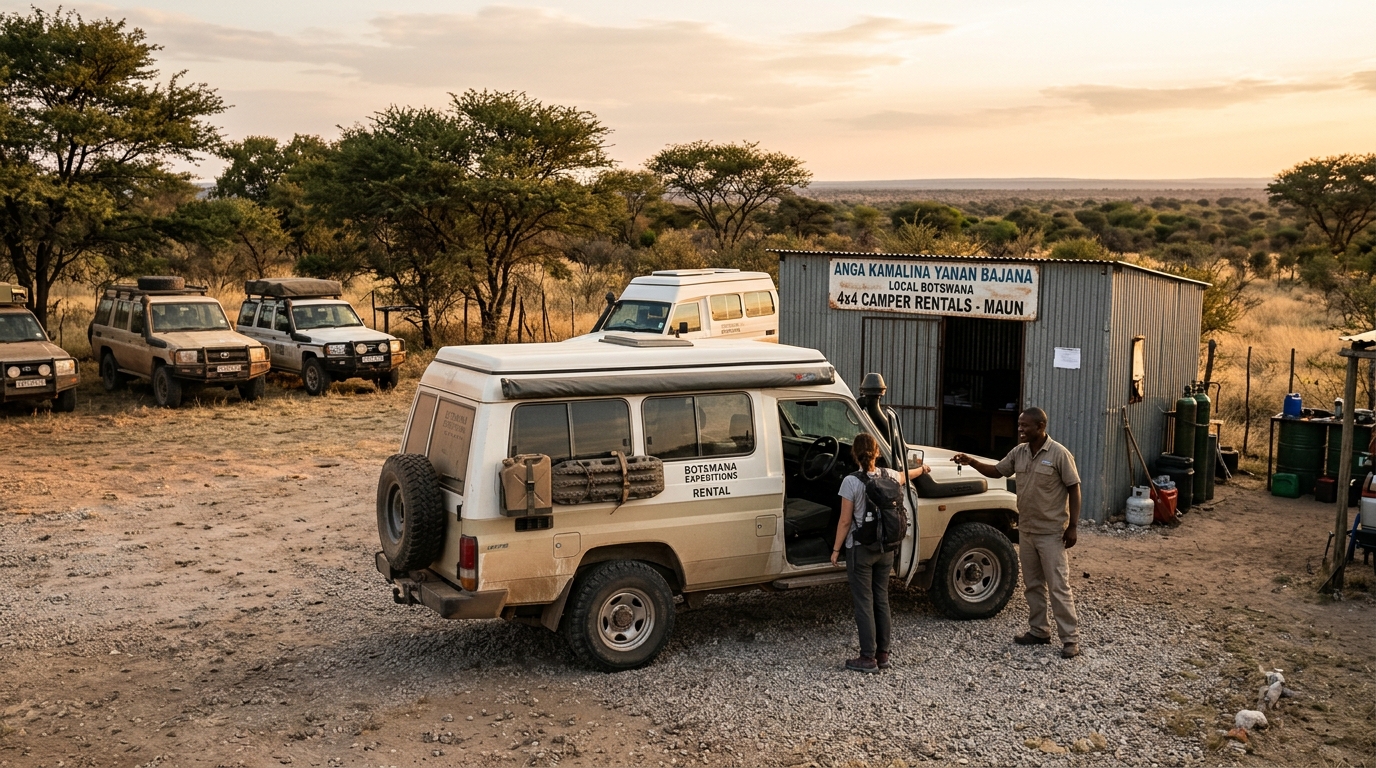
Botswana offers an unparalleled cheap RV camping experience, allowing travelers to immerse themselves in stunning wilderness and diverse wildlife without breaking the bank. Imagine waking up to the sounds of the African bush, with your rented motorhome as your comfortable base, ready to explore iconic destinations like the Okavango Delta, Chobe National Park, and the vast Central Kalahari Game Reserve. For live availability and current prices on a range of rental campers, start with our RV Rental Botswana - Complete Guide 2026 guide.
Where to Camp in Botswana - Top Options
Botswana offers diverse camping options ranging from the lush Okavango Delta to the arid Kalahari, with many top options located within or near wildlife-rich national parks. Popular areas for RV camping include established national park sites in Chobe National Park, Moremi Game Reserve, and the Central Kalahari Game Reserve, as well as various private concessions. You'll find incredible sites near vibrant towns like Gaborone, the capital city, or major safari hubs such as Maun and Kasane, which also serve as excellent pickup locations for your rented RV.
When planning your route, consider key wildlife hotspots to maximize your safari experience. For example, campsites along the Chobe Riverfront near Kasane Airport offer exceptional elephant and buffalo sightings, while those within Moremi provide opportunities for close encounters with predators. Driving a rented campervan in Botswana allows for flexibility, letting you move at your own pace and spend more time in areas that truly capture your interest. Remember to travel slowly, averaging a maximum of 100-150 km per day, to fully absorb the incredible scenery and wildlife encounters that Botswana offers.
Campground Types in Botswana (National, Private, Wild)
In Botswana, RV campers can choose from national park campgrounds, privately owned campsites, and, with strict adherence to regulations, some tolerated forms of wild camping, though designated sites are always recommended for safety and legality. National park campgrounds, such as those found in Chobe and Moremi, are often basic and unfenced, allowing for an incredibly immersive wilderness experience where wildlife can roam freely through camp. These sites typically require advance booking, especially during peak seasons, and offer essential facilities like water and basic ablutions.
Private campgrounds, often found outside the national parks or in private concessions, generally provide more amenities, comfort, and security. These might include hot showers, flush toilets, and sometimes even a small shop. Wild or freedom camping is generally discouraged and illegal within national parks; outside these protected areas, strict 'leave no trace' principles and local permissions are essential, as sleeping in your rented motorhome outside designated areas can lead to fines or safety risks. Always prioritize designated campsites to ensure both your safety and adherence to local conservation efforts.
Featured RV Park or Campground in Botswana
While specific RV parks vary, a typical featured campground in Botswana might offer a blend of wilderness immersion with essential amenities, often strategically located near major wildlife viewing areas. For instance, sites like Khama Rhino Sanctuary's Mogotlho campsite or a reputable private campsite near Maun, the gateway to the Okavango Delta, can offer a balance of accessibility and a chance for wildlife sightings within the camp perimeter. These spots usually provide basic facilities such as water, communal ablution blocks, and designated fire pits, perfect for cooking up some RV-friendly recipes after a day of safari.
Good examples of these often include a communal area for socialising, shaded spots for your rented camper, and proximity to major attractions, making advance booking advisable. Although many of Botswana's national park sites are deliberately rustic to maintain the wild feel, private campgrounds offer a comfortable stepping stone for those new to African RV travel. You can find many options for your journey on RV PLANET routes, which helps travelers itemize and track every expense along the way for easy budgeting. On the routes offered through RV PLANET routes, you can itemize and track every expense along the way for easy budgeting.
Hookups & Amenities - What to Expect
RV campers in Botswana should expect a range of amenities from very basic, unserviced national park sites to more developed private campgrounds offering essential hookups like electricity and water. Electricity is typically 220-240V with Type G, D, or M plug sockets, so international travelers should bring appropriate adapters. Water sources, often from boreholes, should be filtered or supplemented with bottled water for drinking, and efficient water management is crucial for extended stays in remote areas where fresh water might be scarce.
Dump stations for grey and black water are less common in remote areas, necessitating careful planning and management of waste water. Wi-Fi connectivity is rare outside of major towns or luxury lodges; satellite communication options like satellite phones or Garmin InReach devices are highly recommended for staying connected in remote areas and for emergency situations. Laundry facilities and hot showers are generally only available at private campgrounds, with national park sites often offering cold bucket showers or basic ablutions. Always arrive prepared for off-grid living, even at sites advertising some amenities.
Booking Windows & Reservations in Botswana
For an RV trip in Botswana, pre-planners should book national park campsites well in advance, especially for peak season, although some spontaneity is possible as many national park campgrounds reserve 25-30% of spots for first-come, first-served arrivals. Peak season, running from June to October, often requires bookings 6-12 months ahead for popular sites in Moremi or Chobe due to high demand. However, don't let this deter spontaneous adventurers!
During shoulder seasons (e.g., April-May or November) or low season (December-March), it's generally easier to find available spots. We always recommend calling ahead to your chosen campground before driving long distances, particularly if you haven't pre-booked. Even if a specific site is full, travelers seeking a cheap RV rental will almost certainly find a place-if not at the first campground, then another nearby option. Flexibility in your itinerary can not only secure you a spot but sometimes also save money.
Nearby Supermarkets & Resupply Points
RV travelers in Botswana will find major supermarkets and resupply points primarily in larger towns and cities such as Maun, Kasane, and Gaborone, offering a good range of provisions. Chains like Choppies, Spar, and Shoprite are common, providing fresh produce, meats, and pantry staples suitable for preparing meals in your rented campervan kitchen. Strategic planning for food and provisioning is crucial for remote African environments, including knowing what local goods are available, what specialty items to bring from home, and effective storage tips for perishable goods without consistent refrigeration. Discover our RV-friendly recipes playlist for inspiration!
Always stock up on fuel, water, and non-perishables when passing through major towns, as options diminish rapidly in wilderness areas. This proactive approach ensures you're well-prepared for any extended periods between supply points. For help planning your journey and mapping out essential stops, consider using RV PLANET routes, which can help you itemize and track every expense along the way for easy budgeting.
Best RV Class for Camping in Botswana
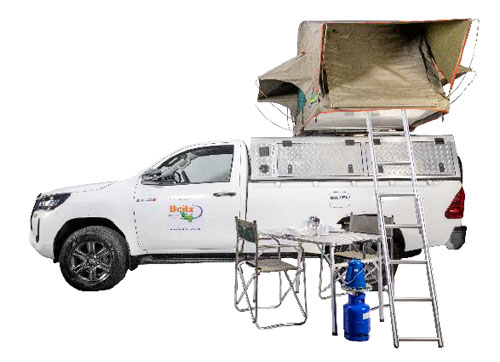
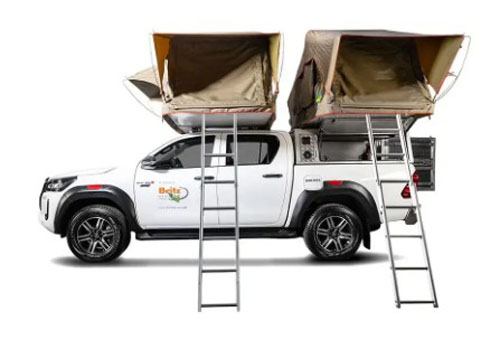
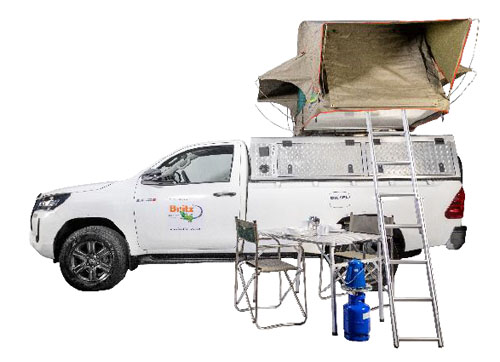
For a truly immersive and self-sufficient camping experience in Botswana, a Class TC (Truck Camper) or a robust Class B (Camper Van) is often considered ideal due to their maneuverability, potential 4x4 capabilities, and suitability for both designated campsites and more rugged terrain. Bandana's fleet offers diverse options; for instance, a Class TC (Truck Camper) like the Patagonia Camper 4x4 double cab averages 5.5m in length, sleeps 2-4, and consumes 12-17 Liters/100 km, making it excellent for off-road access and rough tracks due to its good ground clearance and 4x4 modifications essential for Botswana's unpaved roads and sandy conditions.
Alternatively, a Class B (Camper Van) such as the 2 Berth Hi Top, averaging 5.8m in length, sleeping 2-3, and typically consuming 8-10 Liters/100 km, provides a good balance of comfort and maneuverability, with some models offering 4x4 capability suitable for Botswana's diverse road conditions. While Class SI (Semi-integrated) motorhomes (averaging 6.9m, sleeping 3-5) and Class C (Alcove) motorhomes (averaging 7.5m, sleeping 4-6) offer more comfort and space, they are generally best suited for established roads and well-maintained campsites. Class A (Integrated) luxury vehicles (averaging 7.5m, sleeping 4-5) are typically not recommended for the often challenging and remote roads of Botswana. Beyond just '4x4,' comprehensive vehicle requirements for Botswana include high ground clearance, robust suspension, and efficient water/power management systems for extended off-grid travel, along with basic on-road maintenance knowledge.
How to Save on Campgrounds in Botswana
To significantly reduce campground costs in Botswana, consider utilizing available campground discount cards, booking during the shoulder season, and opting for municipal or regional campsites over more expensive private resorts. Some RV rental companies or travel associations might offer discount cards that provide savings on participating campgrounds, so inquire about these before your trip. Traveling in the shoulder season, such as April-May or November, often means lower demand and therefore cheaper rates for campsites, as well as fewer crowds in popular areas.
Choosing public or municipal campsites, which are typically less expensive than private resorts or luxury safari lodges, can also lead to substantial savings. If planning to stay 3 or more nights at a single location, always inquire about weekly rates, as these often offer a discount. Additionally, consider group travel to share costs, especially for larger sites or those with shared hookups. By implementing these strategies, you can enjoy Botswana's stunning nature and wildlife with a cheap RV rental without overspending on accommodation.
What is the best month to visit Botswana?
The best months to visit Botswana for an RV safari are generally during the dry season, from May to October, when wildlife viewing is at its peak and road conditions are most favorable. During this period, animals congregate around permanent water sources like the Chobe River and Okavango Delta, making them easier to spot as vegetation thins. The clear skies and cooler temperatures also make for more comfortable camping and game drives in your rented motorhome.
However, the shoulder seasons, specifically April-May and November, can offer excellent value with fewer crowds and potentially lower prices for RV rentals and campsites, though temperatures may be higher and some roads potentially wetter. The wet season, from December to March, brings lush green landscapes and migratory birds, but can make some remote roads impassable for RVs and significantly increase mosquito activity. Your choice of month will depend on your priorities: prime wildlife viewing or a more budget-friendly and secluded experience.
How many days do you need for Botswana?
For a comprehensive RV trip exploring Botswana's diverse landscapes, typically 10 to 14 days are recommended, allowing sufficient time to visit key regions without feeling rushed. A 10-day itinerary could comfortably cover the Okavango Delta and Chobe National Park, offering ample wildlife viewing opportunities. Extending your trip to 14 days allows for deeper exploration, potentially including the vast Central Kalahari Game Reserve, the lunar-like Makgadikgadi Pans, or even a visit to the city of Gaborone.
Shorter trips of 7 days are possible but will require more focused routing and less time at each location. We always recommend slow travel, averaging a maximum of 100-150 km per day, to truly feel the place, connect to the culture, savor the food, and appreciate the scenery. Longer stays offer precious flexibility for spontaneous detours, deeper cultural immersion beyond traditional wildlife viewing opportunities, and allow for a more relaxed pace to handle any unexpected road or weather conditions.
What is the best way to travel around Botswana?
Traveling around Botswana in a rented RV is considered one of the best ways for independent adventurers to explore, offering unparalleled flexibility and self-sufficiency compared to guided safaris or internal flights. A motorhome or campervan allows travelers the freedom to set their own pace, choose their campsites, and reach remote areas that are otherwise inaccessible by public transport. While guided safaris offer expert knowledge and convenience, and flying allows quick access to remote lodges, an RV provides a more intimate, hands-on, and often more cost-effective experience, especially for families or longer trips.
However, travelers should be prepared for challenging road conditions, particularly in national parks where roads can be sandy or heavily corrugated, necessitating a capable 4x4 RV and good driving skills. Drive slowly and carefully, and you can drive almost anywhere without issues. No need to stress - just use common sense and pay attention. For instance, a Class TC (Truck Camper) or robust Class B (Camper Van) would be excellent choices. Botswana drives on the left-hand side of the road, and speed limits typically range from 60 km/h in urban areas to 120 km/h on major highways, though lower speeds are common in wildlife zones.
Is it safe to RV camp in Botswana?
RV camping in Botswana is generally safe when proper precautions and in-depth safety protocols are followed, particularly concerning wildlife encounters and remote travel preparedness. Always camp in designated areas, keep all food secured inside your rented camper to deter animals, and maintain a safe distance from wildlife, remembering that these are wild animals and not pets. For remote travel, carrying essential emergency preparedness gear such as a satellite communication device (e.g., a satellite phone or Garmin InReach) is crucial for areas with no mobile coverage, along with comprehensive vehicle recovery equipment (like a shovel and tow rope), and an advanced medical kit for extended stays.
Road safety involves being aware of unfenced roads where animals (including large game and livestock) may cross unexpectedly, and adhering to posted speed limits. Minimize night driving as visibility is reduced and wildlife activity increases, presenting higher risks. Familiarize yourself with local etiquette and be respectful during cultural interactions to ensure a positive experience and personal safety. Bandana RV provides support for pre-booking comparisons, booking assistance, and post-booking coordination, ensuring you have the right vehicle and information for your safe adventure.
Can you take an RV from South Africa to Botswana?
Yes, it is possible to take a rented RV from South Africa to Botswana, but it requires thorough preparation regarding vehicle registration, specific customs forms, and temporary import permits. You will need the original vehicle registration papers, proof of ownership from the rental company (a letter of authorization), and often a temporary import permit (TIP) or Carnet de Passage, which can sometimes be arranged through the rental supplier. Ensure your vehicle insurance covers cross-border travel, as standard policies might not extend to neighboring countries.
Be prepared for potential road permits or tolls at the border, and allow extra time for customs procedures. Popular border crossings include Martin's Drift, Tlokweng (near Gaborone), and Kazungula (near Chobe National Park), each with specific procedures and varying wait times. It is advisable to research the latest requirements closer to your travel date, as regulations can change. For more details on cross-border travel, refer to guides like our One-Way RV Rental in Botswana - Price Guide 2026.
How much does an RV rental cost in Botswana?
The cost of an RV rental in Botswana can vary significantly based on vehicle class, rental duration, season, and inclusions, but generally ranges from $150 to $400 USD per day for a standard 4x4 equipped camper, not including additional travel expenses. Prices are dynamic, similar to flight tickets, changing daily based on availability, seasonality, and supplier marketing decisions, with the final price set at the actual booking time. For example, a 2-4 berth Class TC (Truck Camper) might be around $200-$300 USD per day in peak season, while a 2-3 berth Class B (Camper Van) could be $150-$250 USD per day.
A detailed, itemized cost breakdown for RV travel includes: vehicle hire fees (base rental), comprehensive insurance (which you can upgrade to a top-level deductible for extra peace of mind), fuel (e.g., a Class TC averages 12-17 L/100 km, while a Class B 8-10 L/100 km), national park entry permits and conservation fees (which can be substantial, often $30-$120 USD per person per day depending on the park and residency), campsite fees (ranging from $10-$50 USD per night), food and provisioning, and a recommended emergency fund of at least $500 USD. Budget for potential hidden costs like border crossing fees, additional driver fees ($50-$100 USD), and optional equipment rentals (e.g., satellite phone, recovery gear). For a one-week trip, expect total costs beyond rental to be in the range of $500-$1000+ USD depending on your itinerary and spending habits.
Is Botswana expensive for tourists?
Botswana can be considered an expensive destination for tourists, especially when opting for luxury lodge safaris, but RV travel offers a significantly more budget-friendly alternative. Major expenses for any visitor include national park entry fees and concession fees, which are substantial (e.g., a non-resident adult might pay $30-$120 USD per day for park entry alone), along with the cost of fuel and specific activities like mokoro excursions in the Okavango Delta or scenic flights. For more information on various costs, explore our RV Rental in Botswana - Prices and Best Deals 2026 guide.
While lodge safaris can easily run into thousands per person per night, a rented motorhome or campervan significantly reduces accommodation and food costs, allowing travelers to experience Botswana's natural beauty at a fraction of the price. Strategic planning, self-catering in your RV's kitchen, and utilizing public campsites can further manage expenses, making an unforgettable African adventure more accessible. Consider the 25% planning discount available when using rvplan.net to craft your itinerary, helping you stretch your budget even further.
🎬 Video coming soon
What You Shouldn't Miss
- Okavango Delta Mokoro Safari: Glide silently through the narrow waterways of the Okavango Delta in a traditional dug-out canoe (mokoro), offering a unique perspective on wildlife and an unforgettable tranquil experience.
- Chobe River Sunset Cruise: Witness hundreds of elephants gathering along the Chobe River at sunset from a boat cruise, an iconic and breathtaking sight, easily accessible from Kasane or Kasane Airport.
- Makgadikgadi Pans Stargazing: During the dry season, drive your 4x4 rented RV onto the vast, surreal Makgadikgadi Salt Pans for an unparalleled stargazing experience under some of the clearest skies on Earth.
- Moremi Game Reserve Self-Drive Safari: Explore the incredible wildlife diversity of Moremi, considered one of Africa's best game reserves, from the comfort and flexibility of your own rented motorhome.
- Central Kalahari Game Reserve: Venture into the remote and wild Central Kalahari Game Reserve, a true wilderness experience offering incredible solitude and unique desert-adapted wildlife sightings with your robust 4x4 camper.
Looking for expert insights from Avi Bandana? Top 5 Adventures - recommendations from Avi Bandana.
Final Thoughts
Embarking on a cheap RV camping adventure in Botswana is more than just a trip; it's an immersive journey into the heart of Africa, offering freedom, flexibility, and unforgettable wildlife encounters. With a rented motorhome or campervan, you truly hold the keys to a unique safari experience, allowing you to connect with nature on your own terms. Remember to plan slowly, embrace the unexpected, and savor every moment of this incredible destination.
Whether you're exploring the winding waterways of the Okavango Delta, seeking out predators in Moremi, or marveling at the vastness of the Kalahari, Botswana's campgrounds provide the perfect backdrop for your adventure. We're here to ensure your booking experience is as smooth and transparent as your open road journey. Get inspired for your next trip and plan a route itinerary in advance with minimal effort and maximum enjoyment!
Ready to discover the magic of Botswana with the freedom of your own temporary mobile home? Compare Campervan Prices for Botswana and begin your unforgettable African road trip today!
In This Guide
- Where to Camp in Botswana - Top Options
- Campground Types in Botswana (National, Private, Wild)
- Featured RV Park or Campground in Botswana
- Hookups & Amenities - What to Expect
- Booking Windows & Reservations in Botswana
- Nearby Supermarkets & Resupply Points
- Best RV Class for Camping in Botswana
- How to Save on Campgrounds in Botswana
- What is the best month to visit Botswana?
- How many days do you need for Botswana?
- What is the best way to travel around Botswana?
- Is it safe to RV camp in Botswana?
- Can you take an RV from South Africa to Botswana?
- How much does an RV rental cost in Botswana?
- Is Botswana expensive for tourists?
- What You Shouldn't Miss
- Why Book with Bandana Caravan
- Final Thoughts
- Frequently Asked Questions
Botswana offers an unparalleled cheap RV camping experience, allowing travelers to immerse themselves in stunning wilderness and diverse wildlife without breaking the bank. Imagine waking up to the sounds of the African bush, with your rented motorhome as your comfortable base, ready to explore iconic destinations like the Okavango Delta, Chobe National Park, and the vast Central Kalahari Game Reserve. For live availability and current prices on a range of rental campers, start with our RV Rental Botswana - Complete Guide 2026 guide.
Where to Camp in Botswana - Top Options
Botswana offers diverse camping options ranging from the lush Okavango Delta to the arid Kalahari, with many top options located within or near wildlife-rich national parks. Popular areas for RV camping include established national park sites in Chobe National Park, Moremi Game Reserve, and the Central Kalahari Game Reserve, as well as various private concessions. You'll find incredible sites near vibrant towns like Gaborone, the capital city, or major safari hubs such as Maun and Kasane, which also serve as excellent pickup locations for your rented RV.
When planning your route, consider key wildlife hotspots to maximize your safari experience. For example, campsites along the Chobe Riverfront near Kasane Airport offer exceptional elephant and buffalo sightings, while those within Moremi provide opportunities for close encounters with predators. Driving a rented campervan in Botswana allows for flexibility, letting you move at your own pace and spend more time in areas that truly capture your interest. Remember to travel slowly, averaging a maximum of 100-150 km per day, to fully absorb the incredible scenery and wildlife encounters that Botswana offers.
Campground Types in Botswana (National, Private, Wild)
In Botswana, RV campers can choose from national park campgrounds, privately owned campsites, and, with strict adherence to regulations, some tolerated forms of wild camping, though designated sites are always recommended for safety and legality. National park campgrounds, such as those found in Chobe and Moremi, are often basic and unfenced, allowing for an incredibly immersive wilderness experience where wildlife can roam freely through camp. These sites typically require advance booking, especially during peak seasons, and offer essential facilities like water and basic ablutions.
Private campgrounds, often found outside the national parks or in private concessions, generally provide more amenities, comfort, and security. These might include hot showers, flush toilets, and sometimes even a small shop. Wild or freedom camping is generally discouraged and illegal within national parks; outside these protected areas, strict 'leave no trace' principles and local permissions are essential, as sleeping in your rented motorhome outside designated areas can lead to fines or safety risks. Always prioritize designated campsites to ensure both your safety and adherence to local conservation efforts.
Featured RV Park or Campground in Botswana
While specific RV parks vary, a typical featured campground in Botswana might offer a blend of wilderness immersion with essential amenities, often strategically located near major wildlife viewing areas. For instance, sites like Khama Rhino Sanctuary's Mogotlho campsite or a reputable private campsite near Maun, the gateway to the Okavango Delta, can offer a balance of accessibility and a chance for wildlife sightings within the camp perimeter. These spots usually provide basic facilities such as water, communal ablution blocks, and designated fire pits, perfect for cooking up some RV-friendly recipes after a day of safari.
Good examples of these often include a communal area for socialising, shaded spots for your rented camper, and proximity to major attractions, making advance booking advisable. Although many of Botswana's national park sites are deliberately rustic to maintain the wild feel, private campgrounds offer a comfortable stepping stone for those new to African RV travel. You can find many options for your journey on RV PLANET routes, which helps travelers itemize and track every expense along the way for easy budgeting.
Hookups & Amenities - What to Expect
RV campers in Botswana should expect a range of amenities from very basic, unserviced national park sites to more developed private campgrounds offering essential hookups like electricity and water. Electricity is typically 220-240V with Type G, D, or M plug sockets, so international travelers should bring appropriate adapters. Water sources, often from boreholes, should be filtered or supplemented with bottled water for drinking, and efficient water management is crucial for extended stays in remote areas where fresh water might be scarce.
Dump stations for grey and black water are less common in remote areas, necessitating careful planning and management of waste water. Wi-Fi connectivity is rare outside of major towns or luxury lodges; satellite communication options like satellite phones or Garmin InReach devices are highly recommended for staying connected in remote areas and for emergency situations. Laundry facilities and hot showers are generally only available at private campgrounds, with national park sites often offering cold bucket showers or basic ablutions. Always arrive prepared for off-grid living, even at sites advertising some amenities.
Booking Windows & Reservations in Botswana
For an RV trip in Botswana, pre-planners should book national park campsites well in advance, especially for peak season, although some spontaneity is possible as many national park campgrounds reserve 25-30% of spots for first-come, first-served arrivals. Peak season, running from June to October, often requires bookings 6-12 months ahead for popular sites in Moremi or Chobe due to high demand. However, don't let this deter spontaneous adventurers!
During shoulder seasons (e.g., April-May or November) or low season (December-March), it's generally easier to find available spots. We always recommend calling ahead to your chosen campground before driving long distances, particularly if you haven't pre-booked. Even if a specific site is full, travelers seeking a cheap RV rental will almost certainly find a place-if not at the first campground, then another nearby option. Flexibility in your itinerary can not only secure you a spot but sometimes also save money.
Nearby Supermarkets & Resupply Points
RV travelers in Botswana will find major supermarkets and resupply points primarily in larger towns and cities such as Maun, Kasane, and Gaborone, offering a good range of provisions. Chains like Choppies, Spar, and Shoprite are common, providing fresh produce, meats, and pantry staples suitable for preparing meals in your rented campervan kitchen. Strategic planning for food and provisioning is crucial for remote African environments, including knowing what local goods are available, what specialty items to bring from home, and effective storage tips for perishable goods without consistent refrigeration. Discover our RV-friendly recipes playlist for inspiration!
Always stock up on fuel, water, and non-perishables when passing through major towns, as options diminish rapidly in wilderness areas. This proactive approach ensures you're well-prepared for any extended periods between supply points. For help planning your journey and mapping out essential stops, consider using RV PLANET routes, which can help you itemize and track every expense along the way for easy budgeting.
Best RV Class for Camping in Botswana
For a truly immersive and self-sufficient camping experience in Botswana, a Class TC (Truck Camper) or a robust Class B (Camper Van) is often considered ideal due to their maneuverability, potential 4x4 capabilities, and suitability for both designated campsites and more rugged terrain. Bandana's fleet offers diverse options; for instance, a Class TC (Truck Camper) like the Patagonia Camper 4x4 double cab averages 5.5m in length, sleeps 2-4, and consumes 12-17 Liters/100 km, making it excellent for off-road access and rough tracks due to its good ground clearance and 4x4 modifications essential for Botswana's unpaved roads and sandy conditions.
Alternatively, a Class B (Camper Van) such as the 2 Berth Hi Top, averaging 5.8m in length, sleeps 2-3, and typically consumes 8-10 Liters/100 km, provides a good balance of comfort and maneuverability, with some models offering 4x4 capability suitable for Botswana's diverse road conditions. While Class SI (Semi-integrated) motorhomes (averaging 6.9m, sleeping 3-5) and Class C (Alcove) motorhomes (averaging 7.5m, sleeping 4-6) offer more comfort and space, they are generally best suited for established roads and well-maintained campsites. Class A (Integrated) luxury vehicles (averaging 7.5m, sleeping 4-5) are typically not recommended for the often challenging and remote roads of Botswana. Beyond just '4x4,' comprehensive vehicle requirements for Botswana include high ground clearance, robust suspension, and efficient water/power management systems for extended off-grid travel, along with basic on-road maintenance knowledge.
How to Save on Campgrounds in Botswana
To significantly reduce campground costs in Botswana, consider utilizing available campground discount cards, booking during the shoulder season, and opting for municipal or regional campsites over more expensive private resorts. Some RV rental companies or travel associations might offer discount cards that provide savings on participating campgrounds, so inquire about these before your trip. Traveling in the shoulder season, such as April-May or November, often means lower demand and therefore cheaper rates for campsites, as well as fewer crowds in popular areas.
Choosing public or municipal campsites, which are typically less expensive than private resorts or luxury safari lodges, can also lead to substantial savings. If planning to stay 3 or more nights at a single location, always inquire about weekly rates, as these often offer a discount. Additionally, consider group travel to share costs, especially for larger sites or those with shared hookups. By implementing these strategies, you can enjoy Botswana's stunning nature and wildlife with a cheap RV rental without overspending on accommodation.
What is the best month to visit Botswana?
The best months to visit Botswana for an RV safari are generally during the dry season, from May to October, when wildlife viewing is at its peak and road conditions are most favorable. During this period, animals congregate around permanent water sources like the Chobe River and Okavango Delta, making them easier to spot as vegetation thins. The clear skies and cooler temperatures also make for more comfortable camping and game drives in your rented motorhome.
However, the shoulder seasons, specifically April-May and November, can offer excellent value with fewer crowds and potentially lower prices for RV rentals and campsites, though temperatures may be higher and some roads potentially wetter. The wet season, from December to March, brings lush green landscapes and migratory birds, but can make some remote roads impassable for RVs and significantly increase mosquito activity. Your choice of month will depend on your priorities: prime wildlife viewing or a more budget-friendly and secluded experience.
How many days do you need for Botswana?
For a comprehensive RV trip exploring Botswana's diverse landscapes, typically 10 to 14 days are recommended, allowing sufficient time to visit key regions without feeling rushed. A 10-day itinerary could comfortably cover the Okavango Delta and Chobe National Park, offering ample wildlife viewing opportunities. Extending your trip to 14 days allows for deeper exploration, potentially including the vast Central Kalahari Game Reserve, the lunar-like Makgadikgadi Pans, or even a visit to the city of Gaborone.
Shorter trips of 7 days are possible but will require more focused routing and less time at each location. We always recommend slow travel, averaging a maximum of 100-150 km per day, to truly feel the place, connect to the culture, savor the food, and appreciate the scenery. Longer stays offer precious flexibility for spontaneous detours, deeper cultural immersion beyond traditional wildlife viewing opportunities, and allow for a more relaxed pace to handle any unexpected road or weather conditions.
What is the best way to travel around Botswana?
Traveling around Botswana in a rented RV is considered one of the best ways for independent adventurers to explore, offering unparalleled flexibility and self-sufficiency compared to guided safaris or internal flights. A motorhome or campervan allows travelers the freedom to set their own pace, choose their campsites, and reach remote areas that are otherwise inaccessible by public transport. While guided safaris offer expert knowledge and convenience, and flying allows quick access to remote lodges, an RV provides a more intimate, hands-on, and often more cost-effective experience, especially for families or longer trips.
However, travelers should be prepared for challenging road conditions, particularly in national parks where roads can be sandy or heavily corrugated, necessitating a capable 4x4 RV and good driving skills. Drive slowly and carefully, and you can drive almost anywhere without issues. No need to stress - just use common sense and pay attention. For instance, a Class TC (Truck Camper) or robust Class B (Camper Van) would be excellent choices. Botswana drives on the left-hand side of the road, and speed limits typically range from 60 km/h in urban areas to 120 km/h on major highways, though lower speeds are common in wildlife zones.
Is it safe to RV camp in Botswana?
RV camping in Botswana is generally safe when proper precautions and in-depth safety protocols are followed, particularly concerning wildlife encounters and remote travel preparedness. Always camp in designated areas, keep all food secured inside your rented camper to deter animals, and maintain a safe distance from wildlife, remembering that these are wild animals and not pets. For remote travel, carrying essential emergency preparedness gear such as a satellite communication device (e.g., a satellite phone or Garmin InReach) is crucial for areas with no mobile coverage, along with comprehensive vehicle recovery equipment (like a shovel and tow rope), and an advanced medical kit for extended stays.
Road safety involves being aware of unfenced roads where animals (including large game and livestock) may cross unexpectedly, and adhering to posted speed limits. Minimize night driving as visibility is reduced and wildlife activity increases, presenting higher risks. Familiarize yourself with local etiquette and be respectful during cultural interactions to ensure a positive experience and personal safety. Bandana RV provides support for pre-booking comparisons, booking assistance, and post-booking coordination, ensuring you have the right vehicle and information for your safe adventure.
Can you take an RV from South Africa to Botswana?
Yes, it is possible to take a rented RV from South Africa to Botswana, but it requires thorough preparation regarding vehicle registration, specific customs forms, and temporary import permits. You will need the original vehicle registration papers, proof of ownership from the rental company (a letter of authorization), and often a temporary import permit (TIP) or Carnet de Passage, which can sometimes be arranged through the rental supplier. Ensure your vehicle insurance covers cross-border travel, as standard policies might not extend to neighboring countries.
Be prepared for potential road permits or tolls at the border, and allow extra time for customs procedures. Popular border crossings include Martin's Drift, Tlokweng (near Gaborone), and Kazungula (near Chobe National Park), each with specific procedures and varying wait times. It is advisable to research the latest requirements closer to your travel date, as regulations can change. For more details on cross-border travel, refer to guides like our One-Way RV Rental in Botswana - Price Guide 2026.
How much does an RV rental cost in Botswana?
The cost of an RV rental in Botswana can vary significantly based on vehicle class, rental duration, season, and inclusions, but generally ranges from $150 to $400 USD per day for a standard 4x4 equipped camper, not including additional travel expenses. Prices are dynamic, similar to flight tickets, changing daily based on availability, seasonality, and supplier marketing decisions, with the final price set at the actual booking time. For example, a 2-4 berth Class TC (Truck Camper) might be around $200-$300 USD per day in peak season, while a 2-3 berth Class B (Camper Van) could be $150-$250 USD per day.
A detailed, itemized cost breakdown for RV travel includes: vehicle hire fees (base rental), comprehensive insurance (which you can upgrade to a top-level deductible for extra peace of mind), fuel (e.g., a Class TC averages 12-17 L/100 km, while a Class B 8-10 L/100 km), national park entry permits and conservation fees (which can be substantial, often $30-$120 USD per person per day depending on the park and residency), campsite fees (ranging from $10-$50 USD per night), food and provisioning, and a recommended emergency fund of at least $500 USD. Budget for potential hidden costs like border crossing fees, additional driver fees ($50-$100 USD), and optional equipment rentals (e.g., satellite phone, recovery gear). For a one-week trip, expect total costs beyond rental to be in the range of $500-$1000+ USD depending on your itinerary and spending habits.
Is Botswana expensive for tourists?
Botswana can be considered an expensive destination for tourists, especially when opting for luxury lodge safaris, but RV travel offers a significantly more budget-friendly alternative. Major expenses for any visitor include national park entry fees and concession fees, which are substantial (e.g., a non-resident adult might pay $30-$120 USD per day for park entry alone), along with the cost of fuel and specific activities like mokoro excursions in the Okavango Delta or scenic flights. For more information on various costs, explore our RV Rental in Botswana - Prices and Best Deals 2026 guide.
While lodge safaris can easily run into thousands per person per night, a rented motorhome or campervan significantly reduces accommodation and food costs, allowing travelers to experience Botswana's natural beauty at a fraction of the price. Strategic planning, self-catering in your RV's kitchen, and utilizing public campsites can further manage expenses, making an unforgettable African adventure more accessible. Consider the 25% planning discount available when using rvplan.net to craft your itinerary, helping you stretch your budget even further.
🎬 Video coming soon
What You Shouldn't Miss
- Okavango Delta Mokoro Safari: Glide silently through the narrow waterways of the Okavango Delta in a traditional dug-out canoe (mokoro), offering a unique perspective on wildlife and an unforgettable tranquil experience.
- Chobe River Sunset Cruise: Witness hundreds of elephants gathering along the Chobe River at sunset from a boat cruise, an iconic and breathtaking sight, easily accessible from Kasane or Kasane Airport.
- Makgadikgadi Pans Stargazing: During the dry season, drive your 4x4 rented RV onto the vast, surreal Makgadikgadi Salt Pans for an unparalleled stargazing experience under some of the clearest skies on Earth.
- Moremi Game Reserve Self-Drive Safari: Explore the incredible wildlife diversity of Moremi, considered one of Africa's best game reserves, from the comfort and flexibility of your own rented motorhome.
- Central Kalahari Game Reserve: Venture into the remote and wild Central Kalahari Game Reserve, a true wilderness experience offering incredible solitude and unique desert-adapted wildlife sightings with your robust 4x4 camper.
Looking for expert insights from Avi Bandana? Top 5 Adventures - recommendations from Avi Bandana.
Final Thoughts
Embarking on a cheap RV camping adventure in Botswana is more than just a trip; it's an immersive journey into the heart of Africa, offering freedom, flexibility, and unforgettable wildlife encounters. With a rented motorhome or campervan, you truly hold the keys to a unique safari experience, allowing you to connect with nature on your own terms. Remember to plan slowly, embrace the unexpected, and savor every moment of this incredible destination.
Whether you're exploring the winding waterways of the Okavango Delta, seeking out predators in Moremi, or marveling at the vastness of the Kalahari, Botswana's campgrounds provide the perfect backdrop for your adventure. We're here to ensure your booking experience is as smooth and transparent as your open road journey. Get inspired for your next trip and plan a route itinerary in advance with minimal effort and maximum enjoyment!
Ready to discover the magic of Botswana with the freedom of your own temporary mobile home? Compare Campervan Prices for Botswana and begin your unforgettable African road trip today!