For live availability and current prices, start with our campervan Rental Germany - Complete Guide 2026 guide.
Campervan rental prices in Dusseldorf for 2027
Live prices for a round trip from Dusseldorf, starting 1 April, 24 July and 30 September 2027. Prices update daily and are shown by Bandana at the time you view this page.
| Start date · trip length | Campervan class B |
|---|---|
| 01/04/2027 · 1 week (return 08/04) | 756.80 € EUR |
| 01/04/2027 · 2 weeks (return 15/04) | 1,497.40 € EUR |
| 01/04/2027 · 1 month (return 01/05) | 3,133.00 € EUR |
| 24/07/2027 · 1 week (return 31/07) | 756.80 € EUR |
| 24/07/2027 · 2 weeks (return 07/08) | 1,935.00 € EUR |
| 24/07/2027 · 1 month (return 23/08) | 3,685.00 € EUR |
| 30/09/2027 · 1 week (return 07/10) | 830.40 € EUR |
| 30/09/2027 · 2 weeks (return 14/10) | 1,506.60 € EUR |
| 30/09/2027 · 1 month (return 30/10) | 3,142.20 € EUR |
Prices and availability change. Confirm the final total in your search before booking. Search live prices in Dusseldorf
In This Guide
- Campervan Hire in Germany — What You Get
- Campervan Models Available for Germany
- What Fits Inside a campervan — Sleeping, Kitchen, Bathroom
- Driving and Parking a campervan in Germany
- Campervan vs. Larger Motorhome in Germany
- Campervan Hire Costs in Germany (2024)
- Where to Sleep and Resupply in Germany by campervan
- Can you just drive a campervan anywhere in Germany?
- What is a Stellplatz in Germany?
- Are there tolls for campervans in Germany?
- Do you need a special license to drive a campervan in Germany?
- What is the best month to visit Germany in a campervan?
- Where can I shower in a campervan in Germany?
- How much does it cost to rent a campervan in Germany?
- How much money do I need per day for a campervan trip in Germany?
- Emergency Preparedness & Support
- Is it worth renting a campervan in Germany?
- Is a campervan Right for Your Germany Trip?
Exploring Germany by campervan offers an incredible blend of freedom, flexibility, and immersion in diverse landscapes and rich culture. From the fairytale castles of Bavaria to the vibrant streets of Berlin, a rented campervan provides a mobile base to discover everything this fascinating country has to offer. For live availability and current prices, start with our campervan Rental Germany - Complete Guide 2024 guide. While there isn't a Bandana partner station in every German city, several convenient pickup locations are available within a short drive from major hubs, including McRent GR — Sangerhausen (about 66 km), Rent Easy GR — Fulda (about 88 km), and McRent GR — Leipzig - Airport (about 96 km). This flexibility allows you to choose the most convenient starting point for your adventure across Europe.
🎬 Video coming soon
Campervan Hire in Germany — What You Get
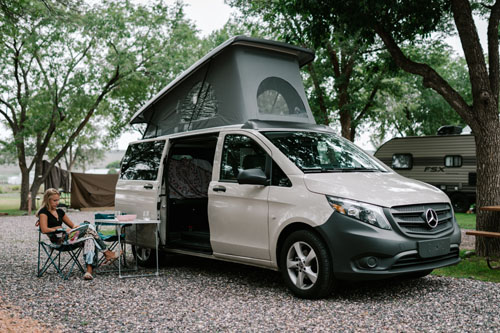
Campervans, often referred to as Class B vehicles, typically provide comfortable sleeping arrangements for 2-4 people within a compact, self-contained unit, making them a popular choice for German road trips. These agile vehicles are perfectly suited for travelers prioritizing flexibility and easier maneuverability, especially when navigating charming smaller roads or the outskirts of bustling cities. A rented campervan usually comes equipped with essential amenities, including a basic kitchenette for preparing simple meals, a dedicated sleeping area, and often a compact bathroom. This setup provides all the necessities for an inspiring journey, allowing you to immerse yourself in the local scenery and culture.
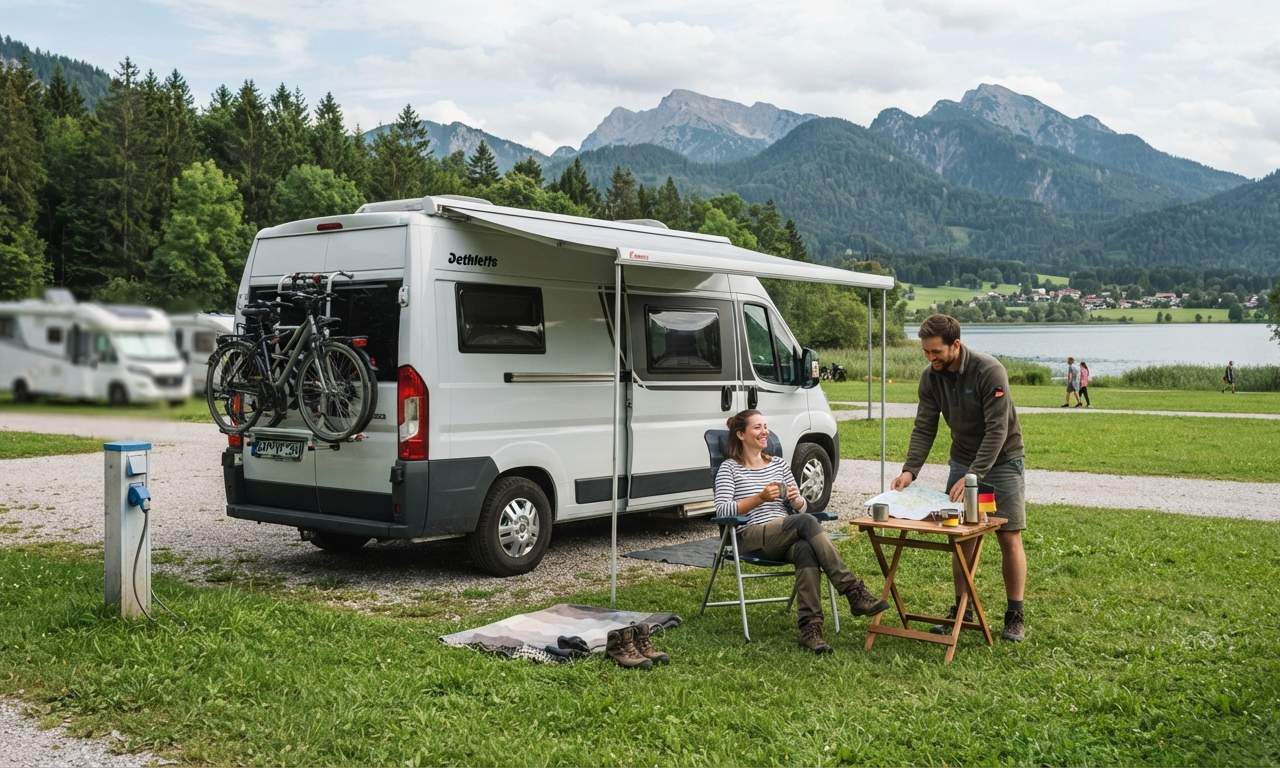
Choosing a campervan for your German adventure also means you can often gain access to areas that might be challenging for larger motorhomes. The ability to park more easily and blend into smaller towns truly enhances the experience of slow travel, allowing you to explore at a relaxed pace. Imagine enjoying breakfast with a freshly brewed coffee from your onboard kitchen, then heading out for a day of exploration. For finding campsites and campgrounds during your trip, we recommend using RV PLANET (rvplan.net) - a great resource for locating available spots along your route. You can find more details on planning your finances in our Cheap campervan Rental in Germany - Budget Guide 2024.
Campervan Models Available for Germany
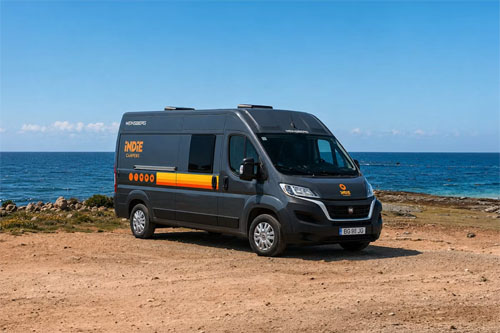
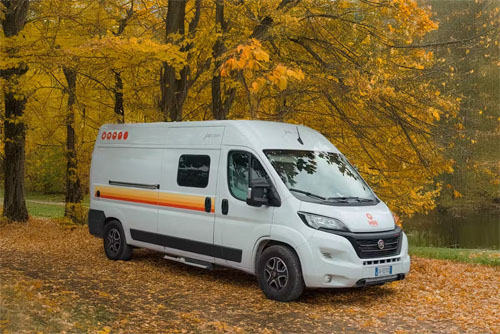
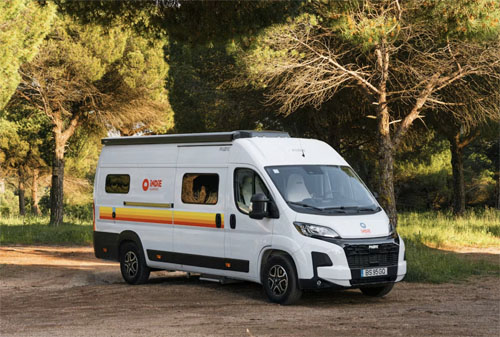
A variety of campervan models are available for hire in Germany, each designed to cater to different travel needs and preferences. For instance, Rent Easy offers nimble models like the 'City Adventure 4x4', which measures 5.99 meters in length and 2.85 meters in height, perfectly designed to comfortably sleep 2 people. This model is ideal for couples seeking a robust yet compact vehicle for adventure. For travelers needing more berths, Indie Campers provides options such as the 'Active Bunk Auto', which sleeps 4 people within its 5.99-meter length and 2.74-meter exterior height, offering efficient use of space for small families or groups of friends.
McRent also provides versatile campervan options, including the 'Urban Standard', measuring 5.14 meters in length. This model can sleep up to 4 people and boasts impressive fuel efficiency of 6-8 liters per 100 kilometers, making it a budget-friendly choice for longer journeys. When considering a Campervan Hire in Germany - Guide Costs Itineraries 2024, it's important to compare these specifications to ensure the chosen vehicle aligns with your travel style and group size. These smaller, more fuel-efficient options are often ideal for exploring scenic routes and accessing charming towns, allowing you to maximize your experience without compromising on comfort. You can also compare pricing structures in our campervan Rental in Germany - Prices and Best Deals 2024 article.
What Fits Inside a campervan — Sleeping, Kitchen, Bathroom
Inside a campervan, the interior is cleverly designed to maximize functionality and comfort within a compact footprint. Sleeping arrangements often feature convertible dinette areas that transform into comfortable beds for two, or efficient bunk setups that can accommodate up to four people, ensuring a good night's rest after a day of exploration. The kitchenette is typically compact but highly functional, featuring a small sink, a two-burner stove for preparing simple yet delicious meals, and a refrigerator to keep your groceries fresh. Fresh and waste water tanks are integrated, allowing for self-sufficiency during your travels. On the routes offered through RV PLANET routes, you can itemize and track every expense along the way for easy budgeting.
Many modern campervans include a compact wet bath, which combines a toilet and a shower in a single, space-saving unit, offering the convenience of an en-suite bathroom. However, some more minimalist campervan models might forgo an onboard shower in favor of relying on external facilities available at campsites or Stellplatze. This design choice often provides more living space or storage. Cooking delicious meals on board is part of the campervan charm; find inspiration with our Campervan-friendly recipes playlist. This thoughtful interior planning allows you to enjoy the comforts of home while on the road, creating an inspiring and supportive travel environment for your German adventure. For those curious about longer adventures, our Weekly campervan Rental in Germany - Pricing 2024 guide offers valuable insights.
Driving and Parking a campervan in Germany
Driving a campervan in Germany offers significant advantages due to its compact size, allowing for easier navigation through narrower city streets and charming scenic routes compared to larger motorhomes. The agility of a campervan, such as the McRent 'Urban Standard', makes exploring both bustling urban centers and picturesque villages a far more relaxed experience. Drive slowly and carefully, and you can drive almost anywhere without issues. No need to stress - just use common sense and pay attention.
Parking a rented campervan in Germany requires vigilance, as while smaller vans might fit into some regular parking spots, most multi-storey or underground car parks are too low for campervans. Travelers should always check posted clearance heights against their van's exterior height, which is listed in the rental agreement. Overnight parking and 'wild camping' are generally restricted in Germany; travelers must primarily rely on designated campsites or official Stellplatze (motorhome parking spots) for legal overnight stays. These purpose-built spots are plentiful and offer a convenient, safe, and legal solution for parking your campervan overnight. For planning family trips, our Family campervan Rental in Germany - Pricing Guide 2024 provides useful information.
Germany Roads and Driving Conditions for Campervans
Germany boasts an excellent road network, including the renowned Autobahn, Bundesstraßen (federal highways), and picturesque country roads, all generally well-maintained and suitable for campervan travel. Most main routes are perfectly adapted for motorhomes and campervans, ensuring a smooth journey across the country. While the Autobahn is famous for its stretches without a general speed limit for cars, campervans typically have specific speed restrictions; for vehicles over 3.5 tonnes, the limit is often 100 km/h. Smaller campervans might face limits of 80 or 100 km/h on certain roads or with trailers, so always pay attention to signage. Mountain roads, especially in the Bavarian Alps, are generally well-engineered and manageable for campervans, though extra caution and slower speeds are always advised on winding passes. Always check for any specific route restrictions or road closures, especially during winter months.
Campervan Parking in German Cities
Finding parking for your campervan in German city centers can be a challenge due to height and length restrictions in many car parks and the presence of 'Umweltzonen' (environmental zones). For city visits, it's often best to utilize designated campervan-friendly parking lots, park & ride facilities on the outskirts, or nearby Stellplatze, and then use public transport to reach the city center. Always check parking signs carefully for any size limitations or permits required. When parking on the street, ensure you are not obstructing traffic or pedestrian areas. Many cities have specific areas marked for larger vehicles, though these can fill up quickly during peak season. Remember, you'll often find more convenient parking solutions on the city fringes or at well-connected Stellplatze.
Germany Driving Licence Requirements for Campervan Rentals
Driving licence requirements for a campervan rental in Germany depend on the vehicle's gross vehicle weight (GVW) and the driver's country of origin. For most standard campervans (Class B vehicles), which typically have a GVW under 3,500 kg (3.5 tonnes), a standard Category B driving licence (the same one used for most passenger cars) is sufficient for drivers over 18 or 21, depending on the rental company's policy. If you plan to rent a larger motorhome that exceeds 3,500 kg GVW, you may need a Category C1 or even a C licence. It is crucial to verify the exact weight specifications of your chosen campervan and confirm with both your rental company and the official authority for Germany to ensure your driving licence meets all legal requirements before your trip. An International Driving Permit (IDP) is often recommended or required for non-EU license holders, always carry your home country's license with it.
Campervan vs. Larger Motorhome in Germany
Campervans, such as the McRent 'Urban Standard' with its impressive fuel consumption of 6-8 liters per 100 km, generally offer superior fuel efficiency compared to larger motorhomes, which typically have higher consumption rates due to their greater weight and size. This makes campervans a more economical choice for longer journeys and for budget-conscious travelers. While campervans provide unmatched maneuverability and easier access to central locations and remote areas, a key advantage for exploring Germany's diverse geography, larger motorhomes offer significantly more living space and comfort. On the other hand, larger motorhomes - such as Class C models, which average about 7.5 meters in length and accommodate 4–6 adults - offer significantly more living space. This makes them better suited for families or longer trips requiring extensive amenities and private spaces.
Ultimately, the choice between a rented campervan and a larger motorhome in Germany depends on your travel style, group size, and budget. For those prioritizing agility, ease of parking, and lower fuel costs, a campervan is an excellent choice. If spacious living, a separate dining area, and larger onboard facilities are more important, a larger motorhome like a Class C might be preferable. Rental prices for campervans are typically lower than for larger motorhomes, though specific rates always depend on seasonality and rental duration. You can check current prices directly in the live price table in this article. Consider your itinerary and what kind of travel experience you envision for your adventure across Germany.
Campervan Hire Costs in Germany (2026)
The cost of campervan hire in Germany varies significantly by season, with higher daily rates observed during peak travel times such as the summer months (June-August) and major holidays like Oktoberfest or Christmas. During the shoulder seasons (April-May, September-October), you can often find more favorable rates, while winter months (November-March) typically offer the lowest prices. For instance, a 7-day campervan rental in Germany starting April 1, 2024, might see prices average around , rising to for a July 24 start, and settling around for a September 30 start. Similarly, a 14-day rental would follow similar seasonal patterns. The final prices are always dynamic, reflecting availability, demand, and supplier promotions.
Rental prices typically include basic insurance coverage and a set amount of mileage, but it’s crucial to factor in additional costs. These commonly include fuel, campsite or Stellplatz fees, optional equipment like navigation systems or outdoor furniture, and an optional upgrade to a top-level deductible for extra peace of mind. A comprehensive daily budget for a campervan trip should encompass not only the rental fee but also estimated expenses for fuel, tolls (where applicable), Stellplatz or campsite fees, groceries for self-catering, and any desired attractions or local public transportation. Remember that on the RV PLANET routes, travelers can itemize and track every expense along the way for easy budgeting. Bandana ensures full transparency with no hidden fees, so what you see is what you get. You can also compare options in our Last-Minute campervan Rental in Germany - What to Expect 2024 guide.
How much does a 1-week / 2-week / 1-month campervan trip cost in Germany?
The total cost for a campervan trip in Germany depends heavily on duration, season, and your travel style. For a 1-week trip, expect rental costs to be higher per day compared to longer durations. A 2-week adventure allows for a more relaxed pace and can be more cost-effective daily. For a full month, daily rental rates generally decrease, offering the best value for extended exploration. Beyond the rental fee, budgeting for fuel (which varies with distance and vehicle model), daily campsite or Stellplatz fees, and groceries for self-catering (saving on restaurant costs) is essential. For example, a month-long trip allows for deeper dives into regions like the Black Forest or the Baltic Coast, truly embracing slow travel at around 100-150 km per day.
Campervan rental cost for couples vs. families with kids in Germany
The campervan rental cost for couples versus families with kids in Germany primarily differs based on the required vehicle size and amenities. Couples often opt for smaller, more agile campervans like a McRent 'Urban Standard', which are more fuel-efficient and can be more affordable. Families with kids, on the other hand, typically require a larger campervan, perhaps one offering 4 berths like an Indie Campers 'Active Bunk Auto', or even considering a compact Class C motorhome if more space is needed. While larger vehicles have higher rental fees and consume more fuel, they offer essential comfort and privacy for families. Budget differences also arise in campsite choices; families often prefer full-service campgrounds with playgrounds and amenities, which are generally more expensive than basic Stellplatze suitable for couples.
Can I find last-minute campervan rental deals in Germany?
Yes, you can sometimes find last-minute campervan rental deals in Germany, though prices are dynamic and vary significantly with demand and availability. During off-peak seasons or mid-week, suppliers may offer discounts to fill their fleet. However, during peak summer months or major events, last-minute bookings are likely to be more expensive due to high demand, and vehicle choice may be limited. For spontaneous travelers, it's worth checking availability, but for popular routes and times, booking a few months in advance generally secures better rates and a wider selection of models like the Rent Easy 'City Adventure 4x4'. Flexibility with your travel dates or pickup locations (like McRent GR — Sangerhausen or Rent Easy GR — Fulda) can also increase your chances of snagging a deal.
I'm flexible — how do I find the cheapest campervan rental?
If you have flexibility, finding the cheapest campervan rental in Germany is entirely achievable by playing with dates, seasons, and vehicle types. Traveling during the shoulder seasons (April-May, September-October) or the low season (November-March) can significantly reduce daily rates. Being open to slightly less popular pickup locations or models can also yield savings. Use a comparison platform like Bandana to compare final prices across 50+ suppliers, allowing you to see which dates and vehicles offer the best value. Opting for a smaller campervan, like an 'Urban Standard', over a larger model can also cut costs, both in rental fees and fuel consumption. Moreover, considering a longer rental period often reduces the effective daily rate, making extended adventures more affordable.
Where to Sleep and Resupply in Germany by campervan
In Germany, campervan travelers primarily utilize a vast and well-organized network of official campsites and 'Stellplatze' for overnight stays. These options offer varying amenities, from basic parking spots to full-service facilities complete with showers, electricity hook-ups, and waste disposal points. This extensive system provides legal and convenient alternatives to wild camping, ensuring peace of mind during your journey. Resupply is incredibly convenient across Germany, with numerous large supermarkets such as Aldi, Lidl, and Rewe located throughout towns and cities. These stores make it easy to replenish groceries, water, and other essentials every few days, allowing you to self-cater and manage your budget effectively.
Many Stellplatze and campsites also provide dedicated facilities for fresh water refills and grey/black water disposal, which are crucial for maintaining self-sufficiency on an extended road trip. You'll find that Germany's infrastructure is very supportive of campervan travel, making it simple to find what you need. Beyond supermarkets, local markets, especially in smaller towns, offer a wonderful opportunity to experience local culture and purchase fresh, regional produce. Travel slowly, max 100-150 km per day on average, and take time to feel the place, connect to the culture, the food, and the scenery. For live availability and current prices for your campervan rental, check our campervan Rental Europe - Complete Guide 2024 for a broader overview.
Can you just drive a campervan anywhere in Germany?
While you can drive a campervan on most German roads, certain restrictions apply, notably regarding environmental zones ('Umweltzonen') in many cities that require a specific 'Umweltplakette' (environmental sticker). These stickers, which classify your vehicle's emission level, are mandatory for entry into designated low-emission zones, and driving without the correct one can result in a fine. Therefore, it's essential to obtain this sticker before attempting to drive into such city centers, especially if your itinerary includes major cities like Berlin, Munich, or Frankfurt. You can often purchase these online before your trip or at vehicle inspection stations (TÜV) in Germany.
Driving campervans into strict urban centers might also be challenging due to narrow streets and limited parking availability, making park & ride options or Stellplatze (designated motorhome parking spots) outside environmental zones practical alternatives. Wild camping or unregulated overnight parking is generally prohibited in Germany; official campsites or designated Stellplatze are the legal and expected places to park overnight. This systematic approach ensures that you can enjoy your campervan adventure responsibly and without unexpected issues. Bandana is committed to full transparency, so you'll always know what to expect.
What is a Stellplatz in Germany?
A 'Stellplatz' in Germany is a specially designated parking area for motorhomes and campervans, offering a legal and often affordable or free alternative to full-service campsites for overnight stays. This unique German system is a cornerstone of campervan culture, providing travelers with convenient locations to park legally and safely. Stellplatze vary widely in amenities, from basic paved parking spots with waste disposal and fresh water access to more elaborate setups that may include electricity hook-ups and even limited shower facilities. They are typically managed by municipalities, private landowners, or businesses, such as vineyards or restaurants.
These popular spots are found across Germany, including near towns, attractions, and scenic routes, and are crucial for embracing the campervan culture and flexible travel. They can often be found using dedicated apps like Campercontact or Park4Night, which provide up-to-date information on locations, amenities, and user reviews. Utilizing Stellplatze allows you to stay closer to points of interest and experience local life more authentically than often possible at remote campgrounds. Many of these offer a basic, no-frills experience perfect for one or two nights, promoting slow travel and exploration. You can upgrade to a top-level deductible for extra peace of mind during your stay.
Are there tolls for campervans in Germany?
No, as of 2024, passenger vehicles, including most campervans (motorhomes under 3.5 tonnes gross vehicle weight), do not pay tolls on German autobahns, making road travel particularly cost-effective for these vehicles. This means you can traverse the country's excellent highway network without worrying about additional charges, unlike in some other European countries. Tolls in Germany are primarily applicable to heavy goods vehicles (HGVs) over 7.5 tonnes, and occasionally for specific tunnels or mountain passes, though these are rare on common tourist routes. This absence of general tolls for campervans significantly reduces the overall cost of your road trip.
Travelers should always verify the specific weight of their rented campervan to ensure it falls within the toll-exempt category for private vehicles. Most campervans available for hire in Germany, such as the 'Urban Standard' or 'City Adventure 4x4', comfortably fall below the 3.5-tonne threshold. This makes Germany an attractive destination for campervan travel, offering an honest and transparent experience with no unexpected road charges. For comprehensive information on planning and budgeting, consult our RV PLANET (rvplan.net) resources.
Do you need a special license to drive a campervan in Germany?
For most campervans available for hire in Germany, a standard Category B driving license, valid for vehicles up to 3,500 kg (3.5 tonnes) gross vehicle weight, is typically sufficient for drivers. This generally applies to individuals aged 18 or 21 and older, though the exact minimum age varies by rental company and location. This means that if you can drive a regular car, you can likely drive a rented campervan like the Indie Campers 'Active Bunk Auto' or McRent 'Urban Plus' without needing any additional endorsements.
Larger motorhomes exceeding 3,500 kg may require a Category C1 or even a C license, but these are typically not classified as the compact 'campervans' discussed here. It's crucial for travelers to always confirm the exact weight limit of their chosen campervan with their rental provider and ensure their driving license meets these requirements. Additionally, non-EU license holders may need an International Driving Permit (IDP) in conjunction with their national license. Always confirm the specific requirements with the official authority for Germany and your rental company before your trip, ensuring a smooth and supportive start to your adventure.
What is the best month to visit Germany in a campervan?
The best months to visit Germany in a campervan generally span from May to September, offering the most favorable conditions for a memorable road trip. During this period, you can expect warm weather, longer daylight hours, and the full accessibility of campsites, Stellplatze, and attractions across the country. This makes it ideal for exploring diverse regions from the Baltic coast to the Bavarian Alps. Shoulder seasons, specifically April/May and September/October, also provide pleasant weather with the added advantage of fewer crowds and potentially lower rental rates, perfect for those who prefer a quieter travel experience while enjoying events like wine harvest festivals.
Winter travel from November to March is also possible and offers unique experiences, such as visiting enchanting Christmas markets or enjoying winter sports in the Alps. However, winter requires a well-equipped campervan, careful route planning to account for snow and ice, and awareness of seasonal campsite closures. Regardless of the season, Bandana offers real support when it matters, guiding you through booking options. Our dedicated team, true campervan specialists, is here to ensure you have all the information for a joyful journey. For a deeper dive into seasonal planning, consider our Weekend campervan Rental in Germany - Pricing 2024 (though we focus on longer trips, the seasonal pricing still applies).
Where can I shower in a campervan in Germany?
Many campervans come equipped with a compact onboard shower, typically integrated within a 'wet bath' setup, which provides a convenient option for quick refreshes while on the go. These onboard facilities are perfect for short showers but often have limited water capacity, requiring mindful use of fresh and waste water. The most common and comfortable way to shower on a campervan trip in Germany is by utilizing the excellent facilities at campsites, which universally offer clean, and often coin-operated, showers. These dedicated facilities provide ample hot water and more spacious surroundings than an onboard shower.
Some larger Stellplatze may also provide communal showers, offering another convenient option for travelers. Additionally, public swimming pools (Hallenbäder) or sports centers, found in most German towns and cities, are reliable options for a more spacious and comprehensive wash, often for a small fee. This flexibility ensures that you can always find a comfortable showering solution throughout your German campervan adventure, making your trip both comfortable and supportive. For finding campsites and campgrounds during your trip, we recommend using RV PLANET (rvplan.net).
How much does it cost to rent a campervan in Germany?
The cost to rent a campervan in Germany varies significantly based on several key factors, including the rental season, the specific model and size of the campervan (e.g., a compact 'Urban Standard' versus a larger 'Active Bunk Auto'), and the overall duration of your trip. Rental prices are consistently higher during peak summer months and major holidays due to increased demand, while the shoulder seasons (spring and autumn) offer more moderate rates, and winter typically presents the lowest prices. It's important to remember that prices are dynamic, much like flight tickets, and can change daily based on availability and supplier marketing decisions.
Basic rental fees typically cover the vehicle and a certain amount of mileage, but additional costs can add to the overall expense. These may include optional insurance excess reduction (such as Bandana's top-level deductible reimbursement), bedding and kitchen kits, one-way fees if you plan to pick up in one city like Hamburg and return in another like Munich, and additional mileage packages. Bandana offers full transparency, ensuring no hidden fees or surprises at booking. We compare final prices across 50+ suppliers, making it easy for you to find the best deal for your German campervan adventure.
How much money do I need per day for a campervan trip in Germany?
Beyond the rental cost, a realistic daily budget for a campervan trip in Germany should typically account for fuel, which can range widely depending on the campervan model, its fuel efficiency, and the distance you plan to drive each day. Expect to budget for Stellplatz or campsite fees, which can vary significantly; basic Stellplatze might be free or cost €5-€20 per night, while full-service campsites with extensive amenities can range from €20-€50 per night, depending on location and season. Utilizing Stellplatze can be a budget-savvy way to manage overnight expenses.
Additional daily expenses include groceries for self-catering, which offers significant savings compared to dining out for every meal. Budget for groceries for two people, depending on your culinary preferences. Don't forget potential entrance fees for attractions, occasional public transport costs for city visits (especially if using park & ride), and a small buffer for unexpected delights. Bandana supports your budgeting by offering full price transparency from the outset. For comprehensive route planning, including expense tracking, explore RV PLANET routes, where you can itemize and track every expense along the way for easy budgeting.
Emergency Preparedness & Support
In case of a breakdown during your campervan trip in Germany, the first crucial step is to contact your rental provider's emergency roadside assistance. Their contact details are typically provided at vehicle pickup and should be kept readily accessible. Most reputable rental companies have robust support networks to assist with technical issues, often dispatching a local service to your location. For medical emergencies, Germany boasts an excellent healthcare system; travelers should ensure they have adequate travel insurance that covers medical emergencies and understand their policy's procedures for seeking care. The pan-European emergency number 112 should be called immediately for police, fire, or ambulance services in serious situations.
Preparing for your trip also involves understanding basic German traffic laws, such as speed limits, environmental zones, and parking regulations. Always carry a first-aid kit, keep essential documents (driving licence, vehicle registration, rental agreement, and insurance details) readily accessible, and have a charged mobile phone. While Bandana provides support during business hours for pre-booking comparisons and post-booking coordination, for on-trip technical breakdowns, only the local rental supplier's support team has the necessary technical knowledge and authority to advise renters. Outside business hours, Bandana's help is limited to serious emergencies such as injury accidents or illness, ensuring you have real support when it matters. This supportive approach helps ensure a safe and enjoyable trip.
Is it worth renting a campervan in Germany?
Renting a campervan in Germany offers unparalleled freedom and flexibility to explore diverse landscapes, from the majestic Bavarian Alps to the serene Baltic coast, entirely at your own pace. This mode of travel allows you to craft dynamic itineraries, stopping spontaneously at charming villages, scenic viewpoints, or local attractions that might otherwise be missed. It can also be a remarkably cost-effective way to travel for couples or small families, as it combines accommodation and transport expenses into one, especially when utilizing Germany's extensive network of Stellplatze and opting for self-catering with local produce.
For those seeking authentic local experiences, access to off-the-beaten-path locations, and the ability to adapt itineraries on the fly for seasonal events or new discoveries, a campervan provides a truly unique and memorable way to see Germany. Imagine waking up to a different view each morning, having your kitchen for a healthy breakfast, and being able to combine luxurious hotel stays with occasional nights immersed in nature. The price difference between a campervan rental and a standard car plus hotel stays is not dramatic for travelers seeking the best of both worlds, making it a compelling option for an inspiring adventure. We compare final prices across 50+ suppliers so you don't have to.
Is a campervan Right for Your Germany Trip?
For a couple or two friends seeking an agile and budget-conscious way to explore Germany's diverse regions, a campervan offers excellent flexibility to visit both cities and natural parks. Its compact size and maneuverability make it ideal for navigating smaller roads and finding parking spots that might be inaccessible to larger vehicles. If your itinerary focuses heavily on accessing city centers, a campervan's smaller size is advantageous, but requires careful planning for environmental zones and understanding urban parking solutions. Models like the Rent Easy 'City Adventure 4x4' are perfect for this nimble exploration.
On the other hand, if you're a small family or prioritize spacious living and extensive amenities for a longer trip, a larger motorhome might be a more comfortable choice. While campervans provide essential comforts, the added space of a Class C motorhome can make a significant difference for extended stays or specific destinations like remote winter sports areas. When deciding, consider your group size, desired level of comfort, and the type of destinations you plan to visit. Bandana, with its direct partnerships with 50+ leading campervan suppliers worldwide, including Apollo and Britz, helps you find the perfect campervan for your German adventure. Get inspired for your next trip!
What You Shouldn't Miss
- Explore the Romantic Road: Drive through picturesque towns like Rothenburg ob der Tauber and Fussen, ending at Neuschwanstein Castle. This route is perfect for campervans, offering numerous Stellplatze along the way.
- Discover the Black Forest: Immerse yourself in dense forests, charming villages, and stunning lakes. Enjoy hiking, cycling, and indulging in local culinary delights like Black Forest cake. Many campsites cater specifically to motorhomes.
- Visit Berlin's Historic Sites: Park your campervan at an outskirts Stellplatz and use public transport to explore iconic landmarks like the Brandenburg Gate, Reichstag Building, and East Side Gallery. Remember your 'Umweltplakette'!
- Cruise the Baltic Coast: Head north to discover sandy beaches, vibrant seaside resorts like Warnemunde, and the stunning white cliffs of Rügen Island. This region offers numerous coastal campsites. Consider a one of the RV PLAN routes listed below for a taste of this region.
- Experience Bavaria's Alps and Lakes: From Munich, venture south to enjoy breathtaking mountain scenery, crystal-clear lakes, and traditional Bavarian culture. Explore routes like one of the RV PLAN routes listed below for an extended adventure.
- Delve into the Mosel Valley: Drive along the winding Mosel River, famous for its vineyards, charming wine villages, and impressive castles. Numerous Stellplatze are located right by the river, perfect for wine tasting and scenic views.
Looking for expert insights from Avi Bandana? Top 5 Adventures — recommendations from Avi Bandana
For even more personalized recommendations and unique experiences, check out Avi Bandana's top adventure picks. With over 25 years of hands-on experience, Avi knows the ins and outs of campervan travel across 5 continents, including special spots in Germany.
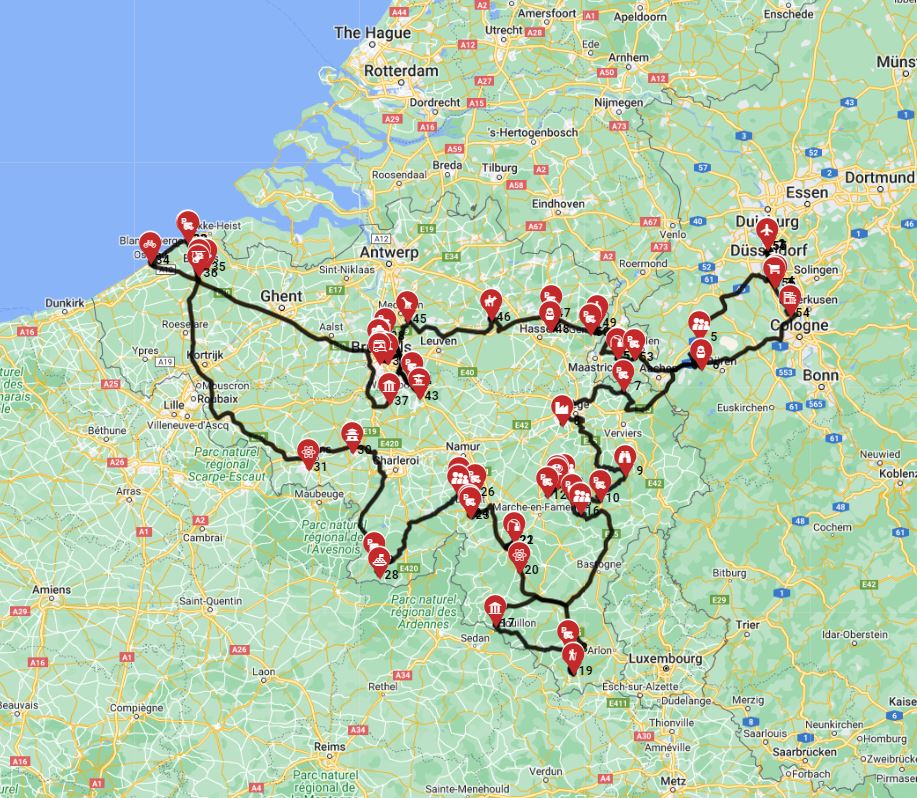
Suggested RV PLAN Routes
Suggested RV PLAN Routes
Ready-made itineraries from our sister site RV PLANET, each with daily stops, campgrounds and attractions along the way.

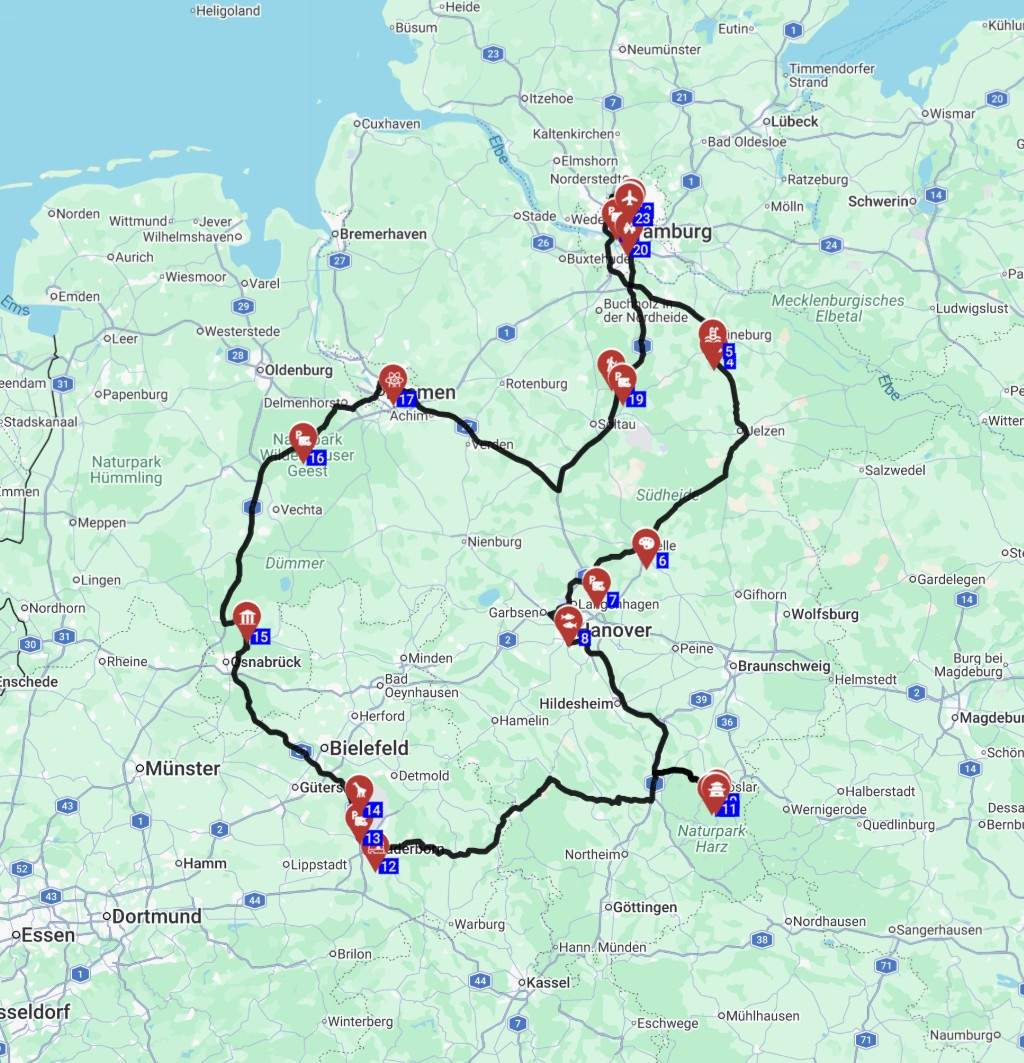
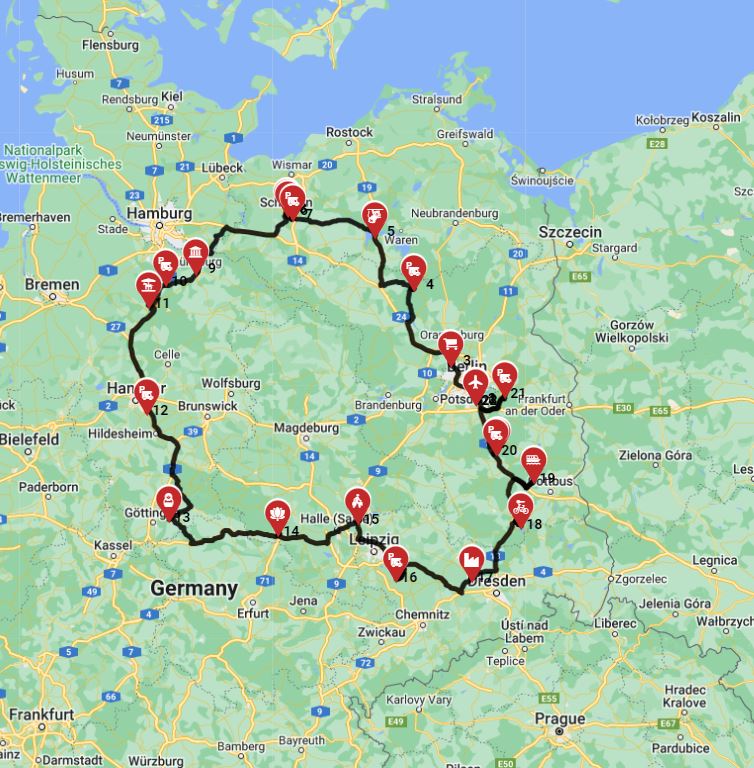
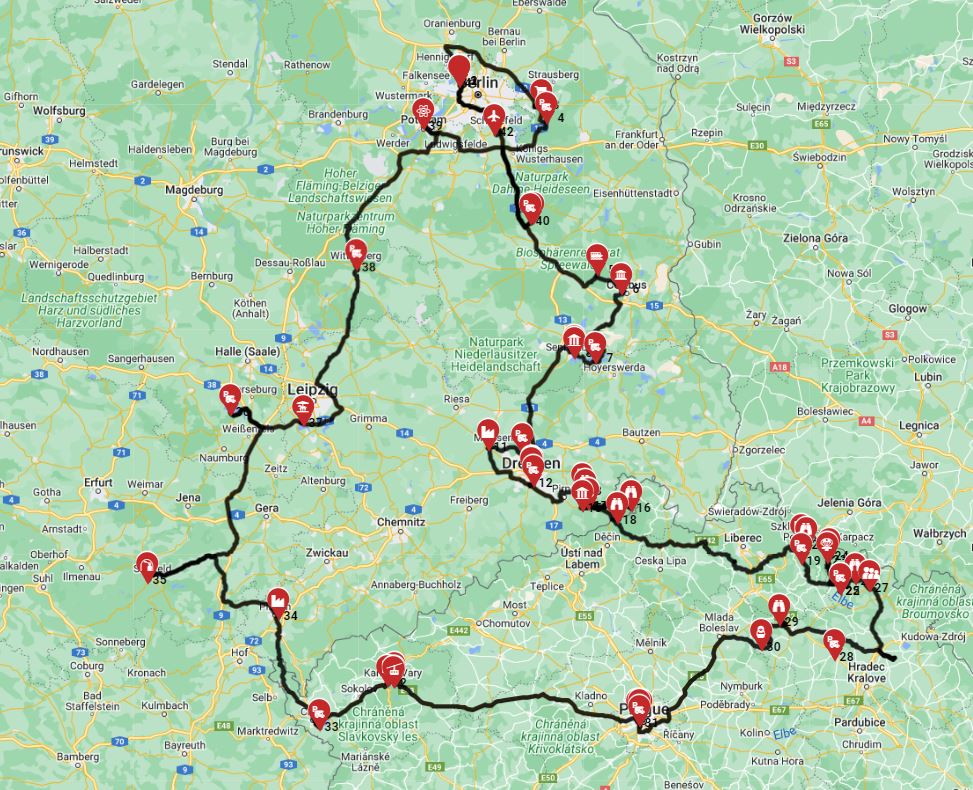
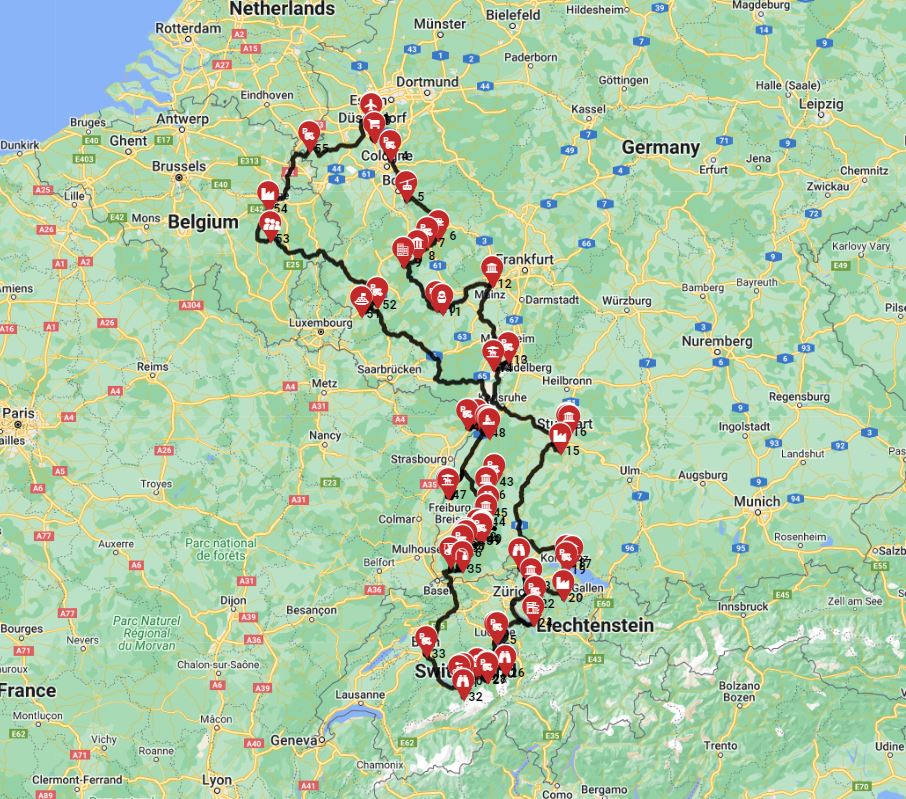
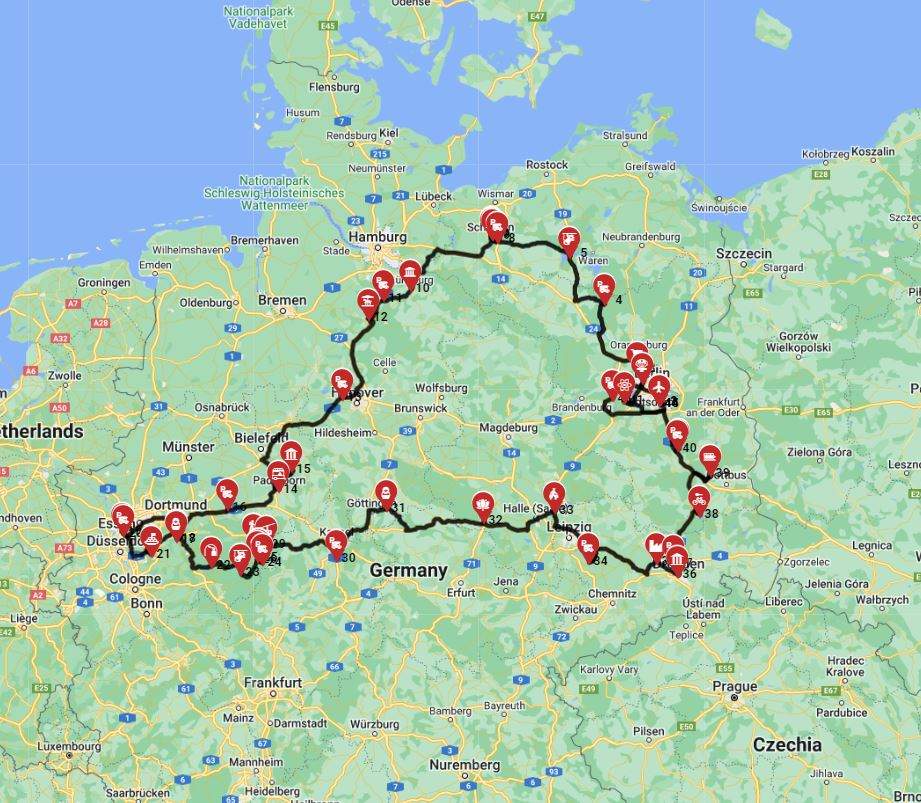
Berlin Roundtrip - South East to Germany & Czechia
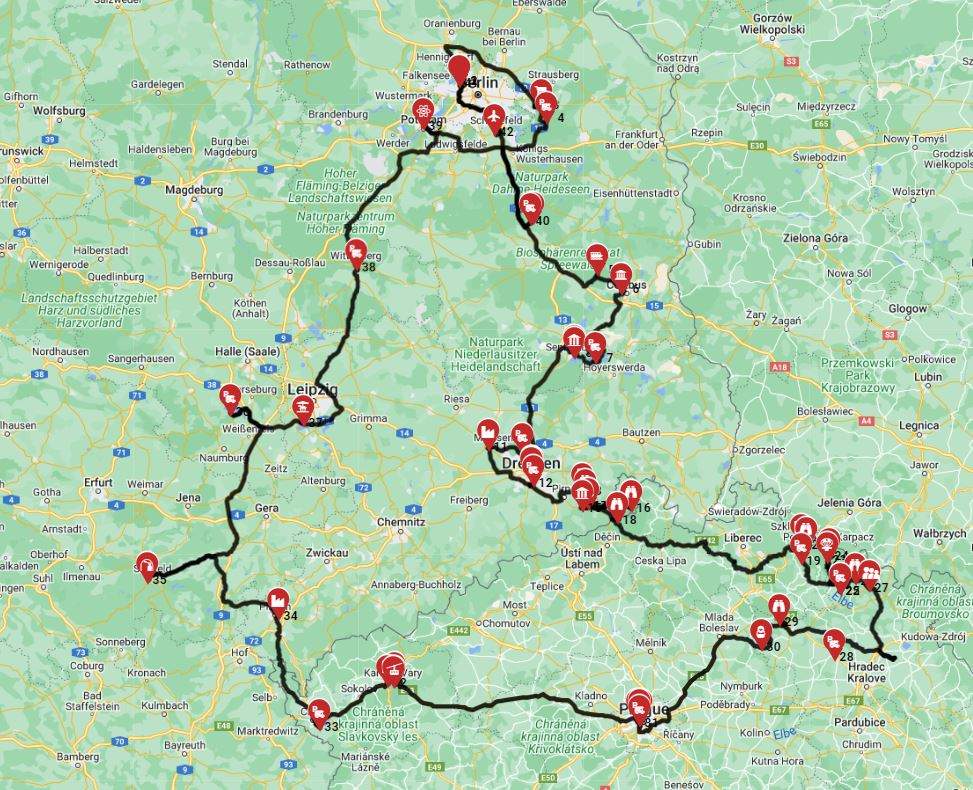
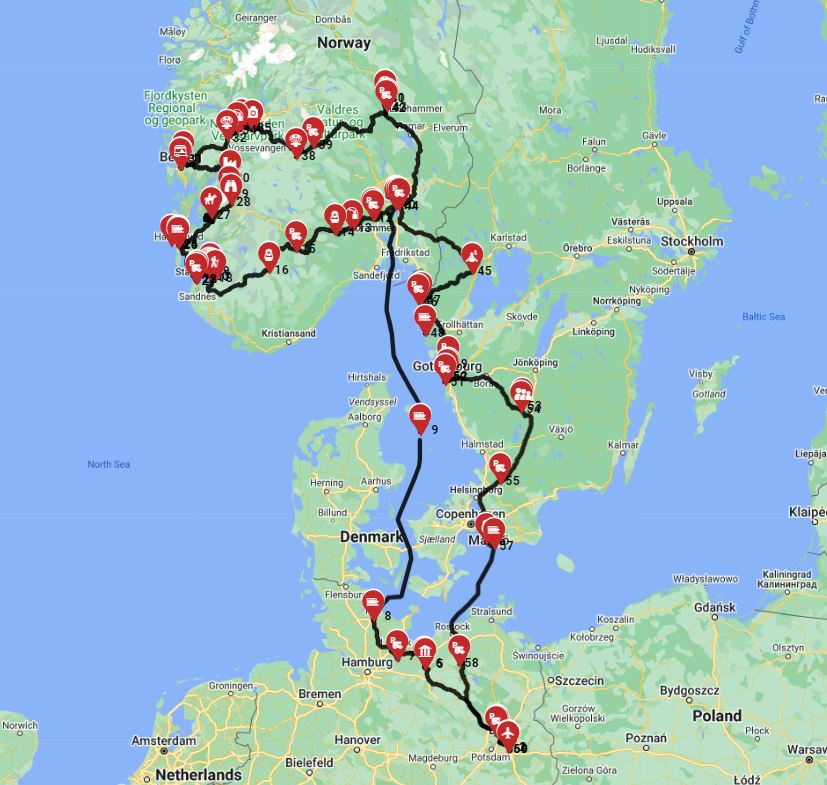
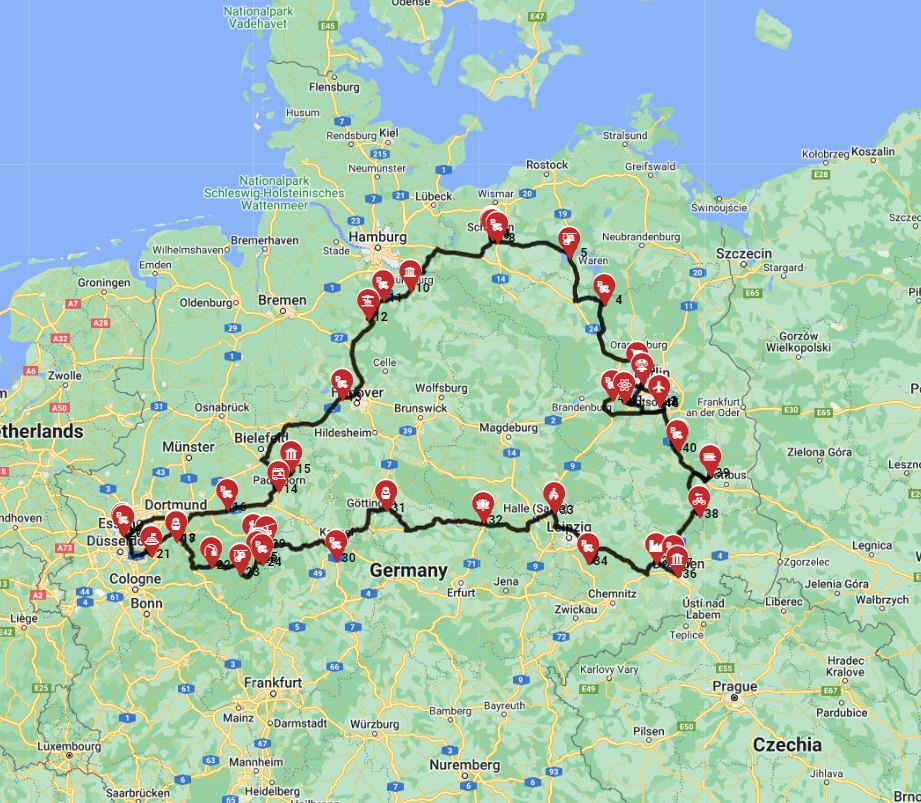
Berlin Roundtrip - Northern Germany - Short
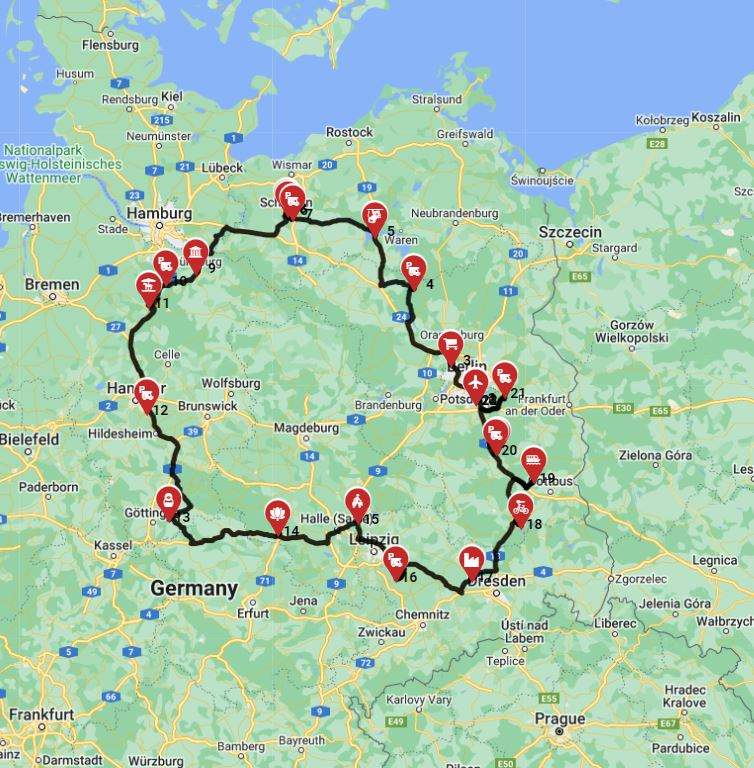
Munich Roundtrip - East - Germany, Austria, Czechia
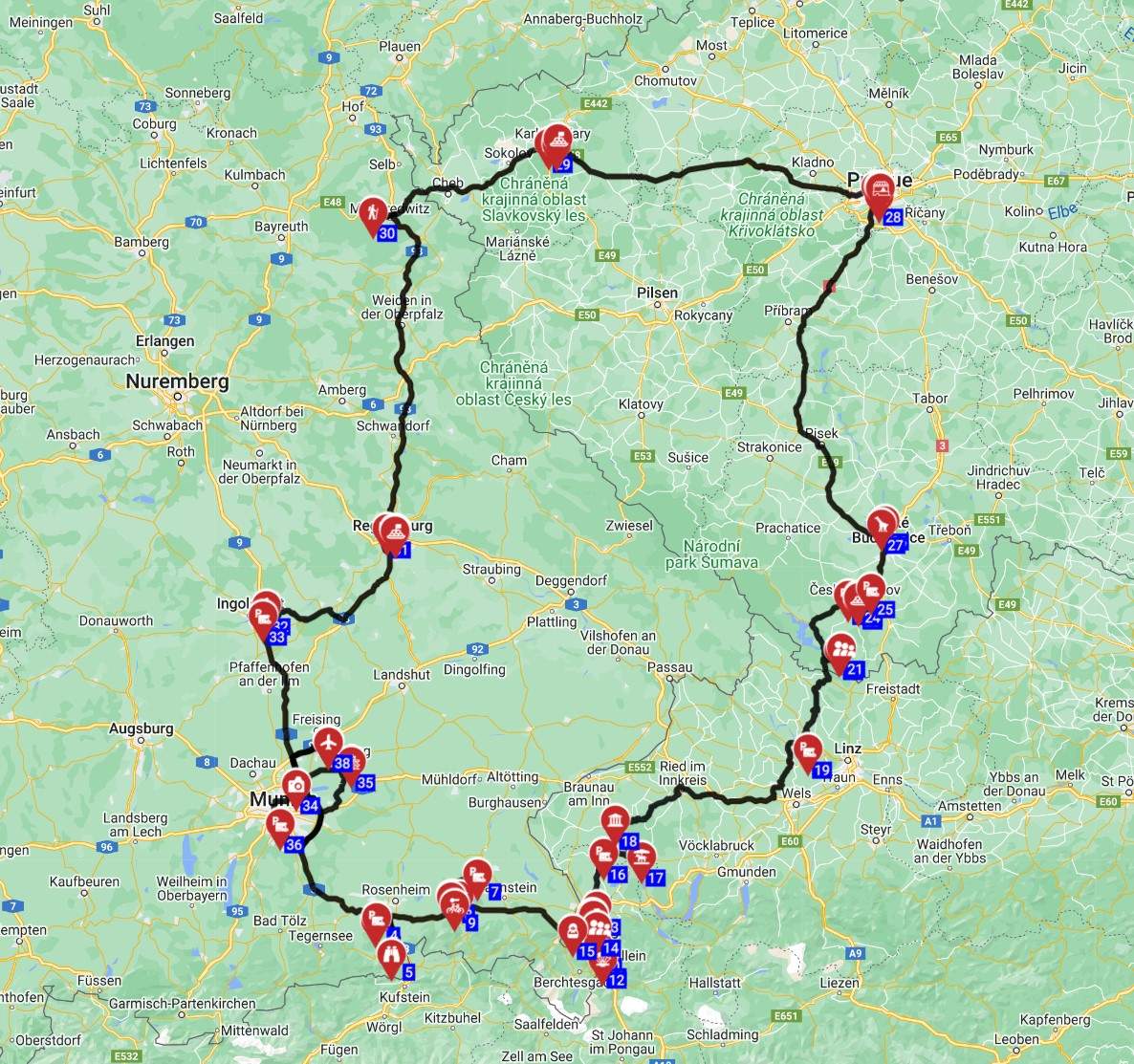

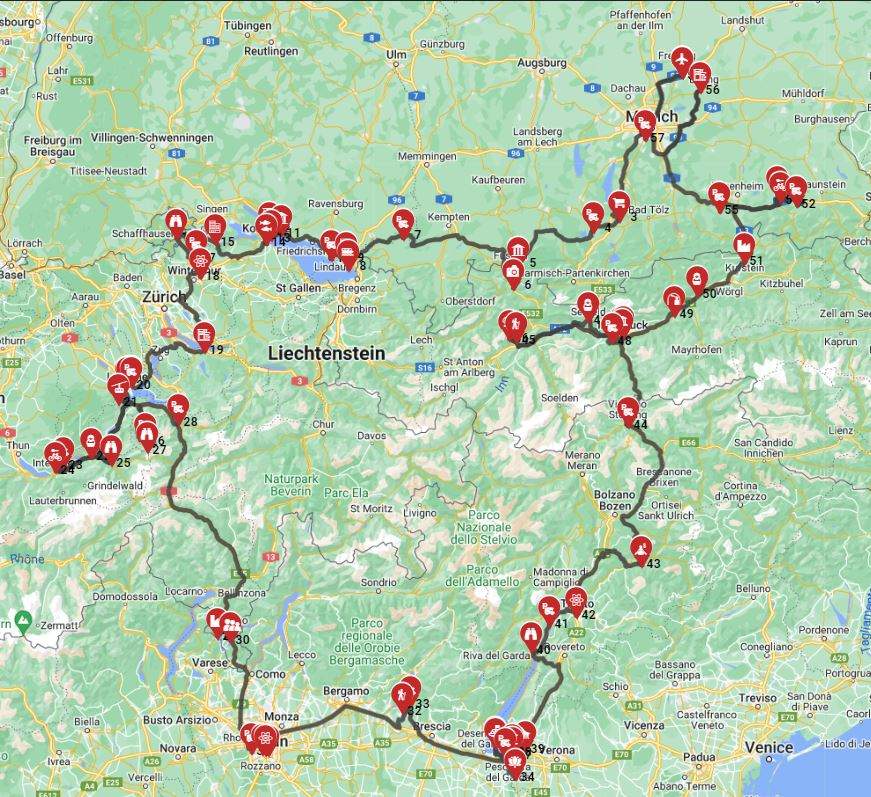
Munich Roundtrip - South West - Exploring Germany, Switzerland, Austria, and Northern Italy
Why Book with Bandana Caravan
Full Transparency, No Surprises
We believe in honest pricing. With Bandana, the price you see is the price you pay, guaranteed. No hidden fees, no last-minute charges, just clear, straightforward costs.
Real Support When It Matters
Our business-hours support team of true campervan specialists is here to help with pre-booking comparisons, booking assistance, and post-booking coordination. For serious emergencies during your trip, we’re also here to support you.
Top-Level Deductible Reimbursement
Travel with complete peace of mind. Bandana offers an optional upgrade to top-level deductible reimbursement, minimizing your financial risk and ensuring a worry-free journey.
Expert Pre-Planned Routes: Rent&Plan
Take the guesswork out of planning with our Rent&Plan service. Access professionally crafted itineraries through RV PLANET (rvplan.net), complete with suggested stops and attractions, and get a 25% planning discount when you use it.
Bandana Caravan, founded in 2001, has over 23 years of experience helping tens of thousands of travelers explore the world by campervan. We have direct partnerships with 50+ leading campervan suppliers worldwide, including El Monte, Apollo, and Britz. Our sister company, RV PLANET (rvplan.net), offers 1,300+ pre-planned routes across 5 continents, covering 50+ countries. We offer bookings in 30+ currencies with full price transparency, meaning no hidden fees or conversion commissions.
Final Thoughts
Renting a campervan in Germany offers an extraordinary opportunity to experience this diverse country with unparalleled freedom and flexibility. Whether you're drawn to historical cities, scenic mountain roads, or tranquil coastlines, a campervan allows you to create your own adventure, adapting your plans as you discover new hidden gems. From the efficiency of a compact 'Urban Standard' to the comfort of an 'Active Bunk Auto', there's a perfect campervan waiting to be your mobile home.
Embrace the German campervan culture by utilizing the extensive network of Stellplatze, exploring local markets for fresh produce, and connecting with the rich history and vibrant landscapes. With Bandana's transparent pricing, expert support, and comprehensive planning tools like RV PLANET (rvplan.net), your German road trip is set to be inspiring and stress-free. So, pack your bags, choose your route, and prepare for an unforgettable journey.
Discover top destinations, planning tips, all in one place! Plan a trip itinerary in advance with minimal effort and maximum enjoyment. Compare Campervan Prices for Germany now.
Renting a campervan can be a meaningful upgrade over combining a standard car rental with hotel stays. It lets you set your own pace and balance stays at luxurious hotels with occasional nights spent immersed in nature. Even from day to day, choosing a campervan instead of a standard car gives you a kitchen with a fridge, an en-suite bathroom, and a comfortable bed for a healthy midday siesta. Overall, the price difference between renting a campervan and a standard car is not dramatic for travelers who want the best of both worlds, combining the pleasures of nature with stays at luxurious hotels.