Campervan rental prices in Marseille for 2027
Live prices for a round trip from Marseille, starting 1 April, 24 July and 30 September 2027. Prices update daily and are shown by Bandana at the time you view this page.
| Start date · trip length | Campervan class B |
|---|---|
| 01/04/2027 · 1 week (return 08/04) | 629.70 € EUR |
| 01/04/2027 · 2 weeks (return 15/04) | 955.15 € EUR |
| 01/04/2027 · 1 month (return 01/05) | 1,562.44 € EUR |
| 24/07/2027 · 1 week (return 31/07) | 629.70 € EUR |
| 24/07/2027 · 2 weeks (return 07/08) | 955.15 € EUR |
| 24/07/2027 · 1 month (return 23/08) | 1,562.44 € EUR |
| 30/09/2027 · 1 week (return 07/10) | 629.70 € EUR |
| 30/09/2027 · 2 weeks (return 14/10) | 955.15 € EUR |
| 30/09/2027 · 1 month (return 30/10) | 1,562.44 € EUR |
Prices and availability change. Confirm the final total in your search before booking. Search live prices in Marseille
In This Guide
- Campervan Hire in France — What You Get
- Campervan Models Available for France
- What Fits Inside a campervan — Sleeping, Kitchen, Bathroom
- Driving and Parking a campervan in France
- Campervan vs. Larger Motorhome in France
- Campervan Hire Costs in France (2026)
- Where to Sleep and Resupply in France by campervan
- Is a campervan Right for Your France Trip?
- What are France Passion and Aires, and how do they work for campervans?
- What unique routes and hidden gems can I explore with a campervan in France?
- Where can I wild camp legally in France by campervan?
- Are there specific driving challenges for campervans in French cities or mountainous regions?
- How can I practice sustainable and ethical campervan travel in France?
- What are the best apps and tech tools for campervan travel in France?
- What should I do in a campervan emergency or breakdown in France?
- What You Shouldn't Miss
- Why Book with Bandana Caravan
- Final Thoughts
- Frequently Asked Questions
Imagine yourself on the route, winding through sun-drenched vineyards, historic villages, and along dramatic coastlines, all from the comfort and flexibility of your own mobile home. Campervan hire in France offers an unparalleled way to explore this diverse country at your own pace, connecting with its culture, food, and stunning scenery. From the moment you pick up your rented campervan, you unlock a world of freedom, whether you're a pre-planner who loves everything organized or a spontaneous traveler who prefers to book day-to-day. For live availability and current prices, start with our campervan Rental France - Complete Guide 2026 guide.
Campervan Hire in France — What You Get
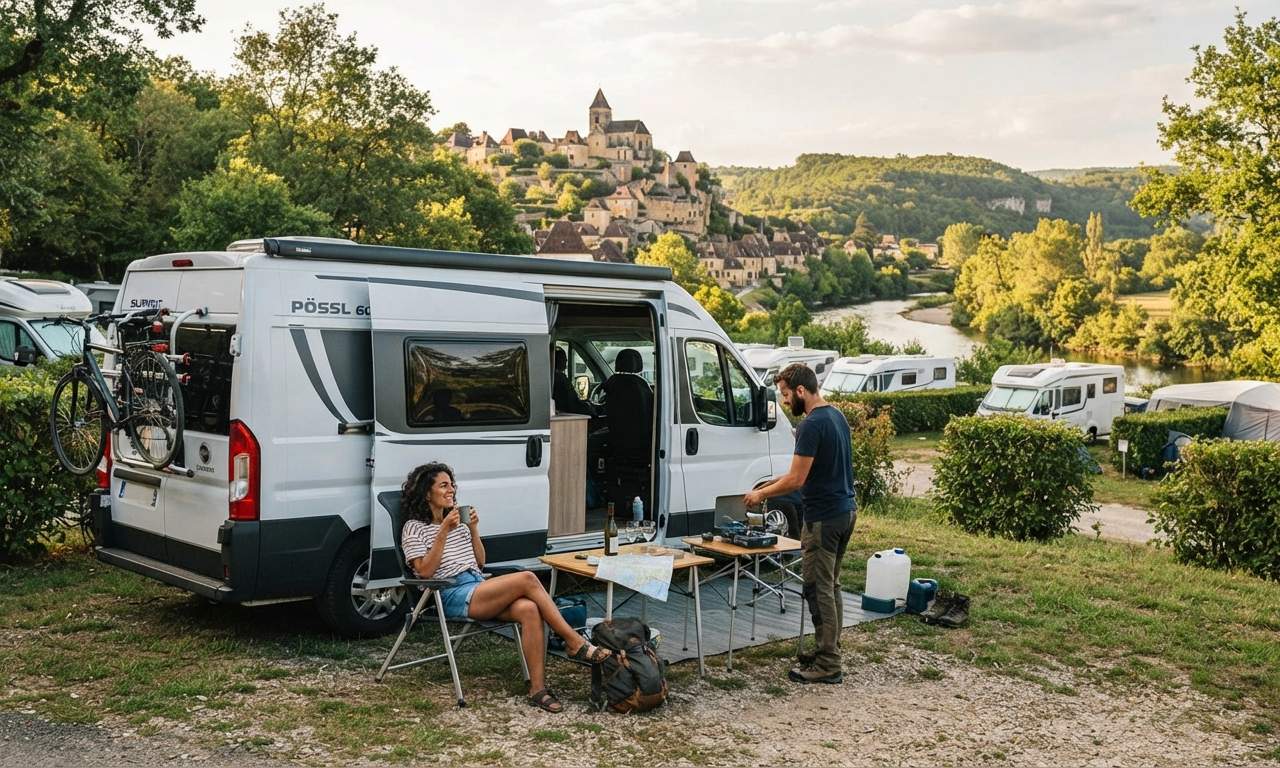
A rented campervan (often a Class B or compact van) in France is ideal for 2-4 travelers seeking agility and a perfect balance of comfort and mobility for an extended road trip. These versatile vehicles typically offer compact living spaces, thoughtfully designed to include comfortable sleeping areas, a practical basic kitchenette, and sometimes even a small, efficient bathroom, making them excellent mobile headquarters for your adventure. With their smaller footprint, campervans are exceptionally well-suited for navigating France's charming cities, picturesque villages, and narrower country roads, allowing you to access places larger motorhomes might struggle with.
While you might not find a campervan rental station on every street corner, Bandana partners with suppliers across France, including popular pickup points such as Avis in Lyon (address: 26 Rue d'Arsonval, 69680 Chassieu, France), located about 220 km in a straight line from central France, or Indie Campers FR, also in Lyon (address: 256 Bcle de Satolas, 38540 Grenay, France), approximately 231 km from central France. Another convenient option is Avis in Bordeaux (address: Zone artisanale La Garosse, 24 Pass. du Parc, 33240 Saint-André-de-Cubzac, France), about 246 km in a straight line from central France. These locations offer flexible starting points for your French campervan adventure.
Campervan Models Available for France
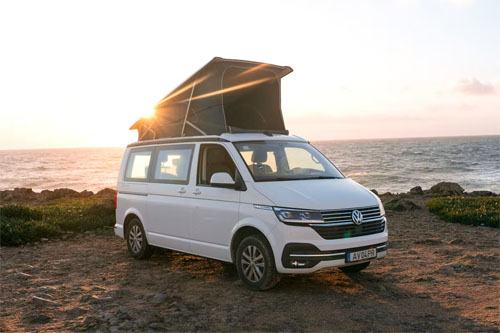
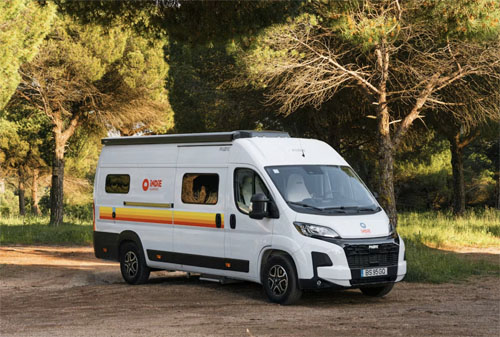
Several excellent campervan models are available for hire in France, specifically designed for compact and agile travel, ensuring you find the perfect fit for your needs. The 'Combi Van' from Avis is a popular choice, measuring around 5 meters long with an exterior height of 2 meters, sleeping 4, and offering superb maneuverability for French roads. For those desiring a slightly larger option without sacrificing the benefits of a compact vehicle, the Indie Campers 'California Grand' is 5.99 meters long with an exterior height of 2.99 meters and also sleeps 4, providing more interior space while remaining a highly accessible choice for diverse itineraries. Another standout is the 'California Standard' from Indie Campers, which is 4.99 meters long, has an exterior height of 2.07 meters, comfortably sleeping 4 adventurers.
What Fits Inside a campervan — Sleeping, Kitchen, Bathroom
Inside a rented campervan, every inch is ingeniously utilized to provide comfort and functionality for your road trip. Sleeping arrangements often involve flexible convertible beds, such as a "rock-and-roll" bench that easily transforms into a cozy double bed, or clever fixed bunk beds, ensuring a good night's rest for everyone on board. Kitchenettes are compact yet functional, typically featuring a gas hob for cooking, a small fridge to keep your perishables fresh, and a sink with a limited water capacity, perfect for preparing simple, delicious meals on the go. If you love cooking, be sure to check out our Campervan-friendly recipes playlist for inspiration. While many campervans include a small chemical toilet and often a pull-out shower, space is at a premium; therefore, travelers frequently opt to use the more spacious and comfortable facilities available at campsites or 'aires de service' when these amenities are not included within their campervan.
Driving and Parking a campervan in France
Driving a rented campervan in France offers significant advantages due to its compact size, allowing for much easier navigation through narrow village streets and better access to many city centers where larger motorhomes may struggle. While campervans generally fit into standard car parking spaces, caution is always advised as most multi-storey or underground car parks are too low for many campervans; always check the posted clearance sign against your van's exterior height, which is listed in your rental agreement. Overnight parking rules for campervans vary significantly by municipality in France; free wild camping is generally tolerated in rural areas away from protected sites, but specific local regulations should always be consulted, particularly with signs like 'Interdit de camper'. Driving on stunning mountain passes or narrow coastal roads is significantly less challenging with a campervan compared to a larger motorhome, making France's most scenic routes more accessible and enjoyable.
For finding campsites and campgrounds during your trip, we recommend using RV PLANET (rvplan.net) - a great resource for locating available spots along your route. You can find many campervan-friendly parking options at designated 'aires de service' or public parking lots outside city centers. Always pay attention to signage and local regulations to avoid fines.
Campervan vs. Larger Motorhome in France
When choosing between a rented campervan and a larger motorhome for your French adventure, several key differences come into play. Campervans also excel in accessibility, easily navigating city streets and smaller villages, and generally finding parking with less difficulty than a larger motorhome. On the other hand, larger motorhomes - such as Class C models, which average about 7.5 meters in length and accommodate 4–6 adults - offer significantly more living space, providing enhanced comfort and dedicated living areas, which is a major trade-off for families or those prioritizing spaciousness. Ultimately, a larger campervan is often the better choice for longer trips with more occupants, or for travelers who prioritize extensive amenities and a fixed bathroom over urban accessibility and fuel economy.
Considering a rented campervan over a standard car rental plus hotel stays offers a unique blend of freedom and convenience for exploring France. You can set your own pace, combining luxurious hotel stays with occasional nights immersed in nature, waking up to breathtaking views right outside your door. You'll enjoy the practical benefits of a compact kitchen with a fridge for fresh local produce, an en-suite bathroom for added privacy, and a comfortable bed for a healthy midday siesta. The price difference between a campervan and a standard car isn't dramatic for travelers seeking the best of both worlds: natural immersion combined with the flexibility to indulge in luxurious hotel experiences when desired.
Campervan Hire Costs in France (2026)
Campervan hire costs in France fluctuate seasonally, with daily rates generally higher during peak summer months (July-August) and lower in the shoulder seasons (May-June, September-October). A typical rental package usually includes the vehicle itself, basic insurance coverage, and a certain mileage allowance, providing a clear starting point for your budget. However, be aware that add-ons such as additional drivers, convenient kitchen kits, and premium insurance tiers (like a top-level deductible for extra peace of mind) usually incur extra charges. Budgeting for a campervan trip should also meticulously account for fuel, which can vary across regions, and campsite fees, which typically range from moderate to higher depending on amenities and location. The standard deductible for insurance can be substantial, though options for reducing or waiving this amount are usually available for an additional daily fee. For an overview of estimated daily rates across various vehicle classes and trip durations, consult the comparison table below. Prices shown are flex-rate estimates and may change based on demand and booking time. Check live prices by clicking the link to return to the search box, and remember that on RV PLANET routes, travelers can itemize and track every expense along the way for easy budgeting. On the routes offered through RV PLANET routes, you can itemize and track every expense along the way for easy budgeting.
To give you a real sense of rental costs, consider pricing examples for same-city Class B campervan rentals in 2026 for 7- and 14-day durations. Starting on April 1, July 24, and September 30, prices are dynamic and reflect availability and seasonal demand, so what you see at the moment of inquiry is what you pay, with no surprise fees at pickup. For detailed, current prices, please refer to the live price table on our website.
🎬 Video coming soon
Where to Sleep and Resupply in France by campervan
Overnight options for rented campervans in France primarily include a vast network of well-equipped campsites, which offer essential amenities like showers, toilets, and utility hook-ups, ensuring a comfortable stay. Beyond traditional campsites, France boasts an impressive system of 'aires de service' or 'aires de camping-car', which are dedicated motorhome parking areas often providing basic services such as water and waste disposal. Many 'aires' are free for a limited stay (typically 24-48 hours), while others require a small fee for overnight parking or specific amenities, providing a cost-effective alternative to traditional campsites. France Passion offers a unique and highly recommended experience, allowing free overnight stays at hundreds of farms, vineyards, and artisanal producers, granting unparalleled access to local culture and produce in exchange for self-sufficiency. Free overnight parking for campervans is generally tolerated in rural areas, national forests, and designated parking spots, provided no local bylaws prohibit it and you adhere to a strict 'leave no trace' philosophy. For resupply, large supermarkets like Carrefour, Leclerc, and Auchan are abundant across France, easily accessible from major routes, and ideal for stocking up on groceries, water, and other essentials, typically on a two-to-three-day rhythm for a seamless trip.
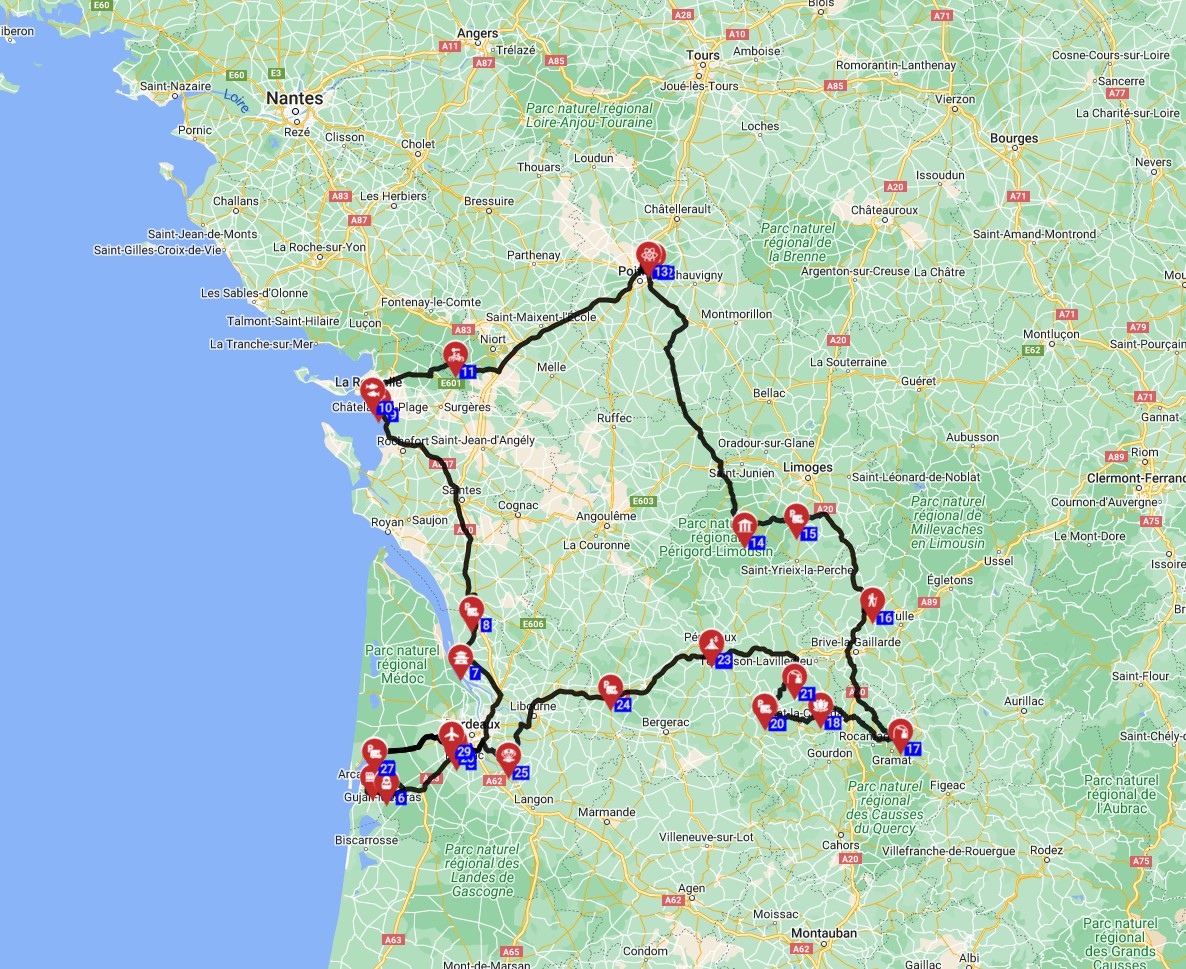
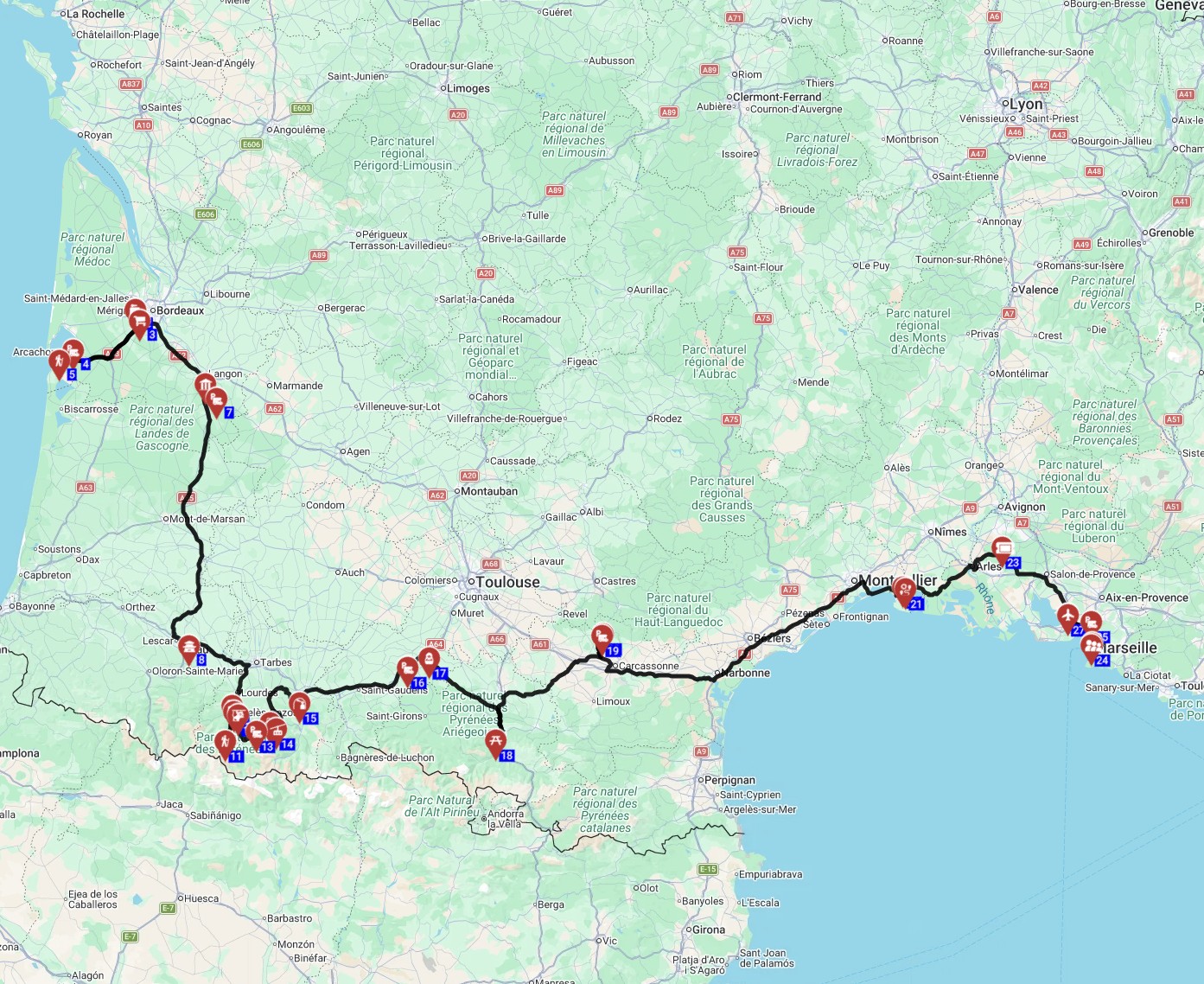
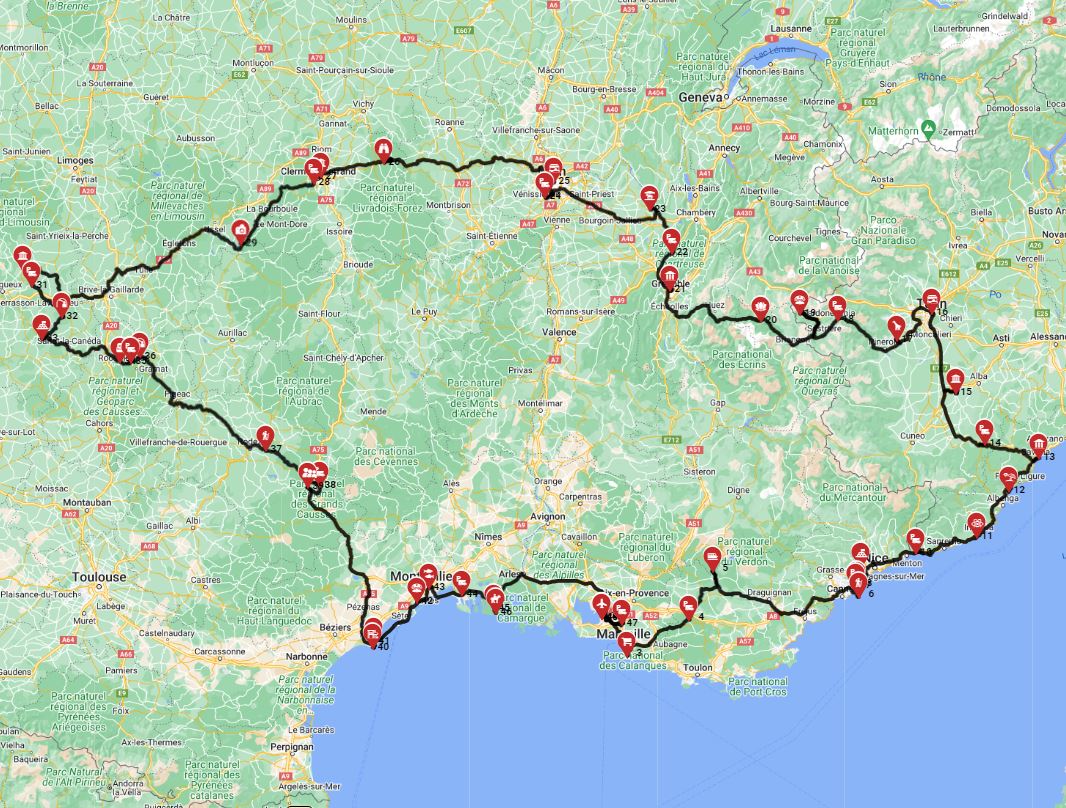
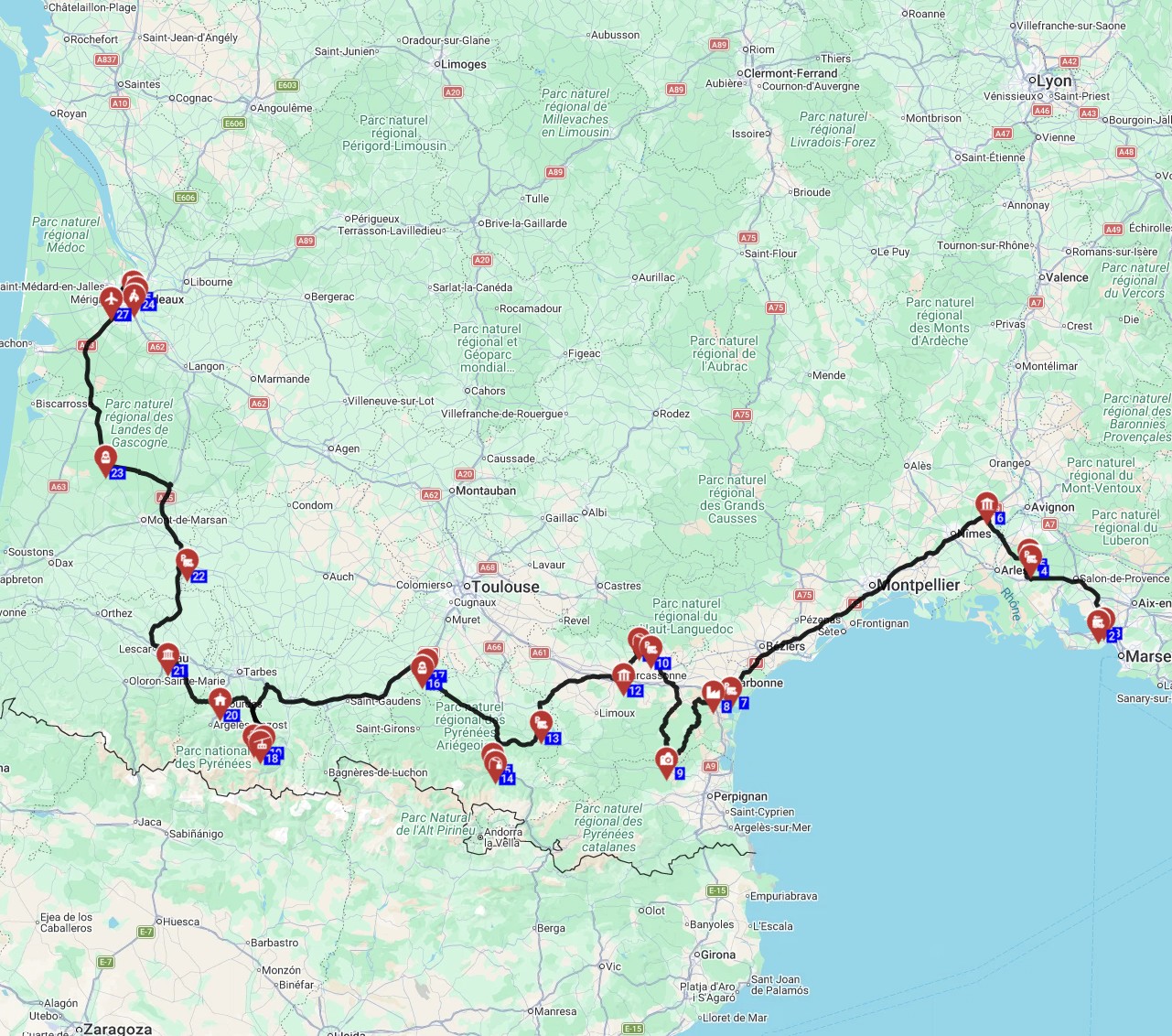
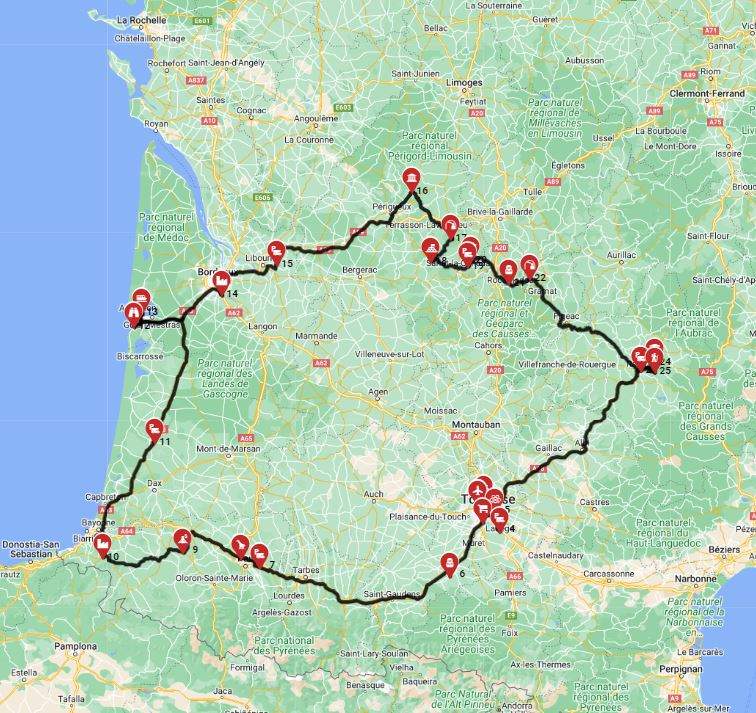
To deepen your exploration of France, consider an itinerary like the one described as one of the RV PLAN routes listed below, an 8-day, 1301.2 km journey starting and ending in Toulouse. This route invites you to discover botanical gardens, explore caves, enjoy canoeing, hiking, and engage with local industry and traditional restaurants. It's a fantastic way to immerse yourself in the rich cultural tapestry and natural beauty of Southwestern France.
Is a campervan Right for Your France Trip?
Deciding if a rented campervan is the perfect vehicle for your French adventure often comes down to your travel style and priorities. A campervan is ideal for a couple seeking adventure, offering unparalleled flexibility to explore both bustling cities and remote, serene areas with intimate comfort and ease. It is also perfect for two friends on a road trip, providing sufficient space for shared driving, comfortable sleeping arrangements, and convenient cooking facilities, thereby enhancing camaraderie and shared experiences. While a campervan can work for a small family with young children, it is important to consider the compact living space and potentially limited bathroom facilities; for longer trips or those prioritizing more extensive amenities, larger motorhomes might offer greater comfort. For off-season travel, a campervan is excellent, providing warmth and shelter while allowing access to fewer crowds and unique local experiences. Finally, for a city-heavy itinerary, a campervan's compact size makes it superior for navigating French cities, finding parking, and accessing central locations compared to much larger campervans. If these scenarios resonate with your travel aspirations, a campervan could truly be the perfect vehicle for your unforgettable French adventure. Explore the options and embark on your journey! For more ideas on how to plan your itinerary, you might find our guide on "Family campervan Rental in France - Pricing Guide 2026" helpful.
What are France Passion and Aires, and how do they work for campervans?
France Passion is a remarkable network providing free overnight stops for self-sufficient campervans at hundreds of farms, vineyards, and artisanal producers across France, offering a truly unique cultural exchange and direct access to local products. To utilize France Passion, you need to purchase their annual guide (and display a sticker on your vehicle), which lists participating hosts and their specific rules, typically requiring a visit to the host's shop or tasting room as a gesture of goodwill. 'Aires de service' (also known as 'aires de camping-car') are designated parking and service areas specifically for motorhomes and campervans in France, ranging from basic free spots to paid sites with electricity, water, and waste disposal. Many 'aires' are managed by local municipalities or private companies, providing essential amenities for travelers at a lower cost than traditional campsites, and are widely available in both urban and rural settings. For campervans, 'aires' offer convenient access to facilities for refilling fresh water tanks and emptying grey and black water, making them crucial for sustainable and self-sufficient travel across the country.
What unique routes and hidden gems can I explore with a campervan in France?
A rented campervan unlocks incredible opportunities to explore off-the-beaten-path destinations in France, such as the remote villages of the French Pyrenees or the lesser-known châteaux of the Loire Valley beyond the main tourist hubs, offering a truly immersive experience. Consider crafting route plans through Central and Western France to discover charming local festivals or vibrant markets in smaller towns like Sarlat-la-Canéda, offering authentic cultural experiences not typically found on standard tours. The inherent flexibility of a campervan allows for spontaneous detours to hidden beaches along the rugged Brittany coast or secluded forest trails in the serene Vosges Mountains, providing unique natural experiences away from the crowds. For those seeking truly local experiences, leverage your campervan to visit a local producer through the France Passion network, allowing for an immersive stay directly at a vineyard, farm, or artisan workshop. You can find inspiration and detailed itineraries on RV PLANET (rvplan.net) to help craft your perfect journey.
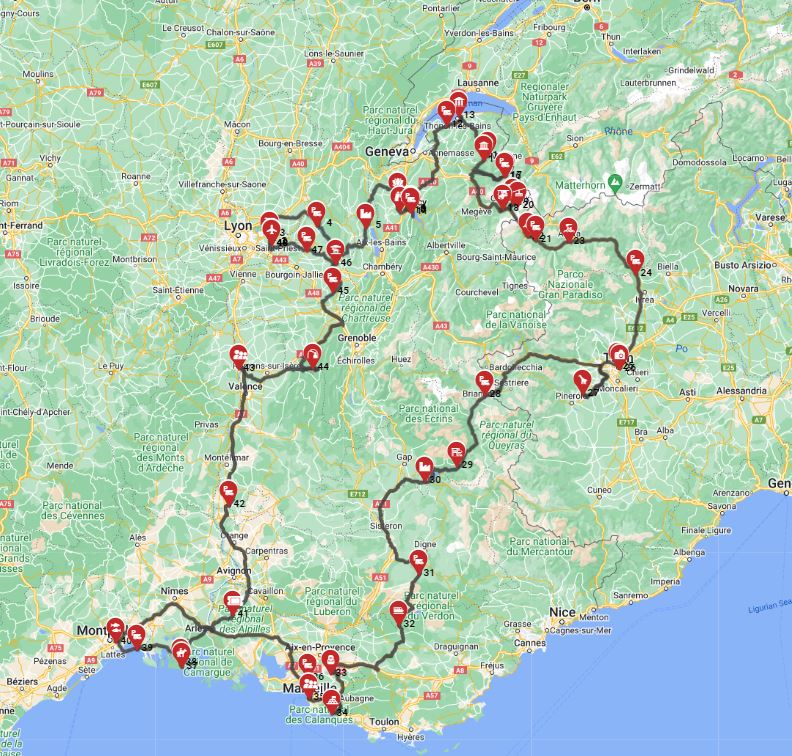
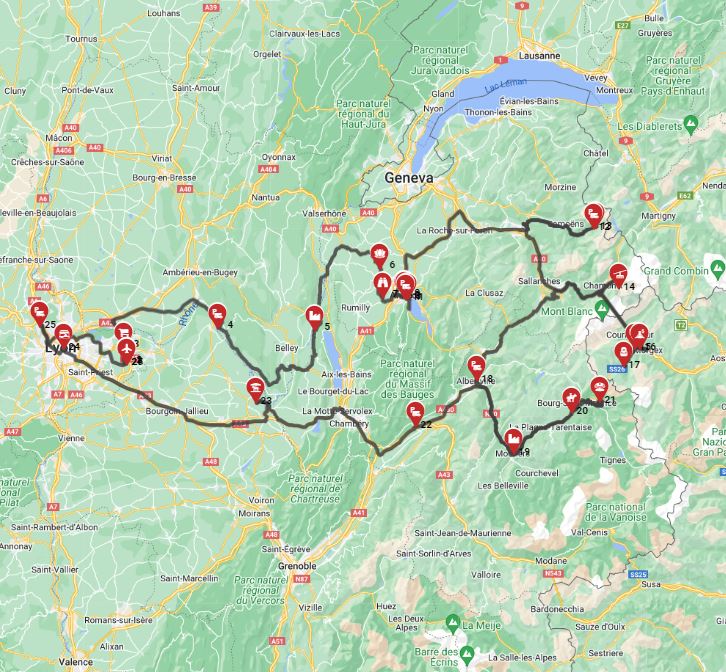
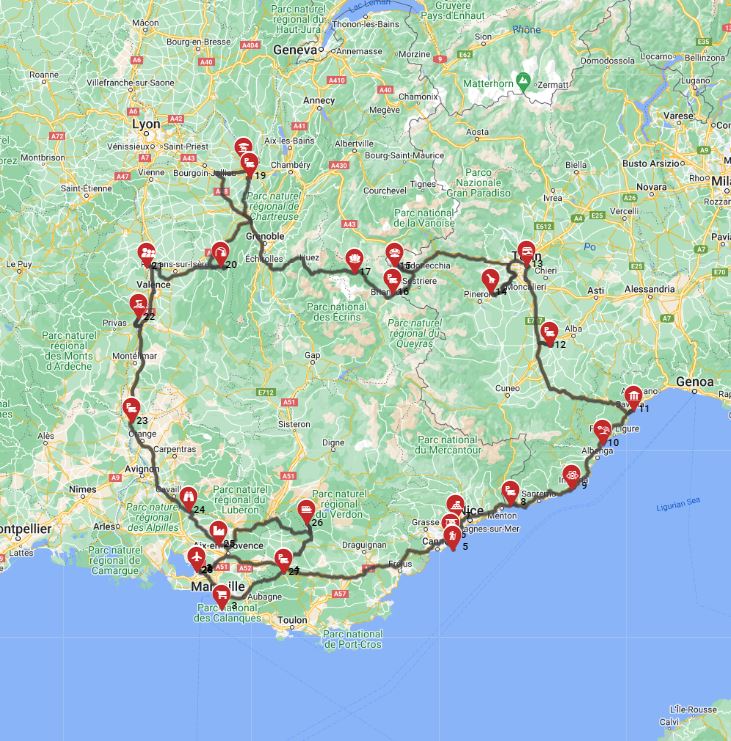
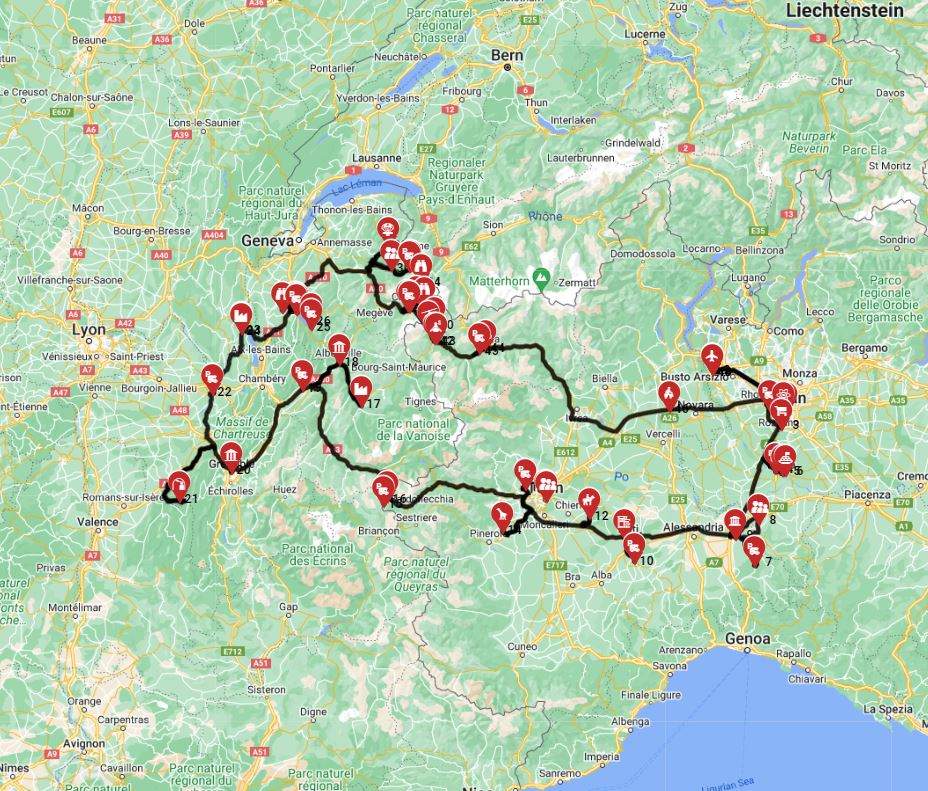
Another exciting option is a journey often described as one of the RV PLAN routes listed below, a comprehensive 21-day, 1734.1 km adventure that starts and ends in Milan. This route takes you through stunning landscapes, offering opportunities for hiking, enjoying natural features, visiting historical sites, and experiencing both French and Italian Alpine culture. It is an excellent way to combine diverse experiences in one unforgettable campervan trip.
Where can I wild camp legally in France by campervan?
Wild camping (camping sauvage) in a rented campervan in France is generally tolerated in rural and remote areas, particularly on private land with the owner's explicit permission, and in non-designated spots far away from populated areas. It is typically prohibited in protected natural areas, national parks, nature reserves, and along the coast, as well as near historic monuments and within municipal boundaries without explicit local permission. Local specificities are crucial; some municipalities explicitly forbid overnight parking or wild camping, so always look for clear signage (e.g., 'Interdit de camper' or 'Stationnement interdit la nuit') or consult local tourist offices for precise regulations. For guaranteed legal and often free overnight stays, consider using the extensive network of 'aires de service' or participating in the France Passion program, which provides legitimate spots without breaking any local regulations, ensuring a stress-free and enjoyable experience.
Are there specific driving challenges for campervans in French cities or mountainous regions?
Navigating French cities like Paris, particularly the older districts, can present specific challenges due to their narrow, winding streets and increasingly strict ZFE (low-emission zone) restrictions, which may require specific Crit'Air vignettes for access. Parking in urban areas is often limited and expensive, with many underground car parks having height restrictions that even compact campervans may exceed; always check posted clearances carefully. In mountainous regions, such as the majestic French Alps or the rugged Pyrenees, driving a campervan requires careful attention to steep ascents, descents, and tight hairpin bends, though their compact size offers a considerable advantage over larger motorhomes for maneuverability. Coastal roads, especially in picturesque areas like the French Riviera or Brittany, can also be narrow and winding, with limited pull-off points, making a smaller rented campervan highly advantageous for accessing these stunning locales and enjoying the journey without unnecessary stress.
Drive slowly and carefully, and you can drive almost anywhere without issues. No need to stress - just use common sense and pay attention.
How can I practice sustainable and ethical campervan travel in France?
Practicing sustainable and ethical campervan travel in France is crucial for preserving its natural beauty and supporting local communities. Minimize your environmental impact by properly disposing of all waste; always use designated bins at campsites or 'aires de service' for rubbish, and utilize specific facilities for emptying grey and black water tanks responsibly. Conserve precious resources by being mindful of your water and electricity consumption, opting for cold showers when possible, and switching off lights and appliances when not in use. Support local communities wholeheartedly by purchasing fresh produce from vibrant local markets, dining at independent restaurants, and visiting small businesses in the charming towns you pass through, rather than relying solely on large chains. Finally, practice ethical wild camping by rigorously adhering to a 'leave no trace' philosophy: pack out everything you pack in, respect local flora and fauna, and maintain a low profile to minimize any disturbance to the environment and local residents, ensuring a positive impact on your journey.
What are the best apps and tech tools for campervan travel in France?
For seamless campervan travel in France, utilizing the right apps and tech tools can significantly enhance your experience. For navigation, while general apps like Google Maps or Waze are useful for real-time traffic updates, campervan-specific routing apps such as Park4Night or Campercontact are invaluable for finding suitable roads, parking, campsites, and 'aires de service' with essential height and weight filters. Fuel price apps (e.g., Prix Carburants or Essence&CO) help locate the cheapest petrol stations along your route, optimizing your budget on longer journeys across the country. Translation apps like Google Translate or DeepL are absolutely essential for navigating potential language barriers, especially when dealing with local officials, understanding road signs, or interacting with friendly hosts at France Passion sites. For finding local restaurants and making reservations, particularly in bustling cities like Paris or Nice, apps such as TheFork can be very helpful for planning your culinary experiences. Furthermore, always utilize offline maps to ensure navigation capabilities even in areas with limited mobile signal, especially when venturing into remote regions or challenging mountainous terrain.
What should I do in a campervan emergency or breakdown in France?
In case of a campervan breakdown in France, immediately pull over safely to the side of the road, turn on your hazard lights, and place a reflective warning triangle behind your vehicle, as this is mandatory in France. Next, contact your rental provider's roadside assistance number, which should be clearly provided with your rental documents, as they will coordinate recovery or repair directly. For medical emergencies, dial 112 (the pan-European emergency number) or 15 for SAMU (Service d'Aide Médicale Urgente) or 18 for fire services (Sapeurs-Pompiers); clearly state your precise location and the nature of the emergency to ensure prompt assistance. Familiarize yourself with basic French phrases for emergencies, such as 'J'ai besoin d'aide' (I need help) or 'Mon camping-car est en panne' (My campervan has broken down), to navigate any potential language barriers effectively. Finally, keep all important documents, including your passport, driving license, rental agreement, and insurance details, easily accessible in case you need to present them to authorities or service providers.
Bandana support is available during business hours for pre-booking comparison and booking support. Outside business hours, help is limited to serious emergencies such as injury accidents or illness. For technical breakdowns, only the local rental supplier's support team has the technical knowledge and authority to tell the renter what to do.
🎬 Video coming soon
What You Shouldn't Miss
- The Loire Valley Châteaux: Explore the fairy-tale castles like Chenonceau and Chambord, driving through picturesque countryside with your rented campervan.
- The French Riviera (Côte d'Azur): Cruise the stunning coastal roads from Nice to Saint-Tropez, enjoying vibrant towns, beautiful beaches, and glamorous scenery.
- Dune du Pilat: Experience Europe's tallest sand dune near Arcachon, a unique natural wonder offering panoramic views of the Atlantic Ocean and pine forests.
- Alsace Wine Route: Wander through charming villages like Riquewihr and Colmar, tasting local wines and enjoying the unique Franco-German culture.
- Dordogne Valley: Discover prehistoric caves, medieval castles, and charming Sarlat-la-Canéda, perfect for slow travel and immersing yourself in history and gastronomy.
- The Pyrenees National Park: For nature lovers, this region offers spectacular mountain scenery, hiking trails, and the chance to spot diverse wildlife, easily accessible by campervan.
Looking for expert insights from Avi Bandana? Top 5 Adventures – recommendations from Avi Bandana.
Suggested RV PLAN Routes
Ready-made itineraries from our sister site RV PLANET, each with daily stops, campgrounds and attractions along the way.
Milano Roundtrip - West - Italian alps, France alps
Toulouse Round trip - The Ultimate Southwestern France Journey
Why Book with Bandana Caravan
Full Transparency, No Hidden Fees
We believe in honest pricing. What you see is what you pay, with clear comparisons across suppliers and no surprise fees at pickup. This commitment to transparency ensures a stress-free booking experience for your campervan rental in France.
Real Support When It Matters
Our dedicated team offers support during business hours for pre-booking comparisons and booking coordination. For serious emergencies like injury accidents or illness, we're there to help, providing peace of mind throughout your journey.
True campervan Specialists Since 2026
Bandana Caravan was founded in 2001, giving us over 20 years of experience helping tens of thousands of travelers explore the world by campervan. We're not a side department of a general travel agency; we are true campervan specialists with unmatched personal experience.
Top-Level Deductible Reimbursement
Travel with extra peace of mind by opting for our top-level deductible reimbursement upgrade. This optional extra provides significant protection, ensuring you're covered for unexpected events during your campervan trip in France.
With direct partnerships with 50+ leading campervan suppliers worldwide, including trusted names, and over 1,300 pre-planned routes across 5 continents via RV PLANET (rvplan.net), Bandana Caravan offers bookings in 30+ currencies with full price transparency and local expertise across 50+ countries.
Final Thoughts
Embarking on a campervan adventure in France is more than just a trip; it's an opportunity to create unforgettable memories, discover hidden gems, and immerse yourself in the rich tapestry of French culture at your own leisurely pace. With the flexibility to explore bustling cities, serene countrysides, and dramatic coastlines, a rented campervan truly offers a unique and intimate way to experience everything this incredible country has to offer. Remember to travel slowly, aiming for a maximum of 100-150 km per day on average. Take the time to feel the place, connect to the culture, savor the food, and soak in the breathtaking scenery.
At Bandana, we're with you every step of the way, from comparing final prices across 50+ suppliers to ensuring you travel with peace of mind. Whether you're planning a week-long trip or a two-week adventure, our transparent process and dedicated support make renting a campervan in France an easy and enjoyable experience. So, pack your bags, choose your route, and get ready for the adventure of a lifetime!
Discover top destinations, planning tips, all in one place! Find Campervan Rentals in France.
Driver age: The minimum driver age is 18–21, depending on the rental company and location.
Renting a campervan can be a meaningful upgrade over combining a standard car rental with hotel stays. It lets you set your own pace and balance stays at luxurious hotels with occasional nights spent immersed in nature. Even from day to day, choosing a campervan instead of a standard car gives you a kitchen with a fridge, an en-suite bathroom, and a comfortable bed for a healthy midday siesta. Overall, the price difference between renting a campervan and a standard car is not dramatic for travelers who want the best of both worlds, combining the pleasures of nature with stays at luxurious hotels.