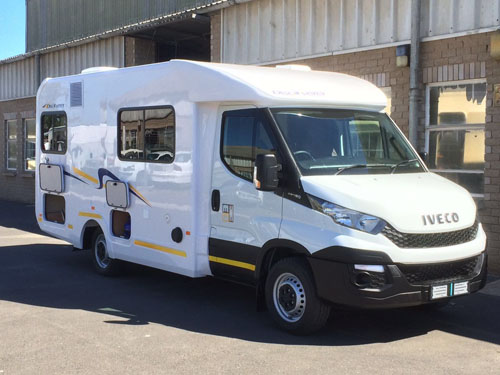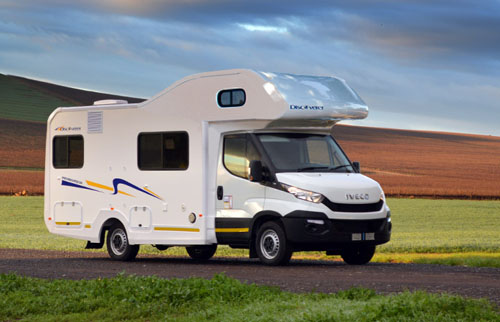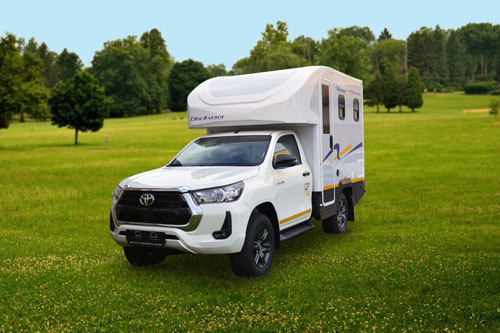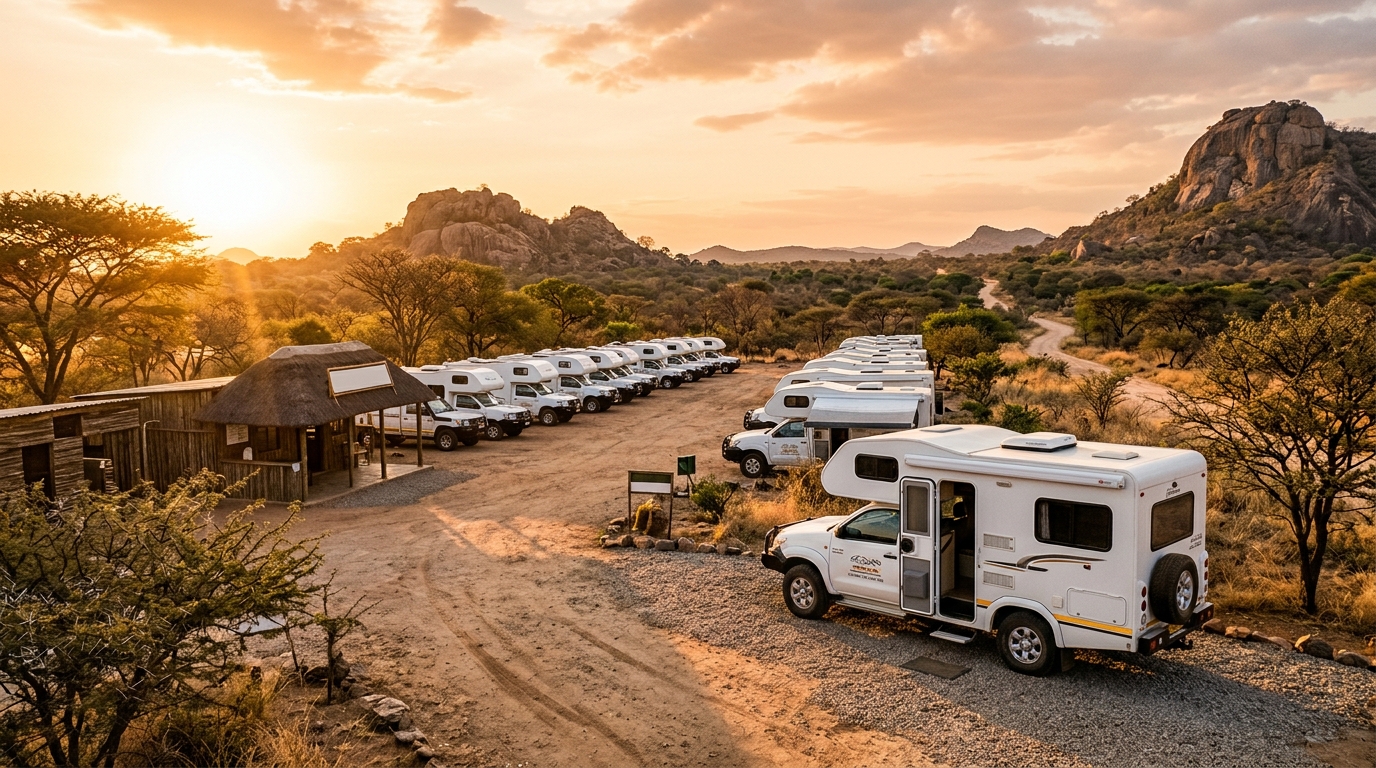
For live availability and current prices, start with our RV Rental Zambia - Complete Guide 2026 guide.
In This Guide
- Top 5 Tips for Cheap RV Rental in Zambia
- Before You Book - Class, Dates, Insurance
- Pre-Trip Prep - Packing Checklist for Zambia
- On the Road - Driving, Fueling, Navigation
- At the Campground - Setup, Hookups & Etiquette
- Cheap RV Rental-Specific Tips for Zambia
- Common Mistakes to Avoid in Zambia
- What RV Vehicle and Gear are Required for Zambia
- What are Zambia's Road Conditions by Region and Route
- How Much Does an RV Trip in Zambia Cost - Comprehensive Budgeting
- Where to Camp in Zambia - RV-Friendly Campsites and Wild Camping
- What are the Border Crossing and Legal Requirements for RVs in Zambia
- What is the Best Fuel and Provisioning Strategy for RVers in Zambia
- What are RV-Specific Wildlife Viewing and Park Regulations in Zambia
- How to Prepare for Emergencies During Remote RV Travel in Zambia
- What is the Cultural Etiquette for RVers in Zambia
Zambia is a land of incredible natural beauty, from the majestic Victoria Falls to the abundant wildlife of its national parks, offering an unparalleled adventure for those who choose to explore it with a rented RV. Imagine waking up to the sounds of the African bush, a hot coffee in hand, ready for a day of safari or cultural immersion. This sense of freedom and discovery is exactly what RV travel in Zambia delivers, and it doesn't have to break the bank.
Embarking on a cheap RV rental adventure in Zambia allows you to truly connect with the country's heart, its diverse landscapes, and its warm, welcoming people. Our goal at Bandana Caravan is to make this dream accessible, providing you with transparent options and comprehensive support from your initial search to the moment you return your vehicle. For comprehensive information and current deals, delve into our RV Rental Zambia - Complete Guide 2024 where you'll find everything you need to plan your adventure.
Top 5 Tips for Cheap RV Rental in Zambia
To secure a truly cheap RV rental in Zambia, smart planning and timing are key. Here are five top tips to help you save money on your adventure:
- Opt for off-peak seasons (May-June or September-October) to find better deals and fewer crowds, potentially reducing rental rates by 15-20% compared to peak safari months.
- Book well in advance, especially for popular RV models like a 4x4 campervan, to secure lower rates and wider availability. Many pre-planners see savings of 10-25% by booking 3-6 months ahead.
- Consider slightly older models or smaller RVs for significant cost savings without sacrificing comfort. For example, a compact 2-berth campervan can be considerably cheaper than a larger Class C motorhome.
- Compare rental packages carefully, looking for inclusions like unlimited mileage or basic camping gear, which can prevent unexpected costs. Our platform provides full transparency on what's included and what's extra, so there are no hidden fees or surprises.
- Plan your route to minimize long drives and utilize public campsites over private lodges where possible, which can save substantially on fuel and accommodation expenses. When planning your route, remember to travel slowly, max 100-150 km per day on average, to fully immerse yourself in the local culture and scenery.
We're true RV specialists, with over 20 years of experience helping travelers like you. We understand the nuances of planning an RV trip, especially in a destination like Zambia, and we're here to support you before, during, and after your booking.
Before You Book - Class, Dates, Insurance
Careful consideration of your chosen RV class, travel dates, and insurance coverage is essential before booking your cheap RV rental in Zambia. The right choices here can significantly impact both your budget and your overall experience.
- Choosing the right RV class in Zambia often involves balancing budget with expected road conditions; a 4x4 campervan, such as a "4x4 Camper B - TYR" or "4x4 Scout Adventure Truck Camper Gold", is frequently ideal for accessing national parks and more remote areas. While standard Class C motorhomes are suitable for main paved roads, rougher park access might necessitate a more robust 4x4 option for optimal exploration.
- Locking in your rental dates, particularly outside of peak safari season (July-August), can lead to considerable savings, sometimes up to 30% on daily rates. Prices for RV rentals are dynamic, much like flight tickets, changing daily based on availability, seasonality, and supplier decisions, so booking early usually yields the best value.
- Basic rental insurance is typically included with your rented RV, covering fundamental liabilities. However, for enhanced protection and travel with peace of mind, you can upgrade to a top-level deductible reimbursement option, which can significantly reduce your out-of-pocket expenses in case of an incident.
Bandana Caravan offers full transparency, ensuring you know exactly what you're paying for with no hidden fees or surprises, right from the start. We work with over 50 leading RV suppliers worldwide, including trusted names like Apollo and Britz, to provide you with the best selection and value.
Pre-Trip Prep - Packing Checklist for Zambia
A well-thought-out packing checklist for your Zambian RV adventure will ensure comfort and readiness for varied conditions. Being prepared means you can focus on enjoying the journey without unexpected hassles.
- Packing lightweight, quick-drying clothing suitable for varying temperatures is essential for Zambian RV travel, as daytime can be hot and evenings cool, especially in the dry season. Don't forget a wide-brimmed hat, sunglasses, and sturdy walking shoes for safaris and explorations.
- Essential kitchen items for an RV trip include non-perishable foods like pasta, rice, and canned goods, a reliable water filter or ample bottled water, and basic cooking utensils for preparing meals on board. Preparing your own meals in your campervan is a fantastic way to save money and customize your dining experience. Explore our RV-friendly recipes playlist for inspiration!
- Safety and navigation gear like a comprehensive first-aid kit, a fully inflated spare tire with necessary tools, and offline maps (digital and physical) are crucial for self-drive adventures where mobile network coverage can be inconsistent. A GPS device with pre-downloaded maps of Zambia is highly recommended.
- Key documents, including passports, any required visas, your national driver's license, an International Driving Permit (IDP) if your license is not in English, and your rental agreement, must be readily accessible. The minimum rental age for a motorhome in Zambia is 21, and a standard car driver's license is sufficient for all motorhome classes.
On the Road - Driving, Fueling, Navigation
Navigating Zambia by RV involves understanding local driving conditions, ensuring reliable fuel access, and effective navigation strategies. It's an adventure, and being prepared makes all the difference.
- Driving in Zambia requires adherence to local speed limits, which are generally 50 km/h in urban areas and 100 km/h on open roads, and awareness of varied road conditions, from paved highways like sections of the T2 (Great North Road) and T4 (Great East Road) to unpaved tracks leading to national parks. Drive slowly and carefully, and you can drive almost anywhere without issues. No need to stress - just use common sense and pay attention.
- Reliably locating fuel stations is crucial, especially in rural areas where distances between towns can be significant, so plan your refills strategically and consider carrying extra fuel in approved jerry cans for remote stretches. Fuel quality is generally good in major towns like Lusaka and Livingstone.
- Effective navigation involves using up-to-date physical maps alongside offline GPS apps like Maps.me or Google Maps with downloaded regions, as mobile network coverage can be inconsistent outside urban centers. While many prefer the freedom of spontaneous travel, using pre-planned route plans from RV PLANET routes can enhance your experience and help itemize and track every expense along the way for easy budgeting.
Remember, we champion slow travel: max 100-150 km per day on average. Take time to feel the place, connect to the culture, the food, and the scenery, making your cheap RV rental trip truly memorable.
At the Campground - Setup, Hookups & Etiquette
Mastering campsite setup, understanding hookups, and practicing proper etiquette will enhance your cheap RV rental experience in Zambia. Many campsites offer a welcoming and well-maintained environment.
- Setting up your RV at a Zambian campsite typically involves parking on level ground, often a designated gravel or grass patch, and securing your vehicle for the night. Many campsites, especially in national parks, offer a bush camping experience with basic facilities.
- Connecting hookups, such as electricity (where available, usually 240V, requiring an adapter) and water, should be done in a specific order: power first, then water (use a pressure reducer), and finally wastewater disposal at designated dump stations. Always confirm available amenities with the campground ahead of time.
- Observing campground etiquette, including quiet hours (typically 10 PM to 6 AM) and responsible waste disposal by packing out what you pack in, contributes to a pleasant experience for everyone. Always dispose of grey and black water only at official dump stations.
For finding campsites and campgrounds during your trip, we recommend using RV PLANET (rvplan.net) - a great resource for locating available spots along your route.
Cheap RV Rental-Specific Tips for Zambia
Maximizing your budget on a cheap RV rental in Zambia involves strategic choices before and during your trip. Savvy travelers can significantly reduce their overall expenses.
- To save money, consider renting a 2WD campervan for main roads and supplementing with guided safaris for deeper national park access, rather than renting a more expensive 4x4 motorhome for the entire trip. For instance, a "Category Van" type campervan offers excellent value for couples.
- Stock up on groceries and water in major cities like Lusaka or Livingstone, where prices are generally lower than in remote areas or small village shops. A well-stocked RV kitchen can save hundreds of dollars over a week-long trip.
- Look for campsites offering shared facilities or non-powered sites to reduce daily accommodation costs, which can range from $15-$30 USD in national parks. Many local campsites provide a genuine bush experience for a fraction of the cost of private lodges.
- Embrace simple meals and cooking in your RV to minimize restaurant expenses, which can add up quickly, especially if you're traveling for an extended road trip. This also gives you the flexibility to eat whenever and wherever you want.
Our team at Bandana Caravan is composed of true RV specialists, not just a travel agency side department. We know RV travel inside and out, and we're always happy to offer honest and transparent advice to help you get the most out of your budget.
Common Mistakes to Avoid in Zambia
Avoiding common mistakes can save first-time cheap RV renters in Zambia from unnecessary stress and expense, ensuring a smoother and more enjoyable journey. Forewarned is forearmed when exploring a new destination.
- Avoid underestimating travel times on unpaved roads; instead, factor in extra hours for slower speeds (often 30-40 km/h) and potential stops due to wildlife or corrugated surfaces. A typical 100 km stretch on a dirt road could take 3-4 hours.
- Don't neglect to carry sufficient cash (Zambian Kwacha); instead, ensure you have local currency for small purchases, market vendors, and areas without card facilities, as ATM access is limited outside major towns.
- Steer clear of driving at night; instead, plan your routes to arrive at your destination before dusk for safety, as wildlife activity increases, and road hazards become more difficult to see.
- Never approach wildlife on foot; instead, always observe animals from a safe distance within your rented vehicle, particularly in national parks like Kafue or South Luangwa. This is crucial for both your safety and the well-being of the animals.
Our 24/7 support means real people are behind you before, during, and after your booking, offering peace of mind. We handle the details, so you can live the journey.
What RV Vehicle and Gear are Required for Zambia
For RV travel in Zambia, especially when venturing into national parks and remote areas, specific vehicle types and essential gear are highly recommended to ensure a successful and safe journey. The terrain can be challenging, requiring robust equipment.
- For most national parks and remote areas in Zambia, a 4x4 RV or campervan with high ground clearance, such as a "4x4 Camper B - THOR" or "4x4 Jimny" is truly necessary, as 2WD vehicles may struggle on sandy, muddy, or heavily corrugated tracks, particularly during or after the rainy season (November to April). Vehicles like the "Patagonia Camper 4x4 double cab" are ideal.
- Essential recovery gear includes a high-quality winch, recovery straps rated for your vehicle's weight, an air compressor for adjusting tire pressure on varied surfaces, and a high-lift jack to manage challenging road conditions or tire changes in soft sand.
- It is crucial to carry spare parts like extra tires (at least two), fuel filters, oil, fan belts, and a basic toolkit, as specialized repairs can be difficult to source locally in remote regions. A substantial fresh water tank (e.g., 100-150 Liters) and a reliable refrigerator (like the 170-liter unit in an "rv rentals utah example Sunrise Escape" or the 90-liter unit in a "cruise america rv rental example Explorer") are also vital for self-sufficiency.
Bandana Caravan, founded in 2001, has over two decades of experience providing trusted advice on RV rentals in challenging terrains, ensuring you're well-equipped for your Zambian adventure.
What are Zambia's Road Conditions by Region and Route
Zambia's road conditions vary significantly by region and route, from well-maintained tarmac to challenging dirt tracks, making preparation key for RV travelers. Understanding these differences helps in planning realistic travel times and vehicle choice.
- Zambia's major routes like the T2 (Great North Road) and T4 (Great East Road) are generally paved but can feature significant potholes, unmarked speed bumps, and sections under repair, especially during and after the rainy season (November to April). Driving these roads requires constant vigilance and moderate speeds, typically not exceeding 80-90 km/h for a motorhome.
- Access roads to national parks, such as those leading to South Luangwa, Kafue, or Lower Zambezi, are predominantly unpaved gravel or dirt tracks. These are often corrugated, sandy, or prone to washouts, requiring slow speeds (20-40 km/h) and a 4x4 motorhome or campervan for safe passage. A Class C motorhome like the "24' Class C Motorhome" may handle some gravel, but for true off-road park access, a dedicated 4x4 is superior.
- Seasonal impacts are considerable, with the rainy season making many unpaved roads impassable for all but the most capable 4x4 vehicles. The dry season (May to October) improves conditions but can bring dusty environments and heavily corrugated sections, particularly after prolonged use. Always check local road reports before departing for remote areas.
Planning your route through RV PLANET (rvplan.net) can help you identify known road conditions and plan your travel days efficiently, maximizing your enjoyment and minimizing surprises.
How Much Does an RV Trip in Zambia Cost - Comprehensive Budgeting
A comprehensive RV trip in Zambia requires careful budgeting for various expenses beyond the initial rental fee, including daily costs for fuel, camping, and park entries. Understanding these components helps in planning a truly cheap RV rental adventure. On the routes offered through RV PLANET routes, you can itemize and track every expense along the way for easy budgeting.
- A comprehensive RV budget for Zambia must account for campsite fees, which range from $15-30 USD per night for basic national park sites (offering water and communal ablutions) to $30-60+ USD for private lodges with more extensive amenities like pools and restaurants.
- Fuel costs are a significant expense, varying by region but averaging around $1.50-$2.00 USD per liter for diesel or petrol. For a typical week-long trip covering 1000-1500 km, fuel could easily amount to $200-$400 USD, depending on vehicle fuel efficiency (e.g., a "cruise america rv rental example Explorer" has a fuel consumption of 11 Liters / 100 Km).
- National park entry fees are typically $20-30 USD per person per day for international visitors, plus an additional vehicle entry fee of $15-20 USD for RVs, making multi-day park stays a substantial cost. For example, a family of four spending three days in a park might pay over $300 USD just in entry fees.
- Other ancillary costs include propane for cooking (approx. $10-20 for a week), dump station fees (if not included at campsites), small local purchases, and potentially a top-level deductible reimbursement (an optional upgrade) for peace of mind.
For finding campsites and campgrounds during your trip, and for detailed route planning that helps itemize and track every expense, we recommend exploring the RV PLANET routes. This ensures full transparency and no hidden fees, which aligns with our core philosophy at Bandana Caravan.
Where to Camp in Zambia - RV-Friendly Campsites and Wild Camping
Zambia offers diverse camping options for RV travelers, ranging from well-equipped campsites within national parks to more rustic, community-run sites, though wild camping requires careful consideration. Knowing your options enhances your cheap RV rental experience.
- Zambia offers numerous RV-friendly campsites, including well-regarded options within national parks like South Luangwa (e.g., Croc Valley Camp, providing water and basic ablutions) and Kafue (e.g., Mayukuyuku Bush Camp, offering similar amenities). These sites provide a great base for safaris and connecting with nature.
- Popular private campsites, particularly near tourist hubs like Livingstone (e.g., Jollyboys Camp, Waterfront), offer more extensive amenities such as restaurants, swimming pools, Wi-Fi, and organized activities. Booking procedures for these sites are often available online, and it's advisable to call ahead before driving, especially during peak season.
- While wild camping is generally not permitted within national parks and strictly requires prior permission on private land, some remote areas or community-run conservancies might offer opportunities for responsible bush camping with prior arrangement and local guidance. Always prioritize safety and respect local customs and land ownership.
When planning your overnight stops, remember that many national and state parks reserve only 25-30% of spots for advance bookings, with the rest being first-come-first-serve. You'll find a spot. If not at the first campground, then the next one. Call ahead before driving.
What are the Border Crossing and Legal Requirements for RVs in Zambia
Navigating border crossings and understanding legal requirements for RVs in Zambia is crucial for international travelers, whether renting locally or bringing their own vehicle. Proper documentation ensures a smooth entry and hassle-free journey.
- International travelers bringing their own RVs into Zambia typically require a valid passport, a visa (if applicable, which can often be obtained on arrival for many nationalities), an International Driving Permit (IDP) if their national license is not in English, and potentially a Carnet de Passage en Douane to temporarily import their vehicle duty-free. It's best to verify these requirements with the Zambian High Commission in your country well in advance.
- Renting an RV locally requires a valid driver's license (a standard car driver's license is sufficient for all motorhome classes), often an International Driving Permit for clarity, and ensuring the rental company provides all necessary local vehicle permits and insurance documentation. The minimum rental age for a motorhome in Zambia is 21.
- Common challenges at border posts can include lengthy processing times (sometimes 2-4 hours), unexpected 'road taxes' or fees (always ask for an official receipt), and ensuring all vehicle registration and insurance documents are readily accessible and accurate to avoid delays. Patience and a friendly demeanor are highly recommended.
As true RV specialists, our team has helped tens of thousands of travelers since 2001, providing pre-booking comparison and booking support to ensure you have all the necessary information for a seamless trip.
What is the Best Fuel and Provisioning Strategy for RVers in Zambia
An effective fuel and provisioning strategy is paramount for RVers in Zambia, ensuring self-sufficiency and mitigating challenges in remote areas. Planning ahead saves both time and potential stress.
- The best fuel strategy involves filling up your RV in major towns like Lusaka, Livingstone, or Chipata, where fuel quality (both diesel and petrol) is generally reliable and availability is consistent. Always check your tank before entering remote stretches or national parks, as distances between stations can exceed 200 km.
- Carrying extra fuel safely in approved jerry cans is highly recommended, especially when traveling through national parks or between distant towns like those on the T2 (Great North Road) or T4 (Great East Road). An additional 20-40 liters of fuel can provide crucial buffer capacity.
- Stocking up on groceries, fresh water, and specialized RV supplies (like toilet chemicals or extra gas cylinders) is best done in larger urban centers, where supermarkets offer a wider variety and better prices. Options in smaller villages are limited to basic staples. For example, a motorhome like the "cruise america example Explorer" has an 82 Liter fresh water tank and a 75 Liter fuel tank, requiring mindful provisioning.
Bandana Caravan prides itself on full transparency, so while we don't hide any fees, it's good practice to budget for these ancillary trip costs. RV PLANET (rvplan.net) can help you plan routes and itemize every expense along the way.
What are RV-Specific Wildlife Viewing and Park Regulations in Zambia
RV-specific wildlife viewing and park regulations in Zambia are designed to protect both visitors and the fragile ecosystems, emphasizing responsible and ethical interactions. Adherence to these rules ensures a safe and rewarding experience.
- RVs are generally permitted within Zambian national parks, but specific rules apply, such as requiring self-drive permits (separate from entry fees) and adhering strictly to designated routes to protect the fragile ecosystems from damage. Always confirm permit requirements upon entry.
- Self-driving in wildlife areas necessitates strict adherence to speed limits (typically 20-40 km/h) and staying on marked roads to prevent disturbance to animals, reduce dust, and avoid damaging habitats. Driving off-road is usually prohibited unless accompanied by a licensed guide in designated areas.
- Ethical wildlife encounters from a rented RV involve maintaining a respectful distance (usually 20-30 meters) from animals, never feeding them, avoiding loud noises or sudden movements, and ensuring your vehicle does not block animal paths or other game drive vehicles. It's a privilege to witness Zambia's incredible wildlife, and respectful behavior preserves it for everyone.
For more detailed information on park regulations and optimal routes for wildlife viewing, explore the pre-planned itineraries available through Rent&Plan by RV PLANET (rvplan.net), which can save you 25% on planning services.
How to Prepare for Emergencies During Remote RV Travel in Zambia
Preparing for potential emergencies is a critical aspect of remote RV travel in Zambia, ensuring your safety and comfort in areas with limited infrastructure. Proactive measures can mitigate risks effectively.
- For remote RV travel in Zambia, it is crucial to carry a comprehensive emergency kit including a well-stocked first-aid kit, a robust set of vehicle repair tools, jumper cables, and a fire extinguisher. Consider a "Patagonia Camper 4x4 double cab" for enhanced ruggedness.
- Reliable communication options like a satellite phone or a personal locator beacon (PLB) are essential for contacting emergency services in areas without mobile network coverage, which is common outside of major towns. These devices provide a lifeline in truly remote situations.
- Basic vehicle maintenance skills, such as changing a tire, checking fluid levels, and understanding minor engine issues, are vital. It's also advisable to have contact information for local mechanics or your rental company's 24/7 roadside assistance line (which Bandana helps coordinate pre-booking).
- Always inform someone of your planned route and expected return time when venturing into very remote areas. This "check-in" system adds an extra layer of safety, ensuring someone knows your whereabouts in case of an unforeseen delay.
What is the Cultural Etiquette for RVers in Zambia
Adhering to cultural etiquette is an important aspect of RV travel in Zambia, fostering positive interactions with local communities and enriching your overall experience. Showing respect for local customs goes a long way.
- Respectful interactions with local communities involve greeting people politely (e.g., 'Muli bwanji?' - How are you?), dressing modestly, especially when visiting villages or religious sites, and always asking for permission before taking photographs of individuals.
- Tipping customs in Zambia generally involve leaving 10% for good service in restaurants, and small gratuities ($1-5 USD) for guides, porters, or helpful locals who assist you are greatly appreciated. This practice supports local economies and acknowledges their hard work.
- Learning a few basic local phrases in languages like Nyanja or Bemba can significantly enhance interactions and show respect for local culture; even a simple 'Zikomo' (Thank you) can open doors and build connections.
- When visiting markets or local shops, engage respectfully, and if you plan to bargain, do so with a smile and a friendly attitude. Remember that even small purchases directly support local families.
What You Shouldn't Miss
- Looking for expert insights from Avi Bandana? Top 5 Adventures - recommendations from Avi Bandana:
- Victoria Falls (Mosi-oa-Tunya): Witness the awe-inspiring power of one of the world's largest waterfalls from the Zambian side, offering unique perspectives and adrenaline-pumping activities like whitewater rafting.
- South Luangwa National Park: Embark on a self-drive safari in this renowned park, famous for its walking safaris and high concentrations of leopard, lion, and the endangered African Wild Dog.
- Kafue National Park: Explore Zambia's largest and oldest national park with your rented RV, offering diverse ecosystems and excellent opportunities for spotting elephants, hippos, and over 400 bird species.
- Lake Kariba: Camp by the shores of this massive man-made lake, enjoying fishing, boat cruises, and the serene beauty of its 'petrified forests'.
- Lower Zambezi National Park: Combine RV camping with canoe safaris or river cruises on the mighty Zambezi River, getting up close with hippos, crocodiles, and abundant birdlife from a different perspective.
Final Thoughts
Exploring Zambia in a rented RV is an extraordinary way to experience the heart of Africa, offering unparalleled freedom and immersion in nature and culture. By applying these tips for cheap RV rental in Zambia, you can unlock an unforgettable adventure that aligns with your budget. From smart booking strategies to on-the-road provisioning, every step helps maximize your travel experience without compromising on the joy of discovery.
At Bandana Caravan, we are passionate about RV travel and dedicated to making your journey seamless and transparent. We're here to support you at every stage, offering expert advice and the best deals from our trusted partners. So, pack your bags, prepare your route, and get ready to create lasting memories in Zambia.
Ready to plan your Zambian adventure? Compare Campervan Prices for Zambia and start your journey today!