In This Guide
- Top 5 Tips for cheap rv rental RV Rental in West Europe
- Before You Book - Class, Dates, Insurance
- Pre-Trip Prep - Packing Checklist for West Europe
- On the Road - Driving, Fueling, Navigation
- At the Campground - Setup, Hookups and Etiquette
- cheap rv rental-Specific Tips for West Europe
- Common Mistakes to Avoid in West Europe
- How much does it cost to rent an RV in Europe
- Is it cheaper to rent an RV or stay in hotels in Europe
- What is the cheapest way to travel around Europe
- What is the best month to RV in Europe
- Where can you take an RV in Europe
- Are RVs allowed in European cities
- What are the rules for RV camping in Europe
- Can you wild camp in Europe with an RV
- What do I need to know before RVing in Europe
West Europe offers an incredible tapestry of history, culture, and natural beauty, making it an ideal destination for a memorable RV rental adventure. Imagine waking up to the rolling vineyards of France, a picturesque coastline in Portugal, or a majestic German forest right outside your motorhome window. Traveling with a rented campervan or motorhome gives you the freedom to explore at your own pace, creating a personalized itinerary that traditional travel simply can't match. Whether you're a seasoned RVer or a first-timer, discovering the diverse landscapes of countries like France, Germany, Italy, Spain, and Portugal by RV is an experience everyone should savor.
At Bandana RV, we believe that the best journeys are built on transparency and support. For live availability and current prices, start with our RV Rental West Europe - Complete Guide 2026 guide, where we help thousands of travelers plan their European road trips every year. We're true RV specialists, dedicated exclusively to motorhome travel, ensuring you have the confidence and knowledge to book your perfect adventure without any hidden fees or surprises.
Top 5 Tips for cheap rv rental RV Rental in West Europe
Securing a cheap RV rental in West Europe involves strategic planning and flexible choices to minimize costs, allowing you to maximize your travel budget. By adopting a few smart habits, you can significantly reduce expenses without compromising on the quality of your adventure. Here are our top five recommendations to help you save money on your next motorhome trip.
- Book Early: Aim to reserve your RV rental 3-6 months in advance, especially if you plan to travel during popular seasons like summer (June-August) or major holidays, to secure better rates and a wider selection of campervans or motorhomes. Early bookings can often lead to savings of 10-25% compared to last-minute options, which become more expensive as availability drops.
- Travel During Shoulder Season: Consider visiting West Europe in late spring (April-May) or early autumn (September-October) for pleasant weather, fewer crowds, and noticeably lower rental prices for motorhomes. For instance, a Class C motorhome might cost €150 per day in peak season, but only €100 per day in shoulder season. This flexibility can result in substantial savings on your overall trip cost.
- Choose a Smaller Vehicle: Opt for a compact campervan or a smaller integrated motorhome, as these are typically more fuel-efficient, easier to maneuver on narrow European roads, and generally cheaper to rent. A 2-berth campervan like the `V3` often consumes around 11-13 liters per 100 km, offering better fuel economy than a larger Class C motorhome like the `MH-C` which might consume 20-25 liters per 100km. Plus, smaller vehicles are easier to park.
- Utilize Free or Low-Cost Overnight Spots: Take advantage of Europe's extensive network of dedicated motorhome parking areas. Germany, for example, boasts over 4,000 *Stellplätze* (dedicated, often free or low-cost overnight parking spots for motorhomes), while France offers more than 6,000 *Aires de Service*. These spots significantly reduce campsite fees, which can range from €15-€50+ per night. For finding campsites and campgrounds during your trip, we recommend using RV PLANET (rvplan.net) - a great resource for locating available spots along your route, and their routes can help you itemize and track every expense.
- RV-friendly recipes playlist
- Cook Your Own Meals: Maximize your rented RV's kitchen facilities by preparing most of your meals onboard. This significantly cuts down on dining expenses, which can easily add €50-€100 per day for a family eating out. Stock up at local supermarkets and enjoy fresh, regional produce, transforming every meal into a culinary adventure. Our RV-friendly recipes playlist can give you some great ideas!
Before You Book - Class, Dates, Insurance
Careful consideration of RV class, booking dates, and insurance options before your trip can significantly impact both cost and experience when renting an RV in West Europe. Making informed decisions here sets the foundation for a smooth and budget-friendly adventure.
Selecting the right RV class is crucial for balancing your budget and comfort. Smaller campervans, such as a compact Class B `Active Classic` designed for 2 people, are generally the most affordable and agile for navigating Europe's diverse roads, from winding coastal routes to charming village streets. They typically offer better fuel efficiency, often consuming around 9-11 liters per 100 km. Larger motorhomes, like a 6-berth Class C `Euro Deluxe` or Class A `Exclusive First`, provide more space and amenities but come with higher rental fees and increased fuel costs. Remember, a standard car driver's license is sufficient for all motorhome classes in West Europe, so no special permits are needed for any rental campervan or motorhome. On the routes offered through RV PLANET routes, you can itemize and track every expense along the way for easy budgeting.
Lock in your rental dates as far in advance as possible to benefit from early bird discounts and ensure vehicle availability, particularly if traveling during peak season (June-August). For instance, booking a two-week adventure for July in France might be 15-20% cheaper if done 6 months in advance. However, don't despair if you're a spontaneous traveler; many national and state parks reserve only 25-30% of spots for advance booking, leaving the rest for first-come-first-serve. You'll find a spot; if not at the first campground, then the next one. Just call ahead before driving.
Regarding insurance, basic coverage is always included with your rental. This usually covers third-party liability and often has a high deductible, typically ranging from €1,500 to €3,000. For enhanced peace of mind, you can upgrade to a top-level deductible reimbursement option, which can significantly reduce your financial exposure in case of an incident. Bandana provides full transparency on insurance options, showing you exactly what's included and what's extra, so there are no surprises. Our team of true RV specialists can guide you through the various options. Insider tip: Basic insurance is always included. To see prices including the most comprehensive coverage, select that option during search - then all relevant insurance options will be shown. We work with over 50 leading RV suppliers worldwide, including trusted names that provide comprehensive coverage for your West Europe motorhome rental.
🎬 Video coming soon
Pre-Trip Prep - Packing Checklist for West Europe
A well-prepared packing checklist tailored for West European RV travel ensures you have essential items for comfort, safety, and convenience across diverse climates and situations, allowing you to focus on the journey ahead. Knowing what to bring and what's typically included with your rental helps streamline your packing process.
Most Bandana RV rentals in West Europe come equipped with essential kitchenware, linens, and basic cleaning supplies. However, personal items and specific comfort-enhancers are always up to you. Remember, less is often more when packing for a campervan adventure, as storage space is finite. Aim for versatile items that can serve multiple purposes.
Clothing
- Layered clothing (t-shirts, long sleeves, sweaters) is essential due to varied microclimates, from cool alpine evenings to warm Mediterranean days.
- A waterproof and windproof jacket is crucial for unexpected rain showers or breezy coastal drives.
- Comfortable walking shoes are a must for exploring historic city centers and hiking scenic trails.
- Sandals or flip-flops are great for campsite comfort and beach visits.
- A swimsuit is recommended if you plan on visiting coastal areas, lakes, or campsites with pools.
Kitchen
- Reusable water bottles help you stay hydrated and reduce plastic waste.
- Coffee/tea making supplies, like your favorite ground coffee or tea bags, are perfect for enjoying mornings with a view.
- Basic cooking spices and a small bottle of olive oil will elevate your RV-friendly recipes playlist creations.
- Reusable shopping bags are handy for grocery runs at local markets.
- Dish soap and a sponge are typically included, but a small extra supply can be useful.
Safety & Tools
- A first-aid kit is indispensable for minor injuries on the road.
- Reflective safety vests (minimum one per passenger) are mandatory in many European countries for roadside emergencies.
- A warning triangle is also legally required in most of West Europe to place behind your vehicle in case of a breakdown.
- A headlamp or flashlight is essential for nighttime navigation around the campsite or emergency situations.
- A multi-tool can be surprisingly useful for small repairs or adjustments.
Documents & Tech
- Passport/ID cards are vital for border crossings and identification.
- Your driver's license (and an International Driving Permit if your national license is not in English or a widely recognized European language) is necessary for legal driving.
- RV rental confirmation and insurance documents should be kept readily accessible.
- Travel insurance details provide an extra layer of security.
- Copies of important documents (stored separately) offer a backup in case of loss.
- A European power adapter is essential for charging electronics at campgrounds.
- Offline maps/GPS app like Google Maps or Waze, downloaded to your smartphone or tablet, are crucial for reliable navigation, especially in areas with limited connectivity.
At the Campground - Setup, Hookups and Etiquette
Efficient setup at a campground, correctly connecting hookups, and observing local etiquette are key to a pleasant and respectful RV experience in West Europe. Every campsite has its own charm, and a little knowledge can make your stay much more enjoyable.
Upon arrival at your designated pitch, first level your RV using ramps to ensure appliances like the refrigerator function correctly and water drains properly. Next, connect to electricity (often 220-240V), using an appropriate adapter if necessary. Then, connect your fresh water hose; many motorhomes have a fresh water tank of around 80-140 liters, like the `V2L` with its 100-liter capacity. Finally, ensure your waste hose is ready or connected for grey water (from sinks and showers) and black water (toilet waste) disposal at the designated service points. Always confirm the location of these points when you check-in.
Respect quiet hours, typically from late evening until early morning (e.g., 10 PM to 7 AM), to ensure a peaceful environment for all campers. Many European campsites are peaceful havens, and adhering to these times helps maintain that atmosphere. Keep noise levels down, and avoid loud music or generators during these hours. Pets are often welcome, but keep them leashed and clean up after them diligently.
Always dispose of waste responsibly at designated points. Never empty grey or black water tanks onto the ground. Recycling facilities are common at European campgrounds, so separate your rubbish accordingly. Be mindful of your space and privacy, avoiding encroachment on neighboring pitches. Awnings and outdoor furniture should be kept within your designated area. Practicing slow travel, averaging max 100-150 km per day, allows you to spend more time enjoying each campground and local surroundings, truly connecting to the culture and scenery.
cheap rv rental-Specific Tips for West Europe
For those seeking a cheap RV rental experience in West Europe, specific strategies can further reduce costs and enhance your budget-friendly adventure, allowing for a longer or more comprehensive trip. Every euro saved means more experiences gained.
Opt for a smaller, older model RV or campervan, as these generally have lower rental fees and better fuel efficiency, making them ideal for budget travelers. For example, a 2-berth `Paradise Camper 4x4 double cab` or a compact `rv rental denver example Category Van` will almost always be more economical than a large 6-berth `Comfort Family` motorhome. Check for deals on "RV Rental Deals in West Europe - Latest Offers 2026" to find the best value.
Prioritize cooking all your meals in the RV, planning menus around local supermarket specials and seasonal produce to minimize food expenses. A typical RV kitchen, even in a compact model, will include a gas stove and refrigerator, perfect for preparing simple, delicious meals. This alone can save a family of four €50-€100 per day compared to eating out. Don't forget your reusable shopping bags!
Actively seek out free or low-cost overnight parking options like 'Stellplätze' in Germany, 'Aires de Service' in France, or designated municipal parking lots, significantly cutting down on campground fees, which can run €15-€50+ per night. These spots often include basic services like fresh water and waste disposal, providing excellent value. Using an app like RV PLANET (rvplan.net) can help you locate these budget-friendly options easily.
When visiting cities, park on the outskirts at designated park-and-ride facilities and use public transport instead of driving into city centers. This saves on potentially exorbitant parking fees (which can be €20-€50+ for an RV) and helps avoid navigating narrow, often restricted, historic streets and potential fines from Low Emission Zones. Remember, drive slowly and carefully in cities, and you can drive almost anywhere without issues. For a broader perspective on prices, check out "RV Rental in West Europe - Prices and Best Deals 2026".
Travel during the off-peak or shoulder seasons (late April-May and September-October) to benefit from lower rental rates, reduced campsite costs, and fewer tourist crowds, providing a more relaxed and affordable journey. A one-week rental might be 30% cheaper in May than in July. By combining these strategies, your cheap RV rental in West Europe can be both memorable and economical. Our teams of true RV specialists have been assisting travelers since 2001, providing local expertise and support.
Common Mistakes to Avoid in West Europe
Avoiding common pitfalls when RVing in West Europe can prevent unnecessary stress and expenses, ensuring a smoother and more enjoyable journey. Being aware of these potential issues is key to a hassle-free motorhome adventure.
- Mistake 1: Not checking vehicle dimensions. Instead, always verify your RV's height, width, and length (e.g., a Class C `cruise america rv rental example Explorer` might be 7.1m long and 2.78m wide) to avoid low bridges, narrow streets, and parking issues, especially in historic towns. European road signs often clearly indicate height and width restrictions.
- Mistake 2: Ignoring local driving laws and signage. Instead, familiarize yourself with country-specific rules, speed limits (which can vary for RVs), and mandatory equipment (e.g., reflective vests, warning triangles, spare bulb kits) before crossing borders. For example, some countries require headlamps to be on even during the day.
- Mistake 3: Underestimating toll and vignette costs. Instead, research and budget for these fees in advance; some countries require physical vignettes (like Switzerland or Austria, often costing €10-€50+ for a short period), while others use electronic tolls (like France or Italy). The Mont Blanc Tunnel, for instance, can have steep tolls for larger vehicles.
- Mistake 4: Not pre-booking campsites in peak season. Instead, secure your campsite bookings well in advance if traveling during July and August, especially in popular tourist areas like the Loire Valley or the French Riviera, as spontaneity can lead to fully booked sites. Many national and state parks reserve only 25-30% of spots in advance, but popular ones fill up fast. Always call ahead before driving if you haven't booked.
- Mistake 5: Relying solely on mobile data for navigation and information. Instead, download offline maps and consider a local SIM card or portable Wi-Fi hotspot for reliable connectivity in areas with spotty service. This ensures you can navigate and access information even when cell service is unavailable. A pre-planned route from RVPLANET (rvplan.net) can also be invaluable for offline navigation and budgeting.
We handle the details, you live the journey – personal service from day one until your booking is confirmed. Our team, with over 20 years (founded in 2001) of experience helping tens of thousands of travelers, is here to support you.
How much does it cost to rent an RV in Europe
The cost to rent an RV in Europe varies significantly based on factors like vehicle size, rental duration, season, and pickup location, with daily rates typically ranging from €70 to €200 for a standard campervan or small motorhome. These prices are dynamic, changing daily based on availability, seasonality, and supplier marketing decisions, similar to flight tickets.
Smaller campervans (2-berth), such as a `Group B` or `Chaser` model, often start from €70-€120 per day in low season (November-March), increasing to €120-€180 in shoulder season (April-May, September-October) and €150-€250+ in peak season (June-August). For a family of 2+2, a medium-sized Class C motorhome like a `Family Standard` or `Category Family 5` might range from €100-€180 per day in low season and €180-€300+ during peak periods. For larger families or groups, a 6-berth motorhome like a `Euro Deluxe` could cost €200-€400+ per day in peak season. These figures are illustrative; the final price is set at the actual booking time.
Beyond the rental fee, anticipate additional ancillary costs such as fuel (diesel is common, typically €1.60-€2.00 per liter), road tolls/vignettes (which can add €10-€50+ per country), campsite fees (€15-€50+ per night depending on amenities and location), insurance upgrades (like a top-level deductible reimbursement), and potential one-way rental charges (often €150-€500 for popular routes). Our partners, like El Monte, Cruise America, Apollo, and Britz, offer various models and pricing structures. For comparing final prices across suppliers, Bandana Caravan offers full transparency – what you see is what you pay, with no surprise fees at pickup. We also ensure bookings are available in 30+ currencies with full price transparency and no hidden conversion commissions.
Is it cheaper to rent an RV or stay in hotels in Europe
For longer trips, family travel, or groups, renting an RV can often be more cost-effective than staying in hotels in Europe, particularly due to significant savings on dining out and the flexibility of choosing cheaper accommodation options. An RV rental provides a mobile home base, cutting down on many expenses.
RV travel allows for extensive self-catering, drastically reducing meal costs compared to regularly eating at restaurants, which can save a family of four €50-€100 per day. Campsite fees are generally less than hotel rooms, especially when considering multiple hotel rooms for families or groups; a campsite pitch usually costs €15-€50 per night, whereas two hotel rooms could easily be €150-€300+. This makes a considerable difference over a week-long trip or extended road trip.
Hotels may be cheaper for solo travelers on short city breaks where the convenience of central locations outweighs the RV's flexibility and self-sufficiency. If your itinerary is focused on flying into a city, staying for 2-3 nights, and then flying to another city, traditional hotel stays might be more economical. However, for exploring multiple regions or national parks, a rented motorhome offers unparalleled value.
When comparing, factor in the total cost of an RV rental (including rental fees, fuel, tolls, campsites) versus hotels, restaurant meals, and separate transportation costs (trains, rental cars, taxis) for a comparable itinerary. Remember to account for dynamic pricing on both RVs and hotels; flexibility with your travel dates (aiming for shoulder season) and rental locations can lead to substantial savings. Our Rent&Plan service even offers pre-planned routes by professionals, helping you budget precisely, ensuring no surprises in ancillary costs. This is one of our brand differentiators as true RV specialists.
What is the cheapest way to travel around Europe
The cheapest way to travel around Europe typically involves a combination of budget-conscious choices, with RV travel being a highly competitive option for those prioritizing flexibility, self-catering, and diverse experiences over fixed accommodation. RVing offers a unique blend of transportation and lodging, optimizing costs.
Utilizing an RV rental allows for significant savings on accommodation and food by enabling cooking in your onboard kitchen and staying at low-cost or free overnight parking spots like Germany's 4,000+ 'Stellplätze' or France's 6,000+ 'Aires de Service'. These cost savings can be substantial, especially for longer trips or larger groups, as one vehicle covers both transport and lodging. A compact campervan, such as the `Patagonia Camper 4x4 double cab`, with its smaller size and better fuel efficiency, further enhances affordability.
Consider budget airlines or long-distance buses for efficient travel between distant regions if time is extremely limited, though these options can limit your spontaneity and access to remote natural areas. For scenic routes and the ultimate flexibility to stop whenever a beautiful vista or charming village beckons, a rented motorhome or campervan is often more economical and enriching than a patchwork of flights, trains, and hotels.
Traveling during the shoulder seasons (spring/autumn) avoids peak prices for rentals and attractions, often saving you 10-25% on daily rates. Focusing on countries with a lower cost of living, particularly in parts of West Europe like Portugal or Spain compared to Switzerland, can stretch your budget further. Embracing slow travel, moving at a pace of max 100-150 km per day, also reduces fuel consumption and allows you to truly feel the place, connect to the culture, the food, and the scenery without rushing.
What is the best month to RV in Europe
The best months to RV in Europe, offering an ideal balance of pleasant weather, fewer crowds, and often better rental prices, are the shoulder seasons: late April to early June and September to early October. These periods provide optimal conditions for exploring West Europe by motorhome or campervan.
During these shoulder periods, temperatures are typically mild and comfortable for outdoor activities like hiking, cycling, and sightseeing, without the intense heat of mid-summer. Tourist sites are less congested, allowing for a more relaxed and authentic experience. RV rental rates tend to be significantly more affordable than the peak summer months; a 4-berth motorhome that might cost €250 per day in July could be found for €150 in May or September, saving you up to 40% on rental costs.
Peak season (July-August) offers the warmest weather and vibrant festivals, but it comes with the highest prices for rentals and campsites, as well as significant crowds at popular attractions. Availability for campervans and motorhomes, especially popular models like a `Group E` (6-berth), also becomes very limited, making early booking crucial. If you are a pre-planner who likes everything organized, booking 6-12 months in advance is ideal for peak season. However, spontaneous travelers can still find deals last minute, as many national and state parks reserve 70-75% of spots as first-come-first-serve.
Winter (November-March) can be suitable for specific destinations like ski resorts in the Alps or atmospheric Christmas markets in Germany, but many coastal campsites and smaller attractions may be closed, and road conditions can be challenging with snow and ice. However, many rental motorhomes are winter-ready, offering heating for comfortable travel. For those seeking quiet charm and lower prices, the shoulder seasons remain the prime choice for an unforgettable West Europe RV adventure.
Where can you take an RV in Europe
You can take an RV virtually anywhere in Western Europe, with popular destinations including the scenic coasts of Portugal and Spain, the historic routes of France, the alpine landscapes of Germany and Austria, and the cultural riches of Italy. The continent is incredibly well-equipped for motorhome travel, offering diverse experiences for every traveler.
Western Europe boasts an extensive network of RV-friendly roads and infrastructure, including numerous campsites and dedicated overnight parking areas. France, for instance, is renowned for its vast network of over 6,000 'Aires de Service', specifically designed for motorhomes, providing easy access to water, waste disposal, and sometimes electricity, often for free or a minimal fee. Germany also offers over 4,000 *Stellplätze*, making it very convenient to travel. Imagine driving a 4-berth `K3` motorhome through the Black Forest or along the sun-drenched Amalfi Coast.
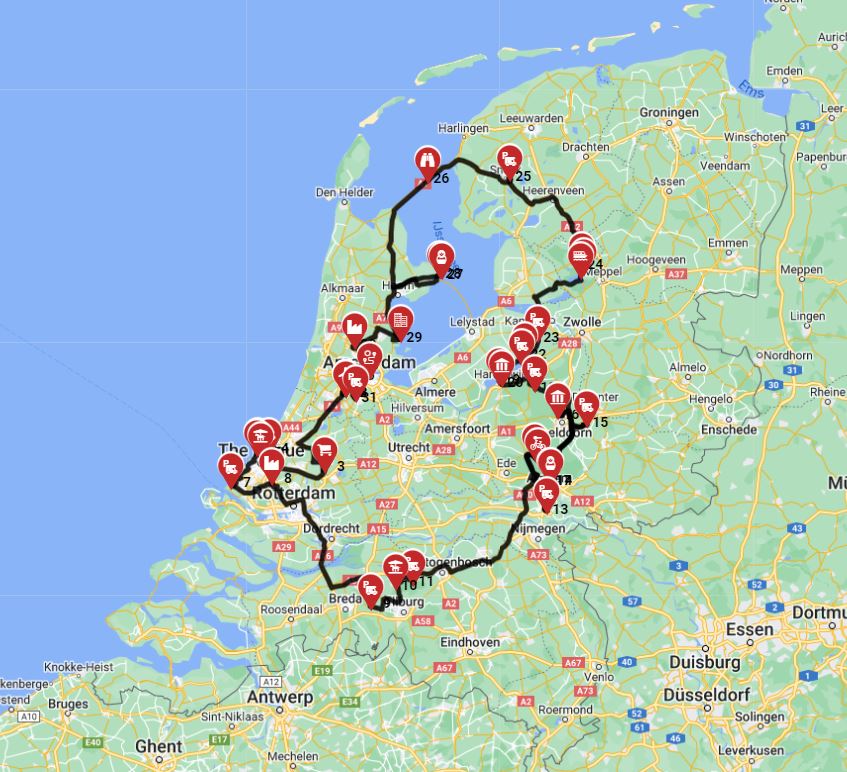
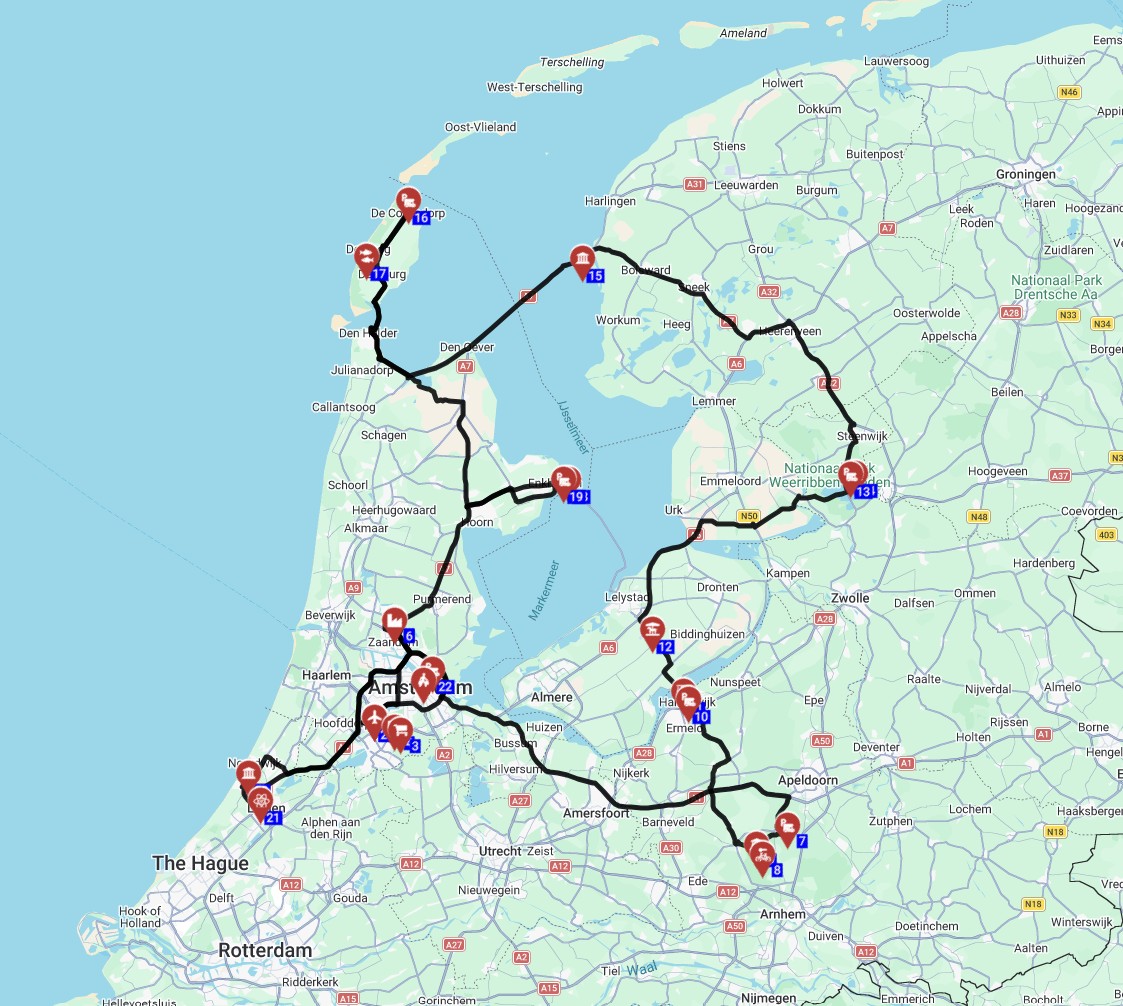
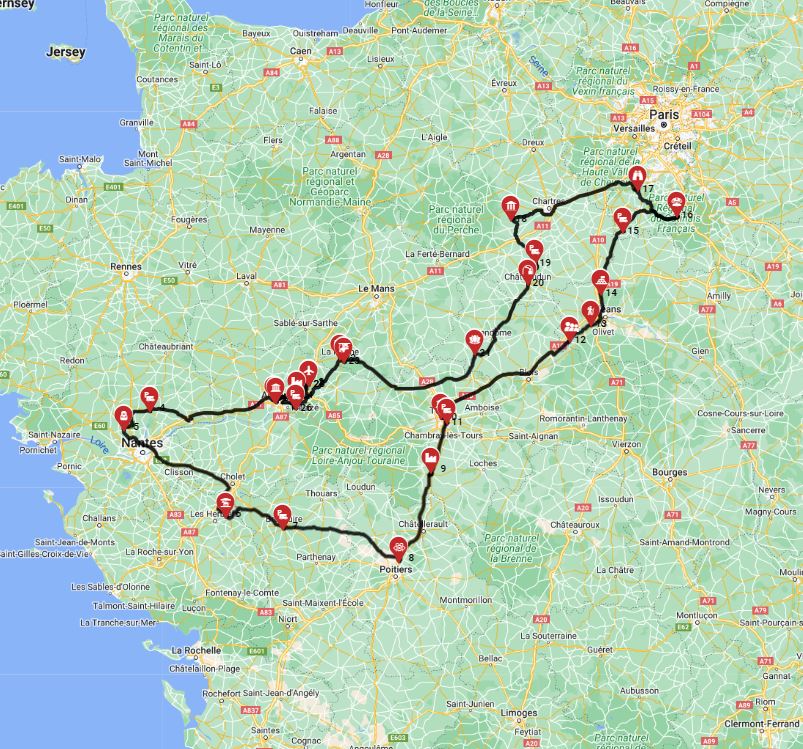
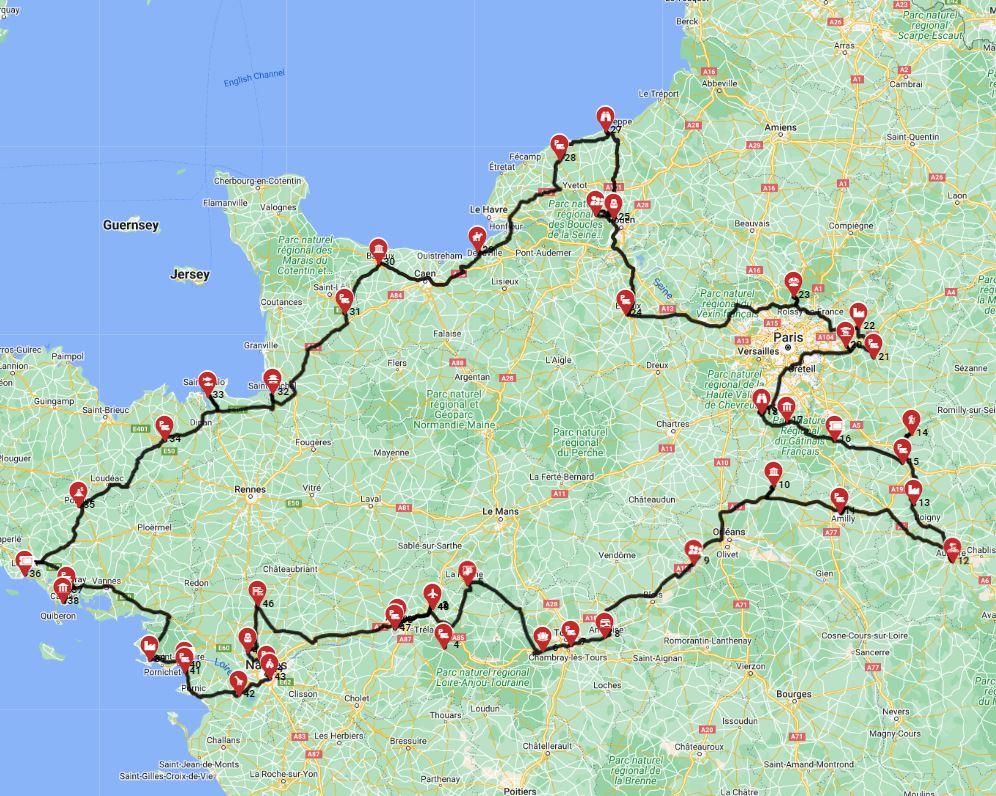
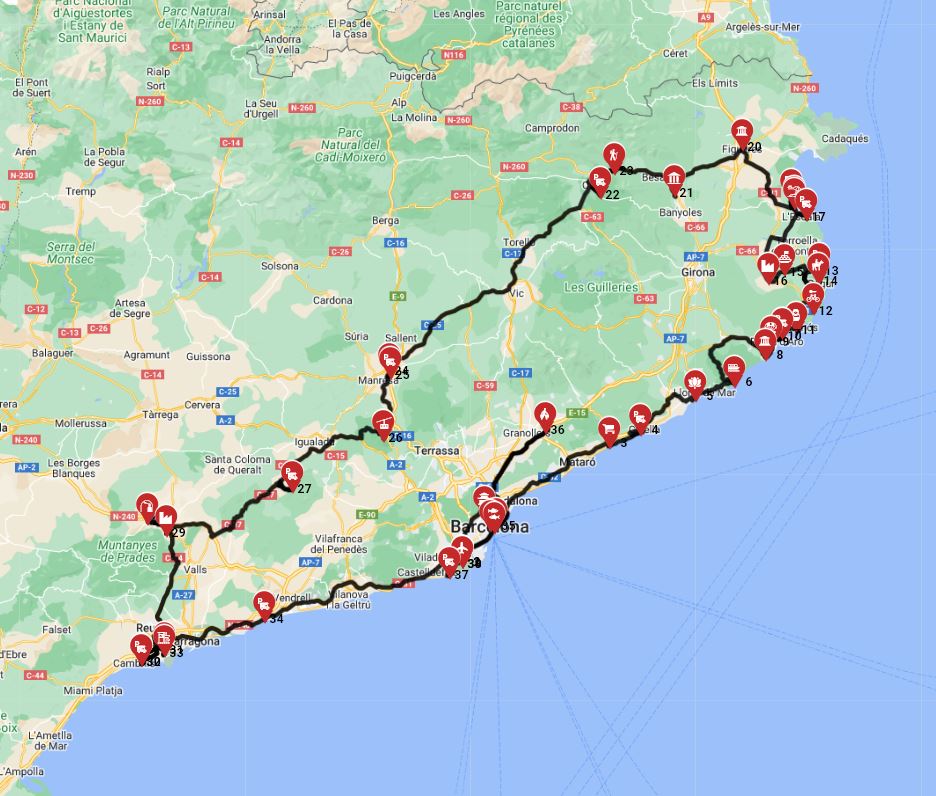
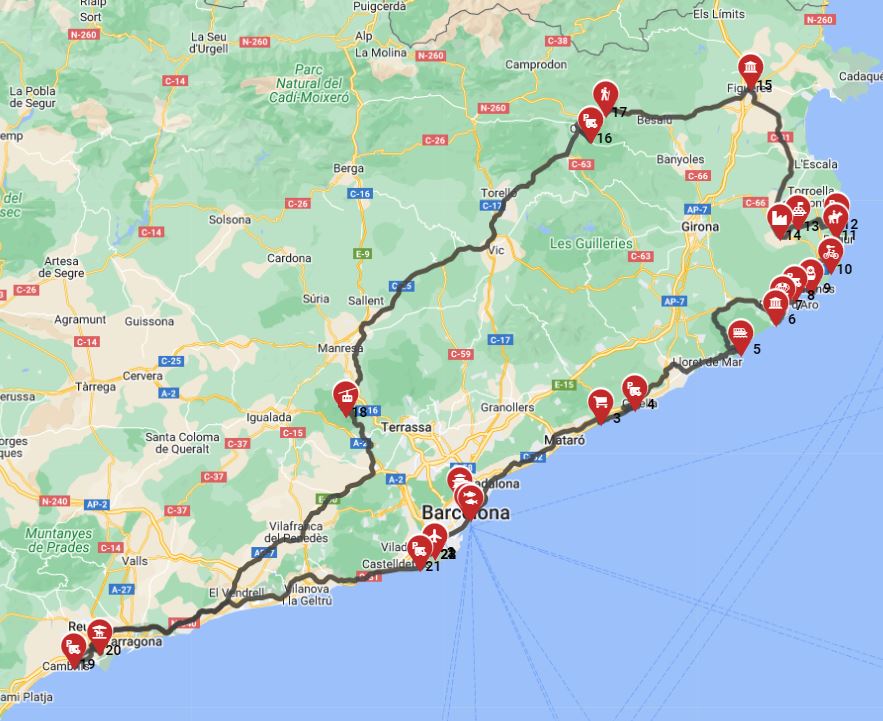
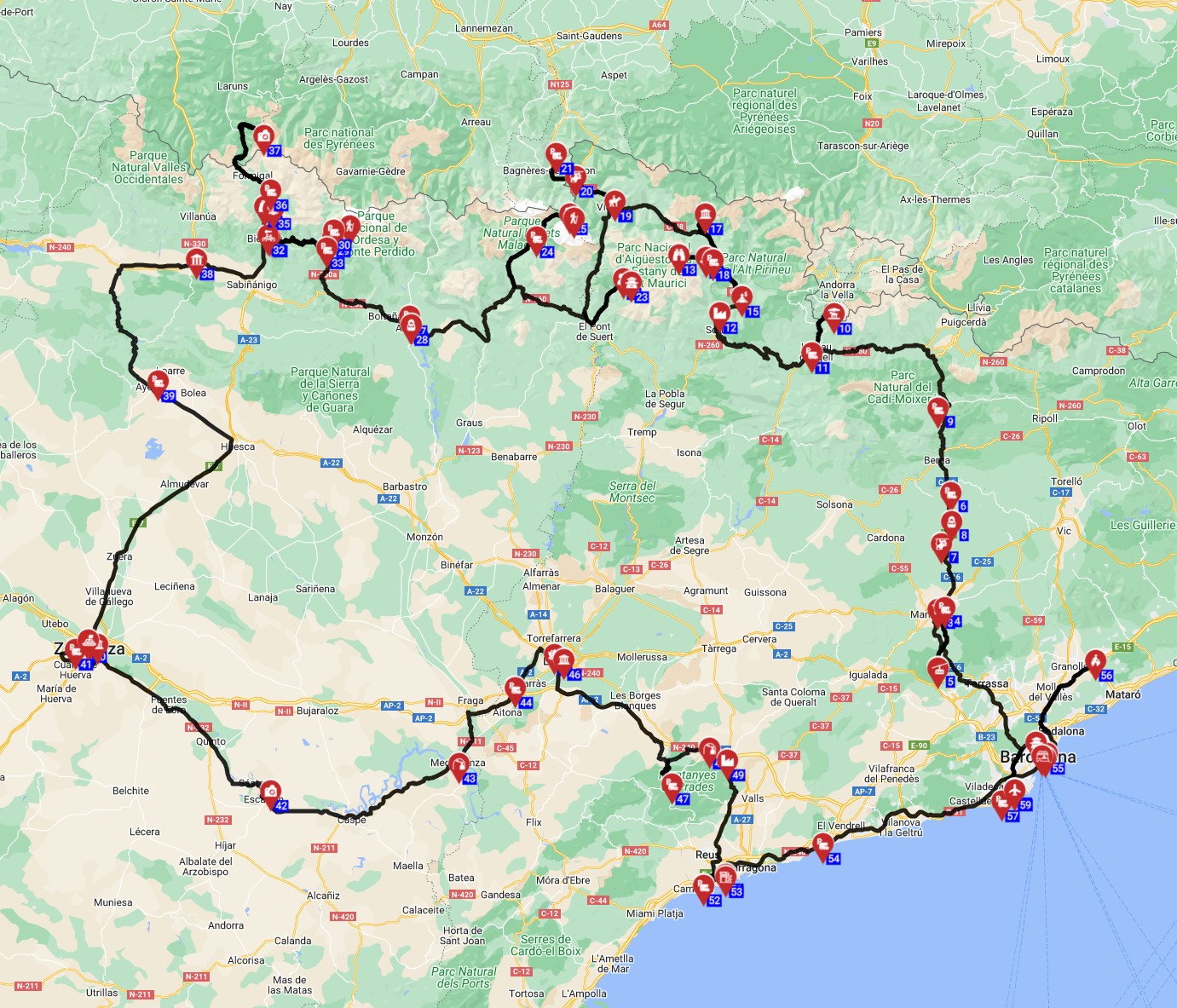
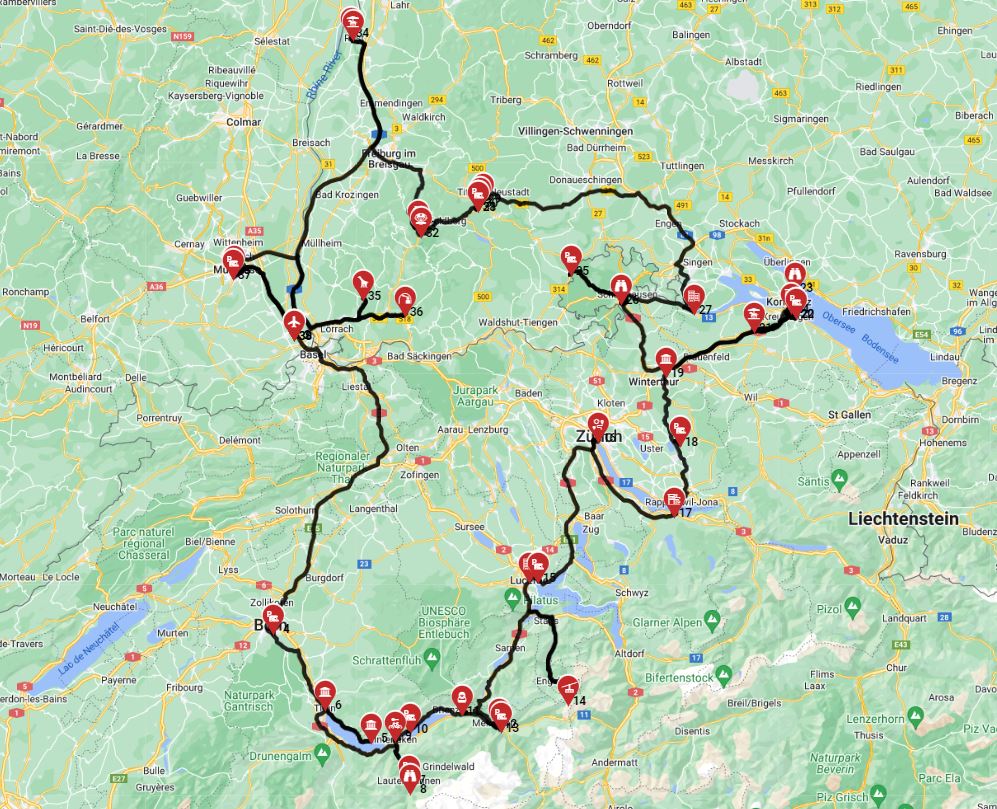
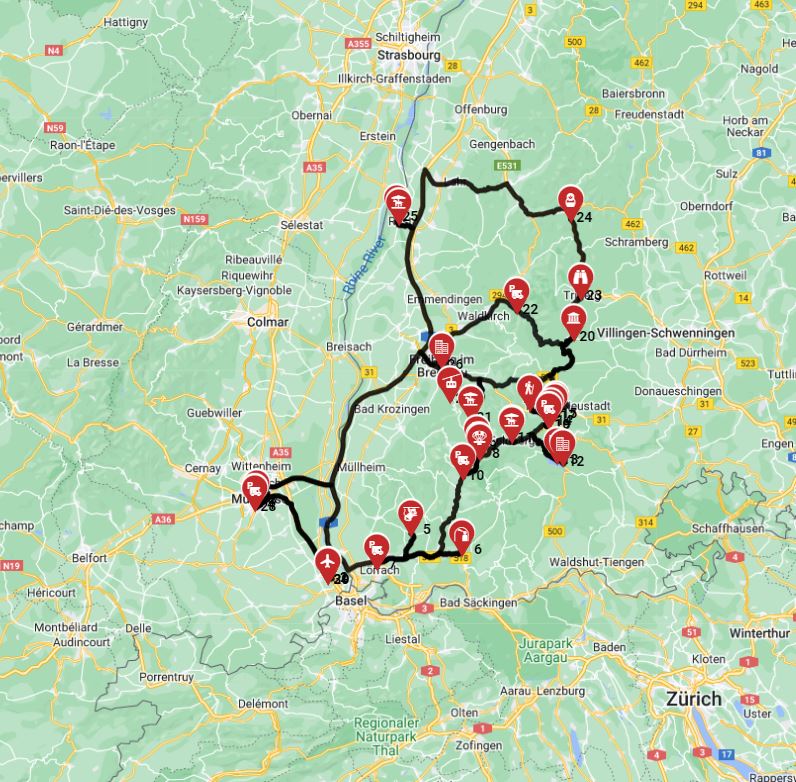
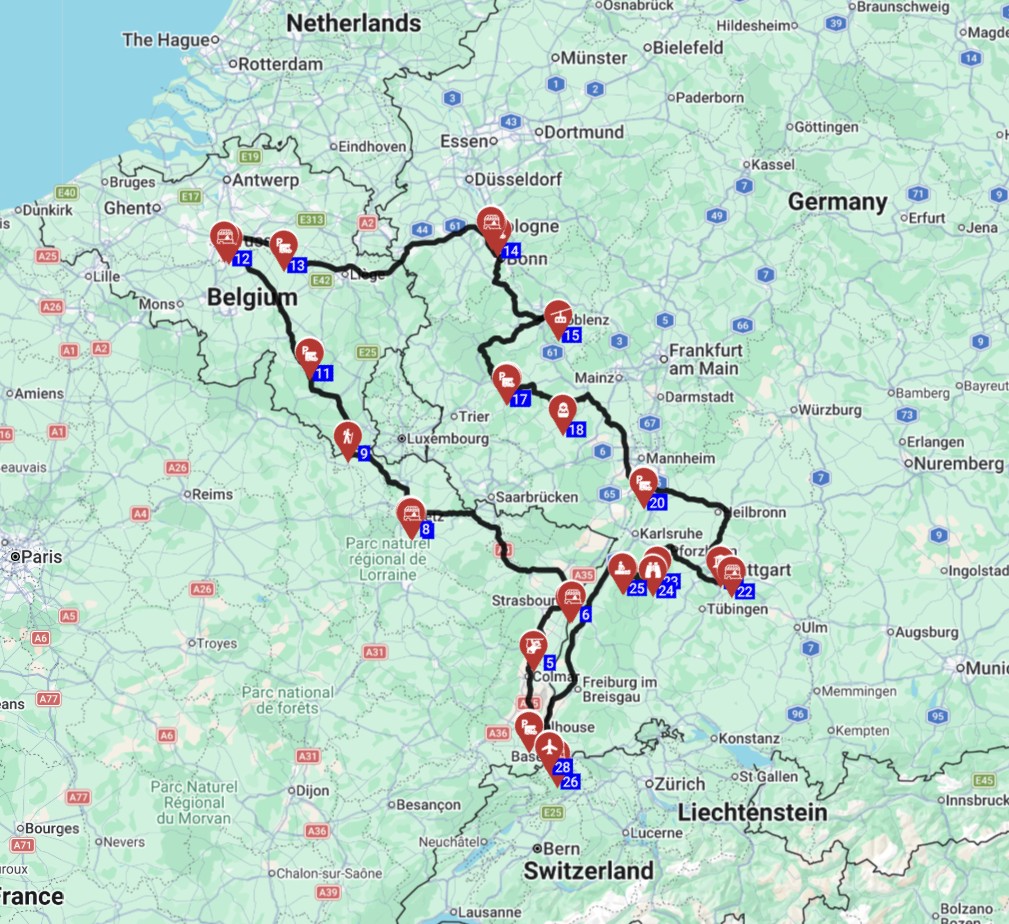
Popular RV routes include the Romantic Road in Germany, a 400 km scenic drive dotted with medieval towns and castles; the coastal drives of Portugal's Algarve or Spain's Andalusia; the enchanting Loire Valley in France with its châteaux; and the rolling vineyards and historic towns of the Tuscan countryside in Italy. For comprehensive itineraries and routes, Bandana RV, with its sister company RV PLANET (rvplan.net), offers over 1,300 pre-planned routes across 5 continents, including many for West Europe. Plus, you get a 25% planning discount for using rvplan.net.
While most countries are accessible, some remote or mountainous regions may have road restrictions for larger vehicles, so checking local regulations for your specific campervan or motorhome (like a `C-XLarge` with a length exceeding 9 meters) is always advisable. Whether you're exploring bustling cities or serene natural parks, a rented RV provides the perfect mobile headquarters for your West European adventure.
Are RVs allowed in European cities
While RVs are generally allowed on major roads and highways leading into European cities, navigating and parking within historic city centers can be highly challenging, restricted, or even prohibited for larger vehicles, often necessitating the use of park-and-ride facilities or designated campsites on the outskirts. Planning your city visits carefully is essential for a smooth RV trip.
Many European city centers have narrow streets, low bridges (which can be a concern for even a medium-sized Class C `MH23 Medium - Economy` motorhome), and limited parking spaces that are unsuitable for RVs. Additionally, some cities have Low Emission Zones (LEZs) that older or larger RVs may not meet emissions standards for, leading to potential fines if entered without proper permits. Drive slowly and carefully, and you can drive almost anywhere without issues. No need to stress - just use common sense and pay attention to signage.
The best strategy for city exploration is to park your RV at a designated RV park or campsite located on the city's periphery and then use public transport (bus, tram, metro) to access the city center. This saves you the headache of navigating tight city streets and finding oversized parking spots. For example, when visiting Paris, you can park your rented campervan at a campsite outside the city and take the RER train directly into the center.
Some cities offer 'Park and Ride' options where you can leave your RV in a secure car park and take public transport into the city. Always research these options in advance for specific cities you plan to visit, as they vary greatly. Our 24/7 support team is always available to help with pre-booking questions and coordination, ensuring you have a seamless travel experience from the very start. We've been helping travelers like you since 2001, providing local expertise and support.
What are the rules for RV camping in Europe
RV camping rules in Europe vary significantly by country and region, but generally emphasize the use of designated campsites, responsible waste management, adherence to local quiet hours, and respect for environmental regulations. Understanding these rules is crucial for a harmonious and legal motorhome adventure.
Most Western European countries, including France, Germany, and Italy, require RVs to camp in official campsites or specifically designated overnight parking areas. These include 'Stellplätze' in Germany (with over 4,000 available spots), 'Aires de Service' in France (with over 6,000 locations), and 'Sostas' in Italy. These sites typically offer essential services like fresh water, electricity, and waste disposal facilities for grey and black water.
Strict rules apply to waste disposal; always empty your grey water and black water tanks at designated points to protect the environment and avoid fines. Never dispose of waste inappropriately. Observe local etiquette, including quiet hours (typically 10 PM - 7 AM), maintaining a tidy pitch, and minimizing noise and light pollution to ensure a peaceful environment for all campers. Many campgrounds prohibit loud music or generators during quiet hours.
Environmental protection is paramount throughout Europe. Always dispose of rubbish in appropriate bins, separate recyclables where facilities exist, and avoid damaging local flora or fauna. When traveling with a rented motorhome, remember that you are a guest in these beautiful landscapes and communities, and respectful behavior helps maintain positive relationships for all RVers. Bandana Caravan has established direct partnerships with 50+ leading RV suppliers worldwide, ensuring their vehicles and recommended practices align with local regulations.
Can you wild camp in Europe with an RV
Wild camping with an RV in Western Europe is largely prohibited or highly restricted in most countries, with specific allowances only existing in certain remote regions or with explicit landowner permission, making designated overnight spots like 'Stellplätze' or 'Aires de Service' a more reliable and legal option. It's crucial to understand these regulations to avoid fines or conflicts with local authorities.
Countries like Germany, the Netherlands, and Switzerland have very strict rules against wild camping, often resulting in significant fines if caught. These regulations are in place to protect natural environments and ensure public safety. For instance, in Germany, using one of the 4,000+ *Stellplätze* is the legal and preferred method for overnight parking for motorhomes.
France allows for more flexibility, particularly in rural areas, if you have the landowner's permission or utilize specific 'Aires de Service' designed for motorhomes, which are abundant (over 6,000 locations). However, unauthorized overnight parking outside these designated areas, especially near tourist attractions or in nature reserves, is still generally forbidden. Some local municipalities may also have their own specific restrictions.
Scandinavian countries (e.g., Norway, Sweden) generally have more lenient 'right to roam' laws, often allowing for more extensive freedom to wild camp, but these typically exclude motorized vehicles or require significant distance from habitations. This 'right to roam' generally applies more to hikers and tent campers, rather than large motorhomes. Always research country-specific regulations thoroughly before attempting to wild camp and prioritize legal options to avoid fines and ensure safety. RV PLANET (rvplan.net) is an excellent resource for finding legal campsites and overnight parking spots along your route, ensuring your trip remains stress-free and within local guidelines.
What do I need to know before RVing in Europe
Before RVing in Europe, it's essential to meticulously plan logistics, including obtaining an International Driving Permit, understanding local regulations, securing reliable connectivity, and preparing for specific travel needs like ferry bookings or pet documentation. Being well-informed ensures your adventure is enjoyable and free from unexpected hurdles.
Secure an International Driving Permit (IDP) if your national license is not in English or a widely recognized European language, as it's mandatory in several countries (though a standard car driver's license is sufficient for all motorhome classes). The IDP serves as a translation of your license and is usually obtained from your national motoring association before departure. The minimum rental age is 21, and there are no young driver surcharges or vehicle class restrictions based on age, making RV travel accessible for many young adventurers.
Research country-specific nuances such as mandatory safety equipment (e.g., reflective vests, warning triangles, spare bulb kits, first-aid kits), different speed limits for RVs compared to cars, and unique road signs. For example, some countries require you to carry a breathalyzer. Knowing these small details can prevent fines and ensure safety. Our philosophy at Bandana RV is "God is in the small details, and we take care of them. That's what makes the big difference."
Plan for staying connected by checking international roaming options, purchasing a local SIM card (e.g., Orange or Vodafone offer good coverage across West Europe), or renting a portable Wi-Fi device for reliable navigation and communication. Offline maps are also invaluable. If crossing water (e.g., from France to Ireland or between Greek islands), research ferry logistics well in advance, including booking an appropriate slot for your RV's dimensions and understanding associated costs, as these can vary significantly based on vehicle length and height.
For families, consider campsites with amenities for children, and for pet owners, ensure all pet documentation (e.g., pet passport, up-to-date vaccinations, microchip) is current and research pet-friendly sites and local vet access. Bandana Caravan, founded in 2001, has over 20 years helping tens of thousands of travelers, and our expertise ensures you're prepared for every detail of your West Europe RV rental adventure.
What You Shouldn't Miss
- Explore the Romantic Road in Germany: Drive through medieval towns like Rothenburg ob der Tauber and Fussen, experiencing fairytale castles and picturesque landscapes.
- Cruise the French Riviera: Discover glamorous coastal towns like Nice and Cannes, stopping at scenic viewpoints and enjoying the Mediterranean sun with your rented motorhome.
- Hike in the Swiss Alps: Park your campervan near charming alpine villages and embark on breathtaking hikes with panoramic mountain views, perhaps even spotting the famous PostBuses.
- Savor Italian Cuisine in Tuscany: Navigate the rolling hills of Tuscany, staying at agriturismos (farm stays) with RV pitches, and indulge in world-class wine and pasta.
- Discover Portugal's Algarve Coast: Enjoy stunning beaches and dramatic cliffs, parking your RV at ocean-side campgrounds and soaking in the sun and surf.
- Looking for expert insights from Avi Bandana? Top 5 Adventures - recommendations from Avi Bandana
Final Thoughts
Renting a cheap RV in West Europe opens up a world of unparalleled freedom and adventure. From the historic charm of German villages to the sun-kissed coasts of Spain, your motorhome or campervan becomes your gateway to discovering the continent's diverse wonders at your own pace. With careful planning and smart choices, you can create a memorable and budget-friendly trip that caters to your unique travel style.
At Bandana RV, we're with you every step of the way, offering transparent pricing, expert advice, and robust support before, during, and after your booking. Our passion for RV travel drives us to ensure your journey is as smooth and enjoyable as possible, allowing you to focus on collecting unforgettable experiences, not worrying about hidden fees. So, pack your bags, choose your perfect rented motorhome, and get ready to create memories that will last a lifetime.
Ready to embark on your own West European RV adventure? Discover top destinations, planning tips, all in one place! Compare Motorhome Prices for West Europe and find your ideal vehicle today!