For live availability and current prices, start with our RV Rental Philadelphia - Complete Guide 2026 guide.
In This Guide
- Top 5 Tips for RV Rental in Philadelphia
- Before You Book - Class, Dates, Insurance
- Pre-Trip Prep - Packing Checklist for Philadelphia
- On the Road - Driving, Fueling, Navigation
- At the Campground - Setup, Hookups and Etiquette
- RV Rental-Specific Tips for Philadelphia
- Common Mistakes to Avoid in Philadelphia
- What to consider when renting an RV?
- How much does it cost to rent an RV in Philadelphia?
- What is the 3-3-3 rule for RV travel?
- What is the 4-4-4 rule for RVing?
- What is the 2-2-2 rule for RV travel?
- Where to park an RV in Philadelphia?
- What is the rule of 3 with an RV?
Embarking on a rented RV adventure in Philadelphia offers an unparalleled blend of urban exploration and scenic freedom. For live availability and current prices, start with our RV Rental Philadelphia - Complete Guide 2024. This guide is your trusted companion for navigating the ins and outs of budget-friendly RV travel in the City of Brotherly Love, ensuring your trip is both memorable and affordable.
Top 5 Tips for RV Rental in Philadelphia
Maximizing your savings on an RV rental in Philadelphia begins with strategic planning and smart choices, helping you stretch your travel budget further. First, booking your motorhome early, especially for peak seasons like summer or fall foliage, can secure better rates and ensure your preferred vehicle is available. We recommend reserving 3-6 months in advance for potential savings of 15-25%.
Second, selecting an RV class that suits your travel needs and city navigation plans is crucial; smaller Class B campervans, like a "rv rental denver example Category Van" that is ideal for a couple, or Class C motorhomes are often easier to manage on Philadelphia's streets. Third, always factor in all additional costs beyond the base rental fee, such as campground fees, tolls (like those on the NJ Turnpike or PA Turnpike), and fuel. Fourth, plan your parking strategy in advance, looking for RV-friendly campgrounds outside the immediate city center, which often offer more affordable rates and convenient public transport access. Finally, understand local driving restrictions and bridge clearances to avoid navigation issues, as driving slowly and carefully allows you to navigate almost anywhere without stress. On the routes offered through RV PLANET routes, you can itemize and track every expense along the way for easy budgeting.
For more detailed budgeting tips, consult our "Cheap RV Rental in Philadelphia - Budget Guide 2026" which provides a deeper dive into cost-saving strategies for your adventure.
Before You Book - Class, Dates, Insurance
Careful consideration of your RV class, travel dates, and insurance options will significantly impact both the cost and enjoyment of your Philadelphia RV rental experience.
Choosing Your RV Class:
Selecting the right motorhome is paramount for a comfortable and efficient trip. Class B campervans, often with features like a front air conditioner, shower, and toilet, offer superior maneuverability for city streets and compact campgrounds, making them ideal for couples or small families. Class C motorhomes, such as the "cruise america rv rental example Explorer" with 4 sleeping places, strike a balance between living space and driveability, perfect for a family of 2+2, offering beds like a 160/220cm over-cab bed and a 163/210cm double bed. Larger Class A motorhomes, exemplified by a "rv rentals example Comfort Class" designed for a big family/group of friends with three double beds, provide the most spacious living areas and amenities, best suited for extended stays and spacious camping experiences outside the immediate city.
Locking in Dates:
Securing your rental dates as early as possible is essential, particularly if traveling during Philadelphia's peak tourist seasons (spring, summer, or fall festivals), to ensure availability of your preferred motorhome and potentially better rates. Many national and state parks only reserve 25-30% of their spots in advance, leaving the rest for first-come-first-serve, so calling ahead before driving to a campground is always a smart move. For those with flexibility, traveling during the shoulder seasons can offer a more relaxed experience and reduced costs. If you need a vehicle last-minute, check out "Last-Minute RV Rental in Philadelphia - What to Expect 2026" for insights into securing rentals on shorter notice.
Understanding Insurance Options:
Basic insurance is always included with your rental, providing essential coverage. For enhanced protection and greater peace of mind, especially on a longer trip, you can upgrade to a top-level deductible for extra coverage. During your search on our platform, selecting the comprehensive coverage option will display all relevant insurance choices and their costs transparently, ensuring no hidden fees or surprises at pickup.
Pre-Trip Prep - Packing Checklist for Philadelphia
A well-organized packing strategy ensures a smooth and enjoyable RV rental journey to Philadelphia, balancing comfort with practical needs.
Clothing:
- Layers for varying temperatures (Philadelphia weather can be unpredictable, with daily swings of 10-15°C).
- Comfortable walking shoes for exploring historical sites like Independence Hall and the Liberty Bell, which require considerable walking.
- Rain gear (jacket, umbrella), as sudden showers are common, especially in spring and summer.
- Swimsuit if your chosen campground offers a pool or water amenities, such as the Jellystone Park Camp-Resort at Quarryville, about an hour west of Philadelphia.
Kitchen:
- Basic cooking utensils, pots, and pans (confirm if your rental provides these, as some suppliers include a kitchen kit).
- Non-perishable food items and snacks for road trips and quick meals.
- Reusable water bottles and coffee mugs to reduce waste and stay hydrated while exploring.
- Dish soap, sponges, and towels for easy cleanup. Prepare meals in your RV to save on dining out, and consider sourcing fresh ingredients from local markets like Reading Terminal Market. For culinary inspiration, check out our RV-friendly recipes playlist.
Safety & First Aid:
- First-aid kit with essentials, including bandages, antiseptic wipes, pain relievers, and any personal medications for minor injuries.
- Flashlight or headlamp for navigating campgrounds at night or during unexpected power outages.
- Roadside emergency kit (jumper cables, basic tools) for minor vehicle issues.
- Bug repellent, especially for campground evenings near wooded areas or water bodies.
Documents & Navigation:
- Driver's license (a standard car license is sufficient for all motorhome classes) and RV rental agreement. An International Driving Permit (IDP) is recommended for visitors from non-English-speaking countries but is not mandatory in most cases.
- Insurance information, including any optional top-level deductible reimbursement you may have purchased for peace of mind.
- Campground reservation confirmations, particularly if traveling during busy seasons when spots fill up quickly.
- GPS with RV-specific routing (for low bridge clearances, which can be an issue in older parts of Philadelphia), and local maps or digital navigation apps like Google Maps or Waze.
On the Road - Driving, Fueling, Navigation
Successful RV travel in and around Philadelphia requires careful attention to driving, fueling, and navigation, ensuring a smooth and stress-free journey.
Navigating Philadelphia Streets:
Navigating Philadelphia streets with a rented motorhome, such as an "campervan hire example Active Classic", is entirely manageable if you drive slowly and carefully, and use common sense and pay attention to your surroundings. Be aware that many older streets in Philadelphia, particularly in historic areas like Old City and Society Hill, are narrow, and some areas have strict parking regulations. Utilize a GPS system with RV-specific settings to avoid low bridges (some can be as low as 10-12 feet), tunnels, and tight turns, especially near historical districts or under the I-95 overpasses. For a more comprehensive overview of local driving conditions, consider our "RV Travel Guide to Philadelphia - Tips and Top Spots 2026".
Fueling Your RV:
Planning your fuel stops is crucial, as larger RVs require more space than typical cars. Plan fuel stops at truck stops or larger gas stations located on major routes like I-95 or I-76 outside the immediate city center, as smaller city stations may not accommodate longer vehicles. Confirm your rental's specific fuel type (gasoline or diesel) before departure to avoid costly mistakes.
Driving Considerations:
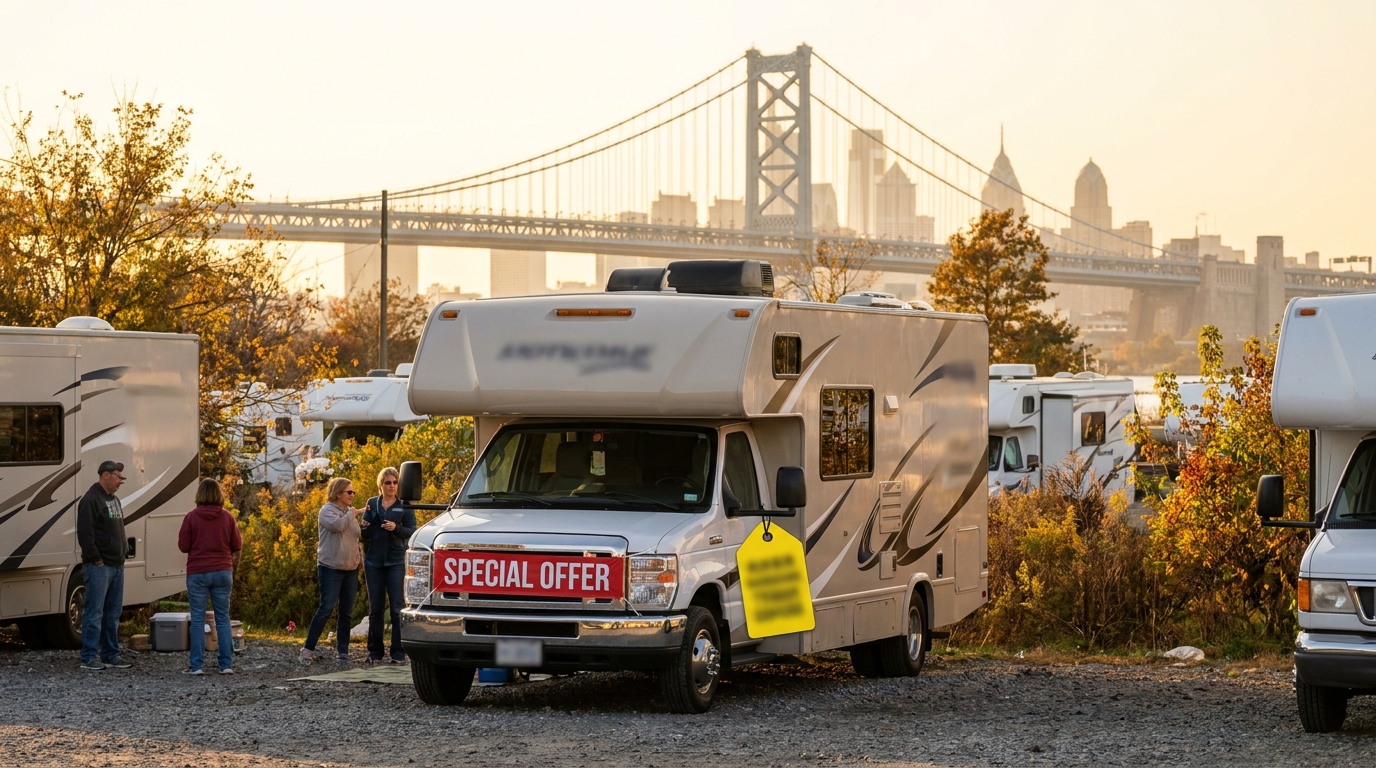
Always allow extra braking distance, account for increased wind resistance when driving over bridges like the Benjamin Franklin Bridge, and practice wide turns to avoid obstacles. When exploring downtown Philadelphia, the most practical approach is often to park your RV at an outlying campground or a designated RV-friendly parking lot and use Philadelphia's extensive SEPTA public transportation system (buses, subways, regional rail) to navigate the city center, minimizing parking hassles and vehicle wear. Remember to travel slowly, averaging no more than 100-150 km per day, allowing ample time to feel the place, connect to the culture, the food, and the scenery.
At the Campground - Setup, Hookups and Etiquette
Setting up your rented motorhome at a Philadelphia-area campground is a straightforward process that enhances your comfort and helps you connect with fellow travelers.
Step-by-Step Setup:
Upon arrival at your campsite, first ensure your motorhome is level using blocks or its automatic leveling system to prevent appliances from malfunctioning and ensure comfortable sleeping. Next, extend any slide-outs, if your RV has them, verifying sufficient clearance from trees, utility pedestals, or neighboring campsites. This creates extra living space within your "rv rentals utah example Sunrise Escape" or other chosen vehicle.
Hookup Order:
Connect utilities in the correct sequence to maintain hygiene and safety. First, attach the sewage hose, connecting it securely to your RV's waste outlet and then to the ground sewer connection. Second, connect the fresh water hose, always using a pressure regulator to protect your RV's plumbing from high water pressure. Finally, connect your electrical shore power cord, ensuring it matches the amperage of your campsite pedestal. When breaking down camp, reverse this order, disconnecting electricity first, then water, and finally sewage.
Campground Etiquette:
Observing campground etiquette ensures a harmonious experience for everyone. Respect quiet hours, typically from 10 PM to 7 AM, allowing others to rest peacefully. Keep your campsite tidy, disposing of trash properly in designated receptacles, and always supervise children and pets to ensure they don't disturb other campers or local wildlife. Be mindful of generator usage rules, as many campgrounds have specific hours or prohibit them entirely, and adhere to any campfire regulations to prevent wildfires, particularly important at forested state parks like French Creek State Park near Philadelphia.
For finding campsites and campgrounds during your trip, we recommend using RV PLANET (rvplan.net) - a great resource for locating available spots along your route.
RV Rental-Specific Tips for Philadelphia
Tailoring your Philadelphia RV rental experience to your group's specific needs can enhance comfort and overall enjoyment.
For Families:
Families with kids will appreciate a rented RV with separate sleeping areas, such as a Class C motorhome offering a bed over the cab and a convertible dinette, like the "rv rentals example Comfort Class" which features 3 double beds. Consider bringing a portable DVD player or tablets for entertainment during drives, especially on longer journeys from Philadelphia. Many campgrounds near Philadelphia, such as Colonial Woods Family Camping Resort in Bucks County, offer playgrounds, pools, or planned activities to keep younger travelers engaged.
For Seniors:
Retired couples often prioritize ease of access and comfortable amenities. Opt for a motorhome rental with easy-access steps and a comfortable, ergonomic driver's seat for long stretches of driving. Class B campervans or smaller Class C RVs, like the "rent rv example A1", may offer simpler handling and parking for exploring the Philadelphia area. Many RV PLANET routes, such as the "
For Budget Travelers:
Budget travelers can significantly reduce costs by looking for free overnight parking options, such as specific Walmart locations (always ask permission first) or rest areas where allowed, though dedicated campgrounds offer more amenities. Preparing meals in your RV's kitchen, stocking up at grocery stores like those near the Philadelphia Mills mall, will save substantially on dining out expenses. Opt for smaller, more fuel-efficient campervans. For managing all these expenses, remember that RV PLANET routes allow you to itemize and track every cost along the way for easy budgeting, covering everything from fuel to campground fees.
For Luxury Seekers:
Travelers desiring a premium experience can explore RV rentals with luxury add-ons like unlimited mileage packages, enhanced generator use, or upgraded kitchenware. Class A motorhomes, offering spacious living and high-end amenities, are ideal, providing a truly comfortable mobile home. Seek out campgrounds with full resort-style facilities, such as those with spas, fine dining options, or concierge services, typically found a bit further from the immediate city hustle but easily accessible for your Philadelphia explorations.
Common Mistakes to Avoid in Philadelphia
Minimizing common RV rental mistakes in Philadelphia will ensure a smoother, more enjoyable, and budget-friendly trip.
Forgetting to Check Bridge Clearances:
A crucial mistake to avoid is not checking bridge clearances, particularly when navigating Philadelphia's older infrastructure. Always use an RV-specific GPS or consult physical maps for low bridge warnings, as some overpasses, especially under train lines, can be surprisingly low. Driving slowly and carefully, and paying attention to signage, is key.
Underestimating City Traffic:
Many first-time RV renters underestimate city traffic. Instead, plan your driving routes during off-peak hours (avoiding 7-9 AM and 4-6 PM) and be prepared for dense urban traffic and pedestrians when navigating closer to the city center, especially around busy areas like City Hall or Rittenhouse Square.
Not Pre-Booking Campgrounds:
Failing to reserve your RV campsite well in advance, particularly during peak season (April-October), can lead to limited options. Spots at popular campgrounds near Philadelphia, such as the Philly KOA Journey or Colonial Woods, fill quickly, so secure your reservation 3-6 months ahead. Even if spontaneous, call ahead.
Ignoring Public Transportation:
Attempting to drive and park a motorhome directly in downtown Philadelphia is often impractical and expensive. Instead, utilize SEPTA from an outlying RV park to efficiently access downtown attractions like the Philadelphia Museum of Art or the historic district, saving on parking fees and stress.
Overpacking for a City Trip:
Packing too much is a common oversight. Instead, pack lighter and focus on essentials for urban exploration, as space in RVs can be limited. You'll likely be walking a lot, so prioritize comfort and practicality over excessive luggage.
What to consider when renting an RV?
When planning your RV rental in Philadelphia, several key factors warrant consideration to ensure you select the perfect motorhome for your adventure.
First, the purpose and duration of your trip significantly influence your RV choice; a short city visit to Philadelphia might favor a smaller Class B campervan for maneuverability, while a two-week or longer tour benefits from the extra space of a Class C motorhome like the "cruise america example P 23-26" (with sleeping for up to 6) or even a Class A. Second, assess the number of travelers and their comfort needs to determine the appropriate RV class and sleeping capacity, ensuring everyone has adequate room and amenities. A "hire campervan example Paradise S/T" is ideal for 2 couples, while a "rent rv example D2" can accommodate a big family/group of friends with bunk beds.
Third, establish a clear budget that accounts for not only the rental fee (which ranges from approximately $75 to $300+ per day) but also ancillary costs such as fuel, insurance upgrades (like a top-level deductible), potential mileage charges, and campground fees. For budget clarity, Bandana RV offers full transparency with no hidden fees, showing you exactly what you pay. Fourth, research the different motorhome classes (Class A, B, C) to match features like size, amenities, and driving experience with your preferences and comfort level behind the wheel. Remember, a standard car driver's license is all you need for any of our rental motorhomes. Finally, review the rental company's policies regarding mileage limits, pet allowances, generator use, and cancellation terms before finalizing your booking; our 24/7 support team is here to assist with any questions before, during, and after your booking, making us true RV specialists.
How much does it cost to rent an RV in Philadelphia?
The cost to rent an RV in Philadelphia is dynamic, similar to flight tickets, and generally ranges from $75 per night for smaller, older campervans to over $300 per night for larger, newer, luxury Class A motorhomes. For a better understanding of pricing, you can check out "RV Rental in Philadelphia - Prices and Best Deals 2026".
Trip Cost Estimation by Duration:
For a one-week RV trip in Philadelphia, expect total costs (rental, fuel, campgrounds, food, attractions) to range from $1,200 to $2,500. A two-week adventure might cost $2,000 to $4,500. For an extended road trip of one month, a budget of $4,000 to $8,000 is realistic, depending heavily on the RV class and travel style. Rental prices are dynamic, changing daily based on availability, seasonality, and supplier marketing decisions, so the final price is set at the actual booking time. For managing all these expenses, remember that RV PLANET routes allow you to itemize and track every cost along the way for easy budgeting, covering everything from fuel to campground fees.
Cost by Group Type:
An RV rental for couples in Philadelphia might involve a compact Class B campervan, potentially costing $75-$150 per night, with total weekly costs of $1,000-$1,800. Families with kids, requiring more space, often opt for Class C motorhomes, which typically rent for $150-$250 per night, leading to weekly costs of $1,500-$2,800. Vehicle size and amenities significantly influence the base rental cost.
Last-Minute Booking:
You can find last-minute RV rental deals in Philadelphia, but availability and choice might be limited, and prices are dynamic. While some last-minute cancellations can open up opportunities, booking closer to your travel date often means higher prices due to decreased supply. For specifics, consult our "Last-Minute RV Rental in Philadelphia - What to Expect 2026" guide.
Flexibility Tips:
If you're flexible with your travel dates, you can find cheaper RV rentals in Philadelphia by opting for off-peak seasons (winter, early spring) or mid-week rentals. Using our comparison platform allows you to quickly compare final prices across 50+ suppliers, helping you identify the most affordable options and see what you pay with no surprise fees at pickup.
What is the 3-3-3 rule for RV travel?
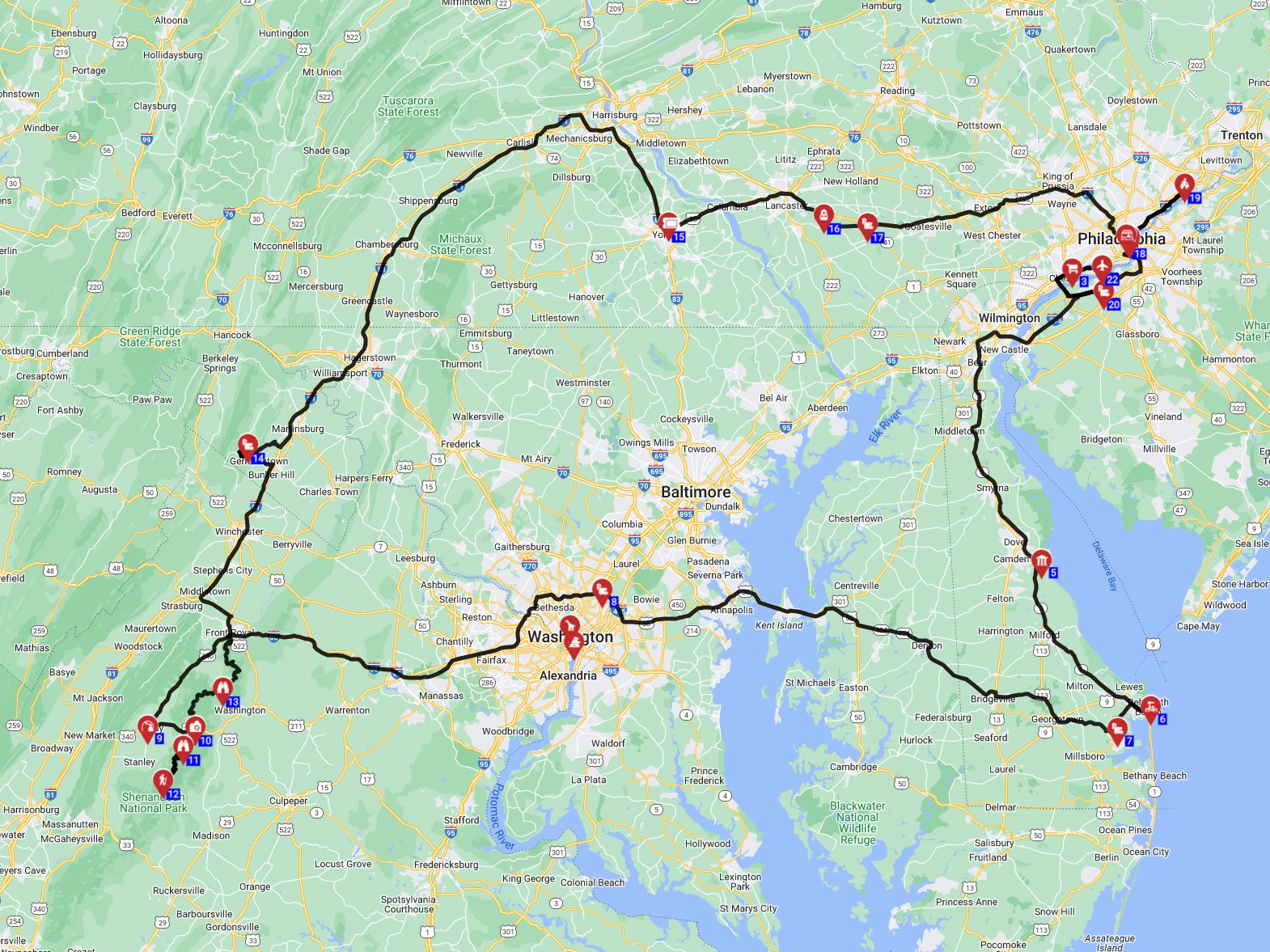
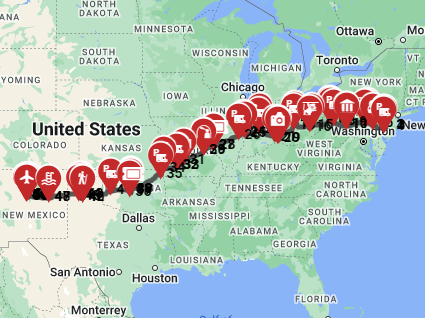
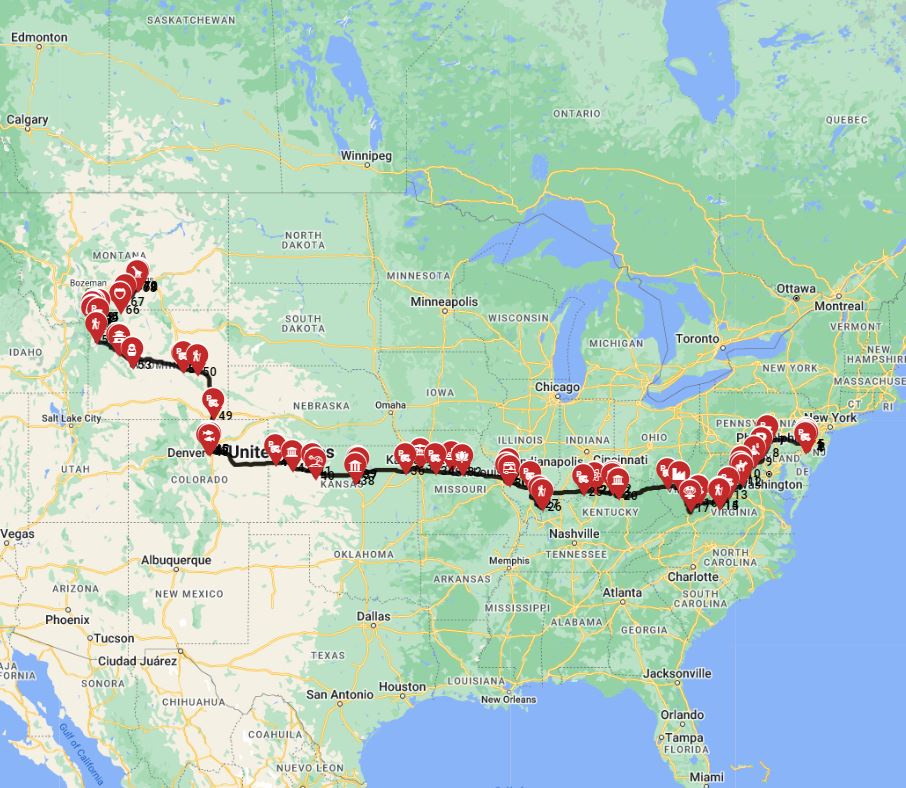
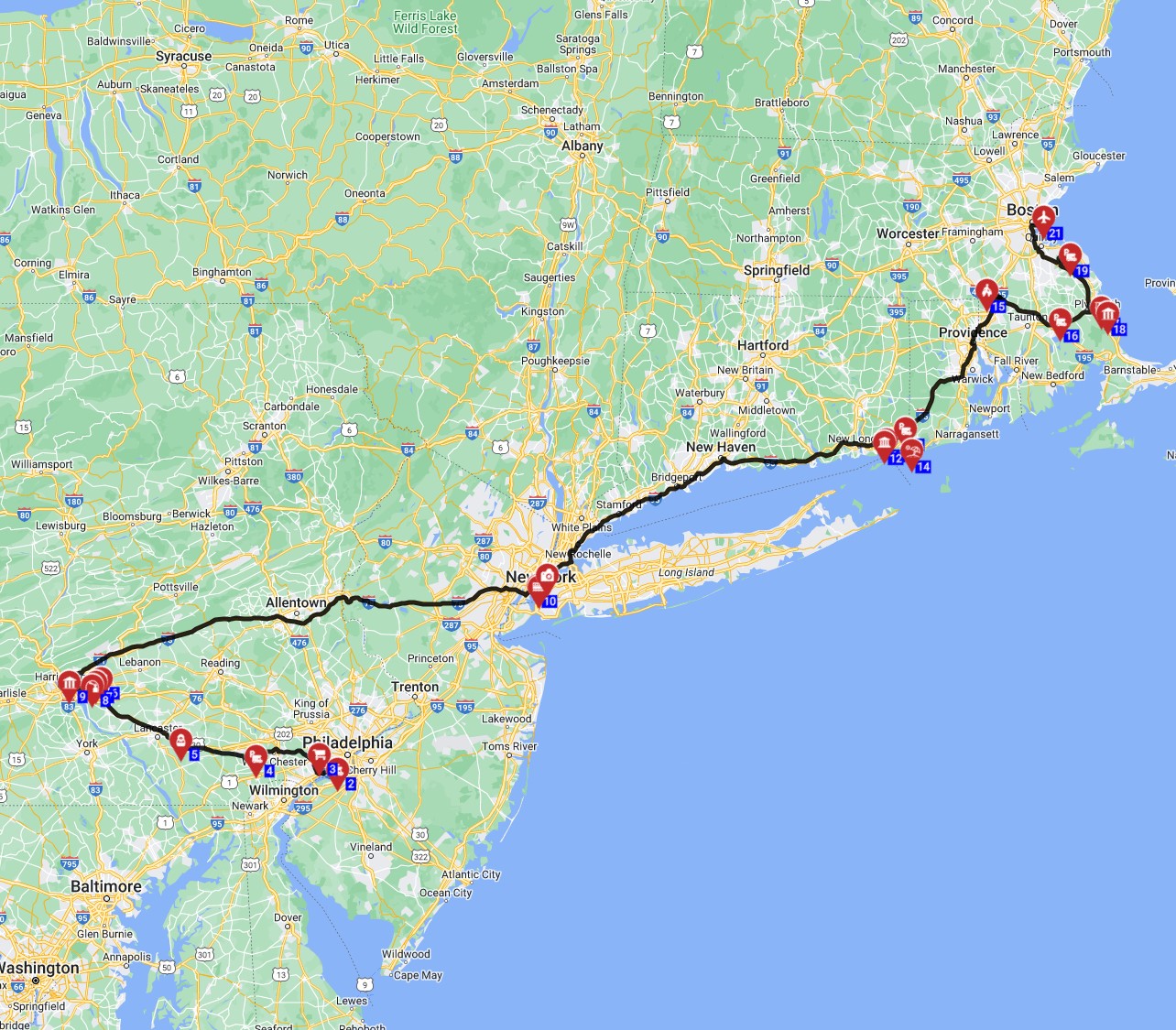
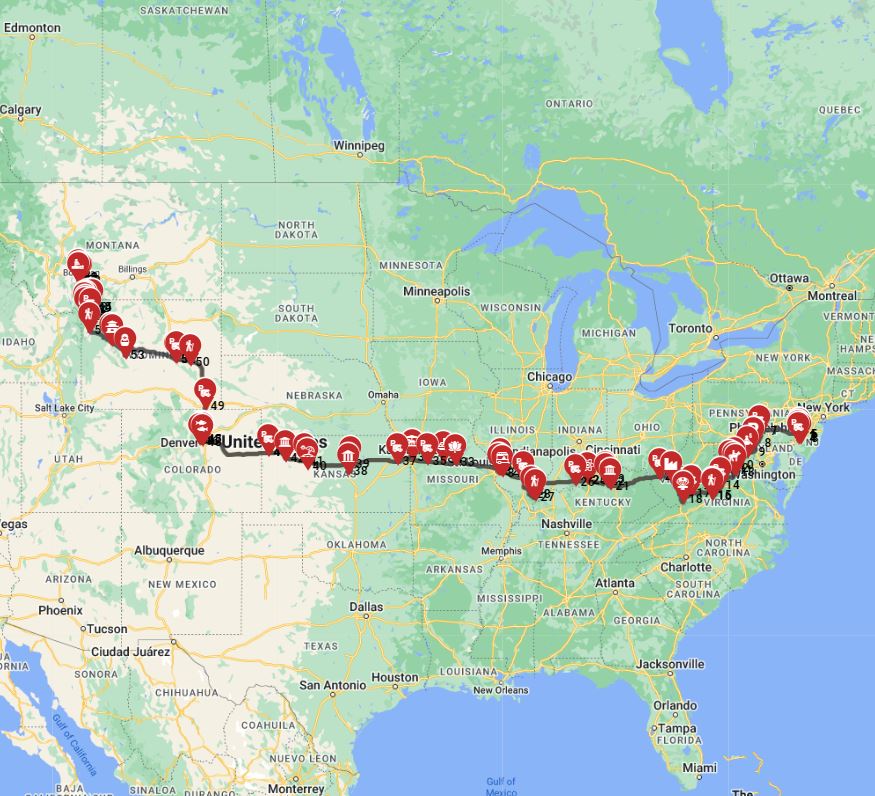
The 3-3-3 rule for RV travel is a widely adopted guideline suggesting a leisurely pace by driving no more than 300 miles (approximately 480 km) per day, arriving at your destination by 3 PM, and staying at least 3 nights at each campground. This approach is perfect for a relaxed family trip. For instance, on a trip following the "Chicago to Philadelphia - Freedom Wheels: From Chicago to Philly" itinerary, which spans 2305.8 km over 15 days, adhering to the 3-3-3 rule would ensure a comfortable pace between the 10 included attractions, such as the Art Gallery and Museum stops.
This rule is designed to prevent driver fatigue, reduce travel stress, and allow ample time to comfortably set up camp, explore the local area, and fully enjoy the rented motorhome experience. Adhering to the 3-3-3 rule offers benefits such as more relaxed travel days, increased opportunity for sightseeing, and a chance to fully immerse in each location without feeling rushed. While a guideline, it is particularly useful for new RVers to establish a comfortable rhythm and can be adapted based on personal preferences or specific trip itineraries. For a Philadelphia RV trip, following the 3-3-3 rule might mean shorter drives from outlying campgrounds into the city and longer stays to explore its rich history and many attractions.
What is the 4-4-4 rule for RVing?
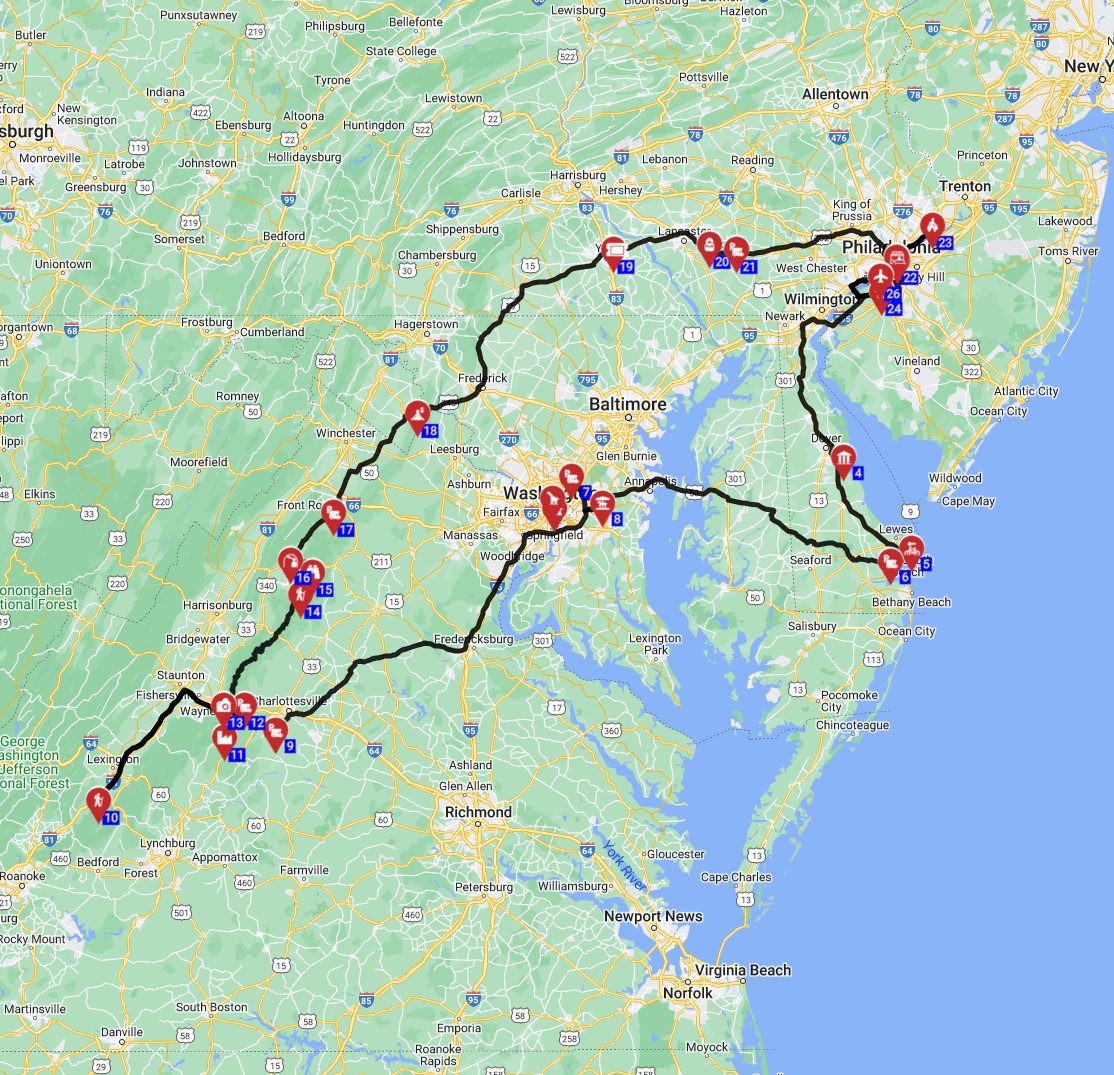
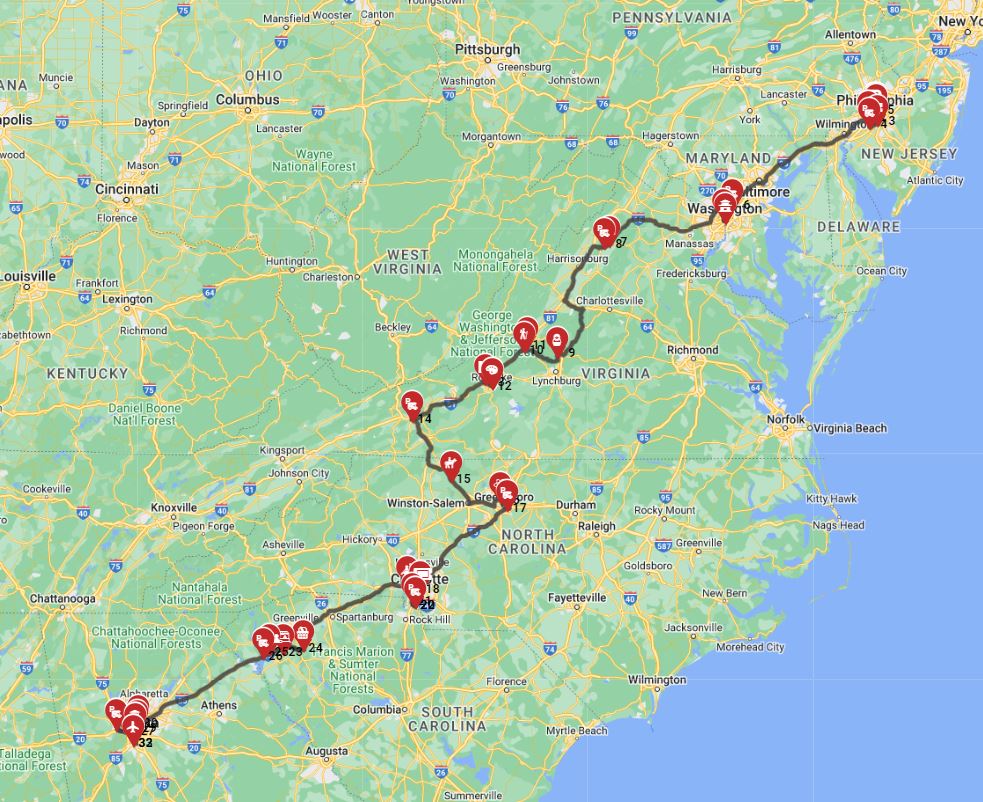
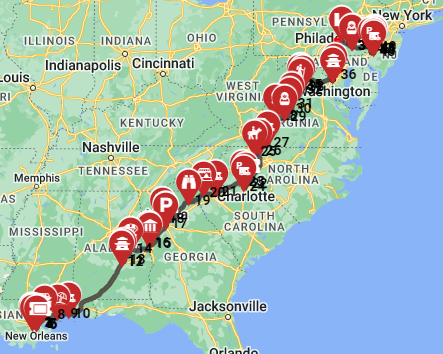
The 4-4-4 rule for RVing is an extended version of trip pacing, recommending that travelers drive no more than 400 miles (approximately 640 km) a day, aim to arrive at their campsite by 4 PM, and stay for a minimum of 4 nights at each stop. This rule caters to RVers who prefer to cover more ground daily while still maintaining a relaxed travel schedule and allowing sufficient time at each destination, such as on an extensive "Philadelphia to Miami - Including the Smoky Mountains and Appalachian trail" itinerary which covers 3419.6 km over 20 days and includes 15 distinct attractions.
Similar to other pacing rules, the 4-4-4 approach helps mitigate the rush often associated with quick transitions between locations, fostering a more enjoyable and less stressful journey. It provides flexibility for those with longer itineraries or who are comfortable with slightly extended driving periods, ensuring enough time for exploration and campground setup. Following this rule can be beneficial for longer RV trips that include Philadelphia as one of several major stops, allowing deeper immersion into the city and surrounding areas, without feeling rushed.
What is the 2-2-2 rule for RV travel?
The 2-2-2 rule for RV travel is a conservative pacing strategy that suggests driving no more than 200 miles (approximately 320 km) a day, arriving at your campground by 2 PM, and staying for a minimum of 2 nights. This rule is particularly well-suited for beginner RVers, families with young children, or anyone seeking a highly relaxed and unhurried travel experience. For example, a family renting an "camper for rent example Alcove" motorhome, ideal for 4-6 people, would find this pace perfect for enjoying local attractions without feeling rushed.
Benefits include ample time for setting up and breaking down camp, exploring local attractions like the Philadelphia Zoo or historic sites, cooking meals in your rented motorhome's kitchen, and simply relaxing, reducing the pressure of constant movement. While it means slower progress on longer trips, the 2-2-2 rule minimizes driving fatigue and maximizes the enjoyment of each individual stop. For a Philadelphia RV adventure, applying the 2-2-2 rule might involve choosing a campground slightly further out, like the Indian Acres Tree Farm Campground in nearby New Jersey, to facilitate shorter daily drives and extended stays for in-depth city exploration.
Where to park an RV in Philadelphia?
Finding suitable RV parking directly within the core of Philadelphia's dense urban environment is highly challenging due to narrow streets, size restrictions, and limited availability, making peripheral options more practical.
The most viable options include RV parks and campgrounds located outside the immediate city limits, such as the Philly KOA Journey in Clarksboro, NJ (about 20 minutes from downtown), or campgrounds in nearby Pennsylvania suburbs like Coatesville or Bear, Delaware. These facilities typically offer full hookups and amenities for your rented motorhome. For day trips into the city, consider parking your RV at designated park-and-ride lots on the outskirts of Philadelphia (always check specific lot rules for RV accommodation) and then utilizing SEPTA (Southeastern Pennsylvania Transportation Authority) buses or trains, which offer extensive coverage. For example, parking at a Regional Rail station outside Center City and taking a train in is a popular strategy. Large commercial parking lots, particularly those serving big-box retailers or industrial areas on the city's fringes, might offer temporary parking with prior permission, but these are not designed for overnight stays.
Travelers must be highly cautious of low bridges, overpasses, and height-restricted tunnels throughout Philadelphia, as navigating these can cause significant damage to an RV, with some clearances as low as 10 feet. Street parking for RVs is generally impractical and often illegal in most residential and commercial areas of Philadelphia due to size constraints and local ordinances, so it should be avoided to prevent fines or towing.
What is the rule of 3 with an RV?
The 'rule of 3' with an RV is commonly understood to be interchangeable with the '3-3-3 rule' for RV travel, advocating for a balanced and enjoyable pace on the road for your rented motorhome. This rule advises driving no more than 300 miles (about 480 km) in a single day, arriving at your intended destination by 3 PM, and planning to stay for a minimum of 3 nights at each stop.
The primary goal of the rule of 3 is to minimize stress and fatigue associated with constant travel, allowing RVers to fully experience and appreciate each location. By arriving early, there is ample time to comfortably set up camp, scope out the campground amenities, and relax before evening activities, contributing to a more positive trip. Staying for multiple nights at a single location prevents the feeling of being rushed, offering a deeper dive into local attractions, cultural experiences, and natural features, while reducing the labor of daily setup and breakdown.
What You Shouldn't Miss
- Explore Historic Old City: Walk the cobblestone streets of Old City, home to Independence Hall, the Liberty Bell, and the Betsy Ross House. Parking your RV outside the city and taking SEPTA into the historic district is the most convenient way to immerse yourself in America's birthplace.
- Indulge at Reading Terminal Market: Visit Reading Terminal Market, America's oldest continuously operating farmer's market, to savor diverse foods and pick up fresh ingredients for your RV kitchen. This iconic landmark is easily accessible via public transport from nearby RV parks.
- Wander Through Fairmount Park & Wissahickon Valley: Discover the expansive Fairmount Park, one of the world's largest urban park systems. For a natural escape, head to Wissahickon Valley Park within Fairmount Park, offering 50 miles of trails for hiking and picturesque covered bridges, a perfect contrast to the urban bustle.
- Discover Avi Bandana's Top Adventures: Looking for expert insights from Avi Bandana? Top 5 Adventures - recommendations from Avi Bandana. His personal recommendations can add a unique flair to your Philadelphia itinerary.
- RV Road Trip Along the Revolutionary Route: Use Philadelphia as your starting point to explore sections of the Washington-Rochambeau Revolutionary Route National Historic Trail. This offers a unique historical perspective on your RV journey, tracing crucial moments of American history.
Final Thoughts
Renting a motorhome in Philadelphia is an incredible way to experience this historic city and its beautiful surroundings, blending urban exploration with the freedom of the open road. By embracing careful planning, understanding your budget, and utilizing available resources, you can unlock an unforgettable adventure without breaking the bank.
Whether you're visiting for a week-long trip with family or a two-week adventure with friends, remember that slow travel allows you to truly connect with the culture, food, and scenery. Drive slowly and carefully, and you can drive almost anywhere without issues. No need to stress — just use common sense and pay attention to make your Philadelphia RV experience seamless and joyful. We're here to support you before, during, and after your booking, ensuring every detail is covered.