For live availability and current prices, start with our RV Rental Germany - Complete Guide 2026 guide.
In This Guide
- Top 5 Tips for cheap rv rental RV Rental in Germany
- Before You Book - Class, Dates, Insurance
- Pre-Trip Prep - Packing Checklist for Germany
- On the Road - Driving, Fueling, Navigation
- At the Campground - Setup, Hookups and Etiquette
- cheap rv rental-Specific Tips for Germany
- Common Mistakes to Avoid in Germany
- How Much Does it Cost to Rent an RV in Germany
- How Much Does it Cost to RV in Germany
- What is the Average Cost of Camping in Germany
- Is Wild Camping Allowed in Germany
- Do You Need a Special License to Drive an RV in Germany
- Is RVing Popular in Germany
- Is it Cheaper to Buy or Rent an RV in Germany
- What is the Best Month to RV in Germany
Exploring Germany with a rented RV is an experience like no other, offering unparalleled freedom to discover charming villages, historic castles, and breathtaking landscapes at your own pace. For live availability and current prices, start with our RV Rental Germany - Complete Guide 2024 guide. At Bandana RV, we believe that hitting the open road should be exciting and accessible, which is why we're dedicated to helping you find a cheap RV rental in Germany without compromising on quality or peace of mind.
Top 5 Tips for cheap rv rental RV Rental in Germany
Securing a cheap RV rental in Germany hinges on smart planning and a few key strategies. Firstly, booking your RV well in advance, especially for popular seasons like summer (July-August) and around major holidays, ensures you get better rates and a wider selection of vehicles. Early bird discounts can save you up to 15-20% if you reserve 3-6 months ahead.
Secondly, consider traveling during the shoulder seasons (April-May or September-October) for lower rental prices and fewer crowds at attractions and campsites. Third, opting for a smaller, more fuel-efficient RV class, such as a compact campervan or a Class B motorhome (like a Mercedes Sprinter-based model) if your travel group allows, generally means lower daily rental costs and significantly reduced fuel consumption, often around 8-11 liters per 100 km compared to larger models. A "Campervan for 2 - Automatic" with a 60-liter fresh water tank is an excellent choice for couples.
Fourth, planning to cook most of your meals in your rented RV's kitchen can dramatically cut down on dining expenses. Many motorhomes come equipped with 2-3 burner gas stoves and refrigerators, making meal prep easy and enjoyable. For culinary inspiration, check out our RV-friendly recipes playlist. Finally, utilizing free or low-cost Stellplätze (designated overnight parking spots for motorhomes) across Germany, instead of always staying at full-service campgrounds that can cost €20-€45 per night, offers substantial savings.
Before You Book - Class, Dates, Insurance
Before finalizing your RV rental in Germany, a strategic look at vehicle class, travel dates, and insurance options can significantly impact your budget and experience. Selecting the right RV class involves balancing your space needs with budget considerations; smaller campervans or compact integrated models offer better fuel economy, often around 10-12 liters per 100 km for a 2-berth van, and typically lower daily rates, starting from €70-€90 in the off-season. A "Category Van" or a "Campervan for 2 - Manual" are ideal choices for couples seeking an efficient trip.
Locking in your rental dates during the off-season or shoulder seasons (April-May, September-October) typically yields the most affordable prices for RV rentals in Germany, saving you up to 25% compared to peak summer. RV rental insurance options in Germany usually include basic third-party liability coverage to meet legal requirements. To see prices that include the most comprehensive coverage, select that option during your search on Bandana RV; all relevant insurance options, including a top-level deductible reimbursement upgrade, will then be shown clearly, ensuring full transparency with no hidden fees or surprises.
Pre-Trip Prep - Packing Checklist for Germany
Preparing a tailored packing list for an RV trip in Germany ensures both comfort and compliance with local regulations. Germany's climate varies significantly by region and season, so layering clothing is advisable for temperatures ranging from 10°C in spring to 25°C+ in summer. Essential items beyond clothing include a European electrical adapter (Type F) for campground hookups, reusable shopping bags for grocery trips, and a basic first-aid kit for minor emergencies.
Crucial documents include your passport/ID, rental papers, insurance details, and an International Driving Permit (IDP) if your national license is not from an EU country, even though it's recommended and not always mandatory. Don't forget your phone with navigation apps (Google Maps, Waze, and Stellplatz apps like Park4Night are highly useful) and consider a German SIM card or eSIM for reliable connectivity. Remember to pack cooking essentials like coffee/tea and basic spices, as these are often not included in the rental. A "MH19 Small - Economy" model typically offers a 3-burner gas stove and 151-liter fuel tank, perfect for extended self-catering.
On the Road - Driving, Fueling, Navigation
Navigating Germany by rented RV requires familiarity with specific local driving regulations, fuel types, and environmental zone requirements to ensure a smooth journey. Adhering to German road rules, such as speed limits, is crucial; while cars may enjoy unlimited speeds on some Autobahn sections, most RVs (especially those over 3.5 tons) are strictly limited to 80-100 km/h. Drive slowly and carefully, and you can drive almost anywhere without issues. No need to stress - just use common sense and pay attention.
RV drivers should note that diesel is the predominant fuel type for motorhomes in Germany, typically costing around €1.70-€2.00 per liter as of 2024, while petrol (Benzin) is also readily available. Many German cities enforce 'Umweltzonen' (environmental zones) requiring an 'Umweltplakette' (environmental sticker), which must be purchased in advance for city driving; obtaining one online or at TÜV stations prior to entering urban areas like Berlin or Munich is essential. Utilizing reliable navigation apps that can account for RV dimensions, such as a "Category Family 5" (which measures 7 meters in length) helps avoid unsuitable roads or restricted areas.
🎬 Video coming soon
At the Campground - Setup, Hookups and Etiquette
Efficient setup at German campgrounds involves a standard procedure for leveling your rented RV, connecting utilities, and respecting local customs. The typical hookup order at a campsite in Germany involves first positioning and leveling your motorhome (many sites are perfectly level, others may require ramps), then connecting electricity using a CEE plug adapter if needed, followed by fresh water, and finally setting up wastewater disposal. Most campgrounds provide 16-amp electricity, ensuring all your appliances, from a "Paradise Family 5" refrigerator to a coffee maker, run smoothly.
Campground etiquette in Germany emphasizes quiet hours, typically from 10 PM to 7 AM, during which noise should be kept to a minimum; this includes refraining from loud conversations, music, or generator use. Proper waste separation and recycling are important cultural norms at German campsites, with designated bins for various materials such as paper, plastic, glass, and organic waste, contributing to a clean and sustainable environment for all. Many sites, even basic Stellplätze, offer well-maintained facilities for black and grey water disposal.
cheap rv rental-Specific Tips for Germany
To maximize savings on a cheap RV rental in Germany, prioritize self-catering and fully utilize your RV's kitchen facilities for most meals, as restaurant dining can quickly increase costs. Seek out Stellplätze or basic campsites (Campingplätze) rather than premium resorts, as these offer significant cost savings for overnight stays, with many Stellplätze available for €5-€15 per night or even free for a night. A "Category Van" is particularly well-suited for Stellplatz use due to its compact size (typically under 6 meters long).
Plan routes that minimize extensive highway driving to save on fuel and potential tolls (for vehicles over 3.5 tons), exploring scenic country roads instead; for example, the Romantic Road offers stunning views without heavy toll sections. Consider visiting local markets for fresh, affordable groceries, which also offers a delightful immersion into local culture. Lastly, utilize public transport for city excursions where possible, parking your rented RV on the outskirts to avoid environmental zone restrictions and expensive city parking fees. On the routes offered through RV PLANET routes, you can itemize and track every expense along the way for easy budgeting.
Common Mistakes to Avoid in Germany
One common mistake for RV renters in Germany is failing to acquire an 'Umweltplakette' (environmental sticker) before driving into designated environmental zones, which are prevalent in major cities and can result in fines up to €80; instead, purchase this sticker online or at TÜV stations prior to entering urban areas. Ignoring quiet hours at campsites (typically 10 PM - 7 AM) is another significant faux pas, leading to friction with fellow campers; instead, be mindful of noise levels and outdoor activities during these times. Improper waste disposal and recycling at campgrounds is often overlooked; instead, familiarize yourself with the waste separation rules specific to each site.
Not booking popular campsites or Stellplätze in advance during peak season (July-August) can lead to disappointment, especially in scenic areas or near major attractions; instead, reserve your spots, particularly for desirable locations. Underestimating fuel and toll costs for larger RVs is another pitfall; instead, budget for these expenses, recognizing that motorhomes over 3.5 tons may face higher tolls and different speed limits (e.g., 80 km/h outside built-up areas). Attempting extensive 'wild camping' without understanding Germany's strict rules can lead to legal issues; instead, rely on official campsites or designated Stellplätze for overnight parking to avoid fines.
How Much Does it Cost to Rent an RV in Germany
The cost to rent an RV in Germany typically ranges from €70 to €200 per day, depending on the season, vehicle class, and rental duration. Smaller campervans or Class B motorhomes, such as a "Category Small" with sleeping for 2, often start at the lower end, around €70-€120 daily during the off-season (November-March). Mid-sized Class C motorhomes for families of 2+2, like a "Group D" (typically 5.99 meters long with 125-liter fresh water tank), usually fall between €100-€150 per day in shoulder seasons. Larger, more luxurious models or Class A motorhomes, like a "Comfort Family 6" (around 7 meters long), can exceed €150-€200 per day in peak summer months (July-August).
Prices are dynamically influenced by how far in advance you book (early bookings can save 10-25%), the specific rental company (Bandana RV compares 50+ suppliers for full transparency), included mileage packages, and additional amenities like kitchenware or bike racks. For example, a week-long rental for a family of four in a Class C motorhome could start from approximately €700 in spring, but climb to over €1,400 in August, not including extras. For detailed pricing scenarios, check our "RV Rental in Germany - Prices and Best Deals 2024" guide.
How Much Does it Cost to RV in Germany
The total cost to RV in Germany, beyond the rental fee, typically includes fuel, campsite fees, tolls, groceries, and activity expenses, potentially averaging €100-€250 per day for a budget-conscious trip. Fuel costs, primarily for diesel, are a major expense, with prices around €1.70-€2.00 per liter as of 2024, meaning a vehicle like a "MHC24" with a 200-liter fuel tank will require significant refueling stops. A typical 2,000 km journey across Germany might incur €340-€400 in fuel expenses alone, assuming 10-12 L/100km efficiency.
While most German Autobahns are toll-free for vehicles under 3.5 tons, specific tunnels or environmental zone stickers (Umweltplakette, around €5-€20) represent additional costs, particularly if you plan to drive into city centers. Daily grocery budgets can range from €20-€40 for self-catering, while eating out can significantly increase expenses. Campsite fees vary widely, from free Stellplätze to €40+ for premium sites with extensive amenities. On RV PLANET routes, travelers can itemize and track every expense along the way for easy budgeting, ensuring no surprises.
What is the Average Cost of Camping in Germany
The average cost of camping in Germany per night varies significantly, ranging from €0 for free Stellplätze to over €45 for premium sites with extensive amenities. Basic pitch fees at typical campsites (Campingplätze) generally fall between €20 and €35 per night for a rented RV and two people, often including electricity and water. These sites offer a good balance of facilities and cost, with options available throughout the country, as highlighted in our "Cheap RV Camping in Germany - Budget Sites 2024" guide.
Designated motorhome parking spots, known as Stellplätze, are frequently available for €5-€15 per night, or sometimes even free, offering fewer facilities but incredible value, often with communal fresh water and waste disposal. Factors influencing cost include location (coastal areas like the Baltic Sea or popular regions like Bavaria often have higher prices), seasonality (peak summer months cost more), included services (e.g., showers, WiFi), and specific campsite rating (basic vs. premium). Many national and state parks in Germany reserve 25-30% of their spots as first-come, first-served, so you'll often find a spot; if not at the first campground, then the next one – just remember to call ahead before driving.
Is Wild Camping Allowed in Germany
Wild camping, which involves pitching a tent or staying overnight in an undesignated spot, is generally not permitted in Germany and can incur fines ranging from €10 to €500, depending on the location (e.g., national parks, nature reserves, private land). However, German law allows for 'restoring driving ability,' meaning you can often park a rented RV in public parking areas or on the side of the road for one night to sleep, as long as no camping behavior (e.g., setting out chairs, awnings, or using leveling blocks) is displayed and local signs do not explicitly prohibit it. This is a crucial distinction for a spontaneous traveler.
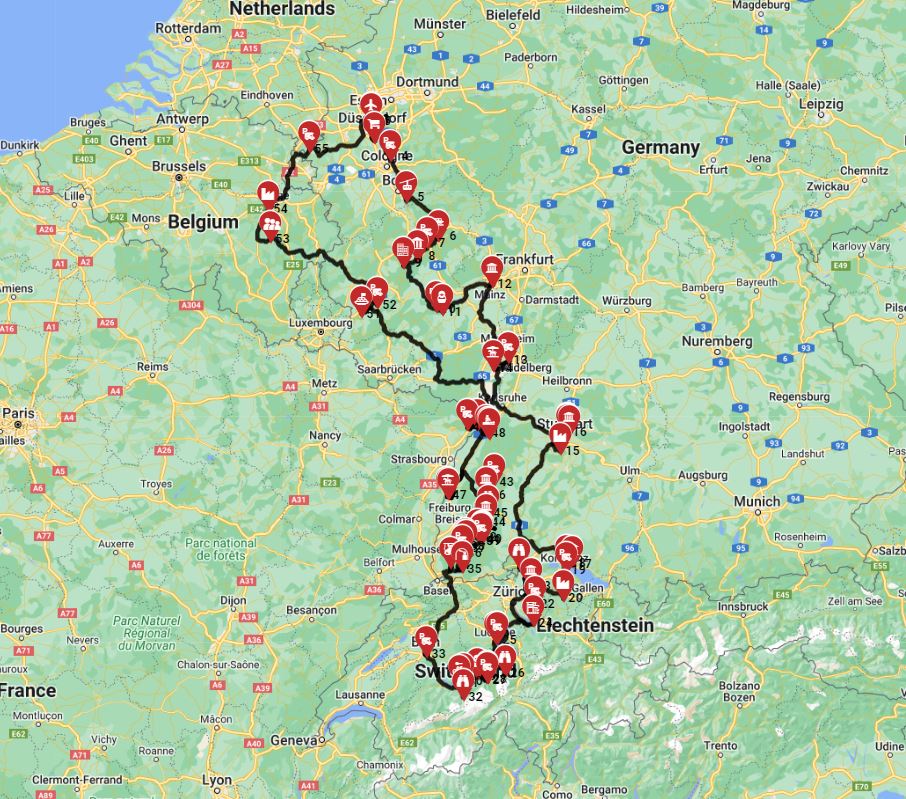
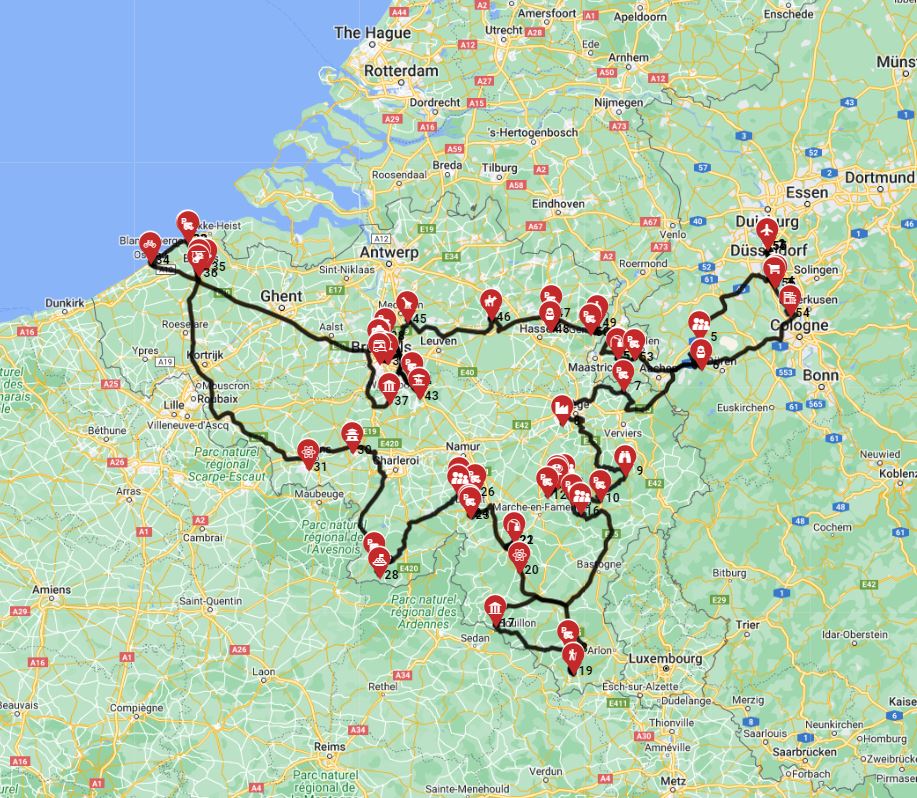
It is always recommended to use official campsites (Campingplätze) or designated motorhome parking spots (Stellplätze) for overnight stays to avoid legal issues and ensure access to facilities like fresh water (often 100-liter tanks on a standard RV) and waste disposal. Respecting these regulations helps maintain the positive reputation of RV travelers and ensures you have a hassle-free trip. For pre-planned routes and reliable overnight spots, consider using RV PLANET, our sister company, which offers 1,300+ routes across 5 continents, including many in Germany.
Do You Need a Special License to Drive an RV in Germany
Most standard RVs (motorhomes and campervans) weighing up to 3,500 kg (3.5 tons) can be driven in Germany with a standard Class B driver's license, which is typical for car drivers. No special license, CDL, or additional permits are required for the vast majority of our rental motorhomes, including a "Category Small AT" which is designed for easy handling. For RVs weighing between 3,500 kg and 7,500 kg, a Class C1 license is required, while vehicles over 7,500 kg necessitate a Class C license.
Drivers with non-EU licenses may also need an International Driving Permit (IDP) alongside their national license, especially for rentals, to ensure legal compliance and smooth interactions with authorities. It is also important to note that RVs over 3.5 tons have different speed limits on German roads (e.g., 80 km/h on Autobahns outside built-up areas, unless otherwise signposted), which is a key consideration for safe and legal driving. Our "Family RV Driving in Germany - Safe Routes 2024" guide offers more details on local driving customs.
Is RVing Popular in Germany
Yes, RVing is highly popular in Germany, experiencing significant growth in recent years, making it one of the leading countries for caravanning and motorhome tourism in Europe. Germany boasts an extensive and well-developed infrastructure for RV travel, including thousands of campsites (Campingplätze) and dedicated motorhome parking spots (Stellplätze) across the country, with many offering facilities for a range of vehicles from compact "Combi Van" models to larger Class C options. This robust network ensures that RV travelers will find ample choices for overnight stays and resupply.
The popularity is driven by the desire for flexible, independent travel and the ability to explore Germany's diverse landscapes, from the coastal regions along the Baltic Sea to the majestic Bavarian Alps and the rich history of cities like Berlin and Frankfurt, all at one's own pace. Many Germans embrace RV travel for their holidays, contributing to a vibrant and welcoming community for foreign visitors as well. This widespread acceptance and excellent infrastructure make Germany an ideal destination for a rented RV adventure, easily integrated with broader European travels as outlined in our "RV Rental Europe - Complete Guide 2024" guide.
Is it Cheaper to Buy or Rent an RV in Germany
For most short-term travelers or those visiting Germany for a single extended road trip, renting an RV is generally significantly cheaper and more convenient than buying one. Purchasing an RV in Germany involves substantial upfront costs, including the vehicle price (which can range from €20,000 for a used campervan to €100,000+ for a new motorhome), registration fees, annual insurance (often €500-€1,500), and ongoing maintenance, which typically only become economically viable for long-term residents or those planning multiple, extended RV trips lasting several months each year.
Renting avoids the complexities of vehicle registration, navigating German insurance requirements, finding storage, and dealing with eventual resale, offering flexibility without the long-term financial commitment. For example, a one-month cheap RV rental in Germany could cost around €2,100-€3,000, while the annual costs of ownership for a purchased RV could easily exceed €3,000-€5,000. However, for very frequent or extended use (e.g., several months per year over multiple years), buying an older, used RV might eventually prove more cost-effective, but requires navigating German bureaucracy and accepting the associated responsibilities.
What is the Best Month to RV in Germany
The best months to RV in Germany for pleasant weather, fewer crowds, and often better rental prices are typically May, June, and September. These shoulder seasons offer mild temperatures, averaging 15-20°C, ample daylight hours (14-16 hours in May/June), and generally lower demand for campsites and RV rentals compared to the peak summer months of July and August. You can often find a "Weekly RV Rental in Germany - Pricing 2024" that is 10-20% cheaper during these periods.
July and August provide the warmest weather and longest days, ideal for outdoor activities and swimming in lakes, but also come with higher rental costs (up to €200/day for a 4-berth motorhome), fully booked campsites, and more tourists. Winter RVing (November-March) can be enchanting for Christmas markets or snowy landscapes, but requires specialized winterized RVs (equipped with proper heating and insulation), and many campsites, particularly in rural areas, may be closed. For those considering winter trips, our "Winter RV Rental in Germany - Pricing Guide 2024" provides specific advice.
What You Shouldn't Miss
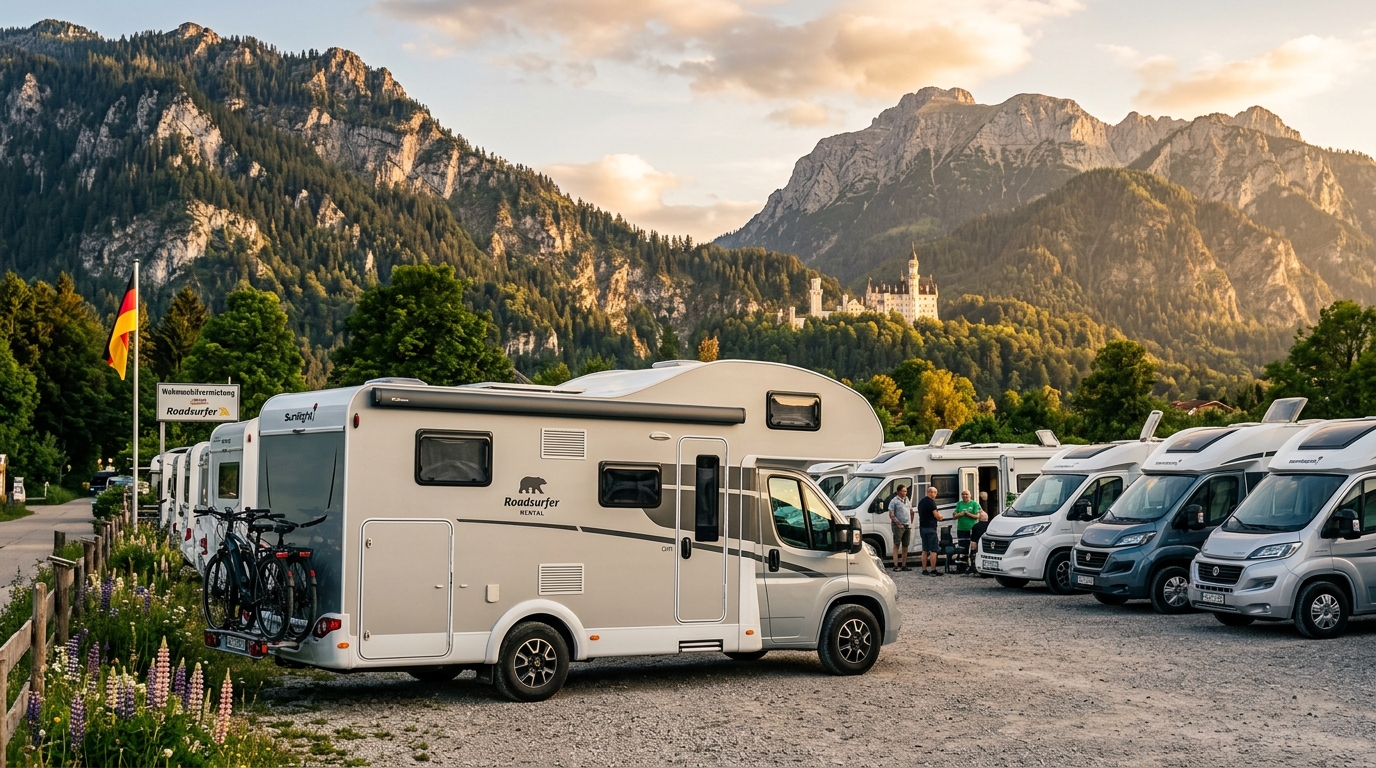
- **The Romantic Road (Romantische Straße):** Drive this 350-kilometer scenic route from Würzburg to Füssen, passing through medieval towns like Rothenburg ob der Tauber and ending at Neuschwanstein Castle. It's perfectly suited for slow travel, allowing 3-5 days to soak in the charm.
- **Bavarian Alps:** Explore the stunning alpine scenery, charming villages, and crystal-clear lakes around Garmisch-Partenkirchen. Hike Zugspitze, Germany's highest mountain at 2,962 meters, and enjoy traditional Bavarian food.
- **Rhine Valley Castles:** Take a leisurely drive along the Middle Rhine Valley, a UNESCO World Heritage site, dotted with over 40 castles and picturesque vineyards. Consider a river cruise for different perspectives.
- **Black Forest (Schwarzwald):** Discover dense evergreen forests, traditional cuckoo clocks, and delicious Black Forest cake. Drive the panoramic Black Forest High Road (Schwarzwaldhochstraße) for breathtaking views and find numerous forest campsites.
- **Berlin's History and Culture:** Park your RV on the outskirts and take public transport into the city to explore iconic sites like the Brandenburg Gate, Reichstag Building, and the East Side Gallery. Drive slowly and carefully, and you can drive almost anywhere without issues. No need to stress - just use common sense and pay attention.
- **Mosel Valley Wine Region:** Wind your way along the Mosel River, stopping at terraced vineyards and sampling local Riesling wines. Many family-run wineries offer Stellplätze for overnight stays, often for free with a purchase.
Final Thoughts
Embarking on a cheap RV rental adventure in Germany promises a blend of scenic beauty, cultural immersion, and incredible freedom. With careful planning, choosing the right campervan or motorhome, and embracing local tips, you can enjoy a memorable week-long trip or extended road trip without breaking the bank. Remember, Bandana RV is with you every step of the way, from comparing prices to coordinating your post-booking needs, ensuring your journey is as smooth as possible.
Imagine yourself winding through the Black Forest in a compact "EcoLine 2" motorhome, pulling up to a charming Stellplatz in a vineyard, or exploring the historic streets of a Bavarian town in a comfortable Class B campervan. The possibilities are endless when you choose the flexibility and value of a rented RV. So, take the leap, plan a trip itinerary in advance with minimal effort and maximum enjoyment, and discover the magic of Germany on your terms. Travel slowly – max 100-150 km per day on average. Take time to feel the place, connect to the culture, the food, and the scenery.
Ready to find your perfect German road trip vehicle? Discover top destinations, planning tips, all in one place!