In This Guide
- Top 5 Tips for cheap rv rental RV Rental in Denmark
- Before You Book - Class, Dates, Insurance
- Pre-Trip Prep - Packing Checklist for Denmark
- On the Road - Driving, Fueling, Navigation
- At the Campground - Setup, Hookups & Etiquette
- cheap rv rental-Specific Tips for Denmark
- Common Mistakes to Avoid in Denmark
- What is the total cost of an RV trip in Denmark beyond rental fees?
- What are the specific driving laws and road conditions for RVs in Denmark?
- How do I navigate ferries and cities with an RV in Denmark?
- Where can I find unique or non-traditional overnight RV spots in Denmark?
- What RV etiquette and cultural norms should I know for Denmark?
- What is the best time of year to rent an RV in Denmark?
- How do I manage utilities and connectivity while RVing in Denmark?
- How can I practice eco-friendly RV travel in Denmark?
- What are the best RV itinerary ideas for Denmark?
Embarking on a rented motorhome adventure in Denmark is an incredible way to experience its charming coastlines, historic towns, and lush landscapes without breaking the bank. Denmark, known for its "hygge" lifestyle and sustainable practices, offers a welcoming environment for RV travelers seeking both comfort and affordability. Imagine waking up to a fresh Danish pastry, brewing coffee in your campervan, and having a new scenic view every day – all while keeping a keen eye on your budget. For live availability and current prices, start with our RV Rental Denmark - Complete Guide 2026 guide.
Top 5 Tips for cheap rv rental RV Rental in Denmark
Securing an affordable RV rental in Denmark involves strategic planning and savvy booking choices to minimize overall costs.
1. Booking your RV rental in Denmark well in advance, especially for travel during peak season (June-August), is crucial to securing better rates and ensuring vehicle availability, potentially saving you 15-20% on daily rental prices. Waiting until the last minute might leave you with fewer options and higher prices, as popular models like a 4-berth "Euro Camper" or a spacious 6-berth "Euro Deluxe" are often reserved quickly.
2. Opting to rent during the shoulder seasons (April-May or September-October) can lead to significantly lower prices and fewer crowds while still offering pleasant weather for your journey. Many of Denmark's 170+ campsites remain open, and attractions are less congested.
3. Choosing a smaller, more fuel-efficient RV class, such as a campervan or a compact Class C motorhome like the "Class 0" with an 80-liter fresh water tank, generally results in cheaper rental rates and lower operating costs on Denmark's roads, where fuel prices can be higher than in some other European countries. These vehicles, often measuring around 5-6 meters in length, are also easier to maneuver and park.
4. Actively comparing prices across multiple rental platforms and local Danish providers is essential to finding the most competitive deals, as prices are dynamic and change daily based on supply, demand, and supplier promotions. This full transparency allows you to see all options side-by-side, without hidden fees or surprises.
5. Seeking out all-inclusive rental packages that clearly itemize costs for mileage, basic insurance, and essential amenities helps avoid unexpected expenses during your trip. You can also upgrade to a top-level deductible for extra peace of mind, an optional but highly recommended add-on. We believe in showing you exactly what you're getting, ensuring no hidden fees, no surprises. For tracking all these costs, remember that RV PLANET routes allow you to itemize every expense along the way.
Before You Book - Class, Dates, Insurance
Making informed decisions about your RV class, rental dates, and insurance coverage before booking your cheap RV rental in Denmark is key to a smooth and cost-effective trip. Choosing the right motorhome means balancing comfort with economy; smaller vehicles like a 2-berth "MH2 - IDUNN" campervan or a compact Class C "cruise america example EX-Group A" with a 100-liter fresh water tank are generally more fuel-efficient (averaging 8-11 liters/100 km) and easier to navigate on Danish roads, especially in cities. These agile options are often ideal for couples or small families looking for adventure on a budget.
Securing your rental dates during Denmark's off-peak or shoulder seasons (late spring, April-May, or early autumn, September-October) typically results in lower daily rental rates, often 10-25% less than the popular summer months (June-August). For instance, a week-long rental that might cost €200/day in July could be found for €150/day in May. Flexible travelers who can adjust their dates often find the best deals.
Regarding insurance, basic third-party liability coverage is always included with your rental, providing essential protection. To view prices that encompass the most comprehensive coverage, which often includes features like collision damage waiver (CDW) with a reduced deductible, select that option during your initial search, and all relevant insurance choices will then be displayed transparently. You can also upgrade to a top-level deductible for extra peace of mind, an optional enhancement for your security. Our true RV specialists are here to guide you through these options, ensuring you understand exactly what you're getting, with no hidden fees or surprises.
Pre-Trip Prep - Packing Checklist for Denmark
Thorough preparation, including a smart packing strategy for your cheap RV rental in Denmark, ensures a comfortable and well-equipped journey through varying Danish weather and activities. Packing layers of clothing is highly recommended, including waterproof and windproof outerwear, as Denmark's weather can be changeable throughout the day, even in summer. Temperatures can swing from 10°C (50°F) to 25°C (77°F) within a single day.
Essential documents, such as your standard car driver's license (which is sufficient for all motorhome classes), passport, and printed rental agreement, should be easily accessible. An International Driving Permit (IDP) is recommended for visitors from non-English-speaking countries but is generally not mandatory for driving in Denmark. Consider bringing a European breakdown kit, which typically includes a reflective vest and a warning triangle, for safety on the road. A small amount of local currency (Danish Krone) is also useful for incidental expenses, although credit cards are widely accepted.
For your rented motorhome, most reputable suppliers, including Bandana partners like Apollo and Britz, provide essential kitchenware, linens, and basic cleaning supplies. However, bringing your favorite reusable water bottles, coffee mugs, and a few key RV-friendly recipes playlist can significantly enhance your experience and save on costs. Don't forget adapters for European electrical sockets (Type K/E/F, 230V) if your devices are from outside Europe. Remember, Bandana ensures full transparency in what's included and what's extra, so you'll always know what to expect. For ideas you can prep on the road, watch our RV-friendly recipes playlist on YouTube.
On the Road - Driving, Fueling, Navigation
Driving a rented RV in Denmark is generally straightforward, thanks to well-maintained roads and clear signage, but understanding local specifics for fueling and navigation will significantly enhance your experience. Danes drive on the right side of the road, and all vehicles are required to use headlights at all times, even during daylight hours. Specific speed limits apply to RVs: typically 80 km/h (50 mph) on open roads outside urban areas and motorways, and 50 km/h (31 mph) in built-up areas. For motorhomes under 3.5 tons, motorway limits are often posted as 100 km/h (62 mph). Drive slowly and carefully, and you can drive almost anywhere without issues. No need to stress - just use common sense and pay attention.
Fueling stations (benzinstationer) are widely available across Denmark, with most accepting major credit cards. Be prepared for fuel prices that are generally higher than in some other European countries, so budgeting for this is crucial. When navigating, utilize a reliable GPS or navigation app that can account for your RV's dimensions (e.g., length of 7.1m for a "cruise america rv rental example Explorer") to help avoid narrow streets or low bridges in historic city centers and smaller towns. Keep an eye out for bicycle lanes and give way to cyclists, who are prominent on Danish roads. On the routes offered through RV PLANET routes, you can itemize and track every expense along the way for easy budgeting.
Toll roads are minimal in Denmark, with the notable exception of the Storebælt Bridge connecting Zealand and Funen, which incurs a fee (e.g., around €35-€60 for an RV, depending on size). While you won't encounter widespread toll booths, some major bridges and ferry crossings will have charges. Always carry some cash for smaller, local ferries or unexpected situations. Our recommendation for RV travel is always slow travel, max 100-150 km per day on average, allowing you to take time to feel the place, connect to the culture, the food, and the scenery.
🎬 Video coming soon
At the Campground - Setup, Hookups & Etiquette
Setting up your rented RV efficiently at a Danish campground involves a straightforward process for hookups and respectful adherence to local etiquette, ensuring a pleasant stay. Upon arrival, your first step is to carefully level your motorhome or campervan using ramps, which is essential for comfortable living, proper refrigerator function, and efficient water drainage. Once level, proceed with connecting your electrical cable to the 230V European standard outlet and attaching your fresh water hose to the potable water tap. Ensure your RV has the correct adapters for the European system.
Familiarize yourself with the location of grey water (from sinks and showers) and black water (toilet waste) disposal points. Danish campgrounds, whether basic 'autocamperpladser' or full-service holiday parks, provide clear instructions and facilities for proper and hygienic waste management, which is a significant cultural norm in environmentally conscious Denmark. Always use these designated points, as illegal dumping carries substantial fines and harms the beautiful Danish environment.
Observing campground quiet hours, generally from 10 PM to 7 AM, is crucial to respecting fellow campers and the peaceful atmosphere. Maintain a tidy pitch, dispose of all trash properly in designated recycling bins, and be mindful of your noise levels at all times. Many Danish campsites feature communal facilities like shared kitchens or 'hytter,' which encourage social interaction and embody the 'hygge' spirit. Engaging with these spaces respectfully can enrich your experience. For finding campsites and campgrounds during your trip, we recommend using rvplan.net - a great resource for locating available spots along your route.
cheap rv rental-Specific Tips for Denmark
For budget-conscious travelers seeking a cheap RV rental in Denmark, several strategies can significantly reduce costs while maximizing the travel experience. To save on dining expenses, leverage your rented motorhome's kitchen facilities by cooking most meals onboard, as Danish restaurant prices can be noticeably high; explore local markets for fresh, seasonal produce. Our RV-friendly recipes playlist provides great inspiration for delicious meals on the go. Planning your daily menus around these local ingredients will not only save money but also immerse you in the local culinary culture.
Actively seek out 'autocamperpladser' (designated motorhome pitches), often found in picturesque harbors, smaller towns, or near specific attractions. These spots typically offer cheaper overnight stays, sometimes even for free, compared to full-service campgrounds, and may still provide basic services like electricity and water. Using resources like rvplan.net can help you locate these budget-friendly options along your route plan.
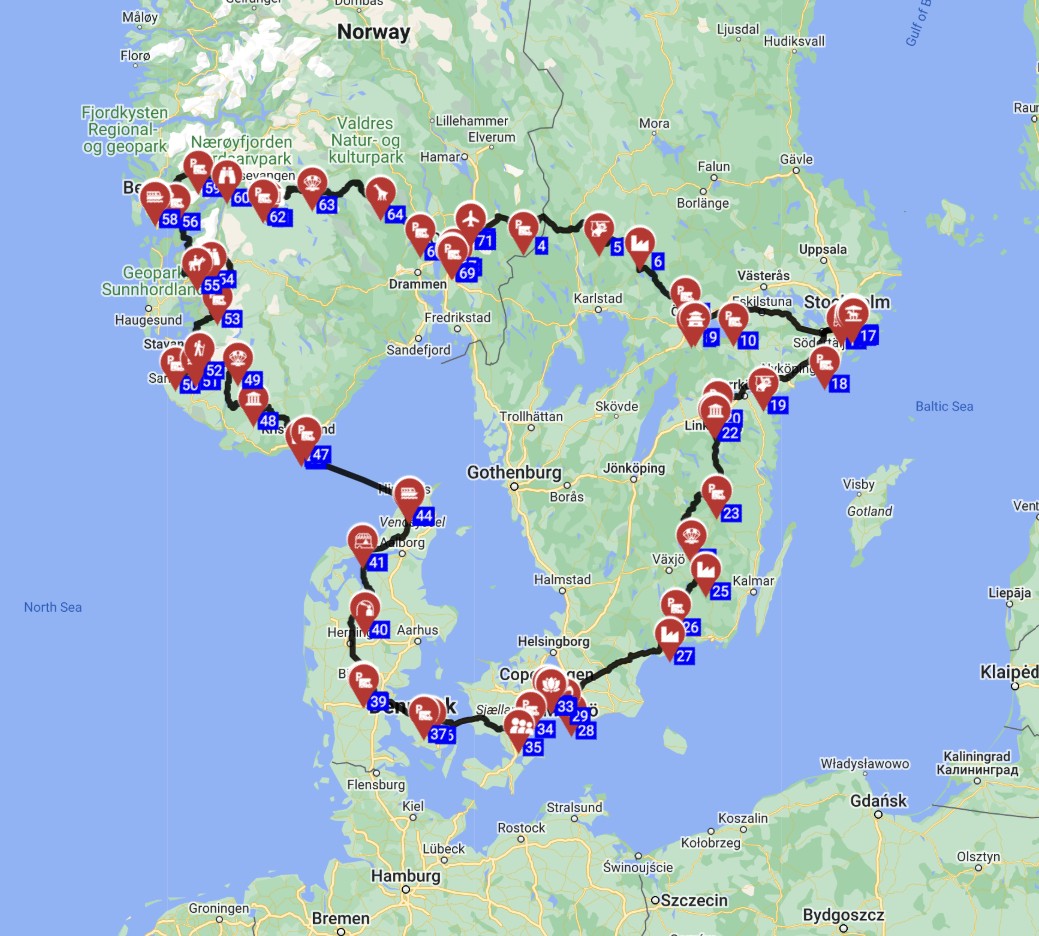
Planning your itinerary to minimize long driving days will reduce fuel consumption, which is a major expense given Denmark's higher fuel prices. Aim for slow travel, max 100-150 km per day on average, allowing you more time to enjoy specific locations without rushing. This approach not only saves on fuel but also enhances your connection to the culture, the food, and the scenery. Consider purchasing a multi-night camping card, such as the Camping Key Europe, if you anticipate staying at multiple commercial campgrounds, as it can offer discounts and streamlines the check-in process across many European sites. When planning your trip, consider options like our "Stockholm Round trip - Sweden, Denmark and Norway Family Adventure" itinerary, which covers 3673.6 km and includes 1 Amusement Park, 2 Animals Show / Wildlife watch, and 6 Museums, ensuring a rich experience while optimizing travel time.
Common Mistakes to Avoid in Denmark
To ensure a smooth and enjoyable RV trip in Denmark, avoid these common pitfalls by proactively planning and understanding local norms. A frequent mistake is assuming wild camping is widely permitted; instead of relying on this, research and utilize designated 'autocamperpladser' or private farm stays for legal and often more convenient overnight parking. Denmark is strict about environmental protection, so designated sites are paramount. For finding these spots, rvplan.net can be an invaluable tool.
Another common error is only budgeting for the RV rental fee. It is crucial to factor in additional costs such as fuel, tolls (like the Storebælt Bridge), campsite fees (which average €25-€50 per night for a full-service spot), groceries, and activities. The total cost of an RV trip in Denmark for a week-long adventure can easily range from €400-€700 beyond the rental price. On RV PLANET routes, travelers can itemize and track every expense along the way for easy budgeting, ensuring full transparency in your trip's financial planning.
Instead of arriving at popular campgrounds without a reservation, especially during the bustling summer months (July-August) when demand is high, book your spots in advance to guarantee availability. While many national and state parks reserve only 25-30% of their spots, the rest are first-come-first-serve, making calling ahead before driving essential during peak times. Finally, instead of neglecting local waste disposal norms, always use designated grey and black water disposal points found at campgrounds and participate in Denmark's extensive recycling programs, upholding the country's strong eco-friendly values.
What is the total cost of an RV trip in Denmark beyond rental fees?
The total cost of an RV trip in Denmark extends beyond rental fees to include significant expenses like fuel, tolls, campsite fees, food, and activities, often totaling more than initially anticipated. For a one-week rental of a standard Class C motorhome, which might range from €700-€1750 depending on the season and model like the "cruise america rv rental example Explorer", you should budget an additional €400-€700 for ancillary costs. A two-week trip could see these costs double to €800-€1400, and a month-long journey potentially reaching €1600-€2800.
Fuel costs are a notable factor, as Danish petrol and diesel prices are among the highest in Europe, typically ranging from €1.70-€2.00 per liter; a Class C motorhome consuming 11-15 liters/100 km can quickly add up. Budget for mandatory bridge tolls, such as the Storebælt Bridge (approximately €35-€60 for an RV), and potential ferry charges for island hopping, which vary by vehicle size and route. Daily campsite fees typically range from €25-€50 for a full-service pitch, while simpler 'autocamperpladser' can be €10-€20 or even free. Groceries and dining out will depend on your habits, but food prices are generally higher than in many other countries, so cooking in your rented RV's kitchen can save substantial amounts.
For couples, a compact campervan like a "Category Van" will reduce fuel costs, while families with kids may opt for a larger "Group E" motorhome (with a 103-liter refrigerator) and need to account for higher fuel consumption. Last-minute cheap RV rental deals in Denmark are possible due to dynamic pricing, but securing a rental 90+ days in advance usually offers better rates and availability, saving up to 20%. If you are flexible with dates and vehicle types, you can find cheaper options during shoulder seasons. We are with you before, during, and after your booking to provide transparency on all potential costs, ensuring no hidden fees, no surprises.
What are the specific driving laws and road conditions for RVs in Denmark?
Driving a rented RV in Denmark requires adherence to specific local traffic laws, including speed limits tailored for larger vehicles, and an awareness of the country's generally excellent road conditions. Danes drive on the right side of the road, and it is a legal requirement for all vehicles to drive with headlights on at all times, even during daylight hours. Specific speed limits apply to RVs: typically 80 km/h (50 mph) on open roads outside urban areas and motorways, and 50 km/h (31 mph) in built-up areas. For motorhomes under 3.5 tons, the motorway limit is often posted as 100 km/h (62 mph). Drivers over 3.5 tons must observe a 80 km/h (50 mph) limit on motorways.
Danish roads are universally well-maintained, smooth, and clearly signposted, making navigation generally easy and comfortable for all sizes of motorhomes, from a small "Combi Van" (5m length) to a large "Euro Deluxe" (7.4m length). While main routes are excellent, some rural roads, particularly on smaller islands like Samsø or Fanø, can be narrower and less forgiving for very large vehicles. Always be highly aware of cyclists, who have dedicated lanes and legal right-of-way in many situations, especially when turning or in city centers. Drive slowly and carefully, and you can drive almost anywhere without issues. No need to stress - just use common sense and pay attention.
Regarding licensing, a standard car driver's license is sufficient for all motorhome classes (Class A, Class B, and Class C) in Denmark, as long as the vehicle's Gross Vehicle Weight Rating (GVWR) is under 3,500 kg (7,700 lbs). An International Driving Permit (IDP) is recommended for visitors from non-English-speaking countries but is generally not mandatory if your license is in English. The minimum rental age for RVs in Denmark is 21 years old, and there are no young driver surcharges or vehicle class restrictions based on age, making RV travel accessible to a broader range of adventurers. Always have your vehicle's registration and insurance documents readily available.
How do I navigate ferries and cities with an RV in Denmark?
Navigating Denmark's numerous cities and island ferries with a rented RV requires pre-planning and a strategic approach, often involving booking ferry spots in advance and utilizing external parking for city explorations. Denmark is composed of over 400 islands, with 70 inhabited, making ferry travel a common necessity for island hopping. It is highly recommended to book ferry crossings well in advance, especially during peak season (June-August), as space for RVs can be limited on popular routes (e.g., to Bornholm or Ærø). Ensure you provide accurate vehicle dimensions, such as the length and height of your "Koru Star 4 Freedom" campervan (which might be around 6m long), when booking to avoid issues at the terminal.
When visiting Danish cities, it is generally advisable to avoid driving your RV into congested city centers. Instead, look for designated RV parking areas ('autocamperpladser') or 'park-and-ride' facilities located on the outskirts. From these locations, you can easily use Denmark's excellent public transport system (buses, trains, or even rented bicycles) to explore the city without the stress of maneuvering a large vehicle like a "Comfort Standard" motorhome (which can be up to 7.4m long) through narrow streets. Be cautious of pedestrian zones and historic areas, as many are unsuitable or restricted for larger vehicles. Drive slowly and carefully, and you can drive almost anywhere without issues. No need to stress - just use common sense and pay attention.
Utilize apps like Google Maps or specific RV navigation tools that can help identify suitable routes and parking options for your vehicle size. Some smaller islands, like Ærø, offer entirely free car ferry services, presenting fantastic budget-friendly opportunities for exploration. Consider using these free ferry routes to experience more of Denmark's diverse islands. For broader Nordic adventures, our "
Where can I find unique or non-traditional overnight RV spots in Denmark?
Beyond commercial campgrounds, Denmark offers various unique and non-traditional overnight RV spots, including 'autocamperpladser' (motorhome pitches), farm stays, and specific designated nature parking areas. While wild camping for RVs is generally prohibited, these alternatives provide legal and often more immersive ways to experience Denmark's landscapes. 'Autocamperpladser' are designated parking areas specifically for motorhomes, frequently found in scenic locations like harbors, town centers, or by attractions. These spots can be very basic, sometimes just a parking space, but often provide essential services like electricity (230V) and fresh water, and can range from free to a small fee (e.g., €10-€20).
To discover these unique options, explore platforms such as Campercontact or Park4Night, which offer user-generated reviews and detailed information on 'autocamperpladser' and other motorhome-friendly locations. Many local tourism websites for specific regions or islands also list designated spots. Additionally, consider seeking out farm stays, which allow you to park your rented RV on private agricultural land, offering a unique local experience and often the chance to purchase fresh produce directly. These can be found through specialized farm tourism directories or by inquiring at local tourist information centers.
While outright wild camping is not allowed, certain designated nature parking spots ('rullestolsramper' or 'shelterpladser' which have adjacent parking) may permit overnight stays, particularly for smaller campervans. Always check local signage and regulations carefully, as these rules can vary by municipality and nature reserve. Always remember to leave no trace, respecting the pristine Danish environment. For comprehensive route plans that integrate these types of unique stays, consider exploring options on rvplan.net, our sister company, which offers 1,300+ pre-planned routes across 5 continents designed by professionals.
What RV etiquette and cultural norms should I know for Denmark?
Observing local RV etiquette and cultural norms in Denmark, particularly regarding waste disposal, noise levels, and respectful interaction, enhances your 'hygge' experience and helps preserve the environment. Danes place a high value on cleanliness and order, so proper waste management is paramount. Always use designated disposal points for grey water (from sinks and showers) and black water (toilet waste), which are readily available at all commercial campgrounds and many service stations. Illegal dumping is strictly prohibited and carries significant fines. Ensure your rented motorhome's waste tanks (e.g., the 82-liter waste water tank of a "cruise america rv rental example Explorer") are properly managed.
Maintaining quiet hours at campgrounds, typically from 10 PM to 7 AM, is crucial to respecting fellow campers and the serene Danish environment. Keep noise levels down at all times, whether it's music, conversations, or generator usage. Most RVs, even a larger "MHC28" Class C motorhome, come equipped with internal heating systems for cooler evenings, so noisy generators are rarely a necessity. Danes also have extensive recycling programs; therefore, sort your trash properly into designated bins for plastic, glass, paper, and organic waste, which are often found at campgrounds and public areas.
Beyond environmental considerations, Danish culture embraces 'hygge' – a quality of coziness and comfortable conviviality that engenders a feeling of contentment or well-being. Practicing respectful personal space, being polite, and offering a friendly 'hej' (hello) when interacting with locals will generally be well-received. When parking or setting up your campsite, be mindful of your neighbors and avoid encroaching on their space. Remember, we handle the details, you live the journey, ensuring personal service from day one until your booking is confirmed.
What is the best time of year to rent an RV in Denmark?
The best time of year to rent an RV in Denmark largely depends on your priorities, with summer offering the warmest weather and longest daylight hours, while shoulder seasons provide a desirable balance of good weather and lower costs. **Summer (June-August)** is Denmark's peak season, boasting the warmest temperatures (averaging 18-22°C/64-72°F), longest daylight hours (up to 17-18 hours), and the widest range of open attractions and activities. However, this is also the busiest and most expensive period for RV rentals and campsites, with daily rental prices for a "Luxury" Class C motorhome potentially reaching €250, and popular spots requiring reservations weeks in advance.
**Shoulder Seasons (April-May, September-October)** offer a fantastic compromise for those seeking a cheap RV rental in Denmark. During these periods, temperatures are milder (averaging 10-15°C/50-59°F), there are fewer tourists, and rental and campsite prices can be significantly lower, often by 15-25%. Most attractions and campgrounds remain open, and the landscapes are particularly beautiful with spring blooms or autumn foliage. This is ideal for budget-conscious travelers seeking a more relaxed experience with good travel conditions.
**Winter (November-March)** is feasible for the adventurous traveler prepared for colder temperatures (averaging 0-5°C/32-41°F) and shorter days (as few as 7-8 hours of daylight in December). RV camping can be very quiet and unique, offering a different perspective of Denmark's serene beauty. However, many campsites and attractions may be closed or have limited services, and some smaller roads might be more challenging. While rental rates are lowest, additional heating costs for your motorhome (like a "Koru Star 3 Freedom" campervan which has a 2.2KW diesel heating system) and fewer daylight hours need to be considered. For maximizing your budget, the shoulder seasons offer the best value. As true RV specialists, we can help you compare motorhome prices for Denmark across all seasons.
How do I manage utilities and connectivity while RVing in Denmark?
Managing utilities and staying connected while RVing in Denmark is straightforward, with widespread access to SIM cards, charging solutions, and dedicated water and waste disposal points. For mobile data and calls, travelers can easily purchase a local SIM card from major providers like Telia, Telenor, TDC, or 3. These are available at airports (e.g., Copenhagen Airport), supermarkets, and electronics stores, offering various data packages suitable for short-term travel. A 20GB data plan might cost around €20-€30 and provide ample connectivity for navigation and communication during a week-long trip.
Utilize electrical hookups (typically 230V, European two-pin standard) at campgrounds to charge your devices, run appliances, and power your RV's heating system. Most rented motorhomes, like the "Jayco Grandiose" or "V3" campervan, come equipped with onboard power converters, but ensuring your personal devices have the correct adapters is wise. Fresh water refill stations are commonly found at all commercial campgrounds and many 'autocamperpladser,' providing safe drinking water for your RV's tank (e.g., a "Class I Van" has an 80-liter fresh water tank). We always advise checking water quality if sourcing from non-campground taps.
Grey water (wastewater from sinks and showers) and black water (toilet waste) disposal points are standard at campgrounds and clearly marked service areas. It's crucial to use these designated facilities to maintain hygiene and adhere to Denmark's strict environmental regulations. Emptying your tanks regularly (e.g., a "MH4-5 - HEL" has a 120-liter waste water tank) is good practice. For routes and amenities, our Rent&Plan service offers pre-planned itineraries by professionals, detailing where to find these essential services. You can also get a 25% planning discount by using rvplan.net for your route plans, making your trip both well-prepared and cost-effective.
How can I practice eco-friendly RV travel in Denmark?
Practicing eco-friendly RV travel in Denmark is highly encouraged, given the country's strong environmental focus, involving conscious waste management, conservative resource use, and respectful interaction with nature. Minimize your waste by choosing products with minimal packaging, such as buying fresh produce from local markets. Denmark has excellent recycling infrastructure, so diligently sort recyclables (plastic, glass, paper, metal) into designated bins often found at campgrounds and public areas.
Conserve water and electricity within your rented RV, especially when not connected to hookups. Taking shorter showers, turning off lights and appliances when not in use, and ensuring water taps are fully closed all contribute to reducing your environmental impact. Many modern motorhomes, like the "EcoLine 2" which consumes 8-11 litres per 100km, are designed with efficiency in mind, but mindful usage is key. Drive fuel-efficiently by maintaining steady speeds, avoiding aggressive acceleration and braking, and regularly checking tire pressure to reduce your carbon footprint, which is particularly important given Denmark's higher fuel costs.
Support local, sustainable businesses and choose organic produce from farmers' markets, further integrating into Denmark's green ethos. When exploring nature, always stay on marked paths and trails to protect Denmark's sensitive natural ecosystems, and refrain from disturbing wildlife. Consider participating in local initiatives or simply leaving your campsite cleaner than you found it. Our 24/7 support is here to assist with any questions about local regulations, helping you travel responsibly. Travel slowly, max 100-150 km per day on average, taking time to feel the place, connect to the culture, the food, and the scenery, and do so with a clear environmental conscience.
What are the best RV itinerary ideas for Denmark?
Denmark offers diverse and engaging RV itinerary ideas, from coastal tours and historical routes to island-hopping adventures, each providing a unique exploration of the country's landscapes and culture. For history buffs, the **Viking & Royal Heritage Tour (Zealand & Bornholm)** is an excellent choice. Start near Copenhagen, explore the Viking Ship Museum in Roskilde, visit the magnificent Frederiksborg Castle in Hillerød, and then take a scenic ferry trip (around 3 hours from Køge) to the sunny island of Bornholm, known for its unique round churches and smokehouses. This route can be covered in a comfortable week-long trip, keeping daily driving to about 100-150 km.
For nature lovers, **The West Coast Route (Jutland)** explores the rugged beauty of the North Sea coast. This route includes charming fishing villages like Skagen, historic bunkers from WWII, and expansive sand dunes at Råbjerg Mile (one of Europe's largest migrating dunes). It's perfect for those with a rented "Category Camp AT" campervan, offering flexibility for spontaneous stops at hidden beaches. This itinerary could span 10-14 days, allowing ample time for hiking and enjoying the fresh sea air. Another great option for combining different countries is our "Hamburg Roundtrip - To Denmark & Norway" itinerary, which extends over 25 days and covers 3426.9 km, including 7 Cruise Terminal / Sailing activities and 4 Traditional Markets across multiple countries.
Alternatively, the **Fairy Tale Island Hopping (Funen & Southern Denmark)** route focuses on the central islands. Journey through Funen (Fyn), the island of Hans Christian Andersen, visiting his birthplace in Odense. Then, take ferries to smaller islands like Ærø or Langeland for picturesque towns, gentle landscapes, and a truly relaxed pace. Remember, several of these smaller islands offer free car ferry services, which is great for a cheap RV rental in Denmark. These itineraries can be customized and planned professionally using our Rent&Plan service on rvplan.net, where Bandana has cultivated 1,300+ pre-planned routes across 5 continents, ensuring you have expert insights from day one.
Final Thoughts
Embarking on a cheap RV rental adventure in Denmark offers an unparalleled sense of freedom and the opportunity to experience this charming country at your own pace. With careful planning, smart booking choices, and a keen eye on local tips, you can enjoy a memorable journey without exceeding your budget. Imagine the cozy 'hygge' moments shared in your rented motorhome, the stunning coastal drives, and the rich history you'll uncover.
Whether you dream of a week-long exploration of Funen's fairy-tale landscapes or an extended road trip along Jutland's rugged shores, Denmark welcomes you. Remember to travel slowly, max 100-150 km per day on average, taking time to feel the place, connect to the culture, the food, and the scenery. We're here to support you every step of the way, ensuring transparency, peace of mind, and an unforgettable RV experience in Denmark.
Ready to discover the magic of Denmark on a budget? Your adventure starts now. Discover top destinations, planning tips, all in one place!