In This Guide
- Top 5 Tips for cheap rv rental RV Rental in Canada
- Before You Book - Class, Dates, Insurance
- Pre-Trip Prep - Packing Checklist for Canada
- On the Road - Driving, Fueling, Navigation
- At the Campground - Setup, Hookups and Etiquette
- cheap rv rental-Specific Tips for Canada
- Common Mistakes to Avoid in Canada
- Is it worth it to RV in Canada
- What is the best month to rent an RV in Canada
- What is the cheapest way to rent an RV
- How much does it cost to rent an RV in Canada per day
- What is the average RV rental cost in Canada
- How much does a 2 week RV trip in Canada cost
- Is it cheaper to rent an RV or stay in hotels in Canada
- How far in advance should I book an RV in Canada
Top 5 Tips for cheap rv rental RV Rental in Canada
Booking a cheap RV rental in Canada involves strategic planning and smart choices. For live availability and current prices, start with our RV Rental Canada - Complete Guide 2026 guide. Here are five essential tips to maximize your savings and get the most out of your Canadian RV adventure.
- Book Early to Secure Better Rates: To snag the best prices, especially for peak summer travel (July-August), aim to book your RV at least 6-12 months in advance. Early booking often unlocks early-bird discounts, saving you up to 25% on your rental.
- Consider Shoulder or Off-Season Travel: Significant savings can be found by traveling during the shoulder seasons (May to early June, and September to early October). You'll often find rental rates are 10-30% lower, with fewer crowds at popular destinations.
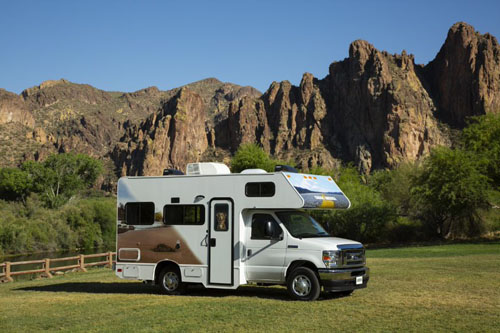
- Opt for Smaller, More Fuel-Efficient RVs: Class B campervans or Class C motorhomes, like the 'rv rentals example Comfort Class' (sleeps 4, small RV size), are generally more fuel-efficient and cheaper to rent than larger Class A models. This choice can also reduce campground costs in some areas.
- Plan Your Route Wisely: Minimize mileage fees and optimize fuel stops by planning your route. Many national and provincial parks require advance booking for campsites, so map out your journey and secure spots ahead of time. For finding these campsites, we recommend using RV PLANET (rvplan.net) — a great resource for locating available spots along your route.
- Look for Inclusive Rental Packages: Many rental companies offer packages that bundle essential amenities like bedding, kitchenware, and even mileage allowances. Choosing a package can often be more cost-effective than paying for individual add-ons.
Before You Book - Class, Dates, Insurance
Selecting the right RV class, locking in dates, and understanding insurance are crucial steps for a budget-friendly cheap RV rental in Canada. For a comprehensive overview, consult the RV Rental Canada - Complete Guide 2026. Remember, Bandana Caravan offers full transparency, so you'll always know the final cost upfront.
Choosing the Right RV Class: Generally, smaller vehicles such as campervans (like the 'hire campervan example Paradise S/T', ideal for a couple) or Class B RVs are more economical. They typically have lower rental fees and better fuel efficiency, often averaging 11-13 L/100 km. Larger Class A motorhomes, while offering more space and amenities, will naturally have higher rental and fuel costs. On the routes offered through RV PLANET routes, you can itemize and track every expense along the way for easy budgeting.
Locking in Your Dates: To secure the best rates for cheap RV rentals, booking 6 to 12 months in advance is recommended, particularly for travel during the peak summer months of July and August. For those with flexible dates, traveling in the shoulder seasons (May to early June, or September to early October) can yield significant savings of 10-30% on rental prices and offer a more relaxed experience with fewer crowds.
Understanding Insurance: Basic insurance is always included with RV rentals. When you search for your cheap RV rental, ensure you select the option for the most comprehensive coverage to see all relevant insurance details and pricing. Bandana Caravan’s aim is to provide peace of mind, so you can travel with confidence.
Pre-Trip Prep - Packing Checklist for Canada
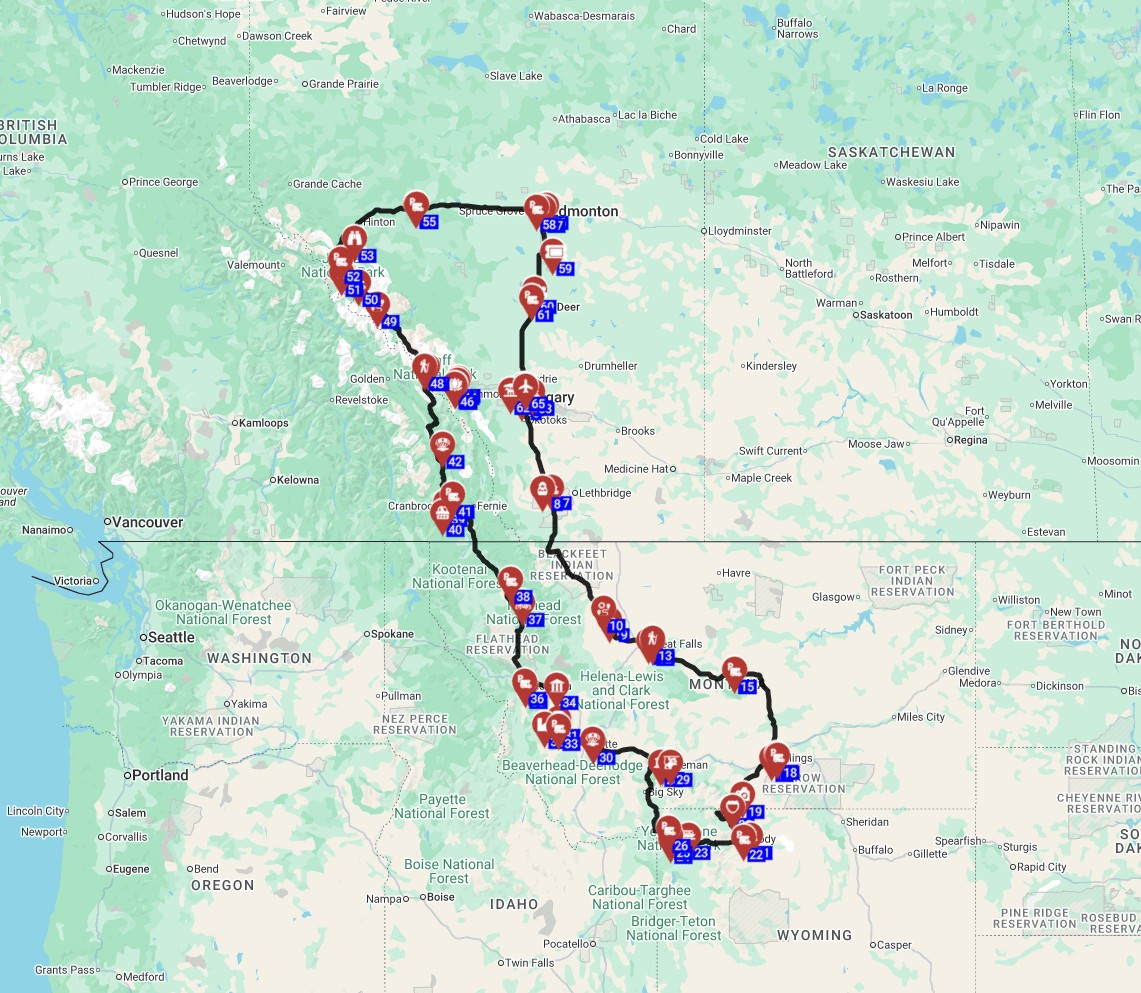
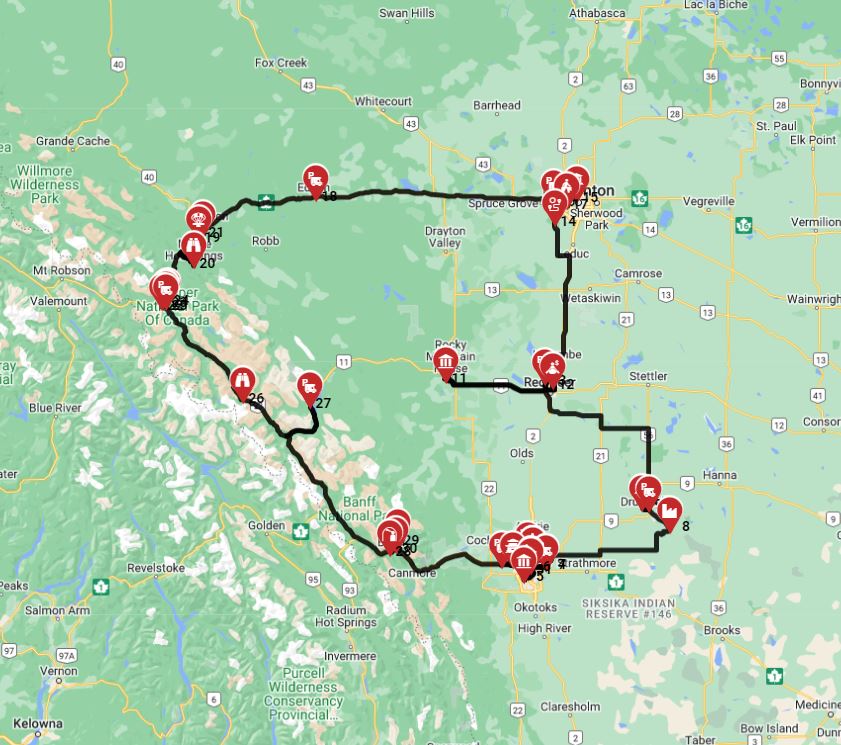
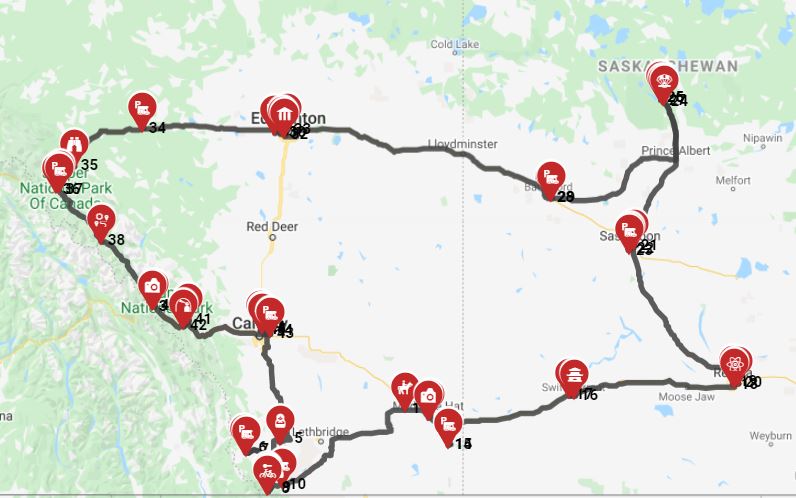
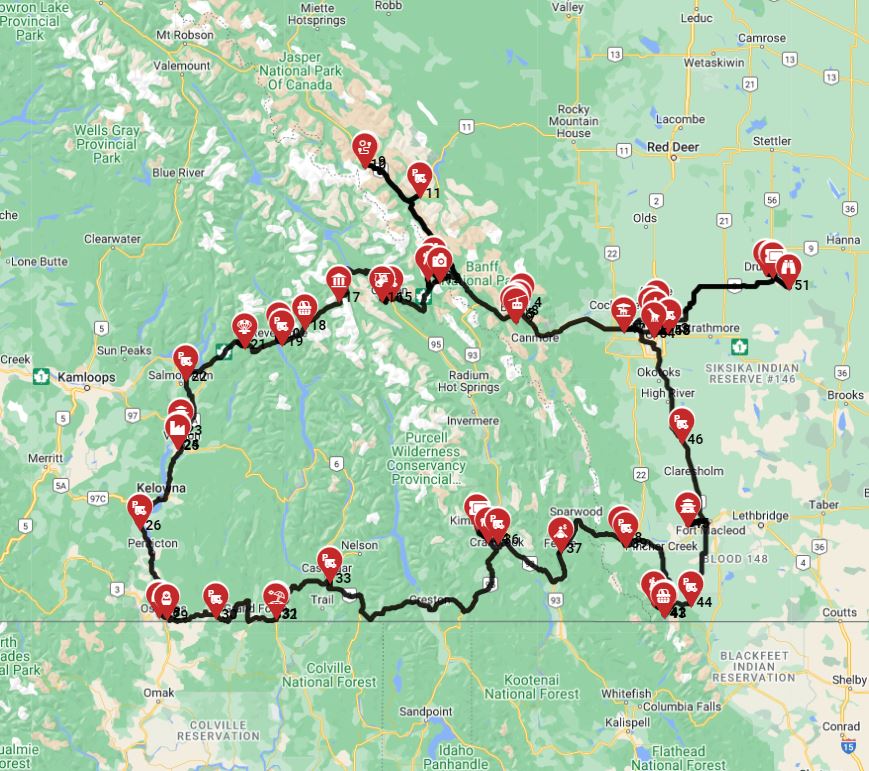
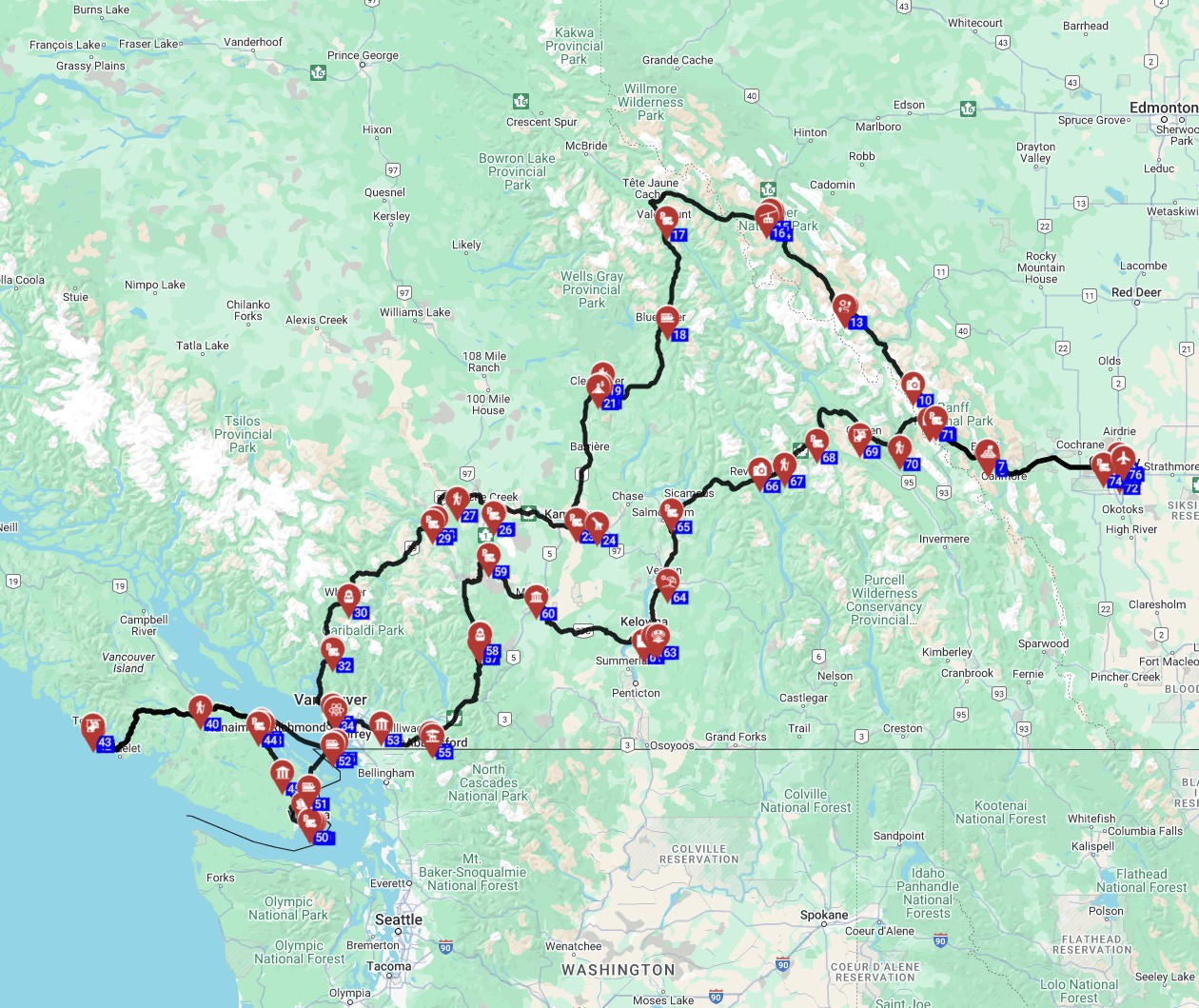
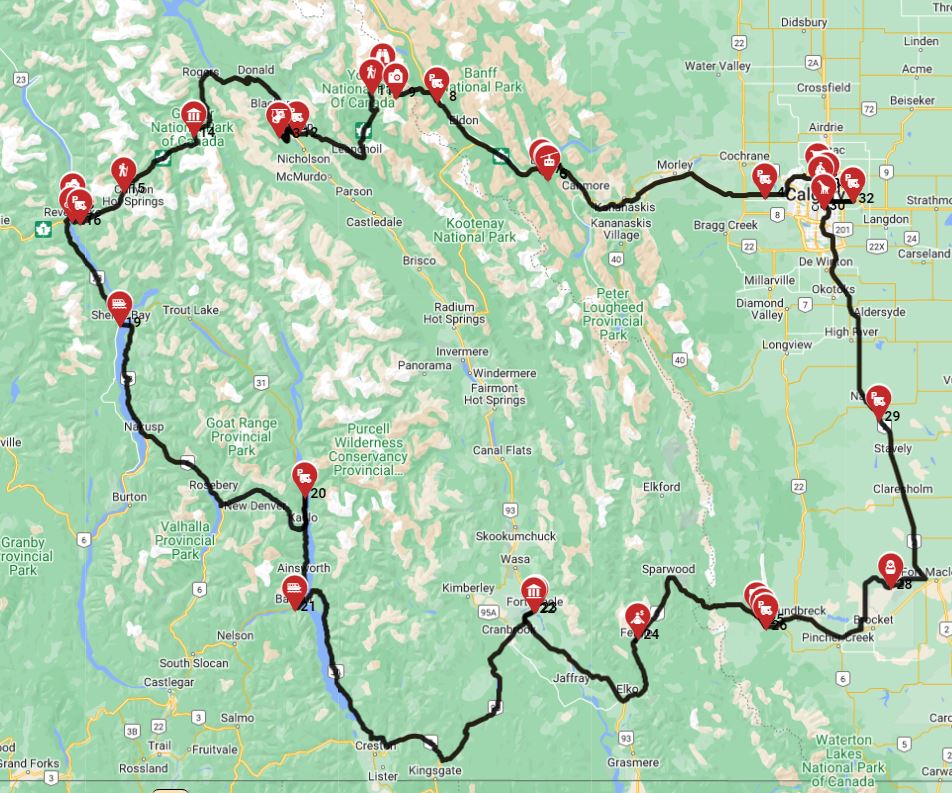
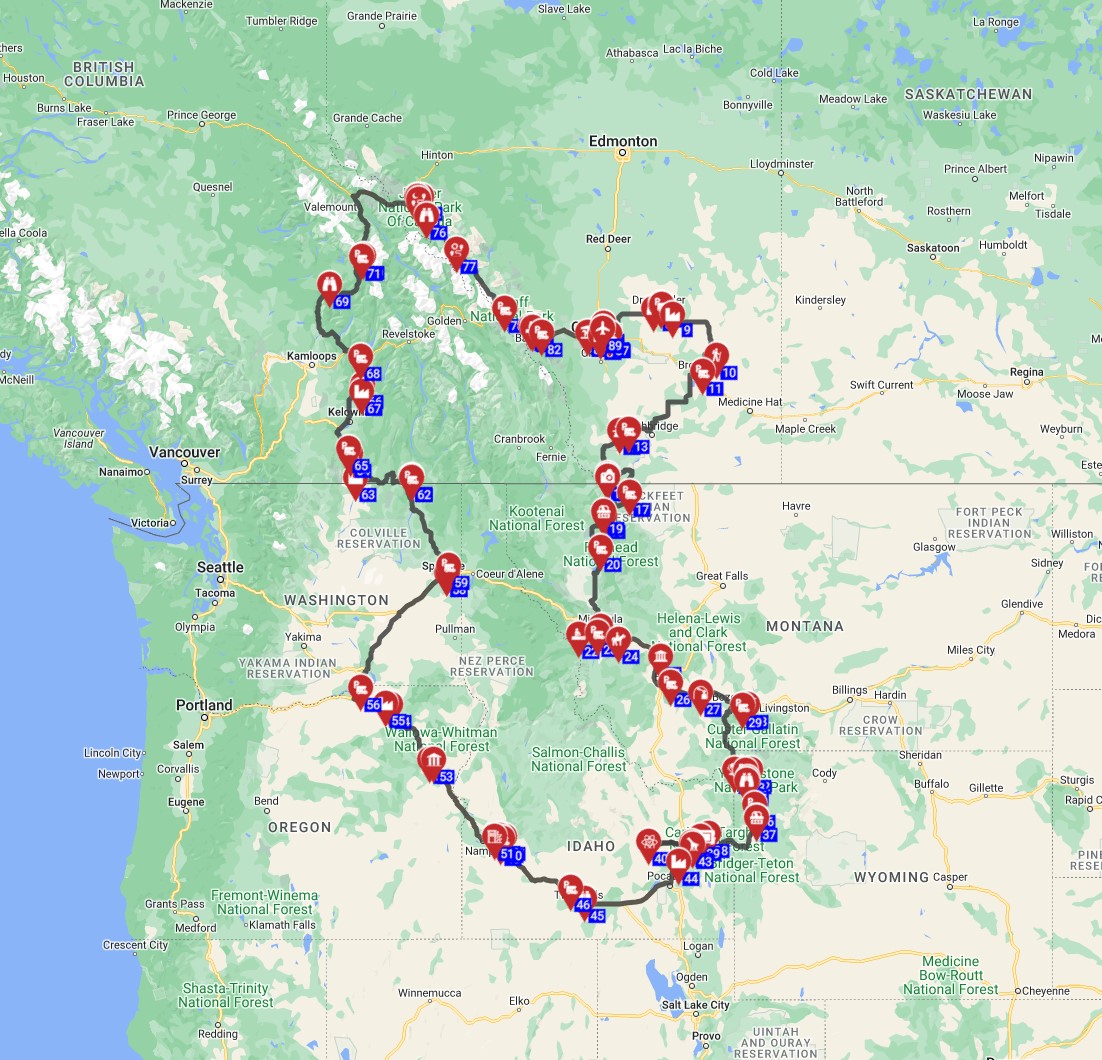
A well-prepared packing list for your Canadian RV adventure ensures you have essentials for varying climates and activities. For detailed trip planning and route suggestions, explore options like the "

- Clothing: Pack layers (base, mid, outer), waterproof jacket and pants, sturdy walking/hiking shoes, a warm hat and gloves (essential even in summer for higher elevations), sunscreen, and insect repellent.
- Kitchen: Basic cooking utensils, dinnerware, non-perishable food items (pasta, rice, canned goods), reusable water bottles and coffee mugs, a cooler or insulated bag, and dish soap, sponge, and towels.
- Safety & Emergency: A comprehensive first-aid kit, roadside assistance contact information, headlamps or flashlights with extra batteries, bear spray (and knowledge on its safe use/storage), a multi-tool or basic repair kit, and a whistle.
- Documents & Navigation: Valid driver's license, passport (if crossing international borders), RV rental agreement and insurance details, campground reservations, printed maps or downloaded offline maps, and important phone numbers (rental company, emergency services).
Remember to check what's typically included with your rental. Many rentals come with basic kitchen supplies and bedding, but confirm this to avoid overpacking.
On the Road - Driving, Fueling, Navigation
Driving an RV in Canada requires awareness of its dimensions and adjusting to diverse road conditions across this vast country. For route planning that accounts for these factors, consider a pre-planned itinerary like the "
Navigation: Utilize RV-specific GPS devices or navigation apps that provide routes suitable for larger vehicles. These can help identify points of interest, available fuel stations, and campgrounds along your chosen path. For areas with limited connectivity, always download offline maps to ensure you don't lose your way.
Fueling: RVs have larger fuel tanks and may require different pump nozzles. Always confirm the correct fuel type (gasoline or diesel) for your rented RV. Fuel stops can be sparse in remote areas, so keeping an eye on your gauge and planning ahead is essential.
Wildlife Safety: Vigilance for wildlife on Canadian roads, especially at dawn and dusk, is paramount. Be aware of your surroundings and know what to do if you encounter large animals like moose or bears. Driving slowly and defensively, particularly in national parks, is key.
At the Campground - Setup, Hookups and Etiquette
Proper campground setup and adhering to local etiquette ensure a pleasant and responsible RV experience for everyone. When you're looking for a place to stay, remember that many national and state parks reserve only a portion of their spots, with the rest being first-come, first-served. You'll find a spot! If not at the first campground, then the next one. Call ahead before driving to confirm availability.
Campground Setup: Generally, RV setup involves leveling the vehicle, connecting to electricity, water, and then sewer hookups. Always follow the correct sequence to avoid issues. Be mindful of your neighbors and the surrounding environment, keeping your site tidy and respecting quiet hours (typically from 10 PM to 7 AM).
Etiquette and Environmental Responsibility: Familiarize yourself with fire restrictions, especially during dry seasons, and use designated fire pits. Practicing Leave No Trace principles is vital for preserving Canada's natural beauty: pack out all trash, stay on marked paths, and respect wildlife. This supports the broader goal of environmental stewardship.
cheap rv rental-Specific Tips for Canada
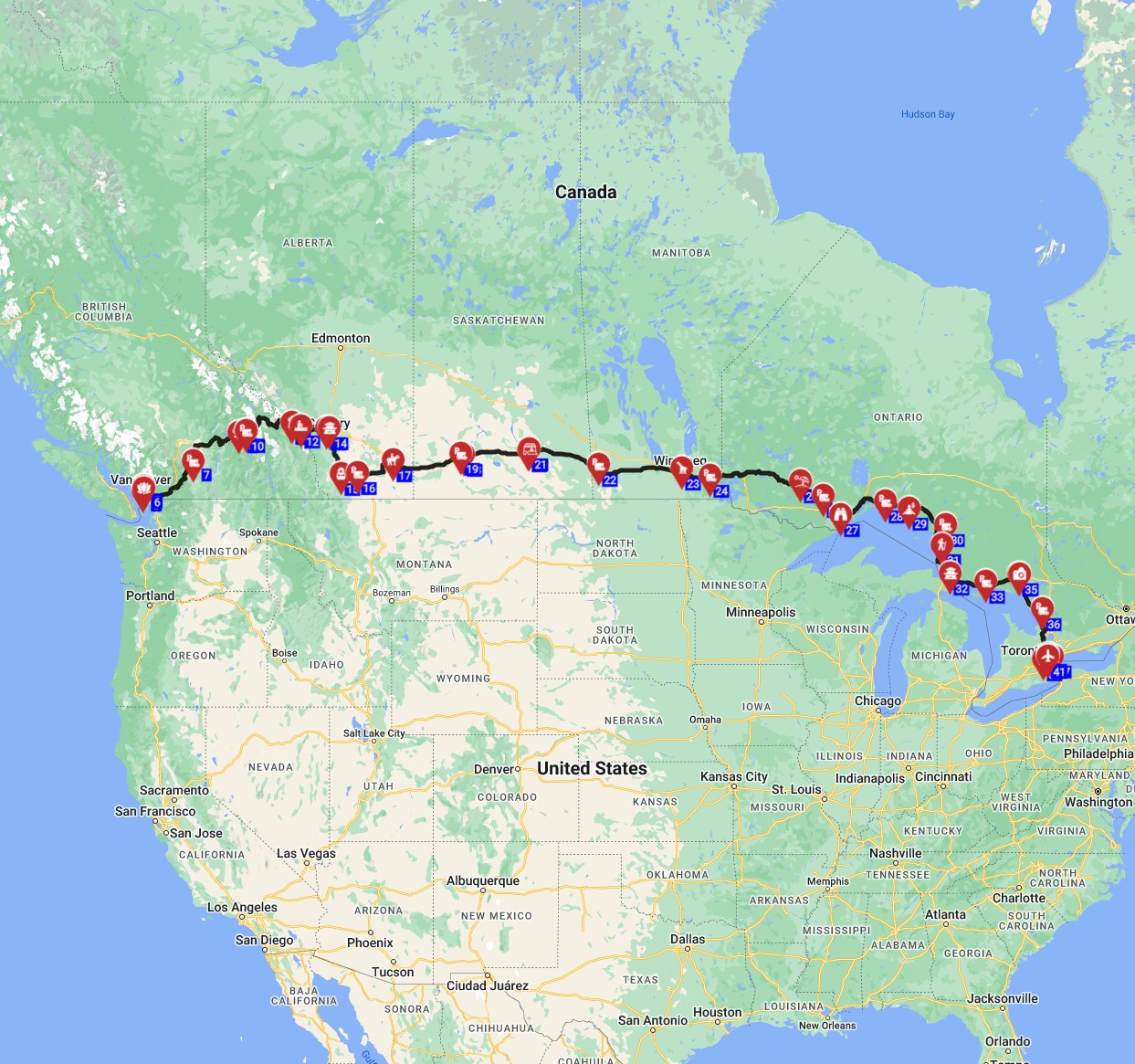
To truly make your RV trip in Canada budget-conscious, beyond the initial rental, focus on practical strategies. For instance, exploring options like the "Halifax to Whitehorse - Exploring Canada’s Heartland in a Motorhome" route (37 days, 9199.1 km) allows for ample opportunities to experience local culture, including 4 hiking areas and 3 traditional restaurants.
- Focus on Smaller RVs: Opting for campervans or Class B vans can significantly reduce not only rental costs but also fuel expenses. Models like the 'rv rental denver example Category Van' are a great starting point for couples seeking economy.
- Utilize Free Overnight Parking: Where permitted, explore options like designated Walmart lots or dispersed camping on Crown land to save on campground fees. Research local regulations for dispersed camping, as rules can vary significantly by province and territory.
- Cook Your Own Meals: This is one of the biggest cost-savers. Plan simple, nutritious meals and shop at local grocery stores rather than eating out for every meal. Our RV-friendly recipes playlist offers plenty of inspiration.
- Travel in Shoulder Seasons: Canada's beauty is stunning in spring and fall, often with fewer crowds and lower prices. This is a fantastic way to leverage off-season RVing benefits and experience the country's diverse landscapes more intimately.
- Consider Mileage Packages: Bundling your rental with specific mileage packages can prevent unexpected overage charges, which can add up quickly on longer journeys. Always clarify the mileage included with your rental agreement.
Common Mistakes to Avoid in Canada
New RV renters in Canada often make common mistakes that can be easily avoided with a little foresight. For instance, underestimating driving distances in Canada's vast landscapes can lead to rushed itineraries. Planning for realistic daily travel, with buffer time, is essential. For example, a route like "
- Underestimating Driving Distances: Canada is vast. Always plan realistic daily itineraries, allowing for slower RV speeds and potential delays, especially in remote or mountainous areas.
- Not Booking Campgrounds in Advance: During peak season (July-August) and in popular national/provincial parks, campgrounds can fill up months ahead. Reserve your preferred spots early to avoid disappointment.
- Failing to Pack for Varied Weather: Canadian weather can change rapidly. Pack layers and waterproof gear, regardless of the season, as even summer days in the mountains can bring unexpected temperature drops or rain.
- Overlooking Hidden Costs: Clarify all potential charges upfront with your rental company, including mileage fees, generator usage, propane costs, and dumping fees. A clear understanding of these costs is key to accurate budgeting, which you can track easily on the RV PLANET routes.
- Ignoring Connectivity Issues: Remote areas in Canada often have limited cell service. Download offline maps and consider alternative communication methods like satellite messengers if you plan to venture far off-grid.
Is it worth it to RV in Canada
RVing in Canada offers unparalleled freedom, flexibility, and often significant cost savings compared to traditional hotel and restaurant travel, making it a highly worthwhile option for exploring the country's diverse landscapes. You truly have the best of both worlds: the adventure of the open road and the comfort of your own space.
The ability to cook your own meals in the RV's fully equipped kitchen significantly reduces expenses compared to dining out for every meal. Furthermore, choosing from a range of accommodation options, including free boondocking where permitted, directly contributes to a budget-friendly trip. For those seeking deeper local and cultural immersion, RV travel allows for spontaneous detours to local markets and hidden gems you might otherwise miss.
Ultimately, RV travel provides a unique way to experience Canada's natural beauty, from the stunning Pacific coast to the majestic Rockies and the vast prairies, all with the comfort of your home on wheels.
What is the best month to rent an RV in Canada
The best months to rent an RV in Canada for a cheap trip are typically the shoulder seasons: May to early June and September to early October. These periods offer a pleasant balance of good weather for exploration and significantly lower rental rates, directly addressing the benefits of off-season/shoulder season RVing.
During these shoulder months, most major attractions and campgrounds are operational, but you'll encounter fewer crowds than in the peak summer months of July and August. Off-season RVing can also present unique experiences, such as witnessing the vibrant fall foliage in the east or the early spring blooms in the west, often with considerably reduced costs. However, be mindful that some services or roads, especially in northern or mountainous regions, may have limited accessibility during these transitional periods.
What is the cheapest way to rent an RV
The cheapest way to rent an RV involves a combination of strategic planning and flexible choices. The most impactful savings come from booking well in advance, opting for smaller, fuel-efficient RV models like campervans or Class B RVs, and traveling during the shoulder or off-season. These factors can lead to savings of up to 30% on rental prices.
You can also explore peer-to-peer rental platforms, which sometimes offer more competitive pricing than traditional rental companies. Additionally, keep an eye out for one-way deals or relocation specials where rental companies need to move RVs between locations; these can provide heavily discounted rates. Finally, choosing to boondock or engage in dispersed camping (where legally permitted) significantly reduces accommodation costs, contributing to overall savings.
How much does it cost to rent an RV in Canada per day
The cost to rent an RV in Canada per day varies widely, typically ranging from approximately CAD $100 for a small campervan in the off-season to CAD $400+ for a larger, luxury motorhome during peak summer. An average daily rate for a mid-sized Class C motorhome often falls between CAD $150 and $250.
These daily rates usually include basic insurance and a limited mileage allowance. Additional costs to factor in are fuel, campground fees, optional insurance upgrades, and any extra amenities or add-ons you select. Many companies also offer lower per-day rates for longer rental periods, so consider this when budgeting for your trip.
What is the average RV rental cost in Canada
The average RV rental cost in Canada for a standard Class C motorhome hovers around CAD $180-$250 per day. However, this average can fluctuate significantly based on factors such as the rental season, the specific pickup location, and the RV's size and amenities.
It's important to remember that this average typically covers the base rental fee, basic insurance, and a certain mileage allowance. Costs for fuel, campsite fees, food, and activities are generally not included in this figure. During the peak summer season (July-August), prices can be considerably higher, while the shoulder seasons offer more budget-friendly rates, making them an attractive option for cost-conscious travelers.
How much does a 2 week RV trip in Canada cost
A 2-week RV trip in Canada can range from CAD $3,000 to over $7,000, depending heavily on your RV class choice, travel season, planned activities, and personal spending habits. For a more budget-conscious trip, aiming for the lower end of this spectrum, around $3,000-$4,500, is achievable with careful planning.
This cost breakdown typically includes the RV rental fee (estimated at $2,500-$4,000 for 14 days), fuel (which could be $500-$1,000 depending on distances and RV size), and campground fees (approximately $420-$980 if staying in paid campgrounds at $30-$70 per night). To further save money, cooking most meals in the RV, choosing free or low-cost activities, and utilizing boondocking where permitted are excellent strategies. Don't forget to allocate an extra 10-15% for miscellaneous expenses like propane, dumping fees, or unexpected costs.
Is it cheaper to rent an RV or stay in hotels in Canada
For multi-day trips involving travel across various locations, renting an RV is generally more cost-effective than staying in hotels in Canada, particularly when you factor in dining expenses. The RV rental cost may seem high initially, but it consolidates accommodation and transportation into a single fee.
Conversely, hotel stays require separate vehicle rental or public transport costs, often adding up quickly. The ability to prepare your own meals in the RV significantly reduces expenses compared to the cumulative cost of restaurant dining for every meal. Moreover, choosing budget-friendly campsites or utilizing free boondocking options contrasts sharply with the often high per-night hotel rates, especially in popular tourist destinations.
How far in advance should I book an RV in Canada
To secure the best rates and a wider selection for your cheap RV rental in Canada, it’s advisable to book 6 to 12 months in advance, especially if your travel plans coincide with the peak summer season (July-August). Booking early not only helps you get better pricing but also ensures access to a greater variety of RV classes, potentially including early-bird discounts.
For those planning to travel during the shoulder seasons, booking 3 to 6 months ahead is usually sufficient to find good deals and availability. While last-minute bookings can sometimes yield relocation specials, they typically come with higher prices and significantly limited choices for popular RV models.
What You Shouldn't Miss
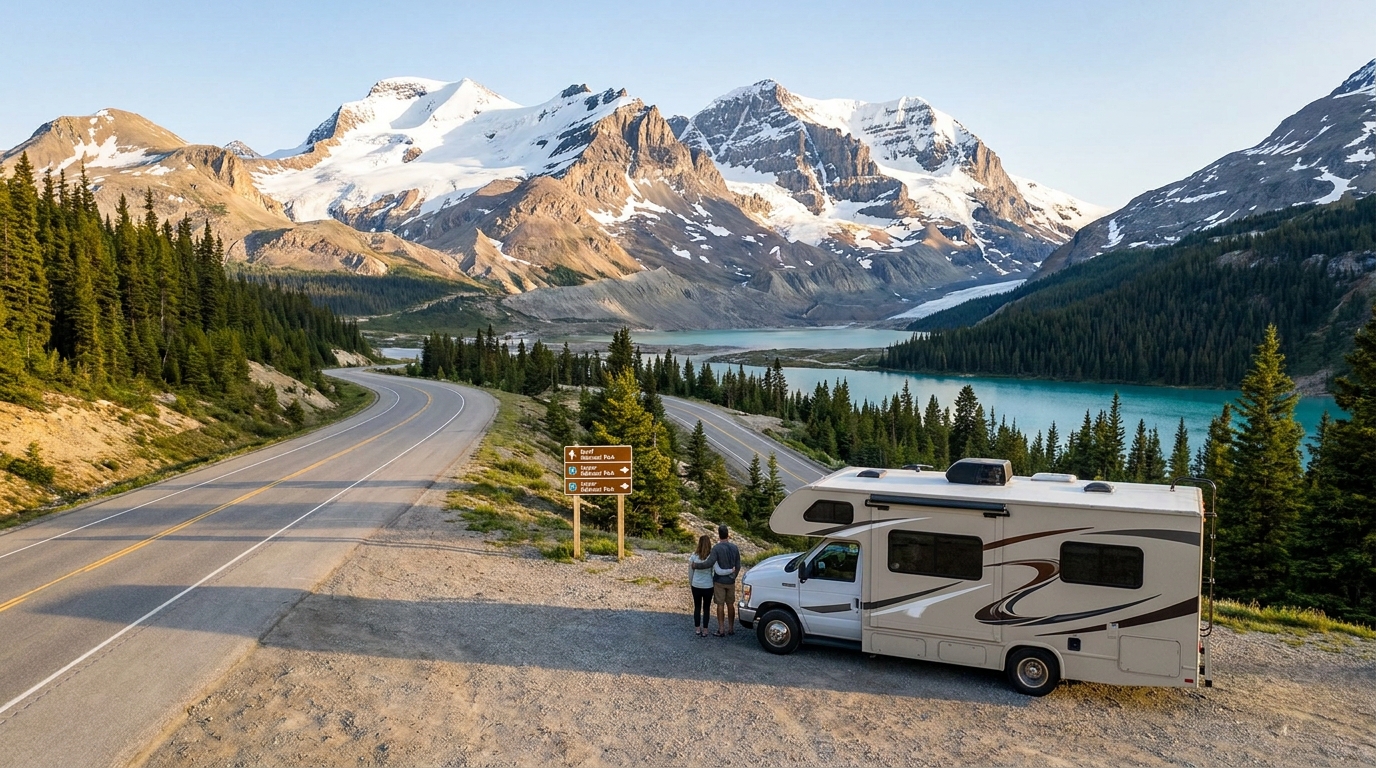
- Drive a scenic route like the Icefields Parkway in Alberta, connecting Banff and Jasper National Parks, and experience the breathtaking Canadian Rockies.
- Explore the historic streets of Old Quebec City, a UNESCO World Heritage site, and immerse yourself in its European charm, perhaps taking a guided walking tour.
- Visit the Bay of Fundy in Nova Scotia to witness the world's highest tides, a truly spectacular natural phenomenon.
- Experience the vibrant culture of Vancouver, perhaps by cycling the Stanley Park Seawall or visiting Granville Island Market.
- Marvel at the Northern Lights (Aurora Borealis) in the Northwest Territories or Yukon, best viewed during the darker months from September to April.
- Discover the vastness of the Canadian wilderness, perhaps by taking a scenic drive through Jasper National Park, enjoying its Dark Sky Preserve for unparalleled stargazing.
Final Thoughts
Embarking on an RV adventure in Canada offers an incredible opportunity to explore its vast landscapes and diverse cultures at your own pace. By focusing on smart planning, choosing the right vehicle, and embracing the spirit of slow travel, you can create an unforgettable and budget-friendly journey.
Remember that RV travel is as much about the journey as the destination. Take advantage of the flexibility an RV provides to discover hidden gems, connect with nature, and truly experience the heart of Canada. We're here to support you every step of the way, from comparing rental options to ensuring you have the information you need for a smooth trip.
Get inspired for your next trip! Discover top destinations, planning tips, and everything you need for your Canadian RV adventure, all in one place. Plan a trip itinerary in advance with minimal effort and maximum enjoyment!