For live availability and current prices, start with our RV Rental California - Complete Guide 2026 guide.
In This Guide
- Top 5 Tips for rv rental RV Rental in California
- Before You Book — Class, Dates, Insurance
- At the Campground — Setup, Hookups & Etiquette
- On the Road — Driving, Fueling, Navigation
- rv rental-Specific Tips for California
- Common Mistakes to Avoid in California
- What do I need to know before renting an RV in California?
- What are the best RV rentals in California?
- What is the best month to RV in California?
- How much does a motorhome rental cost in California for a week?
- Is it cheaper to rent an RV or stay in hotels in California?
- How old do you have to be to rent an RV in California?
- Can you park an RV anywhere in California?
- Where can I find free RV camping in California?
- Is it worth renting an RV in California?
Top 5 Tips for rv rental RV Rental in California
Embarking on an RV adventure in California offers unparalleled freedom and scenic beauty. To make the most of your journey and keep your budget in check, follow these top 5 essential tips for your California RV rental.
- Book early to secure your preferred RV class and dates, especially during peak seasons. This ensures you get the vehicle that best suits your group size and travel style, from compact campervans for couples to larger Class A motorhomes for families.
- Understand your full budget, accounting for rental fees, mileage, fuel, and potential generator usage. California’s gas prices can be higher than the national average, and generator usage often incurs a daily fee, so factor these into your daily budget.
- Select an RV class that matches your group size, comfort needs, and driving experience. Whether it's a nimble campervan (Class B) for navigating coastal roads or a spacious Class A motorhome for extended family trips, choosing the right RV is key.
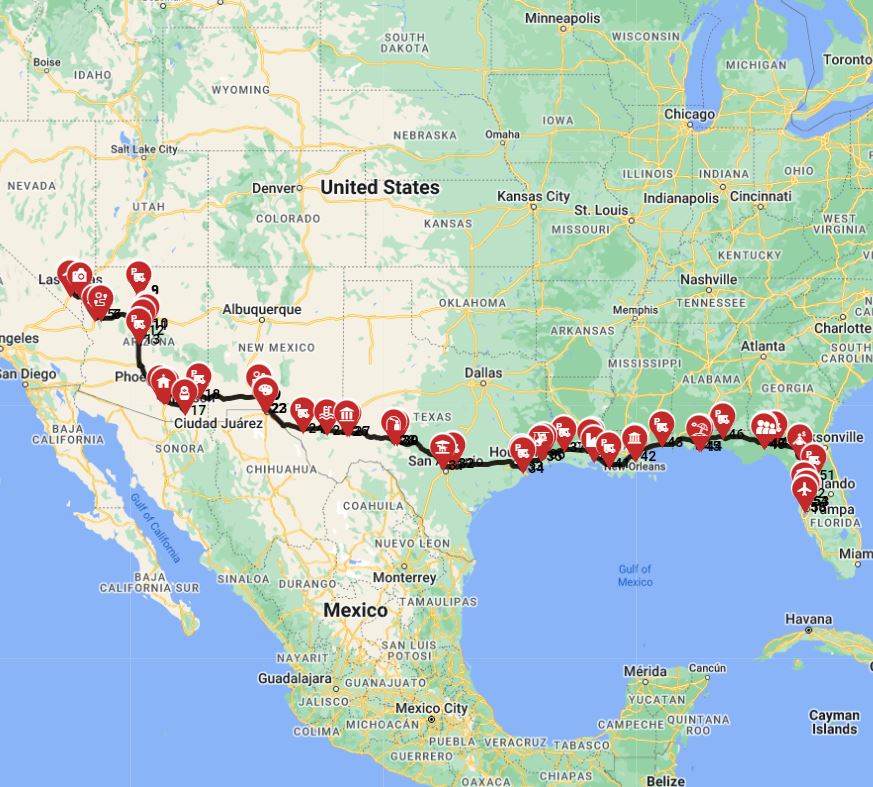
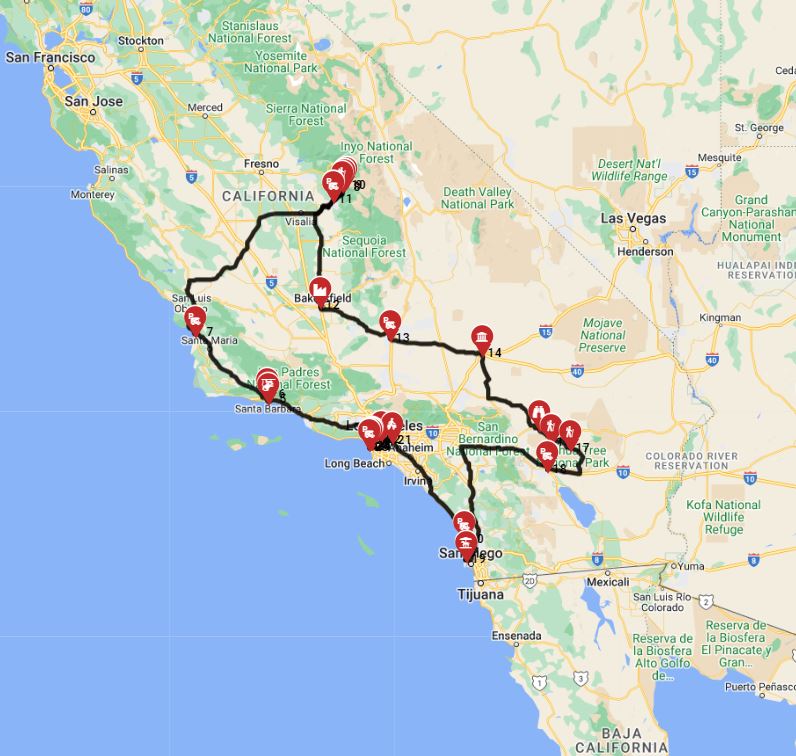
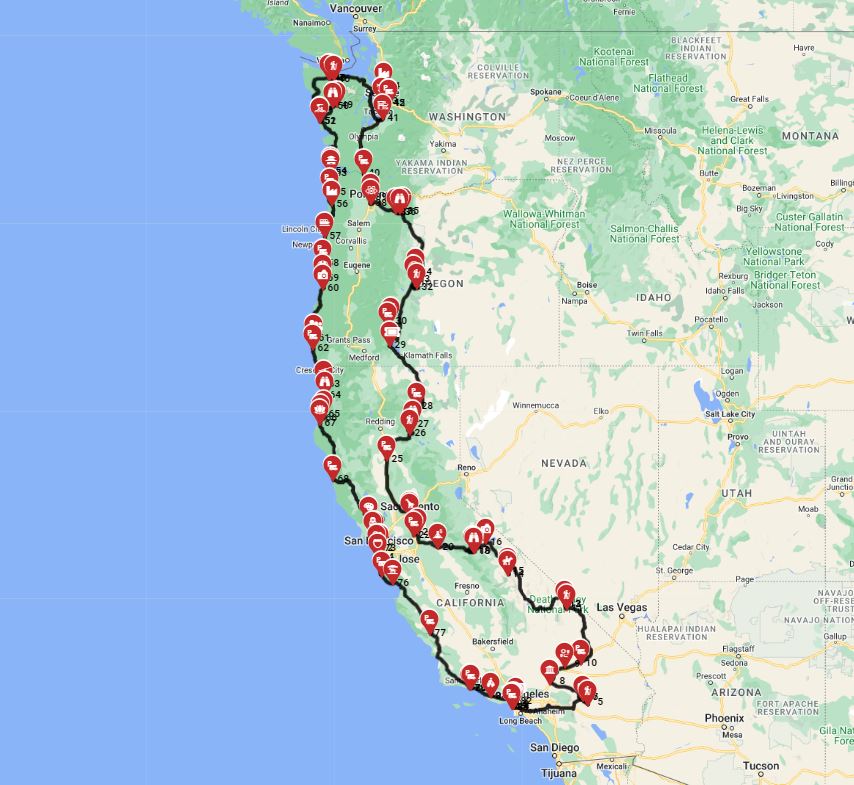
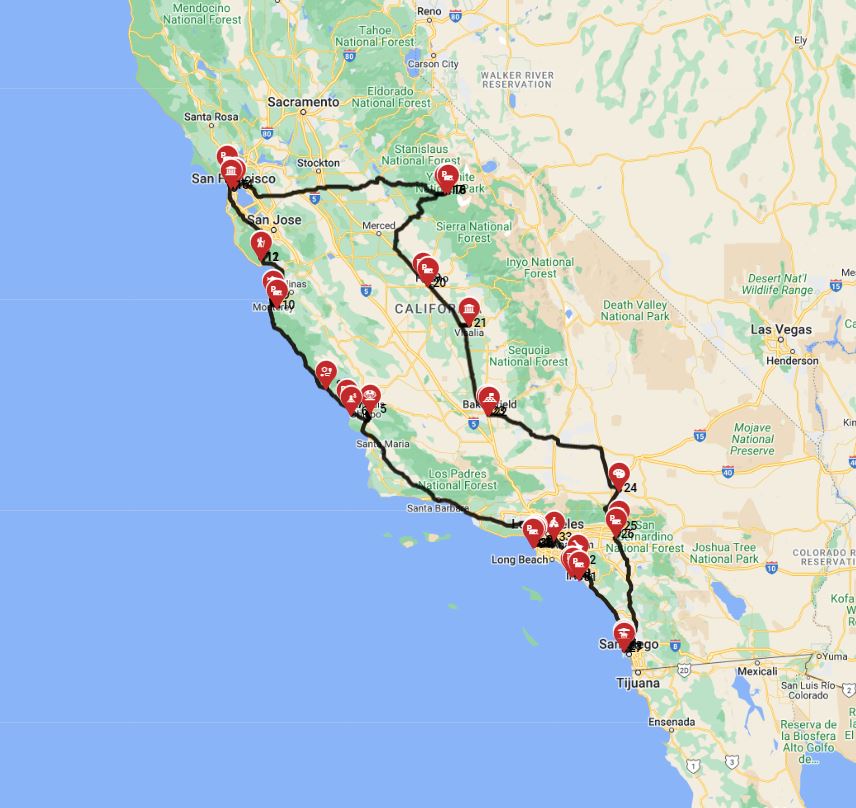
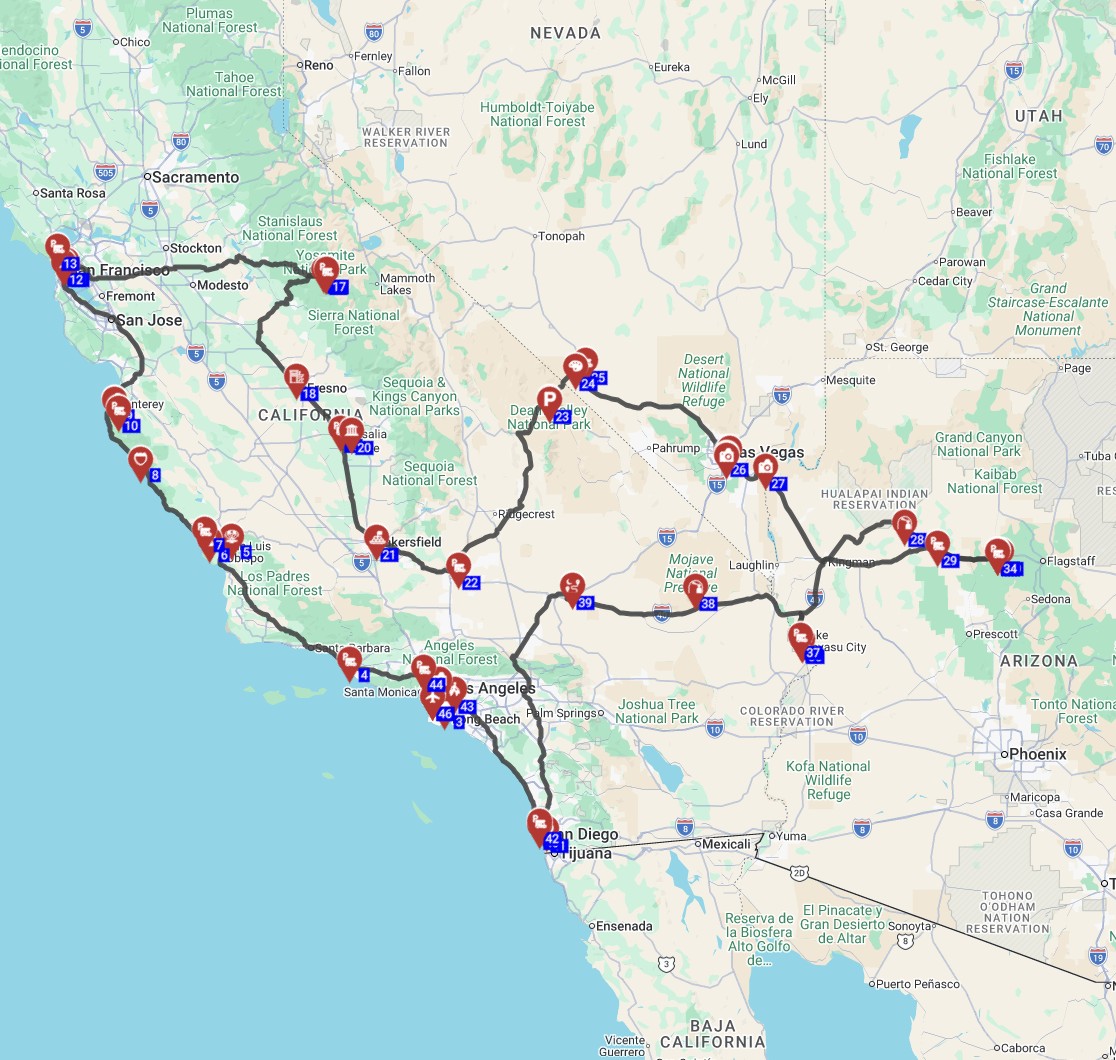
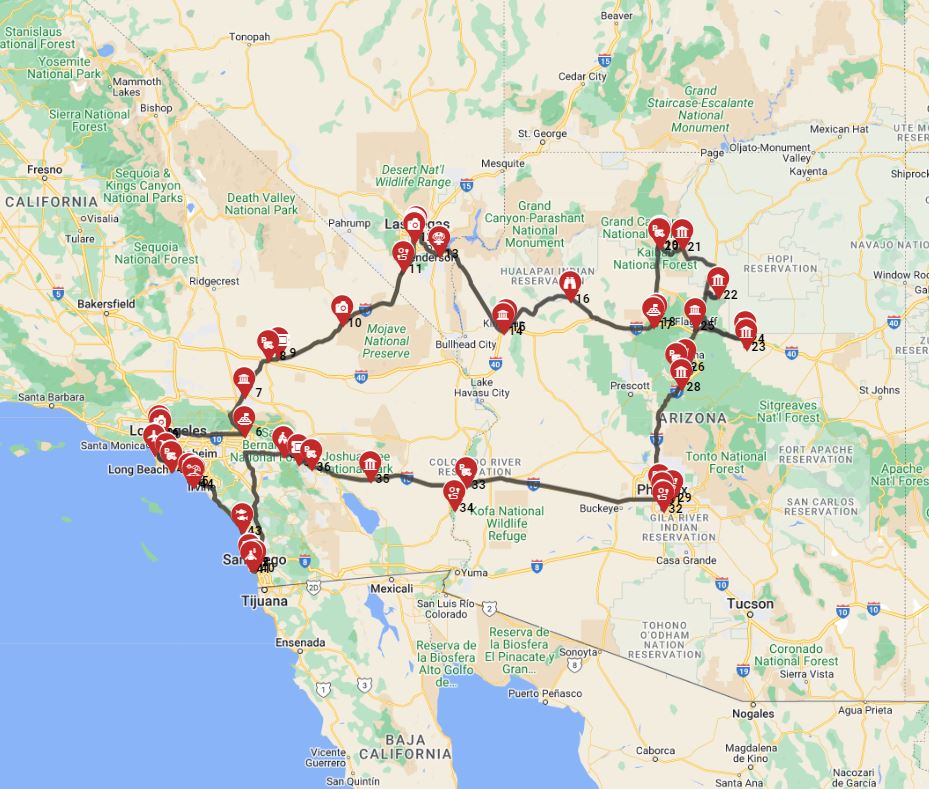
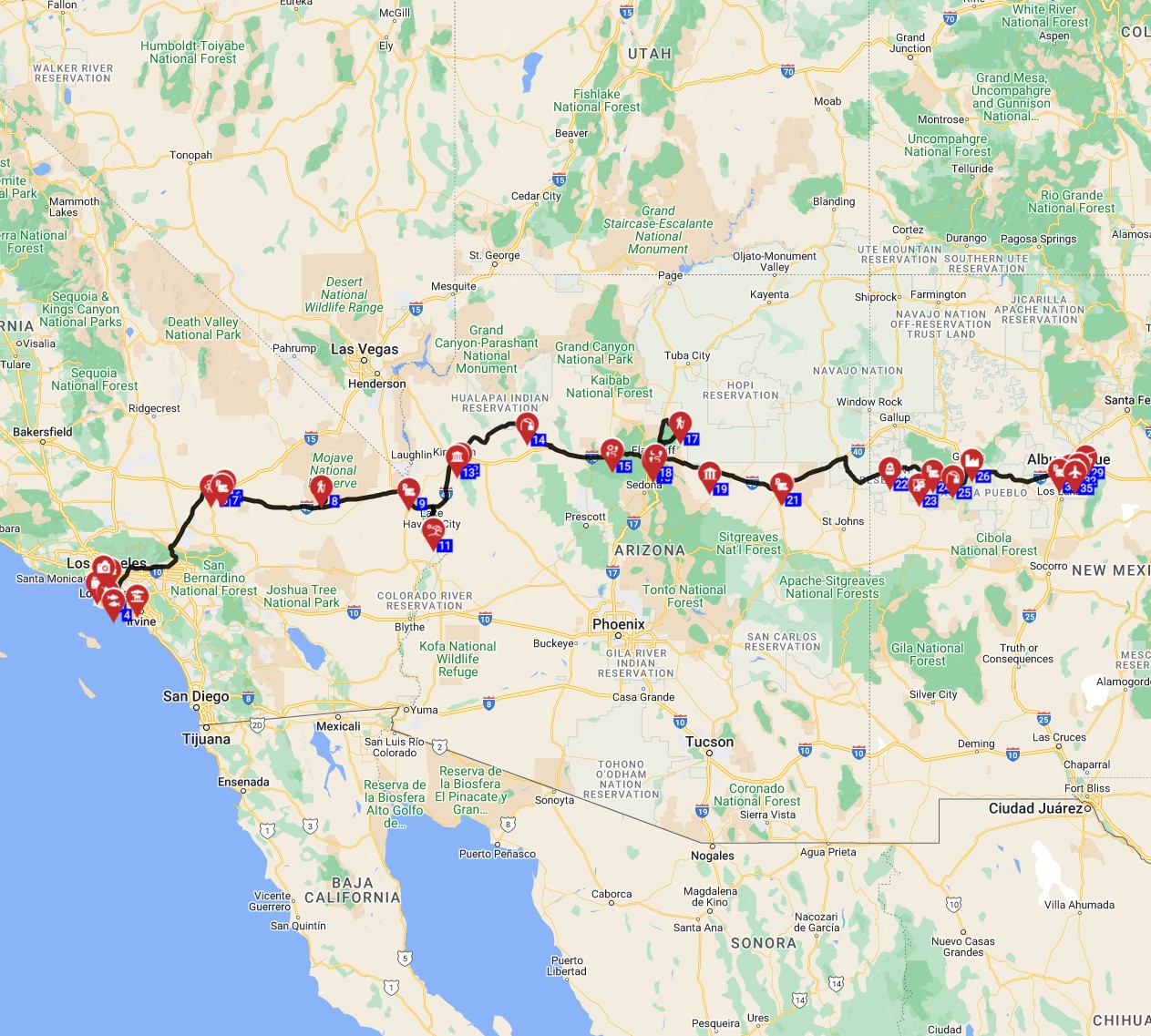
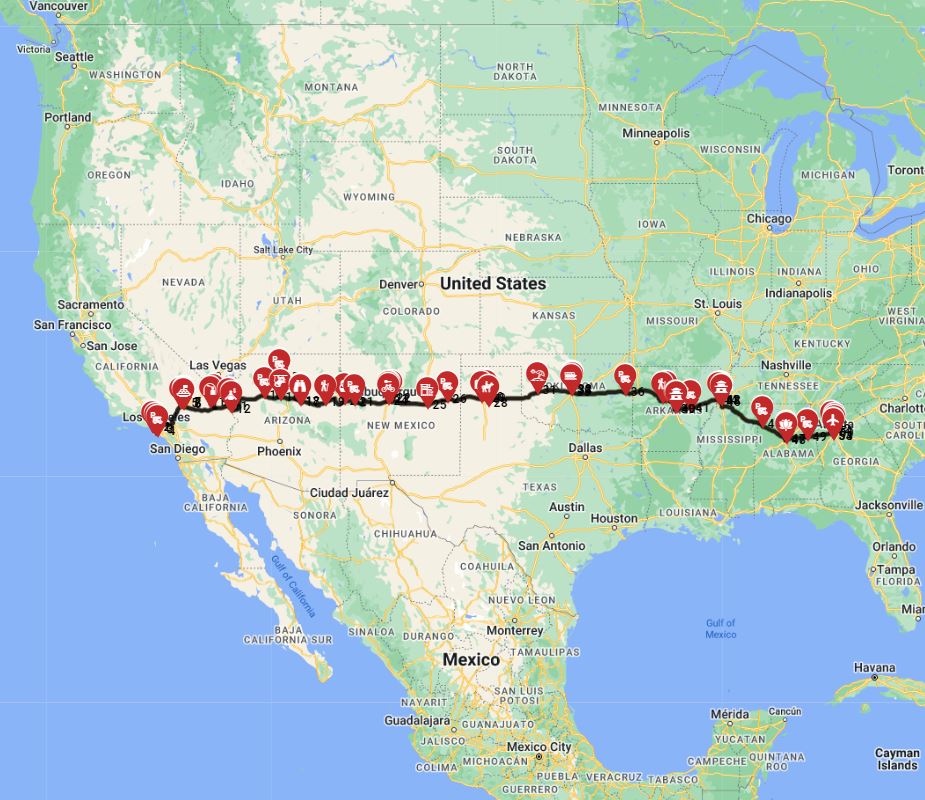
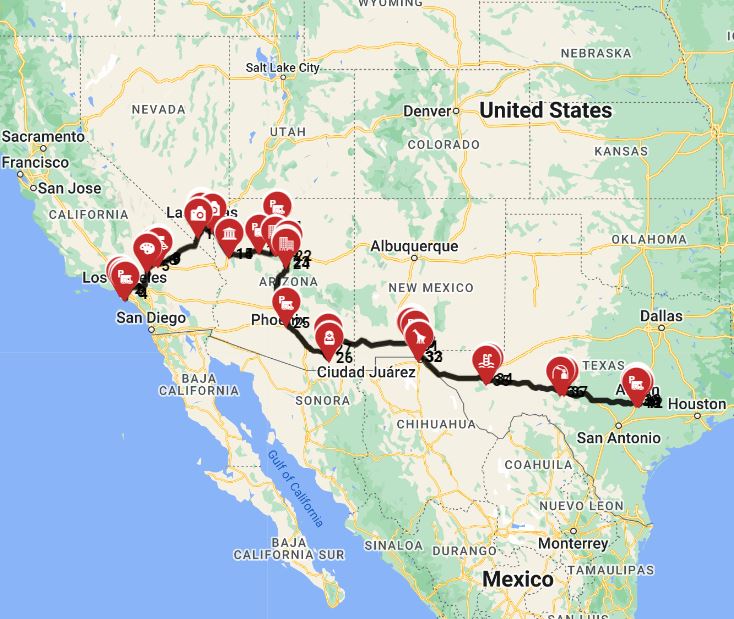
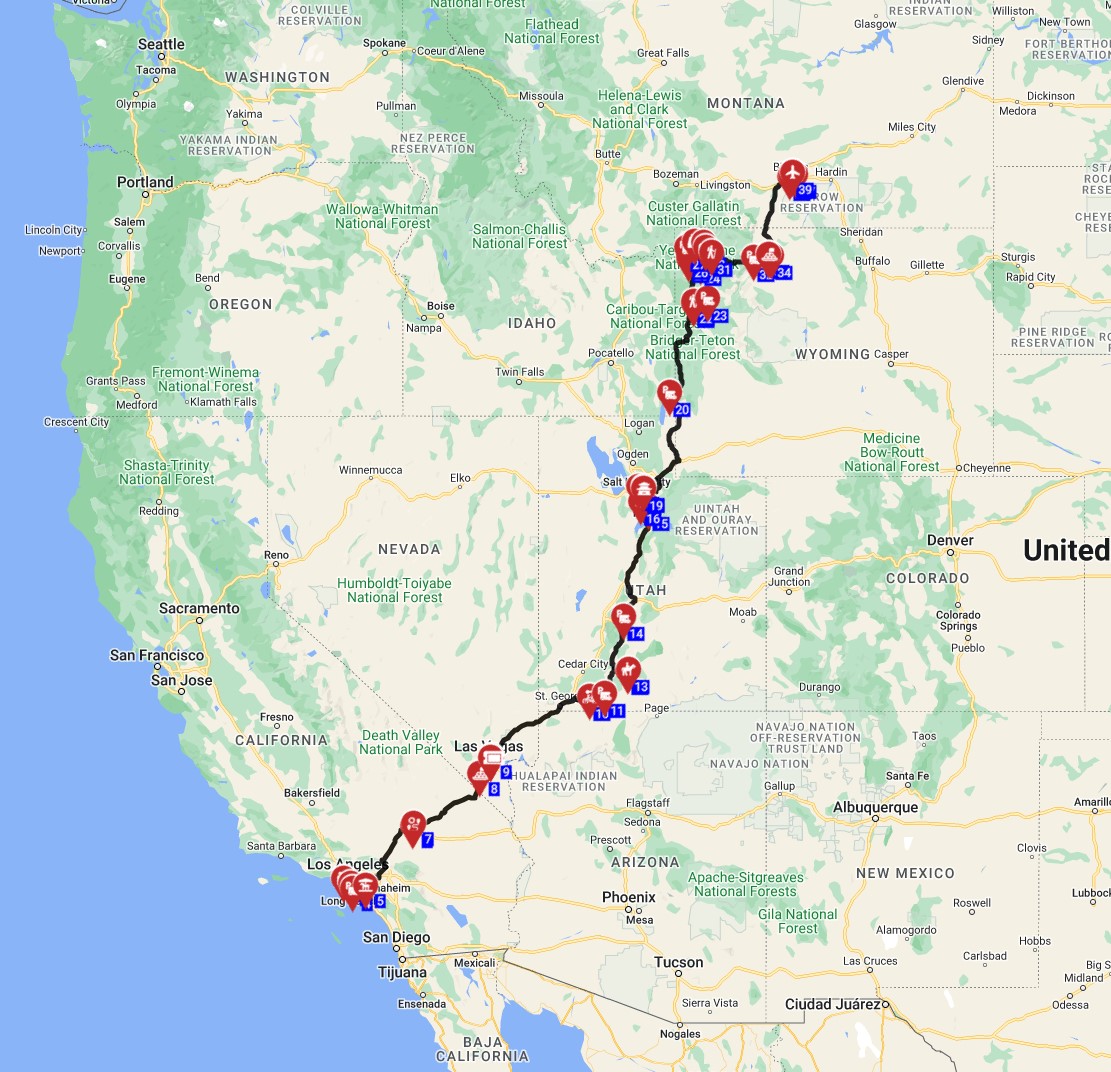
- Plan a flexible route that balances popular attractions with opportunities for spontaneous stops. California is vast, offering everything from the deserts of Anza-Borrego to the mountains of Yosemite. Build in time for unexpected discoveries, perhaps inspired by exploring RV PLANET routes which can help itemize your California trip budget.
- Thoroughly review all insurance options to ensure adequate coverage for your trip. Understanding the included coverage and considering optional upgrades, like top-level deductible reimbursement, provides peace of mind while traversing California's diverse landscapes.
Before You Book — Class, Dates, Insurance
Choosing the right RV class and securing your dates are crucial first steps in planning your California RV adventure. Understanding insurance options ensures you travel with confidence.
- Choosing Your RV Class: California offers a range of motorhome classes. Consider Class A for spacious luxury, Class C for versatility and ease of driving for many, or a compact Campervan (Class B) for fuel efficiency and urban maneuverability. Your choice depends on your group size, desired amenities, and comfort with vehicle size. For example, a Class C motorhome like the 24' Class C Motorhome offers a good balance for families with its sleeping capacity and amenities.
- Locking In Dates: Secure your rental dates well in advance, particularly for California's popular travel seasons like summer, national holidays, or major events. Demand will be high, and booking early, ideally 6 months ahead, can also lead to significant savings, potentially up to 25% on peak season rates.
- Understanding Insurance Options: Basic insurance is typically included with your RV rental. However, to see prices including the most comprehensive coverage, select that option during your search. This will then display all relevant insurance options, allowing you to choose the level of protection that best suits your needs, such as upgrading to top-level deductible reimbursement for extra peace of mind.
Pre-Trip Prep — Packing Checklist for California
Proper packing can significantly enhance your California RV trip, ensuring you have essentials for various climates and situations.
- Clothing: Pack versatile layers to accommodate California's diverse climates. Include swimsuits for coastal beaches, warm jackets for mountainous regions, and comfortable walking shoes for exploring cities and parks.
- Kitchen Essentials: To save on dining costs, bring or rent basic cookware, dishes, reusable water bottles, and non-perishable food items. This allows you to enjoy meals onboard, perhaps trying some RV-friendly recipes playlist.
- Safety & Emergency: Always include a comprehensive first-aid kit, an emergency roadside kit, a powerful flashlight, and a fire extinguisher. Being prepared for minor issues is crucial for a smooth journey.
- Documents: Carry your driver's license, rental agreement, insurance details, any campground reservations, and copies of important documents. Keeping these organized will simplify check-ins and any necessary interactions.
On the Road — Driving, Fueling, Navigation
Navigating California in a rented RV requires awareness of the road, fuel availability, and effective navigation strategies.
- Driving Tips: Allow for increased braking distance, be mindful of your RV's height and width clearances, especially on narrow mountain roads like those found on parts of Highway 1, and always monitor wind advisories. Large RVs, such as a 29' Class C Motorhome, can handle most roads if driven with care and attention.
- Fueling Strategies: Plan fuel stops in advance, as stations can be infrequent in California's remote areas. Utilize apps to find RV-friendly stations with sufficient space for maneuvering.
- Navigation: Utilize RV-specific GPS or navigation apps that consider vehicle dimensions and road restrictions. Download offline maps, as cell service can be limited in national parks and wilderness areas.
At the Campground — Setup, Hookups & Etiquette
Setting up your RV at a campground and adhering to etiquette ensures a pleasant experience for everyone.
- RV Setup Sequence: First, level your RV using leveling blocks or the RV's auto-leveling system. Then, connect to shore power, followed by fresh water (using a pressure regulator), and finally, the sewer hose (after ensuring the dump valves are closed).
- Understanding Hookups: Familiarize yourself with 30-amp vs. 50-amp electrical connections, the importance of a water pressure regulator, and proper waste disposal procedures at designated dump stations.
- Campground Etiquette: Respect quiet hours, typically from 10 PM to 7 AM. Keep pets leashed, properly dispose of all waste, and adhere to Leave No Trace principles to minimize your environmental impact.
rv rental-Specific Tips for California
Tailoring your RV rental experience to specific traveler types can enhance comfort and enjoyment across California's diverse regions.
- For Families: Choose RVs with comfortable sleeping arrangements and consider onboard entertainment options. Plan kid-friendly activities and schedule drives around nap times to keep younger travelers content.
- For Seniors: Opt for RVs with easy entry/exit and spacious interiors, such as larger Class C models or Class A motorhomes, to ensure comfort during your travels.
- For Budget Travelers: Explore free overnight parking options like designated BLM land or ask permission at some Walmart locations. Cooking most meals in your RV is a significant money-saver compared to frequent dining out.
- For Luxury Seekers: Look for RVs equipped with slide-outs for expanded living space, multiple entertainment systems, and full-featured kitchens. Consider add-ons like outdoor grills or bike racks for an enhanced experience.
Common Mistakes to Avoid in California
Learning from common RV rental mistakes can help you have a smoother and more enjoyable trip through California.
- Underestimating California's Vastness: Instead, plan realistic daily driving distances (averaging 100-150 km is ideal for slow travel) and allow ample time to travel between diverse regions, like the coast and the mountains.
- Ignoring Local Regulations: Instead, research specific fire restrictions, overnight parking laws in cities, and wildlife interaction protocols for the areas you plan to visit. Always use designated waste disposal sites.
- Overpacking Your RV: Instead, pack efficiently and strategically. Less weight improves fuel economy and makes for easier driving, especially on scenic routes like those detailed in RV PLANET routes.
- Relying Solely on Cell Service: Instead, download offline maps and critical information, as connectivity can be unreliable in many remote parts of California, such as within national parks.
- Neglecting Water Conservation: Instead, be mindful of your water usage, especially in arid regions like the deserts, and know the locations of potable water and dump stations along your route.
What do I need to know before renting an RV in California?
Understanding California's unique regulations and environmental challenges is essential for a well-prepared RV rental trip.
- Local Regulations: Research specific fire restrictions, especially during dry seasons. Be aware of municipal overnight parking ordinances and wildlife interaction protocols in national and state parks; always use designated waste disposal sites.
- Environmental Challenges: Prepare for limited cell service in remote areas, potential water scarcity in desert regions, and have a wildfire preparedness plan, including awareness of evacuation routes.
- Driving Conditions: Be aware that large RVs may face restrictions or challenges on narrow, winding mountain roads, such as portions of Highway 1 or Yosemite's Tioga Pass. Always check current road conditions before departing.
- Pet Travel Advice: If traveling with pets, identify pet-friendly parks and attractions. Ensure their heat safety in warmer climates and know the locations of emergency veterinary services along your route.
What are the best RV rentals in California?
The "best" RV rental in California depends on your travel style, group size, and desired amenities. Here's a breakdown of popular classes:
- Campervans (Class B): Ideal for solo travelers or couples, offering easy driving, good fuel efficiency, and suitability for urban exploration and smaller campsites.
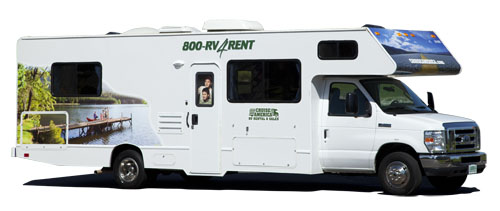
- Class C RVs: A popular choice for small families or groups, balancing comfortable space and amenities with relatively easy maneuverability. Models like the 24' Class C Motorhome are great examples.
- Class A RVs: Best for larger groups or those seeking a luxurious experience with ample living space and full kitchens. They may have multiple slide-outs but require more experienced handling.
- Travel Trailers/Fifth Wheels: While these require a tow vehicle, they provide a home-like experience at destinations. They offer the flexibility to unhitch and explore without the RV itself. Bandana specializes in motorhomes, not towables.
What is the best month to RV in California?
California's diverse climate means the "best" month for RV travel can vary by region, but certain seasons offer general advantages.
- Spring (April-May): Generally offers pleasant temperatures across most of California, with wildflowers in bloom. National parks are often accessible before peak crowds, and campground availability is good.
- Fall (September-October): Provides warm days, cooler nights, vibrant fall foliage in mountainous areas, and reduced crowds. Many summer attractions remain open, though fire restrictions can be high.
- Summer (June-August): This is peak season with hot weather, crowded attractions, and limited campground availability, often leading to higher prices. It’s best suited for coastal areas or high-elevation mountain escapes.
- Winter (November-March): Presents unique experiences like desert warmth or snow sports in the Sierra Nevadas. However, many mountain roads may close, and coastal areas can be rainy, but this season is ideal for off-season rates.
How much does a motorhome rental cost in California for a week?
Estimating the cost of a week-long RV rental in California involves several components beyond the base rental rate.
- Rental Rates: Weekly costs typically range from $700 for smaller campervans or older Class C models to over $3,000 for luxury Class A motorhomes. Rates are heavily influenced by seasonality and demand.
- Additional Fees: Factor in mileage fees (often 100-150 miles/day included, with extra charges beyond), generator usage fees, cleaning fees, and potential provisioning or pet fees.
- Fuel Expenses: Budget a significant amount for fuel, as California gas prices are higher than the national average, potentially costing $50-$100+ per day depending on travel distance and RV fuel efficiency.
- Camping Costs: Campground fees can range from $25/night for basic state parks to $80+/night for private resorts. Utilizing free camping options, like dispersed camping on BLM land, can significantly reduce this cost.
- Groceries: Cooking meals in your RV significantly reduces dining costs compared to eating out. Budget for groceries comparable to a typical week's shopping.
Is it cheaper to rent an RV or stay in hotels in California?
Comparing RV rental costs to hotels in California involves considering various factors for different travel scenarios.
- RV Cost Factors: Consider rental rates, insurance, fuel, campground fees, mileage, and potential generator usage. These can accumulate, especially for larger RVs or extensive travel.
- Hotel Cost Factors: Account for nightly rates, which are highly variable by location and season, dining out expenses, and potential parking fees, particularly in urban centers.
- Family & Group Travel: For families or groups, an RV can be more economical. It consolidates lodging and offers substantial savings through self-prepared meals, contrasting with booking multiple hotel rooms and restaurant dining.
- Experience vs. Pure Cost: While a direct cost comparison is complex, an RV offers unmatched flexibility, direct access to nature, and an immersive travel experience that hotels cannot replicate.
- Off-Season Savings: RVing during shoulder or off-seasons often presents greater opportunities for cost savings on rentals and campgrounds compared to hotel rates, which may remain high in popular areas.
How old do you have to be to rent an RV in California?
The minimum age requirements for RV rentals in California are important to know before booking.
- Standard Age Requirement: Most RV rental companies in California mandate that the primary driver and any additional drivers must be at least 25 years old.
- Younger Driver Policies: Some peer-to-peer rental platforms or specific companies may permit drivers aged 21-24, often with an additional 'young driver' surcharge and potential limitations on available RV classes.
- Driver's License: A valid standard driver's license from your home country or state is typically sufficient for driving most recreational RVs; a commercial driver's license (CDL) is generally not required.
- Insurance Considerations: Age requirements are often tied to insurance policies, reflecting the perceived risk associated with younger drivers.
Can you park an RV anywhere in California?
Parking an RV in California is subject to various regulations; understanding these is crucial for avoiding fines or issues.
- City and County Ordinances: Many California cities have strict regulations prohibiting overnight RV parking on residential streets, commercial lots (unless explicitly permitted), or public spaces. Always look for 'No Overnight Parking' signs.
- Private Property: Parking on private land is generally permissible with the owner's explicit consent. Some businesses, like Walmart, may allow it, but always ask a manager first.
- National Forests & BLM Land: Dispersed camping (boondocking) is legal in many designated areas within National Forests and Bureau of Land Management (BLM) lands. However, rules on length of stay, fire restrictions, and Leave No Trace principles always apply.
- State & National Parks: Overnight parking is only permitted in designated campgrounds, which often require advance reservations.
- Safety and Legality: Prioritize safety and adherence to local laws to avoid fines, towing, or unsafe situations. Be mindful of wildlife interaction protocols, especially in remote camping areas.
Where can I find free RV camping in California?
California offers several opportunities for free RV camping, often referred to as dispersed camping or boondocking, allowing for a more rustic and budget-friendly experience.
- Bureau of Land Management (BLM) Lands: Extensive BLM lands across California, particularly in desert regions like near Joshua Tree National Park, permit dispersed camping for up to 14 days in many areas. Utilize resources like iOverlander or Campendium to locate these spots.
- National Forests: Many National Forests in California allow dispersed camping outside of developed campgrounds. Regulations vary by forest and district, so always check with the local ranger station for current rules and fire restrictions.
- Retailer Parking Lots: Some Walmart stores and casinos may permit free overnight RV parking, but policies are location-specific. Always call ahead or ask a manager for explicit permission.
- Online Resources: Apps and websites such as Campendium, iOverlander, and FreeCampsites.net are invaluable for finding free camping spots, often featuring user reviews and critical information on access, cell service, and available amenities.
- Boondocking Preparedness: When boondocking, ensure self-sufficiency with water, power (e.g., solar, generator), and waste management. Know the locations of potable water and dump stations, and strictly adhere to Leave No Trace principles to preserve these natural areas.
Is it worth renting an RV in California?
Renting an RV in California offers a unique travel experience, blending adventure with convenience.
- Unmatched Flexibility: An RV provides unparalleled freedom to adjust your itinerary, chase favorable weather, and spend more time at desired locations—a benefit rigid hotel bookings cannot offer.
- Direct Access to Nature: RVs offer direct access to California's breathtaking national and state parks, stunning coastal campgrounds, and remote wilderness areas, enhancing your immersion in nature.
- Potential Cost Savings: For families or longer trips, the ability to cook meals and utilize free or low-cost camping sites can make RVing more economical than multiple hotel stays and dining out, despite the initial rental costs.
- Unique Exploration: RV travel enables discovery of lesser-known destinations, quaint towns, and unique local experiences across California's diverse geographic regions, venturing beyond typical tourist routes.
- Community Connection: It offers opportunities to connect with fellow RVers, share travel tips, and foster a sense of community at campgrounds and designated meet-up spots.
- Considerations: Be mindful of California-specific challenges like limited cell service in remote areas, extreme desert heat, and wildfire season, which require thorough planning and preparedness.
Final Thoughts
California's diverse landscapes offer an incredible RV adventure, from its stunning coastlines to majestic national parks. With careful planning and by leveraging resources like Bandana Caravan and RV PLANET, you can create an unforgettable journey tailored to your budget and preferences.
Remember to embrace the spirit of slow travel; the magic of RVing lies in the journey itself. Take your time, explore hidden gems, and connect with the places you visit. Whether you're seeking thrilling outdoor activities or serene natural beauty, California has an RV route waiting for you.
Get inspired for your next trip! Discover top destinations, planning tips, and vehicle comparisons all in one place. Plan an RV trip itinerary in advance with minimal effort and maximum enjoyment.
On the routes offered through RV PLANET routes, you can itemize and track every expense along the way for easy budgeting.