In This Guide
- Top 5 Tips for RV Rental in Alaska
- Before You Book - Class, Dates, Insurance
- Pre-Trip Prep - Packing Checklist for Alaska
- On the Road - Driving, Fueling, Navigation
- At the Campground - Setup, Hookups and Etiquette
- RV Rental-Specific Tips for Alaska
- Common Mistakes to Avoid in Alaska
- What is the 3-3-3 rule for RVing?
- How much rent RV in Alaska average cost?
- Is it cheaper to rent an RV or stay in a hotel?
- What is the 4-4-4 rule for RV?
- What is the best time of year to RV to Alaska?
- What not to forget on an RV trip?
- Should I rent an RV in Alaska?
- What do I need to know before renting an RV?
- Practical Information for RVing in Alaska
- Top Cities for RV Rental in Alaska
- What You Shouldn't Miss
- Why Book with Bandana Caravan
- Final Thoughts
- Frequently Asked Questions
Embarking on an RV rental adventure in Alaska, America's Last Frontier, promises an unforgettable journey filled with breathtaking landscapes and abundant wildlife. This vast and wild state offers unique challenges and incredible rewards for motorhome travelers, from coastal fjords to towering mountains. To ensure a smooth and budget-friendly trip, understanding the nuances of Alaskan RV travel is key. Our comprehensive RV Rental Alaska - Complete Guide 2026 provides all the essential information to help you plan your dream vacation. Bandana RV, with over 20 years helping tens of thousands of travelers explore the world by RV, is your trusted partner, offering full transparency and unwavering support from the moment you start planning until your booking is confirmed.
Top 5 Tips for RV Rental in Alaska
To maximize your RV rental experience in Alaska, proactive planning and smart budgeting are crucial. Firstly, booking your RV and campsites well in advance, especially for the peak season from June to August, is highly recommended to secure availability and potentially better rates, with many national and state parks reserving only 25-30% of spots while the rest are first-come-first-serve. Secondly, budgeting for more than just the rental cost is essential; factor in significant fuel expenses due to long distances and Alaska’s higher fuel prices, alongside campground fees and activity costs, ensuring no surprises. Thirdly, packing versatile layers for Alaska's unpredictable weather, including waterproof outer shells, will keep you comfortable in fluctuating temperatures and conditions. On the routes offered through RV PLANET routes, you can itemize and track every expense along the way for easy budgeting.
Fourthly, familiarizing yourself with wildlife safety, particularly bear awareness, before hitting the road is vital for both your safety and the preservation of Alaska's natural environment. Finally, embracing flexibility in your itinerary allows you to account for unexpected road conditions or discover spontaneous adventures, transforming potential setbacks into unique memories.
Before You Book - Class, Dates, Insurance
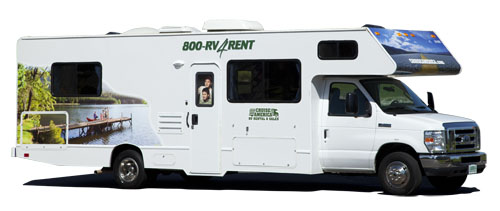
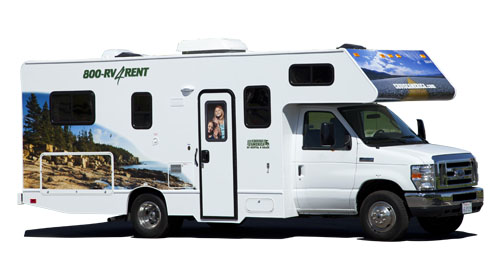
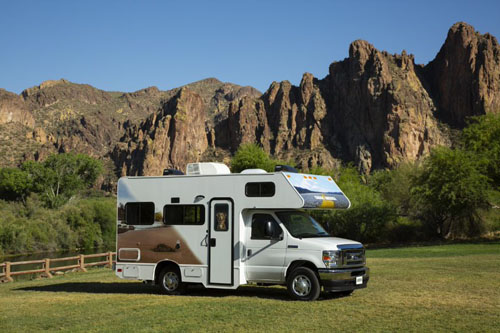
Before confirming your RV rental in Alaska, careful consideration of the vehicle class, travel dates, and insurance options is important for a stress-free journey. Choosing an RV class depends on your travel style and group size: a Class C motorhome, like the cruise america rv rental example Explorer with a 75-liter fuel tank and hot and cold water, offers excellent maneuverability and ease of driving on Alaskan roads for families, while a Class A motorhome provides more space and amenities if comfort and luxury are your top priorities for an extended trip. For visitors from non-English speaking countries, an International Driving Permit (IDP) is recommended but not mandatory, and a standard car driver's license is sufficient for all motorhome classes.
Locking in your rental dates as early as possible, ideally 3-6 months out for summer travel, helps ensure vehicle availability and more favorable rates, as prices are dynamic like flight tickets. Regarding insurance, basic coverage is always included with your rental. For enhanced peace of mind, you can upgrade to a top-level deductible reimbursement option, which provides comprehensive coverage and protects you from unexpected expenses during your adventure.
Pre-Trip Prep - Packing Checklist for Alaska
A well-prepared packing checklist is indispensable for an RV trip to Alaska, ensuring you're ready for its diverse conditions and remote areas. For clothing, pack layers that can be added or removed easily, including waterproof outer gear, warm hats, and gloves, as Alaskan weather can change rapidly from 25°C to 5°C in a single day. Your RV's kitchen is your mobile culinary hub, so bring basic cooking essentials and non-perishable food items, and don't forget reusable water bottles to stay hydrated on hiking trails.
Safety is paramount in the Alaskan wilderness; essential items include bear spray (know how to use it safely), a comprehensive first-aid kit, and a satellite communication device like an inReach or Spot device for areas where cell service is limited or non-existent. Always have physical maps or downloaded offline maps as a backup for navigation, and keep your driver's license, rental agreement, insurance information, and campground reservation confirmations easily accessible. Consider downloading our RV-friendly recipes playlist for easy meal ideas on the go, utilizing your RV's stove and refrigerator, like the 90-liter refrigerator in the cruise america rv rental example Explorer model.
On the Road - Driving, Fueling, Navigation
Navigating Alaska's roads requires careful attention and preparation, particularly when driving a rented motorhome or campervan. Be aware of frost heaves, which are unexpected bumps and dips in the pavement caused by freezing and thawing ground, and drive slower on gravel roads to avoid damage and maintain control. Drive slowly and carefully, and you can drive almost anywhere without issues. No need to stress - just use common sense and pay attention, even with a larger Class A RV like the how much does it cost to rent a rv example AF-34, which has a 208-liter fuel tank. Planning fuel stops carefully is crucial in Alaska, as gas stations can be sparse in remote regions; always keep your fuel tank topped off, especially when venturing off main routes.
For navigation, do not solely rely on cell service as coverage is limited outside major towns and cities. Download offline maps or carry physical maps as a reliable backup to ensure you always know your way. Wildlife awareness is extremely important: drive cautiously, especially at dawn and dusk, and know how to react safely if you encounter animals like moose or bears on or near the roadside. Remember to travel slowly, aiming for a maximum of 100-150 km per day on average, to truly appreciate the scenery and connect with the unique Alaskan environment.
At the Campground - Setup, Hookups and Etiquette
Setting up your rented RV at an Alaskan campground is a straightforward process once you understand the sequence for hookups and common etiquette. When arriving at your site, first level your RV for comfort and proper system function, then connect to shore power, followed by water, and finally the sewer line if you have full hookups. Understanding how to properly connect and disconnect water, electricity, and sewer lines is fundamental to a smooth camping experience, and rental companies typically provide a detailed walkthrough of these systems.
Respecting designated quiet hours, typically from 10 PM to 7 AM, ensures a peaceful environment for all campers, allowing everyone to enjoy the tranquility of Alaska's natural settings. Practicing Leave No Trace principles is crucial for responsible camping in this pristine environment; this includes properly disposing of all waste, staying on marked trails, and respecting local flora and fauna. Remember that many national and state parks have first-come, first-served campsites available, so calling ahead before driving long distances can save you time and ensure you find a spot.
RV Rental-Specific Tips for Alaska
Tailoring your RV rental approach to your group's specific needs can greatly enhance your Alaskan adventure, whether you're traveling as a couple or a large family. For families, planning for kid entertainment during longer drives is key, and choosing RV classes with dedicated sleeping areas, like a Class C with a bunk bed (e.g., alaska rv rental example Category C, which sleeps up to 7), can provide much-needed privacy and space for naps. Seniors might prefer Class C or B motorhomes for their easier driving and more ergonomic layouts, prioritizing campgrounds with full hookups for convenience. Bandana Caravan offers a wide range of vehicles, from a compact alaska rv rental example Paradise S/T perfect for a couple to larger family-friendly models.
Budget travelers can significantly save money by researching free overnight spots, such as specific Bureau of Land Management (BLM) lands or Walmart parking lots where allowed, and by cooking most meals in their RV, leveraging the onboard kitchen facilities. Luxury travelers might explore premium RV add-ons like unlimited generator hours or higher-end interior finishes, and opt for resort-style campgrounds offering additional amenities. Adventure seekers looking to venture onto more rugged, well-maintained gravel roads might consider a 4x4 RV option, although most standard rental motorhomes are best kept to paved or well-maintained gravel surfaces.
Common Mistakes to Avoid in Alaska
To ensure a smooth and enjoyable RV trip in Alaska, it's wise to be aware of and avoid common mistakes made by first-time renters. A significant oversight is underestimating driving times; instead, factor in extra time for scenic stops, abundant wildlife viewing, and slower speeds on Alaskan roads, especially when encountering frost heaves or gravel sections. Forgetting essential bug repellent is another frequent error, so pack a strong repellent, a head net, and consider treating clothing, particularly for the mid-June to mid-July mosquito season.
Not booking popular campgrounds in advance, especially within national and state parks, can lead to frustration; while many sites are first-come, first-served, popular spots fill quickly, so call ahead before driving. Ignoring wildlife safety guidelines is dangerous; educate yourself on how to safely store food (bear-proof containers are often required) and behave during wildlife encounters to protect both yourself and the animals. Relying solely on cell phone service for navigation is impractical in Alaska's remote areas; always download offline maps or carry paper maps as a reliable backup. Lastly, skipping pre-trip vehicle checks can lead to breakdowns; perform a thorough walk-through of your rented RV before departure, meticulously checking tires, fluids, and all operational systems to ensure everything is in working order.
What is the 3-3-3 rule for RVing?
The 3-3-3 rule for RVing suggests driving no more than 300 miles (approximately 480 km) a day, arriving at your campground by 3 PM, and staying for a minimum of 3 days. This rule aims to reduce driving fatigue, allow ample time for camp setup and relaxation, and provide opportunities to explore the local area in depth. In Alaska, this rule can be particularly beneficial for enjoying the vast scenery and preventing rushed travel, though long stretches between services in remote areas might require slight adjustments to daily mileage.
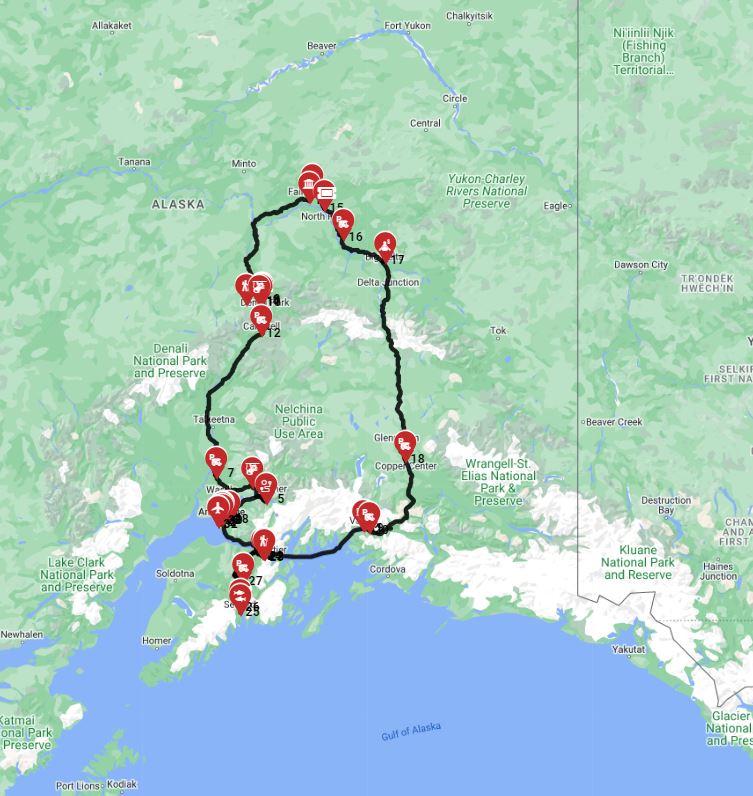
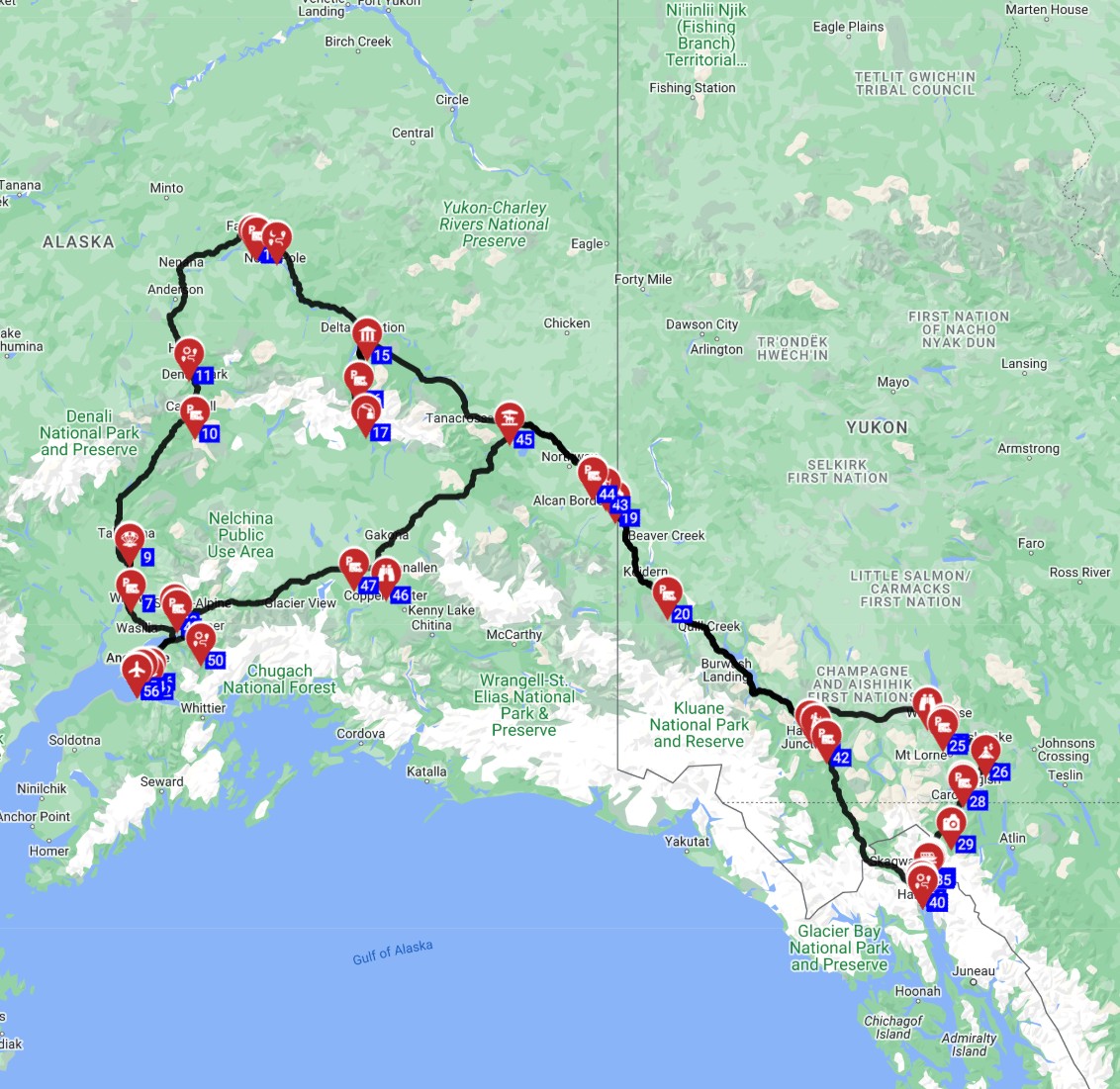
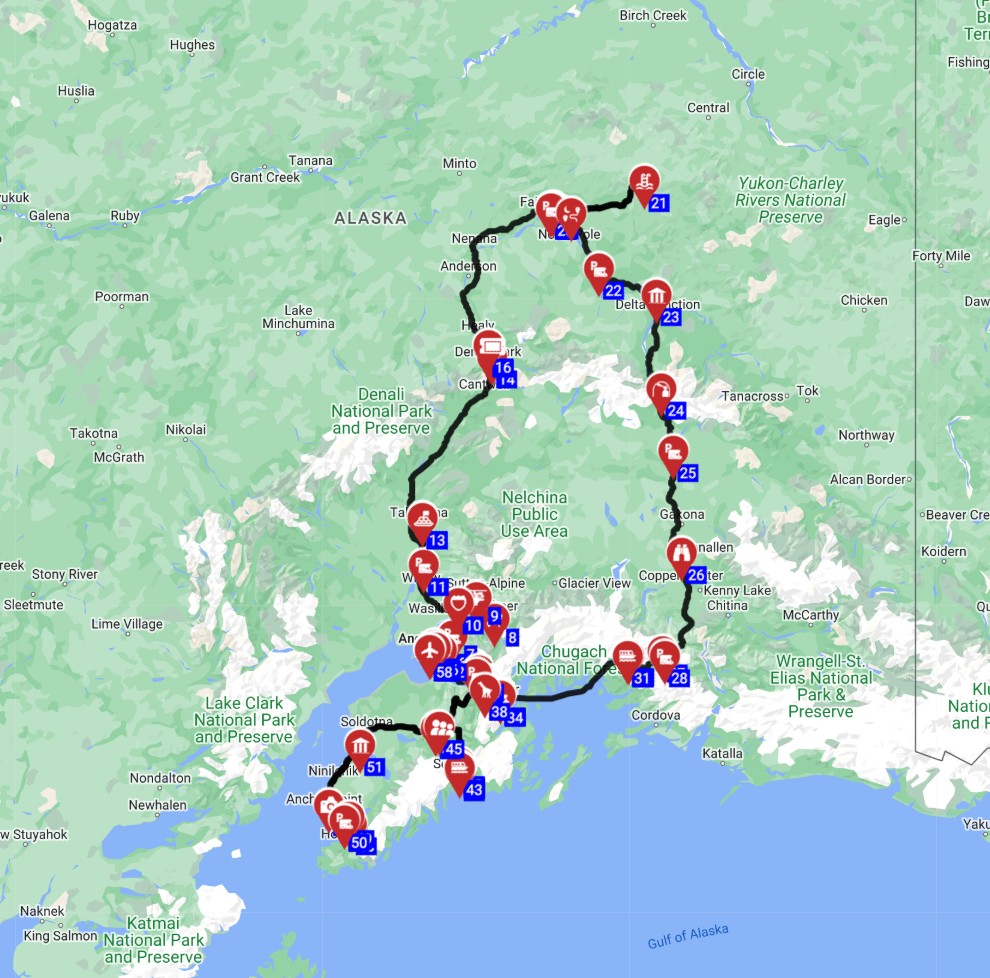
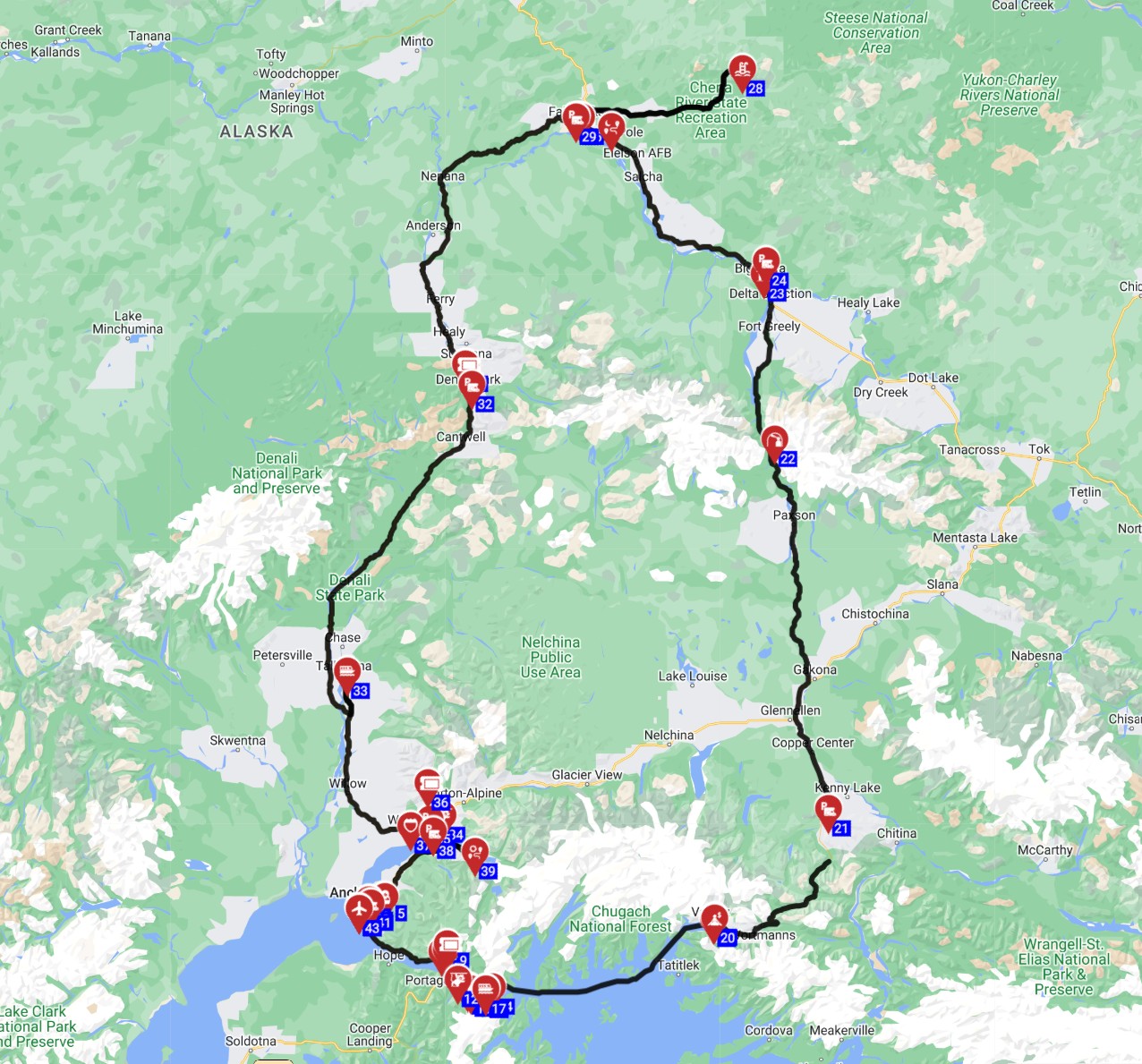
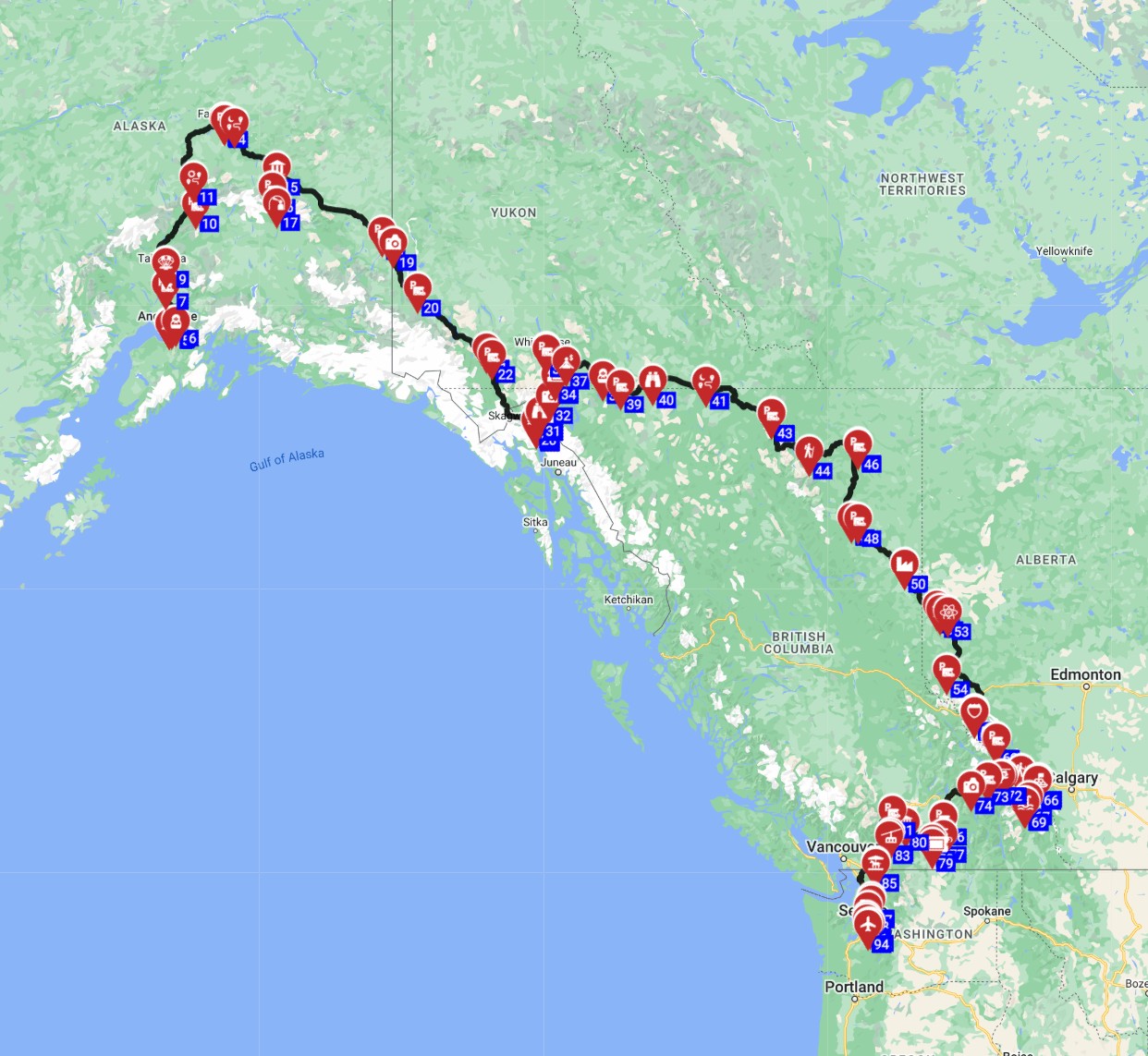
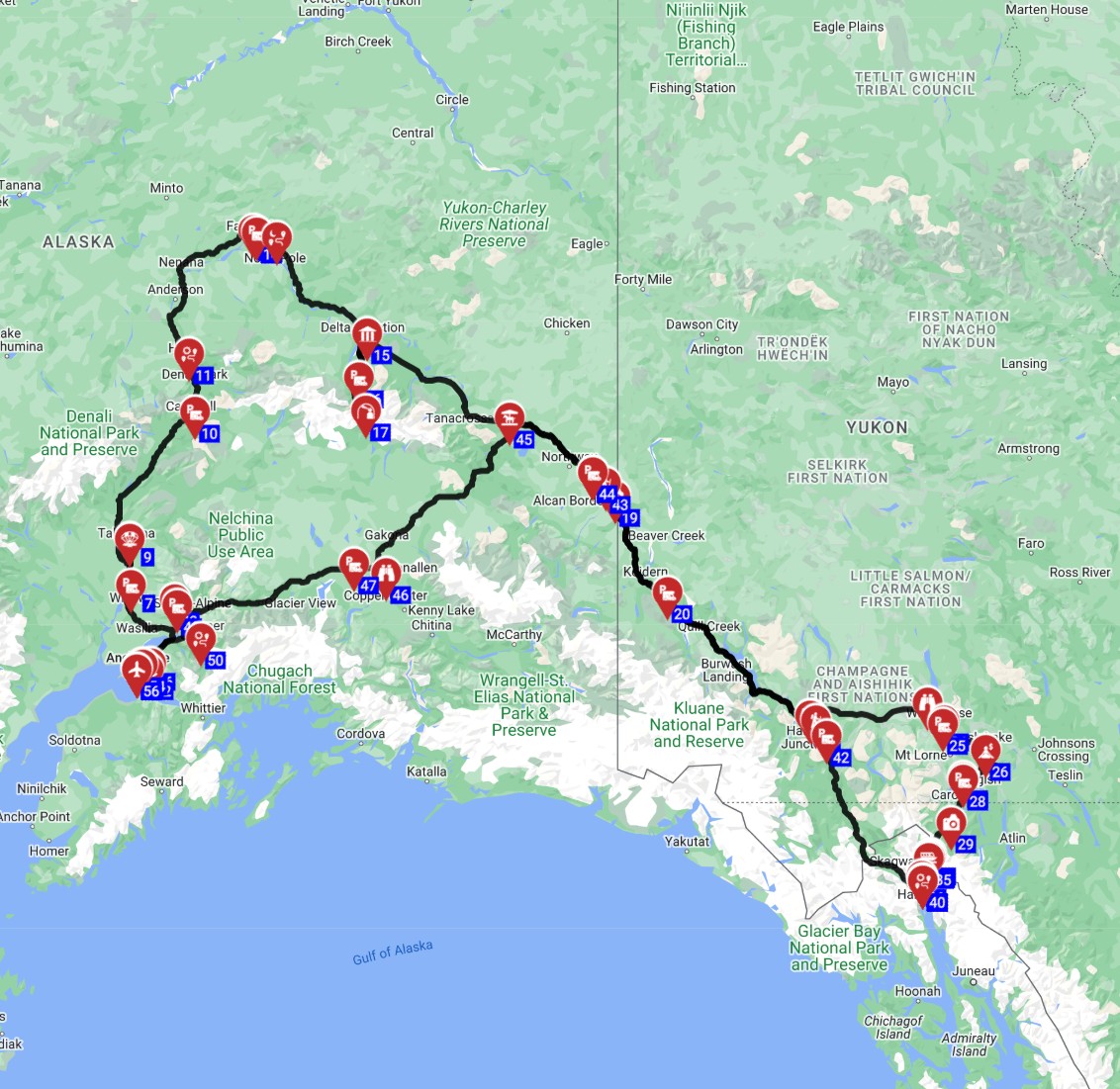
Adhering to this rule helps prevent burnout and enhances the immersive experience of an Alaskan RV adventure. Remember that while driving a rented Class C motorhome like the alaska rv rental example Category B, which offers comfortable sleeping for 4 adults and 2 kids, it’s important to prioritize safety and enjoyment over speed, especially when navigating unfamiliar terrain. For live availability and current prices, start with our RV Rental Alaska - Complete Guide 2026 guide. To give you a head start, consider this pre-planned itinerary:
How much rent RV in Alaska average cost?
The average cost to rent an RV in Alaska can range from $150 to $400 per night, depending on the RV class, season, and rental duration, but this is only part of the total trip expense. For instance, a compact campervan like the alaska rv rental example Paradise S/T (ideal for a couple) might be at the lower end, while a large Class A (ideal for a big family / group of friends) will be at the higher end. Beyond the rental rate, anticipate significant fuel costs due to long distances and Alaska's fuel prices, which can add hundreds to thousands of dollars to your budget for a two-week adventure, as a typical large motorhome might consume 20-25 liters per 100 km, like the rv rentals utah example Sunrise Escape.
Campground fees vary from free dispersed camping on public lands to $20-$60 per night for state parks and $50-$100+ for private campgrounds with full hookups and amenities. Additional costs to factor in include insurance upgrades, potential mileage limits (some rentals include a set number of miles, with extra miles charged at $0.35-$0.50 per mile), generator usage fees, one-way drop-off fees (typically $150-$500), propane, and activity expenses like tours or fishing licenses. For easy budgeting and tracking every expense along the way, we recommend exploring RV PLANET routes, which allow you to itemize costs directly within your itinerary.
Is it cheaper to rent an RV or stay in a hotel?
Whether renting an RV is cheaper than staying in a hotel in Alaska largely depends on trip duration, group size, and travel style, with RV travel often offering cost savings for longer trips with multiple travelers. For a family of four on a two-week adventure, a rented Class C motorhome like the 24' Class C Motorhome, with its comprehensive kitchen and sleeping for 5, often becomes more cost-effective than booking multiple hotel rooms and a rental car. The RV combines lodging and transportation into one expense, and cooking meals in your motorhome significantly reduces dining costs, compared to eating out for every meal.
For individuals or couples on shorter trips, especially if they prefer quick hops between cities, hotels might seem simpler. However, an RV rental provides unparalleled flexibility to change your itinerary on the fly and allows you to stay immersed in nature, waking up to stunning wilderness views directly from your campsite. Beyond direct monetary comparison, the value of the unique RV experience, the freedom to explore remote areas, and the ability to carry all your gear with you often outweighs the perceived initial cost difference.
What is the 4-4-4 rule for RV?
The 4-4-4 rule for RV travel is an alternative to the 3-3-3 rule, suggesting driving no more than 400 miles (approximately 640 km) a day, stopping by 4 PM, and staying at least 4 nights. This rule is similar in principle to the 3-3-3 rule, encouraging a slower pace of travel to enhance enjoyment and reduce stress, especially in vast regions like Alaska. While a Class A motorhome like the cruise america example U 29-32 is designed for comfort on long hauls with a 302-liter fuel tank, adhering to a rule like 4-4-4 ensures you don't spend your entire vacation behind the wheel.
In Alaska, adopting a '4-4-4' approach can be beneficial on routes with longer distances between attractions or towns, allowing for more leisurely travel days and plenty of time for hiking, fishing, or wildlife viewing. However, always consider Alaska's unique road conditions and service availability when planning to drive 400 miles, as some remote Alaskan routes may require shorter daily segments for safety and comfort due to gravel roads, frost heaves, or limited fuel stations. This mindful approach to travel aligns with our recommendation for slow travel: take time to feel the place, connect to the culture, the food, and the scenery.
What is the best time of year to RV to Alaska?
The best time of year to RV to Alaska is generally from late May through early September, aligning with the peak summer season for mild weather, accessible roads, and abundant wildlife viewing opportunities. During this period, average temperatures range from 15°C to 25°C, making outdoor activities comfortable, and you'll experience long daylight hours, often with the famous Midnight Sun. Late May to early June offers fewer crowds, lingering snow-capped peaks, and excellent wildlife viewing opportunities as animals emerge from winter hibernation.
July and August are the warmest months, ideal for fishing, hiking, and experiencing peak tourist activity, though this also means higher prices and more crowded campgrounds. Early September brings stunning fall foliage, a chance to see the Northern Lights (especially later in the month as nights get darker), and fewer mosquitoes, but some services and attractions may begin to close for the season. Consider planning around the notorious mosquito season (mid-June to mid-July) and always check for potential road closures due to snow, particularly on higher passes, when planning your specific travel dates. For routes with many attractions, check out our 23-day
🎬 Video coming soon
What not to forget on an RV trip?
Essential items not to forget on an RV trip to Alaska include comprehensive safety gear for remote travel, specific clothing layers for variable weather, and provisions for limited services. Critical items unique to Alaskan travel are bear spray, a satellite communication device (like an inReach or Spot device) for extensive areas without cell service, and high-quality insect repellent, especially during summer months. Always pack durable, waterproof outer layers and multiple inner layers (fleece, wool) to adapt to rapid temperature changes, even if your chosen campervan like the 2 Berth Hi Top has a roof air conditioner.
Carry enough cash for small vendors or remote gas stations that might not accept cards, as connectivity can be sporadic. Don't forget binoculars for wildlife viewing and a good camera to capture the stunning landscapes. Refer to the 'Pre-Trip Prep - Packing Checklist for Alaska' section for a more detailed list of items to ensure a comfortable and safe journey. Having a well-stocked kitchen with basic cooking supplies is also vital, allowing you to prepare meals and save on dining expenses throughout your trip.
Should I rent an RV in Alaska?
Renting an RV in Alaska offers unparalleled freedom and flexibility to explore the state's vast landscapes at your own pace, making it an excellent choice for independent travelers seeking immersive experiences. The pros of RVing include the ability to change your itinerary spontaneously, wake up to stunning wilderness views directly from your chosen campsite, and potentially save on lodging and restaurant costs for families or groups by cooking your own meals. Imagine the flexibility of a campervan for rent example Paradise S/T, perfect for couples to explore the coastal roads or forest trails, offering both transport and accommodation.
The cons might involve navigating larger vehicles on sometimes challenging roads (though remember, drive slowly and carefully, and you can drive almost anywhere without issues), the overall cost of rental and fuel, and the need for careful planning regarding campgrounds and services in remote areas. An RV trip is ideal if you value independence, want to deeply connect with nature, and are comfortable with a more adventurous travel style. It provides a unique way to experience Alaska's remote beauty and diverse ecosystems firsthand, making it a highly recommended travel method for many.
What do I need to know before renting an RV?
Before renting an RV for an Alaskan adventure, it's crucial to understand the rental agreement details, insurance options, vehicle capabilities suitable for the terrain, and specific state regulations. Ask key questions about mileage limits, generator hour allowances, water and waste tank capacities, and any restrictions on driving on unpaved roads, particularly with larger motorhomes. For instance, a mid-sized Class C like the c-medium-plus has a 158-liter fresh water tank and a 208-liter fuel tank, important details for planning remote travel.
Carefully review the rental contract for hidden fees, one-way drop-off charges (which can be $150-$500), cleaning policies, and what's covered in the basic insurance versus additional coverage options. You can upgrade to a top-level deductible for extra peace of mind. Conduct a thorough vehicle walkthrough at pick-up, noting any existing damage and understanding how to operate all systems (e.g., generator, furnace, water pump). Familiarize yourself with Alaskan-specific regulations, such as speed limits for RVs, wildlife interaction guidelines, and rules for overnight parking in different areas. At Bandana, we believe in full transparency, so there are no hidden fees or surprises.
Practical Information for RVing in Alaska
RVing in Alaska requires a bit of practical knowledge to navigate its unique environment smoothly. Driving is on the right side of the road, similar to the rest of the USA, and standard speed limits apply, though it's always wise to drive below the posted limit on unfamiliar or potentially challenging roads. For emergency situations, the universal emergency number is 911 for police, fire, and medical assistance throughout Alaska.
For connectivity, cellular service can be spotty outside major towns like Anchorage, Fairbanks, and Juneau. Consider purchasing a local SIM card from providers like AT&T or Verizon for better coverage in more populated areas, but always have offline maps and a satellite communication device for remote excursions. Toll roads are not common in Alaska, but some unique passes, like the Anton Anderson Memorial Tunnel to Whittier, have specific operating hours and fees. For finding campsites and campgrounds during your trip, we recommend using RV PLANET (rvplan.net) - a great resource for locating available spots along your route. You can also explore our "RV Rental USA - Complete Guide 2026" for broader information on US travel.
Top Cities for RV Rental in Alaska
Alaska offers several excellent starting points for your RV rental adventure, each providing access to unique experiences and landscapes. **Anchorage**, the state's largest city, serves as a primary hub for many RV rental companies, offering convenient access to both the Kenai Peninsula and the Interior. From here, you can easily set off on routes like the scenic Seward Highway or head north towards Denali. Our "RV Rental in Alaska - Prices and Best Deals 2026" can help you compare options in Anchorage.
- Fairbanks: Known as the 'Golden Heart City,' Fairbanks is ideal for exploring the Interior, including access to the Arctic Circle and, during the darker months, excellent opportunities to view the Northern Lights.
- Seward: A picturesque coastal town on the Kenai Peninsula, Seward is a gateway to Kenai Fjords National Park and offers incredible marine wildlife tours, fishing, and hiking.
- Homer: Often called the 'Halibut Fishing Capital of the World,' Homer offers stunning bay views and a vibrant arts scene. It's a great spot for an extended road trip with your rental motorhome.
- Talkeetna: This quirky town provides stunning views of Denali and is a popular base for flightseeing tours and river adventures.
What You Shouldn't Miss
An RV trip through Alaska provides endless opportunities for adventure and discovery, but certain experiences truly stand out. You simply can't miss the chance to witness the majestic wildlife in their natural habitat, whether it's bears fishing for salmon in Katmai National Park or moose grazing roadside near Denali. Cruising through the stunning fjords of Prince William Sound or Kenai Fjords National Park offers unparalleled glacier views and marine animal encounters, a highlight for many travelers.
Hiking trails abound, from accessible paths near Anchorage to challenging routes in Wrangell-St. Elias National Park, allowing you to immerse yourself in the vast wilderness. Taking a scenic drive along the Dalton Highway (The Haul Road) up to the Arctic Circle, even if only for a portion, is an epic journey for the truly adventurous, just be sure your rental agreement allows for such travel. For more insights and personal favorites, check out: "Looking for expert insights from Avi Bandana? Top 5 Adventures - recommendations from Avi Bandana".
Final Thoughts
An RV rental adventure in Alaska is truly a trip of a lifetime, offering unparalleled freedom to explore stunning natural beauty and unique wildlife. By keeping these budget-friendly tips and practical advice in mind, you're well on your way to a smooth and enjoyable journey through the Last Frontier. Remember, planning is key, but so is embracing the unexpected joys that come with RV travel.
At Bandana RV, we're with you every step of the way, providing honest information and transparent pricing to ensure your Alaskan motorhome experience is everything you dreamed of and more. We handle the details, so you can focus on living the journey, creating memories that will last a lifetime. Get inspired for your next trip and start planning your ultimate Alaskan RV adventure today!