In This Guide
- Best West Canada RV Itinerary for cheap rv rental — Overview
- 7-Day Classic Route in West Canada
- 14-Day Extended Journey in West Canada
- Recommended RVPlan Trip for West Canada
- Must-See Stops Along the Way (Avi Bandana Picks)
- Daily Driving Distances & Drive Times in West Canada
- Best RV Class for This Itinerary — Couple & Family Picks
- How can I find cheap RV rentals in Western Canada?
- What is the best time to rent an RV in Western Canada for a budget trip?
- Are there hidden costs when renting an RV in Western Canada?
- What are the cheapest RV campgrounds in Western Canada?
- How much does it cost to rent an RV in Western Canada for a week?
- What is the cheapest way to travel Canada by RV?
- Is it cheaper to rent an RV or stay in hotels in Canada?
- Which RV rental company is best in Canada?
- Can I rent an RV in Vancouver and drop it off in Calgary?
- Do you need a special license to drive an RV in Canada?
Best West Canada RV Itinerary for cheap rv rental — Overview
Embarking on a cheap RV rental adventure through West Canada offers an unparalleled opportunity to explore the breathtaking landscapes of British Columbia and Alberta without breaking the bank. These provinces boast diverse terrains, from coastal rainforests to the majestic Rocky Mountains, making them ideal for RV exploration. For a truly comprehensive experience that balances exploration with budget-consciousness, a minimum of 7 days is recommended, with 14 to 19 days allowing for a more relaxed pace and deeper immersion into the region's wonders. Traveling during the shoulder seasons, specifically May to June and September to October, is your key to unlocking lower rental prices and enjoying popular spots with fewer crowds.
A typical 7-day itinerary might focus on the Southern British Columbia interior, covering around 800-1000 km, perfect for first-time RVers or those on a tighter schedule. For a more ambitious journey, a 14-day loop through the Rockies can easily span 1500-2500 km, offering iconic vistas and unforgettable experiences. Remember, the spirit of a cheap RV rental is about savoring the journey, so aim for an average of 100-150 km driving per day to truly appreciate the scenery and avoid excessive fuel costs. On the routes offered through RV PLANET routes, you can itemize and track every expense along the way for easy budgeting.
7-Day Classic Route in West Canada
This 7-day itinerary is tailored for those seeking a classic, budget-friendly introduction to the diverse beauty of West Canada, focusing on the Southern British Columbia interior. It's designed for first-time RV renters or anyone preferring a shorter, more manageable loop from Vancouver. The driving distances are kept to an average of 100-150 km per day, maximizing exploration time and minimizing fuel expenses, which is crucial for a cheap RV rental. This route allows you to soak in the local charm and natural beauty at a relaxed pace.
Day 1: Vancouver → Harrison Hot Springs (approx. 120 km). Begin your adventure by picking up your rental RV in Vancouver and heading east to the charming hot springs village. Explore the therapeutic hot springs and enjoy the natural beauty of Sasquatch Provincial Park. Overnight at Harrison Hot Springs Resort Campground.
Day 2: Harrison Hot Springs → Princeton (approx. 130 km). Enjoy a scenic drive through the historic Fraser Canyon, perhaps stopping to admire the unique landscapes. In Princeton, explore remnants of the Kettle Valley Railway (KVR) Trail. Stay overnight at Princeton Municipal Campground.
Day 3: Princeton → Penticton (approx. 90 km). Journey into the heart of the Okanagan Valley, renowned for its wineries and lakes. Discover a budget-friendly winery for a tasting and enjoy the lakeside scenery. Overnight at Skaha Lake Provincial Park Campground.
Day 4: Penticton → Kelowna (approx. 70 km). A short drive brings you to Kelowna, where you can explore city parks, relax on the beaches, or cycle/walk the Myra Canyon Trestles. Overnight at Bear Creek Provincial Park Campground.
Day 5: Kelowna → Sicamous (approx. 100 km). Head north to Sicamous, known as the 'Houseboat Capital of Canada' on Shuswap Lake. Explore local markets and enjoy the lakeside atmosphere. Overnight at Sicamous KOA Journey.
Day 6: Sicamous → Revelstoke (approx. 70 km). Drive to Revelstoke and visit Mount Revelstoke National Park, offering stunning views and accessible hiking trails. Overnight at Revelstoke Campground.
Day 7: Revelstoke → Vernon (approx. 150 km). Begin your return journey south, taking a different route to explore Vernon's history and its beautiful lakeshores before heading back towards your starting point, completing a fulfilling 7-day loop.
14-Day Extended Journey in West Canada
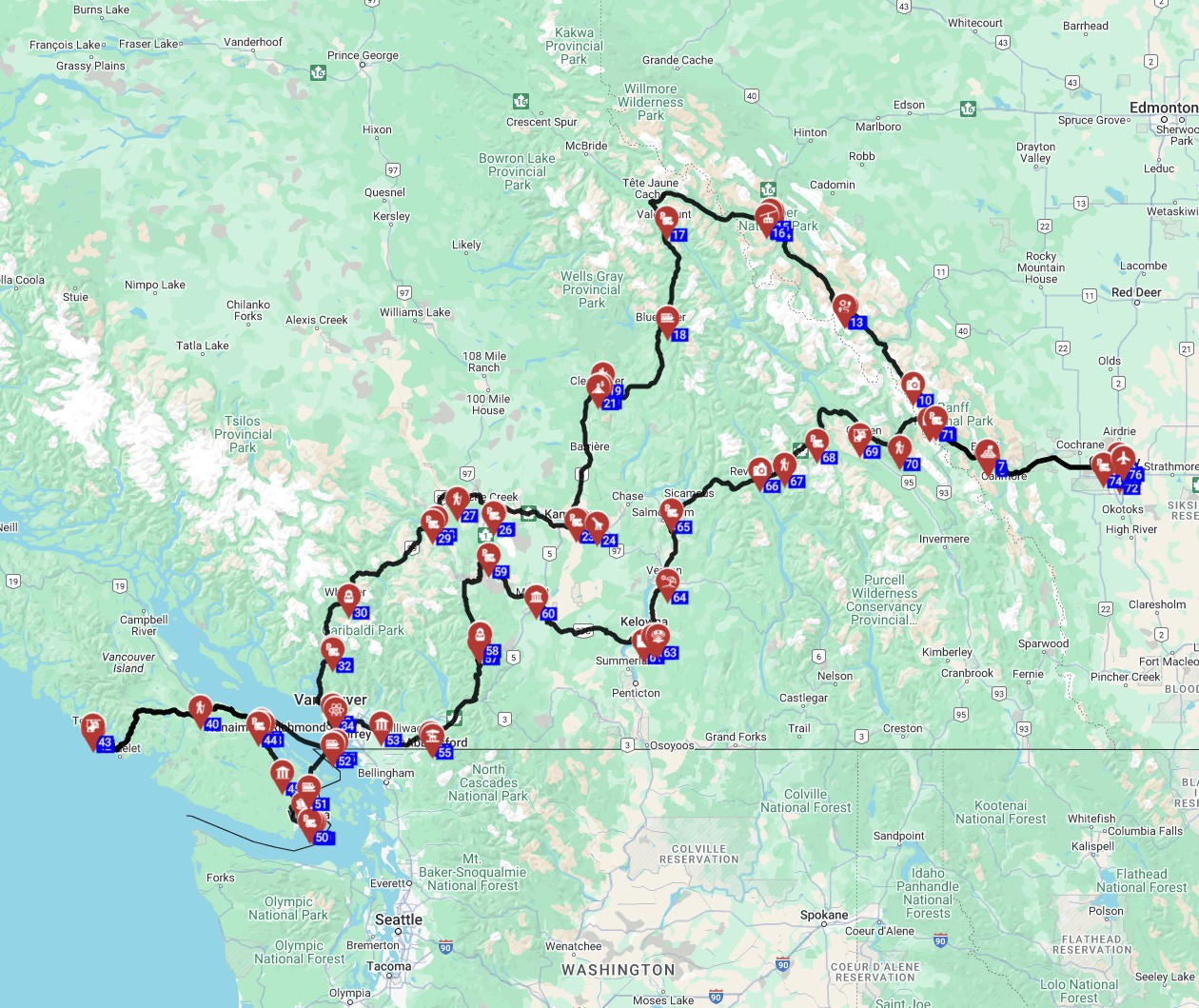
For an even richer exploration of West Canada, this 14-day itinerary expands your journey to include the iconic Canadian Rockies, blending the best of British Columbia's interior with Alberta's stunning mountain scenery. This plan is designed to largely adhere to the recommended 100-150 km driving per day for a leisurely and immersive experience, with a few longer transition days to connect key destinations. This extended trip truly lets you experience the diversity and grandeur of Western Canada by RV.
Days 1-2: Vancouver & Fraser Valley Exploration. Begin in Vancouver, exploring its attractions, then drive to Hope (approx. 120 km) to visit the historic Othello Tunnels. Overnight at Cultus Lake Provincial Park.
Day 3: Hope → Merritt (approx. 130 km). Travel into the Nicola Valley and visit the Canadian Country Music Hall of Fame. Overnight at Coquihalla Campground.
Day 4: Merritt → Kelowna (approx. 120 km). Explore the Okanagan Valley's wineries and enjoy lakeside activities. Overnight at Okanagan Lake Provincial Park.
Day 5: Kelowna → Revelstoke (approx. 190 km). Enjoy a scenic drive through the Shuswap region, visiting Mt. Revelstoke National Park. Overnight at Revelstoke Campground.
Day 6: Revelstoke → Golden (approx. 150 km). Drive through the dramatic Rogers Pass in Mount Revelstoke National Park and stop at the Natural Bridge in Yoho National Park. Overnight at Golden Municipal Campground.
Day 7: Golden → Lake Louise / Banff (approx. 140 km). Head into the heart of the Rockies to witness the iconic turquoise waters of Lake Louise and Moraine Lake (access is seasonal). Overnight at Lake Louise Campground.
Day 8: Explore Banff National Park (minimal driving). Dedicate the day to exploring Banff, with opportunities for hiking, visiting the Banff townsite, and perhaps enjoying the thermal hot springs. Overnight at Tunnel Mountain Village II Campground.
Day 9: Banff → Saskatchewan River Crossing (approx. 160 km). Embark on a segment of the world-renowned Icefields Parkway, stopping at viewpoints along the way. Overnight at Rampart Creek Campground (note: first-come, first-served).
Day 10: Saskatchewan River Crossing → Jasper (approx. 140 km). Continue your journey on the Icefields Parkway, making sure to stop at the Athabasca Glacier. Overnight at Whistlers Campground (Jasper).
Day 11: Explore Jasper National Park (minimal driving). Discover Jasper's natural wonders, including Maligne Canyon, Maligne Lake, and the famed Spirit Island. Overnight at Whistlers Campground (Jasper).
Day 12: Jasper → Clearwater (approx. 300 km). Begin your return journey west, with a longer driving day that offers stunning views, including Mount Robson, the highest peak in the Canadian Rockies. Overnight in Clearwater, near Wells Gray Provincial Park.
Day 13: Clearwater → Kamloops (approx. 130 km). Explore the city of Kamloops and enjoy its riverside parks. Overnight at Kamloops RV Park.
Day 14: Kamloops → Vancouver (approx. 350 km). Complete your loop with a final driving day back to Vancouver for your RV drop-off, reflecting on an incredible Western Canada adventure.
Recommended RVPlan Trip for West Canada
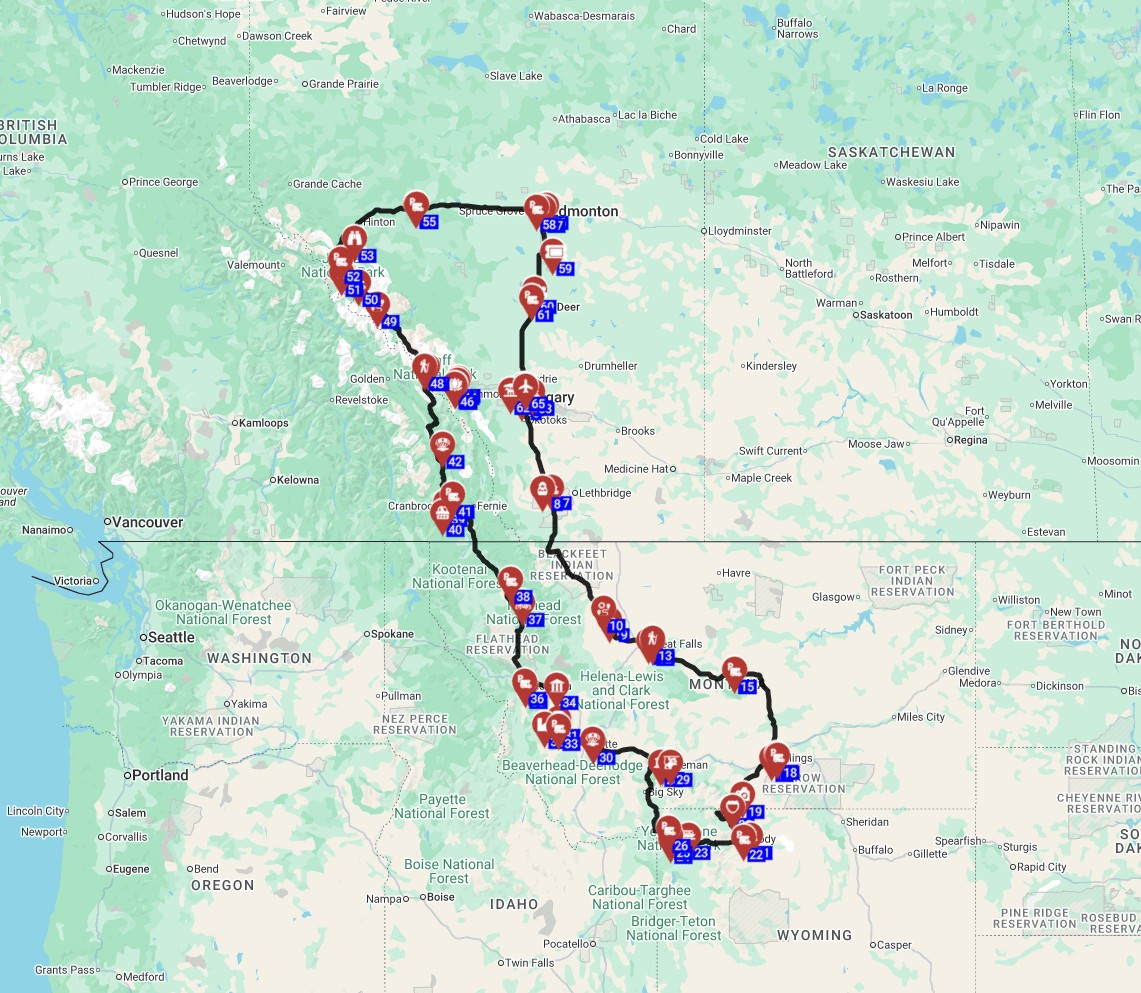
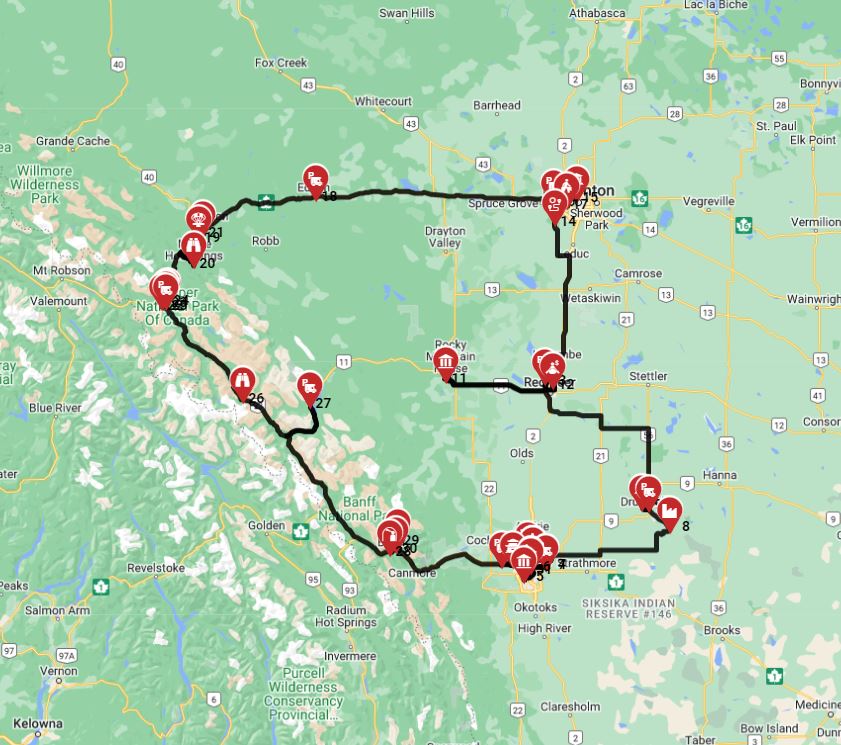
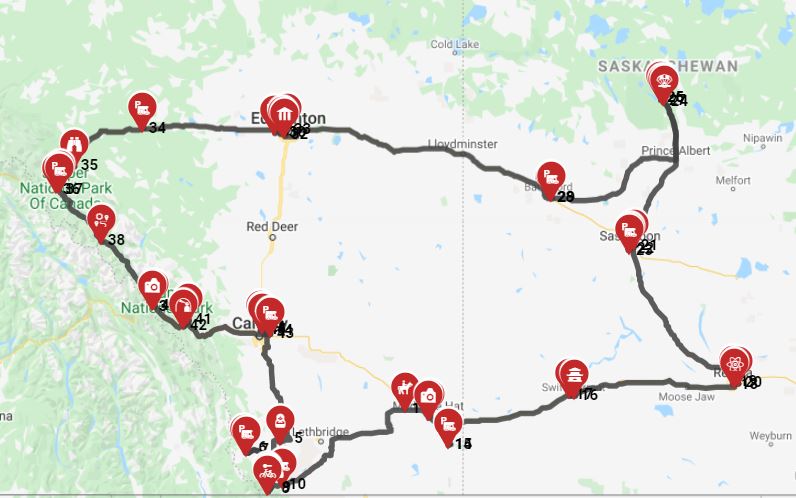
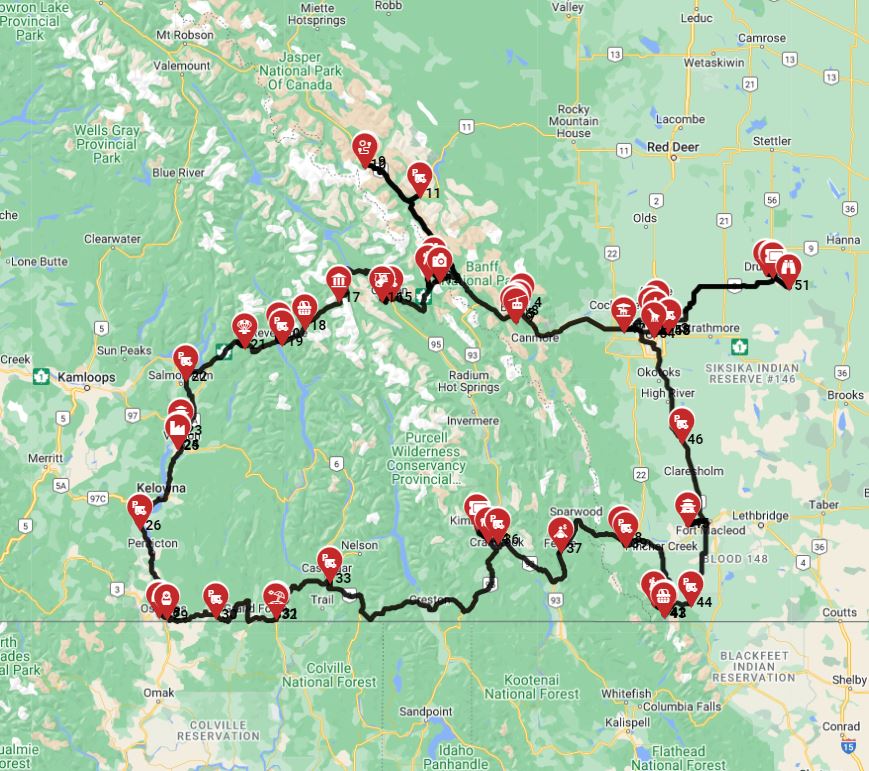
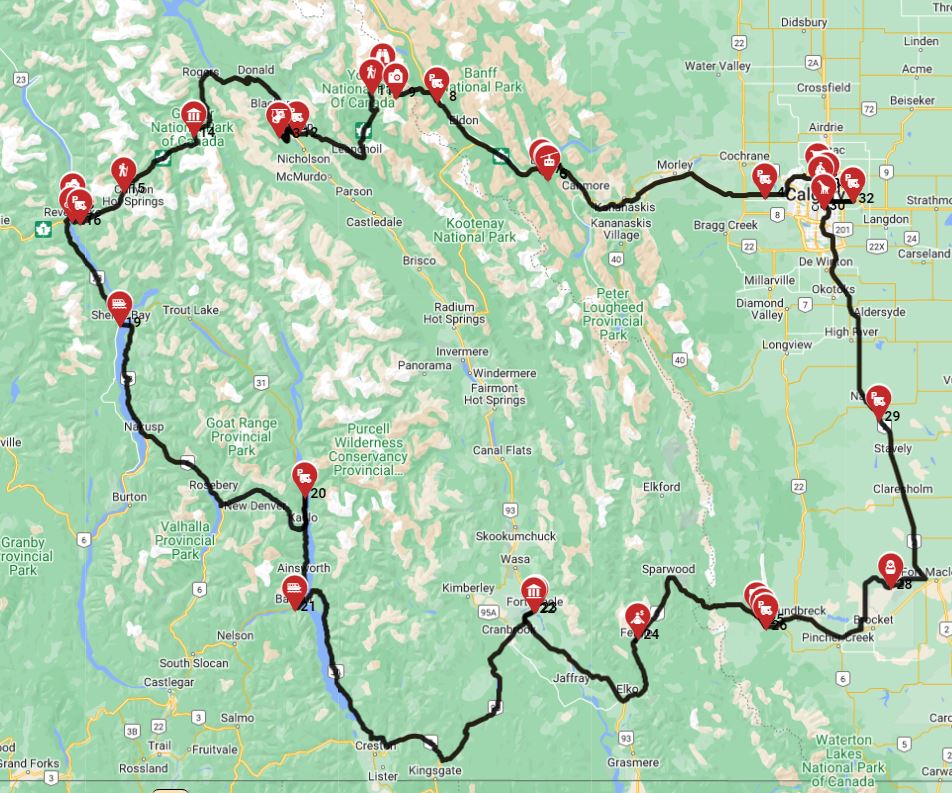
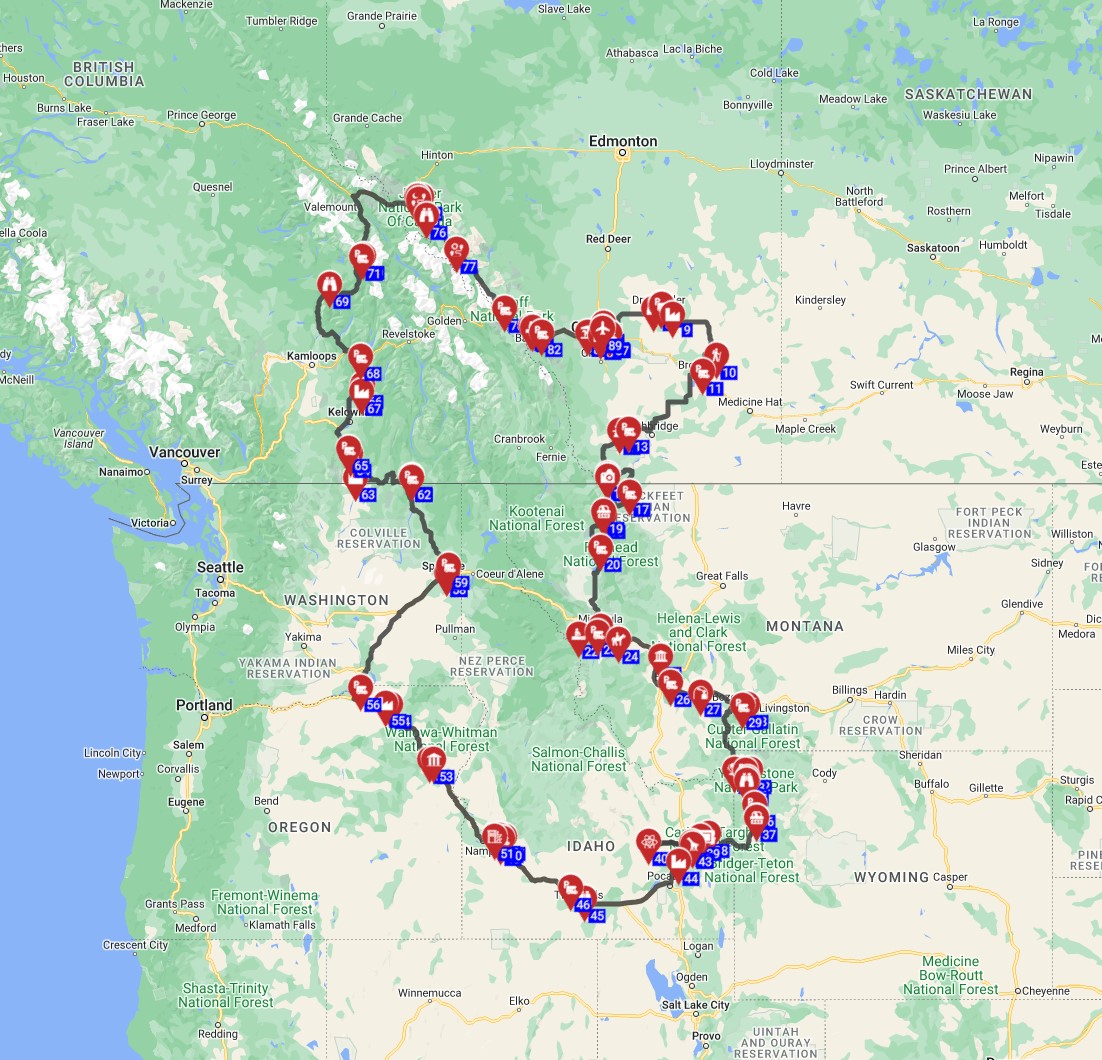
For travelers seeking a professionally curated and budget-friendly experience in West Canada, Avi Bandana highly recommends the '

This itinerary is a fantastic example of how RV PLAN can help you visualize and plan your entire West Canada adventure, ensuring you make the most of your cheap RV rental by incorporating diverse activities and scenic routes.
Must-See Stops Along the Way (Avi Bandana Picks)
Avi Bandana’s personal travel philosophy often leads to discovering unique cultural and historical gems that enhance any RV journey. For West Canada, his recommendations go beyond the usual tourist trails, focusing on authentic local flavor and historical significance:
Fort Langley National Historic Site (Traditional Visit): Situated near Vancouver, this site offers an immersive experience into Canada's fur trade history and is considered the birthplace of British Columbia. Its interactive exhibits and live demonstrations provide valuable historical context. This is a great spot to understand the region's heritage.
Desert Hills Ranch Farm Market (Traditional Market / Local Industry): When traveling through the interior, seeking out local farm markets like this one near Cache Creek is a must. You'll find fresh, seasonal produce, homemade baked goods, and a chance to support local agriculture, offering a true taste of regional flavors. It’s an authentic way to connect with the local economy and cuisine.
Canadian Country Music Hall of Fame in Merritt (Local Interest / Visit): For those driving through Merritt in the Nicola Valley, this unique stop celebrates Canada's country music heritage. It offers a distinctive cultural detour, providing a glimpse into a unique facet of the interior's cultural landscape.
Local Cuisine Experiences (Traditional Restaurant): While specific restaurant recommendations can vary with location, Avi Bandana emphasizes seeking out traditional Canadian eateries that highlight fresh, local ingredients. Whether it's seafood on the coast or hearty mountain fare in the Rockies, look for establishments proud of their regional producers to savor an authentic taste of West Canada.
Daily Driving Distances & Drive Times in West Canada
To truly embrace a budget-friendly and enjoyable cheap RV rental experience in West Canada, Avi Bandana strongly recommends a relaxed travel pace. Aiming for a maximum of 100 miles or 150 km per day on average ensures you have ample time for spontaneous stops, exploring local attractions, and simply soaking in the breathtaking scenery without the stress of rushing. This slower approach also contributes to fuel savings, making your overall trip more economical.
Adhering to this strategy allows you to fully appreciate your rented RV as a mobile home base, making the most of campground experiences and local discoveries. Here are some example drive-time estimates to give you an idea of what to expect (actual times will vary based on traffic, road conditions, and your willingness to pull over for photo opportunities):
- Vancouver to Hope, BC: Approximately 120 km, taking around 1.5 to 2 hours of driving.
- Kelowna to Revelstoke, BC: Roughly 190 km, expecting 2.5 to 3 hours of driving. This segment is particularly scenic, so allow extra time for stops.
- Banff to Lake Louise, AB: A shorter distance of about 60 km, but it can take 45 minutes to an hour of driving due to the stunning, stop-worthy views along the Bow Valley Parkway.
Best RV Class for This Itinerary — Couple & Family Picks
Choosing the right RV class is fundamental to managing costs and ensuring comfort, especially when looking for a cheap RV rental in West Canada. Bandana’s fleet offers versatile options, and selecting based on your group size and travel style is key. For couples, a Class B Camper Van is often the most economical and practical choice.
For Couples: Class B - Camper Van
- These campervans are ideal for two adults, averaging around 5.8 meters in length, making them highly maneuverable for navigating both urban areas and narrower roads.
- Their compact size translates to better fuel efficiency, typically consuming 8-10 Liters/100 km, directly contributing to a cheaper overall trip.
- The smaller footprint also means easier parking and the potential to access more affordable or even free campsites, enhancing the "cheap RV rental" goal.
For Families: Class C - Alcove
For families or groups, a Class C Alcove motorhome provides essential space and amenities, typically accommodating an average of 4.4 adults with around 5.8 sleeping places. Averaging about 7.5 meters in length, these RVs offer ample living and storage space for luggage and family gear, while remaining manageable on most roads.
- Fuel consumption for Class C models is usually in the 10-12 Liters/100 km range, balancing space with running costs for group travel.
- The convenience of a full kitchen and bathroom in these vehicles can lead to significant savings on dining out, a crucial factor for budget-friendly family adventures.
To simplify your planning, consider Bandana's 'Rent & Plan' service. This combines your RV rental with a pre-planned itinerary crafted by travel experts, providing access to trip-planning software designed to streamline your West Canada adventure.
How can I find cheap RV rentals in Western Canada?
Securing a cheap RV rental in Western Canada is achievable through a strategic approach focusing on early booking, flexible travel dates, and careful vehicle selection. Booking 6-12 months in advance is highly recommended to get the best rates and ensure availability, especially for popular RV classes. Prices tend to increase as the departure date approaches.
Traveling during the shoulder seasons – late May to mid-June and early September to mid-October – is also a key strategy. This period offers significantly lower rental prices and fewer crowds compared to the peak summer months of July and August. Additionally, many campgrounds and attractions are less expensive and have more availability during these times, contributing to overall savings.
For the most budget-conscious travelers, consider opting for smaller, more fuel-efficient RV classes, such as a Class B camper van. These are often less expensive to rent and operate. Always compare prices across different rental providers and look out for special promotions, long-term rental discounts, or last-minute deals if your travel schedule is flexible. Exploring peer-to-peer rental platforms can also yield savings, but be sure to thoroughly vet the insurance coverage and breakdown assistance offered.
What is the best time to rent an RV in Western Canada for a budget trip?
For the most budget-friendly RV rental experience in West Canada, the sweet spot is during the shoulder seasons: late May to mid-June and early September to mid-October. These periods offer a dual benefit of reduced rental prices due to lower demand compared to the peak summer months (July-August), and often more affordable campground fees with greater site availability.
Beyond cost savings, traveling in these shoulder seasons allows you to enjoy popular destinations like Banff and Jasper National Parks with significantly fewer crowds, enhancing your overall travel experience. The weather typically remains pleasant for outdoor activities, making it an ideal time to explore. However, it’s wise to be aware that higher elevation roads or certain seasonal attractions might have limited access in early May or late October. Always check local conditions and specific mountain pass advisories before you travel to ensure a smooth and safe journey.
Are there hidden costs when renting an RV in Western Canada?
Yes, beyond the base rental fee, several potential "hidden" costs can increase the total expense of a cheap RV rental in Western Canada. These typically include fuel, insurance add-ons, mileage charges, mandatory preparation fees, and specific campground costs. Understanding these variables is crucial for accurate budgeting.
Fuel costs can fluctuate considerably. Factor in your chosen RV's fuel consumption—a Class B Camper Van might average 8-10 Liters/100 km, while a larger Class C Alcove could use 10-12 Liters/100 km. Fuel prices also vary regionally, especially in remote areas of West Canada.
Insurance and optional add-ons can add up. Beyond the basic coverage, consider collision damage waivers, supplemental liability, and roadside assistance, weighing the cost against the peace of mind they offer.
Mileage charges are common. Most rentals include a set number of kilometers, with extra charges for exceeding this limit. Always clarify the mileage policy and estimate your route’s total distance.
Mandatory fees like preparation fees for cleaning and sanitizing, convenience kits for linens and kitchenware, and propane costs can add hundreds of dollars to your bill. Be sure to factor these into your initial cost comparison.
Finally, campground fees can range from free dispersed camping (boondocking) to $30-$70+ per night for serviced sites in popular national parks. Research and book these in advance, or explore provincial parks and private campgrounds for potentially cheaper options. Don’t forget to budget for activity expenses, food, and potential minor wear-and-tear costs.
What are the cheapest RV campgrounds in Western Canada?
For budget-conscious RV travelers in West Canada, the most affordable campgrounds are typically found in provincial parks, forestry recreation sites, and dispersed camping areas (boondocking) on Crown land, rather than private RV resorts or national park serviced sites. These options offer great value and access to stunning natural settings.
Provincial Parks in both British Columbia and Alberta often provide basic, unserviced sites for roughly $20-$35 per night. Examples include numerous BC Provincial Parks, which usually require online booking well in advance.
Forestry Recreation Sites, managed by provincial forestry services, are generally even cheaper, often costing $10-$20 per night or sometimes free. These offer a more rustic, wilderness experience with limited amenities. Be sure to check road suitability for your RV type, as access is sometimes via gravel roads.
Crown Land (Boondocking/Dispersed Camping) represents the cheapest option, as it's frequently free. However, these sites demand self-sufficiency, as there are no services. Always research local regulations and permit requirements thoroughly before boondocking, especially regarding sensitive environments and wildlife management.
Even within National Parks, basic unserviced sites can be found for $25-$40, though they are highly sought after and book up quickly. Always compare the prices and amenities to find the best value for your budget.
How much does it cost to rent an RV in Western Canada for a week?
The cost to rent an RV in West Canada for a week typically falls between CAD $800 and $2,000, though this can vary considerably based on the RV class, the season of travel, how far in advance you book, and the amenities included. These figures usually cover the base rental and standard insurance.
For a smaller, more fuel-efficient Class B Camper Van, ideal for couples, expect weekly rental costs to range from approximately $800-$1,200 during the shoulder seasons (May, June, September, October). During the peak summer months (July-August), these costs can rise to $1,200-$1,800.
A mid-sized Class C Alcove motorhome, suitable for families, might cost between $1,000-$1,500 per week in the shoulder seasons, increasing to $1,500-$2,500 or more during July and August.
It’s vital to remember that these estimates do not include additional expenses such as mileage charges beyond the included allowance (fuel consumption can be 8-12 Liters/100 km across West Canada), preparation fees (often $100-$300), convenience kits ($50-$150), or campground fees ($20-$70+ per night). Therefore, a realistic total budget for a one-week RV trip in West Canada, aiming for a budget-conscious experience, should likely be in the CAD $1,500 - $3,000 range once all expenditures are factored in.
What is the cheapest way to travel Canada by RV?
The most economical way to travel Canada by RV is through a combination of strategic booking, wise RV selection, off-peak travel, and diligent budgeting for all associated costs. This approach maximizes your adventure while minimizing your expenses.
Book Early & Travel Off-Season: Secure your RV rental 6-12 months in advance and prioritize traveling during the shoulder seasons (May-June, September-October). This strategy leverages lower rental rates and fewer crowds, which also reduces costs for campgrounds and activities.
Choose a Smaller, Fuel-Efficient RV: Opting for a Class B Camper Van (averaging 5.8m in length and consuming 8-10 Liters/100 km) or a Class SI Semi-integrated model can significantly reduce your most variable expense: fuel. Managing fuel consumption across Canada's vast distances is key.
Maximize Boondocking & Low-Cost Campgrounds: Research and utilize free Crown land camping where permitted, or opt for low-cost provincial park and forestry recreation sites to drastically cut down on nightly accommodation expenses.
Self-Cater & Cook in Your RV: Preparing most of your meals within your RV's kitchen will save substantial money compared to eating out, especially in tourist hotspots. Grocery shopping at local markets is part of the adventure! For ideas you can prep on the road, watch our RV-friendly recipes playlist on YouTube.
Avoid One-Way Fees: Plan round trips from your pickup location to bypass hefty one-way drop-off charges, which can amount to hundreds of dollars.
Monitor Fuel: Use apps to locate the cheapest fuel stations and drive conservatively to optimize fuel efficiency.
Is it cheaper to rent an RV or stay in hotels in Canada?
For extended trips, especially for families or groups, renting an RV in Canada can often be more economical than staying in hotels, primarily due to combined transportation and lodging costs, along with significant savings on food.
While the initial RV rental cost might seem substantial, it encompasses both your accommodation and vehicle for exploring. For a family, securing multiple hotel rooms or a large suite can quickly exceed the combined RV rental and campground fees. RVs also offer access to cheaper campgrounds or even free boondocking, whereas hotels typically have fewer budget-friendly alternatives.
The RV’s kitchen is a major cost-saver, allowing you to prepare meals and avoid frequent dining-out expenses, which can be a considerable drain on a hotel-based budget. The flexibility of RV travel also means no extra booking fees for changing plans or exploring remote areas.
However, it’s crucial to comprehensively compare all costs, including RV fuel, mileage, preparation fees, and insurance, against hotel stays and restaurant meals. While a single night in a budget hotel might appear cheaper initially when factoring in all daily RV expenses, the cumulative savings on accommodation and food with an RV for an extended itinerary often make it the more economical choice, especially if you embrace cooking and off-peak travel.
Which RV rental company is best in Canada?
Determining the "best" RV rental company in Canada often depends on your individual priorities, such as budget, preferred RV class, itinerary flexibility, and customer service expectations. However, Bandana stands out as a leading comparison platform, offering a comprehensive fleet and valuable planning services.
Bandana provides a wide array of RV classes, from fuel-efficient Class B camper vans perfect for couples to spacious Class C Alcove models ideal for families. Our fleet averages and specifications are designed to assist your planning. When choosing a company, consider those with consistent positive reviews regarding vehicle maintenance, customer service transparency, and fair pricing policies, paying close attention to feedback on roadside assistance and any potential hidden fees.
A diverse and well-maintained fleet is crucial for a comfortable experience. Newer vehicles generally lead to fewer mechanical issues. Companies offering a range of options allow you to select an RV that best fits your needs and budget. Always compare what’s included in the base price—like mileage and insurance—versus the cost of essential add-ons. Services like Bandana's 'Rent & Plan' offer comprehensive packages, including expert itinerary planning, which can be invaluable for first-timers or those seeking a seamless trip.
Finally, consider the company's depot locations within West Canada (e.g., Vancouver, Calgary) and their flexibility for one-way rentals if your itinerary demands it, though be mindful of associated fees. Bandana helps you navigate these choices to find the best fit for your cheap RV rental adventure.
Can I rent an RV in Vancouver and drop it off in Calgary?
Yes, many major RV rental companies, including Bandana, offer one-way rental options between key depot locations in West Canada, meaning you can typically rent an RV in Vancouver and drop it off in Calgary, or vice-versa.
It's important to be aware that one-way rentals almost always incur a significant 'one-way fee' or 'relocation fee.' This can range from a few hundred to over a thousand dollars, substantially impacting the overall cost of your cheap RV rental. These fees help cover the cost of returning the vehicle to its original depot.
One-way options are also subject to availability, especially during peak travel seasons. Therefore, if you require this flexibility, booking well in advance is crucial to secure your preferred dates and vehicle.
While a one-way trip offers the convenience of a linear itinerary that covers more ground without backtracking—ideal for exploring both British Columbia’s coast and Alberta’s Rockies—always conduct a cost-benefit analysis. Weigh the one-way fee against the savings in time and fuel compared to a round trip. For budget-conscious travelers, a round trip might still be the most economical option, even with the extra driving.
Do you need a special license to drive an RV in Canada?
No, generally, you do not need a special license to drive most recreational vehicles (RVs) in Canada, including the common Class B, C, or SI models available for rent. As long as you hold a valid, non-commercial driver's license from your home country, you are typically covered.
For RVs like the Class C Alcove (averaging 7.5 meters in length) or Class B Camper Van (averaging 5.8 meters in length) that Bandana offers, a standard Class 5 (or equivalent) driver's license is sufficient. The primary factor that might necessitate a special license is the vehicle's Gross Vehicle Weight Rating (GVWR); however, most standard rental RVs fall well below the weight limits (typically 11,000 kg or 24,000 lbs in most provinces) that would require a commercial license.
If your license is from a country where English or French is not the primary language, it should be accompanied by an International Driving Permit (IDP) or a certified translation. While not always mandatory, it's highly recommended. Always confirm provincial regulations, particularly in Alberta and British Columbia, as rules can vary slightly.
Only extremely large RVs, motorcoaches, or those towing very heavy trailers would typically require a higher class of license, and these are rarely part of standard rental fleets. It's essential to feel comfortable driving a larger vehicle, especially on West Canada's mountainous terrain, and to be aware of advanced emergency preparedness and safety protocols tailored to the region's wilderness and remoteness.
What You Shouldn't Miss
- Driving the Icefields Parkway (Alberta): This iconic route between Banff and Jasper offers unparalleled views of glaciers, turquoise lakes, and wildlife. Consider it a must-do for any Rockies RV trip.
- Exploring Yoho National Park (British Columbia): Home to stunning natural wonders like the Natural Bridge and Emerald Lake, Yoho provides breathtaking scenery and hiking opportunities.
- Wine tasting in the Okanagan Valley (British Columbia): Known as Canada's Napa Valley, this region offers numerous wineries with picturesque vineyards and excellent tasting opportunities, many accessible by RV.
- Hiking in Mount Revelstoke or Glacier National Park (British Columbia): Experience the lush rainforests and alpine meadows of the Selkirk Mountains with accessible trails suitable for RV travelers.
- Wildlife viewing in Jasper National Park (Alberta): Keep an eye out for elk, bighorn sheep, and bears (from a safe distance, of course!) in their natural habitat.
- Experiencing local culture in towns like Nelson or Banff: Beyond the natural beauty, these towns offer unique art scenes, historical architecture, and local cuisine worth exploring.
Final Thoughts
West Canada offers an RV adventure that is truly second to none, blending incredible natural beauty with accessible, well-maintained routes. Whether you choose a shorter, scenic loop or an extended journey through the Rockies, the freedom and flexibility of an RV rental allow you to discover this magnificent region at your own pace.
Remember that planning is key to a budget-friendly trip, from booking your RV early to considering travel during the shoulder seasons and exploring diverse camping options. With the right preparation, your cheap RV rental in West Canada promises an unforgettable experience, connecting you intimately with the stunning landscapes and vibrant cultures of British Columbia and Alberta.
Get inspired for your next trip! Discover top destinations, planning tips, all in one place! Plan a trip itinerary in advance with minimal effort and maximum enjoyment.