In This Guide
- Best Tokyo - Airport RV Itinerary for cheap rv rental — Overview
- 7-Day Classic Route in Tokyo - Airport
- 14-Day Extended Journey in Tokyo - Airport
- Recommended RVPlan Trip for Tokyo - Airport
- Must-See Stops Along the Way (Avi Bandana Picks)
- Daily Driving Distances & Drive Times in Tokyo - Airport
- Best RV Class for This Itinerary — Couple & Family Picks
- How much does it cost to rent an RV in Japan
- Where can I park an RV overnight in Japan
- Do you need a special license to drive an RV in Japan
- Can foreigners rent RV in Japan
- What size RV can you drive in Japan
- Is it worth renting an RV in Japan
Best Tokyo - Airport RV Itinerary for cheap rv rental — Overview
A minimum 7-day duration is highly recommended for a comprehensive and enjoyable RV experience in Tokyo - Airport, allowing sufficient time to explore central Japan without feeling rushed. This type of trip typically covers approximately 800-1000 km (500-620 miles) through stunning scenic routes and cultural sites, balancing drive time with exploration. The best seasons for travel are spring (March-May) for cherry blossoms or autumn (September-November) for ideal weather and vibrant autumn foliage, both offering comfortable driving conditions for your rented motorhome. At Bandana RV, we believe in slow travel, recommending you aim for an average of 100-150 km per day to truly absorb the culture, food, and breathtaking scenery around Tokyo - Airport. For live availability and current prices, start with our RV Rental Tokyo - Airport - Complete Guide 2026 guide.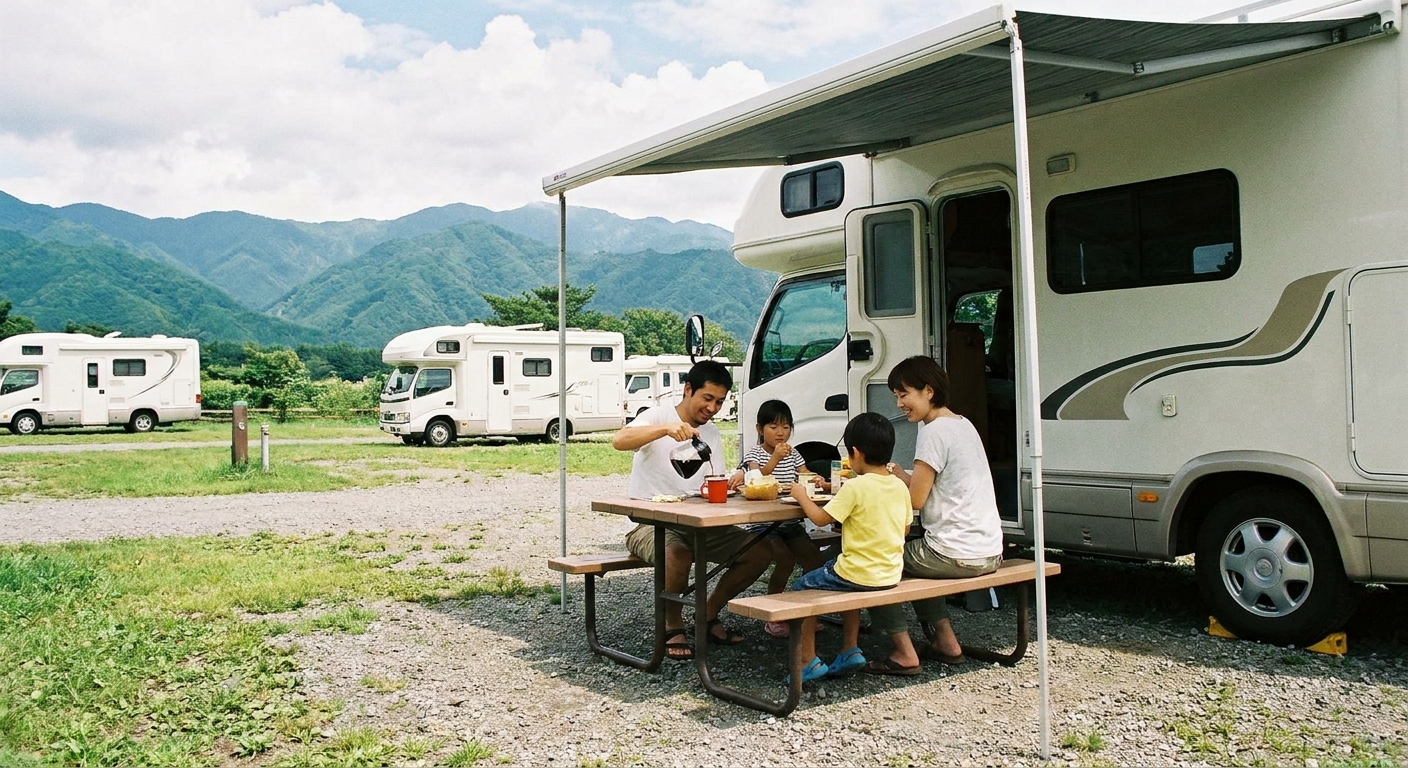
7-Day Classic Route in Tokyo - Airport
A classic 7-day RV route from Tokyo airports allows travelers to explore iconic destinations like Hakone and Mount Fuji, balancing scenic drives with rich cultural experiences while adhering to a comfortable maximum daily driving distance of 150 km. This itinerary focuses on accessible locations from both Narita and Haneda airports, ensuring a smooth start to your Japanese adventure.- Day 1: Narita/Haneda Airport → Lake Kawaguchiko (Mount Fuji area) (approx. 100-150 km). Upon picking up your rented RV near Tokyo - Airport, enjoy a scenic drive towards Mount Fuji. Highlights include the first breathtaking views of the iconic mountain and settling into your first Michi-no-Eki or local campground for the night. We recommend Michi-no-Eki Asagiri Kogen for its stunning vistas.
- Day 2: Lake Kawaguchiko → Hakone (approx. 50 km). Explore the Fuji Five Lakes region in the morning, perhaps visiting Chureito Pagoda for postcard-perfect views of Fuji-san, then drive to Hakone. Enjoy cultural sites like the Hakone Open-Air Museum and a serene Lake Ashi cruise. Overnight at Michi-no-Eki Hakone-toge.
- Day 3: Hakone → Izu Peninsula (Atami/Shimoda) (approx. 70-100 km). Traverse the picturesque coastal drives of the Izu Peninsula, famous for its abundant hot springs and stunning beaches. Atami offers numerous onsen, while Shimoda is known for its historical significance and beautiful coves. Park your rented campervan at Michi-no-Eki Ito Marine Town or a charming coastal campground.
- Day 4: Izu Peninsula exploration (approx. 50 km). Dedicate today to exploring more of the Izu Peninsula, perhaps hiking along the dramatic Jogasaki Coast or discovering quaint local fishing villages for fresh seafood.
- Day 5: Izu Peninsula → Kamakura (approx. 100 km). Drive north to Kamakura, a city rich in history. Visit the Great Buddha (Daibutsu) at Kotoku-in Temple and the Tsurugaoka Hachimangu Shrine. For parking, check designated RV-friendly spots in or around Kamakura; local rules for overnight parking are very specific.
- Day 6: Kamakura → Yokohama (approx. 30-50 km). A short drive takes you to Yokohama, Japan's second-largest city. Explore modern attractions like Minato Mirai, wander through vibrant Chinatown, or relax in the traditional Sankeien Garden. Look for RV parks or designated parking in Yokohama, often available near major attractions.
- Day 7: Yokohama → Narita/Haneda Airport (approx. 50-80 km). Conclude your loop by returning to your pick-up location at Narita or Haneda Airport. Allow ample time for RV return procedures and any last-minute souvenir shopping. For deeper insights into navigating Japanese roads, consult our Driving an RV in Tokyo - Airport - Complete Guide 2026.
14-Day Extended Journey in Tokyo - Airport
An extended 14-day RV journey from Tokyo airports provides a deeper exploration of Central Japan, venturing into diverse regions like the Izu Peninsula, Yamanashi wine country, and historic Nikko, with daily drives maintained below 150 km for leisurely travel. This longer route truly lets you immerse yourself in Japan's varied landscapes and rich cultural tapestry, ideal for families or couples seeking a more profound experience with their rented motorhome. For families planning a longer adventure, our Family RV Rental in Tokyo - Airport - Pricing Guide 2026 offers helpful insights.- Days 1-2: Narita/Haneda Airport → Lake Kawaguchiko & Hakone. Begin your adventure with a picturesque drive to the Mount Fuji region, enjoying iconic views and serene lakes. Explore Hakone's volcanic landscape, ride the Hakone Ropeway, and visit the Open-Air Museum. Spend nights at Michi-no-Eki Asagiri Kogen and Michi-no-Eki Hakone-toge.
- Days 3-5: Izu Peninsula (Atami, Ito, Shimoda). Dedicate these days to the coastal beauty of the Izu Peninsula. Drive along the scenic Jogasaki Coast, relax in various hot springs (onsen), and savor fresh local seafood in towns like Atami, Ito, and Shimoda. Michi-no-Eki Ito Marine Town offers convenient parking and amenities.
- Days 6-7: Shizuoka & Fuji Region (Shizuoka City, Fuji City). Head south to Shizuoka Prefecture, renowned for its green tea. Visit the Green Tea Museum, explore Sunpu Castle Park in Shizuoka City, and marvel at the Mishima Skywalk. Stay overnight at Michi-no-Eki Shimizu or Michi-no-Eki Fuji.
- Days 8-9: Yamanashi Prefecture (Fuefuki, Isawa Onsen). Venture inland to Yamanashi, Japan's wine country. Enjoy winery tours and fruit picking, particularly grapes and peaches in season. Relax in the numerous hot springs around Isawa Onsen. Local RV parks or Michi-no-Eki are available for overnight stays.
- Days 10-11: Karuizawa & Nikko. Drive north to Karuizawa, an upscale mountain resort perfect for scenic walks and charming cafes. Continue to Nikko, a UNESCO World Heritage site, to explore its magnificent shrines and temples, and witness the grandeur of Kegon Falls. Options for sleeping include Michi-no-Eki Karuizawa and Michi-no-Eki Nikko.
- Days 12-13: Kanto Plains & Boso Peninsula (Tsukuba, Chiba Coast). Explore the scientific marvels at the Tsukuba Space Center before heading to the lesser-known Boso Peninsula for more coastal drives and local surfing spots. Michi-no-Eki Tsukuba and Michi-no-Eki Hota offer suitable overnight spots.
- Day 14: Return to Narita/Haneda area. Enjoy your final morning before heading back to the airport for your RV return. This comprehensive itinerary ensures you experience a wide array of Japan's highlights from your comfortable rented camper.
Recommended RVPlan Trip for Tokyo - Airport
Currently, a specific RVPlan trip directly named for 'cheap rv rental in Tokyo - Airport' is not pre-packaged on our platform, but travelers are strongly encouraged to explore the wide range of customizable RV PLANET (rvplan.net) itineraries available. These expert-curated routes can be easily adapted to the Tokyo airport region, offering full access to trip-planning software, which effectively removes the planning headache for your Japanese RV adventure. When you opt for a rental with Bandana RV and choose to utilize RV PLANET routes, you'll benefit from a 25% planning discount, a fantastic incentive to map out your perfect journey. Additionally, on RV PLANET routes, travelers can itemize and track every expense along the way for easy budgeting.Must-See Stops Along the Way (Avi Bandana Picks)
Looking for expert insights from Avi Bandana? Top 5 Adventures - recommendations from Avi Bandana: Avi Bandana recommends focusing on unique local experiences such as traditional markets, artisan workshops, and scenic viewpoints when exploring Japan by RV to truly immerse yourself in the local culture, rather than just hitting the major tourist traps. Japan offers a delightful blend of ancient traditions and modern marvels, all waiting to be discovered from the comfort of your rented motorhome.- Michi-no-Eki (Roadside Stations): These ubiquitous stops are Avi Bandana's top pick for "traditional_market" and "traditional_restaurant" experiences. Found across Japan, they offer fresh local produce, unique regional foods, impeccably clean restrooms, and sometimes even hot springs and free overnight parking for your rented campervan. It’s a perfect way to support local communities and discover authentic Japanese flavors. For preparing these local ingredients in your RV, check out our RV-friendly recipes playlist.
- Onsen Towns (Hot Springs Villages): Integrate a "traditional_visit" to towns like Hakone, Atami, or those in Yamanashi. Public baths (sento) provide an authentic glimpse into Japanese bathing culture and offer profound relaxation after a day of driving your rented RV. Many Michi-no-Eki are also connected to or near these famous hot spring areas.
- Local Fishing Ports: Along the Izu and Boso Peninsulas, these bustling ports offer incredible opportunities for fresh seafood and insights into Japan's "local_industry" of fishing. Imagine enjoying a sushi lunch made with the morning's catch, right by the sea.
- Rural Temples & Shrines: Beyond the well-known sites, seek out less-visited historical gems, such as those found around Kamakura or in the mountainous regions near Nikko, for profound "traditional_visit" opportunities without the crowds often found in major cities. These serene spots often have spacious parking suitable for an RV.
- Local Artisan Workshops: Keep an eye out for small workshops in rural areas specializing in traditional crafts like pottery, woodworking, or textile dyeing. Many welcome visitors and offer hands-on experiences, providing a memorable cultural interaction.
🎬 Video coming soon
Daily Driving Distances & Drive Times in Tokyo - Airport
Avi Bandana recommends a maximum of 100 miles or 150 km per day on average when RVing in Japan, prioritizing leisurely travel to fully enjoy the scenery and local stops rather than rushing through destinations. This approach allows ample time for unexpected discoveries, enjoying Michi-no-Eki amenities, and navigating potentially narrower roads or urban traffic with ease in your rented campervan or motorhome. While Japan's expressways are efficient, they come with significant tolls, which can quickly accumulate. Budgeting for these additional costs and fuel is crucial for an accurate total trip cost estimate. For more on maximizing your budget, check our Luxury RV Rental in Tokyo - Airport - Premium Prices 2026 guide.Example drive-time estimates around Tokyo - Airport:
- Narita Airport (NRT) to Lake Kawaguchiko: Approximately 150 km (93 miles), taking about 2.5-3 hours depending on traffic and toll road conditions. Expect tolls to be around ¥3,000-¥5,000 ($20-$35 USD) for this route.
- Hakone to Izu Peninsula (Shimoda): Approximately 70-100 km (43-62 miles), taking 1.5-2.5 hours through winding coastal roads. Tolls here might be lower, but some tunnels or expressways can still incur fees.
- Yokohama to Haneda Airport (HND): Approximately 30-50 km (18-31 miles), taking 45 minutes to 1.5 hours depending on urban traffic, especially around the busy Tokyo Bay Aqua-Line. This route could involve tolls upwards of ¥1,500-¥2,500 ($10-$17 USD).
Best RV Class for This Itinerary — Couple & Family Picks
For a cheap RV rental in Tokyo - Airport itinerary, the ideal RV class depends on your group size, with compact options perfect for couples and larger, amenity-rich vehicles suited for families, ensuring comfort and ease of navigation on Japanese roads. Bandana RV offers a diverse fleet to match your travel needs. When planning, consider how each vehicle type fits into your overall budget for a truly affordable experience, as discussed in our RV Rental in Tokyo - Airport for Couples - Pricing 2026.For a Couple (2 people):
The Class B - Camper Van is an excellent choice for two travelers, with Bandana's global fleet typically averaging 5.8 meters in length and offering 3.2 sleeping places (comfortably 2 adults). Its compact size provides superior maneuverability on Japan's narrower roads, urban areas, and makes finding parking much easier. With a common fuel consumption of around 10 Liters/100 km, a Class B campervan like the "rv rental denver example Category Van" (Front Air condition, Ideal for a couple, Recent Model, Shower, Toilet) helps maintain a 'cheap' rental experience, balancing comfort with cost-efficiency.
For a Family (4 people):
The Class SI - Semi-integrated RV is highly recommended for families of up to four, averaging 6.9 meters in length and accommodating 3.8 sleeping places (comfortably 3-4 adults) from Bandana's global fleet. This class offers a great balance of interior space and amenities for family comfort while remaining relatively manageable for Japanese roads compared to larger options. With an average fuel consumption of 10-11 Liters/100 km, a semi-integrated motorhome provides sufficient living space without incurring excessive fuel costs, making it a practical family choice. Consider Bandana RV's 'Rent & Plan' service, which combines your RV rental with a ready-made itinerary by travel experts, giving you full access to trip-planning software and removing the planning headache. On the routes offered through RV PLANET routes, you can itemize and track every expense along the way for easy budgeting.