In This Guide
- Best Scotland RV Itinerary for cheap rv rental — Overview
- 7-Day Classic Route in Scotland
- 14-Day Extended Journey in Scotland
- Recommended RVPlan Trip for Scotland
- Must-See Stops Along the Way (Avi Bandana Picks)
- Daily Driving Distances & Drive Times in Scotland
- Best RV Class for This Itinerary — Couple & Family Picks
- What is the best month to RV in Scotland?
- Is it easy to drive an RV in Scotland?
- Do you need a special license to drive an RV in Scotland?
- Can you freedom camp in Scotland in an RV?
- Is it safe to wild camp in Scotland with a campervan?
- Can you park a campervan anywhere in Scotland?
- Are there campervan sites in Scotland?
- Is the NC500 worth it in an RV?
- How much does it cost to rent an RV in Scotland?
- How much does it cost to hire a campervan in Scotland for a week?
- What is the best RV rental in Scotland?
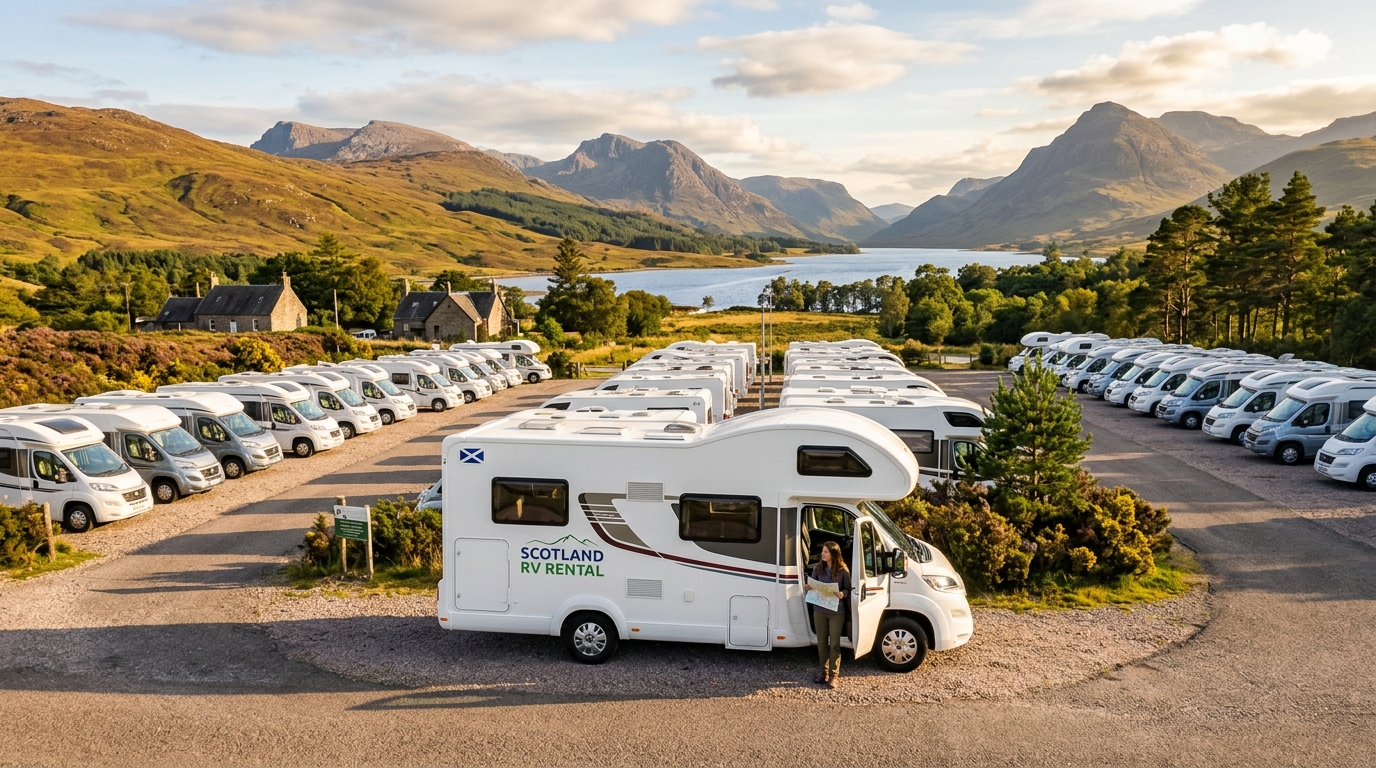
- Where can I rent an RV in Scotland?
Best Scotland RV Itinerary for cheap rv rental — Overview
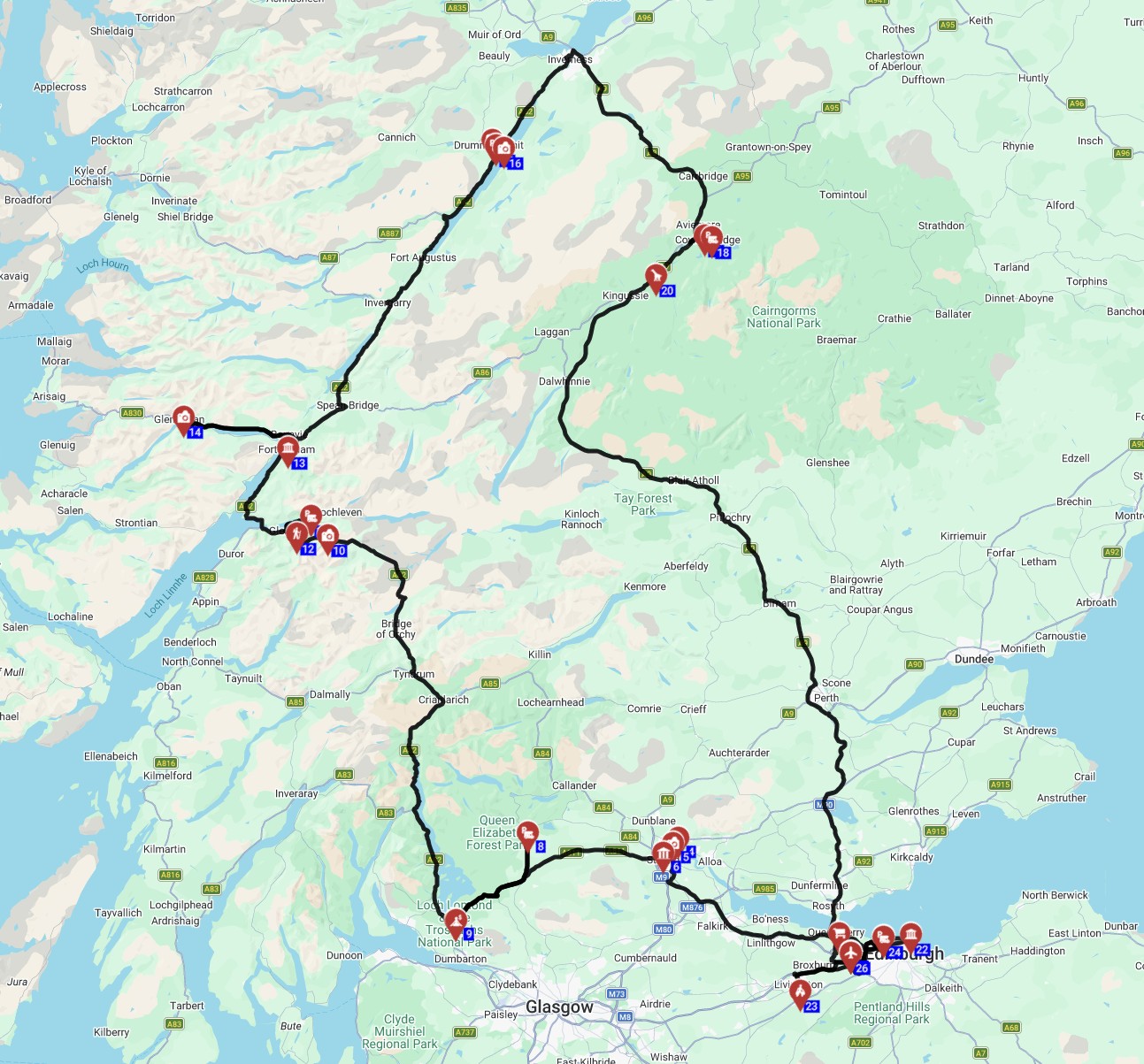
Embarking on a budget-friendly RV adventure in Scotland offers an unparalleled way to experience its breathtaking landscapes and rich history. A typical itinerary covers between 800-1500 km (500-900 miles) over a recommended minimum of 7 days. The shoulder seasons, specifically May-June and September-October, provide the best balance of pleasant weather and more affordable rental prices and campsite availability. This approach allows for a comfortable 7 to 14-day journey, focusing on experiencing Scotland's iconic lochs, glens, historic castles, and charming towns without feeling rushed. When planning your trip, consider the 'RV Rental Scotland - Complete Guide 2026' for a comprehensive overview of the country's offerings. For those seeking a more structured experience, Bandana’s 'Highland Fling: A Scotland RV Adventure' RVPlan trip is an expertly curated 10-day, 1100-kilometer itinerary designed for optimal exploration.
7-Day Classic Route in Scotland
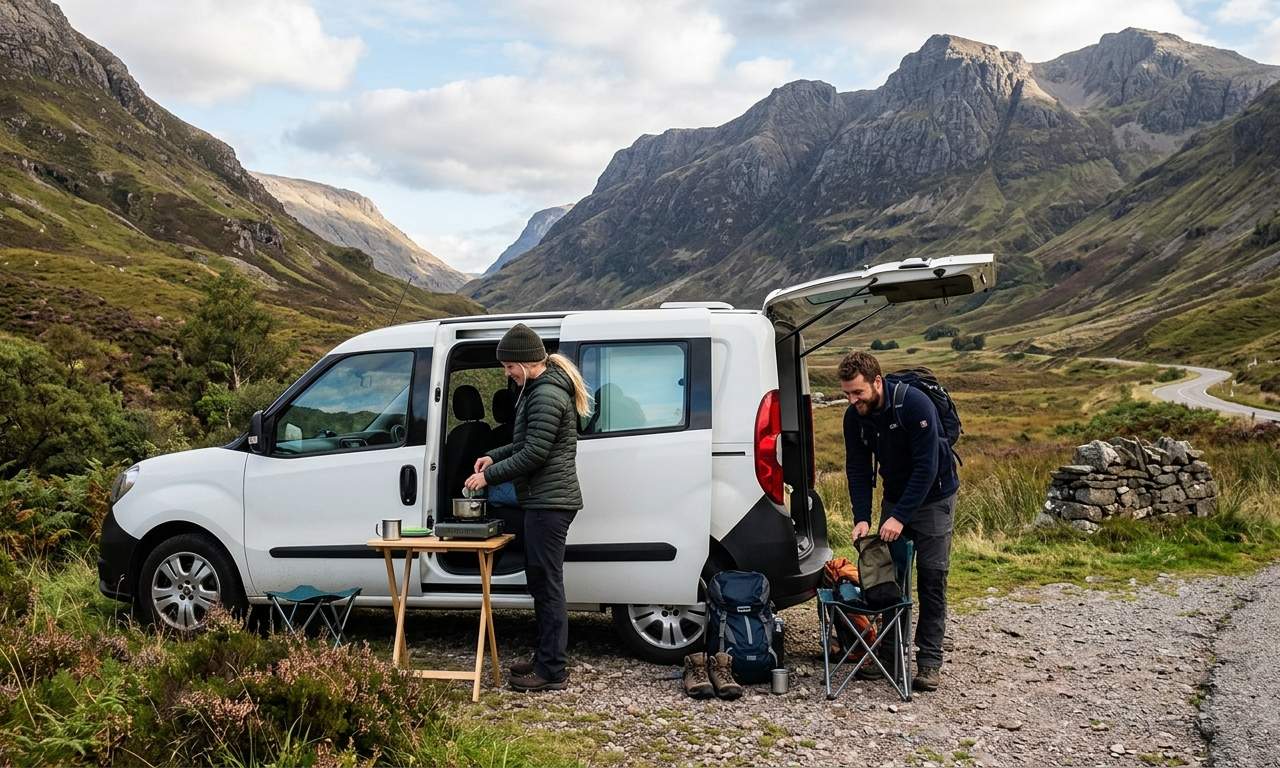
A 7-day classic route in Scotland by RV is perfect for a first-time visitor seeking to experience some of the country's most iconic highlights at a relaxed pace. This itinerary focuses on a loop that starts and ends in Edinburgh, covering approximately 900 km (560 miles) and allowing for ample sightseeing.
Day 1: Edinburgh to Loch Lomond & The Trossachs National Park (Approx. 100 km / 60 miles). Pick up your rented RV in Edinburgh and head west towards Loch Lomond & The Trossachs National Park. Your journey will include driving along the scenic shores of Loch Lomond, perhaps stopping in charming villages like Luss. A recommended overnight spot is Lomond Woods Holiday Park, offering good facilities.
Day 2: Loch Lomond to Glencoe & Fort William (Approx. 80 km / 50 miles). Continue your adventure north through the dramatic and awe-inspiring landscapes of Glencoe Valley. Make sure to stop at various viewpoints to truly absorb the scenery. Your destination is Fort William, with Glen Nevis Campsite being a good option for an overnight stay. You'll get stunning views of Ben Nevis from afar.
Day 3: Fort William to Isle of Skye (Portree) (Approx. 130 km / 80 miles). Today's drive takes you to the magical Isle of Skye, crossing via the Skye Bridge. Explore iconic sights like the Old Man of Storr and, if time permits, a hike to the enchanting Fairy Pools. Portree Campsite is a popular choice for your overnight stay.
Day 4: Explore Isle of Skye (Flexible driving). Dedicate this day to further discovering Skye's mystical beauty. Consider visiting Neist Point Lighthouse for dramatic coastal views, the whimsical Fairy Glen, or the historic Dunvegan Castle. You can stay another night at Portree Campsite or a nearby alternative.
Day 5: Isle of Skye to Loch Ness & Inverness (Approx. 180 km / 110 miles). Begin your journey back to the mainland, heading towards the legendary Loch Ness. En route, stop at the picturesque Eilean Donan Castle and visit the Loch Ness Centre to delve into the mystery of Nessie. Loch Ness Bay Camping offers a convenient place to park your RV for the night.
Day 6: Inverness to Cairngorms National Park (Approx. 80 km / 50 miles). Head south into the heart of the Cairngorms National Park, Scotland's largest. Enjoy scenic drives, perhaps visit the Highland Wildlife Park, or explore one of the region's renowned whisky distilleries. Rothiemurchus Camp & Caravan Park is a great base for the night.
Day 7: Cairngorms back to Edinburgh (Approx. 200 km / 125 miles). Enjoy a relaxed return journey to Edinburgh, with opportunities for stops in towns like Perth or the coastal city of St Andrews. You'll get impressive views of the Forth Bridges as you approach the capital. Remember to allow ample time for RV return and cleaning.
14-Day Extended Journey in Scotland
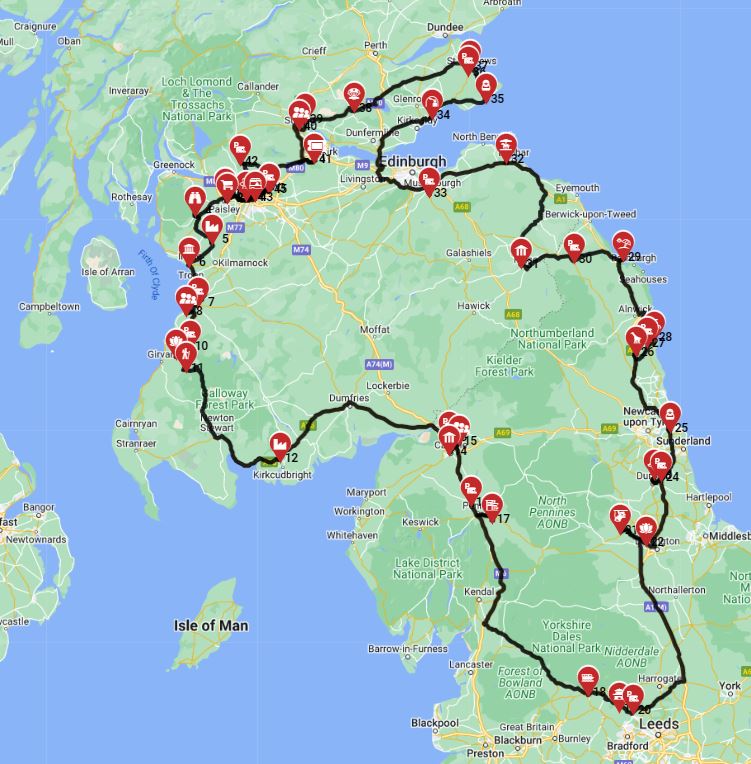
For a more immersive experience of Scotland's diverse beauty, a 14-day RV itinerary allows for deeper exploration of its regions. This extended journey can encompass the rolling hills of the Borders, the dramatic west coast, the enchanting islands, and the rugged Highlands. Remember Bandana's recommendation to travel slowly, aiming for a maximum of 100-150 km per day to truly savour each location. If you're considering a trip of this length, you might find our article on 'Weekly RV Rental in Scotland - Pricing 2026' helpful for budgeting. On the routes offered through RV PLANET routes, you can itemize and track every expense along the way for easy budgeting.
Days 1-3: Southern Scotland & Borders (Edinburgh, Scottish Borders, Galloway Forest Park). Begin by exploring Edinburgh, then venture into the Scottish Borders to discover historic abbeys and rolling hills. Dedicate time to Galloway Forest Park, a designated Dark Sky Park, for stargazing. Keep daily driving under 150 km to maximize your time at each stop.
Days 4-7: West Coast & Isles (Loch Lomond, Glencoe, Oban, Isle of Mull/Iona). Journey through the stunning landscapes of Loch Lomond and the dramatic Glencoe Valley. Head to Oban, the "Gateway to the Isles," and consider a ferry trip to the Isle of Mull or the historically significant Iona. Aim for shorter daily drives (around 100 km) to accommodate ferry schedules and the winding coastal roads.
Days 8-11: Isle of Skye & Outer Hebrides (Optional) (Skye, Harris & Lewis). Extend your island adventure by exploring more of Skye or venturing to the Outer Hebrides, specifically Harris and Lewis, known for their pristine beaches and unique Gaelic culture. This leg requires careful ferry booking and consideration of your RV's size for island roads.
Days 12-14: Northern Highlands & Return (Loch Ness, Inverness, Cairngorms, back to Edinburgh). Explore the famous Loch Ness and the vibrant city of Inverness. You could incorporate a section of the scenic North Coast 500 route before heading into the Cairngorms National Park for its natural beauty. Conclude with a relaxed drive back towards Edinburgh, perhaps allowing up to 150 km per day.
Recommended RVPlan Trip for Scotland
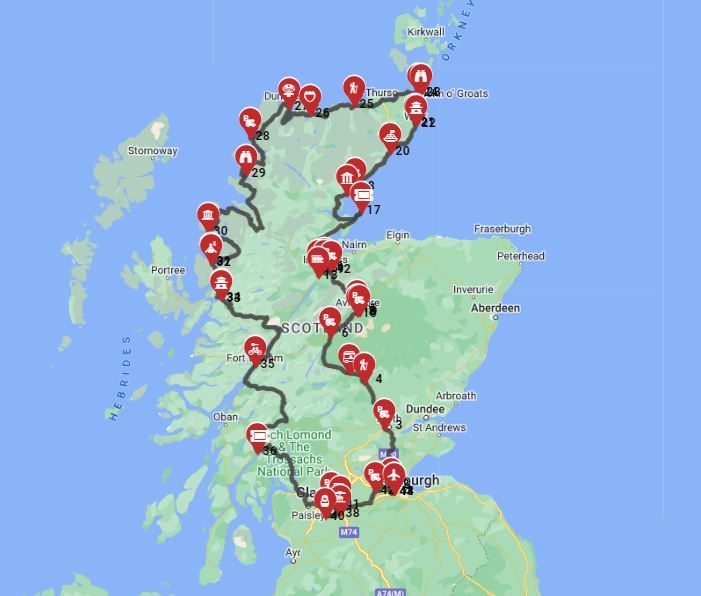
For travelers seeking a perfectly curated and stress-free budget RV trip in Scotland, consider utilizing Bandana’s 'Rent&Plan' service. Specifically, the 'Highland Fling: A Scotland RV Adventure' RVPlan trip is an expertly designed itinerary. This plan spans approximately 1100 kilometers over 10 days, striking an excellent balance between scenic driving and ample time for exploration and relaxation.
This professionally crafted itinerary takes the guesswork out of planning, ensuring you hit the highlights while also experiencing some of Scotland's less-traveled, yet equally captivating, locations. You can find the full day-by-day breakdown and points of interest, including practical tips for your journey, at: For a visual preview of the breathtaking landscapes you'll encounter, an illustrative image of the adventure is available at: Utilizing RV PLAN (rvplan.net) can help you visualize and organize your trip effectively, ensuring a memorable and smooth experience.
Must-See Stops Along the Way (Avi Bandana Picks)
When planning a road trip through Scotland, incorporating stops that offer a blend of iconic landmarks, authentic local experiences, and delicious culinary delights is key. Avi Bandana, our resident RV travel expert, has curated a selection of must-see locations that capture the essence of Scotland, from historic castles to renowned distilleries.
- Eilean Donan Castle (traditional_visit): Often lauded as Scotland's most photographed castle, Eilean Donan is a quintessential stop. Its picturesque setting on its own island, accessible by a stone bridge, makes for an unforgettable photo opportunity and a glimpse into Scotland's rich history.
- Loch Ness Exhibition Centre (traditional_visit): No trip to Scotland is complete without acknowledging the mystery of the Loch Ness Monster. The exhibition centre in Drumnadrochit offers engaging exhibits that explore the legend, its history, and the science behind the sightings.
- The Old Inn (Carbost, Skye) (traditional_restaurant): For an authentic taste of Skye, visit The Old Inn in Carbost. Enjoy hearty traditional pub fare and fresh local seafood in a cozy atmosphere, often accompanied by live traditional music.
- Inverness Victorian Market (traditional_market): In the heart of the Highlands, Inverness boasts the charming Victorian Market. This bustling covered market is a treasure trove of unique crafts, local produce, and independent shops, perfect for souvenirs or a taste of local life.
- Talisker Distillery (local_industry): On the Isle of Skye, a tour and tasting at the Talisker Distillery is a must for whisky enthusiasts. This, Skye's oldest working distillery, is celebrated for its distinctive peaty single malt Scotch whisky.
- Glencoe Valley Viewpoint (traditional_visit): The dramatic beauty of Glencoe is best appreciated with frequent stops. Make sure to pull over at various viewpoints throughout the valley to truly soak in the raw, historic, and breathtaking scenery.
Daily Driving Distances & Drive Times in Scotland
When RVing in Scotland, Avi Bandana emphasizes the importance of slow travel, recommending an average of no more than 100 miles (150 km) per day. This approach allows for ample time to sightsee, enjoy spontaneous stops, and avoid the stress of long, rushed driving days. Scottish roads, particularly in the Highlands and on the islands, are often narrow, winding, and can include single-track sections with passing places, meaning driving times can be significantly longer than GPS estimates might suggest.
For instance, a journey from Edinburgh to Fort William, approximately 200 km (125 miles), can take 3-4 hours of pure driving. However, an RV traveler should realistically plan for a full day to truly appreciate the changing landscapes, stop for photos, and perhaps enjoy a picnic lunch. Similarly, the drive from Fort William to Portree on the Isle of Skye, about 130 km (80 miles), might only take 2.5-3 hours of driving time, but factoring in potential ferry waits (if applicable, though bridges are now common) and numerous photo opportunities, it transforms into a leisurely and rewarding day trip. Always factor in extra time for RV driving in Scotland; it's part of the experience! For ideas you can prep on the road, watch our RV-friendly recipes playlist on YouTube.
Best RV Class for This Itinerary — Couple & Family Picks
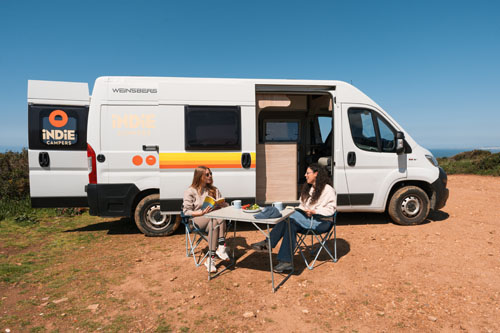
Choosing the right RV class for your Scottish adventure is crucial for ease of travel, especially considering the country's varied road conditions. Bandana offers a 'Rent & Plan' service that can pair you with the perfect vehicle and itinerary, simplifying your planning process.
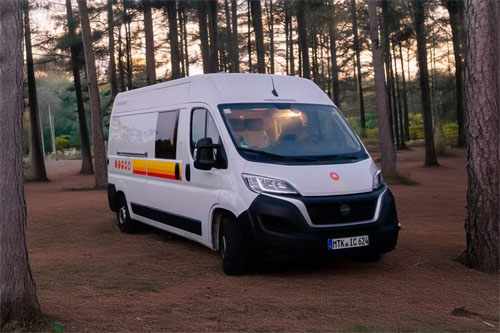
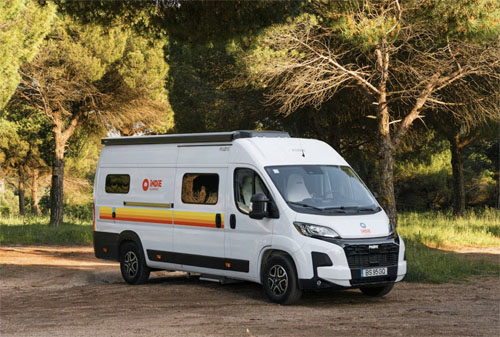
For Couples: Class B - Camper Van. Often ideal due to its compact size, a camper van, like Bandana's fleet averaging 5.8 meters in length with sleeping places for 3, is nimble on narrow Scottish roads and easier to park. For example, the 'cruise america rv rental example Explorer' is a 7.1m Class C motorhome that offers comfort for up to 4 people, while smaller campervans provide better maneuverability for navigating intricate routes and historic towns.
For Families: Class C - Alcove. These RVs, such as Bandana's models averaging 7.5 meters in length with sleeping places for 5-6, provide ample space for families and luggage, offering comfortable sleeping arrangements and distinct living areas. While larger RVs like Class A (averaging 7.5m or more) offer more luxury, their size can present challenges on Scotland's single-track roads and in town centers, requiring more cautious driving and advanced planning for parking.
When comparing options, consider that Bandana's Class C 'rx rentals example Comfort Class' is a large RV suitable for families, offering multiple sleeping areas and amenities for a comfortable trip. For those prioritizing a balance of space and manageability, a Class C alcove model often provides the best of both worlds.
What is the best month to RV in Scotland?
The most favourable months for RV travel in Scotland are generally May through June and September through October. These periods offer a sweet spot, balancing pleasant weather with fewer tourist crowds and more accessible rental prices and campsite availability compared to the peak summer months. You'll find a wider selection of vehicles and a greater chance of securing desirable campsites when booking in advance, especially if you're planning a trip during these shoulder seasons. For travelers seeking to explore Scotland in an RV, considering these months can significantly enhance the experience, allowing for a more relaxed pace and a deeper immersion in the stunning scenery.
While July and August boast the warmest temperatures and longest daylight hours, these months also represent the peak of Scotland's tourist season. This means higher rental costs, more crowded attractions, and a greater chance of encountering midges, the tiny, biting insects that can be bothersome in damp conditions. Spring (April-May) and Autumn (September-October) provide beautiful autumnal colors or blooming spring landscapes, fewer midges, and generally more availability. However, it's essential to be prepared for unpredictable weather; always pack layers and waterproof gear, as Scottish weather can change rapidly at any time of year. This advice is consistent across all RV rentals, from the smallest campervan to the largest motorhome.
Is it easy to drive an RV in Scotland?
Driving an RV in Scotland can be a challenging yet incredibly rewarding experience, offering access to some of Europe's most spectacular scenery. However, it requires careful navigation, particularly on the narrow, winding roads common in the Highlands and rural island areas. Many of these routes are single-track roads, complete with designated passing places, which necessitate constant awareness and courteous driving. Larger RVs, such as Class C or Class A motorhomes, will find these roads more difficult to manage than smaller Class B campervans.
It's essential to remember that driving is on the left side of the road in Scotland. While road signs are generally clear and helpful, remember that phone signal and GPS coverage can be limited in more remote areas. Therefore, having a good physical map or pre-downloaded offline maps is highly recommended. Key strategies for an enjoyable RV experience include planning routes to avoid excessively tight spots, allowing ample time for journeys, and being prepared to use passing places courteously. For those considering a rental, it's wise to select an RV size that suits the intended routes; a smaller campervan, like a Class B, often provides a less stressful driving experience on Scotland's more intricate roads.
Do you need a special license to drive an RV in Scotland?
For most rental RVs and campervans in Scotland, a standard UK, EU, or international driving license is sufficient, provided the vehicle's Maximum Authorised Mass (MAM), or Gross Vehicle Weight (GVW), does not exceed 3,500 kg (3.5 tonnes). This weight limit typically covers most Class B campervans and smaller Class C motorhomes, making them accessible to a wide range of drivers. Always confirm the specific licensing requirements with your chosen RV rental provider, as they will have the definitive information for their fleet.
If your RV rental has a MAM between 3,500 kg and 7,500 kg, you may need a Category C1 license. The requirement can depend on when you obtained your driving license and your country of origin. For visitors from outside the UK and EU, an International Driving Permit (IDP) is often recommended in conjunction with your national license, although it is not mandatory in all cases and depends on reciprocal agreements. Always check your license category and any permit requirements before booking, especially if you are considering larger vehicles. This ensures a smooth pickup process and adherence to all legal requirements for your Scottish adventure.
Can you freedom camp in Scotland in an RV?
Freedom camping, often referred to as 'wild camping,' with an RV or campervan in Scotland is a nuanced topic and generally restricted. While Scotland's 'right to roam' under the Scottish Outdoor Access Code allows for non-motorized camping in many unenclosed areas, this permission typically does not extend to vehicles. Responsible RVers must adhere strictly to 'Leave No Trace' principles, which include proper waste disposal, avoiding sensitive natural sites, and never camping on private land without explicit permission.
It's crucial to be aware that many local authorities have introduced bylaws that specifically restrict overnight parking for campervans and motorhomes in popular scenic spots and beauty areas. This means that while you might find a beautiful, secluded place to park for the day, overnight stays are often prohibited unless you are in a designated campsite or a recognized overnight parking area. Using apps like Park4Night can be helpful for identifying approved spots. Always check local regulations before parking overnight and be prepared for limited facilities—including no access to water or waste disposal—in more remote areas. This approach ensures you are traveling responsibly and respecting Scotland's natural beauty and local communities.
Is it safe to wild camp in Scotland with a campervan?
Wild camping in a campervan in Scotland is generally considered safe when practiced responsibly and with a deep respect for local regulations and private property. The key to a safe and enjoyable experience lies in choosing discreet, level spots away from main roads, residential areas, and any areas with "no overnight parking" signs. Ensuring you have a good mobile signal where possible is also a wise precaution for emergency situations, and it's always advisable to let someone know your general location and intended itinerary.
While Scotland is known for its low crime rates, common sense precautions remain important. Always lock your vehicle, avoid leaving valuables visible, and be mindful of your surroundings. More pressing, from a comfort perspective, are environmental factors: be aware of rapidly changing weather conditions, and in summer months, be prepared for midges, especially in damper, sheltered areas. By following these safety tips and respecting the landscape and local rules, you can have a secure and memorable wild camping experience in your campervan.
Can you park a campervan anywhere in Scotland?
No, you cannot park a campervan just anywhere in Scotland, as specific rules and local bylaws govern where overnight parking and freedom camping are permitted. While the Scottish Outdoor Access Code grants rights for responsible wild camping, this primarily applies to non-motorized activities like tent camping. For motorhomes and campervans, the interpretation and enforcement of these rules mean that RVs cannot simply park overnight in any scenic layby or beauty spot.
The most reliable and legal options for parking your campervan overnight include designated campervan parking areas, official campsites, or specific laybys where overnight stays are explicitly permitted. Always respect private property, ensure you are not blocking access roads or gates, and pay close attention to any signage indicating parking restrictions or no overnight stays. Adhering to these guidelines is crucial for responsible travel, helping to preserve Scotland's natural beauty and maintain good relations with local communities.
Are there campervan sites in Scotland?
Yes, Scotland boasts an extensive and diverse network of campervan and motorhome sites, catering to all preferences and needs. You'll find a wide range of options, from basic, scenic spots in remote locations to fully-serviced holiday parks offering extensive amenities such as electric hook-ups, modern shower blocks, laundry facilities, and often on-site shops or cafes. These sites are abundant across the country, strategically located along popular tourist routes like the North Coast 500, within national parks, and in picturesque coastal areas, ensuring you're never too far from a comfortable place to stay.
Given the popularity of RV travel in Scotland, especially during the peak season (July through August), it is highly recommended to book your campsites well in advance. This is particularly true for popular locations or sites that accommodate specific RV sizes. Booking ahead not only secures your spot but also often provides peace of mind. Additionally, many campsites are pet-friendly, but it's always essential to check individual site policies and any potential additional fees when traveling with animals to ensure a smooth and enjoyable experience for everyone, including your furry companions.
Is the NC500 worth it in an RV?
The North Coast 500 (NC500) is widely regarded as a spectacular route for RV travelers, offering some of Scotland’s most breathtaking coastal scenery and dramatic Highland landscapes. However, its immense popularity, coupled with the nature of its roads, presents unique challenges, particularly for larger vehicles and during peak tourist seasons. Many sections of the NC500 are single-track roads with passing places, which can be challenging to navigate for bigger RVs, often leading to slower travel times and potential congestion.
Despite these challenges, the route's stunning vistas, including dramatic mountain passes and charming fishing villages, make it a truly bucket-list experience for many RVers who appreciate remote beauty and adventure. To ensure the NC500 is worth it for your RV trip, extensive planning is key. This includes pre-booking campsites, driving slowly and courteously, adhering to 'Leave No Trace' principles, and potentially visiting during the shoulder seasons (spring or autumn) to mitigate crowds and make managing road conditions more comfortable. If you're looking for a comprehensive guide to RVing in Scotland, the 'RV Rental Scotland - Complete Guide 2026' is an excellent resource.
How much does it cost to rent an RV in Scotland?
The cost to rent an RV in Scotland can vary significantly, influenced by factors such as the season, the size and class of the vehicle, the rental duration, and the amenities included. Generally, you can expect daily rental fees to range from approximately £70-£150 for a campervan (Class B) and £120-£250+ for a larger motorhome (Class C or A). These figures are indicative and subject to change based on demand and availability. For specific pricing and to compare options, consult resources like 'RV Rental in Scotland - Prices and Best Deals 2026' which provides detailed insights into the market.
Beyond the daily rental fee, a comprehensive budget should account for ancillary costs. These typically include fuel, which for Bandana’s global fleet averages around 10-12 Liters/100 km; campsite fees, often ranging from £20-£40 per night; insurance; and potential additional charges for things like cleaning or exceeding mileage limits. Booking in advance, especially outside the peak season of July-August, can help secure cheaper daily rates and ensure better vehicle availability. For a truly detailed cost breakdown, remember to factor in your food choices (local markets versus restaurants), activity costs, and any ferry fares if you plan island hopping, which is common in Scotland.
How much does it cost to hire a campervan in Scotland for a week?
Hiring a campervan in Scotland for a week can represent a significant portion of your trip's budget, with the rental itself typically costing around £700-£1200 during the shoulder seasons. However, it's crucial to remember that this is just one part of the overall travel expenses. Additional costs can easily elevate the total trip cost, making comprehensive budgeting essential for a stress-free adventure.
A realistic budget for a 7-day campervan hire in Scotland would include the rental fee (e.g., £800), estimated fuel costs for a typical 1000km journey (e.g., £150-£200), and campsite fees for approximately six nights (ranging from £120-£240, depending on the type of site). Furthermore, you'll need to allocate funds for food, activities, and any unforeseen expenses, which could add another £200-£400+. Consequently, a week-long cheap RV rental in Scotland could realistically range from £1,200 to £1,800 or more, depending heavily on your choices for vehicle class, comfort level, and the activities you undertake. Always inquire about insurance inclusions, excess mileage charges, and security deposits when obtaining quotes to avoid any unexpected costs.
What is the best RV rental in Scotland?
Determining the 'best' RV rental in Scotland largely depends on your individual travel needs, preferences, and budget. However, several critical factors should guide your decision-making process. These include the size and class of the vehicle (e.g., a compact campervan versus a larger motorhome), the age and condition of the RV, the inclusions offered with the rental (such as insurance coverage, mileage allowances, and essential equipment), customer reviews of the provider, and the availability of local support, especially for breakdown assistance in remote areas.
Prioritizing rental companies that offer a diverse fleet, transparent pricing with no hidden fees, and reliable customer support is paramount for a smooth trip. Platforms like Bandana simplify the comparison process by aggregating a wide selection of vehicles from numerous trusted providers across Scotland, often presenting options that cater to various budgets and family sizes. For example, if you're traveling as a couple, a Class B campervan might be ideal, while families of four or more might benefit from the space of a Class C motorhome. Always research the specific models available and their suitability for Scotland's terrain, especially if you plan to explore the Highlands or islands.
Where can I rent an RV in Scotland?
You can conveniently rent an RV in Scotland from major cities like Edinburgh and Glasgow. These locations serve as primary pick-up points due to their excellent international airport connectivity and extensive transportation links, making them easily accessible for travelers arriving from abroad or other parts of the UK. Many reputable rental companies have depots conveniently situated near these urban centers.
Beyond the major cities, smaller regional hubs such as Inverness or Perth may also have local RV rental companies, offering added convenience if your journey is intended to start closer to the Highlands or other specific regions. For a streamlined booking process and to easily compare a wide range of vehicles from multiple providers across Scotland, consider using online booking platforms like Bandana. These platforms facilitate easy selection and pre-trip planning. Remember that booking well in advance, particularly for travel during the summer months (July and August), is crucial to secure your preferred vehicle and potentially access better rates, ensuring availability during peak demand periods.
What You Shouldn't Miss
- Drive the scenic **North Coast 500** route, but plan for narrower roads and book campsites ahead, especially if you're in a larger RV.
- Explore the mystical **Isle of Skye**, prioritizing visits to iconic spots like the Old Man of Storr and the Fairy Pools.
- Discover the dramatic landscapes of **Glencoe Valley**, stopping at numerous viewpoints to fully appreciate its raw beauty.
- Visit **Eilean Donan Castle**, one of Scotland's most photographed castles, for a truly iconic Scottish experience.
- Experience the legendary **Loch Ness**, perhaps visiting the exhibition centre, and keep an eye out for Nessie!
- Enjoy a dram at the **Talisker Distillery** on Skye for a taste of Scotland's famous spirit.
Final Thoughts
Renting an RV in Scotland offers an incredible opportunity to explore its majestic landscapes at your own pace. From the dramatic glens to the serene lochs and the captivating islands, a motorhome adventure allows for an intimate connection with the country's natural beauty and rich cultural heritage. By planning your route, choosing the right vehicle, and being mindful of local driving conditions and regulations, you're set for an unforgettable journey.
Remember to travel slowly, embrace the spirit of exploration, and take the time to truly immerse yourself in the Scottish experience. Whether you're captivated by historic castles, the allure of whisky distilleries, or simply the breathtaking scenery, an RV rental provides the perfect mobile base for your adventures. Get inspired for your next trip and discover top destinations and planning tips all in one place!
Ready to start planning your own Scottish RV adventure? Compare RV rental prices and availability across top suppliers and find the perfect motorhome for your journey. Plan your trip itinerary in advance with minimal effort and maximum enjoyment, and get ready to explore the magic of Scotland!