For live availability and current prices, start with our RV Rental Rome - Complete Guide 2026 guide.
In This Guide
- Best Rome RV Itinerary for Cheap RV Rental — Overview
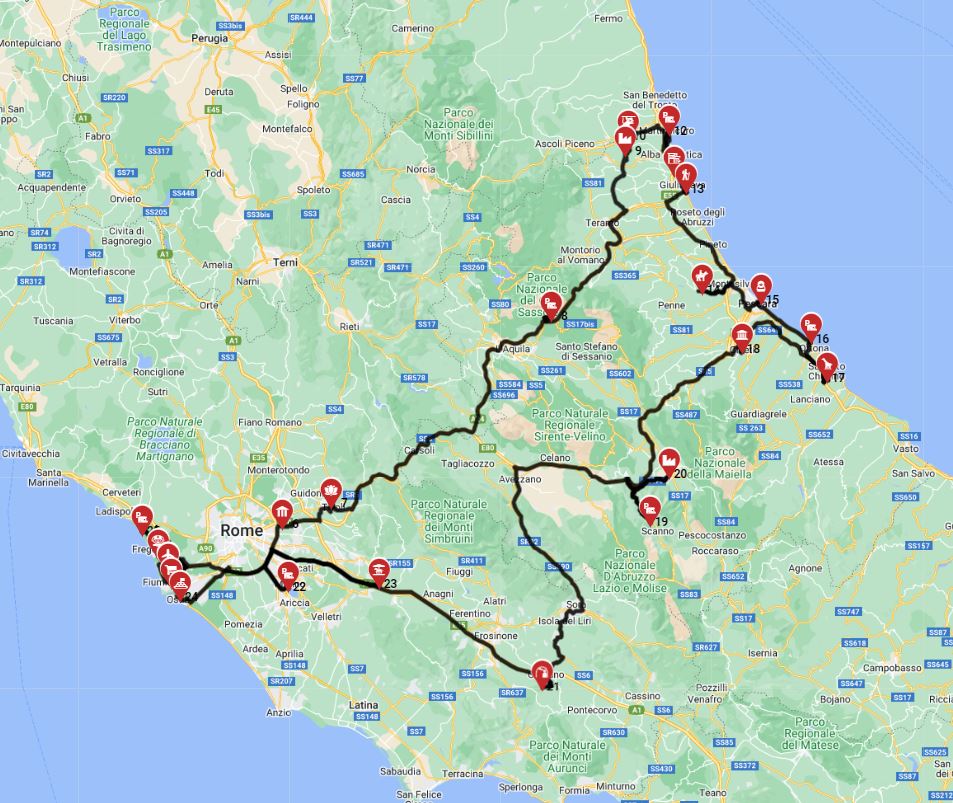
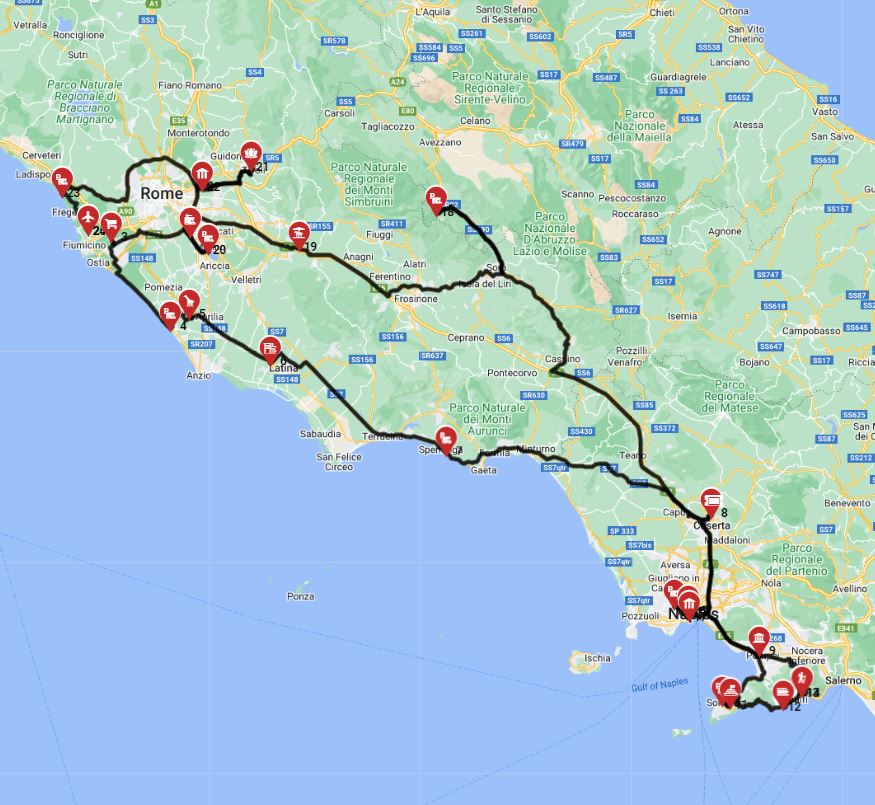
- 7-Day Classic Route in Rome
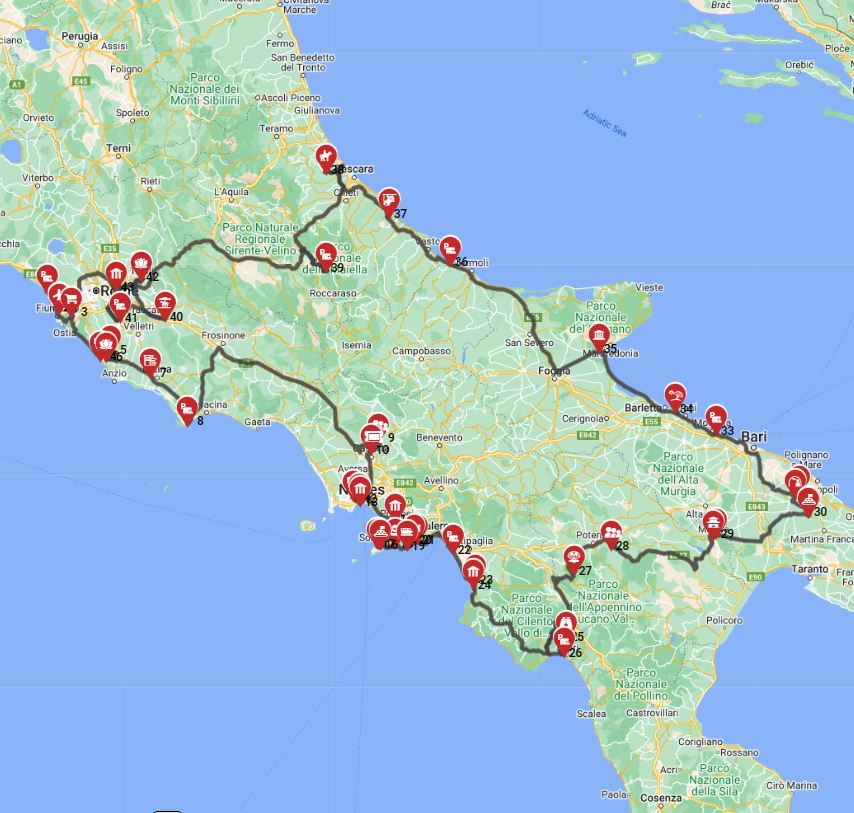
- 14-Day Extended Journey in Rome
- Recommended RVPlan Trip for Rome
- Must-See Stops Along the Way (Avi Bandana Picks)
- Daily Driving Distances & Drive Times in Rome
- Best RV Class for This Itinerary — Couple & Family Picks
- What is the 3-3-3 rule for RV travel?
- What is the 4 4 4 rule for RVing?
- What is the cheapest month to visit Rome?
- What is the 2 2 2 rule for RVing?
- What is the cheapest way to travel in an RV?
- Is $5000 enough for a trip to Italy?
- What is the cheapest month to go to Rome?
- What not to do in Italy as an American?
- What are some hidden gems in Italy?
- Can you sleep anywhere in a campervan in Italy?
Best Rome RV Itinerary for Cheap RV Rental — Overview
When planning a budget-friendly RV trip from Rome, consider a 7-day exploration of the Lazio region or extend your adventure to a 14-day journey through the heart of Italy, including Tuscany, Umbria, and Emilia Romagna. These itineraries typically cover 700 km (435 miles) for a week-long regional trip or over 1500 km (930 miles) for a more comprehensive two-week experience. Avi Bandana recommends a minimum of 7 days for an RV itinerary starting in Rome to truly soak in the sights and enjoy a relaxed pace. The shoulder seasons, from April to May or September to October, are ideal for RV travel in Italy, offering a sweet spot of pleasant weather, fewer crowds, and more affordable rental rates.
7-Day Classic Route in Rome
Embark on a classic 7-day RV adventure starting from Rome, designed to showcase the beauty and history of the surrounding Lazio region and nearby Umbria.
- Day 1: Rome (RV Pickup) → Castel Gandolfo (Lake Albano) - approx. 30 km: After picking up your rented RV, settle in and head to Castel Gandolfo. Overnight at a campground near Lake Albano, enjoying the stunning lake views and sampling local cuisine.
- Day 2: Castel Gandolfo → Tivoli (Villa d'Este, Hadrian's Villa) - approx. 40 km: Drive to Tivoli to explore the magnificent Villa d'Este with its Renaissance gardens and Hadrian's Villa, a vast ancient Roman archaeological site. Overnight at a convenient RV park in the Tivoli area.
- Day 3: Tivoli → Orvieto (Umbria) - approx. 100 km: Journey north into the Umbrian region to the captivating hilltop town of Orvieto. Marvel at its stunning Duomo and explore its fascinating underground city. Find a welcoming agriturismo with RV facilities near Orvieto for your overnight stay.
- Day 4: Orvieto → Civita di Bagnoregio → Lake Bolsena - approx. 60 km: Visit the famously picturesque "dying city" of Civita di Bagnoregio before heading to Lake Bolsena, Italy's largest volcanic lake. Park your RV at a campsite by the lake for a relaxing evening.
- Day 5: Lake Bolsena → Viterbo → Tarquinia - approx. 80 km: Explore the medieval quarter of Viterbo, a UNESCO World Heritage site, and then venture to the coastal town of Tarquinia to discover its impressive Etruscan necropolis. Stay overnight at a coastal RV park near Tarquinia.
- Day 6: Tarquinia → Ostia Antica → Outskirts of Rome - approx. 70 km: Travel to Ostia Antica, the remarkably well-preserved ancient Roman port city, offering a fascinating glimpse into daily Roman life. Continue to an RV park on the outskirts of Rome that provides excellent public transport links into the city center.
- Day 7: Explore Rome / RV Drop-off: Utilize public transport from your campsite to explore Rome's iconic landmarks without the stress of driving and parking an RV in the city. Enjoy your last day before returning your rented RV.
14-Day Extended Journey in Rome
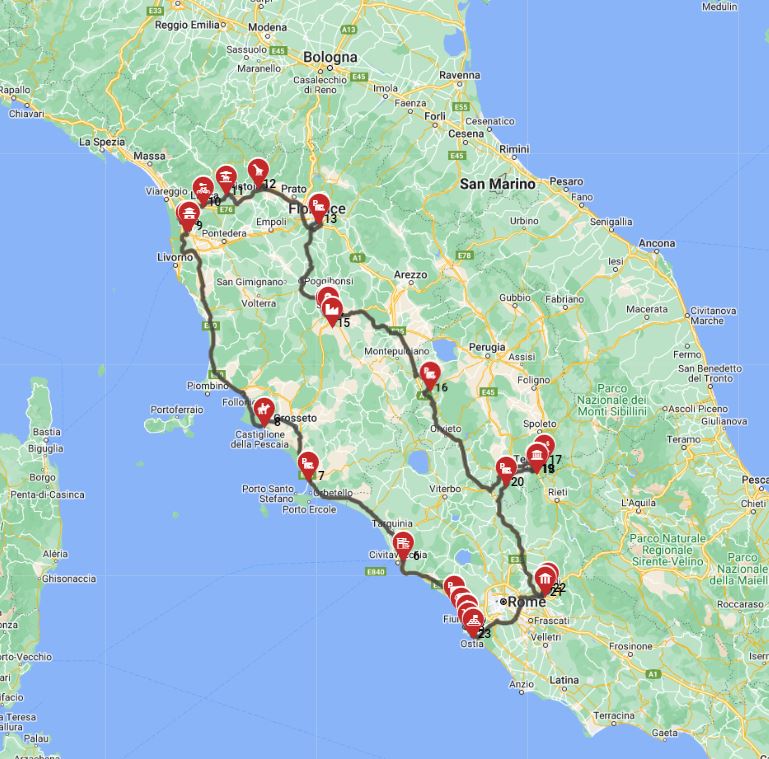
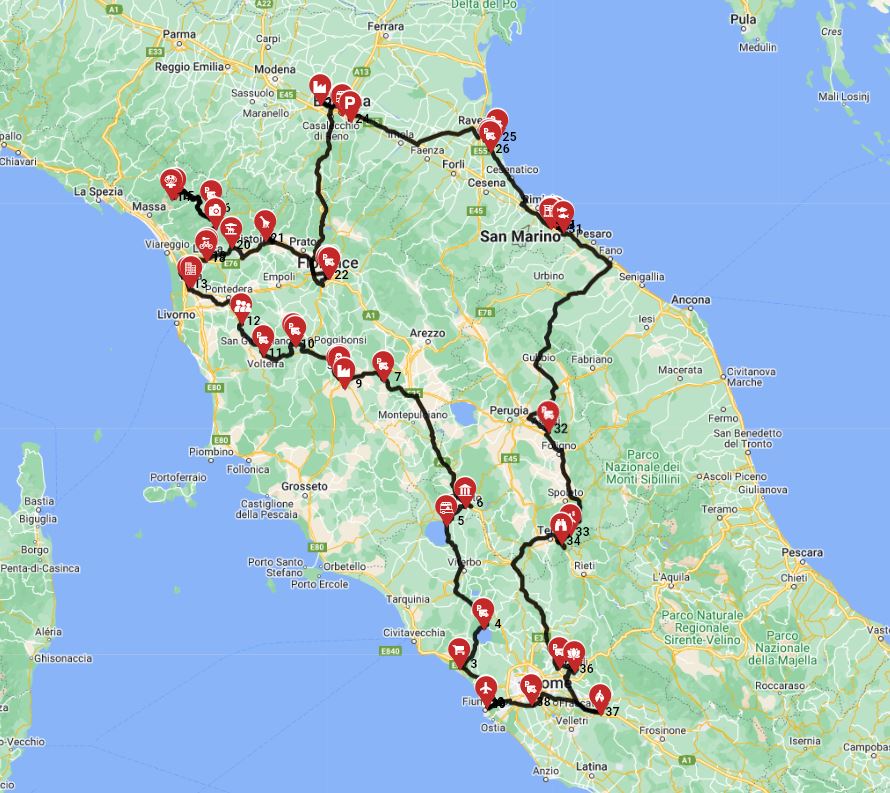
For a more in-depth experience, consider an extended 14-day journey that mirrors the 'Rome Roundtrip - North East - Toscana, Emilia Romagna, Umbria' plan. This itinerary allows for a comprehensive exploration of central Italy, with manageable daily distances and a focus on cultural immersion and diverse landscapes. This trip, starting and ending in Rome, provides a seamless travel experience for picking up and dropping off your RV.
- Days 1-3: Lazio & Umbria's Hilltop Wonders: Begin in Rome, then journey to Orvieto to explore its rich Etruscan history and stunning landscapes. Continue to the area around Marmore Falls for breathtaking natural beauty.
- Days 4-7: Tuscan Countryside & Artistic Cities: Venture into the rolling hills of Tuscany, visiting picturesque towns and potentially enjoying wine country experiences. A focus on art cities like Florence is recommended, with advice to park outside the city and use public transport for easier access.
- Days 8-11: Emilia Romagna's Culinary Delights & Fun: Head north to Emilia Romagna, a region renowned for its gastronomic traditions. Explore family-friendly attractions such as amusement parks or water parks like Aquafan for a different kind of adventure.
- Days 12-14: Return Through Central Italy's Gems: Begin the scenic return journey south, discovering hidden natural features or historical sites like Tivoli's Villa d'Este. This gradual conclusion ensures a relaxed end to your trip, bringing you back to Rome for your RV drop-off.
Recommended RVPlan Trip for Rome
For a perfectly curated and immersive Italian RV adventure, Avi Bandana personally recommends the 'Rome Roundtrip - North East - Toscana, Emilia Romagna, Umbria' RVPlan trip. This meticulously planned itinerary spans 15 days and covers approximately 1512 kilometers (939 miles), designed to reveal the diverse beauty of Italy at a comfortable and enjoyable pace. The trip conveniently starts and ends in Rome, offering a seamless experience for picking up and dropping off your rental RV.
Must-See Stops Along the Way (Avi Bandana Picks)
Avi Bandana's personal recommendations for authentic Italian experiences focus on local culture and hidden gems that are best discovered with the freedom an RV provides. These selections aim to enrich your journey beyond the typical tourist trail.
- Mercato di Mezzo (Traditional Market), Bologna: Dive into Bologna's vibrant food scene at this historic market, a true hub for local delicacies, restaurants, and food shops. It’s a perfect example of experiencing Italy’s rich 'Local Industry' firsthand.
- Etruscan and Medieval Orvieto (Traditional Visit): Explore the profound history of Orvieto, a breathtaking hilltop city in Umbria. This traditional visit offers a deep dive into ancient Etruscan roots and impeccably preserved medieval architecture.
- Local Industry Experiences: Throughout your route, actively seek out opportunities to visit local agriturismi for authentic olive oil or wine tastings. Discover artisan workshops or small-scale food producers to immerse yourself in Italy’s genuine regional industries.
- Parco Preistorico di Peccioli: For a unique and educational experience, particularly if traveling with family, this prehistoric park offers a fascinating journey back in time, providing a distinct alternative to mainstream historical sites.
Daily Driving Distances & Drive Times in Rome
Avi Bandana recommends a relaxed pace for RV travel in Italy, suggesting a maximum of 100 miles or 150 km per day on average. This allows for leisurely exploration and spontaneous stops, enhancing your overall travel experience. Italian roads, especially those leading to charming villages or winding through mountainous terrain, can be narrower and more challenging than expected, making a slower approach advisable for RVs.
For instance, an estimated drive-time from Rome to Orvieto is approximately 120 km (75 miles), taking 1.5 to 2 hours. Similarly, the drive from Tivoli to Assisi is about 150 km (93 miles), usually taking around 2 hours. It's crucial to be aware of ZTLs (Zona a Traffico Limitato) in Italian cities, including Rome. These are restricted driving zones with specific hours of access, and violations are strictly enforced by cameras, leading to significant fines. When planning your routes, utilize an RV-specific GPS or navigation app to effectively navigate around these restricted zones and to locate RV-friendly fuel stations and waste disposal points.
Best RV Class for This Itinerary — Couple & Family Picks
Selecting the right RV class is essential for a comfortable and practical Italian road trip, balancing living space with maneuverability on narrow roads and in historic towns. Bandana offers a range of options to suit different travel needs.
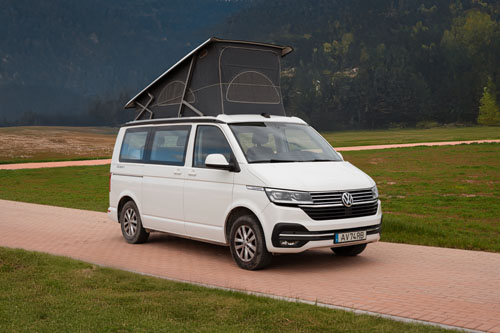
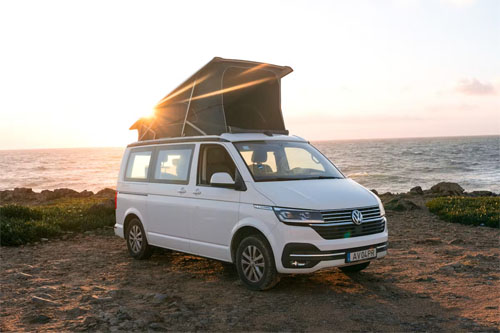
For Couples: Class B - Camper Van is highly recommended. These vehicles are praised for their agility and compact size, making them ideal for navigating smaller Italian towns and finding parking. Bandana's fleet of Class B Camper Vans in Rome typically averages 5.5 meters (18 feet) in length, can sleep around 2.9 adults, and has an average load capacity of 103.8 kg. They are also notably fuel-efficient, with common consumption ranging from 6.3 to 11 Liters per 100 km, contributing to a cheaper RV rental experience. For example, the "rv rentals example Category Van" offers a comfortable and efficient travel solution for two.
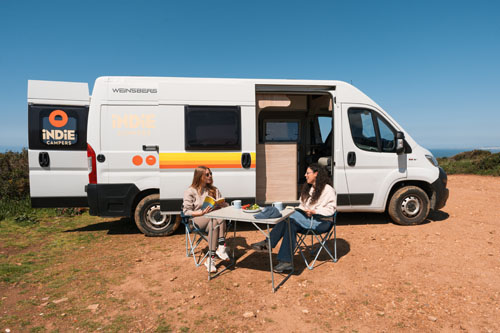
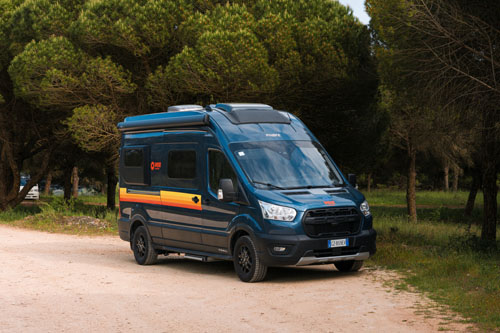
For Families: Class C - Alcove motorhomes provide ample space and dedicated sleeping areas, ensuring comfort for larger groups on extended journeys. Rome's Class C Alcove models in Bandana's fleet average 7.1 meters (23.3 feet) in length, can comfortably sleep about 4.4 adults (with an average of 5.9 sleeping places), and boast an impressive average load capacity of 178.6 kg. While larger, their increased living space and storage capacity make them perfect for families. For instance, the "4 Berth Deluxe" model offers excellent amenities for a family of four. To streamline your trip planning, consider Bandana's 'Rent & Plan' service, which combines your RV rental with a professionally designed itinerary, eliminating pre-trip logistics stress.
What is the 3-3-3 rule for RV travel?
The 3-3-3 rule for RV travel is a common guideline suggesting limiting daily driving to no more than 300 miles, arriving at your destination by 3 PM, and staying for a minimum of 3 nights. However, this rule often needs adaptation for RV travel in Italy. The 300-mile (approximately 480 km) driving limit can be too ambitious due to narrower roads, slower speeds, and city ZTLs (Zona a Traffico Limitato). For a more enjoyable Italian RV adventure, Avi Bandana suggests aiming for closer to 150 km (93 miles) per day to fully appreciate the scenery and avoid travel fatigue. Arriving by 3 PM remains a valuable tip for securing prime spots at campsites or 'sosta' areas and allowing ample time for setup and initial exploration. Committing to 3-night stays fosters a deeper connection with each location, minimizing the frequent packing and unpacking associated with RV travel.
What is the 4 4 4 rule for RVing?
The 4-4-4 rule for RVing is a variation of travel advice, proposing to drive no more than 400 miles daily, arrive at your campsite by 4 PM, and stay for at least 4 nights. While these are helpful benchmarks, the 400-mile (approximately 640 km) driving recommendation is generally excessive for RV travel in Italy, where the emphasis is often on scenic routes and cultural immersion rather than covering vast distances. Adapting this for Italy, Avi Bandana advises aiming for an average of 100-150 km per day. This allows sufficient time to navigate potentially challenging roads and genuinely experience local attractions. The advice to arrive by 4 PM is particularly pertinent in Italy, as popular campsites and 'sosta' areas can fill quickly, especially during peak season; an earlier arrival ensures better spot selection and a more relaxed setup.
What is the cheapest month to visit Rome?
The most economical months to visit Rome for RV travel are typically during the shoulder and off-peak seasons: late autumn (November) and the heart of winter (January and February), excluding major holidays like Christmas and Easter. During these periods, you'll find significantly lower prices for RV rentals, campsite fees, and often better deals on flights and attractions due to reduced tourist demand. While the weather can be cooler and potentially rainier, Rome's historical charm endures, and fewer crowds at major sites offer a more intimate experience. This off-season travel allows for cheaper RV rental options in Rome as supply generally exceeds demand, making it easier to secure budget-friendly overnight parking. On the routes offered through RV PLANET routes, you can itemize and track every expense along the way for easy budgeting.
What is the 2 2 2 rule for RVing?
The 2-2-2 rule for RVing suggests driving no more than 200 miles daily, arriving at your destination by 2 PM, and staying for at least 2 nights. This guideline is more adaptable to the Italian RV travel experience, as 200 miles (approximately 320 km) per day still represents a substantial distance but allows for greater flexibility than the 3-3-3 or 4-4-4 rules, especially when aiming to visit multiple towns. For optimal enjoyment and to truly embrace the Italian pace of life, Avi Bandana suggests aiming for approximately 150 km (93 miles) per day. Arriving by 2 PM is excellent advice for RVers in Italy, ensuring ample time to set up at a campground or 'sosta' area and explore the immediate surroundings before dusk. Staying for at least 2 nights at each location minimizes travel stress and allows for a more immersive experience of each destination.
What is the cheapest way to travel in an RV?
The most budget-friendly way to travel in an RV involves strategic planning across several key areas: rental choices, fuel efficiency, dining, and overnight parking. Focusing on these aspects beyond just the initial rental cost can significantly reduce your overall trip expenses.
Rental & Fuel: Opt for smaller, more fuel-efficient RV models like a Class B Camper Van. Bandana's fleet in Rome offers Class B vans that typically average 6.3-11 Liters/100 km in fuel consumption. Booking your rental well in advance can also secure better rates.
Food Costs: Maximize your RV's kitchen facilities by cooking most of your meals. Shopping for fresh produce at local markets, such as Bologna's Mercato di Mezzo, can provide delicious and affordable ingredients. Limit dining out to occasional experiences to control costs. For ideas you can prep on the road, watch our RV-friendly recipes playlist on YouTube.
Overnight Parking: Utilize Italy's designated 'sosta' areas (free or low-cost rest stops for RVs) wherever permitted, rather than always opting for full-service campgrounds. While campgrounds offer amenities and often convenient public transport links to cities, 'sosta' areas can be a significant money-saver.
Hidden Costs: Be sure to budget for all potential expenses beyond the rental itself, including fuel (which is relatively high in Italy), highway tolls (significant on Italian autostradas), urban parking fees (which can be tricky for RVs), potential ZTL fines if city driving restrictions are ignored, and any insurance add-ons.
Public Transport: When visiting major cities like Rome, it's highly recommended to park your RV at a campground or 'sosta' area on the outskirts of the city. These locations often provide convenient public transport connections into the center, helping you avoid ZTLs, narrow streets, and expensive city parking fees.
Is $5000 enough for a trip to Italy?
A budget of $5000 can certainly facilitate a memorable trip to Italy, especially when utilizing an RV to manage accommodation and dining expenses. However, the duration and your travel style will significantly influence how far this budget stretches.
For a 7 to 14-day RV trip, $5000 can reasonably cover rental fees, fuel, tolls, basic groceries, and some sightseeing activities if managed wisely. RV rental costs can vary from $100 to $250 per day, depending on the season and RV class. Therefore, a 14-day trip might allocate $1400 to $3500 solely for the rental. Beyond the rental, remember to budget for fuel (Italy's prices are on the higher side), highway tolls (for routes like the A1 autostrada), potential campsite fees ($20-$50 per night), and any specific urban parking charges. To stay within budget, prioritize cooking in your RV, seeking out free or low-cost activities, and leveraging 'sosta' areas for overnight stays when suitable, always being mindful of potential ZTL fines if driving an RV into restricted city zones.
What is the cheapest month to go to Rome?
Similar to finding the cheapest month to visit Rome, the most economical time for an RV trip is typically during the off-season. This includes January, February (excluding Carnival or Easter periods), and November. During these months, you'll generally find the lowest prices for flights, RV rentals, and often better deals on campgrounds or 'sosta' options due to reduced tourist demand. While the weather is cooler and rain is more likely, many indoor attractions remain less crowded, enhancing the visitor experience. This period allows for a cheaper RV rental in Rome as supply often exceeds demand, enabling you to enjoy Rome's historical sites without the intense summer heat or peak-season throngs.
What not to do in Italy as an American?
When traveling in Italy, especially as an American, being mindful of cultural norms is crucial for a respectful and smooth experience, including when navigating with a rented RV. Understanding these local customs will enhance your interactions and overall journey.
- Loud Behavior: Avoid speaking loudly in public places; Italians generally maintain a more subdued volume in shared spaces.
- Dining Etiquette: Don't expect complimentary tap water at restaurants; bottled water is customary. Also, avoid rushing meals, as Italians view dining as a leisurely social event.
- Dress Codes: Be aware of dress codes, particularly when visiting churches and religious sites. Shoulders and knees should be covered for entry.
- Driving in ZTLs: Critically, do not drive your RV into 'Zona a Traffico Limitato' (ZTL) areas in cities like Rome without proper permits. These restricted driving zones are heavily monitored by cameras, and fines are steep.
- Road Aggression: Italian drivers can be assertive. Maintain situational awareness, keep to the right, and be prepared for quick maneuvers, especially in urban areas and on narrow roads.
- Language Barrier: While many Italians speak English, making an effort to learn a few basic Italian phrases can greatly enhance interactions and help bridge any potential misunderstandings.
What are some hidden gems in Italy?
Italy is rich with 'hidden gems' beyond its famous tourist sites, and an RV provides the ideal means to discover these authentic local experiences and lesser-known regions. The flexibility of an RV allows you to venture off the beaten path and uncover truly unique spots.
- Umbria's Hilltop Towns: Explore charming towns like Spello or Assisi (beyond its main basilicas) for their medieval alleys, local crafts, and tranquil atmosphere, offering a genuine taste of traditional Italian life.
- Local Industry Tours: Leverage your RV to visit small vineyards in Tuscany, olive oil mills in Umbria, or artisanal workshops in Emilia Romagna. These experiences immerse you in Italy's rich 'Local Industry' heritage.
- Coastal Puglia: Venture south to Puglia for stunning, uncrowded beaches, unique 'trulli' houses (like in Alberobello, though popular, it has many quieter surrounding villages), and a distinct culinary tradition.
- Traditional Markets: Seek out 'Traditional Markets' in smaller towns or specific food markets like Bologna's Mercato di Mezzo. These offer fresh, local produce and regional specialties, providing an authentic slice of Italian life.
- Etruscan Necropolises: Beyond the well-known sites like Tarquinia, explore other ancient Etruscan areas or smaller archaeological parks that offer a glimpse into Italy's pre-Roman history without the overwhelming crowds.
Can you sleep anywhere in a campervan in Italy?
In Italy, while campervans are generally welcomed, you cannot legally or practically sleep *anywhere*. Specific rules and designated areas govern overnight stays for RVs to ensure responsible tourism and respect for local communities.
- Designated 'Sosta' Areas: Italy features a comprehensive network of 'aree di sosta' or 'sosta camper.' These are designated parking areas specifically for RVs, often available for free or at a low cost, providing basic services like water and waste disposal.
- No Wild Camping: Wild camping—parking and setting up camp outside designated areas, particularly on private land or within national parks—is generally prohibited and can result in fines.
- Parking vs. Camping: You are generally permitted to park your RV in any legal parking spot. However, 'camping behavior' (such as extending awnings, setting out chairs, or using leveling blocks) is typically restricted to official campsites.
- Around Rome: For city exploration, it is highly recommended to use well-equipped RV parks or campgrounds located on the outskirts of Rome. These locations often offer secure parking and convenient public transport links into the city center, such as Camping Fabulous Roma.
- Legal Implications: Always check local signage and regulations, as parking rules can vary by municipality. Be prepared for potential language barriers when trying to understand specific parking restrictions.
What You Shouldn't Miss
- Spend a day exploring the Colosseum and Roman Forum, easily accessible by public transport from campsites near Rome.
- Wander through the charming Trastevere neighborhood, known for its picturesque cobblestone streets and authentic Roman trattorias.
- Visit the Vatican City, including St. Peter's Basilica and the Vatican Museums, perhaps by parking your RV and taking a bus or taxi.
- Enjoy the panoramic views of Rome from the Gianicolo Hill, offering a spectacular vista of the cityscape.
- Indulge in authentic Roman cuisine, from Cacio e Pepe to Carbonara, at a traditional restaurant in the city center.
- Take a day trip to the nearby ruins of Ostia Antica, Rome's ancient port, using your RV to reach the site and then exploring it on foot.
Final Thoughts
Renting an RV in Rome opens up a world of possibilities for exploring Italy's diverse landscapes and rich history at your own pace. By planning thoughtfully and choosing the right itinerary, you can ensure a budget-friendly and unforgettable adventure.
Remember to embrace the slow travel philosophy: drive mindfully, savor local experiences, and let the journey itself be as rewarding as the destinations. With Bandana Caravan, you have the support and transparency needed to make your Italian RV dream a reality.
Ready to start planning your Roman holiday on wheels? Compare motorhome rentals in Rome today and discover your perfect itinerary!
Find Motorhome Rentals in Rome