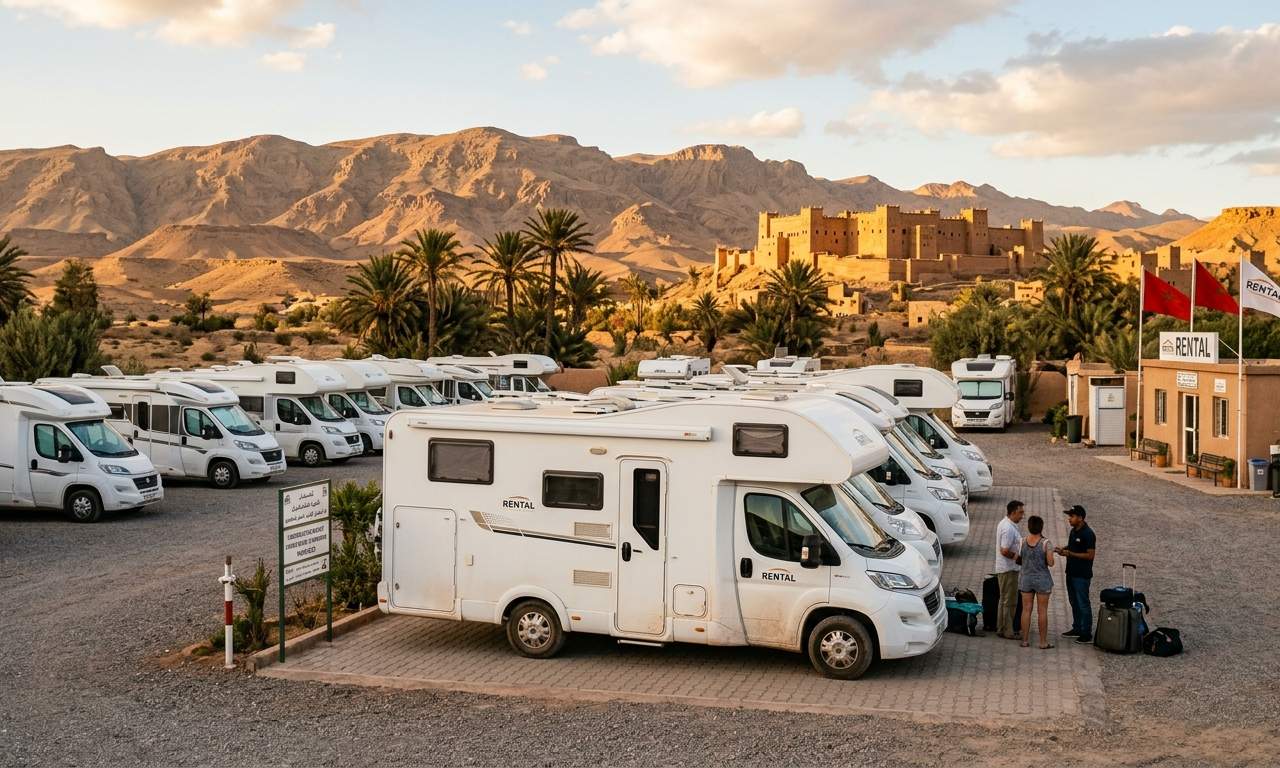
For live availability and current prices, start with our RV Rental Morocco - Complete Guide 2026 guide.
In This Guide
- Best Morocco RV Itinerary for cheap rv rental — Overview
- 7-Day Classic Route in Morocco
- 14-Day Extended Journey in Morocco
- Recommended RVPlan Trip for Morocco
- Must-See Stops Along the Way (Avi Bandana Picks)
- Daily Driving Distances & Drive Times in Morocco
- Best RV Class for This Itinerary — Couple & Family Picks
- How much does it cost to rent an RV in Morocco
- Is Morocco safe for RV travel
- Are there RV parks in Morocco
- Is driving an RV in Morocco difficult
- What are the cultural etiquette tips for RV travelers in Morocco
- How to get internet and utilities for an RV in Morocco
- What to do in case of an RV breakdown in Morocco
Best Morocco RV Itinerary for cheap rv rental — Overview
Embark on an unforgettable and budget-friendly RV adventure through Morocco, designed for immersive cultural experiences. Avi Bandana recommends itineraries that balance iconic sights with hidden gems, all while prioritizing a relaxed pace. The recommended itineraries cover approximately 1,500 - 2,000 km (930 - 1,240 miles) for a comprehensive journey through the country's diverse terrains and vibrant cities.
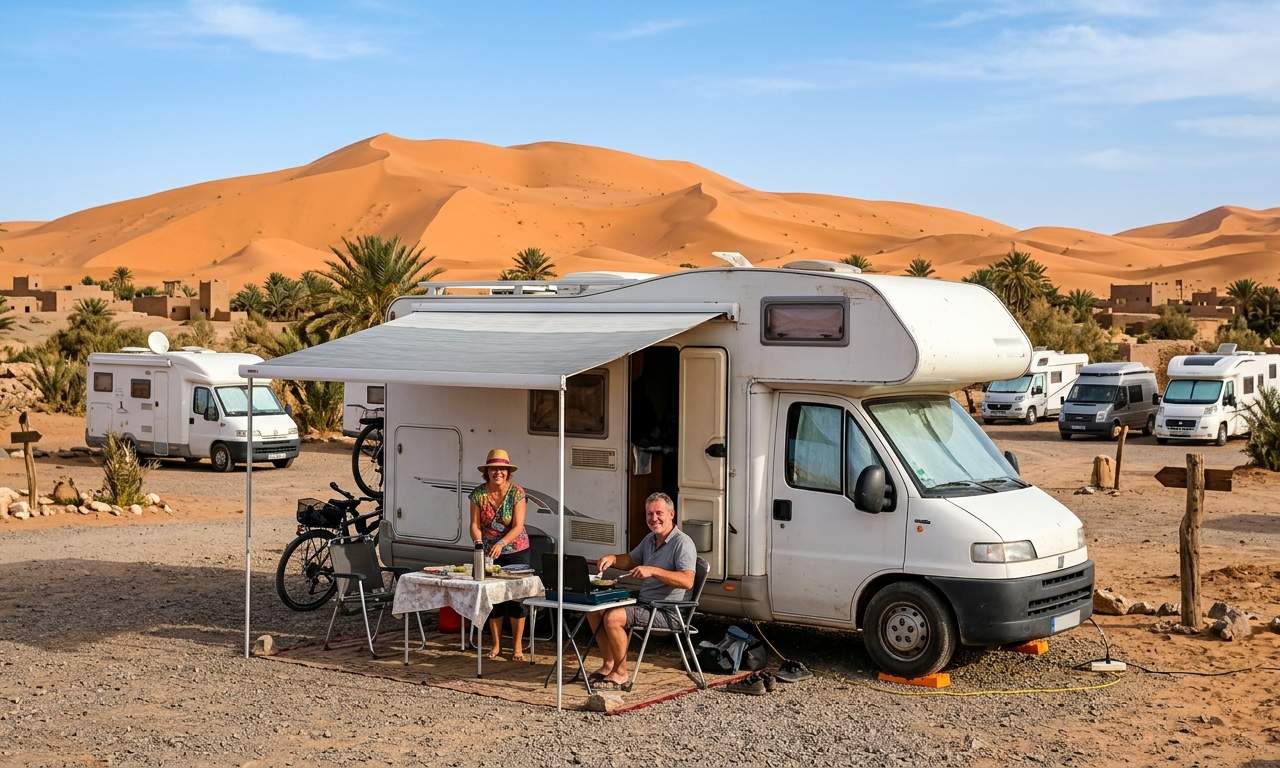
A minimum of 7 days is suggested for a quick exploration, but 14 days is highly recommended for a deeper dive into the country's rich history, bustling medinas, and dramatic landscapes, from the Atlas Mountains to the edge of the Sahara. The best seasons for RV travel in Morocco are Spring (March to May) and Autumn (September to November) to avoid extreme temperatures and enjoy the most pleasant weather for exploring.
7-Day Classic Route in Morocco
Avi Bandana's 7-day classic route focuses on Central Morocco, offering a captivating taste of the Atlas Mountains, serene oases, and historically significant sites. This itinerary is carefully crafted to keep daily drives under 150 km (93 miles), ensuring a relaxed pace that allows for genuine immersion in the local culture and scenery.
Day 1: Marrakech. Arrive, pick up your rented RV, and immediately immerse yourself in the vibrant energy of Djemaa el-Fna square. *Sleep: Marrakech area campground.*
Day 2: Marrakech to Ourika Valley (~60 km / 37 miles). Journey into the foothills of the Atlas Mountains, exploring traditional Berber villages and fragrant saffron farms. *Sleep: Ourika Valley campsite.*
Day 3: Ourika Valley to Setti Fatma & towards Taddert (~90 km / 56 miles). Hike to stunning waterfalls and soak in the breathtaking mountain vistas. *Sleep: Taddert mountain camp.*
Day 4: Taddert to Aït Benhaddou via Tizi n'Tichka Pass (~120 km / 75 miles). Traverse the dramatic Tizi n'Tichka Pass to reach the iconic Ksar of Aït Benhaddou, a UNESCO World Heritage site. *Sleep: Aït Benhaddou area campground.*
Day 5: Aït Benhaddou to Ouarzazate & Skoura Oasis (~70 km / 43 miles). Discover the fascinating world of Moroccan cinema at Ouarzazate's film studios and explore the lush palm groves of the Skoura Oasis. *Sleep: Skoura Oasis campground.*
Day 6: Skoura Oasis to Telouet Kasbah & back towards Marrakech outskirts (~150 km / 93 miles). Explore the grandeur of the historic Kasbah Telouet before making your way back towards the outskirts of Marrakech. *Sleep: Marrakech outskirts campground.*
Day 7: Marrakech. Return your rented RV, perhaps enjoying some last-minute souvenir shopping or revisiting favorite sights in the city before your departure.
14-Day Extended Journey in Morocco
For a truly comprehensive experience of Morocco, Avi Bandana recommends extending your journey to 14 days. This allows for a deeper exploration of the country's diverse landscapes, from the imperial cities to the vast Sahara Desert, all while adhering to the recommended daily driving distances of no more than 150 km (93 miles) to ensure a leisurely and enriching trip.
Days 1-2: Marrakech. Arrive, pick up your rented RV, and fully immerse yourself in the vibrant atmosphere, bustling souks, and captivating sights of Marrakech. *Sleep: Marrakech area campground.*
Day 3: Marrakech to Ourika Valley (~60 km / 37 miles). Explore the picturesque foothills of the Atlas Mountains and delve into the rich Berber culture. *Sleep: Ourika Valley campsite.*
Day 4: Ourika Valley to Setti Fatma & towards Taddert (~90 km / 56 miles). Discover hidden waterfalls and enjoy the scenic beauty of the mountain roads. *Sleep: Taddert mountain camp.*
Day 5: Taddert to Aït Benhaddou (~120 km / 75 miles). Marvel at the architectural splendor of the UNESCO World Heritage Ksar, a truly iconic Moroccan landmark. *Sleep: Aït Benhaddou area campground.*
Day 6: Aït Benhaddou to Ouarzazate & Skoura Oasis (~70 km / 43 miles). Visit cinematic landscapes and ancient kasbahs, experiencing the rich history and culture of the region. *Sleep: Skoura Oasis campground.*
Day 7: Skoura Oasis to Boumalne Dades (~90 km / 56 miles). Begin your scenic drive through the famed Valley of Roses, leading you to the dramatic Dades Gorge. *Sleep: Boumalne Dades campground.*
Day 8: Boumalne Dades to Todra Gorge (~70 km / 43 miles). Explore the stunning canyon walls and verdant oasis of Todra Gorge. *Sleep: Todra Gorge area campsite.*
Day 9: Todra Gorge to Merzouga (Erg Chebbi dunes) (~150 km / 93 miles). Journey to the edge of the majestic Sahara Desert, experiencing the awe-inspiring Erg Chebbi dunes. *Sleep: Merzouga campsite.*
Day 10: Merzouga. Dedicate a full day to desert activities: perhaps a camel trek across the dunes, an exhilarating quad bike ride, or a visit to local Gnawa villages. *Sleep: Merzouga campsite.*
Day 11: Merzouga to Rissani & Erfoud (~70 km / 43 miles). Explore Rissani's vibrant traditional market and discover the fascinating fossil industry in Erfoud. *Sleep: Erfoud area campsite.*
Day 12: Erfoud to Midelt (~150 km / 93 miles). Travel through the picturesque Ziz Valley, renowned for its extensive palm groves and abundant apple orchards. *Sleep: Midelt campground.*
Day 13: Midelt to Kasba Tadla (~100 km / 62 miles). Enjoy the scenic beauty of the Middle Atlas mountains. *Sleep: Kasba Tadla campsite.*
Day 14: Kasba Tadla to Marrakech. Return to Marrakech (~150 km / 93 miles) for your RV drop-off and departure, reflecting on your incredible Moroccan adventure.
Recommended RVPlan Trip for Morocco
While specific RVPlan trip data for Morocco wasn'provided in this request, Avi Bandana's Rent & Plan service offers expertly crafted itineraries tailored precisely to your preferences, budget, and travel style. Our professionals consider your interests, desired pace, and any specific regions you wish to explore to create a truly bespoke Moroccan RV adventure.
Users can explore a wide variety of pre-planned routes and customize them with our intuitive trip-planning software. This seamless process ensures a stress-free and optimized Moroccan RV adventure, allowing you to focus on the journey, not the logistics. You can even get a 25% planning discount for using rvplan.net.
Must-See Stops Along the Way (Avi Bandana Picks)
Avi Bandana's essential picks for an authentic Moroccan RV experience often go beyond the typical tourist spots, focusing on genuine cultural immersion and unique local interactions. These recommendations aim to enrich your journey, offering a deeper connection to the heart of Morocco.
- Seek out bustling local markets (`traditional_market`) in smaller towns like Rissani or Azrou, where you can authentically bargain for spices, textiles, and local crafts, experiencing the vibrant pulse of Moroccan commerce.
- Look for opportunities to visit a local industry (`local_industry`), such as a traditional argan oil cooperative in the Souss-Massa region or a pottery workshop in Safi or Fes, to witness traditional craftsmanship firsthand.
- Don't miss savoring a `traditional_restaurant` meal or street food from a local stall for authentic Moroccan tagine, couscous, or harira soup, especially in less-touristed areas for potentially better prices and more traditional flavors.
- Embrace a `traditional_visit` to a hammam for a truly relaxing and culturally significant experience, or plan your itinerary to coincide with a local festival if your travel dates align for an unforgettable cultural immersion.
Daily Driving Distances & Drive Times in Morocco
Avi Bandana consistently recommends a maximum of 100 miles or 150 km per day on average for RV travel in Morocco. This philosophy of slow travel encourages you to truly absorb the diverse landscapes and rich cultures you encounter, rather than rushing between destinations.
This recommended daily distance allows ample time for spontaneous detours, navigating varied road conditions, and thoroughly enjoying attractions without feeling rushed. For example, a drive from Marrakech to Ourika Valley (~60 km) typically takes about 1.5-2 hours, while the route from Aït Benhaddou to Ouarzazate (~30 km) is a quick 30-45 minute drive. The journey from Todra Gorge to Merzouga (~150 km) can take 3-4 hours, given the mountainous and desert terrain.
Best RV Class for This Itinerary — Couple & Family Picks
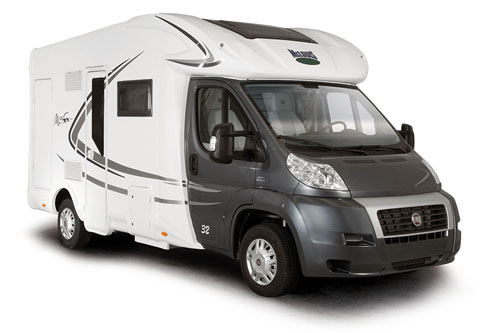
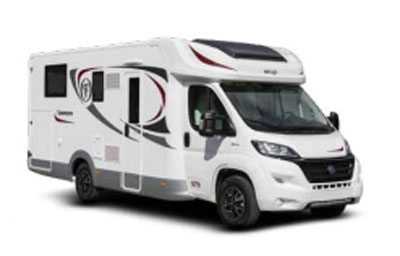
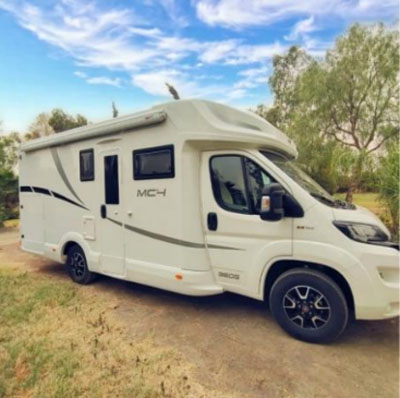
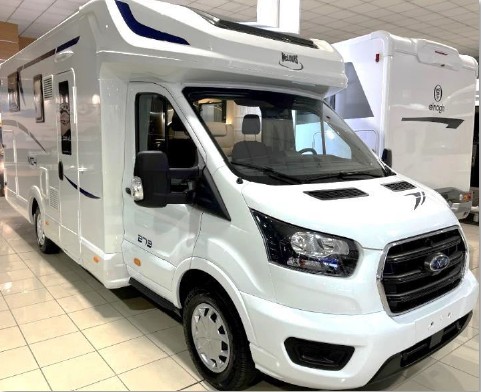
For couples seeking a "cheap RV rental in Morocco" experience, Avi Bandana recommends the compact and efficient **Class B - Camper Van**. These vehicles are ideal for their maneuverability, fuel efficiency, and smaller footprint, making them perfect for navigating Morocco's varied roads and finding convenient parking spots.
Bandana's fleet typically offers Class B Camper Vans with an average length of 5.8 meters, comfortably accommodating 3.2 individuals and suitable for 2.7 adults. Their common fuel consumption is around 8-10 Liters/100 km, making them an economical choice for exploring Morocco.
For families, the **Class C - Alcove** motorhome is an excellent choice, providing ample space and dedicated sleeping areas that ensure comfort and convenience on longer journeys. Bandana's global fleet averages Class C Alcove models at 7.5 meters in length, offering 5.8 sleeping places and accommodating approximately 4.4 adults. Their fuel consumption is typically 10-12 Liters/100 km, ensuring everyone has enough room and comfort.
Consider Bandana Caravan's 'Rent & Plan' service, which goes beyond just RV rental by combining your chosen vehicle with a meticulously crafted itinerary, saving you significant planning time and ensuring a well-organized adventure.
How much does it cost to rent an RV in Morocco
The cost to rent an RV in Morocco typically ranges from €70 to €150 per day for a basic campervan or semi-integrated model. These prices can fluctuate based on the vehicle class, the rental season, and the duration of your rental.
Detailed budget breakdown: When budgeting for your Moroccan RV adventure, remember to account for more than just the rental fee. Ferry costs from Spanish ports (e.g., Algeciras to Tangier Med) can range from €200-€500 for a round trip for an RV and passengers. Fuel prices in Morocco are generally lower than in Europe, but still represent a significant expense; expect to budget around €1.00 - €1.20 per liter for diesel (always check current local rates). Camping fees vary widely; while wild camping is often free and offers a unique experience, paid campgrounds (`aires de camping-car`) typically cost €5-€15 per night, with more luxurious sites or immersive oasis stays potentially ranging from €20-€30 per night. Food costs are quite reasonable if you shop at local markets and cook in your RV, with a daily budget of €15-€30 for two people being realistic, though dining out can add considerably to expenses. Finally, it's wise to allocate 10-15% of your total budget for unforeseen expenses such as minor repairs, tolls, or unexpected parking fees. For ideas you can prep on the road, watch our RV-friendly recipes playlist on YouTube. On the routes offered through RV PLANET routes, you can itemize and track every expense along the way for easy budgeting.
Is Morocco safe for RV travel
Morocco is generally considered a safe destination for RV travel, thanks to its warm and welcoming population, particularly towards tourists. However, as with any travel, exercising standard precautions and maintaining situational awareness is always advisable.
General Safety: Petty crime, such as pickpocketing, can occur in crowded tourist areas and bustling souks, so keeping your valuables secure and out of sight is a good practice. When seeking overnight parking, especially if considering wild camping, always seek local advice on the safest spots and prioritize designated campgrounds or `aires de camping-car` for added security.
Road Safety: While generally safe, Moroccan road conditions can vary significantly. Be prepared for well-maintained highways between major cities, but also for unpaved sections, gravel roads, and numerous potholes in rural or mountainous areas. It's best to avoid driving at night, particularly in rural areas, due to poor lighting and the potential for animal encounters on the road. Always give way to pedestrians and exercise caution when overtaking, especially around blind corners in the mountains.
Emergency Preparedness: To ensure you're prepared, save essential emergency numbers (Police: 19, Fire: 15, Ambulance: 15) and ensure your phone has a local SIM card for reliable connectivity. Your rental company's emergency roadside assistance number should be your first point of contact in case of a breakdown.
Are there RV parks in Morocco
Yes, Morocco is developing a growing network of RV parks and dedicated motorhome stops, often referred to as `aires de camping-car`, offering various amenities to cater to travelers.
Specifics on facilities: The quality and range of amenities at these sites can vary considerably. Some offer full hook-ups (water, electricity, waste disposal), hot showers, and Wi-Fi, while others provide more basic services. You'll find `aires de camping-car` commonly situated in many towns and popular tourist areas, often providing a secure place to park overnight with basic services for a nominal fee, typically ranging from €5-€10. More traditional campgrounds in larger cities and popular tourist destinations usually offer a broader spectrum of facilities, costing around €10-€20 per night. For a truly unique experience, consider seeking out immersive oasis stays where some rural guesthouses or kasbahs in areas like Skoura or Draa Valley offer parking for RVs, sometimes with access to their facilities, providing an authentic cultural stay.
While wild camping is technically tolerated in many rural areas, it requires extreme discretion, respect for local communities, and a commitment to leaving no trace. It's always safest to do so away from populated areas and, ideally, after making inquiries locally.
Is driving an RV in Morocco difficult
Driving an RV in Morocco presents unique challenges compared to European roads, requiring heightened awareness and adaptability. However, it is entirely manageable with proper preparation and a cautious approach.
Advanced driving tips: Road conditions in Morocco vary considerably. While major highways between cities are often well-maintained, be prepared for unpaved sections, gravel roads, and numerous potholes in rural or mountainous areas. Navigating bustling cities like Marrakech or Fes can be particularly challenging due to narrow streets, dense traffic, abundant scooters, donkey carts, and a different driving culture. For city exploration, consider parking your RV on the outskirts and using local taxis or your own feet.
Moroccan drivers can be assertive; expect frequent horn usage (often a signal rather than aggression), sudden stops, and less adherence to strict lane discipline. Be constantly vigilant for animals on roads, especially in rural areas, including donkeys, sheep, goats, and camels, particularly during dawn and dusk. Always yield to pedestrians, and exercise extreme caution when overtaking, especially on winding mountain roads.
What are the cultural etiquette tips for RV travelers in Morocco
Adhering to local cultural etiquette is crucial for a respectful and rewarding RV experience in Morocco, a predominantly Muslim country with deeply rooted traditions.
Dress Codes: Modesty is recommended for both men and women, especially when visiting religious sites or rural areas. Covering shoulders and knees is a sign of respect. Bargaining is an expected and integral part of commerce in Moroccan souks; approach it with a friendly demeanor and a sense of humor. When photographing people, particularly women and children, always ask for permission first, as some may expect a small tip.
Social Interactions: Greetings are important; a simple 'Salam Alaikum' (peace be upon you) is always appreciated. Be open to friendly curiosity and potential invitations for mint tea. Moroccans are renowned for their hospitality, so accepting an offer of tea or food, even just a small sip, is a gesture of respect.
Customs: Avoid public displays of affection, especially during the holy month of Ramadan. Be mindful of prayer times, particularly when near mosques. While alcohol is not strictly forbidden for tourists, public consumption is generally frowned upon and should be confined to private spaces or licensed establishments.
How to get internet and utilities for an RV in Morocco
Maintaining connectivity and managing utilities is essential for a smooth RV journey in Morocco, and readily available local solutions make this straightforward.
Local SIM Cards & Mobile Data: Upon arrival, purchase a local SIM card from providers like Maroc Telecom, Orange, or Inwi. These are generally inexpensive and offer good 4G/5G data coverage in most populated areas and along major routes, ensuring you stay connected. For reliable water sources, look for designated RV parks (`aires de camping-car`), some petrol stations, and occasionally guesthouses or public taps in larger villages; remember to filter or purify water from unknown sources. Waste disposal points are primarily located at dedicated RV parks and larger campgrounds; never resort to wild dumping, as it is environmentally harmful and illegal.
Electricity Hook-ups: While some RV parks offer electricity hook-ups, remote areas or wild camping spots will not have this facility. Ensure your RV's leisure battery and solar panels are in good working order, and consider carrying a portable power bank for your devices. Regarding propane/gas, European bottles may not be directly refillable or exchangeable. It's advisable to carry adapters if your RV system allows, or rely on diesel heating/cooking options where available.
What to do in case of an RV breakdown in Morocco
Being prepared for an RV breakdown in Morocco is crucial, as assistance may not always be as immediate or readily available as in some European countries. This emphasizes the need for access to emergency resources and ensuring you have adequate insurance coverage.
Emergency Numbers: Keep essential numbers saved: Police (19), Fire (15), Ambulance (15). Crucially, your rental company's emergency roadside assistance number should be your first point of contact. If your RV breaks down, safely pull over, activate hazard lights, and place a warning triangle (often legally required). Immediately call your rental provider; they will guide you on the next steps, which usually involve arranging local assistance.
Accessing Medical Help: For medical emergencies, head to the nearest major town for a hospital or clinic. For minor ailments, pharmacies are well-stocked, and their staff often speak French and can provide helpful advice.
Insurance Considerations: Ensure your RV rental insurance covers roadside assistance and breakdowns within Morocco. It's also wise to consider travel insurance that includes medical evacuation and repatriation, as local medical facilities in remote areas may have limited capabilities. For minor issues, local mechanics are often resourceful and can perform repairs quickly and affordably, especially for common vehicle types; always agree on a price before authorizing any work.
What You Shouldn't Miss
- Explore the vibrant souks and the bustling Djemaa el-Fna square in Marrakech, a UNESCO World Heritage site teeming with storytellers, musicians, and food stalls.
- Drive the scenic route through the High Atlas Mountains, traversing the Tizi n'Tichka Pass and stopping at the Ksar of Aït Benhaddou, a stunning fortified village used in many films.
- Experience the dramatic landscapes of the Dades Gorge and Todra Gorge, with their towering canyon walls and lush palm groves, perfect for hiking and photography.
- Journey to Merzouga and the Erg Chebbi dunes for an unforgettable Sahara Desert experience, perhaps including a camel trek at sunset.
- Visit a traditional Berber village in the Atlas Mountains to learn about local crafts and hospitality, a truly authentic cultural encounter.
- Enjoy the therapeutic benefits of a traditional Moroccan hammam for a deeply relaxing and culturally immersive experience.
Final Thoughts
Morocco offers an unparalleled RV adventure, blending ancient traditions with breathtaking natural beauty. From the bustling souks of Marrakech to the serene vastness of the Sahara, a rented RV provides the freedom and flexibility to explore this captivating country at your own pace.
With careful planning, a spirit of adventure, and the support of Bandana Caravan, your Moroccan RV journey promises to be an enriching and unforgettable experience. Embrace the slow travel philosophy, savor the moments, and let the magic of Morocco unfold before you.
Ready to start planning your Moroccan RV adventure? Compare options and find the perfect vehicle for your journey today!