For live availability and current prices, start with our RV Rental Europe - Complete Guide 2026 guide.
In This Guide
- Best Europe RV Itinerary for cheap rv rental — Overview
- 7-Day Classic Route in Europe
- 14-Day Extended Journey in Europe
- Recommended RVPlan Trip for Europe
- Must-See Stops Along the Way (Avi Bandana Picks)
- Daily Driving Distances & Drive Times in Europe
- Best RV Class for This Itinerary — Couple & Family Picks
- What is the 3-3-3 rule for RV travel?
- What is the 333 rule for campervan?
- Is Europe RV friendly?
- What is the 444 rule for RV?
- What is the cheapest way to country hop in Europe?
- How easy is it to travel around Europe in a motorhome?
- Is $5000 enough for 2 weeks in Europe?
- Where is the cheapest place in Europe to buy a camper van?
- What is the least expensive way to see Europe?
Best Europe RV Itinerary for cheap rv rental — Overview
A budget-friendly RV trip in Europe typically spans 7-14 days, covering approximately 700-1400 km (450-900 miles) to allow for slow travel and enjoyment. The ideal duration for a cost-effective RV adventure is often 7-10 days, balancing exploration with rental costs and allowing for focused regional travel. While popular in summer, the shoulder seasons (spring and autumn) offer the best value for cheap RV rentals in Europe, with fewer crowds and milder weather. This guide outlines accessible routes for budget travel, focusing on Central European regions for the main itineraries while acknowledging more specialized, longer trips like those to the Nordic Arctic.
7-Day Classic Route in Europe
A classic 7-day budget-friendly RV route in Europe could focus on a single region like Bavaria, Germany, offering picturesque landscapes, cultural towns, and well-maintained campsites. Here’s a suggested itinerary:
- Day 1: Munich → Füssen (approx. 120 km / 75 miles): Pick up your rented RV in Munich, explore the city center, then drive towards Füssen to visit the iconic Neuschwanstein Castle. Consider staying at Camping Hopfensee.
- Day 2: Füssen → Garmisch-Partenkirchen (approx. 60 km / 37 miles): After exploring Füssen, head to Garmisch. Highlights include stunning Alpine scenery. Campingplatz Zugspitze is a good option here.
- Day 3: Garmisch-Partenkirchen → Innsbruck, Austria (approx. 65 km / 40 miles): Cross into Austria and explore Innsbruck's Old Town and its famous Golden Roof. Camping Innsbruck is a convenient choice.
- Day 4: Innsbruck → Lake Achensee (approx. 40 km / 25 miles): Enjoy the stunning mountain lake for hiking or water activities. Camping Schwarzenau offers beautiful lakeside views.
- Day 5: Lake Achensee → Berchtesgaden, Germany (approx. 130 km / 80 miles): Head back into Germany to the Berchtesgaden National Park and Königssee lake. Camping-Resort Allweglehen is a popular spot.
- Day 6: Berchtesgaden → Salzburg, Austria (approx. 30 km / 18 miles): Explore the historic city of Salzburg, Mozart's birthplace, and the Hohensalzburg Fortress. Camping Nord-Sam is a practical choice.
- Day 7: Salzburg → Munich (approx. 140 km / 87 miles): Return your rented RV to Munich, enjoying the final scenic rural roads of your journey.
This route offers a fantastic introduction to the charm of Central Europe, balancing beautiful scenery with manageable driving distances, perfect for a week-long adventure.
14-Day Extended Journey in Europe
An extended 14-day journey allows for deeper exploration of Central Europe, combining the Bavarian route with more of Austria and Slovenia, while still respecting recommended daily driving limits for a comfortable experience.
- Days 1-7: Bavarian & Austrian Alps (as per 7-Day Route): Follow the itinerary from Munich to Salzburg, immersing yourself in Germany's Bavaria and Austria's Tirol region.
- Day 8: Salzburg → Lake Bled, Slovenia (approx. 200 km / 125 miles): Embark on a slightly longer drive into Slovenia, arriving at the enchanting Lake Bled to visit its iconic island church and castle. Camping Bled is a scenic place to stay.
- Day 9: Lake Bled & Julian Alps Exploration (0 km): Dedicate the day to enjoying the beauty of Lake Bled, visiting Vintgar Gorge, or exploring nearby Lake Bohinj. Staying another night at Camping Bled allows for more relaxed exploration.
- Day 10: Lake Bled → Ljubljana, Slovenia (approx. 55 km / 34 miles): Drive to Slovenia's charming capital, Ljubljana, to explore its castle and Dragon Bridge. Camping Ljubljana Resort is a convenient option.
- Day 11: Ljubljana → Postojna Cave / Predjama Castle, Slovenia (approx. 50 km / 31 miles): Discover Slovenia's iconic underground caves and the dramatic Predjama Castle. Camp Pivka Jama is a good nearby option.
- Day 12: Postojna → Graz, Austria (approx. 170 km / 105 miles): Head north back into Austria to the UNESCO-listed city of Graz, known for its Uhrturm clock tower. Camping Central Graz offers a good base.
- Day 13: Graz → Passau, Germany (approx. 200 km / 125 miles): Drive along scenic routes to Passau, the 'City of Three Rivers,' and visit St. Stephen's Cathedral. Campingplatz Dreiflüssestadt is a suitable stop.
- Day 14: Passau → Munich (approx. 150 km / 93 miles): Return your rented RV to Munich, concluding a diverse Central European adventure.
This extended journey provides a richer cultural and scenic experience, showcasing the variety Europe offers.
Recommended RVPlan Trip for Europe
For those seeking a unique, longer European adventure, RVPlan offers the '
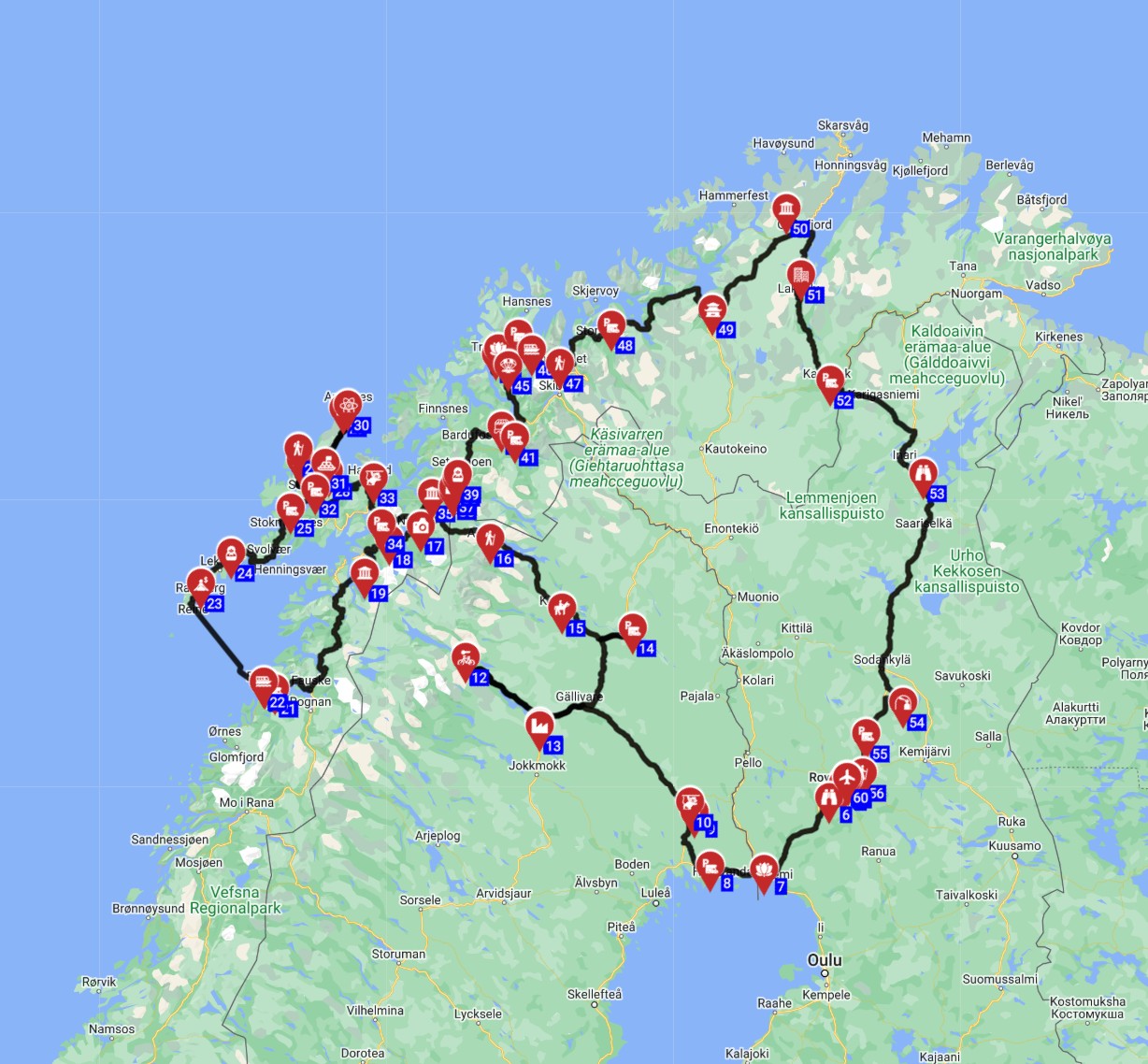
Discovering such specialized routes can offer incredible, off-the-beaten-path adventures tailored to specific interests.
Must-See Stops Along the Way (Avi Bandana Picks)
Avi Bandana's personal picks for immersive cultural experiences during the 'Rovaniemi Roundtrip - End of Europe scenic roads' focus on unique local insights and traditional encounters to enhance your journey. These recommendations aim to deepen your connection to the regions you explore:
- Local Industry: Discovering local industries, such as the Porjus Hydroelectric Power Station Museum, provides a glimpse into the region's economic backbone and craftsmanship, offering authentic interactions.
- Traditional Market: A visit to a traditional market, where available, offers the chance to sample local produce, interact with vendors, and find unique souvenirs, deeply connecting you to the local culture.
- Traditional Restaurant / Fine Dining: Savoring local cuisine at a traditional restaurant is essential for understanding the culture through its flavors and hospitality, offering an authentic taste of the region.
- Traditional Visit: Engage with historical sites or cultural landmarks, like Bardu Bygdetun or Alta Museum - World Center for Rock Art, that represent the heritage and stories of the region, providing a deeper connection to the place.
Incorporating these elements can transform a simple road trip into a rich cultural immersion.
Daily Driving Distances & Drive Times in Europe
Avi Bandana recommends a maximum of 100 miles or 150 km per day on average when RVing in Europe to ensure a relaxed pace and ample time for exploration. Adhering to this limit prevents travel fatigue, allows for spontaneous stops, and helps immerse travelers in local cultures rather than rushing between destinations. For example, a 100 km (62 miles) drive, depending on road conditions, vehicle size, and terrain, typically takes about 1.5 to 2 hours of active driving time. A journey from Munich to Füssen (approx. 120 km), a scenic route in Bavaria, typically takes about 1 hour and 45 minutes to 2 hours, excluding stops for sightseeing. A journey from Salzburg to Lake Bled (approx. 200 km), involving some highway and country roads, might take around 2.5 to 3 hours of direct driving, requiring careful planning to stay within daily limits.
By planning your daily drives this way, you can truly savor the journey and discover hidden gems along the way.
Best RV Class for This Itinerary — Couple & Family Picks
Choosing the right RV class significantly impacts comfort and cost, with Bandana's fleet offering diverse options tailored for different group sizes and travel styles in Europe.
For a Couple: Class B - Camper Van
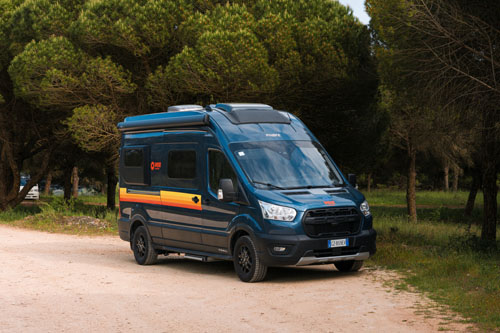
An excellent choice for couples seeking maneuverability, easier parking in tighter European towns, and better fuel efficiency is a Class B - Camper Van. Bandana's global fleet average for Class B camper vans shows they are typically 5.8 meters long, comfortably sleep 3.2 people, and accommodate 2.7 adults on average. Their common fuel consumption of 8-10 Liters/100 km makes them a cost-effective option for couples exploring Europe's winding roads and city centers.
For a Family: Class C - Alcove
For families traveling with children, a Class C - Alcove motorhome provides ample space and amenities, offering a comfortable home-on-wheels experience with dedicated sleeping areas. These vehicles from Bandana's global fleet average 7.5 meters in length, offering 5.8 sleeping places and accommodating 4.4 adults on average, ideal for family privacy and comfort. While slightly larger, their fuel consumption typically ranges from 10-12 Liters/100 km, balancing space with reasonable operating costs for a family trip. To simplify your planning, consider Bandana's 'Rent & Plan' service, which combines RV rental with a ready-made itinerary crafted by travel experts, providing full access to trip-planning software and removing the planning headache.
Both Class B and Class C motorhomes offer distinct advantages for different travel needs, ensuring a comfortable journey tailored to your group.
What is the 3-3-3 rule for RV travel?
The '3-3-3 rule' for RV travel is a widely adopted guideline encouraging a relaxed pace, aiming to prevent driver fatigue, enhance enjoyment, and ensure safety on the road. This rule suggests driving no more than 300 miles (approximately 480 km) in a day, arriving at your destination by 3 PM, and staying for a minimum of 3 nights. Adhering to the '3-3-3 rule' allows ample time to set up camp, explore the immediate surroundings, rest, and engage in local activities without feeling rushed, making the journey more enjoyable. While ideal, adapting the rule is often necessary in Europe due to shorter distances between attractions and varying campsite availability, especially when navigating city access or specific itineraries on a budget.
What is the 333 rule for campervan?
The '333 rule' for campervan travel is identical to the 3-3-3 rule for RVs, advocating for a leisurely journey by limiting daily driving to 300 miles (480 km), arriving by 3 PM, and staying 3 nights. This principle is particularly beneficial for campervan travelers in Europe, where narrow roads and charming villages invite slower exploration, making the journey as important as the destination and enhancing the 'cheap' aspect by reducing rush. For campervans, adhering to this rule helps conserve fuel, reduces the stress of finding parking late in the day, and offers more opportunities to experience local culture and utilize campsite amenities fully. While a guideline, the spirit of the '333 rule' promotes flexible itineraries and deep dives into specific regions, which can also help manage costs by minimizing frequent campsite changes and maximizing value per stop.
Is Europe RV friendly?
Europe is largely RV-friendly, offering an extensive network of campsites, dedicated motorhome parking areas (Stellplatze in Germany, Aires in France), and stunning scenic routes, though regulations and road conditions vary significantly by country. Navigating Europe requires awareness of country-specific legalities regarding 'wild camping,' which is generally discouraged or illegal in many areas; instead, well-regulated official motorhome parks provide safe and legal overnight options, preventing fines. Driving specifics include adapting to narrower roads in historic towns, understanding varying speed limits, and preparing for low emission zones (LEZ) in many urban areas which restrict older or heavier RVs and often require specific vignettes or online registrations. Toll systems differ widely, ranging from pre-paid vignettes (e.g., Austria, Switzerland) to pay-per-use systems (e.g., France, Italy), necessitating careful budgeting and research for each country to avoid unexpected costs. Parking strategies in urban centers often involve using designated RV parks on city outskirts with good public transport links, as central parking can be scarce or restricted for larger vehicles, which is a key consideration for overall travel ease.
What is the 444 rule for RV?
The '444 rule' for RV travel is a less commonly cited variant of the 3-3-3 rule, proposing to drive no more than 400 miles, stop by 4 PM, and stay for a minimum of 4 nights. This guideline is suited for those who prefer slightly longer driving days and a more extended stay in each location, allowing for deeper exploration and fewer relocations during a trip. While providing more flexibility in daily mileage, the core principle remains consistent with other rules: prioritize rest, local engagement, and a comfortable travel pace over rushing through destinations. In Europe, where distances between points of interest can be shorter, the '444 rule' might be more applicable to cross-country transit days between distinct regions rather than detailed regional exploration.
What is the cheapest way to country hop in Europe?
For flexible, independent country hopping in Europe, an RV or campervan rental can be surprisingly cost-effective, especially for groups or families who combine accommodation and transport costs, offering a cheaper alternative to hotels and multiple flights. While budget airlines and interrail passes are viable, RV travel allows for significant savings on accommodation and dining by enabling self-catering and staying at more affordable campsites or legal free overnight parking spots (Stellplatze/Aires). Fuel costs, tolls, and campsite fees are the main variables, but careful planning and choosing cheaper countries (e.g., Eastern Europe, Portugal, parts of Germany) can significantly keep expenses down for a truly cheap RV rental experience. The ability to carry your own food and cook meals in the RV significantly reduces restaurant expenses, making RV travel competitive for budget-conscious travelers, particularly for longer trips. For ideas you can prep on the road, watch our RV-friendly recipes playlist on YouTube.
How easy is it to travel around Europe in a motorhome?
Traveling around Europe in a motorhome is generally easy and highly rewarding, offering unparalleled flexibility and freedom, provided travelers are prepared for regional differences in infrastructure, legalities, and cultural driving norms. Driving specifics include adapting to varying road etiquette (e.g., more assertive in Southern Europe, generally orderly in Northern Europe), managing vehicle size on narrow historic streets, and navigating low emission zones (LEZ), which require pre-registration or specific vehicle standards. Parking strategies are crucial, often involving parking outside city centers and utilizing public transport, as central parking for motorhomes can be scarce, expensive, or restricted in many European cities. For connectivity and navigation, purchasing a local SIM card with a large data package is highly recommended for mapping and internet access, and using RV-specific navigation apps (e.g., Campercontact, Park4night) is essential for finding suitable routes and legal overnight stops. Safety and security advice includes securing valuables, being aware of common theft hotspots, knowing breakdown procedures for your rental, and understanding how to access emergency services (112 is the pan-European number), which should be part of your travel insurance. For long-term travel (e.g., 3 months), logistics for laundry (campsite facilities, laundromats) and managing mail (if needed) become important considerations, requiring some forward planning.
With a little preparation, exploring Europe by motorhome is an incredibly smooth and enjoyable experience.
Is $5000 enough for 2 weeks in Europe?
For a 2-week RV trip in Europe, a budget of $5,000 (approximately €4,500-€4,700 as of 2026) can be sufficient for a couple or small family, especially if focusing on budget-friendly regions and mindful spending on daily expenses. This budget would need careful allocation across rental costs (which can range from €70-€150+ per day depending on RV class and season), fuel, campsite fees, and food for two weeks. Detailed budgeting and fuel costs are major expenses; expect to pay €1.60-€2.00+ per liter for diesel or petrol, with fuel consumption for Bandana's typical fleet ranging from 8-12 Liters/100 km (e.g., a Class B consumes 8-10 L/100km). Campsite pricing tiers vary wildly, from €15-€25 per night for basic pitches in Eastern Europe to €35-€60+ for premium spots with amenities in Western European tourist hubs, impacting your overall cost. Hidden costs to budget for include road tolls, motorway vignettes (e.9., ~€10-€15 for a 10-day vignette in Austria), city access fees, and potentially higher insurance deductibles if not opting for additional zero-excess coverage for your rental. Comprehensive RV rental insurance specifics, travel insurance, and breakdown cover are essential and should be factored into the overall budget, ensuring financial protection against unforeseen events.
Careful financial planning is key to making a $5,000 budget work for a two-week European RV adventure.
Where is the cheapest place in Europe to buy a camper van?
When considering buying a camper van in Europe, countries like Germany, the Netherlands, and France often offer the largest selection of used vehicles, which can lead to more competitive prices due to higher supply and demand. Germany, in particular, has a robust market for both new and used recreational vehicles, benefiting from a strong manufacturing base and a widespread culture of RVing, often resulting in good value and quality. Eastern European countries might offer lower initial purchase prices for older models, but it's crucial to factor in potential maintenance costs, import taxes, and registration complexities if planning to use or register the vehicle in another country. For travelers focused on 'cheap RV rental,' purchasing is a distinct commitment with different financial implications than a short-term rental, which is often the more economical and flexible option for shorter trips to Europe.
What is the least expensive way to see Europe?
The least expensive way to see Europe generally involves a combination of budget flights, long-distance buses (like FlixBus), or train passes (like Interrail/Eurail) coupled with stays in hostels, self-catering apartments, or budget hotels. RV travel, while not always the absolute cheapest for solo travelers compared to ultra-budget backpacker methods, offers exceptional value for couples, families, or small groups, efficiently combining transport and accommodation costs. For multi-country trips, RVing can significantly cut down on the per-person cost of lodging and dining, especially if wild camping (where legal and safe) and cooking meals frequently, leading to a much lower daily spend on essentials. However, the initial rental cost of an RV, coupled with fuel, tolls, and campsite fees, means it typically falls into a mid-range budget category, offering more comfort, flexibility, and unique experiences than the absolute cheapest options.
What You Shouldn't Miss
- Drive the Romantic Road in Germany: This iconic route offers a journey through picturesque medieval towns, castles, and stunning Bavarian landscapes, easily accessible with a rented RV.
- Explore the Austrian Alps: Enjoy breathtaking mountain scenery, charming villages like Garmisch-Partenkirchen, and activities like hiking or visiting Lake Achensee.
- Discover Lake Bled, Slovenia: This fairytale-like destination with its island church and cliffside castle is a must-see on any extended Central European itinerary.
- Marvel at Slovenia's natural wonders: Visit the stunning Postojna Cave and the unique Predjama Castle for an unforgettable underground and architectural experience.
- Immerse yourself in Bavarian culture: Enjoy traditional food, folklore, and the scenic beauty of Bavaria, which is perfectly suited for RV exploration.
- Experience Salzburg's musical heritage: Explore Mozart's birthplace and enjoy the historic charm and impressive fortress of this Austrian city.
Final Thoughts
Embarking on a budget-friendly RV adventure across Europe opens up a world of discovery, from charming villages to breathtaking natural landscapes. By planning thoughtfully, choosing the right vehicle, and embracing the freedom of the open road, you can create an unforgettable journey that fits your budget.
Remember, the essence of RV travel is the experience itself. Take your time, connect with the local culture, savor the local cuisine, and enjoy the flexibility that a rented RV provides. We're here to help you every step of the way, ensuring your European RV adventure is as smooth and rewarding as possible. Get inspired for your next trip!