In This Guide
Can You Drive an RV in Scandinavia? License & Age Rules
Most standard European B-category driving licenses are sufficient for operating RVs with a Gross Vehicle Weight (GVW) of up to 3,500 kg (approximately 7,700 lbs) across Scandinavia. This covers a wide range of popular campervans and smaller semi-integrated motorhomes, making the transition to RV travel smooth. For larger or heavier RVs, which typically exceed 3,500 kg GVW and offer more extensive living space or cargo capacity, you might require a C1 or C category driving license, depending on the specific national regulations and the vehicle's exact specifications. Always verify the GVW of your chosen rental vehicle and confirm your license category is appropriate before your Scandinavian adventure begins.
The minimum driver age for renting an RV in Scandinavian countries generally falls between 21 and 25 years. Rental companies often stipulate that drivers must have held their license for a minimum of two years to ensure adequate driving experience, especially with larger vehicles. This requirement is standard across most of Europe for motorhome rentals. For international travelers, particularly those from outside the EU/EEA, it is strongly advised to obtain an International Driving Permit (IDP) to accompany your valid national driving license. While not always mandatory, an IDP can significantly smooth communication with local authorities and rental agencies.
Road Conditions & Terrain in Scandinavia
Scandinavia offers an exceptional driving experience for RV travelers, with generally excellent road conditions that include well-maintained motorways, picturesque coastal routes, and, particularly in Norway, challenging yet rewarding mountain passes. RV drivers can anticipate a diverse range of terrains: expect potentially narrower roads, especially in rural areas and along the stunning Norwegian fjords, and be prepared for unpaved gravel roads which are quite common in more remote parts of Sweden and Finland. These conditions contribute to the immersive natural experience of RVing in the region.
Driving in Norway often presents steep inclines, sharp bends, and a notable number of tunnels, many of which are marvels of engineering and surprisingly well-lit. Conversely, Sweden and Finland typically offer more expansive, gentler landscapes that facilitate relaxed driving. When planning your trip, keep in mind that winter conditions, generally from October through April, can involve snow and ice, necessitating the use of winter tires, often studded, which can affect accessibility and driving speed. For this reason, summer is the most popular season for RV travel in Scandinavia, offering the most favorable weather and road conditions.
RV Size Limits, Bridges & Restricted Zones
While Scandinavia's primary road networks are generally accommodating for most RVs, it's crucial for drivers to remain vigilant regarding specific height and weight restrictions. These limitations most commonly apply to older bridges, narrower tunnels, and within certain historic urban areas. Always pay close attention to local road signage that clearly indicates vehicle dimensions (height, width, weight) to ensure compliance and avoid any potential issues, especially when venturing off the main routes or entering towns and villages.
Many Scandinavian cities, particularly in Denmark and Sweden (such as Copenhagen, Stockholm, and Gothenburg), have implemented environmental zones or low-emission zones. These may restrict RVs that don't meet specific emission standards, or they may require the payment of a fee for entry. Furthermore, ferry crossings are essential for navigating Norway's dramatic fjords and accessing its numerous islands. These ferries have strict length and weight limits, and booking in advance is highly recommended, especially for larger RVs, to guarantee space and often to secure better rates.
Fuel: Diesel vs. Petrol & Cost per 100 km
Diesel is the predominant and most common fuel type for RVs throughout Scandinavia, readily available at service stations across all countries, alongside petrol. However, travelers should be prepared for fuel costs in Scandinavia to be notably higher than in many other European regions. This makes fuel efficiency and careful budgeting absolutely essential for anyone seeking a cheap RV rental experience in the region. Understanding typical consumption is key for trip planning. On the routes offered through RV PLANET routes, you can itemize and track every expense along the way for easy budgeting.
Based on Bandana's fleet data, smaller Class B Camper Vans typically consume between 8-10 Liters per 100 km. For mid-sized options, Class SI Semi-integrated RVs average around 10-11 Liters/100 km. Larger Class C Alcove models generally use 10-12 Liters/100 km, and the most substantial Class A Integrated RVs average 8-12 Liters/100 km. While some rental companies might offer fuel discount cards, it remains crucial to allocate a significant portion of your travel budget specifically for fuel expenses in Scandinavia.
Tolls, Vignettes & Border Rules
Scandinavia primarily utilizes automated toll systems for its roads, bridges, and tunnels, eschewing the traditional vignette sticker system common elsewhere. Typically, you'll pay for tolls after your journey, often processed via electronic tags or number plate recognition. Norway, in particular, has frequent tolls, and travelers can register with AutoPASS or expect an invoice to be sent via their rental company. Sweden generally does not employ national vignettes but does have congestion charges in cities like Stockholm and Gothenburg, and tolls apply to major crossings such as the Øresund Bridge connecting to Denmark.
Navigating between the Nordic countries within the Schengen Area is usually seamless, with minimal border checks. However, it's always essential to carry your passport or ID, your driving license, and all necessary RV documentation. Many RV rental companies offer the convenience of pre-purchased toll passes or onboard electronic devices that automatically handle toll payments, simplifying your journey and helping to avoid potential fines for non-compliance.
Driving Tips for cheap rv rental Travelers
Embrace the concept of slow travel when exploring Scandinavia by RV. The sheer beauty of the landscapes, from dramatic fjords to serene forests, is best appreciated at a leisurely pace, allowing for frequent stops at scenic viewpoints, charming small towns, and local cultural experiences. This approach not only enhances your journey but also helps manage fuel consumption and provides a more immersive travel experience.
When budgeting for your trip, be sure to account for automated tolls and ferry crossings, especially if your route includes Norway or Denmark. Investigate the payment solutions offered by your rental provider or local authorities, such as AutoPASS in Norway, to streamline these costs. Packing layers of clothing is also a wise strategy, as Scandinavian weather can change rapidly, even in summer, helping you stay comfortable without over-relying on your RV's heating or air conditioning systems. To save on food costs, make the most of your RV's kitchen; shopping at larger supermarkets, particularly outside of major city centers, will generally offer better prices than smaller convenience stores. Lastly, remember it's a legal requirement in all Scandinavian countries to drive with your headlights on, even during daylight hours, so always keep them activated. For ideas you can prep on the road, watch our RV-friendly recipes playlist on YouTube.
Recommended RV Class for Scandinavia Roads
For navigating Scandinavia's diverse roads and optimizing your budget for a cheap RV rental experience, the Class B Camper Van and the Class SI Semi-integrated RVs are highly recommended. These vehicle classes strike an excellent balance between maneuverability, living space, and fuel efficiency, making them ideal for the region's infrastructure and travel style.
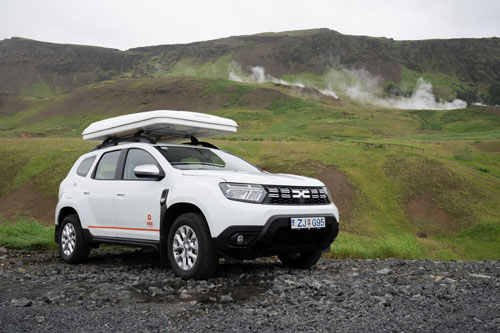
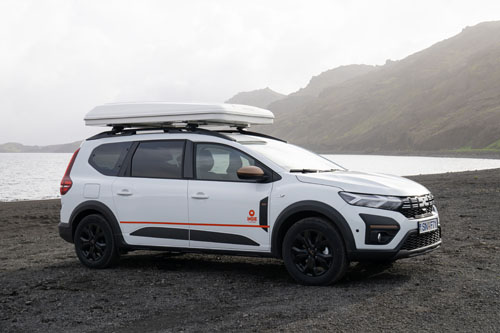
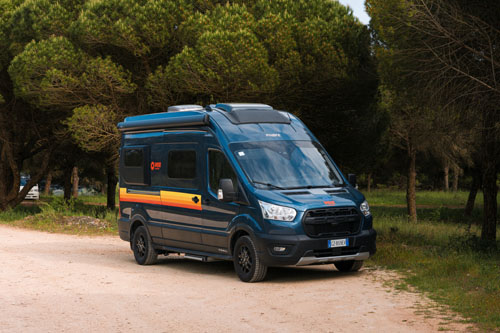
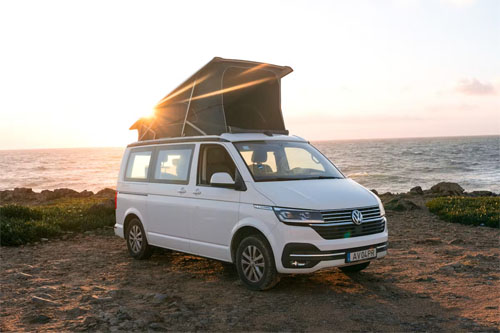
Class B Camper Vans, typically around 5.8 meters in length, offer superior maneuverability, making them perfect for tighter roads and easier parking in towns and cities. They are particularly ideal for couples or solo travelers. With an average length of 6.9 meters, Class SI Semi-integrated RVs provide more generous living areas for up to 3 adults without being overly cumbersome for Scandinavian roads and infrastructure. Both classes offered by Bandana's fleet, such as the Cruise America EX-Group A or the V3, typically feature good fuel efficiency, averaging 8-11 Liters/100 km, which significantly contributes to lower running costs compared to larger motorhomes.
Should I Choose a Compact Van Instead of a Large RV in Scandinavia?
While a compact van, like the popular Class B Camper Van, offers undeniable advantages in maneuverability for navigating tight historic city centers or challenging mountain passes and potentially boasts better fuel efficiency, there is generally no major issue driving larger RVs on Scandinavia's main routes. These roads are well-maintained and designed to accommodate various vehicle sizes.
Compact vans genuinely benefit travelers who prioritize urban exploration, access to very remote gravel tracks, or those seeking maximum fuel economy and easier parking. However, the trade-off for this convenience is significantly less indoor living space, fewer amenities, and reduced storage capacity compared to a larger RV. For many cheap RV rental travelers, particularly families or those embarking on longer trips, the enhanced comfort, more comprehensive facilities, and ample living space offered by a larger Semi-integrated or Alcove RV provide a more rewarding and comfortable experience on Scandinavian roads.
Can I Park Anywhere? Free & Wild Camping Rules in Scandinavia
While wild camping is deeply ingrained in Scandinavian culture, particularly through Sweden and Norway's 'Allemansrätten' (right to roam), specific rules and considerations apply when it comes to RVs and motorhomes. Allemansrätten generally permits overnight stays in nature with an RV for one to two nights in Sweden and Norway, provided you are not trespassing on private land, disturb no one, and leave no trace. This is a cherished principle that allows for deep connection with nature.
However, this right is often restricted for motorhomes near dwellings, within national parks, or on agricultural land. Many municipalities also have bylaws prohibiting overnight RV parking outside designated campsites. Denmark, for instance, has much stricter regulations, largely prohibiting wild camping with RVs, while Finland allows it with more caveats for motorized vehicles than for tents. Because rules vary significantly by region and municipality, it is always best to check local regulations and follow local laws before parking overnight. Prioritizing designated campsites or official overnight parking areas is always recommended for peace of mind and to ensure you are camping responsibly.
Can I Drive an RV Into the City Center? Heights, Tunnels & Local Signage
Yes, you can generally drive an RV into most Scandinavian city centers, but it requires careful attention to local signage, potential height limits, and specific environmental regulations. Many cities, particularly in Sweden (Stockholm, Gothenburg) and Denmark (Copenhagen), implement environmental zones or congestion charges that apply to RVs. These may restrict older vehicles or incur fees, so it's wise to research these requirements for your intended destinations.
Be vigilant for signs indicating maximum vehicle height for tunnels, low bridges, and underground parking garages. Also, note that some historic areas may have very narrow streets or residents-only access. A practical tip for navigating urban environments is to consider using park-and-ride facilities on the outskirts of major cities and then utilizing public transport for exploration. This approach helps avoid parking challenges and potential fines while still allowing you to experience the city's core.
Is Norway RV Friendly?
Norway is exceptionally RV-friendly, celebrated for its stunning natural landscapes, well-maintained road infrastructure, and comprehensive facilities specifically catering to motorhome travelers. The country's iconic fjords, majestic mountains, and breathtaking coastal roads are ideally explored by RV, with numerous scenic campsites and designated overnight parking options available throughout the country.
RV visitors should be prepared for frequent automated tolls on roads, bridges, and tunnels, as well as necessary ferry crossings in fjord regions, which are integral to exploring the diverse geography. Despite some challenging mountain passes, Norway's commitment to RV tourism is evident in its readily available waste disposal points, fresh water stations, and numerous scenic viewpoints designed with larger vehicles in mind, ensuring a comfortable and accessible journey.
What Size RV Can You Drive Without a Special License?
In Scandinavia, as in most European countries, a standard B-category driving license allows you to operate an RV with a maximum Gross Vehicle Weight (GVW) of up to 3,500 kg (3.5 tonnes). Many popular campervans and smaller semi-integrated RVs fall comfortably within this limit, making them easily accessible to a broad range of drivers without the need for special permits.
For RVs exceeding the 3,500 kg GVW threshold – which typically includes larger integrated or alcove models designed for more passengers and cargo – a C1 or C category license is usually required. It's crucial to verify the specific GVW of your chosen RV rental and confirm that your driving license category is appropriate before you begin your journey to ensure compliance with local regulations.
Is Sweden Campervan Friendly?
Sweden is notably campervan friendly, largely supported by its 'Allemansrätten' (right to roam), which grants public access to nature, including for responsible overnight stays. While Allemansrätten primarily applies to tents, respectful overnight parking for campervans is generally tolerated for one to two nights in suitable, non-private locations, provided no disturbance is caused and no litter is left behind.
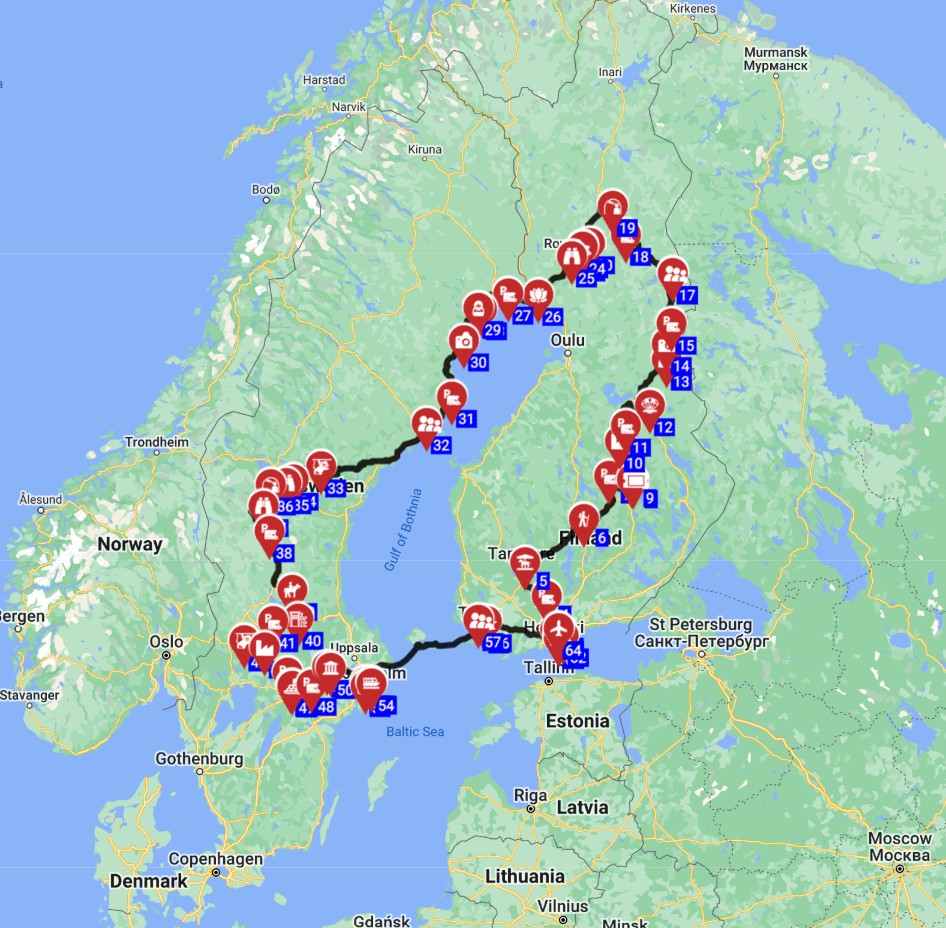
The country boasts excellent infrastructure for campervans, with a wide array of well-equipped campsites, designated parking areas, and readily accessible waste disposal facilities. Swedish roads are typically in excellent condition, facilitating comfortable travel, and its vast natural landscapes make it an ideal destination for nature-focused campervan adventures. You can even explore a route like the Lulea Round trip - Timeless Scandinavia for an idea of what to expect.
Can you drive an RV in Europe?
Yes, driving an RV in Europe is a highly popular and well-supported travel option, with an extensive network of roads, campsites, and services available across the continent. Most European countries, including the Scandinavian nations, are welcoming to RVs, though specific national regulations regarding driving licenses, road tolls, environmental zones, and wild camping vary considerably.
Travelers should ensure they possess a valid driving license appropriate for their vehicle's weight, carry necessary documentation like an International Driving Permit (if applicable), and be aware of city-specific access restrictions. While general European principles apply, embarking on a cheap RV rental trip to Scandinavia requires particular attention to local nuances such as automated toll systems, unique wild camping laws (like Allemansrätten), and generally higher fuel prices, all of which are covered in detail in our comprehensive Scandinavia RV Rental Guide.
What is the least expensive Nordic country to visit?
For budget-conscious travelers planning a cheap RV rental trip, Sweden and Finland are generally considered the least expensive Nordic countries to visit. Denmark, particularly its capital Copenhagen, tends to be the most expensive, closely followed by Norway and Iceland, which exhibit higher costs for fuel, groceries, and paid campsites.
Sweden offers more affordable groceries, less expensive public transport options, and its Allemansrätten allows for more opportunities to reduce accommodation costs through responsible wild camping. Finland also provides good value, emphasizing accessible natural experiences and moderately priced campsites, making both countries excellent choices for an economical RV adventure. Planning your route using tools like RV PLANET can help itemize all potential expenses for easy budgeting, with detailed breakdowns available for RV PLANET routes.
What is the 333 rule for campervan?
The '333 rule' for campervans is an unofficial, community-driven guideline for responsible wild camping, suggesting a few key principles: no more than 3 vans should park in one spot, stay no longer than 3 nights in any single location, and always park at least 3 meters away from the road.
This rule is not a legal regulation but rather a recommendation aimed at minimizing environmental impact, avoiding disturbance to locals, and ensuring the sustainability of informal overnight spots. While it aligns with the 'leave no trace' principles and respectful behavior, particularly where Allemansrätten applies to RVs, it does not override official local laws or prohibitions on overnight parking. Always prioritize official signage and local regulations over unofficial guidelines, especially in protected natural reserves or areas with strict camping laws.
Do I need a vignette to drive in Sweden?
No, you do not need a vignette to drive in Sweden; the country operates without a national vignette system for its roads. Instead of vignettes, Sweden implements congestion charges in major cities like Stockholm and Gothenburg, which apply to all vehicles, including RVs, entering specific zones during designated hours.
Additionally, tolls are in place for significant infrastructure projects, such as the Øresund Bridge (connecting Sweden and Denmark) and the Svinesund Bridge (connecting Sweden and Norway). Payments for these congestion charges and tolls are typically automated via number plate recognition, with invoices usually sent to the vehicle's registered owner, which is generally your rental company, or can be paid online.
Which countries are RV friendly?
Many countries worldwide are highly RV friendly, distinguished by excellent road infrastructure, abundant campsites, and a welcoming culture towards motorhome tourism. Beyond popular destinations like Canada, the USA, Australia, and New Zealand, European countries such as France, Germany, Italy, Spain, and notably the Scandinavian nations, are highly regarded for their RV accessibility.
Within Scandinavia, Norway, Sweden, and Finland particularly stand out for their exceptional natural beauty, extensive outdoor activity opportunities, and well-developed RV facilities. These countries collectively offer a mix of breathtaking scenic routes, possibilities for responsible wild camping (always adhering to local rules), and a strong cultural embrace of outdoor living by RV, making them premier destinations for motorhome adventures.
Where can I rent a campervan in Sweden?
You can rent a campervan in Sweden from major cities such as Stockholm, Gothenburg, and Malmö. These cities serve as primary pick-up locations for both international and local rental companies, offering convenient access to a wide range of vehicles.
Specialized RV rental platforms, like Bandana, allow you to compare a wide variety of models and prices from multiple providers across Sweden, helping you find cheap RV rental options that suit your budget and travel style. It's advisable to look for rental depots conveniently situated near international airports or major transportation hubs for ease of access upon your arrival. Booking your campervan in advance, particularly for the peak summer season (June–August), is strongly recommended to secure the best selection and the most favorable rates for your Swedish adventure.
Who has the lowest RV insurance?
Identifying a single provider with the 'lowest RV insurance' is challenging, as rates are highly variable. They are influenced by the RV's value, the driver's age and experience, the desired coverage levels, and the specific rental company's policies.
When renting an RV for a cheap RV rental trip in Scandinavia, comprehensive insurance is typically included in the rental price, usually with a deductible (excess) that can often be reduced by purchasing supplementary coverage. Rental platforms like Bandana facilitate comparing insurance terms and options from various providers, enabling travelers to find a policy that balances cost with adequate protection for their journey. It's essential to thoroughly review the rental agreement's insurance details, understanding the scope of coverage, the deductible amount, and any potential benefits from personal travel insurance or credit card policies.
What You Shouldn't Miss
- The Norwegian Fjords: Experience the dramatic beauty of Geirangerfjord or Nærøyfjord, accessible by RV with stunning viewpoints and ferry crossings.
- The Swedish Archipelago: Explore the thousands of islands in the Stockholm or West Coast archipelagos, perhaps stopping at charming coastal towns.
- Finland's Lakeland: Drive through the region of a thousand lakes, enjoying national parks, serene waters, and opportunities for kayaking.
- The Northern Lights (Autumn/Winter): If traveling outside summer, venture north of the Arctic Circle for a chance to witness the magical Aurora Borealis.
- Coastal Drives: Norway's Atlantic Road or Sweden's scenic coastal routes offer unparalleled vistas and memorable RV driving experiences.
- Historic Cities: Discover the charm of Copenhagen, Stockholm, Oslo, or Helsinki, balancing urban exploration with the convenience of your rented RV.
Final Thoughts
Embarking on an RV adventure through Scandinavia offers an unparalleled way to connect with nature, culture, and the open road. By understanding the local regulations, preparing for the diverse terrains, and leveraging platforms like Bandana Caravan for transparent booking, your journey will be as smooth as it is spectacular.
Remember to embrace the spirit of slow travel, savoring each moment and allowing the stunning Scandinavian landscapes to unfold at their own pace. We're here to support you every step of the way, from initial comparison to final booking, ensuring your cheap RV rental in Scandinavia is an unforgettable experience.
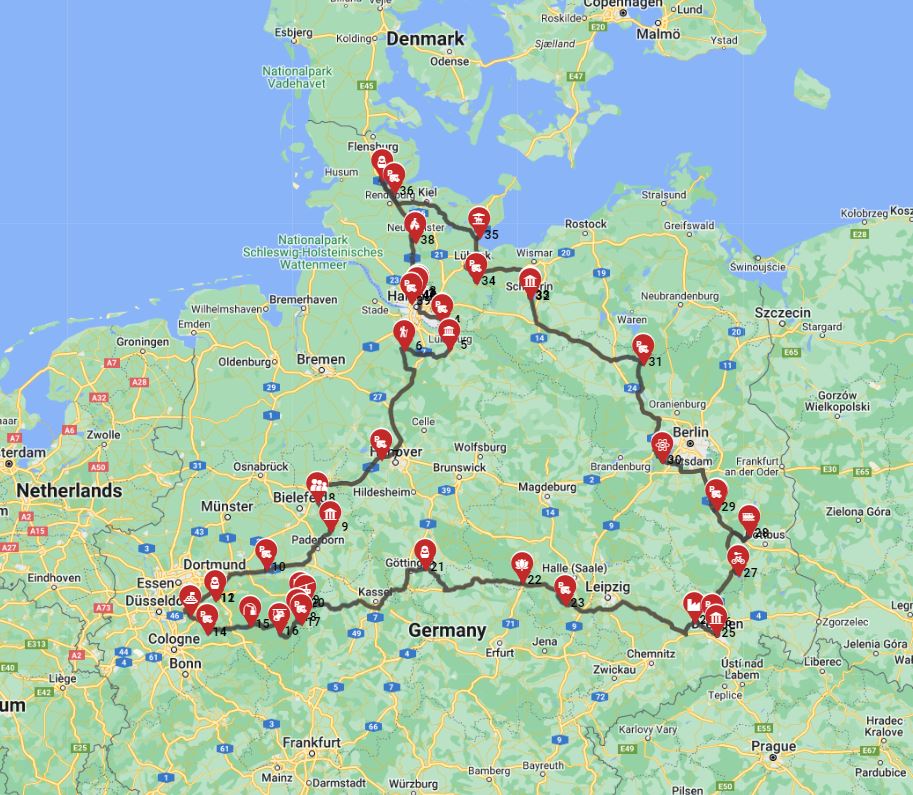
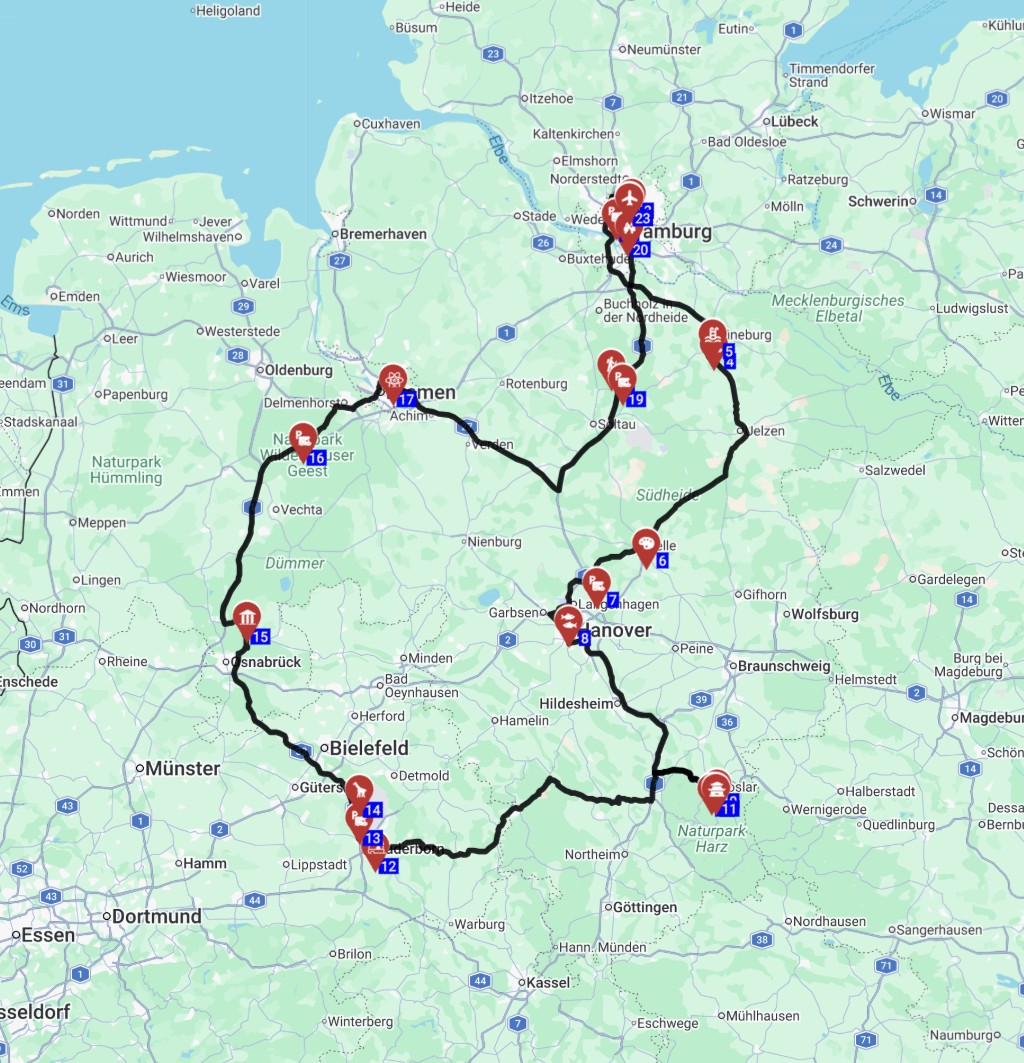
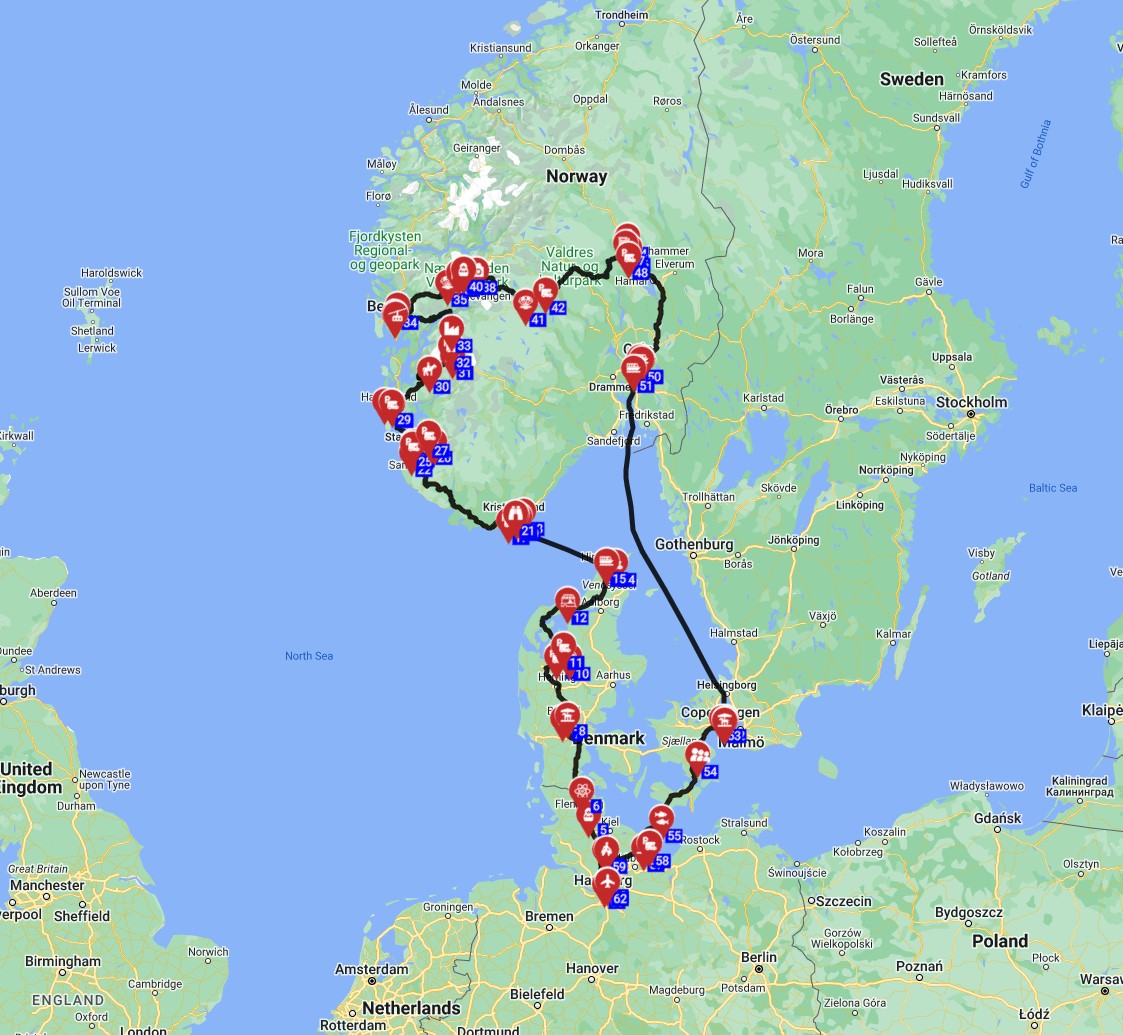
Get inspired for your next trip! Discover top destinations, planning tips, and the freedom of the open road with a rented RV. Plan your perfect Scandinavian itinerary in advance with minimal effort and maximum enjoyment.