In This Guide
- Can You Drive an RV in San Francisco? License & Age Rules
- Road Conditions & Terrain in San Francisco
- RV Size Limits, Bridges & Restricted Zones
- Fuel: Diesel vs. Petrol & Cost per 100 km
- Tolls, Vignettes & Border Rules
- Driving Tips for cheap rv rental Travelers
- Recommended RV Class for San Francisco Roads
- Should I Choose a Compact Van Instead of a Large RV in San Francisco?
- Can I Park Anywhere? Free & Wild Camping Rules in San Francisco
- Can I Drive an RV Into the City Center? Heights, Tunnels & Local Signage
- What is the 3-3-3 rule when RVing?
- What is the 4 4 4 rule for RVing?
- What is the new RV law in California?
- Can I drive a class C RV with a regular driver's license?
- Can you park an RV on the street in San Francisco?
- What is the 3 3 3 rule for RVs and campers?
- What license do you need to drive an RV in California?
- Which RV does not require a license?
- Who has the least expensive RV insurance?
- How much does it cost to insure an RV in California?
- What You Shouldn't Miss
- Why Book with Bandana Caravan
- Final Thoughts
- Frequently Asked Questions
Embarking on a cheap RV rental adventure in San Francisco offers an incredible way to explore one of California's most iconic cities and its stunning surroundings. At Bandana RV, we specialize in helping you navigate the world of motorhome travel with confidence, ensuring full transparency with no hidden fees and 24/7 support from real people. For live availability and current prices, start with our RV Rental San Francisco - Complete Guide 2026 guide.
Can You Drive an RV in San Francisco? License & Age Rules
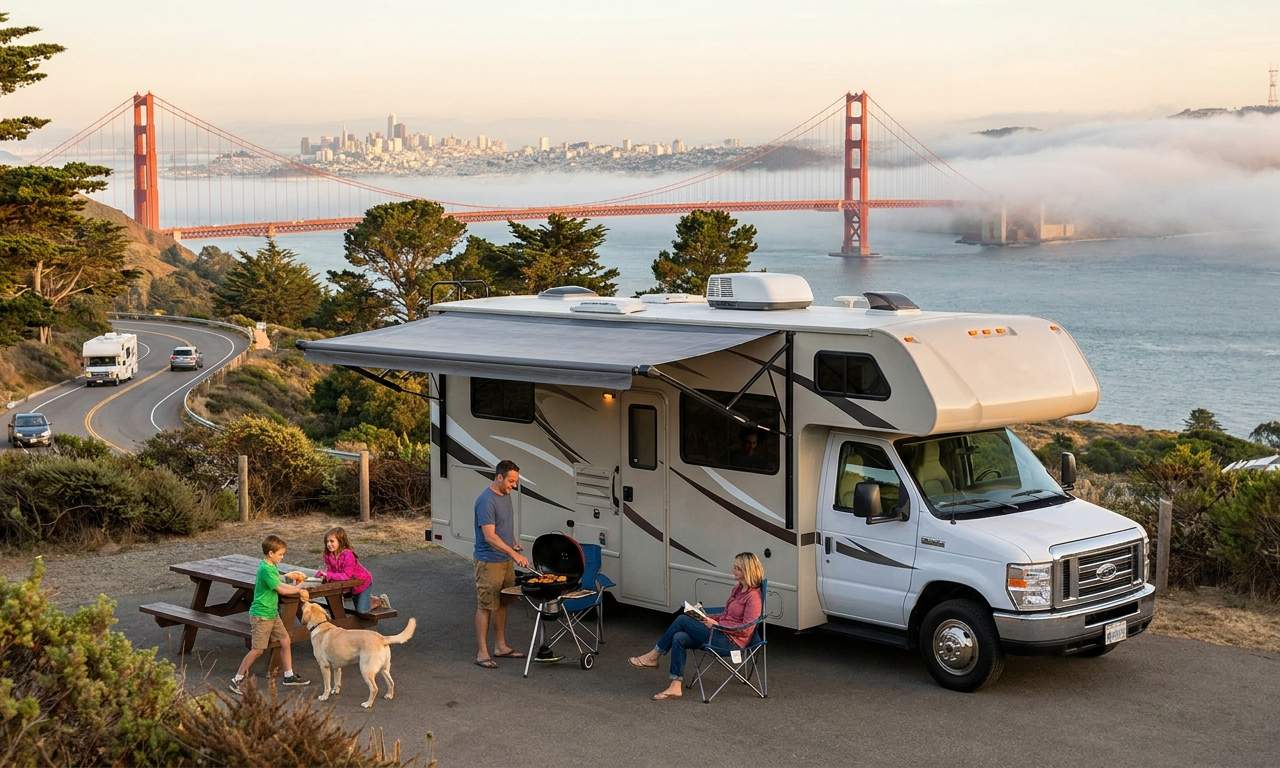
Most motorhomes available for rent in San Francisco, including Class A, B, and C units under 26,000 pounds, can be driven with a standard Class C driver's license in California. There's no need for a special commercial license for these vehicles, making RV travel accessible to almost everyone. The minimum driver age for renting a campervan or motorhome in San Francisco is typically 21 years old, a point where Bandana offers clear, upfront policies without young driver surcharges that some other platforms might levy. For international visitors, a valid home country driver's license is usually sufficient for up to one year, though an International Driving Permit (IDP) is highly recommended to clarify any language barriers, ensuring a smooth experience from pickup to drop-off.
Navigating the booking process for your ideal RV rental is simple through a comparison platform like Bandana. Our team of true RV specialists is here to support you before, during, and after your booking, providing personal service from day one. This dedication ensures that when you're comparing a cheap RV rental in San Francisco - Budget Guide 2026 or looking for a Family RV Rental in San Francisco - Pricing Guide 2026, you have all the information you need.
Road Conditions & Terrain in San Francisco
San Francisco's road conditions are famously unique, characterized by extremely steep hills that demand careful navigation and proper braking techniques when driving a rented RV. Many city streets are narrow, frequently one-way, and incorporate cable car tracks, which require heightened attention and slower speeds from motorhome drivers. While the city itself is intensely urban, successfully navigating an RV in San Francisco requires a strategic approach, often prioritizing periphery parking and seamless integration with public transit options like BART. Drive slowly and carefully, and you can drive almost anywhere without issues. No need to stress - just use common sense and pay attention. Planning your routes in advance with an eye for elevation changes and tight turns can significantly enhance your driving comfort and reduce stress.
🎬 Video coming soon
Considering the challenging urban terrain, it's wise to plan your daily travel slowly, aiming for no more than 100-150 km per day on average. This allows ample time to feel the place, connect to the culture, the food, and the scenery, without rushing through San Francisco's incredible offerings. Remember, with a rented RV, the journey is just as important as the destination, and careful driving ensures you enjoy every moment.
RV Size Limits, Bridges & Restricted Zones
Generally, there are no specific legal RV 'size limits' restricting entry to San Francisco beyond standard vehicle codes, but practical maneuverability on its narrow, hilly streets clearly favors smaller motorhomes and campervans. Key bridges such as the iconic Golden Gate and Bay Bridge operate with specific electronic tolling systems; the Golden Gate Bridge is toll-southbound only when entering San Francisco, while the Bay Bridge is toll-westbound into the city. Drivers must register their license plate with FasTrak or use a one-time payment online within 48 hours to avoid fines. On the routes offered through RV PLANET routes, you can itemize and track every expense along the way for easy budgeting.
While San Francisco does not impose explicit 'environmental zones' for motorhomes, some residential areas strictly enforce restrictions on oversized vehicle parking, and low clearances in many parking garages mean they are unsuitable for larger RVs. Our top-level deductible reimbursement option means you can travel with peace of mind, knowing unexpected incidents won't derail your adventure, even when navigating the city's challenging roads. Exploring a One-Way RV Rental in San Francisco - Price Guide 2026 can offer flexibility for your journey.
Fuel: Diesel vs. Petrol & Cost per 100 km
Most Class C RVs in Bandana's San Francisco fleet typically consume between 23-35 Liters of fuel per 100 km, while larger Class A integrated RVs can range from 30-45 Liters per 100 km, with fuel types varying between petrol (gasoline) and diesel. Both petrol and diesel are widely available at gas stations throughout California, although finding diesel pumps suitable for larger vehicles can be slightly less common in the dense urban centers of San Francisco itself. Based on current California fuel prices, which average approximately $1.32/liter for petrol and $1.45/liter for diesel as of 2026, a Class C motorhome could cost roughly $38-51 per 100 km, and a Class A RV around $44-65 per 100 km. These figures are important for budgeting your cheap RV rental. When planning your route with RV PLANET routes, you can itemize and track every expense along the way for easy budgeting.
Understanding fuel consumption is key to saving on your cheap RV rental trip. Efficient driving, such as maintaining steady speeds and avoiding rapid acceleration and braking, can help reduce fuel costs. When you're planning meals on the go in your rented RV's kitchen, check out our RV-friendly recipes playlist for delicious and easy meal ideas.
Tolls, Vignettes & Border Rules
San Francisco has electronic tolls on its major bridges, specifically the Golden Gate Bridge (southbound into San Francisco) and the Bay Bridge (westbound into San Francisco), which do not accept cash payments. Drivers of a rented RV should register their license plate with FasTrak or utilize a one-time payment option online via the official toll website within 48 hours of crossing to avoid fines. Since you're traveling within California, no physical vignettes or border rules apply. Some motorhome rental providers may offer pre-purchased toll passes or transponders as an add-on, which can simplify payments and help cheap RV rental travelers avoid potential penalties.
Being aware of these costs is crucial for planning your overall trip budget. It’s part of the full transparency we pride ourselves on at Bandana, ensuring no hidden fees or surprises. When you compare RV Rental in San Francisco - Prices and Best Deals 2026 with us, you get a clear picture of all potential costs.
Driving Tips for cheap rv rental Travelers
Planning your routes meticulously is paramount for a cheap RV rental trip in San Francisco, utilizing RV-specific GPS or navigation apps to proactively avoid narrow streets, extremely steep hills (some streets, like Filbert Street, have over a 30% grade), and dead ends unsuitable for large vehicles. Instead of navigating the city center with your RV, utilize park-and-ride options situated on the periphery of San Francisco, such as those near BART stations, and rely on the city's extensive public transit system (MUNI) to explore attractions like Fisherman's Wharf or Golden Gate Park. Always maintain a safe following distance, especially on declines, and use lower gears for engine braking to prevent brake fade on San Francisco's challenging hills. Be acutely aware of street signage for parking restrictions, street cleaning schedules, and residential permits, as unauthorized RV parking can lead to hefty fines or towing. Consider visiting attractions during off-peak hours to minimize traffic and improve maneuverability, making your experience much more enjoyable. This aligns with our philosophy to "travel slowly," allowing you to truly immerse yourself in your destination.
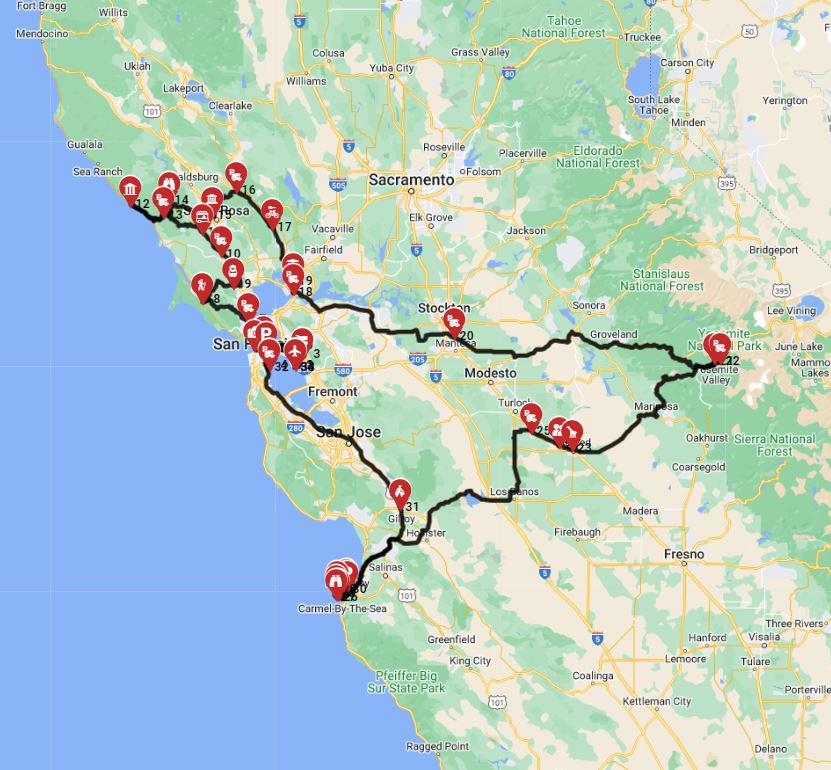
For more detailed route plans and expert itineraries, explore RV PLANET, our sister company, which offers over 1,300 pre-planned routes across 5 continents. You can even find a comprehensive "
Recommended RV Class for San Francisco Roads
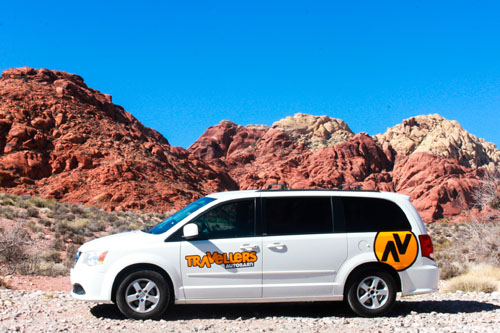
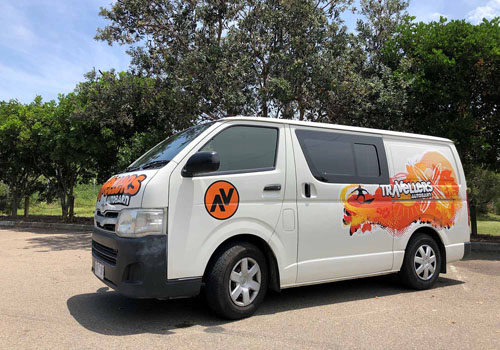
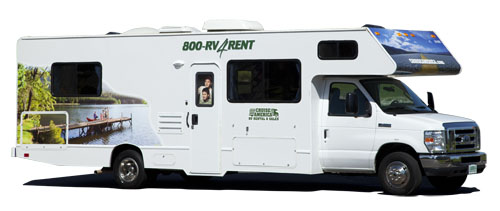
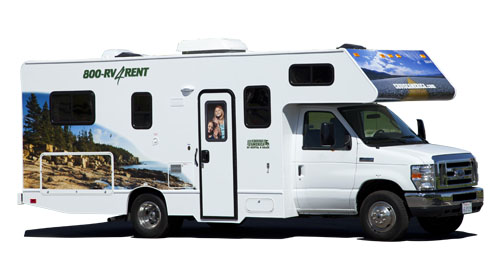
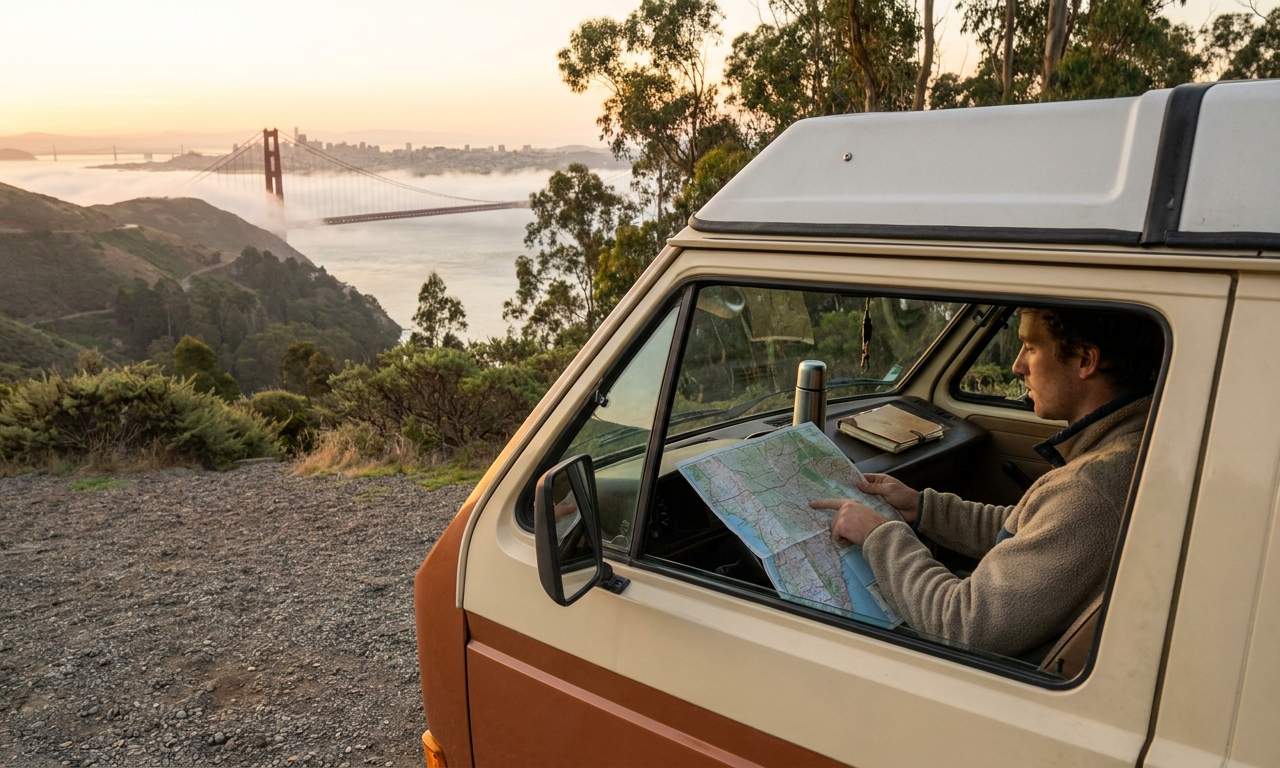
For navigating San Francisco's unique urban landscape, a smaller Class B campervan or a compact Class C motorhome is generally recommended due to their more manageable lengths and agility. These vehicles, such as a Class B - Camper Van with "Automatic transmission", "Front Air condition", and "Ideal for a couple" (like the "2 Berth Hi Top" or "Active Standard Select"), offer superior maneuverability for tight streets and parking compared to larger Class A units. For instance, the "rv rental denver example Category Van" (Small RV size, Shower, Toilet) and "Patagonia Camper 4x4 double cab" (Class TC - Truck Camper, Small RV size) models are excellent choices if you prioritize ease of driving in a bustling city. A smaller Class C motorhome like the "C-Small" with its 6.2-meter length and 3-berth capacity, offers a good balance of space for a small family and decent maneuverability. While Class A motorhomes provide ample space (like the "rv rentals example Comfort Class" which can accommodate up to 3 double beds), their larger footprint of around 9 meters can be more challenging for city driving and parking.
Selecting the right size RV for your adventure in San Francisco is a key decision to ensure a relaxed journey. With our expertise as true RV specialists, we help you make informed choices, comparing vehicle types like those for a Pet-Friendly RV Rental in San Francisco - Pricing 2026 to find what best suits your needs.
Should I Choose a Compact Van Instead of a Large RV in San Francisco?
Choosing a compact van, or a Class B campervan, certainly offers superior maneuverability for San Francisco's notoriously narrow streets and challenging parking scenarios, making it a less stressful option for city-focused exploration. For navigating extremely tight historic centers, complex one-way systems, and generally easier street parking (where permitted), a compact van often proves to be the ideal choice. Vehicles like the "2 Berth Hi Top" (Class B - Camper Van, 5.0m length) are particularly well-suited for urban environments. However, if your itinerary includes extended stays outside the immediate city, requires more sleeping capacity, or prioritizes onboard amenities like a full kitchen and bathroom, a larger Class C motorhome might still be the better trade-off. For instance, a Class C "24' Class C Motorhome" (approx. 7.3m length, 5-berth capacity) offers a generator and pet-friendly options, providing more comfort and flexibility for longer trips. The decision ultimately depends on your travel priorities: maximum city agility with fewer onboard amenities, or more comfort and space with careful planning for city excursions.
Regardless of your choice, our full transparency means you'll know exactly what's included and what's optional, ensuring no surprises. You can compare various campervan and motorhome options by exploring RV Rental Deals in San Francisco - Latest Offers 2026 to find the perfect fit for your trip.
Can I Park Anywhere? Free & Wild Camping Rules in San Francisco
Free or "wild camping" in a rented RV is generally illegal and heavily restricted within San Francisco city limits, with strict enforcement of overnight parking laws. San Francisco has numerous ordinances restricting oversized vehicle parking, often prohibiting it on residential streets, particularly between 2 AM and 6 AM, or limiting it to specific zones with stringent time constraints. It is strongly advised for RV travelers to utilize designated RV parks and campgrounds located just outside the city for overnight stays, such as Marin RV Park in Greenbrae or Candlestick RV Park. These facilities provide essential amenities like electrical hookups, fresh water, and dump stations, along with legal and secure parking. Many also offer convenient public transport links (like BART or ferries) into the city, allowing you to explore San Francisco's heart without the stress of driving and parking your motorhome.
For finding campsites and campgrounds during your trip, we recommend using RV PLANET (rvplan.net) - a great resource for locating available spots along your route, including those around San Francisco. Their "
Can I Drive an RV Into the City Center? Heights, Tunnels & Local Signage
Yes, it is generally possible to drive a rented RV into San Francisco's city center, but drivers must remain highly vigilant for specific local signage concerning height limits, exceptionally narrow streets, steep grades, and complex one-way systems. While low bridges and tunnels are not typically a widespread issue on the main city thoroughfares, RVs should be particularly cautious of parking garage height restrictions, as most are too low for standard motorhomes, making street parking or peripheral parking lots your primary options. Drivers should pay acute attention to 'No Through Traffic' signs, specific residential parking permits, and areas designated for residents-only parking to prevent citations or inconvenient towing. Remember, just use common sense and pay attention, and you can drive almost anywhere without issues.
Bandana supports travelers with comprehensive pre-booking information, ensuring you know what to expect when you pick up your motorhome in San Francisco. We provide all the necessary details to help you prepare for a seamless journey, allowing you to focus on the adventure, not the worries.
What is the 3-3-3 rule when RVing?
The 3-3-3 rule for RVing is a popular guideline designed to promote safe and enjoyable travel, especially for beginners and those on longer road trips. It suggests driving no more than 300 miles a day, arriving at your destination by 3 PM, and staying for a minimum of 3 nights. This rule helps prevent driver fatigue, allows ample time for setting up and enjoying campsites, and encourages a slower, more relaxed pace of travel. While the "300 miles a day" aspect might need significant adjustment for an intense urban destination like San Francisco where local exploration is the focus, the principles of arriving early and staying longer are highly beneficial for reducing stress and maximizing enjoyment of each location.
What is the 4 4 4 rule for RVing?
The 4-4-4 rule for RVing is an alternative travel guideline, similar to the 3-3-3 rule, that also focuses on pacing and safety for motorhome adventures. It typically advises driving no more than 400 miles in a day, completing your driving by 4 PM, and staying at your campsite for a minimum of 4 nights. This rule, like its counterpart, aims to reduce stress and maximize enjoyment by allowing for more leisure time at each stop, which is particularly beneficial for cheap RV rental users looking to make the most of their extended road trip without constant driving. When planning a broader journey, our RV Rental California - Complete Guide 2026 offers great insights into travel pacing across the state.
What is the new RV law in California?
As of 2026, there isn't one singular "new RV law" in California that dramatically alters RV driving or ownership statewide; however, local ordinances, particularly regarding overnight parking and homelessness, are frequently updated across different cities. Many California cities, including San Francisco, have actively enacted or strengthened local ordinances related to oversized vehicle parking on public streets, often restricting or banning overnight RV parking in residential areas. Travelers with a rented motorhome should always check specific city and county regulations regarding RV parking, camping, and vehicle habitation, as these can vary significantly and are subject to change, ensuring you avoid unexpected fines.
Can I drive a class C RV with a regular driver's license?
Yes, in California, you can typically drive a Class C RV with a regular (Class C) driver's license, provided the vehicle weighs under 26,001 pounds Gross Vehicle Weight Rating (GVWR). The vast majority of recreational vehicles, including all Class C motorhomes offered by Bandana, fall comfortably below this weight threshold, making them accessible to standard license holders without requiring any special permits. A non-commercial Class A or B license is only necessary for significantly larger, heavier RVs or specific towing configurations that exceed the 26,000-pound limit, which are not typically found in our rental fleet. This makes renting a Class C a fantastic option for families looking for a convenient and comfortable trip in San Francisco.
Can you park an RV on the street in San Francisco?
Parking a rented RV on the street in San Francisco is highly challenging and largely restricted due to numerous local ordinances prohibiting oversized vehicle parking, particularly overnight. Many streets throughout the city have strict time limits, require residential permits, or outright ban vehicles over a certain length or height, making it very difficult to find legal street parking for a motorhome. For cheap RV rental users, seeking out designated RV parks and campgrounds just outside the city, or utilizing park-and-ride facilities with direct public transport connections like the BART system, is the most practical and legal approach to exploring San Francisco. This proactive planning helps avoid costly fines and ensures a stress-free visit to the city.
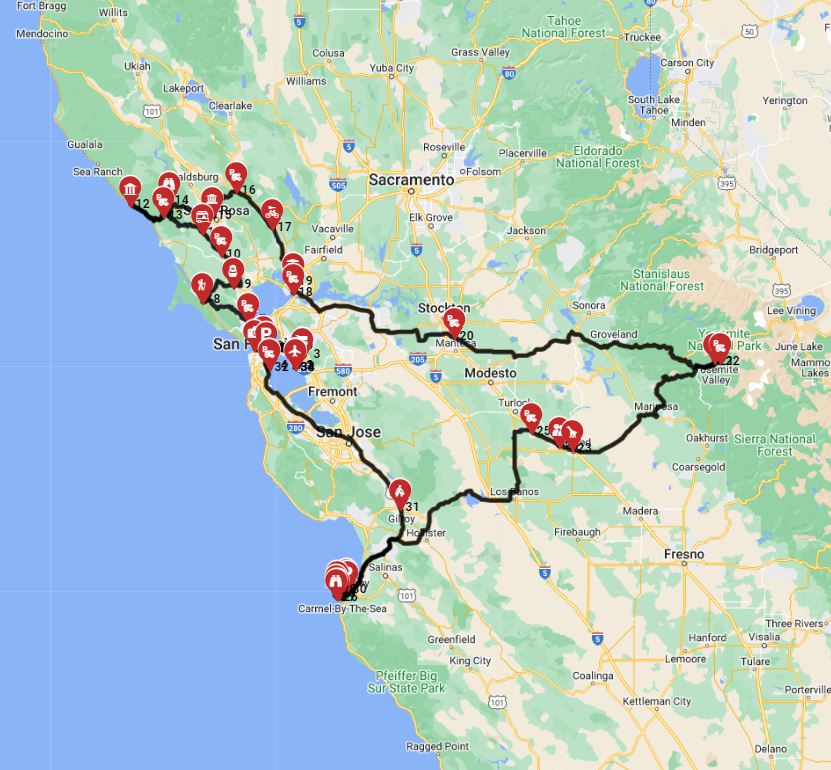
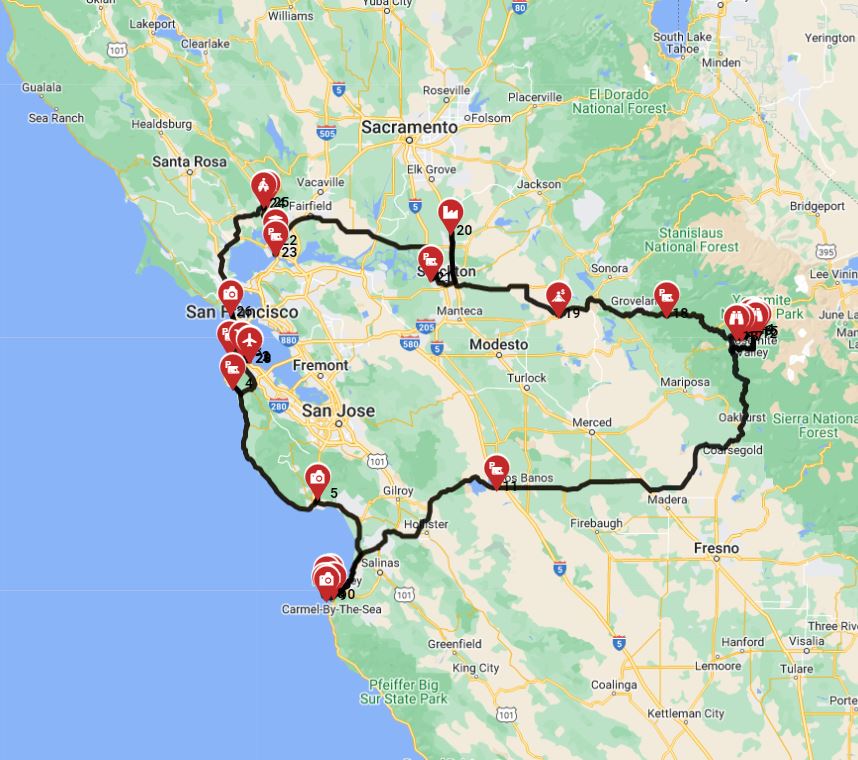
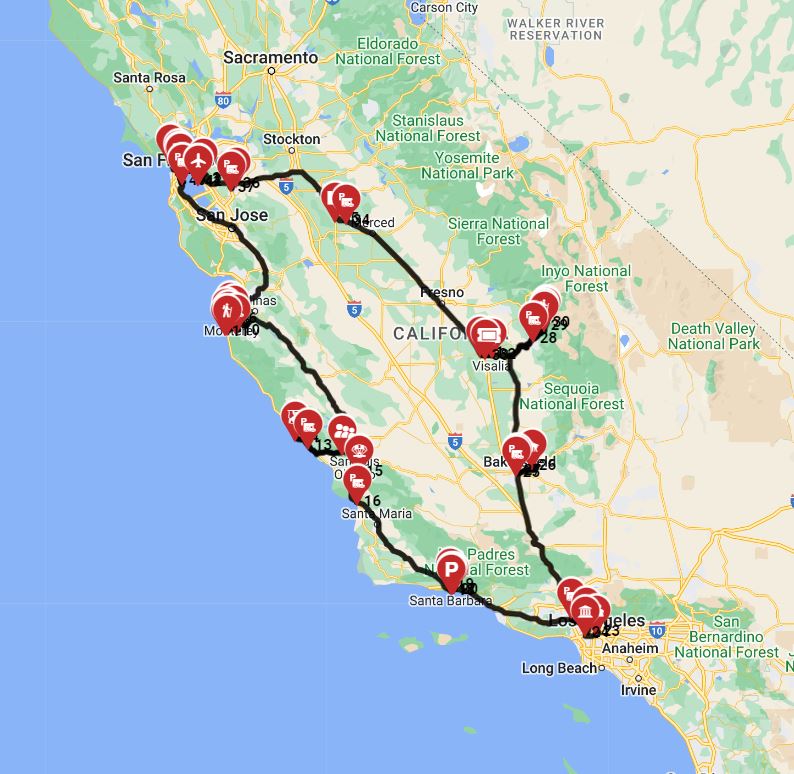
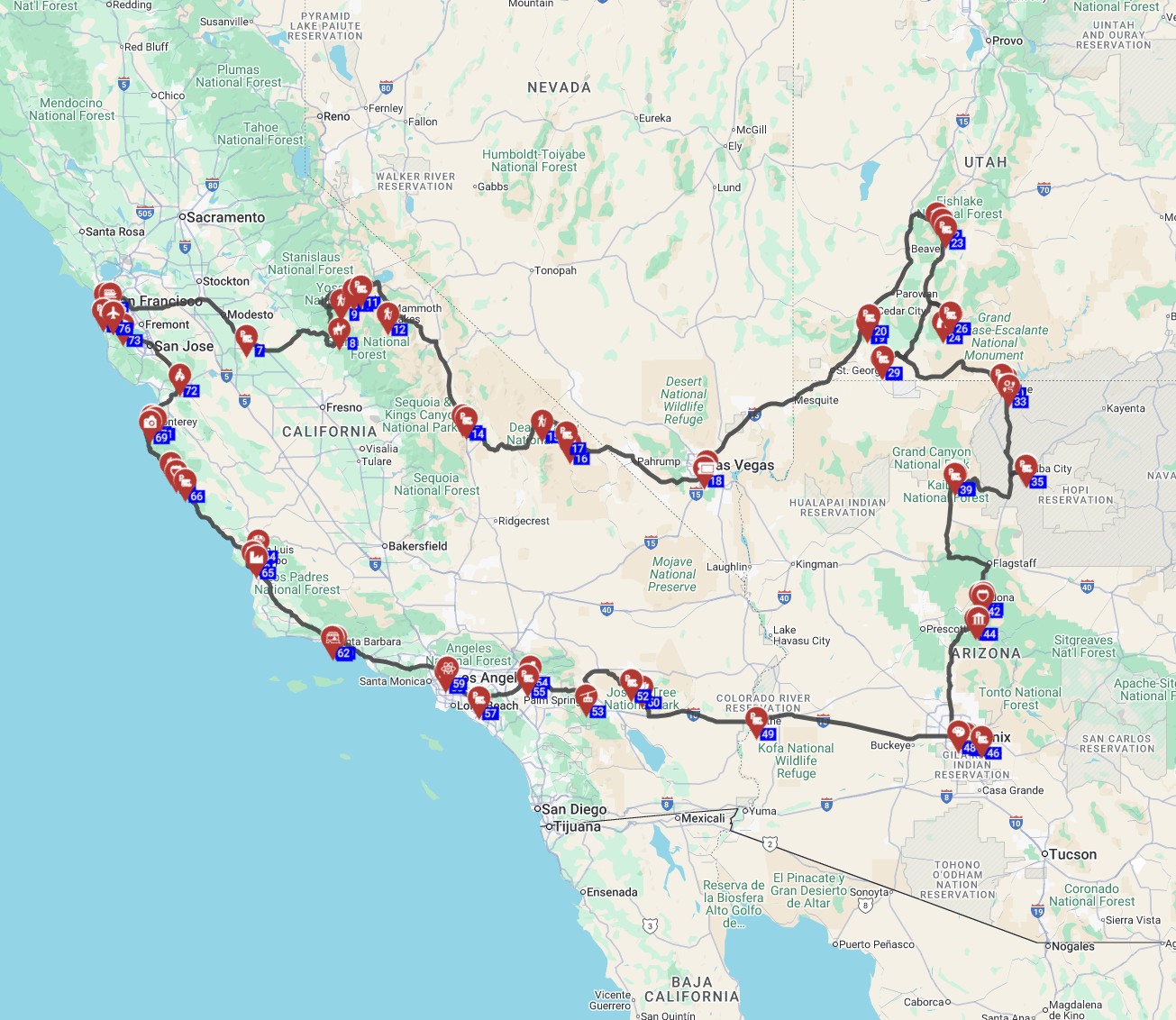
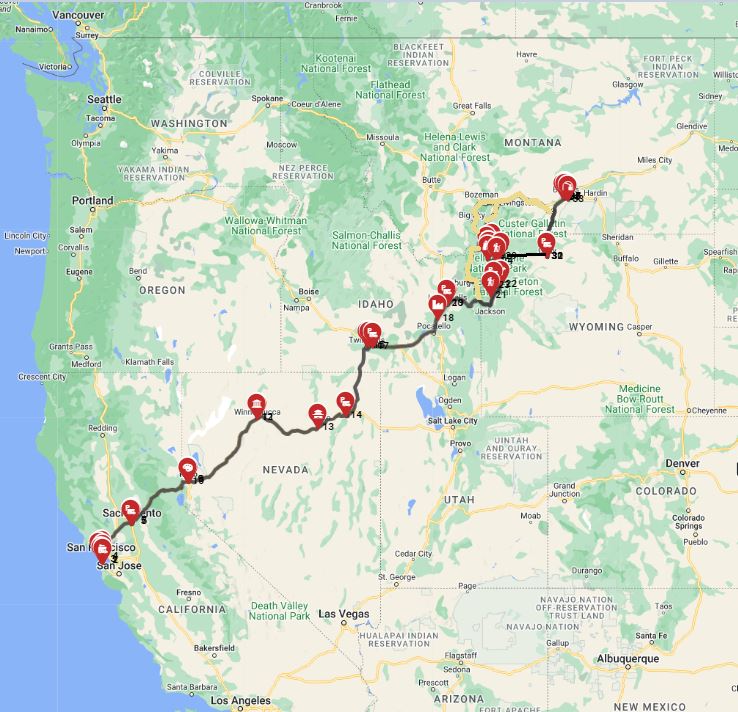
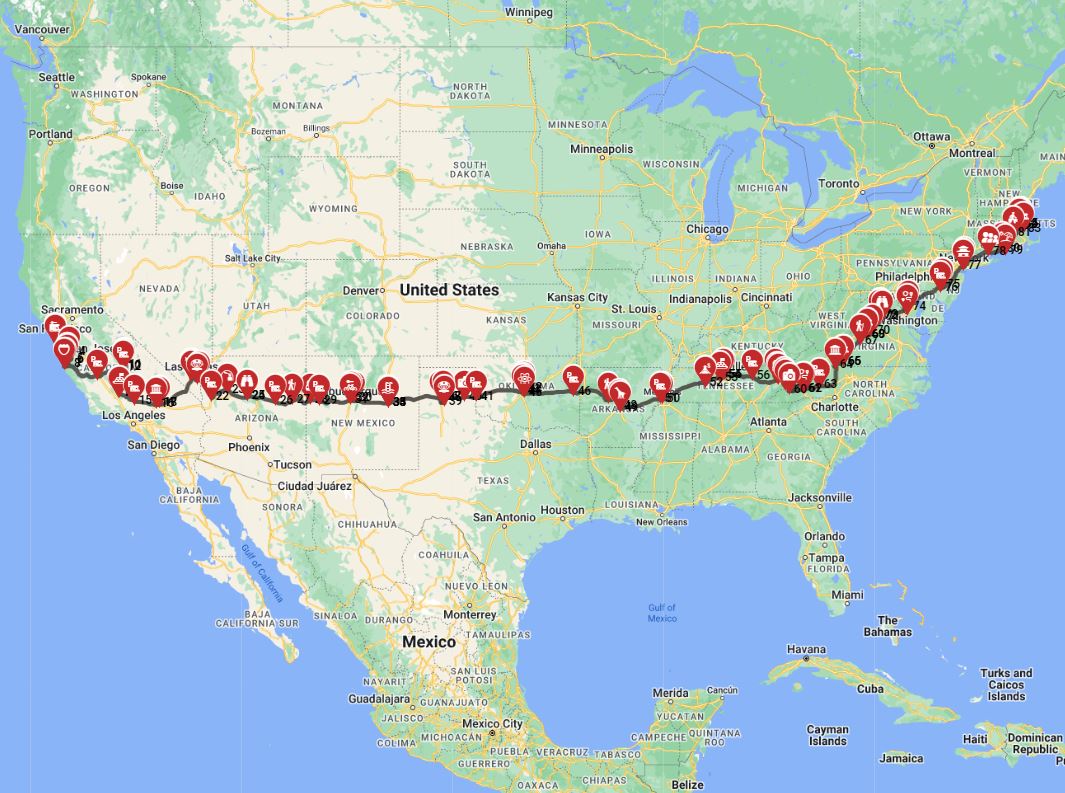
Our Rent&Plan service allows you to explore pre-planned routes like the "Portland to San Francisco" itinerary (18 days, 2546.3999999999996 km), ensuring you have a clear plan for your journey and where to stay, minimizing the need for impromptu city parking.
What is the 3 3 3 rule for RVs and campers?
The 3-3-3 rule for RVs and campers is a well-known guideline promoting a relaxed pace for road trips: drive no more than 300 miles per day, arrive at your destination by 3 PM, and stay for at least 3 nights. This framework aims to minimize driving fatigue, allow sufficient time for campsite setup and enjoyment, and encourage exploration of each location with a rented motorhome. While the "300 miles a day" aspect might be less applicable for intensively urban destinations like San Francisco, where the focus shifts to local exploration rather than long-distance driving, the principles of slowing down and savoring your stops are always valuable for any cheap RV rental adventure. This is a core part of our philosophy: travel slowly, max 100-150 km per day on average, and take time to connect to the culture, food, and scenery.
What license do you need to drive an RV in California?
In California, a standard Class C driver's license is sufficient for driving most RVs, including Class B, Class C, and many Class A motorhomes, as long as the vehicle's Gross Vehicle Weight Rating (GVWR) is 26,000 pounds or less. For RVs or combinations exceeding 26,000 pounds GVWR, or towing a vehicle over 10,000 pounds, a non-commercial Class A or Class B license may be required. However, for the vast majority of motorhome rentals, your standard license is all you need. Always verify the specific GVWR of your rental RV and consult the California Department of Motor Vehicles (DMV) website for the most current licensing requirements to ensure compliance. You'll find these details clearly presented when booking a cheap RV rental in San Francisco through Bandana.
Which RV does not require a license?
No RV, regardless of its size or class, can be operated without a valid driver's license. All motorhomes, from compact campervans to larger Class A units, require the driver to hold an appropriate license. However, the good news for travelers is that many RV classes, including popular Class B campervans, Class C cab-over-engine motorhomes, and even smaller Class A integrated motorhomes, can typically be driven with a standard Class C driver's license in California, provided they meet specific weight criteria (under 26,001 lbs GVWR). The question might be misconstrued to imply that some RVs don't require *any* license, which is incorrect; instead, they don't require a *special* commercial or higher-class license. This simplifies your cheap RV rental planning significantly.
Who has the least expensive RV insurance?
The "least expensive" RV insurance varies widely by individual factors such as the driver's record, RV type, chosen coverage limits, and state of residence, making direct comparisons for personal RV ownership difficult. However, for cheap RV rental customers like those traveling from San Francisco, the rental company typically includes basic insurance coverage as part of the rental package. Renters often have the option to purchase additional coverage directly from the supplier or through third-party providers for a top-level deductible reimbursement, offering extra peace of mind during their adventure. It's always recommended to review your personal auto insurance policy or credit card benefits, as some may offer limited RV rental coverage, but always check for RV-specific clauses. Bandana offers full transparency on insurance options, ensuring no hidden fees or surprises.
How much does it cost to insure an RV in California?
The cost to insure a personally owned RV in California can range significantly, from approximately $800 to over $2,000 per year, heavily dependent on the RV's value, class, mileage, the driver's history, chosen deductibles, and specific coverage options. Larger and more expensive Class A RVs generally incur higher annual insurance premiums than smaller Class C or Class B models. For cheap RV rental travelers in San Francisco, however, insurance is typically bundled into your rental agreement, so you won't be purchasing separate annual insurance. You can upgrade to a top-level deductible for extra peace of mind. Bandana clearly outlines all insurance details during the booking process, ensuring you understand your coverage and any optional upgrades before you confirm your rental. Our commitment to full transparency means you'll always know the full cost upfront.
What You Shouldn't Miss
- Golden Gate Bridge Vista Point: Drive your rented RV to the north side vista point for breathtaking panoramic views of the iconic bridge, Alcatraz, and the San Francisco skyline. This is a must-stop photo opportunity.
- Muir Woods National Monument: Just a short drive north of San Francisco, immerse yourself in the majestic redwood forests. Park your RV nearby and walk among these ancient giants; it's a truly humbling experience.
- Alcatraz Island Tour: Book tickets well in advance for a ferry ride to Alcatraz. Explore the infamous prison and learn about its storied past. Public transportation from RV parks near San Francisco can take you directly to Pier 33 for the ferry.
- Golden Gate Park Exploration: This expansive urban park offers something for everyone, from the serene Japanese Tea Garden to the California Academy of Sciences. Park your motorhome on the periphery and explore by bike or on foot.
- Napa Valley Wine Country: Extend your RV adventure north to Napa Valley, only about an hour's drive from San Francisco. Enjoy world-class wineries, exquisite dining, and beautiful vineyard scenery, making sure to appoint a designated driver for tastings.
- Fisherman's Wharf and Pier 39: Experience the lively atmosphere, watch the sea lions at Pier 39, and savor some fresh seafood. This bustling area is best accessed via public transport after parking your RV at a nearby campground.
Final Thoughts
San Francisco, with its iconic landmarks and vibrant culture, offers an unparalleled backdrop for a memorable cheap RV rental adventure. While navigating the city's unique terrain requires a bit of planning and attention, the freedom of having your own mobile home base provides endless possibilities for exploration, both within the city and in the breathtaking natural beauty of Northern California. Remember to drive slowly and carefully, utilize peripheral parking, and leverage public transport to truly savor the urban experience.
At Bandana RV, we are dedicated to making your journey as smooth and enjoyable as possible. We handle the details, so you can live the journey, supported by our expertise and commitment to transparency every step of the way. Imagine yourself cruising along the Pacific Coast Highway, exploring majestic redwood forests, or simply enjoying a sunset over the Golden Gate Bridge from your rented motorhome.
Ready to discover the magic of San Francisco and beyond on your own terms? Your adventure awaits!
Find Motorhome Rentals in San Francisco