In This Guide
- Can You Drive an RV in Philadelphia? License & Age Rules
- Road Conditions & Terrain in Philadelphia
- RV Size Limits, Bridges & Restricted Zones
- Fuel: Diesel vs. Petrol & Cost per 100 km
- Tolls, Vignettes & Border Rules
- Driving Tips for RV Rental Travelers
- Recommended RV Class for Philadelphia Roads
- Should I Choose a Compact Van Instead of a Large RV in Philadelphia?
- Can I Park Anywhere? Free & Wild Camping Rules in Philadelphia
- Can I Drive an RV Into the City Center? Heights, Tunnels & Local Signage
- Do I need a special license to drive an RV in PA?
- What is the 4-4-4 rule for RVing?
- What license is required to drive an RV?
- What is the 3-3-3 rule for RV?
- Can you park overnight on the street in Philly?
- What license does an RV require?
- How much is RV insurance in PA?
- What is the average cost for RV insurance?
- Who has the best rates on RV insurance?
- How much is insurance on a $200,000 RV?
Can You Drive an RV in Philadelphia? License & Age Rules
Most RVs under 26,000 pounds Gross Vehicle Weight Rating (GVWR) can be driven in Pennsylvania with a standard Class C driver's license. This means that for nearly all rented motorhomes and campervans, your regular car license is all you need, making an RV adventure in Philadelphia easily accessible for many travelers. An International Driving Permit (IDP) is recommended for visitors from non-English speaking countries, though it's not strictly mandatory in most cases. For live availability and current prices, start with our RV Rental Philadelphia - Complete Guide 2026 guide. Bandana RV streamlines the booking process, showing you options from over 50 leading RV suppliers like El Monte and Cruise America, ensuring full transparency with no hidden fees or surprises at pickup. Many RV rental companies typically require drivers to be at least 21 years old, regardless of state licensing laws, and some suppliers might have a minimum age of 25 for larger Class A motorhomes. However, with Bandana RV, the minimum rental age for all motorhome classes is 21, and there are no young driver surcharges or vehicle class restrictions based on age. This inclusive approach makes RV exploration simpler for a broader range of adventurers. Foreign drivers operating an RV in Philadelphia are generally required to possess a valid driver's license from their home country along with an International Driving Permit (IDP) for smooth travel, though local laws in most cases do not mandate an IDP.Road Conditions & Terrain in Philadelphia
Philadelphia's road conditions vary significantly, featuring well-maintained interstate highways like I-95 and I-76 leading into the city, but often transitioning to narrower, older, and occasionally cobblestone streets within its historic districts. The terrain within Philadelphia is generally flat, making driving less strenuous than in mountainous regions, but vigilance is required for potholes and heavy urban traffic, especially during rush hour on routes such as the Schuylkill Expressway. RV drivers should be prepared for varying road surfaces and congested areas, which necessitate slower speeds and increased caution compared to open highway driving, ensuring a comfortable and safe journey through the city's diverse landscapes. Remember, driving slowly and carefully allows you to drive almost anywhere without issues, so there's no need to stress – just use common sense and pay attention to your surroundings.RV Size Limits, Bridges & Restricted Zones
RV drivers in Philadelphia must pay close attention to posted height and weight restrictions, especially for older bridges and underpasses within the city and on historic parkways like the Kelly Drive and Benjamin Franklin Parkway. While there are no specific "environmental zones" for RVs in Philadelphia, certain historic areas or narrow streets may have restrictions for oversized vehicles, such as the 18th-century Elfreth's Alley which is only 6 feet wide. Always know your RV's exact dimensions (height, length, width) and plan routes meticulously using an RV-specific GPS to avoid low clearances and restricted access areas, ensuring a smooth journey through the city. Our partners, such as Cruise America, offer various Class C motorhomes with dimensions like the "cruise america rv rental example Explorer" at 7.1m long and 2.78m wide, requiring careful navigation in urban settings.Fuel: Diesel vs. Petrol & Cost per 100 km
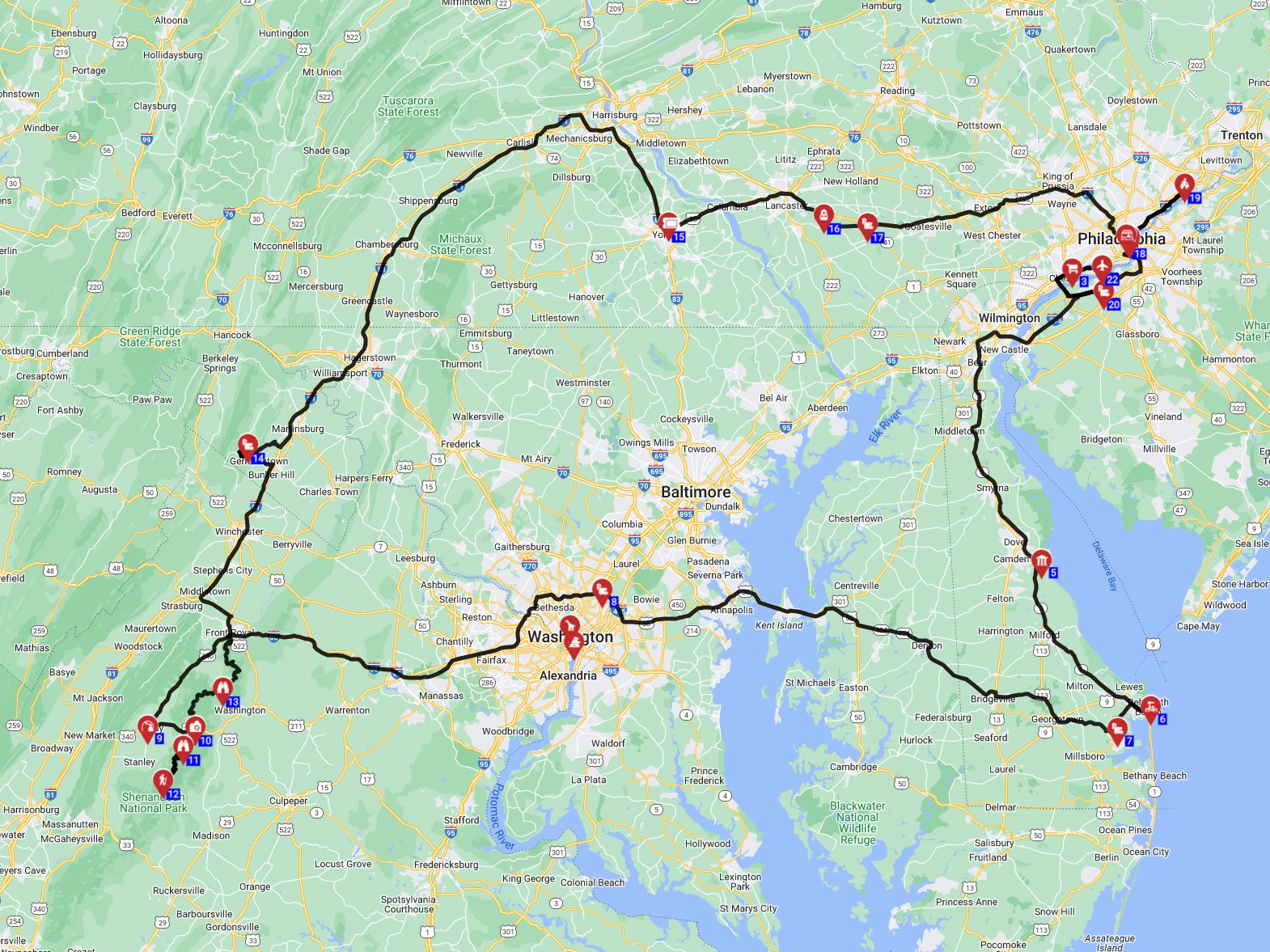
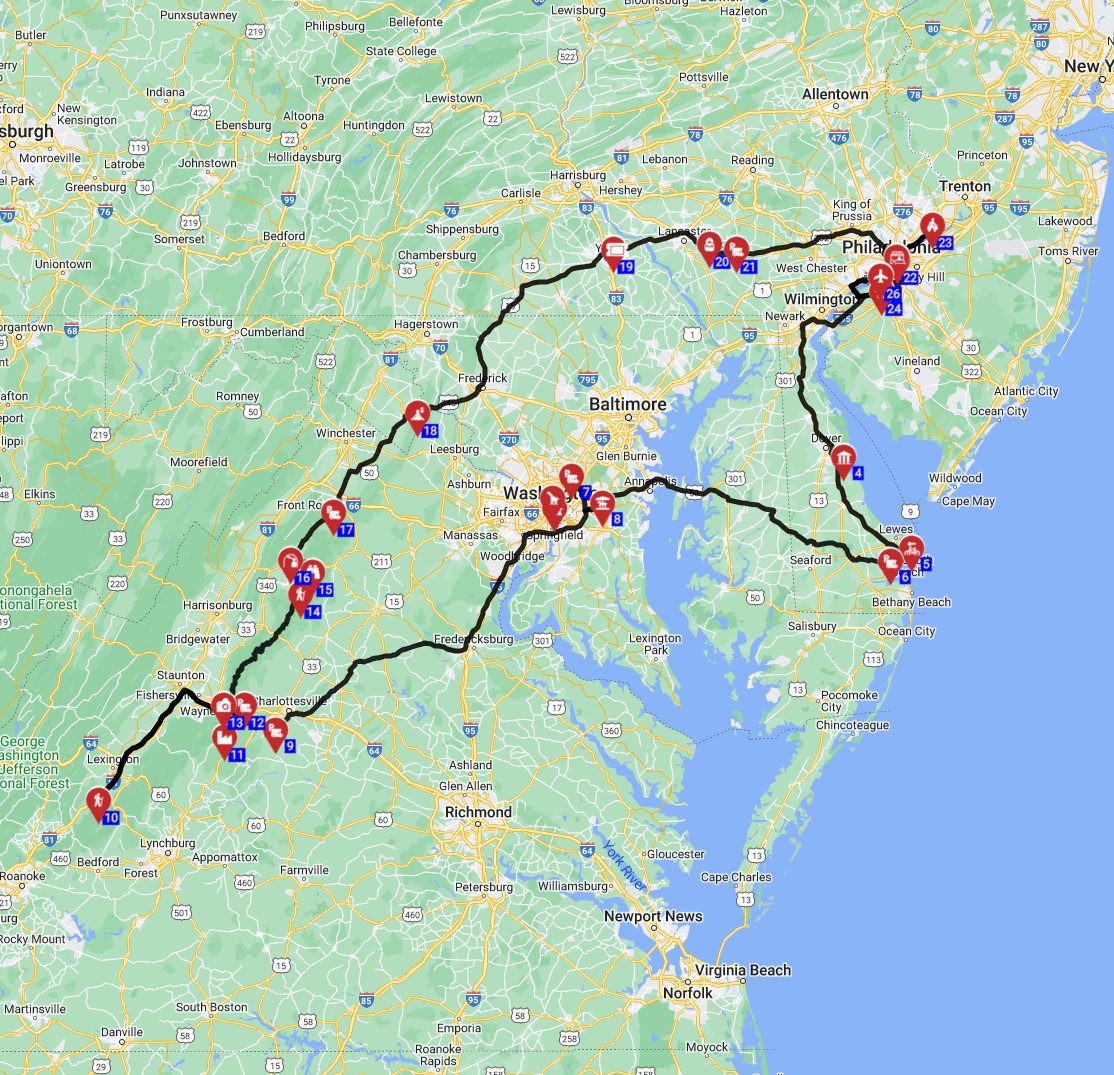
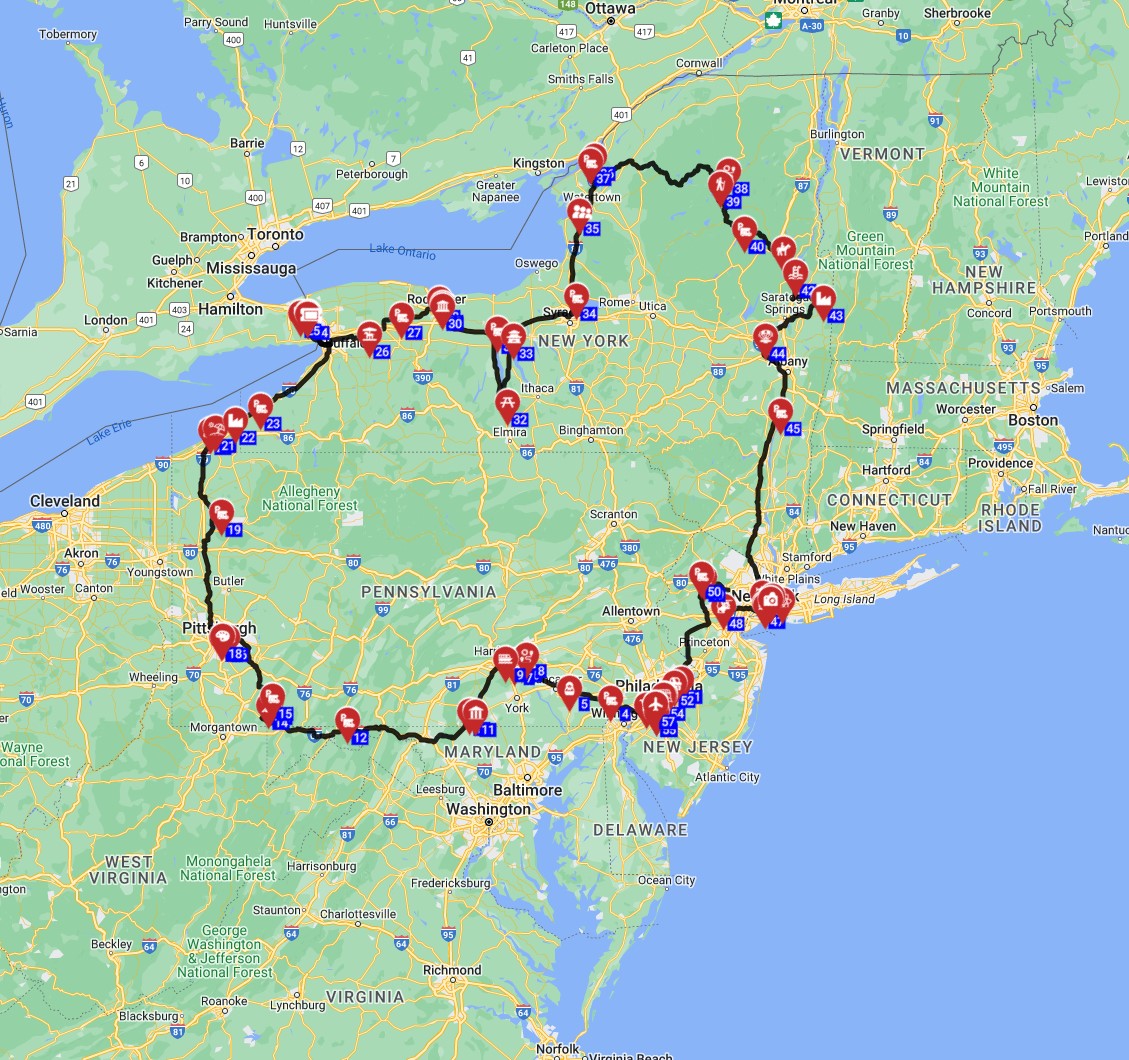
Most rental RVs in the Bandana fleet, particularly Class B Camper Vans, Class SI - Semi-integrated, and Class C - Alcove models, primarily utilize diesel fuel, which is readily available at fuel stations across Pennsylvania, including those along major routes like I-95 and near the Philadelphia International Airport. Bandana's Class SI - Semi-integrated and Class C - Alcove RVs typically consume between 10-12 Liters/100 km, while Class B - Camper Vans average an even more efficient 8-10 Liters/100 km. Based on these averages and current fuel prices in Pennsylvania, budgeting for approximately $12-$20 per 100 km is advisable for fuel costs, depending on the specific RV's efficiency and current market rates. When planning your route and estimating overall expenses, remember that RV PLANET routes allow you to itemize and track every expense for easy budgeting, covering not just fuel but also campground fees, tolls, and groceries.Tolls, Vignettes & Border Rules
RV travelers driving in and around Philadelphia will encounter tolls, most notably on the Pennsylvania Turnpike, other expressways like the Atlantic City Expressway, and certain bridges such as the Betsy Ross Bridge. Pennsylvania operates an electronic tolling system, with E-ZPass being the most convenient and cost-effective method; while cash payments may be phased out on some routes, 'Toll-by-Plate' options are available but can incur higher fees. Many Bandana RVs from suppliers like El Monte and Cruise America can be equipped with pre-purchased E-ZPass transponders, simplifying toll payments and potentially avoiding higher 'Toll-by-Plate' charges, so inquire about this option during your booking. For travelers considering a wider East Coast adventure, our "RV Rental Maryland - Complete Guide 2026" offers valuable insights into regional driving.Driving Tips for RV Rental Travelers
Planning your routes carefully is paramount, especially within Philadelphia, using RV-specific GPS navigation to avoid low bridges, narrow streets, and restricted zones, particularly in historic areas like Society Hill. Consider parking your rented RV at an outlying campground or RV park, such as the Philadelphia/West Chester KOA, and utilizing Philadelphia's SEPTA public transportation system to access city attractions, minimizing urban driving and parking stress around landmarks like Independence Hall. Allocate extra travel time, as rented RVs are slower to accelerate and brake, and maneuvering in city traffic requires more caution than driving a standard car. Take frequent breaks, especially with family, adhering to rules like the '3-3-3' or '4-4-4' guideline (driving no more than 300-400 miles a day, stopping by 3-4 PM, and staying at least 3-4 nights) to prevent driver fatigue and allow for spontaneous exploration of local points of interest like Reading Terminal Market. Always double-check your RV's height, width, and length before attempting to pass under bridges, enter parking garages, or navigate tight spaces to prevent mishaps. Remember, slow travel, averaging max 100-150 km per day, allows you to truly feel the place, connect to the culture, the food, and the scenery, and even enjoy cooking up some delicious meals in your RV's kitchen with our RV-friendly recipes playlist.Recommended RV Class for Philadelphia Roads
For optimal navigation of Philadelphia's mix of urban, suburban, and surrounding areas, a Class B Camper Van is highly recommended due to its compact size (average length 5.8m) and superior maneuverability. These smaller campervans, like the popular "rv rental denver example Category Van" or a "2 Berth Hi Top", are agile enough for city streets and easier to park. A Class SI - Semi-integrated RV (average length 6.9m) also provides a good balance of interior comfort and manageable size for exploring areas adjacent to the city and easier highway travel on the Pennsylvania Turnpike, offering more amenities without being excessively large. While larger options like Class C (average length 7.5m) and Class A (average length 7.5m) motorhomes offer more living space, their dimensions can make driving and finding suitable parking within Philadelphia significantly more challenging. To see more options and compare prices, explore our "RV Rental in Philadelphia - Prices and Best Deals 2026" guide.Should I Choose a Compact Van Instead of a Large RV in Philadelphia?
Opting for a compact Class B Camper Van, such as the "rv rental denver example Category Van" (average length 5.8m), over a larger RV like a Class C or Class A, can significantly enhance your experience when navigating Philadelphia's dense urban core. Compact vans offer superior maneuverability, making it easier to drive through historic districts and find parking near attractions like the Philadelphia Museum of Art. These smaller vehicles also typically boast better fuel efficiency, which translates to savings on costs per 100 km, making them ideal for city exploration and day trips to nearby natural features like the Delaware Water Gap. While larger RVs provide more living space and amenities for extended stays, a compact van is often the better trade-off for renters prioritizing ease of driving and access to urban attractions.Can I Park Anywhere? Free & Wild Camping Rules in Philadelphia
Free or 'wild camping' for RVs is generally not permitted on public streets or undesignated lands within Philadelphia city limits due to local ordinances. Overnight RV parking within the city is typically restricted to licensed RV parks, campgrounds, or specific private properties with explicit permission, such as the Philadelphia South / Clarksboro KOA Journey across the Delaware River in New Jersey, or nearby state parks. Rules vary by region, so always check local regulations and follow local law before parking overnight to avoid fines, towing, or other legal repercussions; for instance, many retail parking lots also prohibit overnight RV parking. For finding campsites and campgrounds during your trip, we recommend using RV PLANET (rvplan.net) - a great resource for locating available spots along your route, ensuring you always have a safe and legal place to stay.Can I Drive an RV Into the City Center? Heights, Tunnels & Local Signage
Yes, you can generally drive a rented RV into Philadelphia's city center, but it requires careful attention to signage regarding height restrictions, tunnels, and local traffic patterns around areas like City Hall and Rittenhouse Square. Be particularly cautious of low bridge clearances, especially on historic parkways like the Schuylkill Expressway (I-76) and some older city streets within the core of Philadelphia. Always be aware of local signage for one-way streets, residential parking zones, and areas with restricted vehicle access, as these can be challenging for larger vehicles; plan your route to major attractions in advance or consider parking on the outskirts and using public transport. Drive slowly and carefully, and you can drive almost anywhere without issues. No need to stress - just use common sense and pay attention.Do I need a special license to drive an RV in PA?
For most recreational vehicles rented or privately owned in Pennsylvania, a standard Class C driver's license is sufficient, provided the RV's Gross Vehicle Weight Rating (GVWR) is under 26,000 pounds. This covers nearly all Class B campervans, Class C motorhomes, and even many Class A motorhomes available for rental from Bandana RV's partners like Cruise America or Apollo. A non-commercial Class B license is required in Pennsylvania for single vehicles over 26,000 pounds GVWR, which may apply to some larger Class A motorhomes, though these are less common in rental fleets. Pennsylvania law does not typically require a special endorsement for driving an RV unless it exceeds these specific weight thresholds.What is the 4-4-4 rule for RVing?
The '4-4-4 rule' is a widely recognized RVing guideline for safe and enjoyable travel, recommending driving no more than 400 miles (approximately 640 km) a day, stopping by 4 PM, and staying at least 4 nights at each destination. This rule is designed to prevent driver fatigue, allowing ample time for campsite setup and local exploration around Philadelphia, and fostering a more relaxed pace of travel that aligns perfectly with our recommendation for slow travel. While a guideline, adhering to the '4-4-4 rule' (or a similar '3-3-3' variant) can significantly enhance the RV travel experience by reducing stress and maximizing leisure time, allowing you to truly immerse yourself in the culture and scenery.What license is required to drive an RV?
The license required to drive a rented RV in the United States, including Pennsylvania, generally depends on its Gross Vehicle Weight Rating (GVWR), not its class or size. In most U.S. states, a standard Class C (non-commercial) driver's license is adequate for recreational vehicles under 26,000 pounds GVWR, which covers nearly all motorhomes and campervans available for rental. For RVs exceeding 26,000 pounds GVWR or for certain heavy towing setups (which are not relevant for Bandana RV motorhome rentals), a specialized non-commercial Class B or Class A license may be necessary; always verify specific requirements for your chosen RV with your supplier. You can easily compare RV rental license requirements in Philadelphia on our platform.What is the 3-3-3 rule for RV?
The '3-3-3 rule' for RV travel is a widely adopted guideline suggesting driving no more than 300 miles (approximately 480 km) a day, stopping by 3 PM, and staying at least 3 nights in each location. This rule, similar to the '4-4-4' variant, promotes a slower, more deliberate travel pace, aiming to reduce driving fatigue and maximize enjoyment of destinations around Philadelphia and opportunities for relaxation. Following the '3-3-3' rule encourages deeper exploration, allows for unexpected discoveries in places like Fairmount Park, and provides buffer time for any unforeseen travel issues, making for a less rushed and more fulfilling RV adventure. This aligns with our philosophy of traveling slowly, averaging max 100-150 km per day.Can you park overnight on the street in Philly?
Generally, overnight parking for rented RVs on public streets in Philadelphia is not permitted and is subject to local parking ordinances, which often prohibit oversized vehicles or recreational vehicles. Many residential areas have strict parking regulations, including time limits, permit requirements, and street cleaning schedules, making legal and convenient street parking for RVs highly impractical in the city center. For legal and safe overnight RV parking in Philadelphia, it is essential to utilize designated RV campgrounds, private RV parks such as the Philadelphia / West Chester KOA, or properties where explicit permission for overnight parking has been granted.What license does an RV require?
In the United States, including Pennsylvania, most recreational vehicles (RVs) can be driven with a standard Class C driver's license, provided their Gross Vehicle Weight Rating (GVWR) is below 26,000 pounds. This includes all motorhome classes and campervans offered by Bandana RV, from a compact "rv rental denver example Category Van" to a larger Class C motorhome like the "cruise america rv rental example Explorer". Larger RVs, particularly those with a GVWR exceeding 26,000 pounds, may necessitate a non-commercial Class B license, while Class A licenses are typically for heavier combination vehicles. It's crucial to check the specific GVWR of the RV you plan to rent and consult the Pennsylvania Department of Transportation (PennDOT) guidelines to ensure you hold the correct license for your vehicle.How much is RV insurance in PA?
The cost of RV insurance in Pennsylvania can vary widely, typically ranging from $500 to over $3,000 per year, influenced by the RV's class, value, age, driver's record, and chosen coverage options. Factors such as the RV's market value, whether it's financed, how often it's used, and the level of liability and comprehensive/collision coverage significantly impact premiums in PA. For example, a basic liability policy on an older Class C RV might be on the lower end, while full coverage for a new, high-value Class A motorhome with additional endorsements can push costs significantly higher. Remember, Bandana RV offers a top-level deductible reimbursement as an optional upgrade for extra peace of mind during your trip.What is the average cost for RV insurance?
The average cost for RV insurance across the U.S. typically falls between $1,000 and $2,000 annually, but this can fluctuate greatly based on numerous individualized factors. Key determinants of average cost include the RV's make, model, year, and class (e.g., a Class B campervan like the "Active Pop Top" is often less expensive to insure than a large Class A motorhome), along with the policyholder's driving history and geographical location in states like Pennsylvania. Choosing higher deductibles or opting for minimal liability coverage can lower premiums, while comprehensive policies with additional protections like roadside assistance and personal effects coverage will increase the average cost, often by several hundred dollars.Who has the best rates on RV insurance?
Determining 'who has the best rates' for RV insurance is highly subjective and depends entirely on individual circumstances, as rates vary significantly between providers and policyholders, even within Pennsylvania. Top RV insurance providers known for competitive rates and comprehensive coverage often include national carriers like National General, Progressive, Geico, and Safeco, among others, with many offering specialized RV policies. To find the best rates for your specific needs, it's highly recommended to compare quotes from multiple insurance companies, consider bundling RV insurance with other existing policies like auto or home insurance, and inquire about any available discounts (e.g., for safe drivers, RV security features, or membership affiliations).How much is insurance on a $200,000 RV?
Insurance for a $200,000 RV, typically a higher-end Class A or large Class C motorhome, can range from approximately $1,500 to over $4,000 per year, depending on the breadth of coverage and individual rating factors. Factors such as where the RV is stored in Pennsylvania, how frequently it's used for trips, the driver's claims history, and specific state regulations will all significantly influence the final premium for a high-value RV. A luxury RV of this value often necessitates extensive coverage beyond basic liability, including full replacement cost, comprehensive and collision, roadside assistance, and personal property coverage, all of which contribute to a higher overall insurance cost.What You Shouldn't Miss
An RV adventure in Philadelphia offers a unique blend of historical discovery and urban exploration, with the flexibility to escape to nature. Here are some must-do experiences:- **Explore Historic Philadelphia:** Park your rented motorhome at a nearby campground and take public transit (SEPTA) into the city. Wander through Independence National Historical Park, see the Liberty Bell, and stroll down Elfreth's Alley.
- **Discover Fairmount Park:** Embrace the green side of Philadelphia. This expansive park system offers miles of trails for hiking and biking, historic mansions, and the Philadelphia Museum of Art. Look for RV-friendly parking outside the immediate park core.
- **Indulge in the Local Food Scene:** From cheesesteaks at Pat's and Geno's to diverse options at Reading Terminal Market, Philadelphia is a foodie paradise. Seek out food truck gatherings in neighborhoods like University City or Fishtown for more accessible RV parking. Enjoy some of your culinary creations in your RV kitchen with our RV-friendly recipes playlist.
- **Day Trip to Delaware Water Gap National Recreation Area:** Just a manageable drive from Philadelphia, this area offers stunning natural beauty with hiking, waterfalls, and scenic drives. It's an ideal escape for a day or two of outdoor activities with your rented motorhome.
- **Visit Local Breweries and Wineries:** Pennsylvania boasts a growing craft beverage scene. Explore local breweries in the Philly suburbs or wineries in the Brandywine Valley, many of which offer ample parking for larger vehicles.
🎬 Video coming soon
Final Thoughts
Embarking on an RV adventure in Philadelphia offers an unparalleled sense of freedom and discovery, allowing you to explore historic landmarks, vibrant neighborhoods, and scenic escapes at your own pace. With Bandana RV, you're not just renting a vehicle; you're gaining a partner dedicated to making your journey seamless, transparent, and memorable. From understanding local driving nuances to optimizing your fuel budget, we're here to ensure every detail is covered. Imagine yourself cruising along the Delaware River, easily navigating city approaches, and then retreating to a peaceful campground, all while enjoying the comforts of your mobile home. We believe that RV travel should be stress-free and full of possibilities, and with our commitment to clear pricing, dependable support, and expert planning resources like RV PLANET, your Philadelphia road trip is set to be an extraordinary experience. Get inspired for your next trip and discover top destinations, planning tips, all in one place. So, whether you're a seasoned RV enthusiast or a first-time renter, let us help you unlock the magic of Philadelphia by motorhome. Your open-road story begins here, with the confidence that you have true RV specialists backing every mile of your journey. Find Motorhome Rentals in PhiladelphiaIn This Guide
- Can You Drive an RV in Philadelphia? License & Age Rules
- Road Conditions & Terrain in Philadelphia
- RV Size Limits, Bridges & Restricted Zones
- Fuel: Diesel vs. Petrol & Cost per 100 km
- Tolls, Vignettes & Border Rules
- Driving Tips for RV Rental Travelers
- Recommended RV Class for Philadelphia Roads
- Should I Choose a Compact Van Instead of a Large RV in Philadelphia?
- Can I Park Anywhere? Free & Wild Camping Rules in Philadelphia
- Can I Drive an RV Into the City Center? Heights, Tunnels & Local Signage
- Do I need a special license to drive an RV in PA?
- What is the 4-4-4 rule for RVing?
- What license is required to drive an RV?
- What is the 3-3-3 rule for RV?
- Can you park overnight on the street in Philly?
- What license does an RV require?
- How much is RV insurance in PA?
- What is the average cost for RV insurance?
- Who has the best rates on RV insurance?
- How much is insurance on a $200,000 RV?
Can You Drive an RV in Philadelphia? License & Age Rules
Most RVs under 26,000 pounds Gross Vehicle Weight Rating (GVWR) can be driven in Pennsylvania with a standard Class C driver's license. This means that for nearly all rented motorhomes and campervans, your regular car license is all you need, making an RV adventure in Philadelphia easily accessible for many travelers. An International Driving Permit (IDP) is recommended for visitors from non-English speaking countries, though it's not strictly mandatory in most cases. For live availability and current prices, start with our RV Rental Philadelphia - Complete Guide 2026 guide. Bandana RV streamlines the booking process, showing you options from over 50 leading RV suppliers like El Monte and Cruise America, ensuring full transparency with no hidden fees or surprises at pickup. Many RV rental companies typically require drivers to be at least 21 years old, regardless of state licensing laws, and some suppliers might have a minimum age of 25 for larger Class A motorhomes. However, with Bandana RV, the minimum rental age for all motorhome classes is 21, and there are no young driver surcharges or vehicle class restrictions based on age. This inclusive approach makes RV exploration simpler for a broader range of adventurers. Foreign drivers operating an RV in Philadelphia are generally required to possess a valid driver's license from their home country along with an International Driving Permit (IDP) for smooth travel, though local laws in most cases do not mandate an IDP.Road Conditions & Terrain in Philadelphia
Philadelphia's road conditions vary significantly, featuring well-maintained interstate highways like I-95 and I-76 leading into the city, but often transitioning to narrower, older, and occasionally cobblestone streets within its historic districts. The terrain within Philadelphia is generally flat, making driving less strenuous than in mountainous regions, but vigilance is required for potholes and heavy urban traffic, especially during rush hour on routes such as the Schuylkill Expressway. RV drivers should be prepared for varying road surfaces and congested areas, which necessitate slower speeds and increased caution compared to open highway driving, ensuring a comfortable and safe journey through the city's diverse landscapes. Remember, driving slowly and carefully allows you to drive almost anywhere without issues, so there's no need to stress – just use common sense and pay attention to your surroundings.RV Size Limits, Bridges & Restricted Zones
RV drivers in Philadelphia must pay close attention to posted height and weight restrictions, especially for older bridges and underpasses within the city and on historic parkways like the Kelly Drive and Benjamin Franklin Parkway. While there are no specific "environmental zones" for RVs in Philadelphia, certain historic areas or narrow streets may have restrictions for oversized vehicles, such as the 18th-century Elfreth's Alley which is only 6 feet wide. Always know your RV's exact dimensions (height, length, width) and plan routes meticulously using an RV-specific GPS to avoid low clearances and restricted access areas, ensuring a smooth journey through the city. Our partners, such as Cruise America, offer various Class C motorhomes with dimensions like the "cruise america rv rental example Explorer" at 7.1m long and 2.78m wide, requiring careful navigation in urban settings.Fuel: Diesel vs. Petrol & Cost per 100 km
Most rental RVs in the Bandana fleet, particularly Class B Camper Vans, Class SI - Semi-integrated, and Class C - Alcove models, primarily utilize diesel fuel, which is readily available at fuel stations across Pennsylvania, including those along major routes like I-95 and near the Philadelphia International Airport. Bandana's Class SI - Semi-integrated and Class C - Alcove RVs typically consume between 10-12 Liters/100 km, while Class B - Camper Vans average an even more efficient 8-10 Liters/100 km. Based on these averages and current fuel prices in Pennsylvania, budgeting for approximately $12-$20 per 100 km is advisable for fuel costs, depending on the specific RV's efficiency and current market rates. When planning your route and estimating overall expenses, remember that RV PLANET routes allow you to itemize and track every expense for easy budgeting, covering not just fuel but also campground fees, tolls, and groceries.Tolls, Vignettes & Border Rules
RV travelers driving in and around Philadelphia will encounter tolls, most notably on the Pennsylvania Turnpike, other expressways like the Atlantic City Expressway, and certain bridges such as the Betsy Ross Bridge. Pennsylvania operates an electronic tolling system, with E-ZPass being the most convenient and cost-effective method; while cash payments may be phased out on some routes, 'Toll-by-Plate' options are available but can incur higher fees. Many Bandana RVs from suppliers like El Monte and Cruise America can be equipped with pre-purchased E-ZPass transponders, simplifying toll payments and potentially avoiding higher 'Toll-by-Plate' charges, so inquire about this option during your booking. For travelers considering a wider East Coast adventure, our "RV Rental Maryland - Complete Guide 2026" offers valuable insights into regional driving.Driving Tips for RV Rental Travelers
Planning your routes carefully is paramount, especially within Philadelphia, using RV-specific GPS navigation to avoid low bridges, narrow streets, and restricted zones, particularly in historic areas like Society Hill. Consider parking your rented RV at an outlying campground or RV park, such as the Philadelphia/West Chester KOA, and utilizing Philadelphia's SEPTA public transportation system to access city attractions, minimizing urban driving and parking stress around landmarks like Independence Hall. Allocate extra travel time, as rented RVs are slower to accelerate and brake, and maneuvering in city traffic requires more caution than driving a standard car. Take frequent breaks, especially with family, adhering to rules like the '3-3-3' or '4-4-4' guideline (driving no more than 300-400 miles a day, stopping by 3-4 PM, and staying at least 3-4 nights) to prevent driver fatigue and allow for spontaneous exploration of local points of interest like Reading Terminal Market. Always double-check your RV's height, width, and length before attempting to pass under bridges, enter parking garages, or navigate tight spaces to prevent mishaps. Remember, slow travel, averaging max 100-150 km per day, allows you to truly feel the place, connect to the culture, the food, and the scenery, and even enjoy cooking up some delicious meals in your RV's kitchen with our RV-friendly recipes playlist.Recommended RV Class for Philadelphia Roads
For optimal navigation of Philadelphia's mix of urban, suburban, and surrounding areas, a Class B Camper Van is highly recommended due to its compact size (average length 5.8m) and superior maneuverability. These smaller campervans, like the popular "rv rental denver example Category Van" or a "2 Berth Hi Top", are agile enough for city streets and easier to park. A Class SI - Semi-integrated RV (average length 6.9m) also provides a good balance of interior comfort and manageable size for exploring areas adjacent to the city and easier highway travel on the Pennsylvania Turnpike, offering more amenities without being excessively large. While larger options like Class C (average length 7.5m) and Class A (average length 7.5m) motorhomes offer more living space, their dimensions can make driving and finding suitable parking within Philadelphia significantly more challenging. To see more options and compare prices, explore our "RV Rental in Philadelphia - Prices and Best Deals 2026" guide.Should I Choose a Compact Van Instead of a Large RV in Philadelphia?
Opting for a compact Class B Camper Van, such as the "rv rental denver example Category Van" (average length 5.8m), over a larger RV like a Class C or Class A, can significantly enhance your experience when navigating Philadelphia's dense urban core. Compact vans offer superior maneuverability, making it easier to drive through historic districts and find parking near attractions like the Philadelphia Museum of Art. These smaller vehicles also typically boast better fuel efficiency, which translates to savings on costs per 100 km, making them ideal for city exploration and day trips to nearby natural features like the Delaware Water Gap. While larger RVs provide more living space and amenities for extended stays, a compact van is often the better trade-off for renters prioritizing ease of driving and access to urban attractions.Can I Park Anywhere? Free & Wild Camping Rules in Philadelphia
Free or 'wild camping' for RVs is generally not permitted on public streets or undesignated lands within Philadelphia city limits due to local ordinances. Overnight RV parking within the city is typically restricted to licensed RV parks, campgrounds, or specific private properties with explicit permission, such as the Philadelphia South / Clarksboro KOA Journey across the Delaware River in New Jersey, or nearby state parks. Rules vary by region, so always check local regulations and follow local law before parking overnight to avoid fines, towing, or other legal repercussions; for instance, many retail parking lots also prohibit overnight RV parking. For finding campsites and campgrounds during your trip, we recommend using RV PLANET (rvplan.net) - a great resource for locating available spots along your route, ensuring you always have a safe and legal place to stay.Can I Drive an RV Into the City Center? Heights, Tunnels & Local Signage
Yes, you can generally drive a rented RV into Philadelphia's city center, but it requires careful attention to signage regarding height restrictions, tunnels, and local traffic patterns around areas like City Hall and Rittenhouse Square. Be particularly cautious of low bridge clearances, especially on historic parkways like the Schuylkill Expressway (I-76) and some older city streets within the core of Philadelphia. Always be aware of local signage for one-way streets, residential parking zones, and areas with restricted vehicle access, as these can be challenging for larger vehicles; plan your route to major attractions in advance or consider parking on the outskirts and using public transport. Drive slowly and carefully, and you can drive almost anywhere without issues. No need to stress - just use common sense and pay attention.Do I need a special license to drive an RV in PA?
For most recreational vehicles rented or privately owned in Pennsylvania, a standard Class C driver's license is sufficient, provided the RV's Gross Vehicle Weight Rating (GVWR) is under 26,000 pounds. This covers nearly all Class B campervans, Class C motorhomes, and even many Class A motorhomes available for rental from Bandana RV's partners like Cruise America or Apollo. A non-commercial Class B license is required in Pennsylvania for single vehicles over 26,000 pounds GVWR, which may apply to some larger Class A motorhomes, though these are less common in rental fleets. Pennsylvania law does not typically require a special endorsement for driving an RV unless it exceeds these specific weight thresholds.What is the 4-4-4 rule for RVing?
The '4-4-4 rule' is a widely recognized RVing guideline for safe and enjoyable travel, recommending driving no more than 400 miles (approximately 640 km) a day, stopping by 4 PM, and staying at least 4 nights at each destination. This rule is designed to prevent driver fatigue, allowing ample time for campsite setup and local exploration around Philadelphia, and fostering a more relaxed pace of travel that aligns perfectly with our recommendation for slow travel. While a guideline, adhering to the '4-4-4 rule' (or a similar '3-3-3' variant) can significantly enhance the RV travel experience by reducing stress and maximizing leisure time, allowing you to truly immerse yourself in the culture and scenery.What license is required to drive an RV?
The license required to drive a rented RV in the United States, including Pennsylvania, generally depends on its Gross Vehicle Weight Rating (GVWR), not its class or size. In most U.S. states, a standard Class C (non-commercial) driver's license is adequate for recreational vehicles under 26,000 pounds GVWR, which covers nearly all motorhomes and campervans available for rental. For RVs exceeding 26,000 pounds GVWR or for certain heavy towing setups (which are not relevant for Bandana RV motorhome rentals), a specialized non-commercial Class B or Class A license may be necessary; always verify specific requirements for your chosen RV with your supplier. You can easily compare RV rental license requirements in Philadelphia on our platform.What is the 3-3-3 rule for RV?
The '3-3-3 rule' for RV travel is a widely adopted guideline suggesting driving no more than 300 miles (approximately 480 km) a day, stopping by 3 PM, and staying at least 3 nights in each location. This rule, similar to the '4-4-4' variant, promotes a slower, more deliberate travel pace, aiming to reduce driving fatigue and maximize enjoyment of destinations around Philadelphia and opportunities for relaxation. Following the '3-3-3' rule encourages deeper exploration, allows for unexpected discoveries in places like Fairmount Park, and provides buffer time for any unforeseen travel issues, making for a less rushed and more fulfilling RV adventure. This aligns with our philosophy of traveling slowly, averaging max 100-150 km per day.Can you park overnight on the street in Philly?
Generally, overnight parking for rented RVs on public streets in Philadelphia is not permitted and is subject to local parking ordinances, which often prohibit oversized vehicles or recreational vehicles. Many residential areas have strict parking regulations, including time limits, permit requirements, and street cleaning schedules, making legal and convenient street parking for RVs highly impractical in the city center. For legal and safe overnight RV parking in Philadelphia, it is essential to utilize designated RV campgrounds, private RV parks such as the Philadelphia South / Clarksboro KOA Journey, or properties where explicit permission for overnight parking has been granted.What license does an RV require?
In the United States, including Pennsylvania, most recreational vehicles (RVs) can be driven with a standard Class C driver's license, provided their Gross Vehicle Weight Rating (GVWR) is below 26,000 pounds. This includes all motorhome classes and campervans offered by Bandana RV, from a compact "rv rental denver example Category Van" to a larger Class C motorhome like the "cruise america rv rental example Explorer". Larger RVs, particularly those with a GVWR exceeding 26,000 pounds, may necessitate a non-commercial Class B license, while Class A licenses are typically for heavier combination vehicles. It's crucial to check the specific GVWR of the RV you plan to rent and consult the Pennsylvania Department of Transportation (PennDOT) guidelines to ensure you hold the correct license for your vehicle.How much is RV insurance in PA?
The cost of RV insurance in Pennsylvania can vary widely, typically ranging from $500 to over $3,000 per year, influenced by the RV's class, value, age, driver's record, and chosen coverage options. Factors such as the RV's market value, whether it's financed, how often it's used, and the level of liability and comprehensive/collision coverage significantly impact premiums in PA. For example, a basic liability policy on an older Class C RV might be on the lower end, while full coverage for a new, high-value Class A motorhome with additional endorsements can push costs significantly higher. Remember, Bandana RV offers a top-level deductible reimbursement as an optional upgrade for extra peace of mind during your trip.What is the average cost for RV insurance?
The average cost for RV insurance across the U.S. typically falls between $1,000 and $2,000 annually, but this can fluctuate greatly based on numerous individualized factors. Key determinants of average cost include the RV's make, model, year, and class (e.g., a Class B campervan like the "Active Pop Top" is often less expensive to insure than a large Class A motorhome), along with the policyholder's driving history and geographical location in states like Pennsylvania. Choosing higher deductibles or opting for minimal liability coverage can lower premiums, while comprehensive policies with additional protections like roadside assistance and personal effects coverage will increase the average cost, often by several hundred dollars.Who has the best rates on RV insurance?
Determining 'who has the best rates' for RV insurance is highly subjective and depends entirely on individual circumstances, as rates vary significantly between providers and policyholders, even within Pennsylvania. Top RV insurance providers known for competitive rates and comprehensive coverage often include national carriers like National General, Progressive, Geico, and Safeco, among others, with many offering specialized RV policies. To find the best rates for your specific needs, it's highly recommended to compare quotes from multiple insurance companies, consider bundling RV insurance with other existing policies like auto or home insurance, and inquire about any available discounts (e.g., for safe drivers, RV security features, or membership affiliations).How much is insurance on a $200,000 RV?
Insurance for a $200,000 RV, typically a higher-end Class A or large Class C motorhome, can range from approximately $1,500 to over $4,000 per year, depending on the breadth of coverage and individual rating factors. Factors such as where the RV is stored in Pennsylvania, how frequently it's used for trips, the driver's claims history, and specific state regulations will all significantly influence the final premium for a high-value RV. A luxury RV of this value often necessitates extensive coverage beyond basic liability, including full replacement cost, comprehensive and collision, roadside assistance, and personal property coverage, all of which contribute to a higher overall insurance cost.What You Shouldn't Miss
An RV adventure in Philadelphia offers a unique blend of historical discovery and urban exploration, with the flexibility to escape to nature. Here are some must-do experiences:- **Explore Historic Philadelphia:** Park your rented motorhome at a nearby campground and take public transit (SEPTA) into the city. Wander through Independence National Historical Park, see the Liberty Bell, and stroll down Elfreth's Alley.
- **Discover Fairmount Park:** Embrace the green side of Philadelphia. This expansive park system offers miles of trails for hiking and biking, historic mansions, and the Philadelphia Museum of Art. Look for RV-friendly parking outside the immediate park core.
- **Indulge in the Local Food Scene:** From cheesesteaks at Pat's and Geno's to diverse options at Reading Terminal Market, Philadelphia is a foodie paradise. Seek out food truck gatherings in neighborhoods like University City or Fishtown for more accessible RV parking. Enjoy some of your culinary creations in your RV's kitchen with our RV-friendly recipes playlist.
- **Day Trip to Delaware Water Gap National Recreation Area:** Just a manageable drive from Philadelphia, this area offers stunning natural beauty with hiking, waterfalls, and scenic drives. It's an ideal escape for a day or two of outdoor activities with your rented motorhome.
- **Visit Local Breweries and Wineries:** Pennsylvania boasts a growing craft beverage scene. Explore local breweries in the Philly suburbs or wineries in the Brandywine Valley, many of which offer ample parking for larger vehicles.
🎬 Video coming soon
Final Thoughts
Embarking on an RV adventure in Philadelphia offers an unparalleled sense of freedom and discovery, allowing you to explore historic landmarks, vibrant neighborhoods, and scenic escapes at your own pace. With Bandana RV, you're not just renting a vehicle; you're gaining a partner dedicated to making your journey seamless, transparent, and memorable. From understanding local driving nuances to optimizing your fuel budget, we're here to ensure every detail is covered. Imagine yourself cruising along the Delaware River, easily navigating city approaches, and then retreating to a peaceful campground, all while enjoying the comforts of your mobile home. We believe that RV travel should be stress-free and full of possibilities, and with our commitment to clear pricing, dependable support, and expert planning resources like RV PLANET, your Philadelphia road trip is set to be an extraordinary experience. Get inspired for your next trip and discover top destinations, planning tips, all in one place. So, whether you're a seasoned RV enthusiast or a first-time renter, let us help you unlock the magic of Philadelphia by motorhome. Your open-road story begins here, with the confidence that you have true RV specialists backing every mile of your journey. Find Motorhome Rentals in PhiladelphiaOn the routes offered through RV PLANET routes, you can itemize and track every expense along the way for easy budgeting.