In This Guide
- Can You Drive an RV in Hungary? License & Age Rules
- Road Conditions & Terrain in Hungary
- RV Size Limits, Bridges & Restricted Zones
- Fuel: Diesel vs. Petrol & Cost per 100 km
- Tolls, Vignettes & Border Rules
- Driving Tips for cheap rv rental Travelers
- Recommended RV Class for Hungary Roads
- Should I Choose a Compact Van Instead of a Large RV in Hungary?
- Can I Park Anywhere? Free & Wild Camping Rules in Hungary
- Can I Drive an RV Into the City Center? Heights, Tunnels & Local Signage
- Why Choose Hungary for Your RV Adventure?
- What is the best time of year to RV in Hungary?
- How much does it cost to rent an RV in Hungary?
- Are there pet-friendly RV rentals and campsites in Hungary?
- What are the best RV routes and destinations in Hungary?
- What are some unique cultural experiences for RV travelers in Hungary?
- How do I find RV campsites and services in Hungary?
- Is it safe to RV in Hungary?
Can You Drive an RV in Hungary? License & Age Rules
Yes, driving an RV in Hungary is accessible with a standard driver's license. A Category B license is sufficient for vehicles up to 3,500 kg, which covers most rental campervans and semi-integrated models typically offered by suppliers. Drivers must generally be 21 years old to rent an RV, although some rental companies may impose higher minimum age requirements, often around 25, especially for larger Class A or C motorhomes. For vehicles exceeding 3,500 kg, a Category C1 or C license is required. International visitors from non-EU countries will usually need an International Driving Permit (IDP) alongside their national license to legally drive in Hungary. Always confirm the specific age and driving experience requirements with your chosen rental provider before booking.
Road Conditions & Terrain in Hungary
Hungary's road infrastructure is generally good, particularly its motorways (M-routes), which are well-maintained and suitable for RV travel. Secondary roads can vary in quality; some may be narrower or have a rougher surface, especially in more rural or historic areas, so driving slowly and carefully is always advised. The country's terrain is predominantly flat in the Great Hungarian Plain (Alföld), offering straightforward driving, while Transdanubia and the Northern Uplands present more rolling hills. Key Hungarian road regulations to remember include the mandatory use of daytime running lights at all times, carrying reflective vests for all passengers to wear in case of breakdown, and ensuring a first-aid kit is readily available. Navigating urban areas, especially the capital Budapest, demands extra caution due to higher traffic volumes and potentially narrower streets; using common sense and paying attention to local signage will ensure a smooth journey.
RV Size Limits, Bridges & Restricted Zones
Hungary has standard vehicle size regulations that most RVs can accommodate. The typical maximum vehicle height allowed is 4 meters, and the maximum width is 2.55 meters, covering the majority of rental motorhomes and campervans. It's always essential to remain vigilant for local signage that indicates lower bridge clearances or weight restrictions, particularly on rural roads or when entering historic town centers. Hungary does not have widespread environmental or low-emission zones that typically restrict RV access, but it's prudent to verify any specific local restrictions for particular cities or areas you plan to visit. Similarly, while there are no inherent RV-specific ferry limits across Hungary, always check with individual operators, such as those on Lake Balaton, for their specific vessel capabilities and any potential size or weight restrictions.
Fuel: Diesel vs. Petrol & Cost per 100 km
Diesel (gázolaj) is the most common and recommended fuel for RVs in Hungary, and it's readily available at service stations throughout the country. Based on typical fleet averages, Class SI (Semi-integrated) RVs generally consume around 10-11 liters per 100 km, Class C (Alcove) RVs consume about 10-12 liters per 100 km, and Class B Camper Vans typically use 8-10 liters per 100 km. Travelers should budget approximately €1.50-€1.70 per liter for fuel, which translates to estimated fuel costs of €15-€20 per 100 km, depending on the specific vehicle's efficiency and current market prices. Some rental RVs may come equipped with fuel discount cards, which can be a helpful way to manage your daily travel expenses. On the routes offered through RV PLANET routes, you can itemize and track every expense along the way for easy budgeting.
Tolls, Vignettes & Border Rules
Using Hungarian motorways and expressways requires a mandatory e-vignette (e-matrica) for all vehicles, including RVs. This electronic vignette must be purchased for a specific duration and vehicle category to avoid significant fines. Most RVs and motorhomes will fall under the D2 or B2 vignette categories, so it's crucial to select the correct one during purchase. Vignettes can be conveniently acquired online via the official government portal, at border crossings, many petrol stations, or post offices, with options for various durations. When planning international RV trips, remember that each neighboring country has its own distinct toll system and vignette requirements. If your rented RV is equipped with pre-purchased passes for other countries, be sure to understand their terms of use.
Driving Tips for cheap rv rental Travelers
Adhering to Hungary's speed limits is crucial for safe RV travel. These are generally 50 km/h in urban areas, 90 km/h on main roads (outside urban areas), and 110-130 km/h on motorways, although lower limits often apply to RVs exceeding 3.5 tonnes. Ensure your vehicle is equipped with mandatory safety items: reflective vests for all passengers (to be kept inside the cabin) and a warning triangle. Be mindful of varying road quality on rural routes, and exercise caution in city traffic, especially in Budapest. In the event of a breakdown, the universal emergency number across Europe, including Hungary, is 112. Ensure your rented RV's insurance adequately covers international travel and includes roadside assistance for added peace of mind.
Recommended RV Class for Hungary Roads
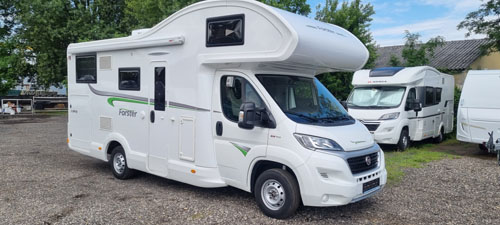
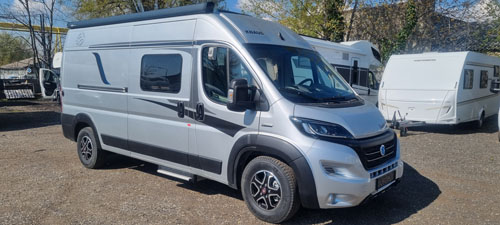
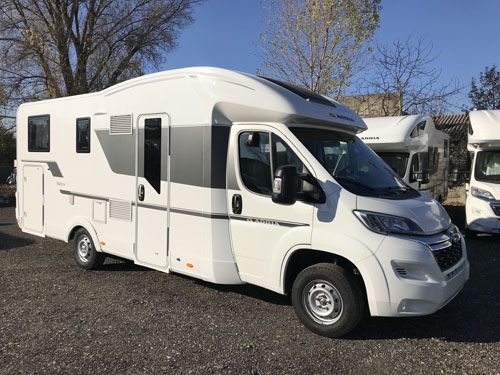
For exploring Hungary by RV, a Class SI (Semi-integrated) motorhome offers an excellent balance of comfort and maneuverability, with Bandana's global fleet averaging around 6.9 meters in length. These vehicles provide ample living space and amenities while remaining relatively easy to handle on various road types. Alternatively, a Class B (Camper Van) offers superior agility, averaging 5.8 meters in length, making them ideal for navigating smaller towns and finding parking in more confined spaces. Both classes are well-suited for Hungary's main roads and motorways. While larger Class C (Alcove) and Class A (Integrated) RVs are also capable on main routes, they can present more challenges in historic city centers or on narrower country lanes.
Should I Choose a Compact Van Instead of a Large RV in Hungary?
Choosing between a compact van and a larger RV in Hungary often depends on your travel style and priorities. A compact van, like a Class B Camper Van (averaging 5.8 meters), offers enhanced maneuverability for exploring tight urban centers and finding easier parking. However, larger RVs, such as Class SI Semi-integrated models (averaging 6.9 meters) or Class C models (averaging 7.5 meters), provide significantly more living space, comfort, and storage, which is ideal for longer trips or families. Hungary's primary road network accommodates all RV sizes effectively, making the decision primarily about balancing interior comfort and amenities against the ease of navigating very narrow or congested areas. For a budget-conscious experience that prioritizes spaciousness on an extended trip, a larger RV often presents better value, as daily maneuverability concerns can be managed by planning routes and parking strategically.
Can I Park Anywhere? Free & Wild Camping Rules in Hungary
Wild camping in RVs is generally prohibited across Hungary and can result in fines. The legal and recommended option for overnight stays is utilizing designated campsites, and Hungary offers a good network of official sites with essential amenities like water, electricity hookups, and waste disposal facilities. Parking overnight on private land is permissible only with the explicit consent of the landowner. Remember that camping regulations can vary slightly by region, so it’s always best practice to check local ordinances and follow local laws before parking your RV overnight to ensure compliance and respect for local communities.
Can I Drive an RV Into the City Center? Heights, Tunnels & Local Signage
Yes, RVs can generally be driven into Hungarian city centers, but it requires paying close attention to local signage and traffic conditions. Drivers should be particularly vigilant for specific height restrictions on underpasses or historic city entrances, weight restrictions, and any 'residents only' parking zones that might be in place. While less common, it's always wise to check for any specific environmental or low-emission zones that might restrict vehicle access in certain cities. For those driving larger RVs, considering parking on the city outskirts and utilizing Hungary's efficient public transport system for central exploration can be a stress-free alternative to navigating complex urban traffic and parking challenges.
Why Choose Hungary for Your RV Adventure?
Hungary presents a compelling and unique destination for an RV adventure, offering a rich tapestry of experiences distinct from many other European countries. Its geographic diversity includes the unique thermal lake of Hévíz, the vast, open spaces of the Puszta plains, and a history etched into its charming towns and cities. Crucially for budget-conscious travelers, Hungary offers exceptional value for money, with more affordable RV rental costs, fuel, and campsite fees compared to many Western European counterparts. Culturally, Hungary provides an authentic travel experience, from its vibrant folk traditions and unique 'Csárda' restaurants to its numerous historic castles and the distinctive flavors of its cuisine, making it an ideal choice for an immersive road trip.
What is the best time of year to RV in Hungary?
The ideal time to RV in Hungary largely depends on your preferences for weather and crowd levels. Spring (April-May) and autumn (September-October) are excellent choices, offering mild temperatures, beautiful seasonal landscapes, and fewer tourists, which is perfect for sightseeing and cultural exploration. Summer (June-August) is ideal for enjoying activities around Lake Balaton and attending festivals, but expect warmer weather and larger crowds. Winter (November-March) provides unique opportunities for visiting thermal spas and Christmas markets, although some campsites may have reduced services or be closed, and ensuring your RV is properly winterized is essential for comfort and safety during colder months.
How much does it cost to rent an RV in Hungary?
The total cost of an RV trip in Hungary encompasses several components beyond the daily rental fees, which themselves vary by RV class, season, and rental duration. Travelers should also budget for fuel, tolls (via the mandatory e-vignette), and campsite expenses. For a Class B Camper Van or Class SI Semi-integrated RV, daily rental costs can range significantly, with peak summer season being the most expensive. Fuel expenses can be estimated at €15-€20 per 100 km, and the e-vignette cost for a D2 category vehicle (typical for RVs) for 10 days is approximately €15-€20. Campground fees generally range from €15-€40 per night for a pitch with basic amenities. Self-catering with groceries purchased from local markets (budgeting around €20-€30 per day for a couple) and enjoying occasional meals at traditional 'Csárda' restaurants (around €10-€20 per person) offers excellent value for money and authentic culinary experiences. For ideas you can prep on the road, watch our RV-friendly recipes playlist on YouTube.
Are there pet-friendly RV rentals and campsites in Hungary?
Yes, you'll find that many RV rental companies in Hungary, including those partnered with Bandana, offer pet-friendly vehicles, often with an additional cleaning fee to ensure the vehicle remains in excellent condition. Numerous campsites across Hungary, particularly those located near Lake Balaton or within national park areas, are welcoming to pets. However, it's always advisable to confirm the specific pet policies and any associated fees with campsites directly before your arrival. Pet owners should be prepared to adhere to local regulations, which typically include keeping pets on a leash and practicing responsible waste disposal. Veterinary services are available in most towns, and carrying your pet's vaccination records and a European Pet Passport, if applicable, is recommended for a smooth journey.
What are the best RV routes and destinations in Hungary?
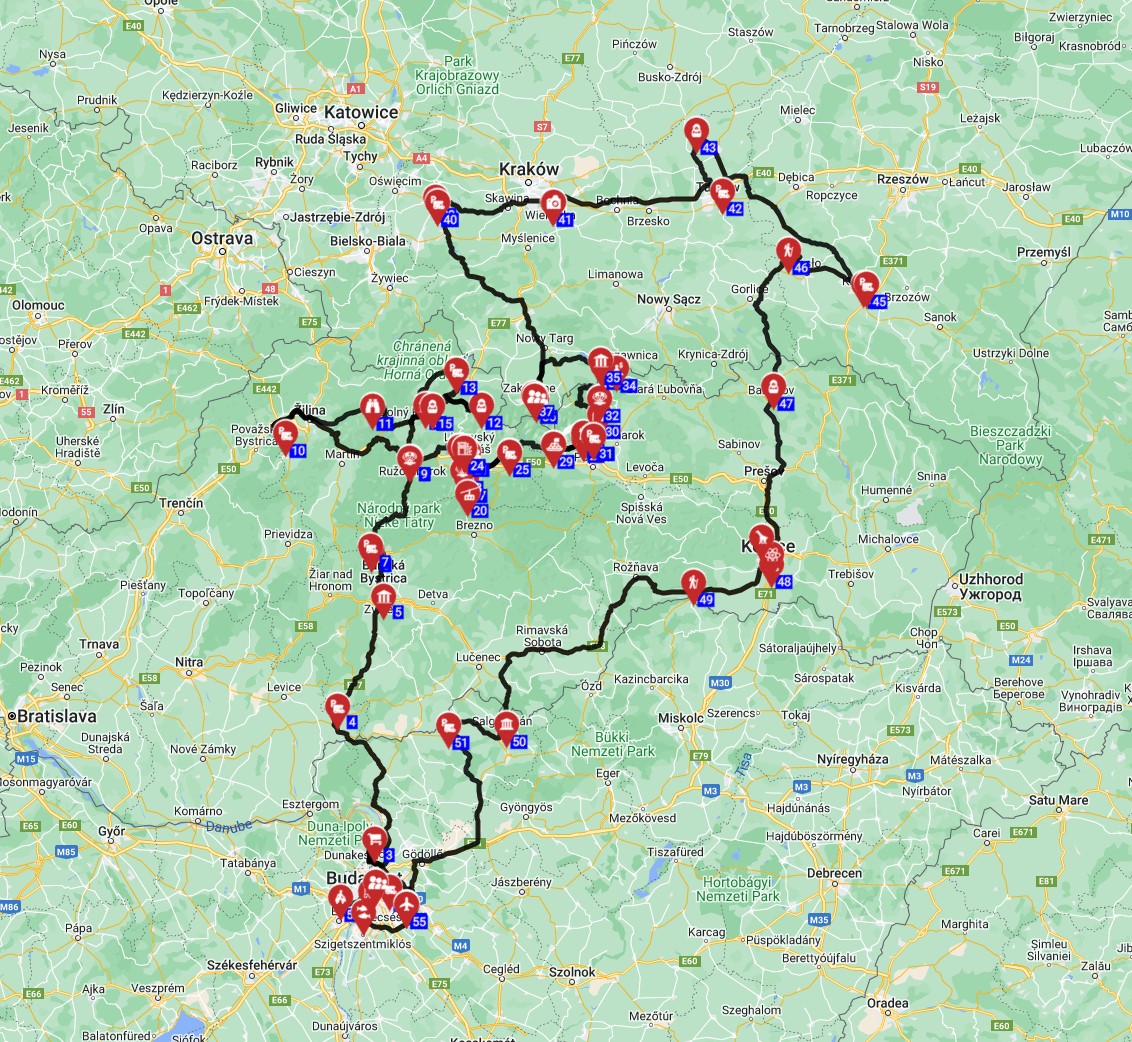
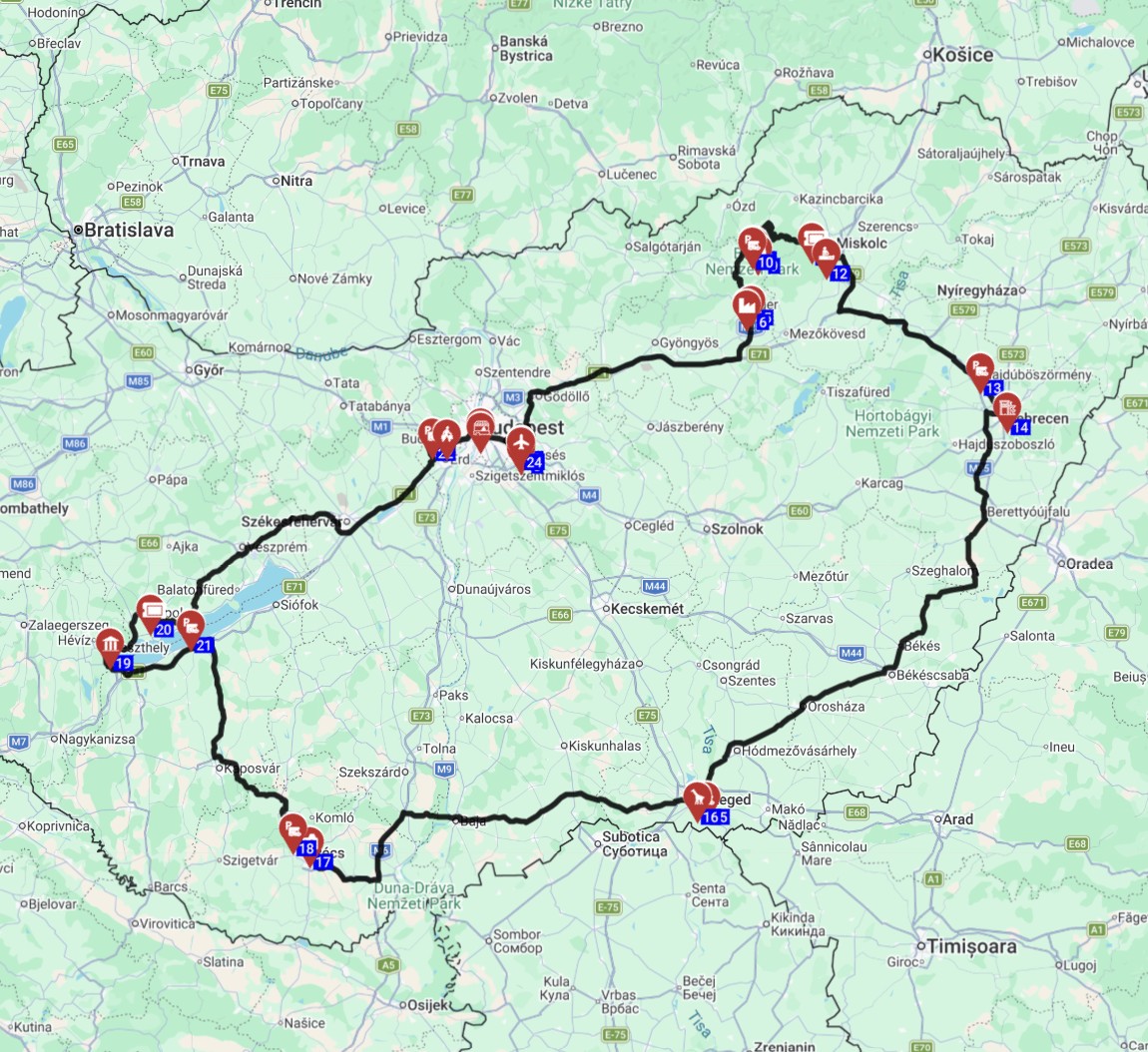
Hungary offers several fantastic RV routes and destinations. A popular choice is the Lake Balaton Loop, allowing you to explore charming lakeside towns like Siófok and Balatonfüred, as well as the scenic Tihany Peninsula. For stunning natural beauty and history, consider the Danube Bend and Northern Uplands, featuring drives to historic towns such as Esztergom, Visegrád, and Szentendre. The Thermal Spa Route in the Great Hungarian Plain is perfect for relaxation, taking you to cities like Eger, Debrecen, and Szeged, renowned for their thermal baths and rich Puszta culture. For those exploring the southwest, Southern Transdanubia provides access to the culturally significant city of Pécs and its surrounding vineyards, offering a diverse range of experiences for your RV adventure.
What are some unique cultural experiences for RV travelers in Hungary?
Immersing yourself in Hungary's culture is a highlight of any RV trip. Visiting local farmers' markets ('Piac') offers a wonderful opportunity for direct interaction with vendors and access to fresh, regional produce. Dining at traditional 'Csárda' restaurants is a must for authentic Hungarian cuisine, often accompanied by live folk music, providing a truly local experience. A glimpse into Hungary's equestrian heritage can be found at Puszta horse shows in Hortobágy National Park. Beyond the well-known thermal baths in the capital, exploring local thermal baths in smaller towns offers a culturally significant and relaxing experience. Attending regional festivals throughout the year provides unique community engagement opportunities, and learning a few basic Hungarian greetings like 'Jó napot' (Good day) or 'Köszönöm' (Thank you) can greatly enhance your interactions with locals.
How do I find RV campsites and services in Hungary?
Locating RV campsites and essential services in Hungary is made easy with various online platforms and mobile apps. Resources like Camping.info, ACSI Campings Europe, or Park4Night are invaluable for finding campsites and detailed amenity information. Most official campsites provide necessary services such as fresh water refills and grey/black water disposal stations. For LPG (Autogáz or PB-Gáz) needed for heating and cooking, you'll find it widely available at many petrol stations; just ensure you have a compatible connection or adapter. In case of minor RV repair needs, major towns have auto shops, and your rental provider can usually recommend specialized RV service centers.
Is it safe to RV in Hungary?
RV travel in Hungary is generally considered safe, with good road conditions and a generally low crime rate. However, as with any travel, it's important to exercise vigilance for local driving conditions and consistently adhere to all traffic regulations. The general emergency number throughout Europe, including Hungary, is 112; keep your rental company's roadside assistance contact number readily accessible. Practicing common-sense vehicle security, such as always locking your RV and securing valuables, especially in crowded tourist areas or when parked overnight, is recommended. Ensure your international RV rental insurance provides comprehensive coverage for accidents, breakdowns, and theft in Hungary for complete peace of mind during your adventure.
What You Shouldn't Miss
- The Danube Bend: Explore the picturesque towns of Esztergom, Visegrád, and Szentendre by RV, enjoying the scenic riverside drives and historical sites.
- Lake Balaton Loop: Circle Central Europe's largest freshwater lake, stopping at charming villages, thermal spas, and vineyards along the way.
- Hortobágy National Park: Experience the vast Puszta plains, witness traditional horsemen ('csikós'), and enjoy incredible stargazing in the Dark Sky Park.
- Eger's Thermal Baths and Wine Region: Combine relaxation in the city's famous thermal baths with a tour of its historic castle and renowned wine cellars.
- Mecsek Mountains & Pécs: Drive through the scenic routes of Southern Transdanubia to discover the cultural richness of Pécs, a UNESCO World Heritage city.
- The Great Hungarian Plain ('Alföld'): Explore vast expanses, visit cities with unique thermal traditions like Debrecen and Szeged, and immerse yourself in the local Puszta culture.
Final Thoughts
Embarking on an RV adventure in Hungary offers an incredibly rewarding way to experience the country's diverse landscapes, rich history, and unique culture. With a rented RV, you gain the freedom to explore at your own pace, discovering hidden gems off the beaten path and enjoying the convenience of having your accommodation and transport combined.
From the shores of Lake Balaton to the thermal waters and vibrant cities, Hungary provides a fantastic setting for a memorable motorhome journey. By planning ahead and utilizing resources like Bandana Caravan for your rental needs, you're setting yourself up for a seamless and unforgettable exploration of this captivating Central European destination.
Get inspired for your next trip! Discover top destinations, planning tips, all in one place! Plan a trip itinerary in advance with minimal effort and maximum enjoyment.