In This Guide
- Can You Drive an RV in Hamburg? License & Age Rules
- Road Conditions & Terrain in Hamburg
- RV Size Limits, Bridges & Restricted Zones
- Fuel: Diesel vs. Petrol & Cost per 100 km
- Tolls, Vignettes & Border Rules
- Driving Tips for cheap rv rental Travelers
- Recommended RV Class for Hamburg Roads
- Should I Choose a Compact Van Instead of a Large RV in Hamburg?
- Can I Park Anywhere? Free & Wild Camping Rules in Hamburg
- Can I Drive an RV Into the City Center? Heights, Tunnels & Local Signage
- What are the 3-3-3 and 4-4-4 Rules for RVing?
- How Big of an RV Can You Drive Without a Special License in Germany?
- Can You Drive an RV with a Regular License in the USA and Europe?
- How to Get Cheap RV Insurance for Rentals?
Can You Drive an RV in Hamburg? License & Age Rules
In Germany, a standard Class B driver's license, equivalent to a typical car license, permits you to drive most rental RVs. This applies to vehicles with a Gross Vehicle Weight (GVW) of up to 3,500 kg (3.5 tons). For larger motorhomes, specifically those ranging from 3,500 kg to 7,500 kg GVW, a Class C1 license is necessary. Vehicles exceeding 7,500 kg GVW will require a Class C license.
The minimum driver age for a Class B license in Germany is 18. For the C1 license, which is relevant for operating larger RVs, the minimum age is generally 21. It's important to note that for international visitors, particularly those from outside the EU, an International Driving Permit (IDP) is usually required in conjunction with your valid national driver's license to legally operate an RV in Germany. Always ensure you have all necessary documentation readily available.
Road Conditions & Terrain in Hamburg
Hamburg offers a predominantly flat terrain and an exceptionally well-maintained road network, making it generally quite accessible for RV drivers. You won't typically encounter mountainous regions or extensive unpaved roads that might challenge larger vehicles. The primary consideration for RV travel in Hamburg is navigating the urban density and its intricate city infrastructure.
Road quality on the main routes and autobahns is consistently high, ensuring a smooth and comfortable journey for your rented RV. While the roads are excellent, travelers are encouraged to adopt a moderate pace, especially when exploring the scenic routes along the Elbe River or heading towards the coastal areas. This allows for a more relaxed experience and better appreciation of the surroundings.
RV Size Limits, Bridges & Restricted Zones
When driving an RV in Hamburg, it's crucial to be aware of and adhere to clearly marked height and weight restrictions. Drivers should also be mindful of specific environmental zones within the city. Hamburg's city center, like many German urban areas, includes an 'Umweltzone' (environmental zone). Entry into these zones requires vehicles, including RVs, to display a 'Grüne Plakette' (green emission sticker). Fortunately, most modern rental RVs are equipped with the necessary stickers, but it's always wise to confirm this with your rental provider.
Pay particular attention to signage indicating height limits, especially for tunnels such as the Elbe Tunnel, underpasses, and entrances to multi-story or underground parking facilities. Always observe typical clearances specified by German road signs, which explicitly denote any size or access restrictions for vehicles. Familiarizing yourself with these signs will ensure a smooth and trouble-free journey.
Fuel: Diesel vs. Petrol & Cost per 100 km
The majority of rental RVs available through Bandana, including those typically found in our fleet, operate on diesel fuel. Diesel is widely available at petrol stations throughout Hamburg and across Germany. For a Class SI - Semi-integrated RV, with an average fuel consumption of around 10-11 Liters per 100 km, you can expect the approximate cost per 100 km to be in the range of €17.50-€19.25, based on typical 2026 diesel prices of approximately €1.75 per liter.
For those opting for a more compact option, Class B - Camper Vans are generally more fuel-efficient, consuming between 8-10 Liters per 100 km. This translates to roughly €14.00-€17.50 per 100 km, making them a more budget-friendly choice for fuel expenses. Some rental providers may offer RVs that include fuel discount cards, which can lead to further savings on your overall fuel costs during your trip. On the routes offered through RV PLANET routes, you can itemize and track every expense along the way for easy budgeting.
Tolls, Vignettes & Border Rules
Germany generally does not levy tolls or require vignettes for passenger vehicles or RVs under 7.5 tonnes (7,500 kg) on its autobahns. This simplifies travel within Germany for most rental RV users. However, larger RVs that exceed the 7.5-tonne GVW threshold may be subject to the 'LKW-Maut' (truck toll) system on certain federal roads, which is typically managed electronically.
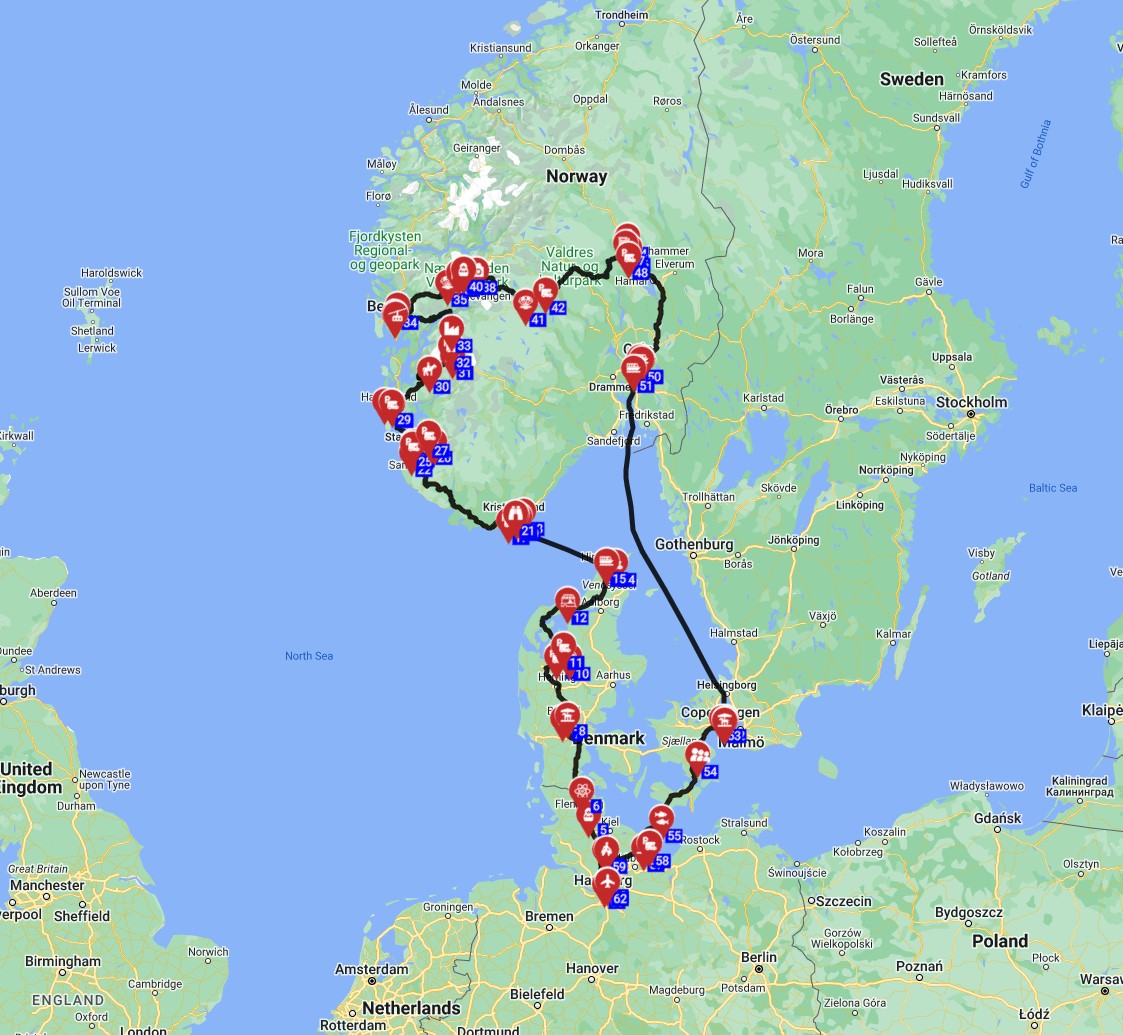
When planning international excursions from Hamburg, it's essential to be aware of the varying toll systems in neighboring countries. For instance, crossing major bridges in Denmark or driving in countries like Austria or Switzerland often requires purchasing specific vignettes or paying bridge tolls. Some rental RVs may offer the convenience of pre-purchasing toll passes for specific routes or countries, which can help you avoid unexpected fees and potential fines.
Driving Tips for cheap rv rental Travelers
Plan Frequent Stops: For families or anyone embarking on longer journeys, it's advisable to schedule breaks every 2-3 hours. This helps combat driver fatigue, allows for necessary rest, and provides opportunities for spontaneous exploration.
Understand German Road Signs: Familiarize yourself with common German road signage. Pay particular attention to signs indicating speed limits (which can differ for RVs), environmental zones ('Umweltzonen'), and parking restrictions to ensure you comply with local regulations.
Prioritize Fuel Efficiency: Drive smoothly and maintain a consistent speed to maximize your RV's fuel economy. This is especially important if you're traveling on a budget, as it can lead to significant savings over your trip.
Utilize 'Stellplatz': Germany offers many designated motorhome parking areas, known as 'Stellplatz'. Opting for these or official campsites is generally recommended for overnight stays, as 'wild camping' (setting up an encampment outside designated areas) is typically prohibited.
Prepare for Border Crossings: If your itinerary includes international travel, ensure all necessary documents, including your International Driving Permit (if applicable), vehicle papers, and passports, are readily accessible. Research and be aware of any specific toll or vignette requirements for each country you plan to visit.
Recommended RV Class for Hamburg Roads
For optimal navigation of Hamburg's urban environment and the surrounding areas, we highly recommend a Class B - Camper Van or a Class SI - Semi-integrated RV. These classes offer a fantastic balance of comfort and maneuverability.
Class B - Camper Vans, with an average length of around 5.8 meters across Bandana's global fleet, provide superior agility for city driving and often make finding parking spaces easier. For those seeking a bit more living space without compromising too much on manageability, Class SI - Semi-integrated RVs, averaging about 6.9 meters in length, strike an excellent compromise. They offer comfortable living amenities and are still relatively easy to handle both within the city and on longer excursions originating from Hamburg.
Should I Choose a Compact Van Instead of a Large RV in Hamburg?
Generally, for an RV trip based in Hamburg, you can comfortably navigate most RV sizes. Often, the enhanced comfort and indoor space provided by a larger RV can outweigh the minor maneuverability advantages of a compact van, especially on the well-maintained German roads.
However, a compact van, such as a Class B Camper Van, can be genuinely beneficial if your itinerary specifically includes navigating very tight historic city centers or parking in more restricted urban spaces. These smaller vehicles also tend to offer better fuel efficiency for shorter day trips around the city. On the other hand, a larger RV provides significantly more living amenities, storage, and overall comfort, which can be a better trade-off for extended trips or family travel where ample indoor space is a priority.
Ultimately, for a trip centered around Hamburg, a Class B Camper Van or a moderately sized Class SI - Semi-integrated RV presents a versatile compromise. This choice allows for relatively easy city navigation without sacrificing essential living comforts for your journey.
Can I Park Anywhere? Free & Wild Camping Rules in Hamburg
In Germany, including the Hamburg region, wild camping or 'free camping'—which involves setting up an encampment outside designated areas—is generally prohibited. However, overnight parking to 'restore driving fitness' (i.e., get some sleep) is often tolerated in public parking areas, provided there are no signs explicitly forbidding it and you are not deploying awnings, setting up chairs, or otherwise creating a campsite.
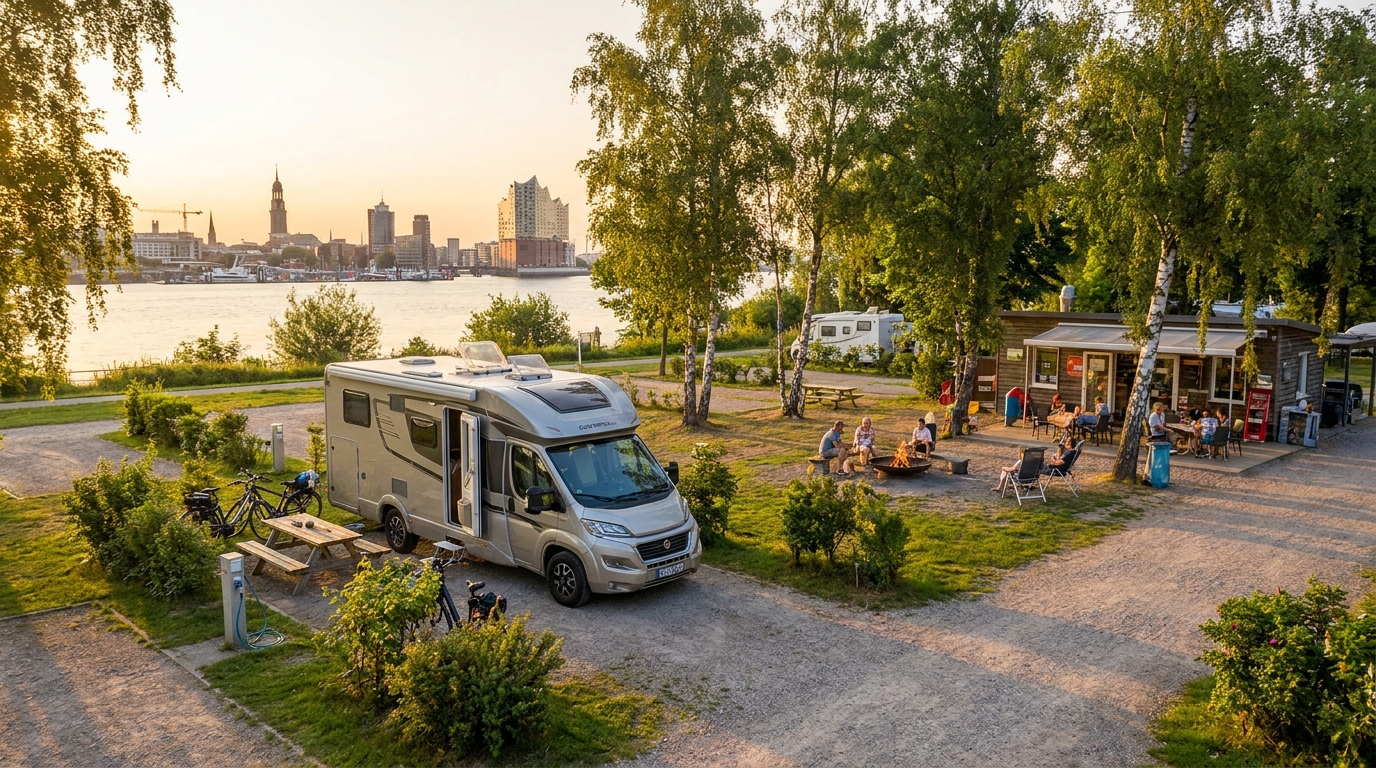
Hamburg and its surrounding areas offer numerous designated 'Stellplatz' (motorhome parking areas) and official campsites that are well-equipped with necessary facilities for RVs. These are your best bet for legal and convenient overnight stays. Remember that rules can vary by specific locality and private land ownership, so always check local regulations and follow them to avoid potential fines.
Can I Drive an RV Into the City Center? Heights, Tunnels & Local Signage
Yes, you can almost always drive an RV into Hamburg's city center. However, it requires careful attention to local signage and regulations. Drivers must pay particular attention to 'Umweltzone' (environmental zone) signs and ensure their RV prominently displays the required 'Grüne Plakette' (green emission sticker) for entry.
Be observant for clearly marked height restriction signs, especially near tunnels such as the Elbe Tunnel, underpasses, and entrances to multi-story or underground parking garages. It is also important to watch for signs indicating 'Anlieger frei' (residents only) or 'Busspur' (bus lane) to avoid inadvertently entering restricted traffic areas. Paying close attention to these signs will ensure a smooth experience driving your RV within Hamburg.
What are the 3-3-3 and 4-4-4 Rules for RVing?
The '3-3-3 rule' is a popular RV community guideline, primarily originating from North America, suggesting drivers travel no more than 300 miles (approximately 480 km) in a day, arrive at their destination by 3 PM, and stay for at least 3 nights. This aims to encourage a more relaxed pace.
Similarly, the '4-4-4 rule' is a variant recommending no more than 400 miles (approximately 640 km) of driving, arriving by 4 PM, and staying a minimum of 4 nights. While these concepts are useful for setting a leisurely travel rhythm, they are more conceptual in dense regions like Germany and Europe. Here, shorter driving distances, a high density of attractions, and varying local regulations often dictate travel plans more directly.
How Big of an RV Can You Drive Without a Special License in Germany?
In Germany, you can drive an RV with a Gross Vehicle Weight (GVW) of up to 3,500 kg (3.5 tons) using a standard Class B driver's license, which is the common car license issued in most countries. This covers many camper vans and smaller motorhomes.
For RVs weighing between 3,500 kg and 7,500 kg GVW, a Class C1 license is required. This is a specific non-commercial license category for lighter lorries and larger motorhomes. A Commercial Driver's License (CDL) equivalent is typically not necessary for private recreational vehicles in Germany, as the licensing system focuses on weight categories within these non-commercial vehicle classes.
Can You Drive an RV with a Regular License in the USA and Europe?
In the USA, most recreational vehicles (RVs) can be driven with a regular Class D (car) license. However, some states may have regulations requiring a non-commercial Class A or B license for very large or heavy RVs, so it's always best to check your local regulations.
In Germany and most European countries, a standard Class B license allows you to drive RVs with a Gross Vehicle Weight (GVW) of up to 3,500 kg. For non-EU drivers, an International Driving Permit (IDP) is typically a mandatory accompaniment to your valid national driver's license when operating an RV in Germany. If your US Class D license permits you to operate vehicles up to 3,500 kg in your home state and you secure an IDP, you will generally be eligible to rent and drive many smaller to medium-sized RVs in Germany.
How to Get Cheap RV Insurance for Rentals?
When renting an RV in Hamburg, basic third-party liability and comprehensive insurance are typically included in the rental price. However, these usually come with a significant deductible, which can be quite high.
To find 'cheap' RV rental insurance, focus on understanding and potentially reducing your deductible. Rental companies usually offer optional deductible reduction packages, which can cost an additional €20-€50 per day but provide significant peace of mind. Before committing to the rental provider's insurance, it's advisable to check if your personal travel insurance policy or existing credit card benefits offer any supplementary RV rental coverage. Always review the detailed terms and conditions of the rental agreement's insurance provisions to make an informed decision based on your risk tolerance and budget.
What You Shouldn't Miss
- Explore the Elbe Tunnel: Drive your RV through the historic Elbe Tunnel (Alter Elbtunnel) for unique views and a memorable experience.
- Discover Miniatur Wunderland: Visit the world's largest model railway exhibition – it’s an absolute marvel, though finding RV parking requires planning.
- Coastal Drives in 'Altes Land': Take a scenic drive through the charming apple and cherry orchards of the 'Altes Land' region, just outside Hamburg, especially beautiful in spring or autumn.
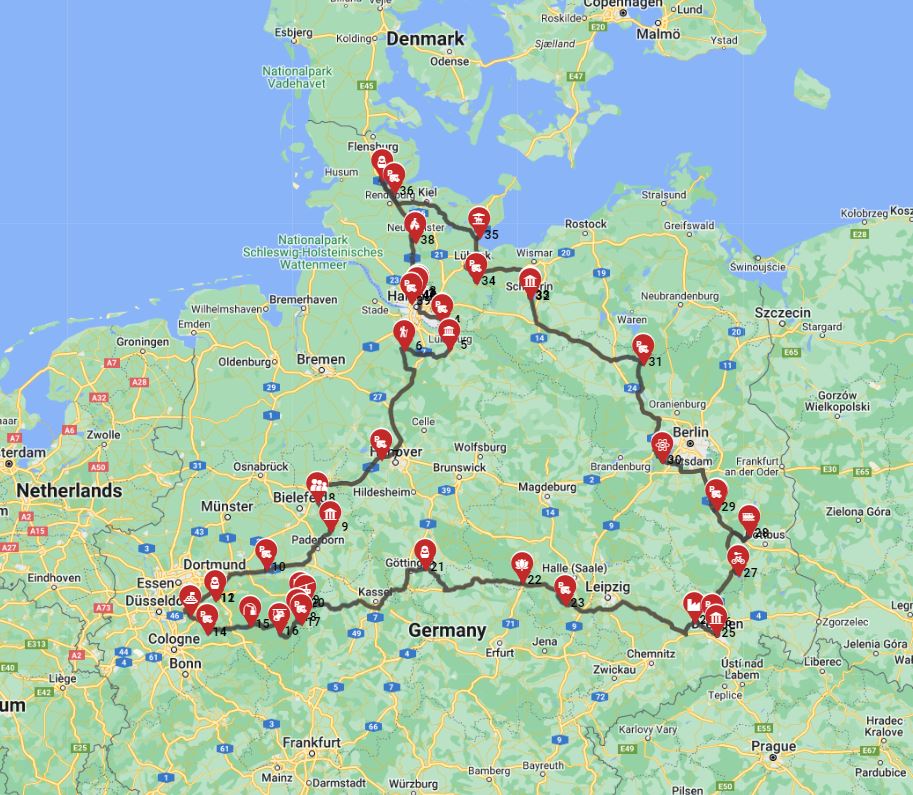
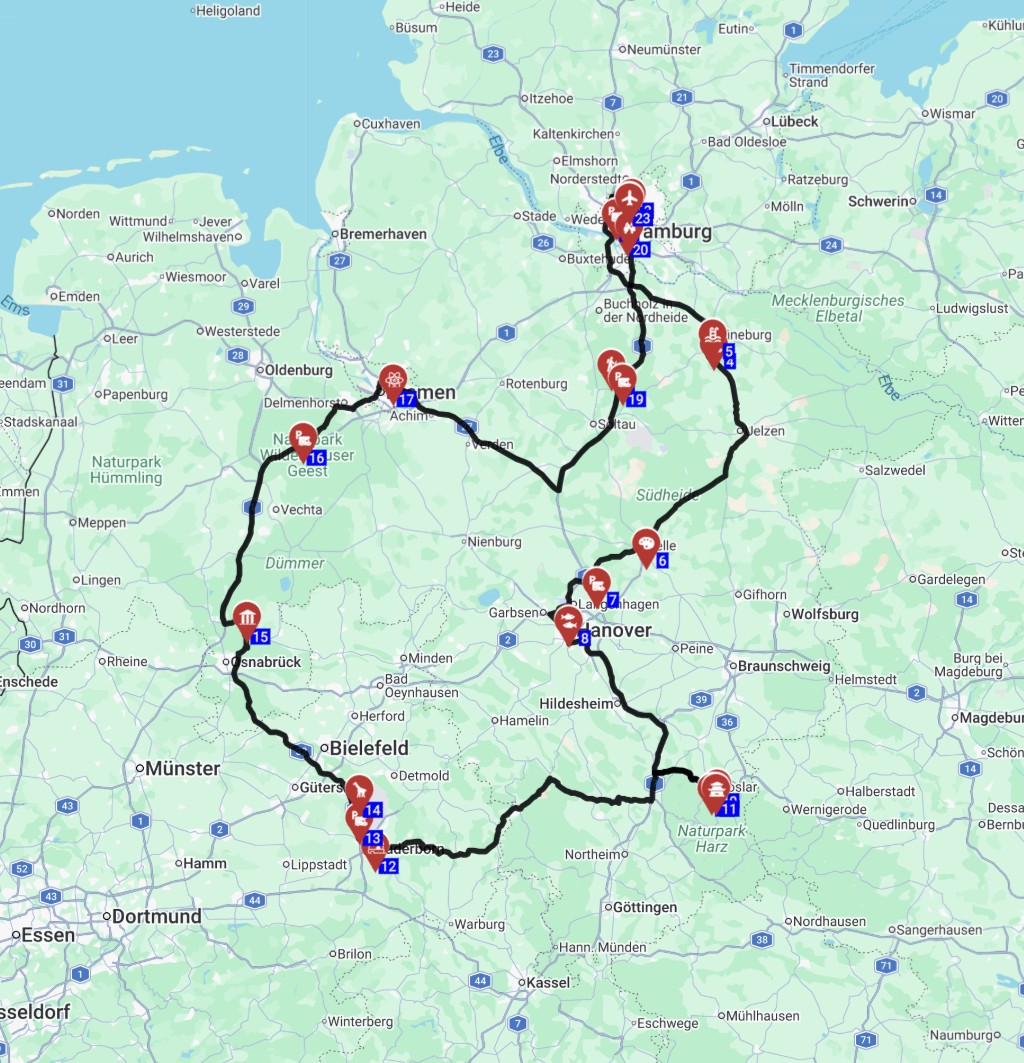
- Day trip to the North or Baltic Sea: Hamburg's location offers easy RV access to diverse coastal landscapes and campsites within a 1-2 hour drive.
- Stroll through Speicherstadt: Explore Hamburg's iconic warehouse district, a UNESCO World Heritage site, and enjoy its canals and historic architecture by RV.
- Harbor Cruise: Experience Hamburg's maritime atmosphere with a boat tour from the harbor – a classic way to see the city.
Final Thoughts
Renting an RV in Hamburg opens up a world of exploration, allowing you to experience Germany's charm at your own pace. With careful planning and an understanding of the local driving landscape, your road trip promises to be an unforgettable adventure.
Remember to leverage resources like RV PLANET (rvplan.net) for detailed route planning and campsite discovery. By choosing Bandana Caravan, you benefit from our commitment to transparency and support, ensuring a smooth rental process from start to finish. Get ready to hit the road and discover the beauty of Hamburg and beyond!
Find Motorhome Rentals in Hamburg