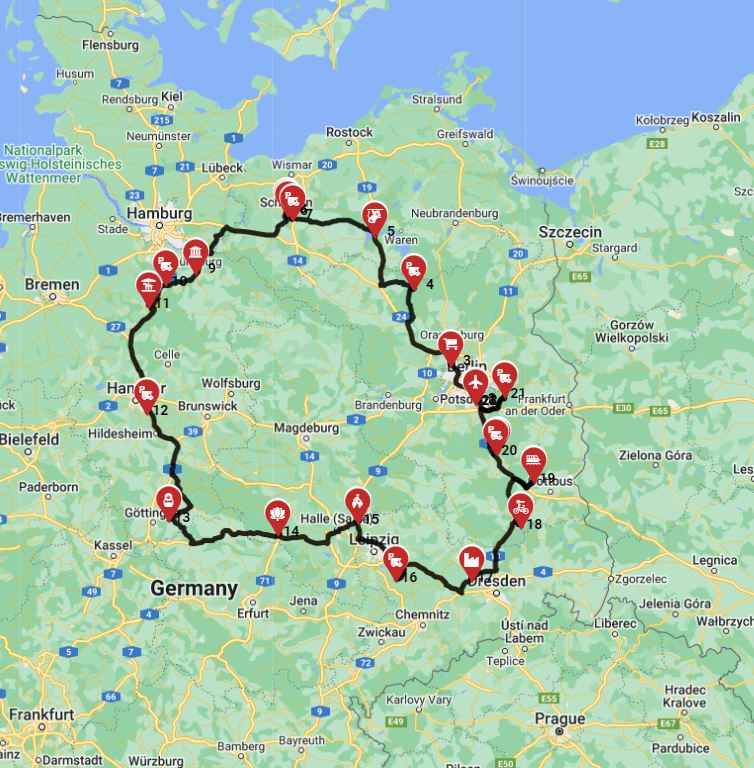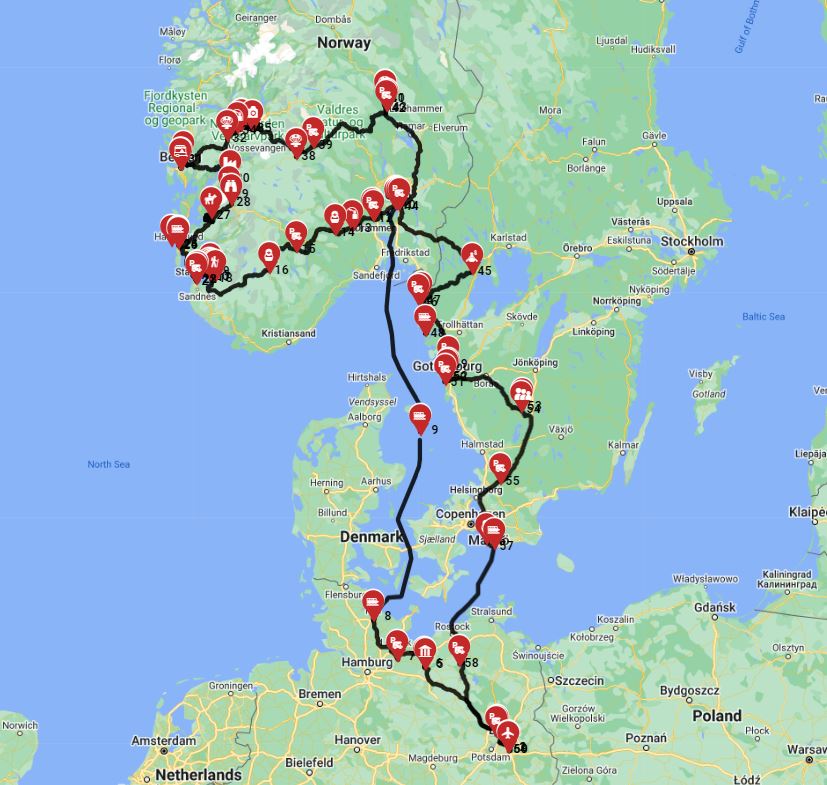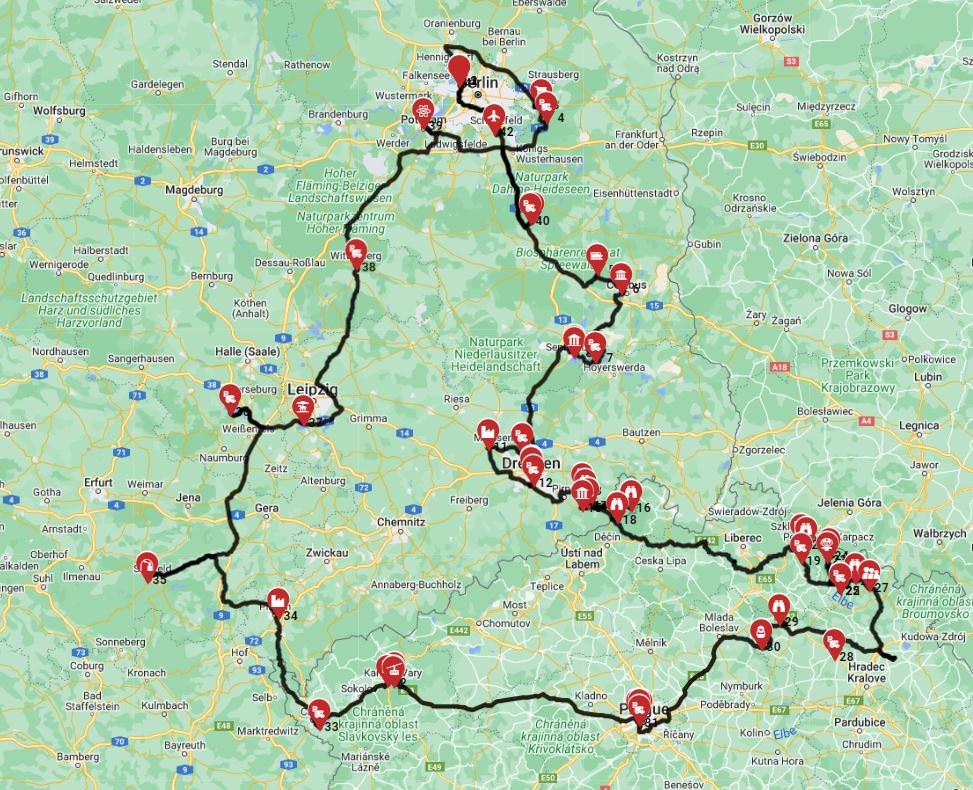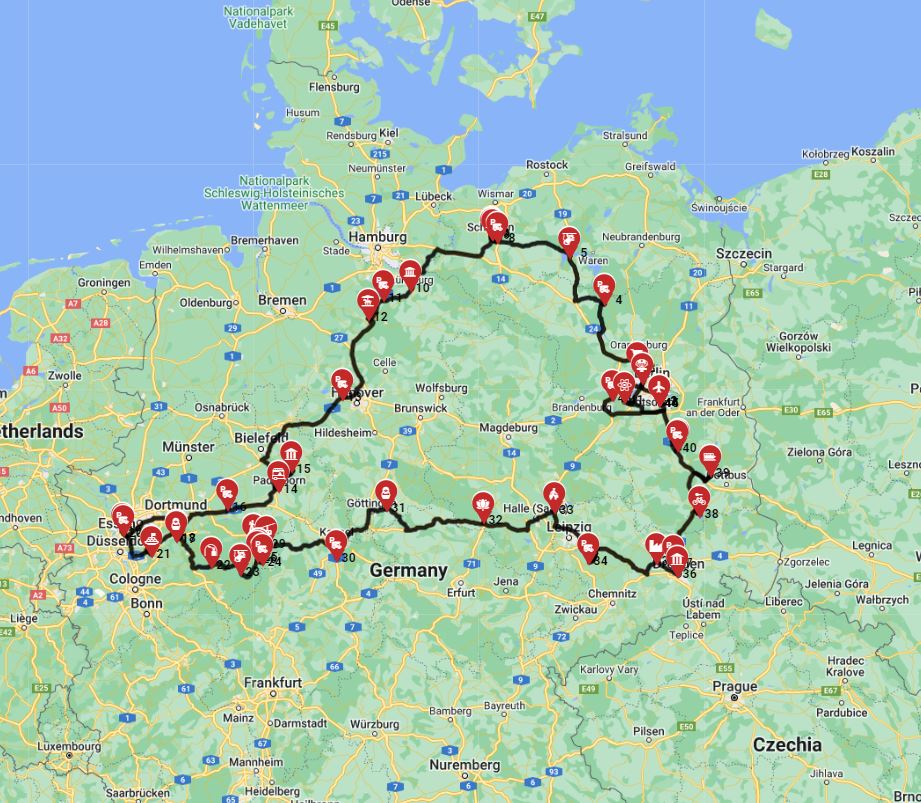
For live availability and current prices, start with our RV Rental Germany - Complete Guide 2026 guide.
In This Guide
- Can You Drive an RV in Germany? License & Age Rules
- Road Conditions & Terrain in Germany
- RV Size Limits, Bridges & Restricted Zones
- Fuel: Diesel vs. Petrol & Cost per 100 km
- Tolls, Vignettes & Border Rules
- Driving Tips for cheap rv rental Travelers
- Recommended RV Class for Germany Roads
- Should I Choose a Compact Van Instead of a Large RV in Germany?
- Can I Park Anywhere? Free & Wild Camping Rules in Germany
- Can I Drive an RV Into the City Center? Heights, Tunnels & Local Signage
- How much does it cost to rent an RV in Germany?
- What is the cheapest way to rent an RV in Germany?
- How much does it cost to Stellplatz in Germany?
- What is the best time to rent an RV in Germany?
- Is it hard to drive an RV in Germany?
- Are RVs popular in Germany?
- What is the difference between a motorhome and an RV in Germany?
- What is the best RV for touring Germany?
- What You Shouldn't Miss
- Why Book with Bandana Caravan
- Final Thoughts
- Frequently Asked Questions
Can You Drive an RV in Germany? License & Age Rules
In Germany, a standard Category B driving license, the same one required for a regular passenger car, allows you to operate an RV (Recreational Vehicle) with a maximum authorized mass (MAM) of up to 3,500 kg without issue. For a larger rented motorhome weighing between 3,500 kg and 7,500 kg, a Category C1 license is required, while vehicles over 7,500 kg necessitate a Category C license. Most rental campervans and many Class C motorhomes fall within the 3,500 kg limit, making them accessible to most drivers. Bandana RV partners offer vehicles that primarily require a standard Category B license. For visitors from non-EU countries, possessing an International Driving Permit (IDP) in addition to your valid national driver's license is highly recommended for legal driving in Germany, although it is not mandatory in all cases. Our minimum rental age is 21, and we do not impose young driver surcharges or restrict vehicle classes based on age.Road Conditions & Terrain in Germany
Germany boasts an extensive network of highly maintained roads, including the world-famous Autobahn, ensuring a smooth and efficient RV driving experience for your vacation. The terrain varies significantly across the country; you'll find flat northern plains ideal for relaxed cruising with your rented campervan, rolling hills in central Germany, and the stunning, sometimes winding, routes of the Bavarian Alps in the south. Secondary roads often provide picturesque, slower routes through charming villages and scenic landscapes, perfect for cheap RV rental travelers seeking immersive experiences and a chance to truly connect with the culture. While road quality is consistently excellent, larger motorhomes should still exercise caution on very narrow village streets or specific mountain passes, emphasizing the benefit of slow, careful driving, but rest assured, you can drive almost anywhere without issues – just use common sense and pay attention. For live availability and current prices, start with our RV Rental Germany - Complete Guide 2024.RV Size Limits, Bridges & Restricted Zones
Standard maximum dimensions for RVs in Germany are generally 12 meters in length, 4 meters in height, and 2.55 meters in width, although specific routes or urban areas may have tighter restrictions. Drivers must pay close attention to road signs indicating height and weight limits, especially when approaching low bridges, tunnels, or historic city entrances to avoid potential issues. Many German cities enforce 'Umweltzonen' (environmental zones) which require a green emissions sticker for entry; most modern rental RVs provided by Bandana partners will be compliant, but verification is essential before entering. When considering ferries or specific scenic routes, always be aware of any length, height, or weight limitations that might apply, and cross-reference your rental RV's exact dimensions with posted signs to prevent potential damage or fines.🎬 Video coming soon
Fuel: Diesel vs. Petrol & Cost per 100 km
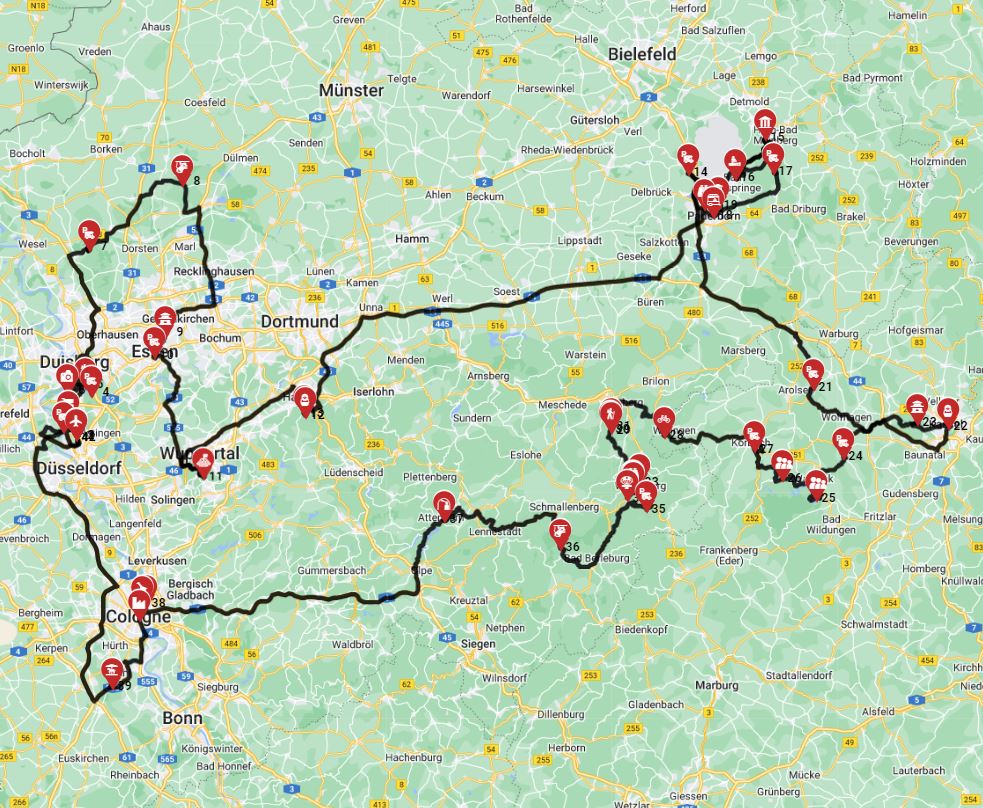
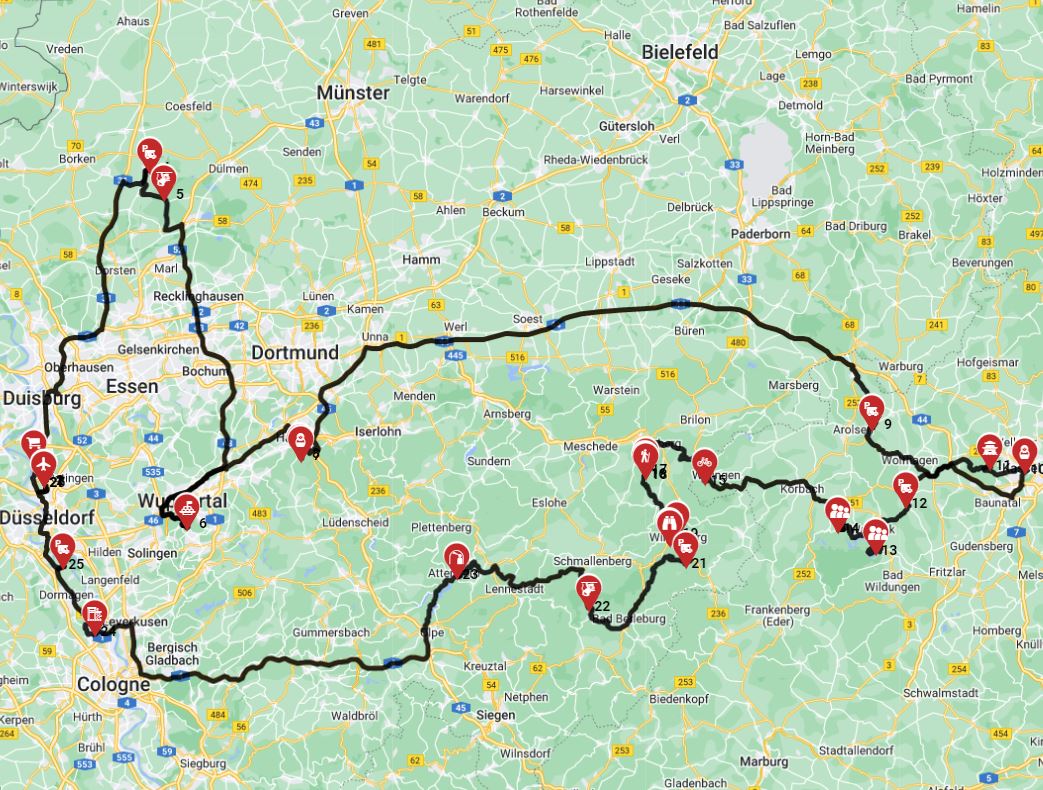
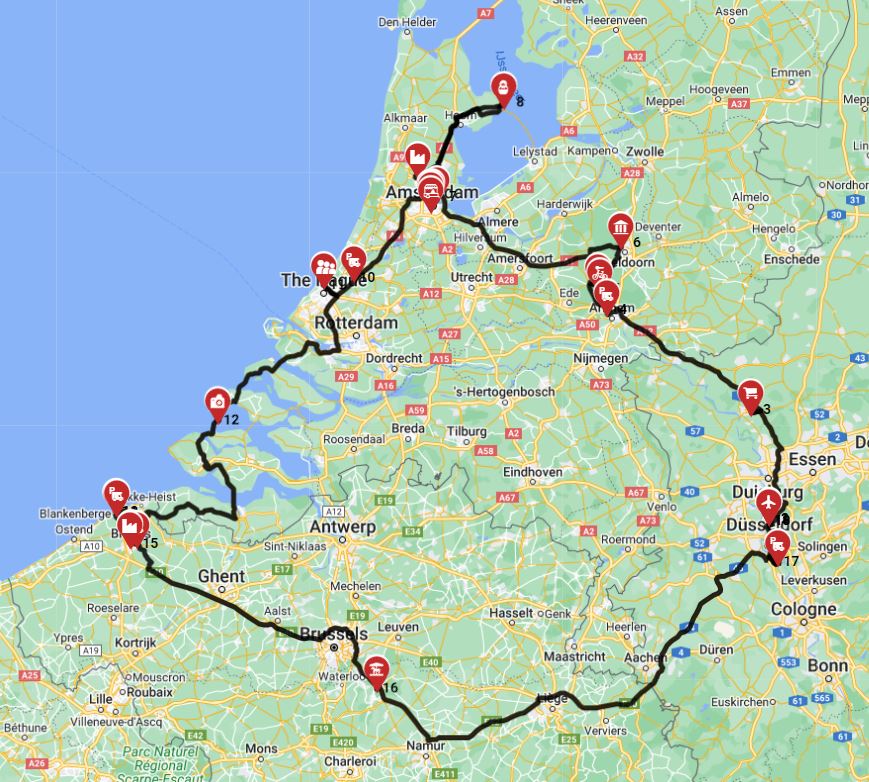
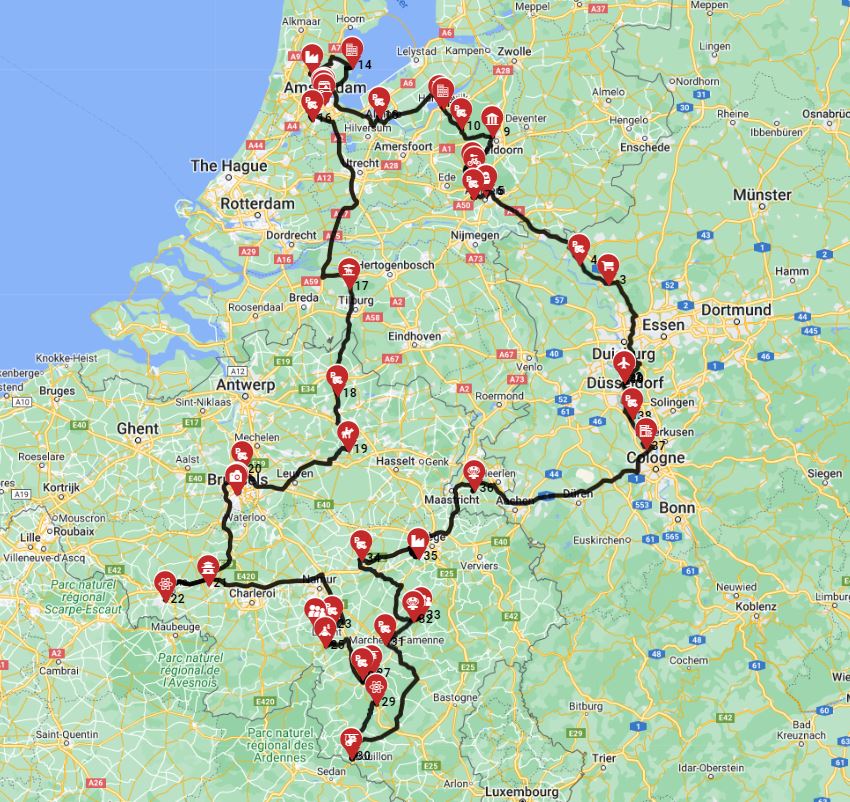
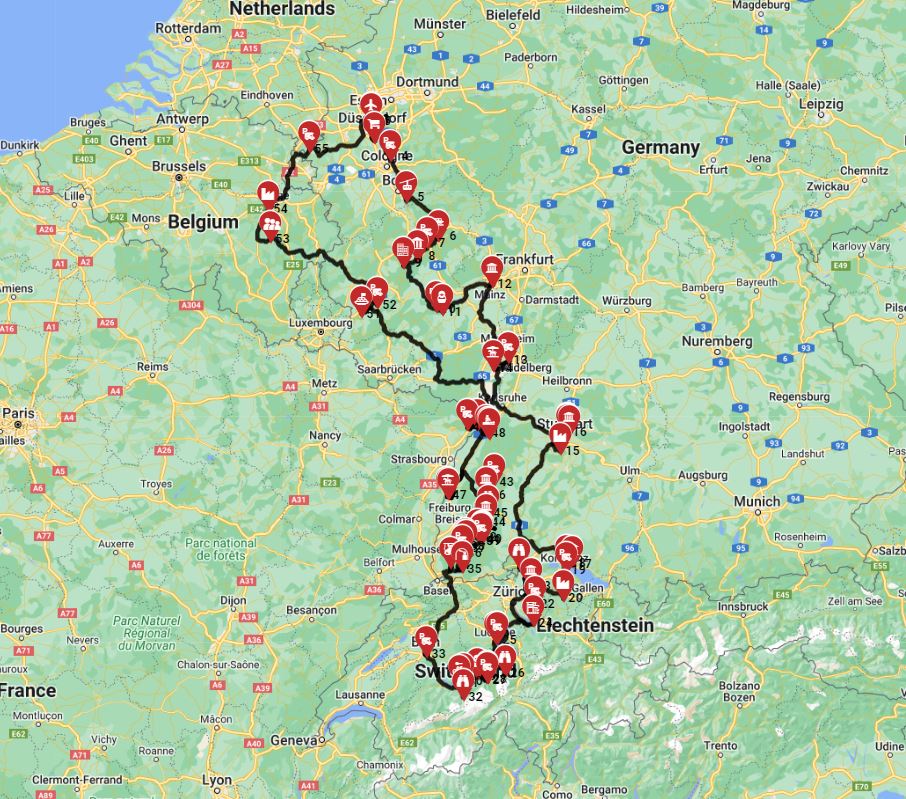
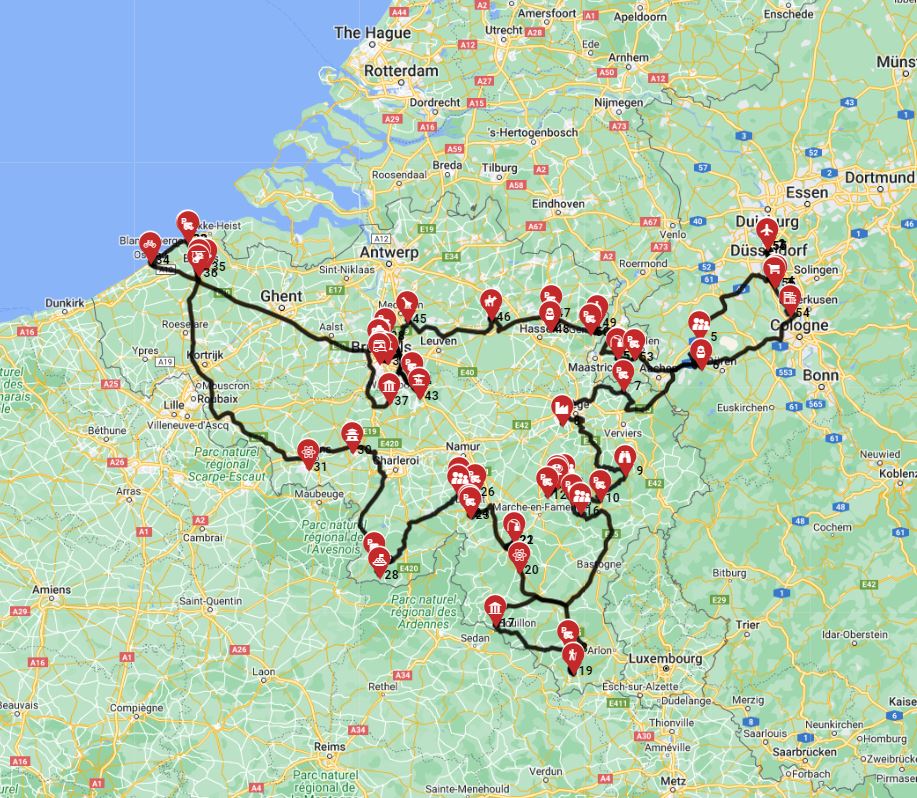
The vast majority of rental RVs in Germany, including most of Bandana's global fleet, operate on diesel fuel, which is widely available at service stations across the country. To estimate your fuel expenses for your cheap RV rental Germany trip, consider that Class B - Camper Vans typically average 8-10 Liters/100 km, while Class SI - Semi-integrated RVs average 10-11 Liters/100 km. Larger Class C - Alcove RVs usually consume around 10-12 Liters/100 km. For example, if diesel costs €1.80/liter, a Class C motorhome averaging 11 Liters/100km would cost approximately €19.80 per 100km, though market prices fluctuate daily. These figures are based on Bandana's average fleet performance. We at Bandana believe in full transparency, so you can easily budget for ancillary costs like fuel, campground fees, and groceries. On RV PLANET routes, travelers can itemize and track every expense along the way for easy budgeting.Tolls, Vignettes & Border Rules
Germany does not impose general tolls or require vignettes for passenger vehicles and RVs under 7.5 tons on its Autobahn network, unlike some neighboring countries. However, heavy goods vehicles (over 7.5 tons) are subject to the 'LKW-Maut' (truck toll) system. When planning international RV trips from Germany, it is crucial to be aware that nearby countries like Austria and Switzerland do require a vignette (a prepaid toll sticker) for using their motorways, which must be purchased at border crossings or petrol stations prior to entering. Always have your valid driver's license, vehicle registration, and passport/ID ready when crossing international borders. Some rent-motorhome RVs offer the option to pre-purchase toll passes for certain countries, potentially saving time and preventing fines, contributing to a smoother travel experience.Driving Tips for cheap rv rental Travelers
For budget-friendly fueling in Germany, drive defensively, avoid excessive speeds, and plan your fuel stops at larger service stations or off-Autobahn gas stations, as prices can vary. If traveling with family, schedule regular breaks every 2-3 hours at designated rest stops or picturesque picnic areas to maintain comfort and driver alertness, making the journey enjoyable for everyone. Utilize navigation apps or devices that allow you to input your rental RV dimensions to avoid low bridges, narrow streets, and environmental zones. Smart parking means prioritizing the use of 'Stellplätze' (motorhome stopovers) or less expensive campgrounds, which are abundant and more cost-effective than unexpected parking solutions. For cross-border trips, consider purchasing required vignettes or toll passes in advance to avoid delays and potential fines. Remember, slow travel, averaging a maximum of 100-150 km per day, allows you to truly immerse yourself in Germany's rich culture, delicious food, and stunning scenery.Recommended RV Class for Germany Roads
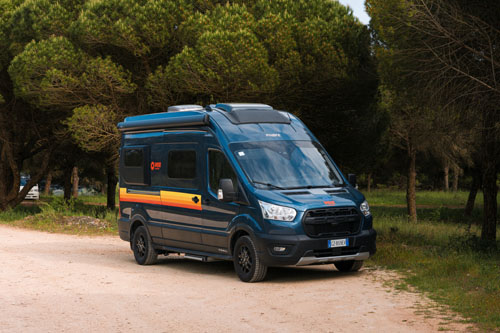
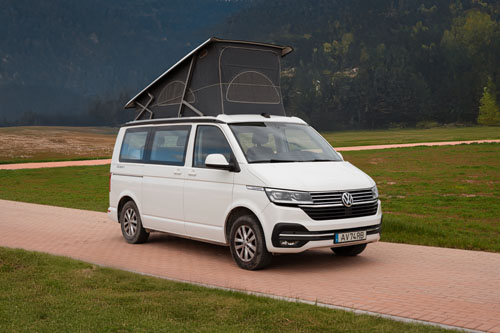
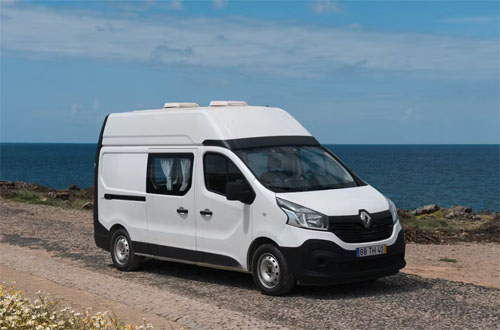
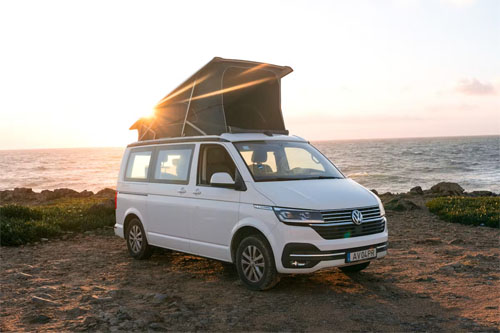
For cheap RV rental in Germany, Class B - Camper Vans and Class SI - Semi-integrated RVs are highly recommended due to their optimal balance of maneuverability, comfort, and fuel efficiency on German roads. Class B - Camper Vans, with an average length of 5.8 meters from Bandana's global fleet, are exceptionally agile for navigating historic town centers and winding scenic routes, while typically consuming 8-10 Liters/100 km. These are perfect for couples or small families, offering essential amenities without the bulk. For example, a "luxury rv rentals example Carthago Malibu 600" is a compact Class B motorhome (5.99m length) ideal for couples with a manual transmission, using 2.3 L / 130 HP engine and a 120 Liter fuel tank. Class SI - Semi-integrated RVs, averaging 6.9 meters in length, like the "2 Berth Rover" or "2 Berth Tamar", offer more spacious living and sleeping arrangements (around 3.8 sleeping places) without being overly cumbersome, consuming 10-11 Liters/100 km from Bandana's global fleet. Both classes provide sufficient ground clearance for varied terrain and are generally well-suited for parking in designated RV areas across Germany.Should I Choose a Compact Van Instead of a Large RV in Germany?
While most RV sizes can comfortably traverse Germany's excellent main roads, choosing a compact van (like a Class B - Camper Van, averaging 5.8m in length) offers distinct advantages for navigating very tight historic city centers, narrow village streets, and certain scenic mountain passes. Compact vans are generally easier to park, consume less fuel (8-10 Liters/100 km from Bandana's fleet), and can feel less intimidating for drivers new to RVing. These are excellent for those prioritizing urban exploration and ease of movement, offering a cozy space for meal preparation using their compact kitchens, perfect for simple RV-friendly recipes playlist. However, larger RVs such as Class SI - Semi-integrated (average 6.9m) or Class C - Alcove (average 7.5m) provide significantly more indoor living space, storage, and amenities like larger kitchens and separate showers, greatly enhancing comfort for longer trips or larger groups (Class C offers an average of 5.8 sleeping places). The decision ultimately hinges on your travel priorities: if extensive city exploration and challenging rural roads are key, a compact van excels; if comfort, space, and a more relaxed pace are paramount, a larger RV remains a better choice for most of Germany.Can I Park Anywhere? Free & Wild Camping Rules in Germany
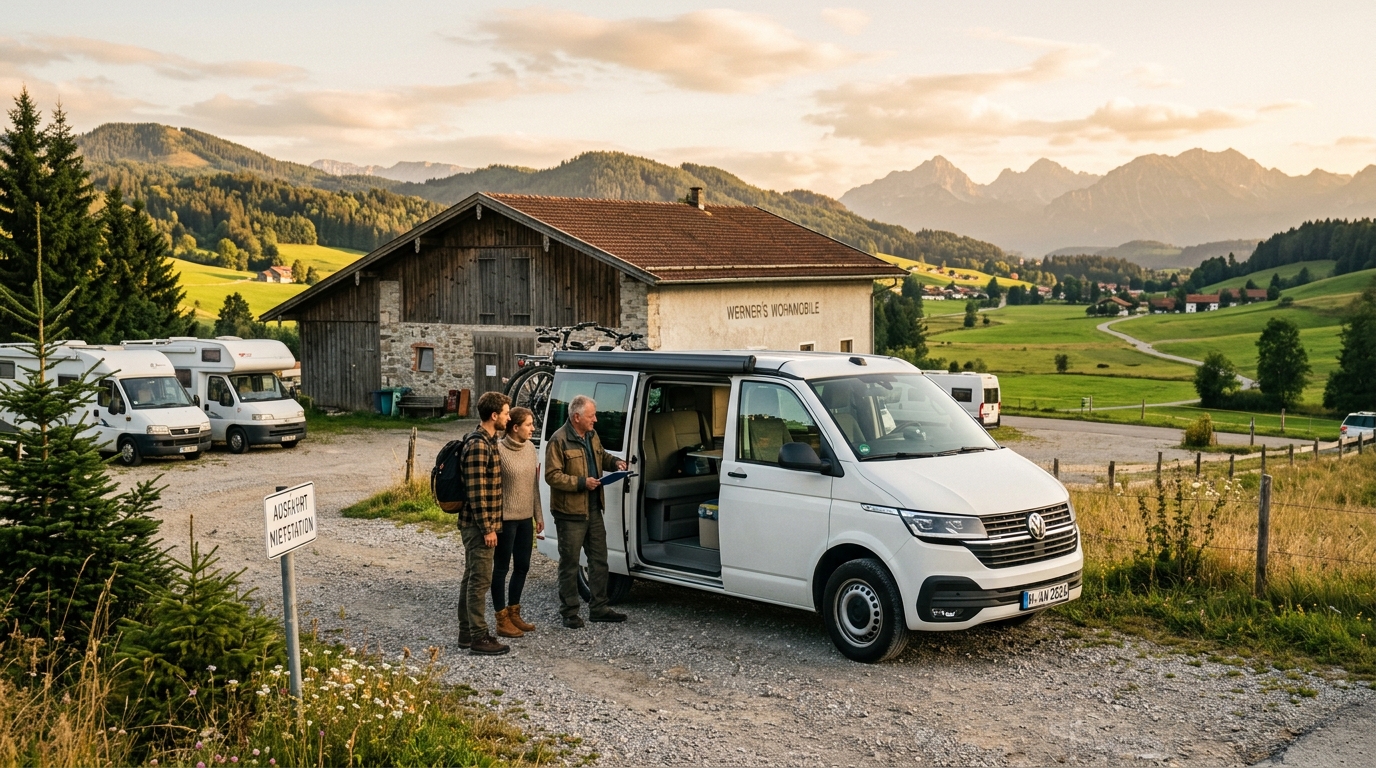
Wild camping, meaning free overnight parking outside designated areas, is generally prohibited throughout Germany, particularly in nature reserves, national parks, and on private property without express permission. However, for cheap RV rental travelers, overnight parking for a single night to restore driving ability is often tolerated in public parking lots or roadside rest areas, provided no 'camping behavior' (e.g., deploying awnings, setting out chairs, cooking outside) is exhibited and local signage does not explicitly forbid it. The most widely accepted and budget-friendly option for RVs is to utilize 'Stellplätze' (motorhome stopovers), which are designated parking areas specifically for RVs, often providing basic services like fresh water and waste disposal, sometimes for free or a small fee. For full amenities, commercial campgrounds are available but are typically more expensive than Stellplätze. Rules for RV Camping in Germany - Best Campgrounds 2024 vary by region - always check local regulations and follow local law before parking overnight.Can I Drive an RV Into the City Center? Heights, Tunnels & Local Signage
Yes, you can generally drive a rented RV into city centers in Germany, but it requires diligent attention to local signage, particularly for height and weight restrictions, and awareness of environmental zones. Many older, historic German city centers feature narrow streets, low bridges, and underpasses, necessitating careful navigation and checking of overhead clearance signs. Be alert for 'Umweltzonen' (environmental zones) in many cities, which require a specific emissions sticker; ensure your rental RV is compliant to avoid fines. Also, look for signs indicating 'Anlieger frei' (residents only) or pedestrian zones, which are off-limits to general traffic. For ease and often cheaper parking, it is frequently recommended to park your RV at designated spots or 'Stellplätze' on the city outskirts and utilize public transportation to explore central areas like Aachen or Augsburg. Drive slowly and carefully, and you can drive almost anywhere without issues. No need to stress - just use common sense and pay attention.How much does it cost to rent an RV in Germany?
The cost to rent an RV in Germany typically ranges from €80-€150 per night for smaller campervans (like a "Group A" with sleeping for 4) to €150-€250+ per night for larger motorhomes (such as a "Category Large 6 AT") during peak season, with significant variations based on RV class, rental duration, and time of year. Booking during the off-season (generally November to March) offers the most budget-friendly rates, with potential savings of 30-50% compared to summer prices. Factors influencing the total cost include optional insurance upgrades like a top-level deductible for extra peace of mind, mileage allowances, one-way fees, and additional amenities like bike racks, bedding, or kitchen kits. Bandana provides full transparency: what you see is what you pay, with no surprise fees at pickup, making it easy to compare final prices across suppliers. For more granular details, refer to our Cheap RV Rental in Germany - Budget Guide 2024.What is the cheapest way to rent an RV in Germany?
The cheapest way to rent an RV in Germany is by booking during the off-season (November to March), opting for a smaller vehicle class like a Class B - Camper Van (e.g., "Active Classic" perfect for a couple), and choosing a longer rental duration, as daily rates often decrease for extended periods. Look for early bird discounts by booking several months in advance, or inquire about last-minute deals if your travel dates are flexible. While many national and state parks reserve only 25-30% of spots in advance, the rest are often first-come-first-serve, meaning spontaneous travelers can still find opportunities. You'll find a spot; if not at the first campground, then the next one. Always call ahead before driving. Picking up and dropping off your RV at the same location avoids additional one-way fees, further reducing costs. Comparing prices across multiple rental platforms, such as Bandana, helps ensure you secure the best value for your budget. Additionally, bringing your own linens and cooking supplies can help avoid extra charges for optional rental items.How much does it cost to Stellplatz in Germany?
The cost for a Stellplatz (motorhome stopover) in Germany is highly variable, typically ranging from free to €20-€30 per night, depending on its location, amenities, and popularity. Many basic Stellplätze, especially in smaller towns like Ammern or Affing Mühlhausen or less touristy areas, are free or charge a minimal fee (e.g., €5-€15) for services such as fresh water, waste disposal, and electricity hook-ups. Premium Stellplätze in popular tourist regions or those offering additional facilities like showers, toilets, and Wi-Fi may cost closer to €20-€30, approaching the lower end of traditional campground prices. Unlike campgrounds, Stellplätze usually operate on a first-come, first-served basis, often without the need for advance booking, making them a flexible and cost-effective option for budget RV travel. For comparison, full-service campgrounds usually start from €25-€50+ per night, making Stellplätze a significantly cheaper alternative for overnight stays.What is the best time to rent an RV in Germany?
The best time to rent an RV in Germany depends on balancing weather, crowd levels, and rental costs; May, June, and September offer ideal weather conditions with fewer crowds and more moderate pricing. Peak season (July and August) provides the warmest weather and longest daylight hours, perfect for extensive touring, but also comes with the highest rental prices, most crowded attractions, and fullest campgrounds. The shoulder seasons (April, May, June, September, and early October) present a sweet spot: pleasant temperatures, blooming landscapes or autumn colors, and more availability for Stellplätze and campgrounds. Off-season (November to March) offers the cheapest rental rates and a unique experience of German Christmas markets or winter sports, but requires an RV prepared for colder weather and potential road challenges like snow. Opting for off-peak or shoulder seasons can also enhance cultural immersion, allowing travelers to engage more intimately with local events and regional food specialties. For comprehensive pricing by season, explore our Winter RV Rental in Germany - Pricing Guide 2024.Is it hard to drive an RV in Germany?
Driving a rented RV in Germany is generally not difficult for drivers accustomed to larger vehicles, thanks to the country's excellent road infrastructure, clear signage, and high driving standards. The Autobahn provides efficient travel between regions, though RVs are typically subject to lower speed limits (e.g., 100 km/h) than cars, requiring drivers to adapt to faster-moving traffic. The main challenges arise in navigating historic city centers or small villages with narrow streets and low bridges, which can be mitigated by choosing a more compact RV like a Class B - Camper Van (average length 5.8m) or an SI - Semi-integrated (average length 6.9m). Familiarity with German road signs, especially those indicating height, weight, and environmental zones ('Umweltzonen'), is crucial. Practicing maneuvering and parking in a large, open area before embarking on your trip can significantly boost confidence for first-time RV renters. Remember, drive slowly and carefully, and you can drive almost anywhere without issues.Are RVs popular in Germany?
Yes, RVs are extremely popular in Germany, where they are commonly referred to as 'Wohnmobile' (motorhomes) or 'Reisemobile' (travel mobiles), reflecting a widespread enthusiasm for independent travel and outdoor recreation. Germany boasts one of Europe's most developed RV infrastructures, with a vast network of well-maintained 'Stellplätze' (motorhome stopovers) and campgrounds catering to both domestic and international travelers. The popularity stems from the ability to explore Germany's diverse landscapes, from its scenic coastlines to the Bavarian Alps, with flexibility and comfort. This strong RV culture supports a robust rental market, making Germany an ideal destination for those looking to experience a road trip in an RV. The high number of RV owners and renters contributes to a friendly and supportive community atmosphere at stopovers and campgrounds, making it a welcoming place for your RV Rental Europe - Complete Guide 2024 adventure.What is the difference between a motorhome and an RV in Germany?
In Germany, the terms 'Wohnmobil' (motorhome) and 'Reisemobil' (travel mobile) are the common and largely interchangeable equivalents for the broader English term 'RV' (Recreational Vehicle). While 'RV' is an encompassing term, in Germany, people typically distinguish between 'Wohnmobile' (motorhomes/campervans), which are self-propelled vehicles with integrated living spaces, and 'Wohnwagen' (caravans/travel trailers), which are towed. Therefore, when seeking to rent a motorized recreational vehicle in Germany, you will most commonly encounter listings and discussions referring to 'Wohnmobile' or 'Campervans' (often for smaller Class B vehicles). The various classes of RVs, such as Class B (Camper Van), Class SI (Semi-integrated), Class C (Alcove), and Class A (Integrated), all fall under the umbrella of 'Wohnmobil' in the German context. Bandana exclusively offers motorhomes and campervans for rental, focusing on these self-contained touring vehicles.What is the best RV for touring Germany?
The best RV for touring Germany ultimately depends on your group size, budget, and desired level of comfort, but Class B - Camper Vans and Class SI - Semi-integrated RVs are generally highly recommended for their versatility. For solo travelers or couples seeking maximum maneuverability and fuel efficiency, a Class B - Camper Van (average length 5.8m from Bandana's fleet, 8-10 Liters/100 km) is ideal for easy navigation through quaint villages and city outskirts like Bad Duben or Aalen. For families or small groups desiring more space and amenities, a Class SI - Semi-integrated RV (average 6.9m, 10-11 Liters/100 km) or a Class C - Alcove RV (average 7.5m, 10-12 Liters/100 km, with 5.8 average sleeping places, like a "24' Class C Motorhome") provides comfortable living and sleeping arrangements. Class C - Alcove RVs are particularly family-friendly due to their dedicated sleeping areas above the cab, freeing up valuable internal space. Consider your itinerary: if you plan extensive city visits and off-the-beaten-path exploration, a smaller RV is advantageous; for longer stays at Stellplätze or campgrounds with fewer urban detours, a larger model offers more comfort. Check RV Rental in Germany for Couples - Pricing 2024 for specific options.What You Shouldn't Miss
- **The Romantic Road:** Drive through picturesque towns like Rothenburg ob der Tauber and Fussen, experiencing Germany's fairytale castles and charming villages with your rented motorhome.
- **Bavarian Alps Panorama:** Explore the stunning Alpine scenery, including Neuschwanstein Castle and the German Alpine Road, offering breathtaking views and numerous hiking opportunities.
- **Rhine Valley Vineyards:** Cruise along the Rhine River, stopping at historic castles and vineyards, and sampling exquisite local wines. This region often has beautiful Stellplätze near small towns.
- **Black Forest Adventures:** Discover the enchanting Black Forest with its dense evergreen forests, charming cuckoo clocks, and delicious Black Forest cake, enjoying scenic drives like the Schwarzwaldhochstraße.
- **Northern Germany Coastline:** Experience the tranquil beauty of the North Sea and Baltic Sea coasts, exploring quaint fishing villages and pristine beaches with your campervan.
- **Looking for expert insights from Avi Bandana?** Top 5 Adventures - recommendations from Avi Bandana
Final Thoughts
Embarking on a cheap RV rental adventure in Germany promises a blend of breathtaking landscapes, rich history, and the ultimate freedom of the open road. From the bustling streets of Frankfurt to the serene beauty of the Bavarian Alps and the quaint charm of its historic towns, Germany is incredibly welcoming to motorhome travelers. With a bit of planning, choosing the right campervan or RV, and understanding local driving customs, you're set for an unforgettable journey that's both enriching and kind to your budget. Remember, the joy of RV travel lies in embracing the journey as much as the destination. Travel slowly, max 100-150 km per day on average, and take time to feel the place, connect to the culture, the food, and the scenery. We're here to support you before, during, and after your booking, ensuring a seamless experience as you compare motorhome prices for Germany and discover top destinations. Get inspired for your next trip and plan a journey with minimal effort and maximum enjoyment!On the routes offered through RV PLANET routes, you can itemize and track every expense along the way for easy budgeting.