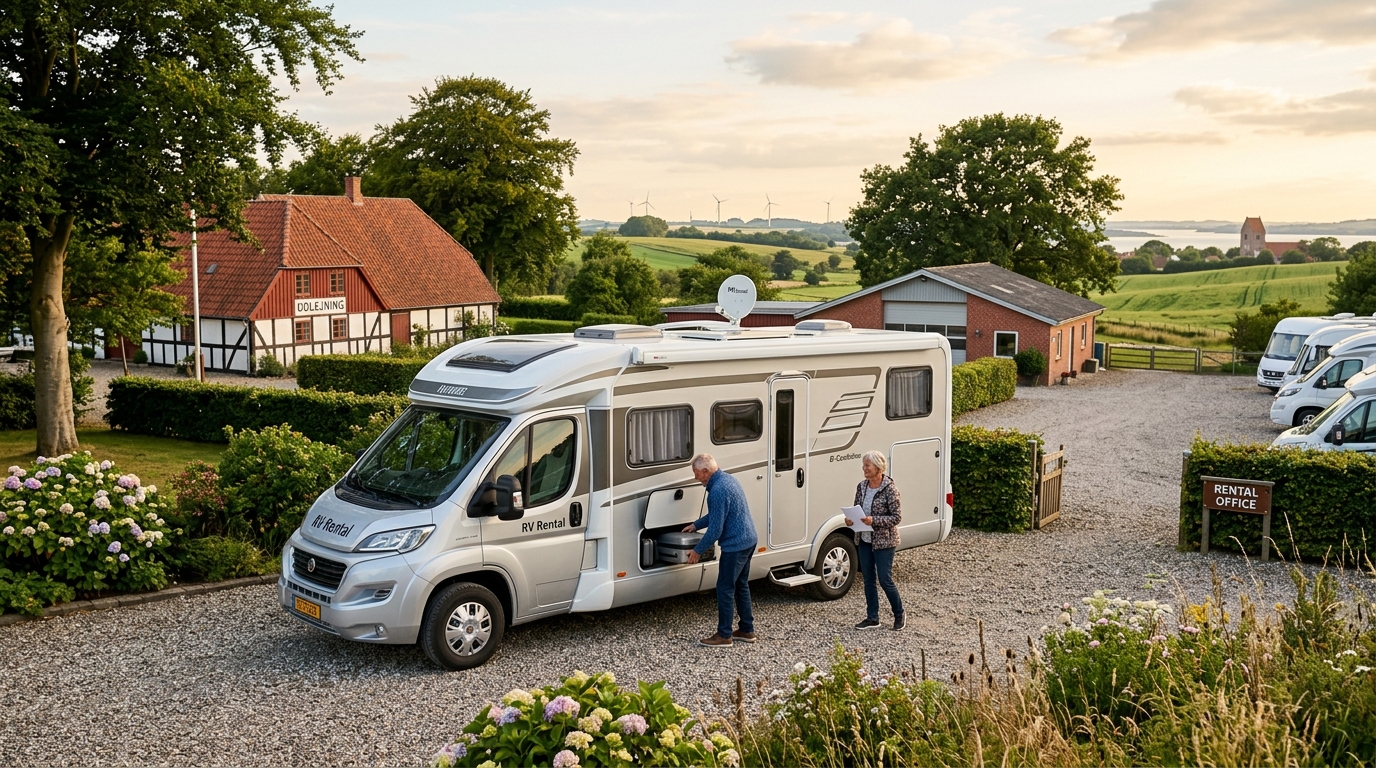
For live availability and current prices, start with our RV Rental Denmark - Complete Guide 2026 guide.
In This Guide
- Can You Drive an RV in Denmark? License & Age Rules
- Road Conditions & Terrain in Denmark
- RV Size Limits, Bridges & Restricted Zones
- Fuel: Diesel vs. Petrol & Cost per 100 km
- Tolls, Vignettes & Border Rules
- Driving Tips for cheap rv rental Travelers
- Recommended RV Class for Denmark Roads
- Should I Choose a Compact Van Instead of a Large RV in Denmark?
- Can I Park Anywhere? Free & Wild Camping Rules in Denmark
- Can I Drive an RV Into the City Center? Heights, Tunnels & Local Signage
- How Much Does an RV Rental in Denmark Cost?
- What Are the Best Tips for Saving Money on an RV Trip in Denmark?
- What's the Best Time to RV in Denmark?
- Can I Bring My Pet on an RV Trip in Denmark?
- How to Stay Connected: WiFi, SIM Cards & Apps for RVing in Denmark?
- Where to Buy Groceries and Cook in a Danish RV?
- How to Travel Sustainably and Green in a Danish RV?
- How to Experience Local Culture with a Danish RV Rental?
- What to Do in an RV Emergency in Denmark?
Can You Drive an RV in Denmark? License & Age Rules
Yes, you can drive an RV in Denmark, provided you adhere to the licensing and age regulations. Most standard RVs, weighing under 3,500 kg Maximum Authorized Mass (MAM), can be operated with a regular European B driving license. For RVs between 3,500 kg and 7,500 kg MAM, a C1 license is necessary. The minimum driving age for RV rental typically starts at 21 or 23, often requiring at least two years of driving experience, though this can vary by rental company. Drivers from non-EU/EEA countries are generally required to carry an International Driving Permit (IDP) alongside their valid national license. It's crucial to always verify the specific license and age requirements with your chosen rental provider before booking, as policies can differ.
Road Conditions & Terrain in Denmark
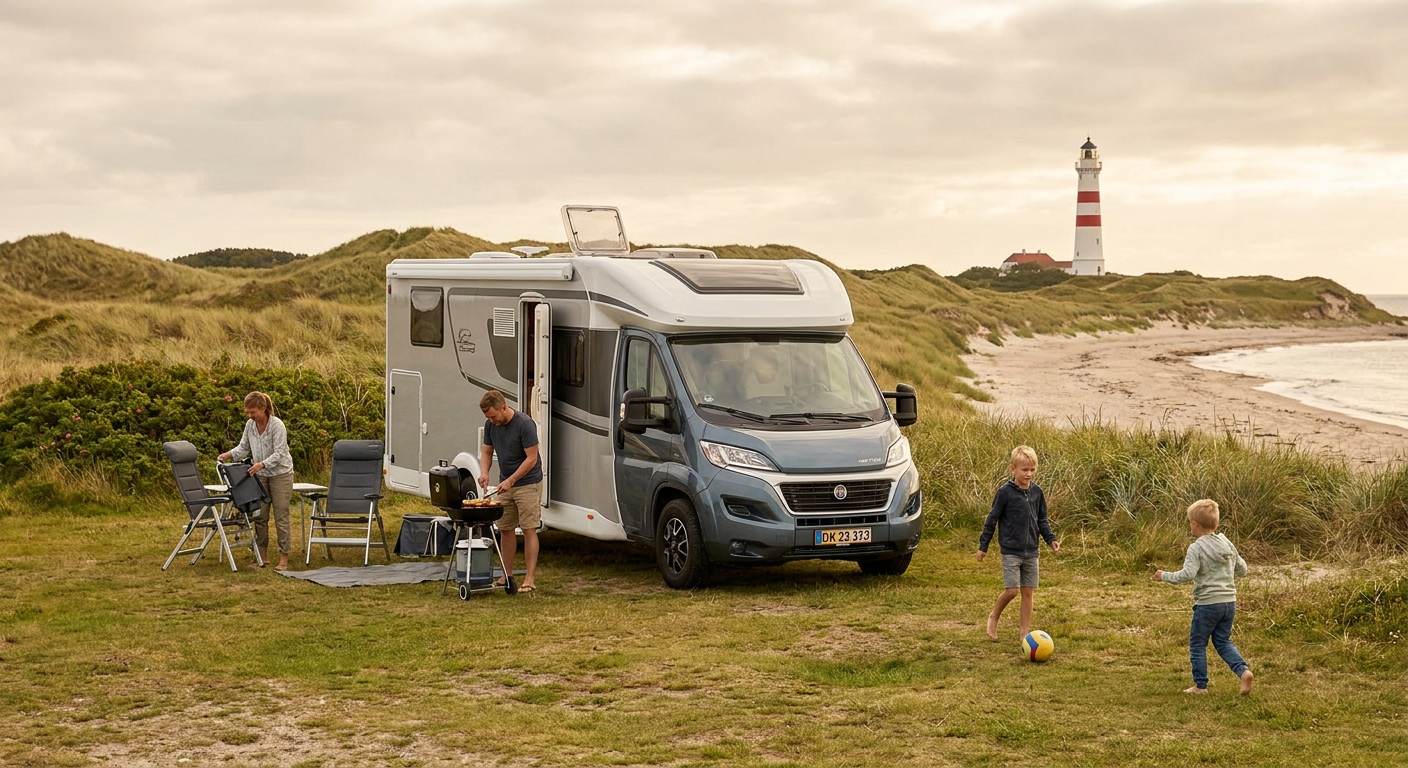
Denmark boasts an excellent, well-maintained road infrastructure, making it a pleasure to explore by RV. The terrain is predominantly flat with only gentle rolling hills, meaning you won't encounter challenging mountain passes that could be difficult for larger vehicles. You'll find a mix of smooth motorways, well-kept main roads, and some narrower country roads, particularly as you venture towards islands or coastal routes. Driving in Denmark is generally a relaxed experience, encouraging a slower pace to truly soak in the Danish landscape. Always be mindful that some rural or island roads may be tight for larger RVs, so careful navigation and attention to posted signs are key.
RV Size Limits, Bridges & Restricted Zones
While most RVs can comfortably navigate Danish roads, specific height and weight restrictions do apply, particularly to major bridges and urban environmental zones. For instance, the Storebælt Bridge (Great Belt Fixed Link) and the Øresund Bridge (connecting to Sweden) have toll categories based on vehicle length and weight, with RVs exceeding 6 meters often incurring higher tolls. Always observe posted signs for height or weight limits, especially when entering older towns or areas with low underpasses. Major cities like Copenhagen, Aarhus, Odense, and Aalborg enforce 'Miljøzoner' (low-emission zones) that restrict older diesel vehicles, typically requiring compliance with standards like Euro VI or special registration. When planning ferry travel to islands, it's essential to check specific length and weight limits, as larger RVs might have limited space or require advance booking. On the routes offered through RV PLANET routes, you can itemize and track every expense along the way for easy budgeting.
Fuel: Diesel vs. Petrol & Cost per 100 km
The majority of rental RVs in Denmark operate on diesel, which is widely available throughout the country, making it essential to budget for fuel costs. Based on Bandana's global fleet averages, Class SI Semi-integrated RVs typically consume 10-11 liters per 100 km, Class C Alcove RVs use 10-12 liters per 100 km, and Class B Camper Vans consume 8-10 liters per 100 km. At an estimated diesel price of 15 DKK per liter (approximately 2 EUR/liter), a Class SI RV could cost around 150-165 DKK (20-22 EUR) per 100 km. Fuel stations are prevalent, but prices can fluctuate; utilizing fuel comparison apps might help in finding more economical options. Some RV rental agreements may include fuel discount cards, so it’s worth inquiring with your provider to potentially reduce expenses.
Tolls, Vignettes & Border Rules
Denmark does not employ a vignette system for road travel; instead, tolls are primarily applied to the Storebælt and Øresund bridges. These are the only significant toll charges you'll encounter, with rates determined by your vehicle's length and weight. You can conveniently pay these tolls electronically using a BroBizz or EasyGo transponder, or manually at the toll booths. It is recommended to check current prices online before your journey. Some rental RVs may offer pre-purchased toll passes or transponders, which can provide discounts and streamline passage, helping to avoid potential fines. When crossing borders into neighboring countries, such as Germany or Sweden, be sure to familiarize yourself with their distinct toll systems, environmental zones, and customs requirements.
Driving Tips for cheap rv rental Travelers
For a smooth and budget-friendly RV trip in Denmark, prioritize pre-booking campsites, especially during peak season, to secure your spot and potentially avoid higher last-minute prices. Strictly adhere to Denmark's speed limits: typically 50 km/h in urban areas, 80 km/h on rural roads, and 130 km/h on motorways, as enforcement is rigorous. It’s mandatory in Denmark to always drive with dipped headlights or daytime running lights. Be highly aware of cyclists, as they have dedicated lanes and priority in many areas, particularly in cities. Planning efficient routes and employing fuel-saving driving techniques can significantly reduce overall fuel consumption and costs. On motorways, remember to create an emergency lane in the middle by moving to the far right when traffic slows or stops.
Recommended RV Class for Denmark Roads
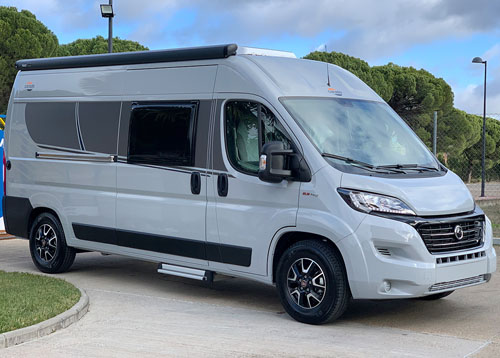
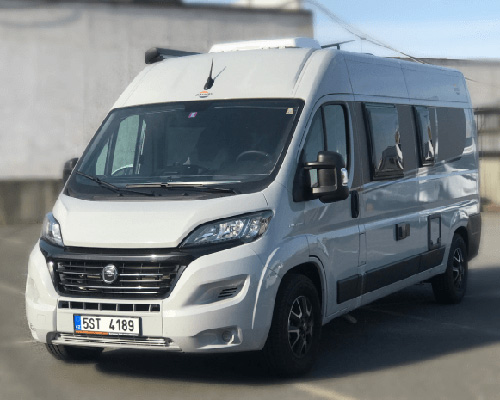
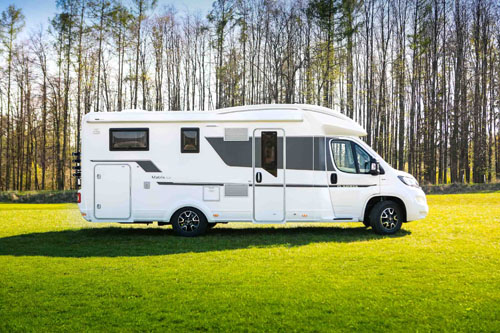
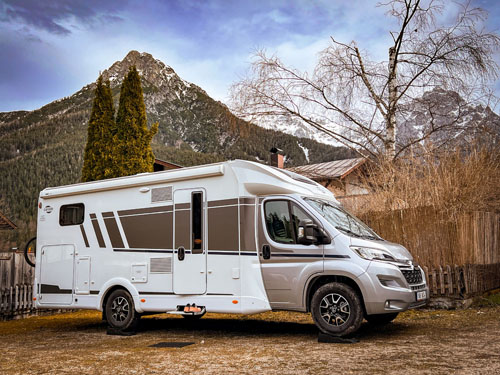
For optimal maneuverability and comfort on Denmark's roads, Class B Camper Vans and Class SI Semi-integrated RVs are highly recommended. Class B Camper Vans, averaging around 5.8 meters in length in Bandana's global fleet, are excellent for navigating smaller roads and urban parking, while also offering good fuel efficiency (8-10 Liters/100 km). Class SI Semi-integrated RVs, with an average length of 6.9 meters, provide more living and storage space, typically suitable for 3-4 adults, while remaining manageable and consuming approximately 10-11 Liters/100 km. Larger RVs like Class C Alcove (average 7.5m) or Class A Integrated (average 7.5m) are perfectly suitable for the main road network but might present challenges in historic town centers or on smaller campsites. Generally, ground clearance is not a concern for most RV classes in Denmark due to the country's well-maintained road surfaces.
Should I Choose a Compact Van Instead of a Large RV in Denmark?
Opting for a compact van, such as a Class B Camper Van, often enhances maneuverability and simplifies parking when exploring Denmark's charming smaller towns and cities. These compact vans, averaging 5.8 meters in length, are considerably easier to navigate through narrow streets and find parking in urban areas compared to larger RVs, which average 7.5 meters. While they offer less onboard space than larger RVs (averaging 3.2 sleeping places versus 5.8 for a Class C), these compact options strike a balance between essential amenities and the convenience of a smaller footprint. Their fuel efficiency is also generally better (8-10 Liters/100 Km), contributing to a more budget-friendly trip. However, a larger RV is preferable if you're traveling with family and require more dedicated living space, embarking on extended trips, or prioritizing expansive onboard amenities, as Denmark's main road network can comfortably accommodate them.
Can I Park Anywhere? Free & Wild Camping Rules in Denmark
No, free camping and wild camping are generally prohibited in Denmark; RVs must exclusively park overnight at designated campsites or approved areas. Denmark enforces strict regulations against unauthorized overnight parking, with fines applicable for illegal wild camping. It’s best to utilize the extensive network of official Danish campsites ('campingpladser'), which are well-maintained and offer various facilities. Alternatively, look for 'Autocamperpladser' or 'Stellplätze,' specific motorhome parking areas often found near attractions or marinas, which permit overnight stays for a modest fee. Overnight parking on private land is permissible only with explicit, prior consent from the landowner. Remember that rules can vary by region, so always check local regulations and comply with local laws before parking overnight, ensuring responsible waste disposal practices.
Can I Drive an RV Into the City Center? Heights, Tunnels & Local Signage
Generally, yes, you can drive an RV into Danish city centers. However, it's critical to pay close attention to local signage, particularly concerning height limits, environmental zones, and parking restrictions. Larger cities like Copenhagen, Aarhus, Odense, and Aalborg enforce 'Miljøzoner' (low-emission zones) that limit access for older diesel vehicles; ensure your RV meets the required standards. While main routes are typically accommodating, always observe posted height and width restrictions, especially near older city cores or when considering parking garages, which often have a 2.5-meter height limit. Parking for larger RVs in city centers can be challenging and costly, so consider parking on the city outskirts and utilizing Denmark's efficient public transport system for urban exploration. Diligently following local road signs is paramount, as they provide specific instructions for vehicle types, turning restrictions, and pedestrianized areas. Denmark has very few tunnels that would pose a restriction for RVs, but always be mindful of any posted height limits.
How Much Does an RV Rental in Denmark Cost?
The cost of an RV rental in Denmark varies significantly depending on the RV class, rental duration, the season of travel, and how far in advance you book. Smaller campervans (Class B) generally present the most budget-friendly option, with daily rates starting from approximately €80-€120 during the low season. During peak season (June-August), prices can escalate to €150-€250 or more per day for campervans, with larger RVs commanding considerably higher rates. Be aware that hidden fees, such as one-way drop-off charges, additional driver fees, cleaning costs, and security deposits, can add to the total price. It’s important to understand the insurance deductible and consider supplementary collision damage waiver (CDW) or third-party insurance for adequate financial protection.
What Are the Best Tips for Saving Money on an RV Trip in Denmark?
To maximize savings on your Danish RV adventure, plan your travel during the shoulder seasons (April-May and September-October) to take advantage of lower rental and campsite rates. Cooking most of your meals in your RV kitchen, utilizing affordable local supermarkets like Netto, Rema 1000, and Lidl, will significantly cut down on dining expenses. Opt for basic campsites or designated 'Autocamperpladser' over full-service holiday parks to reduce overnight accommodation costs. Optimize your driving routes to minimize mileage and consequently fuel consumption, which is a major variable cost. Parking your RV on city outskirts and using Denmark's efficient public transport for urban exploration is a smart way to avoid expensive city parking fees. Consider bringing your own linens and towels, as many rental companies charge extra for these amenities. For ideas you can prep on the road, watch our RV-friendly recipes playlist on YouTube.
What's the Best Time to RV in Denmark?
The prime time to RV in Denmark for ideal weather and extensive daylight is during the summer months, from June to August. This period offers the warmest temperatures, typically ranging from 18-22°C, and the longest daylight hours, extending up to 18 hours, perfect for outdoor activities and sightseeing. However, summer is also peak tourist season, meaning higher RV rental prices, more crowded attractions, and fuller campsites. The shoulder seasons (April-May and September-October) present a favorable balance with milder weather, fewer tourists, and often more budget-friendly options. Regardless of the season, be prepared for cooler evenings and the possibility of rain year-round, so always pack layers and waterproof clothing.
Can I Bring My Pet on an RV Trip in Denmark?
Yes, many RV rental companies and Danish campsites are pet-friendly, allowing travel with dogs or cats, provided you adhere to specific rules and documentation. Always confirm the pet policy directly with your RV rental provider, as some may impose restrictions on pet size, breed, or charge additional cleaning fees. Most Danish campsites welcome pets, typically requiring them to be kept on a leash and often charging a small nightly fee; it’s advisable to check individual site rules in advance. Ensure your pet has a valid pet passport, is microchipped, and is up-to-date on all vaccinations, especially rabies, before entering Denmark. Keep pets safely secured in the RV while driving, using a crate or harness, and always clean up after them at campsites and public areas.
How to Stay Connected: WiFi, SIM Cards & Apps for RVing in Denmark?
Staying connected while RVing in Denmark is straightforward, thanks to the widespread availability of local SIM cards for mobile data and the reliable Wi-Fi found at most campsites. You can purchase a prepaid Danish SIM card from providers like Telia, Telenor, or TDC, readily available at supermarkets and telco shops for affordable mobile data. Many Danish campsites offer Wi-Fi, often included in the pitch fee, which generally provides reliable internet for basic needs. Consider using your smartphone as a mobile hotspot or renting a portable Wi-Fi device for consistent connectivity on the go. Essential apps to download include those for navigation (Google Maps, Campercontact), campsite finding (ACSI, Camping.info), local weather (DMI), and public transport (Rejseplanen).
Where to Buy Groceries and Cook in a Danish RV?
Supermarkets and local farm stands are your best bet for purchasing groceries to cook in your Danish RV, helping you manage your budget and savor local flavors. Major supermarket chains such as Netto, Rema 1000, and Lidl offer budget-friendly options, while SuperBrugsen and Føtex provide a wider selection of products. Keep an eye out for roadside 'Gårdbutikker' (farm stands), often self-service, for fresh, seasonal produce, eggs, and local specialties. Utilize your RV's compact kitchen, typically equipped with a hob, sink, and refrigerator, for preparing delicious meals. Embrace unique Danish ingredients like rye bread ('rugbrød'), various cheeses, fresh seafood, and seasonal berries to enhance your culinary journey. Planning your meals in advance will help optimize grocery shopping, minimize food waste, and contribute to overall cost savings.
How to Travel Sustainably and Green in a Danish RV?
Embrace Denmark's eco-conscious culture by minimizing waste, conserving water and energy, and utilizing designated disposal sites for a truly sustainable RV trip. Actively sort and recycle your waste at campsites, as Denmark features excellent recycling facilities for glass, paper, plastic, and organic materials. Practice water conservation within your RV by taking shorter showers and being mindful of usage during dishwashing. Conserve energy by switching off lights and appliances when not in use, and explore RVs equipped with solar panels for an added sustainable edge. Always empty your black and grey water tanks at official disposal stations found at campsites or specific 'Autocamperpladser,' never into nature. For the ultimate eco-friendly adventure, consider renting an electric RV, as Denmark boasts a robust EV charging infrastructure, making it an ideal destination for greener travel.
How to Experience Local Culture with a Danish RV Rental?
An RV rental in Denmark offers unparalleled flexibility to immerse yourself in local culture by exploring charming smaller towns, visiting regional markets, and embracing the concept of 'Hygge.' Drive beyond the major cities to discover picturesque towns like Odense, Ribe, or Skagen, allowing for authentic encounters with Danish daily life. Seek out local food markets ('Torvehallerne') in cities or roadside farm stands ('Gårdbutikker') for fresh produce and artisan goods, fostering genuine interaction with locals. Embrace 'Hygge' by creating cozy moments in your RV or at a scenic campsite, enjoying simple pleasures and quality time with loved ones. Research and attend regional festivals, concerts, or traditional events that align with your itinerary to gain deeper cultural insights. Engage in popular Danish outdoor activities such as cycling, hiking in national parks, or simply enjoying the country's many beautiful beaches.
What to Do in an RV Emergency in Denmark?
In the event of an RV emergency in Denmark, your immediate priority should be safety. Dial 112 for all urgent situations requiring police, fire, or ambulance services. Once safe, contact your rental company to inform them of the situation and arrange for roadside assistance, which is typically included with most RV rentals. For non-life-threatening medical issues, locate the nearest doctor ('læge') or hospital ('hospital'); EU/EEA citizens should carry their European Health Insurance Card (EHIC). Ensure all rental documents, insurance papers, and personal identification (passport/ID, driving license) are easily accessible. If you experience a breakdown, safely pull over to the side of the road, activate your hazard lights, place a warning triangle 50-100 meters behind your RV, and wear a high-visibility vest if you need to exit the vehicle on the roadside.
What You Shouldn't Miss
- Explore the Danish Riviera: Drive your RV along the scenic coastline north of Copenhagen, discovering charming fishing villages like Gilleleje and Hornbæk, and enjoying the sandy beaches.
- Cycle through the Wadden Sea National Park: Rent bikes from your RV and explore the unique tidal flats and islands of this UNESCO World Heritage site in southwestern Denmark.
- Experience 'Hygge' in a historic town: Park your RV in a town like Ribe, Denmark's oldest town, and wander its cobblestone streets, enjoying cozy cafes and a relaxed atmosphere.
- Visit Skagen: Head to the northernmost point of Denmark where the Baltic and North Seas meet, a picturesque area with unique light that has inspired artists for centuries. Park your RV at a designated spot and enjoy the stunning natural beauty.
- Discover Funen's Fairytale Charm: Explore the island of Funen, the birthplace of Hans Christian Andersen, with your RV, visiting charming castles and idyllic countryside villages.
- Take a road trip to the Danish Isles: Utilize the excellent ferry services to explore islands like Ærø or Samsø, enjoying their unique landscapes and tranquil RV-friendly spots.
Final Thoughts
Embarking on an RV adventure in Denmark offers a unique and flexible way to explore its picturesque landscapes, charming towns, and rich culture. From navigating its well-maintained roads to discovering hidden gems, the freedom of the open road combined with the comfort of your rented motorhome is truly unparalleled.
Remember to plan ahead, especially for peak seasons, and utilize resources like RV PLANET (rvplan.net) to find the perfect route and essential stops. With Bandana Caravan, you get transparency and support every step of the way, ensuring your Danish RV journey is as smooth and enjoyable as possible.
Get inspired for your next trip! Discover top destinations, planning tips, all in one place! Plan a trip itinerary in advance with minimal effort and maximum enjoyment.
Ready to start planning your Danish adventure? Explore RV PLANET routes today and discover the ease of planning your perfect motorhome getaway.