For live availability and current prices, start with our RV Rental Chicago - Complete Guide 2026 guide.
In This Guide
- Can You Drive an RV in Chicago? License & Age Rules
- Road Conditions & Terrain in Chicago
- RV Size Limits, Bridges & Restricted Zones
- Fuel: Diesel vs. Petrol & Cost per 100 km
- Tolls, Vignettes & Border Rules
- Driving Tips for cheap rv rental Travelers
- Recommended RV Class for Chicago Roads
- Should I Choose a Compact Van Instead of a Large RV in Chicago?
- Can I Park Anywhere? Free & Wild Camping Rules in Chicago
- Can I Drive an RV Into the City Center? Heights, Tunnels & Local Signage
- Do you need a license to drive an RV in Illinois?
- Do you need a CDL to drive an RV over 20 feet?
- Can you park an RV anywhere in Chicago?
- What is the 444 rule for RVs?
- What is the cheapest state to purchase an RV?
- How to lower RV insurance?
- RV-Specific Logistics for Major Chicago Attractions
Exploring the vibrant metropolis of Chicago and its scenic surroundings in a rented RV offers unparalleled freedom and comfort. Imagine waking up to a skyline view or the peaceful calm of an Illinois state park, all from your mobile home base. Many travelers seek a cheap RV rental in Chicago, and with smart planning, it's an accessible adventure for families, couples, and friends alike. For live availability and current prices, start with our RV Rental Chicago - Complete Guide 2024 guide. At Bandana RV, we specialize in helping you navigate the world of RV travel, ensuring transparency, support, and peace of mind from your first search to the end of your journey. We compare final prices across 50+ suppliers so you don't have to, making your planning straightforward and stress-free.
Can You Drive an RV in Chicago? License & Age Rules
Yes, you can absolutely drive a rented RV in Chicago, and in Illinois, a standard Class D driver's license is sufficient for driving most RVs, specifically those with a Gross Vehicle Weight Rating (GVWR) of 16,000 lbs or less.
For larger recreational vehicles exceeding 16,000 lbs GVWR but not exceeding 26,000 lbs GVWR, a non-commercial Class B license is required. However, the majority of motorhomes and campervans available for rental through Bandana RV in Chicago typically fall under the Class D license threshold. Drivers must be at least 21 years old to rent an RV from most companies in Chicago, aligning with Bandana RV's general minimum age policy, and there are no young driver surcharges or vehicle class restrictions based on age for renters 21 and older. Foreign drivers are welcome to explore Chicago with a valid driver's license from their home country for up to one year, though an International Driving Permit (IDP) is recommended for non-English speaking visitors to complement their national license, not replace it.
Road Conditions & Terrain in Chicago
Chicago's road conditions are predominantly urban, characterized by flat terrain, extensive expressways, and dense city streets, but also include common city issues like potholes, construction zones, and heavy traffic that RV drivers should be mindful of.
The city's flat topography means you won't encounter challenging mountain passes, making for generally easier driving from a terrain perspective compared to mountainous regions. However, urban density requires constant vigilance for pedestrians, cyclists, and tight maneuvers, particularly on older downtown streets. Drivers of rented RVs should anticipate varying pavement quality, especially on secondary roads, and be prepared for frequent stops and starts in congested areas. Planning routes to avoid peak traffic hours (typically 7-9 AM and 4-6 PM on weekdays) and known construction hotspots can significantly improve the RV driving experience in Chicago. Remember to drive slowly and carefully, and you can drive almost anywhere without issues. No need to stress - just use common sense and pay attention.
RV Size Limits, Bridges & Restricted Zones
While there are no overall state-wide length limits that would restrict common RV classes, drivers in Chicago must pay close attention to local signage for low bridges, tunnels, and specific vehicle restrictions in certain areas.
Many urban parking garages and older infrastructure, particularly in the downtown Loop area, have height restrictions, typically ranging from 6 to 8 feet, which will exclude most motorhomes. It is crucial to always be aware of your rented RV's exact height, width, and length, especially when navigating unfamiliar routes or entering areas that might have clearance limitations. Chicago does not impose environmental zones that restrict RV access based on emissions, but specific construction zones or areas for special events, like those near McCormick Place or Soldier Field, may have temporary restrictions or modified traffic patterns. Reviewing our "RV Travel Guide to Chicago - Tips and Top Spots 2024" can provide further insights into local driving. Our full transparency means no hidden fees or surprises, and that extends to practical driving knowledge too.
Fuel: Diesel vs. Petrol & Cost per 100 km
Most rental RVs in Bandana's global fleet typically run on diesel fuel, known for its efficiency and power, with a significant number of petrol (gasoline) options also available, particularly in smaller classes like campervans.
For a typical rental RV from Bandana's fleet, such as a Class SI Semi-integrated or Class C Alcove motorhome, fuel consumption averages around 9-12 liters per 100 km (approximately 19-26 MPG). Smaller campervans (Class B) like the "rv rental denver example Category Van" or "Active Pop Top" might achieve better efficiency, averaging 8-10 liters per 100 km. Diesel fuel is widely available at most major gas stations across Chicago and Illinois, though finding stations with larger pumps and easy access for bigger RVs may require some planning. The average cost per 100 km will vary based on current fuel prices; travelers can estimate costs by multiplying their anticipated distance by the liters per 100 km and the current price per liter. For detailed expense tracking and budgeting on routes, consider checking out RV PLANET routes, where you can itemize every expense. On the routes offered through RV PLANET routes, you can itemize and track every expense along the way for easy budgeting.
🎬 Video coming soon
Tolls, Vignettes & Border Rules
Driving a rented RV in Chicago means encountering numerous toll roads, primarily operated by the Illinois Tollway system, for which an I-PASS transponder is highly recommended to avoid higher cash rates and potential fines.
Toll points are frequent on major expressways like I-90 (Jane Addams Memorial Tollway, Kennedy Expressway), I-294 (Tri-State Tollway), and I-355 (Veterans Memorial Tollway, North-South Tollway). An RV's axle count often dictates the toll amount, with larger motorhomes sometimes incurring higher charges. While specific toll costs vary, pre-purchasing or renting an I-PASS transponder, which is often available with Bandana RV rentals through our partners, can significantly streamline travel and reduce expenses, as cash tolls can be double the electronic rate. Unlike some European countries, the U.S. does not use vignettes for road access, and there are no specific border rules to consider when driving within Illinois or between U.S. states. This full transparency on potential ancillary costs is part of our commitment to you.
Driving Tips for cheap rv rental Travelers
Planning your route thoroughly is the most essential tip for cheap RV rental travelers in Chicago, utilizing RV-specific GPS apps (like RV Life or CoPilot RV) that account for vehicle dimensions to avoid low bridges, tight turns, and restricted roads in and around the city.
When in the city, practice urban maneuvering: make wide turns, use your mirrors frequently, and be extra cautious when braking, as RVs have longer stopping distances than passenger vehicles, especially in Chicago's stop-and-go traffic. Pre-pay for tolls by acquiring an I-PASS transponder or ensuring your rental RV includes one, which is crucial for navigating Chicago's extensive tollway system efficiently and avoiding surcharges. Always allow extra time for travel, anticipating city traffic, finding suitable parking, and making spontaneous stops; remember, slow travel, averaging max 100-150 km per day, enhances the experience and reduces stress. Finally, consistently check your RV's exact clearance and weight, especially near older underpasses and parking garage entrances. We want your cheap RV rental in Chicago to be a smooth adventure.
Recommended RV Class for Chicago Roads
For navigating Chicago's urban environment efficiently while still enjoying the comforts of a rental RV, a Class B Camper Van or a Class SI Semi-integrated RV is often recommended due to their balanced size and maneuverability.
Class B Camper Vans, like the "Active Pop Top" with an average length of 5.99 meters, are highly maneuverable and feel more akin to driving a large van, making them ideal for city streets and easier parking, though interior space is more limited. Class SI Semi-integrated RVs, such as the "Euro Quest," averaging around 6.9 meters in length, offer a good compromise between interior living space and manageable dimensions for urban driving, providing more amenities without the bulk of larger Class A or C models. While larger Class C Alcove RVs (average 7.5 meters) offer more sleeping capacity and amenities for families, their increased length and height can make navigating very tight city streets and finding parking more challenging. However, remember that you can drive almost any RV size in cities with care and attention.
Should I Choose a Compact Van Instead of a Large RV in Chicago?
While a compact van offers superior maneuverability and easier parking in dense urban centers like Chicago, choosing a smaller campervan instead of a larger motorhome is generally not a deal-breaker for driving within the city limits, as comfort and indoor space often become more significant factors for travelers on a week-long trip or longer.
A compact van, such as a Class B Camper Van like the "Juliette 2-3", genuinely helps in situations like navigating very tight historic streets, fitting into standard parking spaces, and experiencing less stress in heavy traffic. However, a larger RV, such as a Class C or Semi-integrated motorhome like the "Family Sleeper (FS)", provides considerably more living space, dedicated sleeping areas, and full bathroom and kitchen facilities, which can be invaluable for families or those seeking a more comfortable 'home away from home' experience. The trade-off often boils down to how much time you plan to spend driving and parking directly in congested downtown areas versus the desire for amenities and space at your campsite or suburban parking spot. For most cheap RV rental travelers focusing on a Chicago trip, a larger RV's comfort and conveniences often outweigh the minor parking challenges, provided careful route planning is undertaken using tools like RV PLANET.
Can I Park Anywhere? Free & Wild Camping Rules in Chicago
No, you cannot park a rented RV just anywhere in Chicago, as free or 'wild camping' (boondocking) on public streets or in most city-owned lots is generally prohibited and can result in fines or towing.
City ordinances restrict overnight parking of oversized vehicles in residential areas and many commercial zones. While day parking for shorter periods might be tolerated in some industrial or commercial zones outside the immediate downtown, it's not a reliable or legal option for extended stays. Legitimate overnight RV parking generally requires staying at designated campgrounds or RV parks, with several good options available in the greater Chicago metropolitan area, although few are directly within the city limits. Always check local regulations and follow local law before parking overnight, as rules vary by specific municipality and can be strictly enforced in densely populated areas like Chicago. For finding campsites and campgrounds during your trip, we recommend using RV PLANET (rvplan.net) - a great resource for locating available spots along your route, ensuring you'll find a spot, and if not at the first campground, then the next one. Always call ahead before driving.
Can I Drive an RV Into the City Center? Heights, Tunnels & Local Signage
Yes, you can almost always drive a rented RV into the Chicago city center, but it requires careful attention to specific local signage, especially regarding vehicle height limits for tunnels and parking garages.
The main expressways leading into and through downtown Chicago are generally accommodating for RVs, but drivers must be vigilant for low underpasses (e.g., lower levels of Wacker Drive) and height restrictions on certain ramps or service roads. Tunnels and bridges typically have clear height warnings; always know your RV's exact clearance and adhere strictly to posted limits to avoid serious damage to your motorhome. Pay close attention to local signage for 'no RV' or 'oversized vehicle' restrictions on specific streets, residents-only parking zones, and temporary road closures for events, which are common in a bustling city like Chicago. It's a key part of responsible driving, just like keeping an eye on your vehicle's condition. For those seeking "Luxury RV Rental in Chicago - Premium Prices 2024," careful navigation remains paramount.
Do you need a license to drive an RV in Illinois?
In Illinois, a standard Class D driver's license is sufficient for driving most recreational vehicles (RVs), specifically those with a Gross Vehicle Weight Rating (GVWR) of 16,000 pounds or less.
For RVs with a GVWR exceeding 16,000 pounds but not more than 26,000 pounds, a non-commercial Class B license is required. This means the licensing requirements are primarily based on the RV's weight, not its length, clarifying a common misconception. Out-of-state drivers holding a valid driver's license from another U.S. state or Canadian province that permits them to drive an RV in their home jurisdiction are generally granted reciprocity to drive an equivalent RV in Illinois.
Do you need a CDL to drive an RV over 20 feet?
No, you do not need a Commercial Driver's License (CDL) to drive a rented RV over 20 feet in Illinois, as CDLs are exclusively for commercial operations, whereas recreational vehicles are classified differently for personal use.
Illinois licensing for RVs is based on the Gross Vehicle Weight Rating (GVWR), not the length of the vehicle. For a motorhome weighing 16,000 pounds or less GVWR, a standard Class D license is sufficient. Even for RVs between 16,001 and 26,000 pounds GVWR, a non-commercial Class B license is required, which is a specific recreational vehicle endorsement, not a CDL. Therefore, whether you're renting a compact campervan or a larger Class C motorhome like the "Glamys 40", a special commercial license is typically not necessary.
Can you park an RV anywhere in Chicago?
No, you cannot park a rented RV anywhere in Chicago; city ordinances significantly restrict RV parking, especially overnight, in public areas.
Legal street parking for RVs is severely limited and generally not permitted for extended periods or overnight stays due to vehicle size regulations and residential parking restrictions within city limits. While short-term parking might be possible in some larger commercial zones or city-designated oversized vehicle lots (like McCormick Place Lot B, although it lacks hookups), these options are scarce and may not be suitable for extended stays. RV-friendly garages are extremely rare in downtown Chicago due to height and length restrictions; most motorhomes will not fit. To access downtown attractions without driving the RV, it's highly recommended to park at RV campgrounds in the greater Chicago area or suburban park-and-ride lots and utilize Chicago's extensive public transit system (CTA trains and buses). For more parking strategies, our "RV Travel Guide to Chicago - Tips and Top Spots 2024" can provide additional local advice.
What is the 444 rule for RVs?
The '444 rule' for RVs is a widely adopted guideline, particularly among new RVers, suggesting a sensible rhythm for travel to prevent driver fatigue and enhance safety: drive no more than 400 miles a day, stop driving by 4 PM, and stay at least 4 nights in one location before moving on.
This rule is designed to promote a relaxed and enjoyable RV experience, preventing the rush and stress often associated with trying to cover too much ground too quickly. By limiting daily mileage to around 400 miles (approximately 640 km), drivers avoid exhaustion and have more time to react to unexpected road conditions or navigate unfamiliar areas, which is especially helpful when driving in and out of a city like Chicago. Ending travel by 4 PM allows ample daylight hours to find a campsite, set up your rented motorhome, and relax before dark, reducing the stress of arriving late. Staying at least 4 nights in one spot encourages deeper exploration of a destination and provides a much-needed break from the constant packing and unpacking of RV travel, aligning perfectly with our recommendation for slow travel.
What is the cheapest state to purchase an RV?
While the specific 'cheapest state' to purchase an RV can vary due to factors like sales tax, registration fees, and inventory, states known for high RV sales volumes and favorable tax structures often have competitive pricing, but this is irrelevant for cheap RV rental in Chicago.
States like Oregon, Montana, and Delaware stand out for having no sales tax, which can result in significant savings on a large RV purchase. However, the total cost also depends on the specific dealer, market demand, and your ability to travel to that state for purchase and potentially register it there. For a cheap RV rental in Chicago, the state of purchase for the vehicle is not directly relevant to your trip costs, as rental prices are determined by the rental company's inventory, demand, seasonality, and local operating expenses in Illinois. Illinois does have a sales tax on RV purchases, which would be factored into any local acquisition, but our focus at Bandana RV is exclusively on making RV rental vacations transparent and affordable for travelers.
How to lower RV insurance?
To effectively lower RV insurance costs, especially for your cheap RV rental in Chicago, consider factors like renting a smaller RV class, maintaining a clean driving record, opting for a higher deductible on optional upgrades, and leveraging comparison platforms like Bandana RV.
Opting for a smaller, less expensive RV class, such as a Class B Camper Van like the "Combi Van" instead of a large Class A motorhome like the "Class A - Thor ACE 30", typically results in lower insurance premiums due to lower replacement costs. Maintaining a good driving record with no accidents or violations can significantly impact your rates, as insurers view responsible drivers as lower risk. You can also upgrade to a top-level deductible for extra peace of mind, which means you'll pay more out-of-pocket in the event of a claim, but it can reduce your overall premium. While Bandana RV handles the primary rental insurance, being aware of these factors for any personal RV insurance or future rentals can lead to savings, ensuring a cheap RV trip in Chicago is truly budget-friendly.
RV-Specific Logistics for Major Chicago Attractions
Visiting major Chicago attractions like Navy Pier, Millennium Park, or the Museum Campus with a rented RV requires strategic planning for parking and transportation, as direct RV parking in downtown is impractical.
It's generally best to park your motorhome at an outlying campground or suburban park-and-ride lot and commute into the city center via Chicago's extensive public transit system (CTA trains and buses). For Navy Pier, nearby public garages are often too small for RVs; a better strategy is to park further out at a Metra station and use a ride-share or public bus service to the pier. Accessing Millennium Park, the Art Institute, or the Shedd Aquarium is most efficiently done by leaving the RV outside the immediate downtown area and taking the CTA 'L' train or bus lines, which offer convenient stops near these cultural landmarks. Look for RV-friendly dining in areas slightly outside the immediate tourist core, or utilize your RV's well-equipped kitchen for cost-saving meal preparation; for inspiration, check out our RV-friendly recipes playlist. This approach allows you to enjoy Chicago's sights without the stress of navigating large vehicle parking. For pre-planned routes that include these considerations, explore our "Chicago To New Orleans - 61 Strings: A Musical Motorhome Trip Along the Blues Highway" route plan.
What You Shouldn't Miss
- **Architecture River Cruise:** Experience Chicago's stunning skyscrapers from the Chicago River, offering a unique perspective on the city's iconic architecture.
- **Millennium Park & "The Bean":** Visit Cloud Gate, affectionately known as "The Bean," and stroll through Millennium Park for a dose of public art and city vibes.
- **Navy Pier:** Enjoy the Ferris wheel, family attractions, and panoramic views of the skyline and Lake Michigan from this historic landmark.
- **Museum Campus:** Spend a day at the Field Museum, Shedd Aquarium (with its 1 Aquairum mention in our routes), and Adler Planetarium, all located within walking distance of each other along the lakefront.
- **Deep-Dish Pizza:** Indulge in a true Chicago culinary experience with a classic deep-dish pizza at a local favorite like Lou Malnati's or Giordano's.
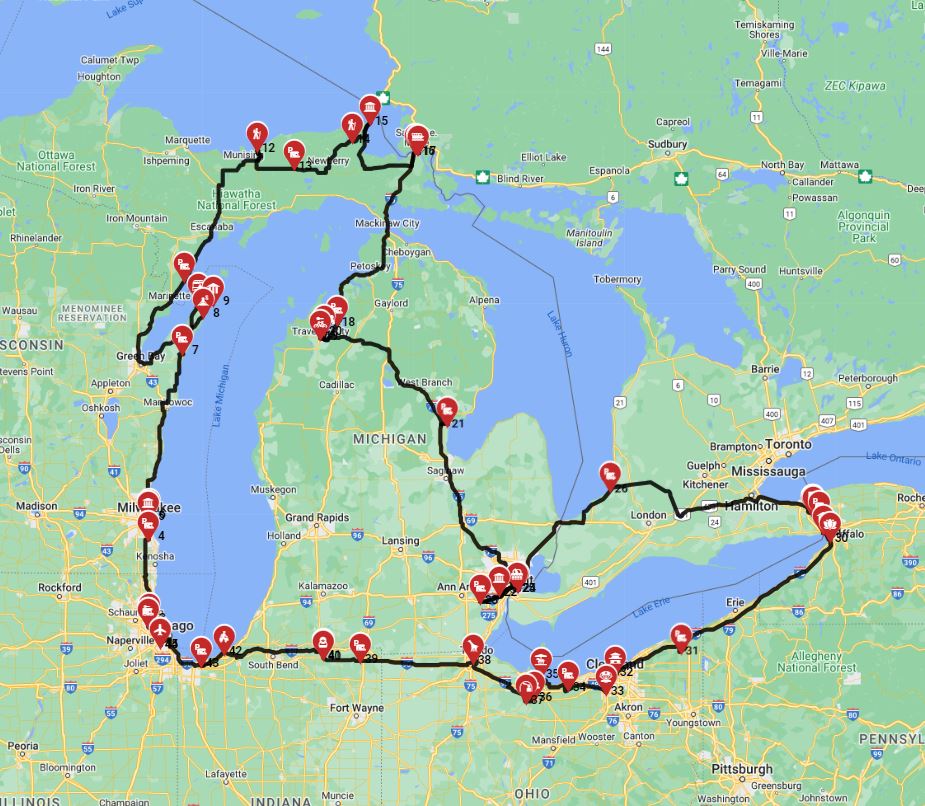
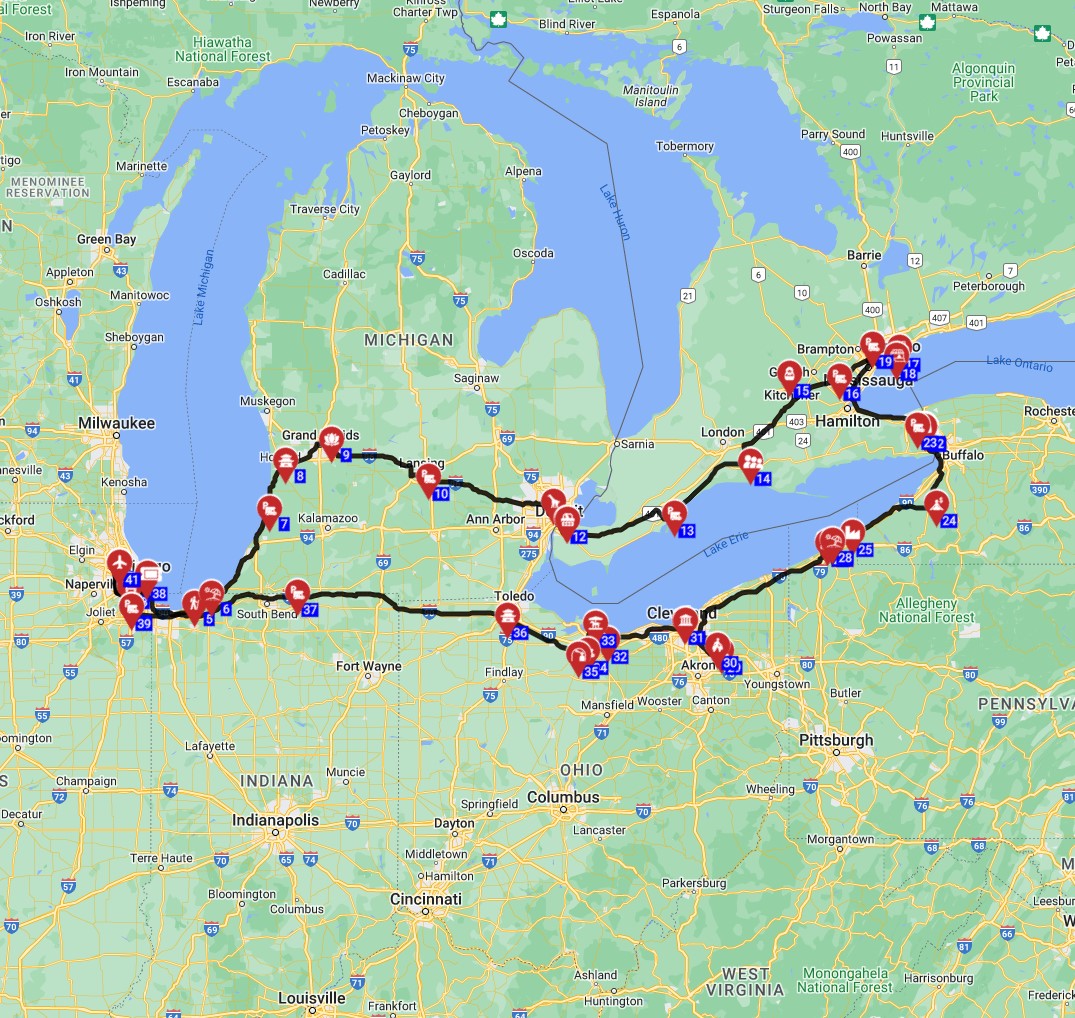
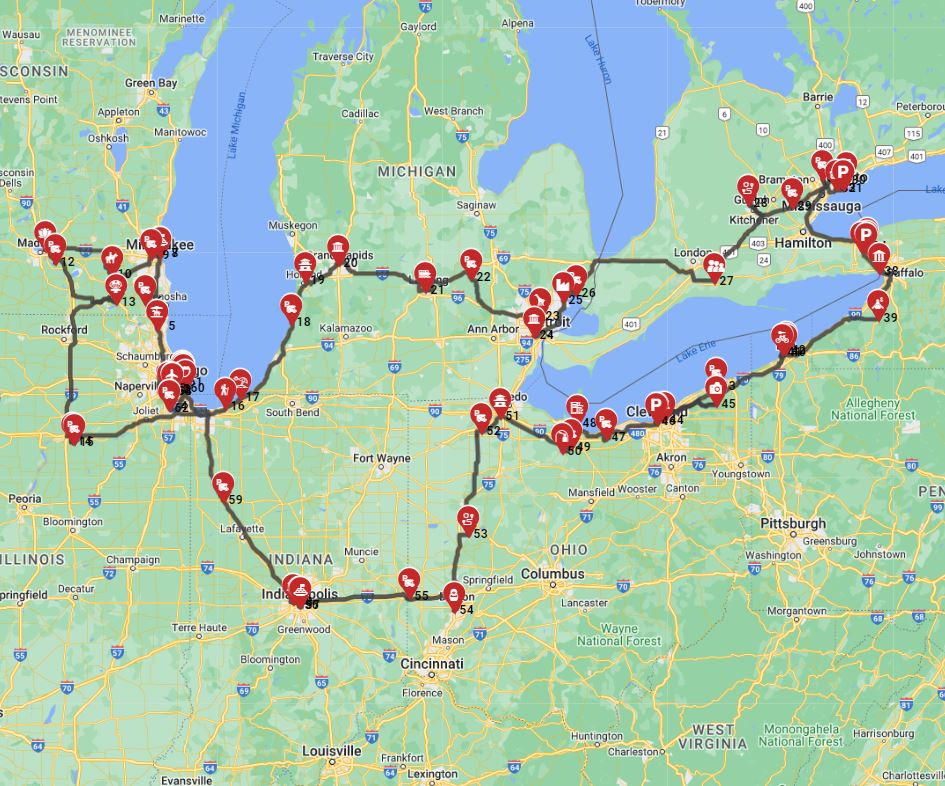
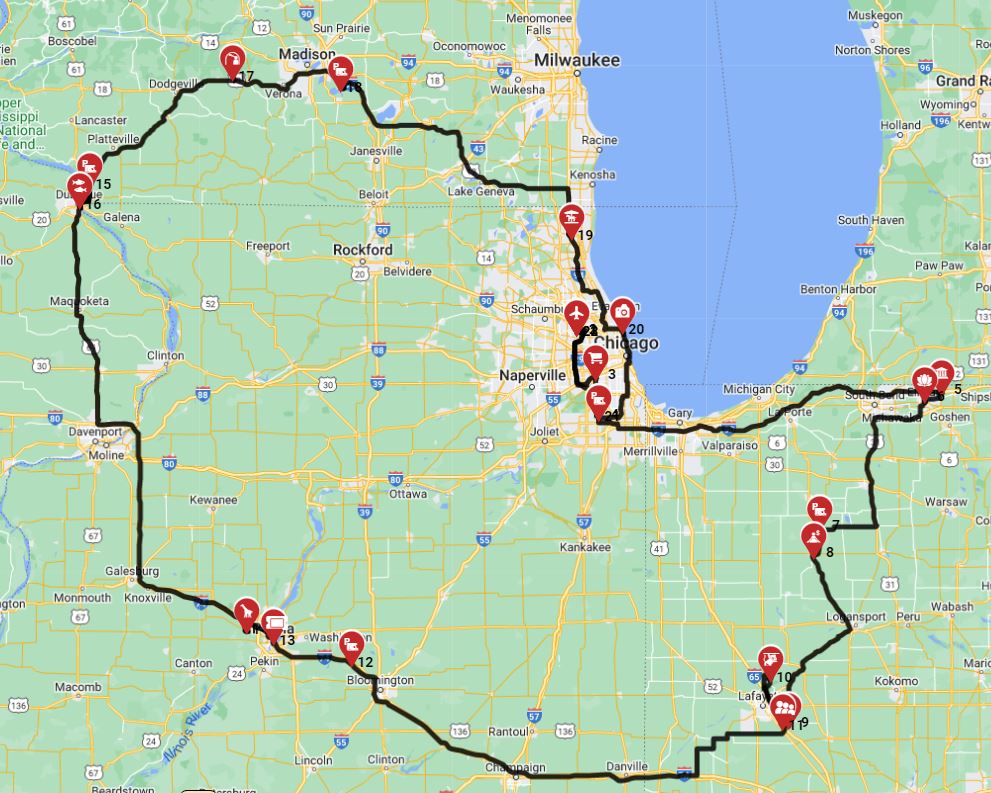
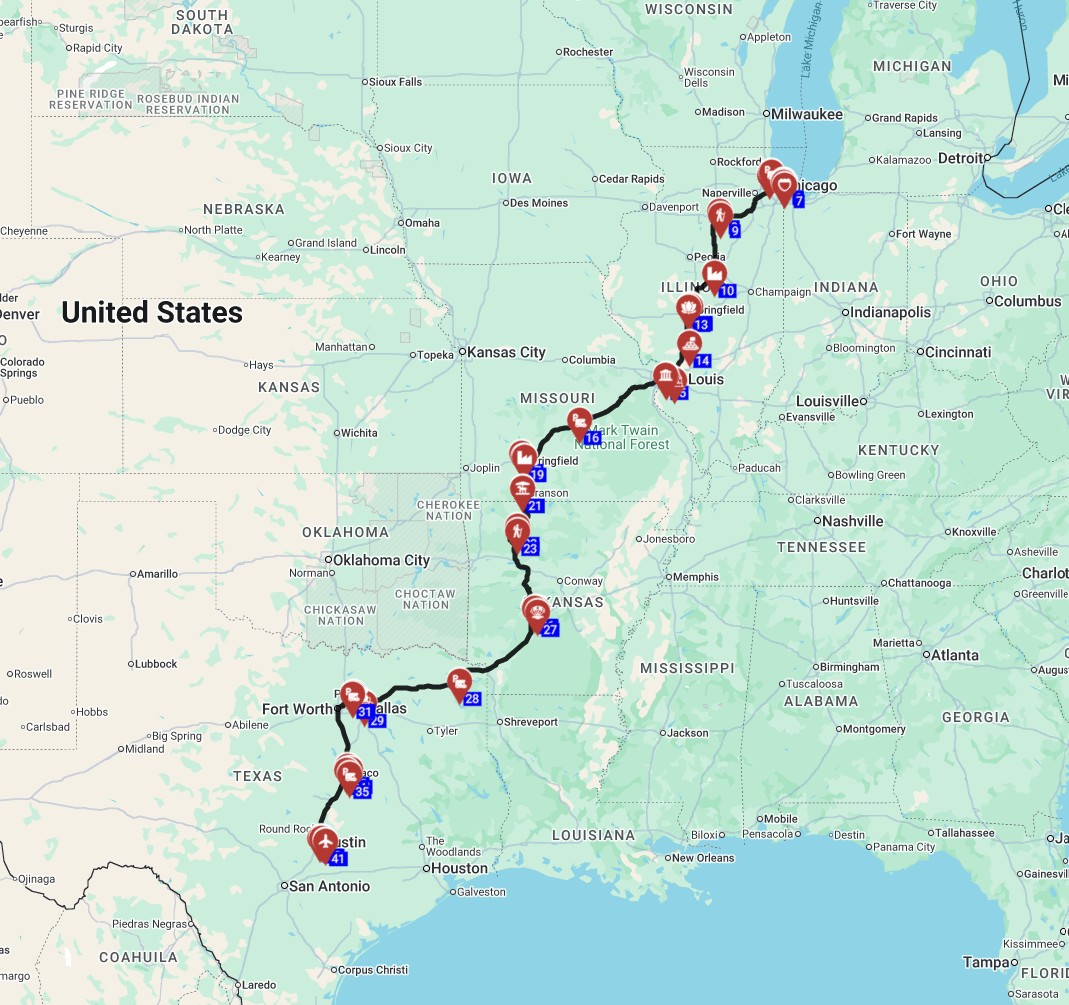
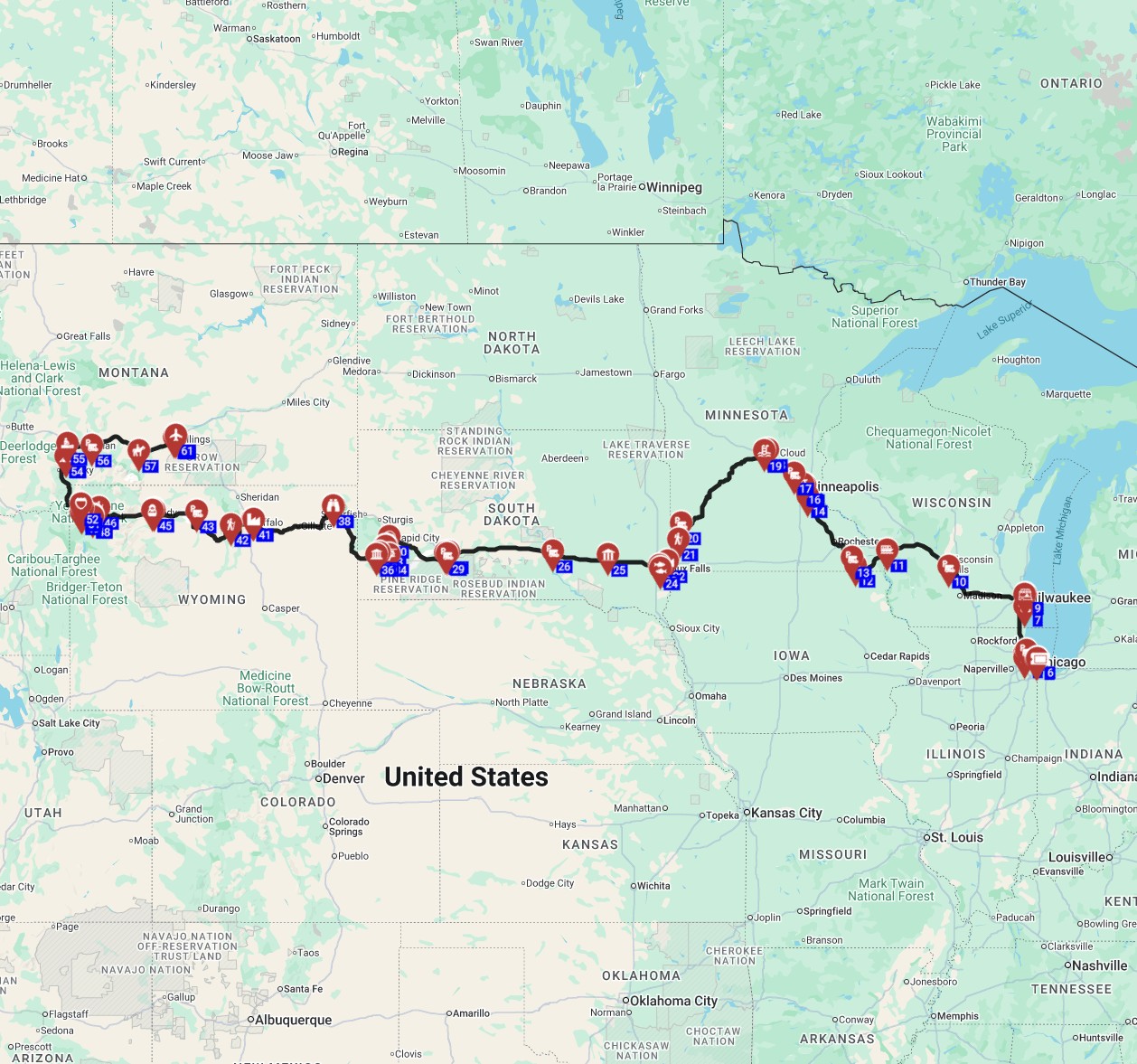
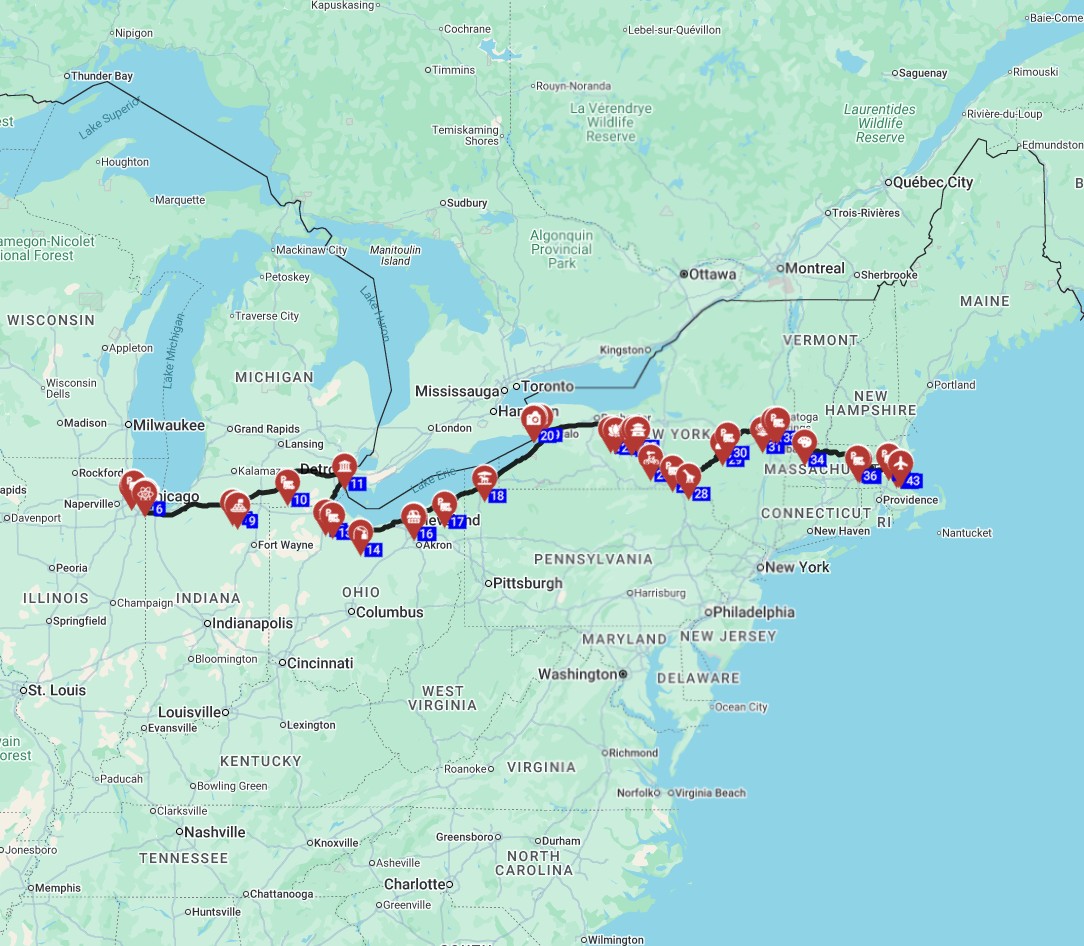
- **Grant Park to New Orleans Road Trip:** Embark on a musical journey starting from Chicago's Grant Park, following sections of the legendary Blues Highway. Our "Chicago To New Orleans - 61 Strings: A Musical Motorhome Trip Along the Blues Highway" is a 15-day, 2918.4 km adventure including 6 museums, 3 hiking areas, and 3 tourist attractions.
Looking for expert insights from Avi Bandana? Top 5 Adventures - recommendations from Avi Bandana.
Final Thoughts
A cheap RV rental in Chicago opens up a world of possibilities, allowing you to experience the city's urban wonders and Illinois's natural beauty on your own terms. With Bandana RV, you're not just renting a motorhome; you're gaining a partner dedicated to making your journey as smooth and enjoyable as possible, whether you’re considering "Weekly RV Rental in Chicago - Pricing 2024" or a longer two-week adventure. From understanding local driving nuances to planning cost-effective routes, we provide the tools and transparency you need.
Don't let the idea of city driving deter you; with proper planning and awareness of your surroundings, navigating Chicago in a rented campervan or motorhome is entirely manageable. Embrace the freedom of the open road and the convenience of having your accommodation always with you. We're here to support you before, during, and after your booking, ensuring every detail is covered. Get inspired for your next trip! Discover top destinations, planning tips, all in one place!
Find Motorhome Rentals in Chicago