In This Guide
- Can You Drive an RV in Central South US? License & Age Rules
- Road Conditions & Terrain in Central South US
- RV Size Limits, Bridges & Restricted Zones
- Fuel: Diesel vs. Petrol & Cost per 100 km
- Tolls, Vignettes & Border Rules
- Driving Tips for cheap rv rental Travelers in Central South US
- Recommended RV Class for Central South US Roads
- Should I Choose a Compact Van Instead of a Large RV in Central South US?
- Can I Park Anywhere? Free & Wild Camping Rules in Central South US
- Can I Drive an RV Into the City Center in Central South US? Heights, Tunnels & Local Signage
- What is the 3-3-3 rule for RV driving?
- What is the 4-4-4 rule for RV travel?
- What size RV can you drive without a special license?
- Which state in Central South US is the most RV friendly?
- What 6 states in Central South US are RV sales banned in?
- What is the cheapest state to register an RV in the Central South US?
- Who has the least expensive RV insurance in Central South US?
- Top Cities for RV Rental in Central South US
- Country-wide Practical Information for RV Rental in Central South US
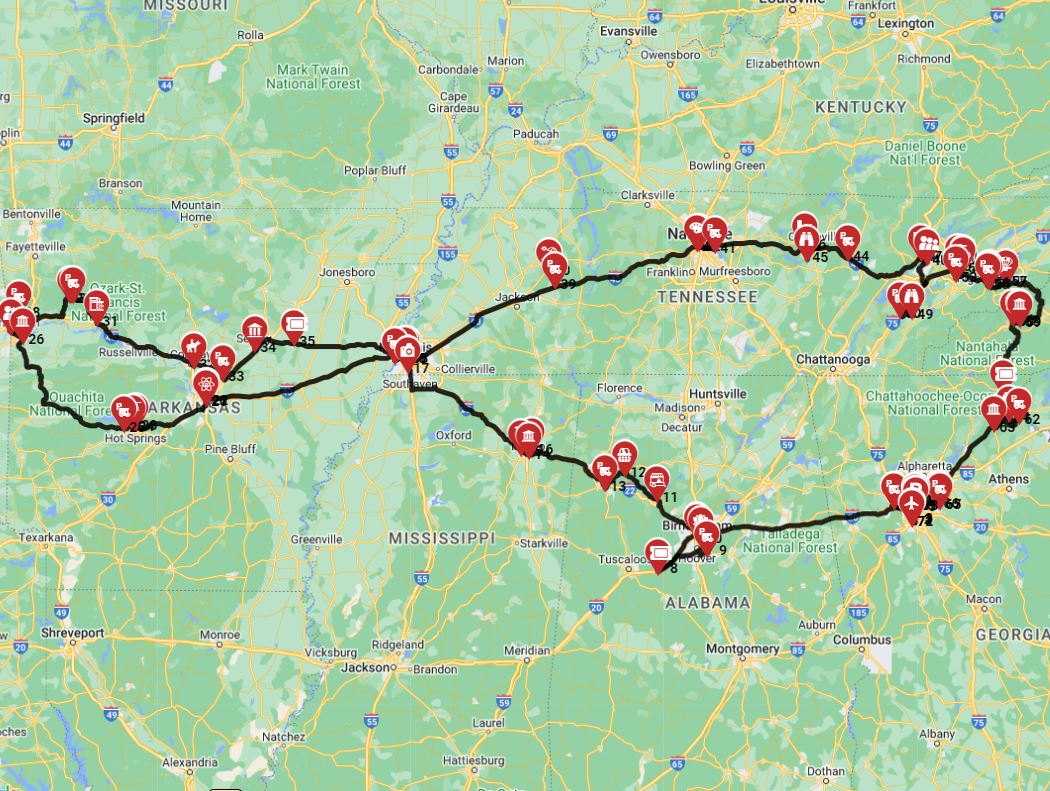
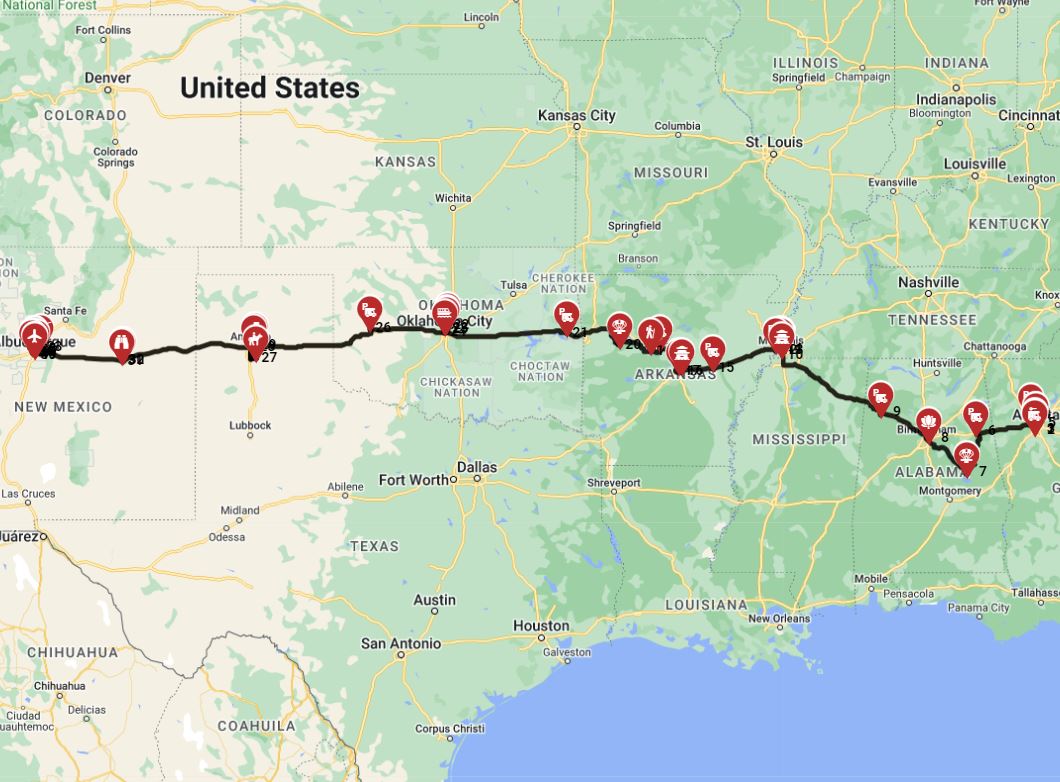
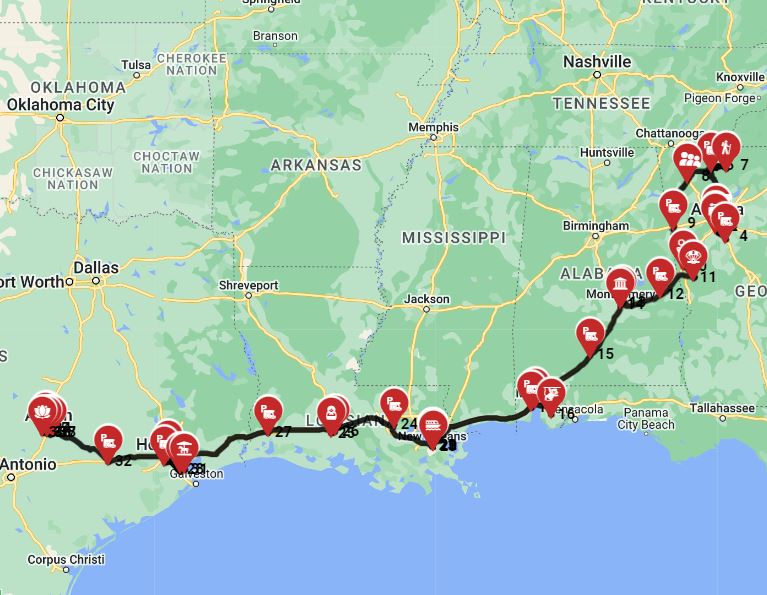
The Central South US, a captivating region encompassing states like Texas, Oklahoma, Arkansas, Louisiana, Mississippi, Tennessee, and Kentucky, offers an incredible backdrop for a cheap RV rental adventure. Imagine exploring diverse landscapes, from the vibrant music scene of Nashville to the bayous of Louisiana, all from the comfort of your rented motorhome. With Bandana Caravan, you get full transparency in pricing, meaning no hidden fees and no surprises when you pick up your vehicle. We've been helping tens of thousands of travelers discover the world by RV since 2001, offering direct partnerships with over 50 leading RV suppliers like El Monte, Cruise America, Apollo, and Britz. For live availability and current prices, start with our RV Rental Central South US - Complete Guide 2026 guide.
Can You Drive an RV in Central South US? License & Age Rules
Yes, most motorhomes under 26,000 lbs Gross Vehicle Weight Rating (GVWR), including popular Class B, Class C, and many Class SI models, can be driven throughout the Central South US with a standard Class D driver's license. A special Commercial Driver's License (CDL) is typically only required for RVs exceeding 26,000 pounds GVWR or those towing heavy trailers with a combined weight over 26,000 lbs, which is less common for standard rental RVs. The minimum age to rent an RV in the Central South US is generally 21, and Bandana Caravan offers rentals for drivers aged 21 and above without young driver surcharges or vehicle class restrictions based on age. Foreign drivers can comfortably operate a rented RV in the Central South US with a valid driver's license from their home country; an International Driving Permit (IDP) is recommended for non-English licenses but often not mandatory.
Navigating the roads of Central South US with a rented motorhome is straightforward, provided you understand the basic rules. For more detailed information on vehicle requirements and local driving laws, exploring resources like the "RV Rental USA - Complete Guide 2026" can be very helpful. Remember to always carry your valid driver's license, vehicle registration, and insurance documents when traveling.
Road Conditions & Terrain in Central South US
Road conditions in the Central South US vary significantly, ranging from impeccably maintained interstate highways to smaller, sometimes less-maintained state roads and gravel county roads, especially in picturesque rural or state park areas. The region's terrain is diverse, featuring flat plains in states like Texas and Arkansas, rolling hills throughout Tennessee, Kentucky, and Mississippi, and even mountainous sections such as the Ozarks in Arkansas and Missouri or the Appalachian foothills. When driving your cheap RV rental, you should be prepared for varying road surfaces; slower, more careful driving is advisable when exploring state parks or less-traveled scenic routes. The climate can include hot, humid summers and occasional severe weather like thunderstorms, so being aware of weather forecasts and ready for sudden changes in driving conditions is always a smart approach.
Planning your route to account for these conditions will enhance your trip. Consider downloading offline maps or having a physical map as a backup, especially in remote areas where cell service might be spotty. With a rented mobile home, you're equipped for both smooth highways and charming backroads.
RV Size Limits, Bridges & Restricted Zones
Most states in the Central South US permit motorhomes up to 13 feet 6 inches in height, 8 feet 6 inches in width, and 45 feet in length for single vehicles, which accommodates the vast majority of rental RVs. Drivers should always remain vigilant for road signs indicating lower bridge clearances, tunnel restrictions, or weight-restricted routes, particularly on older state or county roads, as these limits can be lower than general state regulations. While large environmental zones common in European cities are generally not an issue, some historic city centers or national park roads might have specific restrictions on vehicle size or type. Remember, you can drive slowly and carefully, and you can drive almost anywhere without issues; no need to stress, just use common sense and pay attention. Ferry services, such as those that cross rivers or transport to coastal islands, may have their own size and weight restrictions, which should always be checked in advance to ensure a smooth journey with your rented campervan.
Fuel: Diesel vs. Petrol & Cost per 100 km
Most rental motorhomes in the Central South US operate on either petrol (gasoline) or diesel fuel, with petrol being more prevalent for smaller Class B and C models, and diesel typically powering larger Class A and some Class SI units. Fuel availability is generally excellent across the entire region, though diesel pumps might be less common at smaller, more rural gas stations compared to petrol. Based on Bandana's extensive global fleet averages, a Class SI Semi-integrated RV generally consumes 10-11 Liters/100 km, a Class C Alcove motorhome uses 10-12 Liters/100 km, and a compact Class B Camper Van averages 8-10 Liters/100 km. Assuming an average fuel cost of approximately $1.00 per liter (reflecting current US gas prices), a Class C RV consuming 11 Liters/100 km would incur a fuel cost of about $11.00 per 100 km. Budgeting for fuel is a key part of trip planning, and on RV PLANET routes, travelers can itemize and track every expense along the way for easy budgeting. On the routes offered through RV PLANET routes, you can itemize and track every expense along the way for easy budgeting.
Many RV rental companies, including Bandana partners, may offer fuel discount cards or programs with specific rental packages, which can significantly help reduce overall travel costs and make your cheap RV rental even more economical. Planning out your fuel stops, especially in more remote areas, is a wise strategy. For tips on preparing meals and saving on food costs during your journey, check out our RV-friendly recipes playlist.
Tolls, Vignettes & Border Rules
The Central South US primarily utilizes toll roads and bridges rather than vignettes, with payment methods often including electronic collection via transponders or traditional cash lanes. Specific toll roads are prevalent in states like Texas (e.g., various turnpikes around major cities such as Dallas and Houston) and Oklahoma (e.g., several turnpikes traversing the state), but are notably less common in states such as Arkansas, Mississippi, and Alabama. Travelers should anticipate encountering tolls on major highways, especially near urban centers, and plan to either carry cash or consider obtaining an electronic toll transponder for convenience. Border rules within the Central South US, between states, are non-existent, allowing seamless movement; however, renters should always confirm their rental agreement permits travel to neighboring states or beyond the immediate region. Some rental motorhomes allow pre-purchasing toll passes or include transponders, which can help avoid unexpected fines and simplify travel through electronic toll collection points, contributing to a truly transparent and surprise-free trip with Bandana Caravan.
Driving Tips for cheap rv rental Travelers in Central South US
To maximize your enjoyment and minimize costs during your cheap RV rental adventure in Central South US, careful planning is essential. First, always plan your route meticulously; utilize GPS systems that offer RV-specific settings to avoid low bridges, weight limits, and narrow roads, particularly important for budget travelers aiming to prevent costly detours. Second, take frequent breaks; especially for families with kids, plan stops every 2-3 hours to allow everyone to stretch and explore, making the journey an integral part of the adventure. Third, continuously monitor your fuel consumption; keep a close eye on your fuel gauge and budget for refills, particularly in rural areas where gas stations can be spaced further apart. Leveraging any fuel discount cards provided by your rental company can significantly help. Fourth, practice parking and maneuvering your rental motorhome in an empty lot before hitting busy roads to get comfortable with its size and potential blind spots, avoiding costly damage. Finally, pack smart and light to maximize load capacity and fuel efficiency, especially when opting for smaller, more economical RV classes like a Class B Camper Van. Remember our mantra: travel slowly, max 100-150 km per day on average, and take time to feel the place, connect to the culture, the food, and the scenery.
🎬 Video coming soon
Recommended RV Class for Central South US Roads
For navigating the diverse roads and attractions of the Central South US while prioritizing both budget and comfort, the Class B - Camper Van and Class SI - Semi-integrated RVs are highly recommended. The Class B Camper Van, with an average length of 5.8 meters and typical fuel consumption of 8-10 Liters/100 km, offers exceptional maneuverability for city driving and excellent fuel efficiency for extended trips, making it an ideal choice for couples or small families seeking economical travel. Vehicles like the "rv rental denver example Category Van" are designed for ease of use and provide essential amenities like a front air conditioner, shower, and toilet, making them ideal for a couple. The Class SI Semi-integrated RV, averaging 6.9 meters in length and consuming 10-11 Liters/100 km, provides a balanced blend of living space for 3-4 adults and moderate fuel economy, perfectly suited for exploring both major highways and charming state parks. For example, a "2 Berth Rover" offers automatic transmission and roof air condition. Both vehicle classes typically provide sufficient ground clearance for most paved and well-maintained gravel roads found in Central South US state and national parks, making them versatile choices for a budget-conscious adventure. When choosing, consider how many people are traveling with you; our "Family RV Rental in Central South US - Pricing Guide 2026" can help you understand the options.
Should I Choose a Compact Van Instead of a Large RV in Central South US?
In most scenarios, there is generally no issue driving any standard motorhome size in the Central South US, as roads and infrastructure are typically designed to accommodate larger vehicles without significant challenges. Opting for a compact van, such as a Class B Camper Van, primarily benefits travelers who plan extensive navigation through extremely tight historic city centers, very narrow mountain passes with sharp turns (though less common, these exist in some regions like the Ozarks), or those for whom maximizing fuel efficiency and ease of parking are top priorities. However, for many travelers, the enhanced comfort, increased indoor living space, and dedicated amenities such as a full kitchen and bathroom in a larger RV (like a Class C or Semi-integrated motorhome) often provide a more enjoyable and well-equipped 'home on wheels' experience, outweighing the minor maneuverability advantages of a compact van. A balanced approach suggests that if your itinerary involves frequent urban exploration or very remote, unpaved roads, a compact van is a practical choice; otherwise, a larger RV offers superior comfort for experiencing the diverse Central South US.
It's important to remember that you can drive slowly and carefully, and you can drive almost anywhere without issues, regardless of RV size. No need to stress; just use common sense and pay attention to road signs and local conditions.
Can I Park Anywhere? Free & Wild Camping Rules in Central South US
Generally, free or 'wild' camping rules in the Central South US prohibit overnight parking on private land without explicit permission and are typically restricted in most urban areas and along public roadways. While specific regional data for wild camping in the Central South US can vary, common US rules apply: dispersed camping is often permitted on certain public lands managed by the Bureau of Land Management (BLM) and within some National Forests, provided travelers strictly adhere to Leave No Trace principles and local guidelines regarding campfires, waste, and duration of stay. Many large retail chains, such as Walmart, often permit overnight RV parking in their expansive lots; however, policies can vary by individual store and location, so it's always crucial to ask a store manager before settling in for the night. Rest areas along interstates typically allow short-term parking for rest but rarely permit overnight camping. Always check local regulations and adhere to local law before parking your rented campervan overnight, especially regarding fire restrictions, waste disposal, and stay limits. If a campground is your preference, remember that many national and state parks reserve only 25-30% of spots in advance, leaving the majority for first-come-first-serve arrivals, so you'll find a spot; if not at the first campground, then the next one, but call ahead before driving.
Can I Drive an RV Into the City Center in Central South US? Heights, Tunnels & Local Signage
Yes, you can almost always drive a rented RV into city centers across the Central South US, though exercising caution regarding local signage, height limits, and parking availability is always crucial. General US advice applies: consistently pay close attention to local signage indicating height restrictions for tunnels, low bridges, and parking garages, as well as any weight limits or designated residents-only streets. Many cities in the Central South US, particularly those with historic districts like New Orleans, Nashville, or Memphis, may present challenges with narrower streets and extremely limited parking options for larger motorhomes. It is often a practical strategy to park your rental RV at a designated RV-friendly lot or campground just outside the immediate city center and then utilize public transportation, ride-sharing services, or a towed vehicle to explore urban attractions. Drive slowly and carefully, and you can drive almost anywhere without issues; no need to stress—just use common sense and pay attention. Always research specific city driving and parking regulations in advance of your visit to avoid inconvenience or fines.
What is the 3-3-3 rule for RV driving?
The 3-3-3 rule for RV driving is a popular guideline that encourages RV travelers to drive no more than 300 miles in a day, arrive at their destination by 3 PM, and stay for a minimum of 3 nights. This rule is designed to foster a relaxed and truly enjoyable RV experience, actively preventing driver fatigue, allowing ample time for comfortable campsite setup, and promoting a deeper exploration of the local area without the constant pressure of rushing. Following the 3-3-3 rule can significantly reduce travel stress, enhance safety, and improve the overall vacation experience, especially for those on a budget who want to maximize their time at each stop with their rented motorhome in Central South US. While it serves as a valuable guideline, adapting the rule to fit individual preferences and specific itineraries, particularly for longer journeys, is a common and flexible practice.
This approach embodies the slow travel philosophy, which Bandana Caravan wholeheartedly recommends: travel slowly, max 100-150 km per day on average. Take time to feel the place, connect to the culture, the food, and the scenery. For a successful trip, consider looking at "RV Travel Guide to Central South US - Tips and Top Spots 2026" for more itinerary ideas.
What is the 4-4-4 rule for RV travel?
The 4-4-4 rule for RV travel is an alternative guideline that suggests RVers drive no more than 400 miles in a day, drive for a maximum of 4 hours without a break, and stop every 4 days for a more extended rest period. Similar to the 3-3-3 rule, this guideline aims to prevent driver fatigue and ensure a more relaxed and enjoyable journey, albeit with slightly longer driving segments. The 4-hour driving limit between breaks is particularly beneficial for maintaining alertness and reducing strain during long stretches on Central South US highways, especially when driving a larger rented RV. Adhering to either the 3-3-3 or 4-4-4 rule greatly assists in pacing your RV trip, allowing for more spontaneous stops and a deeper, more meaningful engagement with the destinations rather than simply covering ground. It supports the Bandana philosophy of experiencing the journey, not just the destination.
What size RV can you drive without a special license?
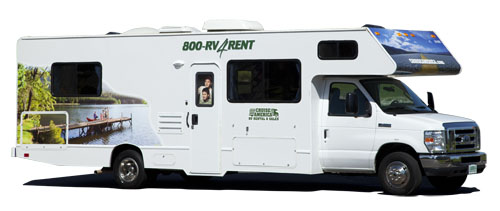
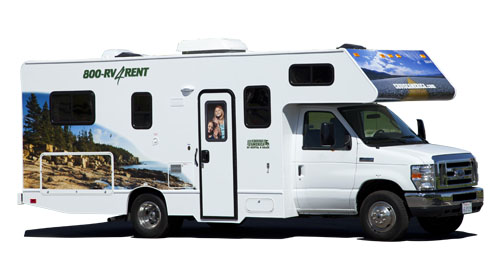
In most US states, including those across the Central South US, you can typically drive an RV with a Gross Vehicle Weight Rating (GVWR) of up to 26,000 pounds using a standard Class D (regular) driver's license, which comfortably encompasses the vast majority of rental Class B, Class C, and many Class SI RVs. This means that nearly all common rental motorhomes, from compact campervans like the "hire campervan example Paradise S/T" to spacious Class C motorhomes such as the "cruise america rv rental example Explorer", do not require any special license beyond what is needed to operate a passenger car. A Commercial Driver's License (CDL) is generally only required for RVs exceeding 26,000 pounds GVWR, for towing a trailer that, combined with the tow vehicle, has a Gross Combined Weight Rating (GCWR) over 26,000 pounds, or if the vehicle is designed to carry 16 or more passengers. Always confirm the specific licensing requirements directly with your RV rental company and your state's Department of Motor Vehicles, as regulations can have minor state-specific nuances.
Which state in Central South US is the most RV friendly?
While 'RV friendliness' can be subjective and depend on individual traveler preferences, within the Central South US, states like Texas and Florida (though partly in the Southeast, its northern parts are often linked with Gulf Coast RV routes) are frequently cited as highly RV-friendly due to their extensive networks of RV parks, numerous state parks with excellent RV amenities, and generally warm climates that appeal to year-round travel. An RV-friendly state also considers factors such as local attitudes toward RVers, the availability of dispersed camping (free camping) opportunities on public lands, the quality of RV infrastructure (including dump stations and repair shops), and reasonable regulations. Other Central South states like Arkansas, Tennessee, and Mississippi, while perhaps not as widely known as 'RV meccas,' offer numerous beautiful state parks, national forests, and incredibly scenic routes that are very welcoming to RV travelers, often at more affordable rates than more popular coastal regions. For those looking for "RV Rental in Central South US - Prices and Best Deals 2026", these states often provide excellent value.
What 6 states in Central South US are RV sales banned in?
No US state, including any in the Central South US, officially bans the sale of RVs nationwide. However, regulations surrounding direct-to-consumer sales from manufacturers can vary significantly by state. Historically, some states have enacted dealer franchise laws that restrict manufacturers from selling directly to consumers, primarily to protect established local dealerships. While specific states might indeed make it more challenging for new RV manufacturers to operate without a traditional dealership network, this regulatory environment does not constitute a ban on RV sales in general within those states. Consumers can freely purchase RVs in all 50 US states, though the specific purchasing process or the availability of certain brands and models may differ based on these state-specific dealer laws. As Bandana Caravan focuses on RV rentals, these sales regulations do not impact your ability to find a fantastic rental motorhome for your next adventure.
What is the cheapest state to register an RV in the Central South US?
Several states are widely considered the cheapest for RV registration due to their low fees, absence of sales tax on vehicles, or other favorable regulations; common examples cited are Montana, South Dakota, and Delaware. While none of these are directly within the Central South US, they are popular choices for 'RV domicile' – where RVers establish legal residency for purposes such as vehicle registration, insurance, and taxes, even if they spend the majority of their time traveling elsewhere. For residents of the Central South US, establishing domicile in a state like South Dakota, which has no state income tax, offers relatively low registration fees, and features straightforward residency requirements, can result in significant long-term savings on RV ownership costs. The designation of the 'cheapest state' for registration can ultimately depend on various factors including the RV's value, its weight, and its age, as well as whether you plan to establish full legal residency in that particular state for your privately owned RV, which differs from renting a campervan.
Who has the least expensive RV insurance in Central South US?
The least expensive RV insurance in the Central South US, much like elsewhere, varies significantly based on individual factors such as the RV's specific value, the driver's history, desired coverage limits, and the exact state of residence, making it crucial to thoroughly shop around. Companies frequently recognized for competitive RV insurance rates, all of which operate across the Central South US, include Progressive, National General, Geico, and Safeco. To effectively find the cheapest rates for your owned RV, actively compare quotes from multiple providers, consider increasing your deductible to lower premiums, bundle your RV insurance with other existing policies (like auto or home insurance), and inquire about potential discounts for maintaining a safe driving record or having certain RV safety features. For cheap RV rentals specifically, the rental company (through Bandana Caravan's partnerships) typically provides basic liability insurance, but purchasing additional coverage for collision and comprehensive (often offered as an optional add-on through the rental company or your personal auto insurance provider) is highly recommended for complete peace of mind during your adventure. Remember, you can upgrade to a top-level deductible for extra peace of mind, ensuring your trip is as worry-free as possible.
Top Cities for RV Rental in Central South US
The Central South US offers numerous vibrant cities that serve as excellent starting points or key destinations for your cheap RV rental journey. Each city provides a unique flavor and access to diverse regional attractions, making them ideal hubs for picking up your rented motorhome and beginning an unforgettable road trip.
- Nashville, Tennessee: Known as "Music City," Nashville is a fantastic starting point for exploring the state's rich musical heritage and accessing nearby state parks. Its blend of urban attractions and natural beauty makes it a popular RV destination.
- New Orleans, Louisiana: Immerse yourself in the unique culture of New Orleans, from its historic French Quarter to its delicious cuisine. While city driving can be busy, plenty of RV parks are located just outside the downtown area, offering easy access to explore.
- Dallas-Fort Worth, Texas: These sprawling twin cities offer a taste of true Texan hospitality, with world-class museums, entertainment, and easy access to the vast landscapes of North Texas. Many RV rental options are available here, and getting a "One-Way RV Rental in Central South US - Price Guide 2026" might be ideal for longer itineraries.
- Houston, Texas: Home to NASA's Space Center Houston and a thriving culinary scene, Houston is another major hub for RV travel. Its extensive highway system makes navigation relatively smooth, even for larger Class C motorhomes.
- Memphis, Tennessee: Famous for blues, soul, and rock 'n' roll, Memphis offers iconic sites like Graceland and Beale Street. It's a great stop for music lovers on an RV tour of the South.
- Little Rock, Arkansas: The capital city of Arkansas provides access to the state's natural wonders, including the Ozark Mountains and Hot Springs National Park, making it an excellent base for outdoor adventures with your rented camper.
- Louisville, Kentucky: Experience the home of the Kentucky Derby and a burgeoning food and bourbon scene. Louisville is a welcoming city for RVers, offering a unique blend of urban charm and access to scenic routes along the Ohio River.
Exploring these cities with a rented mobile home gives you the freedom to move at your own pace, enjoying both urban delights and natural escapes. For more options on luxury rentals in the region, consult "Luxury RV Rental in Central South US - Premium Prices 2026".
Country-wide Practical Information for RV Rental in Central South US
Embarking on a cheap RV rental adventure across the Central South US means preparing for the local nuances to ensure a smooth and enjoyable trip. Here are some country-wide practical tips:
Road Rules and Driving Customs:
- Right-Hand Drive: In the entire Central South US, vehicles drive on the right-hand side of the road, which is standard across the USA.
- Speed Limits: Speed limits generally range from 55-75 mph (approx. 90-120 km/h) on interstates and major highways, dropping to 25-45 mph (approx. 40-70 km/h) in urban areas and on secondary roads. Always observe posted signage, as limits can vary quickly.
- Turns on Red: In most states, turning right on a red light after a complete stop is permitted unless otherwise posted.
- Passing Lanes: On multi-lane highways, the left lane is generally for passing. RVs should typically stay in the right-most lanes to allow faster traffic to flow.
Emergency Numbers:
- For all emergencies—police, fire, or medical—dial 911 from any phone. This service is free.
- For non-emergency assistance, research local police or roadside assistance numbers for the specific areas you plan to visit.
SIM Card and Connectivity Tips:
- Major mobile carriers like AT&T, Verizon, and T-Mobile offer extensive coverage throughout the Central South US, with varying reliability in very remote or mountainous regions. Consider purchasing a local prepaid SIM card upon arrival if your international plan is expensive or unreliable.
- Many RV campgrounds and parks provide Wi-Fi access, though quality and speed can differ greatly. It's often sufficient for basic browsing and email but may not support heavy streaming or video calls.
- Portable Wi-Fi hotspots or "MiFi" devices can be rented or purchased for consistent connectivity on the go, a useful option for staying connected with family or remote work during your extended road trip.
By keeping these practical tips in mind, your Central South US RV rental experience will be stress-free and full of discovery. For deals and offers, check out "RV Rental Deals in Central South US - Latest Offers 2026".
What You Shouldn't Miss
- Explore the Natchez Trace Parkway: Drive this 444-mile scenic route through Mississippi, Alabama, and Tennessee. Enjoy biking, hiking, and primitive camping along the way.
- Visit Hot Springs National Park, Arkansas: Experience the unique urban national park, bathing in the historic bathhouses and hiking the forested mountains surrounding the city.
- Indulge in New Orleans' Culinary Scene: Savor Gumbo, Jambalaya, and Beignets in the French Quarter. Consider a swamp tour for a unique bayou experience.
- Discover Nashville's Music History: Explore the Country Music Hall of Fame, visit the Grand Ole Opry, and enjoy live music on Broadway with your rented camper.
- Experience the Kentucky Bourbon Trail: Tour historic distilleries, learn about bourbon-making, and sample Kentucky's signature spirit (designate a sober driver for this!).
- Hike the Ozark Mountains: Enjoy stunning natural beauty, waterfalls, and outdoor activities in Arkansas and Missouri.
Looking for expert insights from Avi Bandana? Top 5 Adventures - recommendations from Avi Bandana
Avi, our founder, is passionate about discovering the authentic heart of each destination. For Central South US, he recommends focusing on the rich cultural tapestry and diverse landscapes. "Don't just drive through," Avi advises, "stop at the roadside blues juke joints in Mississippi, sample local BBQ in every state, and let the rhythms of the region seep into your soul. These are the moments that make RV travel truly special."
Final Thoughts
Embarking on a cheap RV rental journey through the Central South US promises an enriching experience, blending stunning landscapes, vibrant cultural hubs, and delicious regional cuisine. From the rolling hills of Tennessee to the expansive plains of Texas, a rented motorhome offers the unparalleled freedom to explore at your own pace and create lasting memories. Remember, Bandana Caravan is your trusted partner, providing full transparency, expert advice, and unparalleled support every step of the way, making your dream road trip a reality.
Whether you're a seasoned RVer or planning your first week-long trip, the Central South US invites you to discover its unique charm. With our extensive network of suppliers and commitment to clear pricing, you can confidently book the perfect camper or mobile home without any surprises. Get inspired for your next trip and plan a journey with minimal effort and maximum enjoyment.
Ready to hit the road and explore this incredible region? Compare Motorhome Prices for Central South US now and start planning your unforgettable budget-friendly adventure!