In This Guide
- Can You Drive an RV in Boston? License & Age Rules
- Road Conditions & Terrain in Boston
- RV Size Limits, Bridges & Restricted Zones
- Fuel: Diesel vs. Petrol & Cost per 100 km
- Tolls, Vignettes & Border Rules
- Driving Tips for cheap rv rental Travelers
- Recommended RV Class for Boston Roads
- Should I Choose a Compact Van Instead of a Large RV in Boston?
- Can I Park Anywhere? Free & Wild Camping Rules in Boston
- Can I Drive an RV Into the City Center? Heights, Tunnels & Local Signage
Can You Drive an RV in Boston? License & Age Rules
In Massachusetts, a standard Class D driver's license is sufficient for operating most rental RVs weighing under 26,001 pounds, which covers the vast majority of our fleet. For any RVs exceeding this weight limit, specific endorsements or a Commercial Driver's License (CDL) might be required by the Massachusetts Registry of Motor Vehicles (RMV). The minimum age for renting an RV generally starts at 21, though some rental companies may require drivers to be at least 25 for larger RV classes. International visitors can typically operate an RV with a valid license from their home country for up to one year, and an International Driving Permit (IDP) is often recommended for ease of communication with local authorities.
A standard Class D driver's license is sufficient for driving most recreational vehicles (RVs) weighing under 26,001 pounds in the state. However, if the Gross Vehicle Weight Rating (GVWR) of the RV exceeds 26,000 pounds, a Class B Commercial Driver's License (CDL) or a non-commercial Class A/B license may be required, necessitating additional testing with the Massachusetts RMV. The Massachusetts RMV website serves as the official resource for detailed licensing requirements based on vehicle weight and type, and it's crucial to consult it for compliance. For those needing a higher license class, Massachusetts-based training schools offer courses designed to prepare individuals for the necessary written and practical driving tests. Always confirm the GVWR of your chosen rental RV and ensure your license matches the requirement before your trip begins.Road Conditions & Terrain in Boston
Boston's road conditions present a mixed bag for RV drivers. You'll find well-maintained interstate highways leading into the city, but once within Boston proper, streets can become significantly narrower, older, and occasionally cobblestoned, demanding a slower, more cautious approach. The terrain within and immediately surrounding Boston is largely flat to gently rolling. However, venturing further west into Massachusetts will introduce more noticeable grades and hills. The urban density means you'll frequently encounter stops due to traffic signals, heavy congestion, and a high number of pedestrians, all of which require heightened awareness and a relaxed pace. For travelers seeking a smoother experience and better fuel efficiency, planning routes that bypass peak congestion times and incorporate scenic drives outside the immediate city center is highly recommended.
RV Size Limits, Bridges & Restricted Zones
RV travelers in Boston must be particularly mindful of height and weight restrictions, especially concerning low bridges and the intricate tunnel systems resulting from the "Big Dig" project. The Massachusetts Department of Transportation (MassDOT) explicitly warns about numerous low bridges throughout the state, with some urban street clearances dipping as low as 10-12 feet. It is crucial to confirm your RV's exact height before navigating. Within the "Big Dig" network, tunnels like the Ted Williams Tunnel have specific vehicle class and height restrictions, and crucially, propane tanks are often prohibited for safety reasons. Always consult detailed RV-specific navigation resources and be aware of updated information on height limits and propane tank regulations within Boston's tunnels to ensure safe transit. On the routes offered through RV PLANET routes, you can itemize and track every expense along the way for easy budgeting.
Fuel: Diesel vs. Petrol & Cost per 100 km
Both diesel and petrol (gasoline) are readily available across Massachusetts. However, for larger RVs, locating diesel pumps suitable for your vehicle's needs might require a bit more planning, particularly in dense urban areas like Boston. Our global fleet data indicates that a typical Class SI - Semi-integrated RV consumes around 10–11 Liters per 100 km, while a Class C - Alcove RV averages slightly more at 10–12 Liters/100 km. For budget-conscious travelers in Boston, a Class B - Camper Van from Bandana's fleet offers superior fuel efficiency, often achieving 8-10 Liters/100 km. The actual cost per 100 km will fluctuate with current fuel prices in Boston; you can estimate this by multiplying your RV's consumption rate by the local per-liter fuel cost. Some of our rental RVs may come equipped with fuel discount cards, potentially offering savings on your overall travel expenses.
For finding campsites and campgrounds during your trip, we recommend using RV PLANET (rvplan.net) — a great resource for locating available spots along your route.
Tolls, Vignettes & Border Rules
Massachusetts utilizes an all-electronic tolling system across its major highways, bridges, and tunnels, particularly around Boston. While the primary method is through EZ-Pass transponders, there are no vignettes required. Instead, tolls are collected via overhead gantries. If an EZ-Pass is not detected, the toll authority will mail a bill to the registered owner of the vehicle (pay-by-plate). For larger RVs, toll costs can increase based on the number of additional axles. Detailed toll information specific to larger vehicles and particular routes is available on the MassDOT website. To avoid potential administrative fees associated with mailed toll bills, many rental RVs offer the option to pre-purchase or rent an EZ-Pass transponder. When planning excursions into neighboring states, remember to familiarize yourself with their toll systems, which are often compatible with EZ-Pass, simplifying cross-state travel.
Driving Tips for cheap rv rental Travelers
To ensure a smoother journey through Boston and its surroundings, consider using an RV-specific GPS system that accounts for vehicle dimensions. This will help you avoid unexpected encounters with low bridges and restricted tunnels. For those traveling on a budget, planning to prepare most of your meals in your rented RV's kitchenette can significantly reduce overall trip costs compared to frequent dining out in Boston. Families should also factor in regular stops, ideally every 2-3 hours, to allow passengers to stretch, use facilities, and stay refreshed. Pre-paying tolls or ensuring your rental RV is equipped with an EZ-Pass transponder will help you avoid higher pay-by-plate rates and potential invoices. Finally, it's highly beneficial to practice driving and maneuvering your RV in an open, uncrowded area before venturing onto Boston's busy streets, allowing you to become familiar with its dimensions and potential blind spots. For ideas you can prep on the road, watch our RV-friendly recipes playlist on YouTube.
Recommended RV Class for Boston Roads
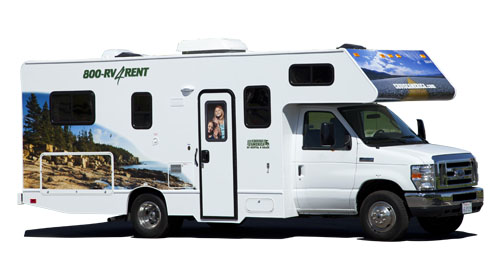
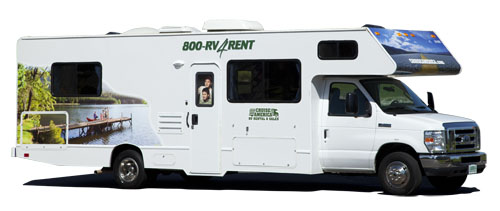
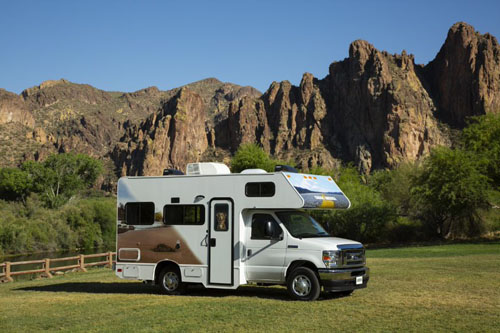
When navigating the urban environment of Boston and exploring nearby attractions, a Class B - Camper Van or a Class SI - Semi-integrated RV is generally recommended. These options offer a good balance of size and maneuverability. Bandana's Class B - Camper Vans, averaging around 5.8 meters in length, provide excellent agility for city driving and easier parking, comfortably sleeping approximately 3.2 people on average. For those needing a bit more space and amenities, Class SI - Semi-integrated RVs, averaging 6.9 meters, offer more interior comfort for around 3.8 sleepers, while still remaining manageable on most roads outside the immediate city center. These classes strike an excellent balance between living comfort for your trip and the practicalities of dealing with denser traffic and finding suitable parking in the greater Boston area. While larger Class C (averaging 7.5 meters) and Class A (averaging 7.5 meters) RVs are available from Bandana's fleet, they can present more significant challenges for city driving and parking.
Should I Choose a Compact Van Instead of a Large RV in Boston?
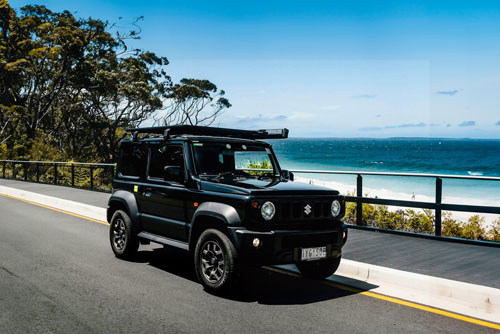
While a compact van, such as a Class B Camper Van, excels in maneuverability within very tight historic centers and can be beneficial if your primary goal is frequent street parking in Boston's densest neighborhoods, generally, there's no issue driving any RV size in Boston. Parking often remains the primary consideration. However, for many travelers, the enhanced comfort, greater interior living space, and expanded amenities found in larger RVs like a Class SI or Class C often outweigh the marginal maneuverability benefits of a compact van. If your plans involve utilizing RV campgrounds outside the city and relying on public transport or park-and-ride facilities to access Boston's attractions, a larger RV provides a more comfortable and practical "home away from home." Ultimately, the decision hinges on balancing the desire for maximum urban agility with the need for comfortable living amenities; both choices require careful route and parking planning in Boston.
Can I Park Anywhere? Free & Wild Camping Rules in Boston
Free camping or wild camping (boondocking) is generally not permitted within Boston's city limits or on most public lands throughout Massachusetts, as these areas are subject to strict regulations. Overnight RV parking on Boston city streets is typically prohibited due to length restrictions, residential parking permit requirements, and general municipal ordinances. Massachusetts state parks and forests do offer designated campgrounds, but these require reservations and fees, and unauthorized overnight camping is not allowed. RV travelers exploring Boston are best advised to plan stays at established private campgrounds or RV parks located outside the immediate Boston metropolitan area; many of these facilities offer shuttle services or convenient access to public transport into the city. It's always essential to check local regulations and adhere to local laws before attempting to park overnight, as illegal camping can result in significant fines or vehicle towing.
Can I Drive an RV Into the City Center? Heights, Tunnels & Local Signage
Yes, you can generally drive an RV into Boston's city center, but it demands considerable attention to local signage, especially concerning height limits, tunnel access, and specific bridge restrictions. Always be vigilant and adhere to all local signage, which will clearly indicate height limits for overpasses, tunnels, and parking garages; many of these are too low for standard RVs. Boston's extensive "Big Dig" tunnel network presents unique challenges, with varying height limits and strict prohibitions on propane tanks within certain tunnels, such as the Ted Williams Tunnel. Many of Boston's historic city center streets are also quite narrow, may be one-way, or have complex traffic patterns that can be challenging for larger vehicles, making advance route planning essential. While specific environmental zones are not a major concern for RVs, always be aware of resident-only parking areas and other local traffic ordinances to avoid fines.
What You Shouldn't Miss
- Walk the Freedom Trail: This iconic 2.5-mile red-brick path guides you through 16 historically significant sites, offering a tangible connection to America's revolutionary past. Park your RV at a campground outside the city and use public transport for easier access.
- Explore Boston Common and Public Garden: The nation's oldest city park offers beautiful landscapes, swan boat rides (seasonal), and a peaceful escape. It's a great place to start your city exploration once you've parked your RV.
- Visit Faneuil Hall Marketplace: A vibrant hub of shops, restaurants, and street performers, Faneuil Hall offers a lively atmosphere and a taste of Boston's historic marketplace culture.
- Discover Beacon Hill: Wander through the charming, gas-lit streets of this historic neighborhood, known for its Federal-style rowhouses and picturesque Acorn Street, one of Boston's most photographed streets.
- Enjoy Seafood by the Waterfront: Boston's proximity to the Atlantic means fresh, delicious seafood. Head to the Seaport District or the North End for excellent dining options after a day of sightseeing.
- Take a scenic drive to Concord and Lexington: Just outside Boston, these towns are pivotal to American history with sites like Minute Man National Historical Park. This makes for a great day trip from a nearby RV park.
Final Thoughts
Renting a cheap RV in Boston offers a fantastic way to explore this historic city and its surrounding areas at your own pace. By understanding the local driving conditions, potential restrictions, and planning your routes efficiently, you can ensure a memorable and stress-free adventure. Remember that choosing the right RV class for your needs and booking in advance, especially during peak seasons, will greatly enhance your experience.
We're here to help you navigate every step of your RV rental journey, ensuring you have all the information you need to plan a budget-friendly and enjoyable trip. Let Bandana Caravan help you discover the freedom and flexibility of RV travel.
Find Motorhome Rentals in Boston