In This Guide
- Can You Drive an RV in Anchorage? License & Age Rules
- Road Conditions & Terrain in Anchorage
- RV Size Limits, Bridges & Restricted Zones in Anchorage
- Fuel: Diesel vs. Petrol & Cost per 100 km in Alaska
- Tolls, Vignettes & Border Rules Near Anchorage
- Driving Tips for Cheap RV Rental Travelers in Anchorage
- Recommended RV Class for Anchorage Roads
- Should I Choose a Compact Van Instead of a Large RV in Anchorage?
- Can I Park Anywhere? Free & Wild Camping Rules in Anchorage
- Can I Drive an RV Into the City Center? Heights, Tunnels & Local Signage
- What is the 3-3-3 rule when RVing?
- How big of an RV can you drive without a special license?
- What is the 4-4-4 rule for RVing?
- Do you need a CDL to drive an RV in Alaska?
- Can I park my RV anywhere in Alaska?
- Should I rent an RV in Alaska?
- How to get cheaper RV insurance?
Exploring Anchorage by rented RV offers an unmatched sense of freedom, allowing you to discover Alaska's stunning landscapes on your own terms. Imagine waking up to the fresh Alaskan air, brewing your morning coffee in your mobile kitchen, and setting off on a new adventure without the hassle of packing and unpacking. Bandana RV specializes in making these dreams a reality, offering full transparency with no hidden fees and 24/7 support before and after your booking, ensuring your journey is as smooth as the open road ahead. For live availability and current prices, start with our RV Rental Anchorage - Complete Guide 2026 guide.
Can You Drive an RV in Anchorage? License & Age Rules
Most rental motorhomes, including Class B campervans, Class C alcove RVs, and many Class A motorhomes, can be driven in Alaska with a standard Class D driver's license, which is the same license required for a regular passenger vehicle. Drivers must typically be at least 21 years old to rent an RV through Bandana RV's partners, with no young driver surcharges or vehicle class restrictions based on age. Foreign drivers can operate a rented RV in Alaska with a valid driver's license from their home country for up to 90 days; an International Driving Permit (IDP) is recommended for translation but is not mandatory in most cases. We are true RV specialists, meaning we genuinely know RV travel and are here to offer clear, professional advice on all driving and licensing requirements before you embark on your cheap RV rental adventure in Anchorage.
Road Conditions & Terrain in Anchorage
Road conditions in and around Anchorage vary from well-maintained urban streets to potentially rougher, unpaved or gravel roads leading to remote areas, especially outside the city limits. The terrain around Anchorage features a mix of flat coastal areas, such as along the Knik Arm, and significant mountainous regions, with steep grades common on routes like the scenic Seward Highway heading south towards Girdwood. Despite some varied patches, driving a rented motorhome through Anchorage and its scenic surroundings is highly recommended, though travelers should budget extra time for slow, deliberate driving to fully enjoy the breathtaking scenery and navigate varying road conditions safely. Remember, travel slowly, max 100-150 km per day on average, to truly connect with the culture, food, and scenery.
RV Size Limits, Bridges & Restricted Zones in Anchorage
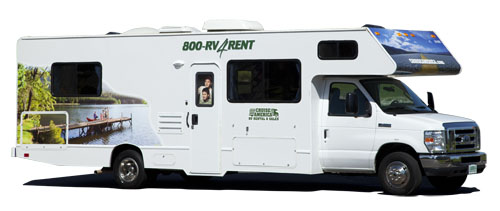
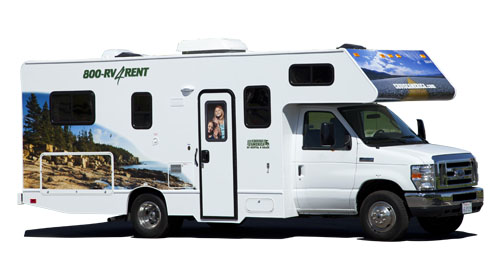
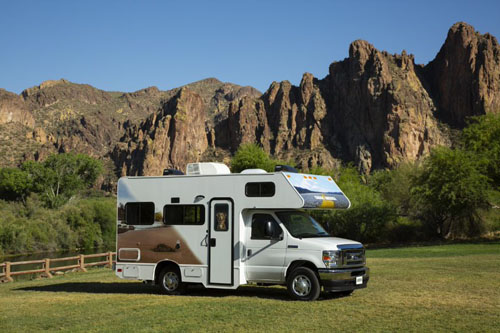
Anchorage does not generally impose specific length or height restrictions on motorhomes beyond standard federal and state regulations, which typically cap total vehicle length around 40-45 feet and height at 13 feet 6 inches. Most bridges and underpasses in the Anchorage area, including those on major arteries like the Glenn Highway, are designed to accommodate large commercial vehicles, meaning typical rented RVs like Class C (averaging 7.8 meters in length, like a "cruise america rv rental example Explorer") and Class B campervans (around 6.1 meters in length, like an "rv rental denver example Category Van") will have no issues. There are no specific environmental zones or common ferry limits encountered within Anchorage city limits that would restrict standard RV travel, allowing you the freedom to explore the city and its outskirts easily. For example, when considering a longer trip, exploring RV Rental Deals in Anchorage - Latest Offers 2026 can help you find suitable models.
Fuel: Diesel vs. Petrol & Cost per 100 km in Alaska
Both diesel and petrol (gasoline) are widely available in Anchorage and along major Alaskan routes, though petrol stations may be more frequent in remote areas. For Class C - Alcove RVs, Bandana RV's fleet averages 24-30L/100km, equating to approximately $24-$30 per 100 km assuming a fuel price of $1.00 USD/liter. For example, a "rv rentals utah example Sunrise Escape" has a fuel consumption of 20-25L/100km. Class TC - Truck Campers from Bandana RV's fleet consume less, averaging 13-19.5L/100km, which translates to roughly $13-$19.5 per 100 km based on the same fuel price assumption. Fuel costs in Alaska tend to be higher than the Lower 48 due to transportation, making fuel efficiency a key consideration for budget-conscious RV renters. For easy budgeting and tracking all trip expenses, including fuel and campground fees, remember that RV PLANET routes allow you to itemize and track every expense along the way. On the routes offered through RV PLANET routes, you can itemize and track every expense along the way for easy budgeting.
Tolls, Vignettes & Border Rules Near Anchorage
Alaska does not have public toll roads or vignettes for consumer vehicles within its borders, including in Anchorage, simplifying travel logistics and helping with a cheap RV rental budget. There are no immediate international borders adjacent to Anchorage that would impact RV travel with special rules, as Canada would be the closest international border, requiring specific documentation for entry. While not directly applicable to Anchorage itself, travelers planning to drive a rented motorhome into Canada must ensure they have valid passports, vehicle registration, and appropriate insurance documentation, which some RV rental companies can assist with, providing peace of mind for your extended adventure.
Driving Tips for Cheap RV Rental Travelers in Anchorage
When embarking on a cheap RV rental adventure from Anchorage, pacing yourself is key; plan frequent stops, perhaps every 2-3 hours, to rest, enjoy scenic pull-offs like those along the Seward Highway, and stay alert, especially given Alaska's vast landscapes and potential for wildlife. Be highly vigilant for moose, bears, and other animals, particularly at dawn, dusk, and around blind curves; sudden braking can be dangerous in a larger rented RV. Always keep your fuel tank at least half full, especially when venturing outside Anchorage towards destinations like Denali National Park, as gas stations can be scarce in remote Alaskan regions. Alaskan weather can change rapidly; pack layers, and be prepared for rain, wind, or even snow in shoulder seasons, which can affect road conditions. Utilize numerous designated scenic pull-offs on Anchorage's surrounding highways, ideal for larger RVs to stop, take photos, and allow faster traffic to pass.
🎬 Video coming soon
Recommended RV Class for Anchorage Roads
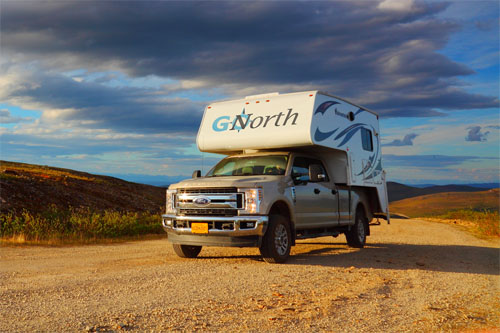
For most cheap RV rental travelers in Anchorage, a Class C - Alcove motorhome is highly recommended due to its balance of comfort, sleeping capacity, and manageable size on Alaskan roads. Bandana RV's Class C - Alcove fleet, like the "MHC28" or "MHC24", averages 7.8 meters (25.6 feet) in length, offering ample space for 4-5 adults while remaining relatively easy to maneuver and park. Alternatively, a Class TC - Truck Camper, such as "rv rentals phoenix example T17 Truck Camper" or "Truck Camper Slide-Dinette", is excellent for couples or smaller groups seeking greater agility and off-road capability, with an average length of 6 meters (19.7 feet) and robust ground clearance for potentially unpaved routes, all with the full transparency of pricing you expect from Bandana RV.
Should I Choose a Compact Van Instead of a Large RV in Anchorage?
While compact campervans offer superior maneuverability, typically there is no significant issue driving even larger RVs, like a Class C motorhome, in Anchorage and on major Alaskan highways; comfort and indoor space often outweigh minimal gains in agility for most trips. A compact van (like a Class B Camper Van averaging 6.1 meters, such as the "rv rental denver example Category Van") genuinely helps for navigating tight parking lots, some narrower national park access roads (though rare in Alaska), or if you prioritize stealth camping in urban environments. However, for families or those seeking amenities like a full kitchen, bathroom, and dedicated living/dining areas, a larger Class C or even a Class A integrated motorhome provides a much more comfortable experience without significant driving penalties on main Alaskan routes, allowing you to enjoy your extended road trip fully. Consider exploring our Luxury RV Rental in Anchorage - Premium Prices 2026 for a wider range of options.
Can I Park Anywhere? Free & Wild Camping Rules in Anchorage
While some areas permit overnight parking, generally you cannot park a rented RV anywhere you please in Anchorage or across Alaska; specific rules govern free camping and boondocking. Within Anchorage city limits, overnight parking for RVs is typically restricted to designated campgrounds, RV parks, or specific private lots, with city ordinances often prohibiting roadside overnight parking on public streets, such as along Northern Lights Boulevard. Outside of developed areas, boondocking (dispersed camping) is often permitted on public lands like National Forests or Bureau of Land Management (BLM) land, provided you adhere to Leave No Trace principles and local regulations. Always check local regulations, signage, and follow local law before parking overnight, as fines can apply for unauthorized camping. For finding campsites and campgrounds during your trip, we recommend using RV PLANET (rvplan.net) - a great resource for locating available spots along your route.
Can I Drive an RV Into the City Center? Heights, Tunnels & Local Signage
Yes, you can almost always drive a rented RV into the city center of Anchorage without significant issues, as the city is generally RV-friendly with wide streets and accommodating infrastructure. Travelers should always pay close attention to local signage, particularly for specific height limits on parking garages (which RVs typically cannot enter, especially along 5th Avenue), or any temporary construction detours near landmarks like the Alaska Center for the Performing Arts. Anchorage does not have restrictive tunnels or low bridges in its downtown core that would impede standard RV travel, nor does it implement environmental zones common in some European cities. While downtown streets are accessible, finding convenient and legal parking for larger RVs can be challenging; look for designated RV parking near major attractions or utilize RV parks, such as Goldenview RV Park, with shuttle services.
What is the 3-3-3 rule when RVing?
The 3-3-3 rule for RVing suggests driving no more than 300 miles (approximately 480 km) a day, arriving at your destination by 3 PM, and staying for a minimum of 3 days to fully experience the area and avoid travel burnout. When RVing in Alaska, the '300 miles a day' portion of the rule might be adjusted due to slower speeds on scenic or sometimes rugged roads, longer daylight hours in summer allowing more travel time, and the sheer vastness of the state. Applying this rule to Anchorage-based trips encourages a relaxed pace, allowing ample time to explore local attractions like Denali National Park or the Kenai Peninsula without feeling rushed, maximizing the value of your cheap RV rental. Adhering to this style of slow travel will enhance your journey significantly.
How big of an RV can you drive without a special license?
In most U.S. states, including Alaska, you can typically drive an RV up to 26,000 pounds (Gross Vehicle Weight Rating, or GVWR) with a standard Class D driver's license, which is the same license used for a passenger car. This weight threshold covers the vast majority of rental RVs available from Bandana RV, including Class B campervans (e.g., Bandana RV's average 6.1m length), Class C alcoves (e.g., Bandana RV's average 7.8m length, like the "24 Class C Motorhome"), and even many larger Class A integrated motorhomes. Only RVs exceeding 26,000 lbs GVWR or those towing extremely heavy trailers (over 10,000 lbs in combination with the RV) might require a non-commercial Class A or B license, which is uncommon for standard recreational rentals like those offered for a cheap RV rental in Anchorage.
What is the 4-4-4 rule for RVing?
The 4-4-4 rule for RVing recommends driving no more than 4 hours a day, covering a maximum of 400 kilometers (approximately 250 miles), and stopping at your campsite by 4 PM to allow time for set-up and relaxation. This rule is particularly well-suited for Alaska RV travel from Anchorage, where the emphasis on shorter driving days accounts for stunning scenic distractions, potential wildlife encounters, and variable road conditions. Following the 4-4-4 rule can enhance the experience of a cheap RV rental by preventing driver fatigue, enabling more spontaneous stops at Alaska's numerous viewpoints along the Turnagain Arm, and ensuring you arrive at campgrounds like Anchorage Ship Creek RV Park with daylight to spare, especially crucial outside peak summer. For more insights, check out our "RV Travel Guide to Anchorage - Tips and Top Spots 2026".
Do you need a CDL to drive an RV in Alaska?
No, you do not need a Commercial Driver's License (CDL) to drive a rented RV for personal use in Alaska, regardless of its size, as a CDL is specifically for operating commercial vehicles. The requirement for a CDL is tied to the commercial nature of driving and specific vehicle classifications (e.g., for hire, carrying hazardous materials, or transporting a large number of passengers for compensation), not simply the vehicle's weight or size for personal recreation. A standard Class D driver's license is sufficient for driving nearly all recreational vehicles rented for personal travel in Alaska, provided the RV's Gross Vehicle Weight Rating (GVWR) does not exceed 26,000 pounds for non-commercial purposes. This makes a cheap RV rental in Anchorage accessible for most drivers.
Can I park my RV anywhere in Alaska?
No, you cannot legally park your rented RV anywhere you want in Alaska; parking regulations vary significantly depending on the jurisdiction and type of land (e.g., city, state park, national forest, private property). Within Anchorage and other Alaskan cities, overnight RV parking is generally restricted to designated RV parks and campgrounds like the Anchorage RV Park, or specific private properties with permission. However, much of Alaska's vast wilderness is public land where dispersed camping (boondocking) is often permitted on Bureau of Land Management (BLM) or National Forest lands, provided you adhere to local signage, respect private property, and practice Leave No Trace principles. Always research specific areas, consult local visitor centers in Anchorage, and look for posted signage to confirm legality before parking overnight to avoid fines or unintended trespassing. RV PLANET (rvplan.net) can help you find suitable campsites along your journey.
Should I rent an RV in Alaska?
Renting an RV in Alaska is highly recommended for experiencing the state's natural beauty, offering unparalleled flexibility, freedom, and access to remote areas that are difficult to reach with standard accommodations. The cost-effectiveness of a rented motorhome, especially for families or groups, can often outweigh fragmented expenses for hotels, rental cars, and restaurant meals, aligning well with a 'cheap RV rental' strategy. An RV provides the convenience of carrying your lodging and kitchen with you, allowing spontaneous stops, wildlife viewing from your doorstep, and the ability to cook your own meals, which can significantly reduce travel costs in a state known for higher prices. However, ensure the chosen RV size (like a Class C or Truck Camper from Bandana RV's fleet) is suitable for your group size and intended routes, as vehicle suitability directly impacts the comfort and enjoyment of your Alaskan adventure. Considering a Weekly RV Rental in Anchorage - Pricing 2026 can offer excellent value.
How to get cheaper RV insurance?
While RV rental companies typically include basic liability insurance, you can often secure 'cheaper' or more comprehensive coverage by utilizing your existing car insurance policy, which may extend to rentals, or by purchasing supplemental coverage directly from your credit card company. For Alaska-specific travel from Anchorage, consider discussing coverage options with the rental provider or your personal insurer to ensure protection against common Alaskan risks like wildlife collisions or remote roadside assistance. Always review the rental agreement's insurance terms carefully and compare external options to avoid redundant coverage, understand your deductible, and ensure you're adequately protected for your specific cheap RV rental journey. Remember, you can upgrade to a top-level deductible for extra peace of mind, an optional upgrade offered by many suppliers through Bandana RV.
What You Shouldn't Miss
- Explore Chugach State Park: Drive a rented motorhome just minutes from downtown Anchorage into over half a million acres of pristine wilderness. Look for moose along the Seward Highway and enjoy stunning views.
- Tony Knowles Coastal Trail: Park your RV at Kincaid Park and bike or walk the 11-mile trail, offering incredible vistas of Cook Inlet, the Alaska Range, and potential wildlife sightings.
- Portage Glacier & Whittier: Take a short scenic drive south on the Seward Highway to Portage Glacier, then optionally continue through the Anton Anderson Memorial Tunnel to the unique town of Whittier. Check tunnel schedules as they operate on a timetable.
- Anchorage Market & Festival: If visiting on a summer weekend, experience local culture, food, and crafts at the Anchorage Market downtown (typically 3rd Avenue and E Street). It's a great place to pick up fresh ingredients for your RV kitchen. Our RV-friendly recipes playlist can give you some ideas!
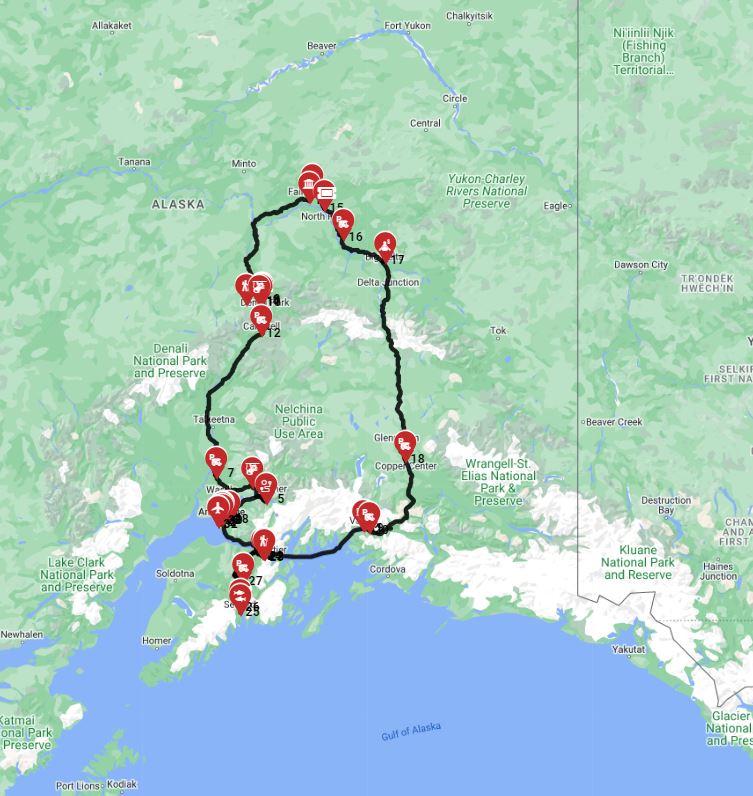
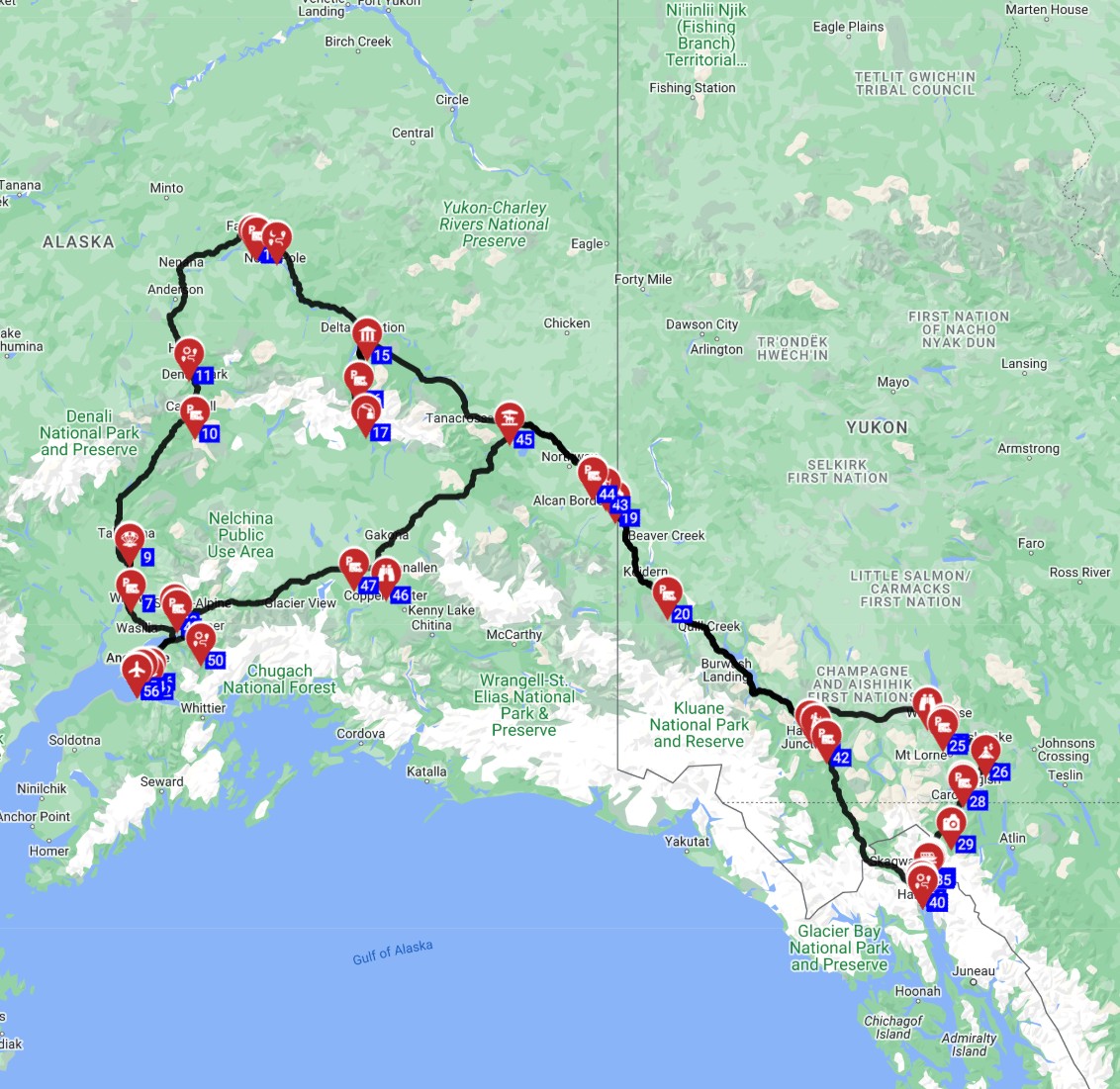
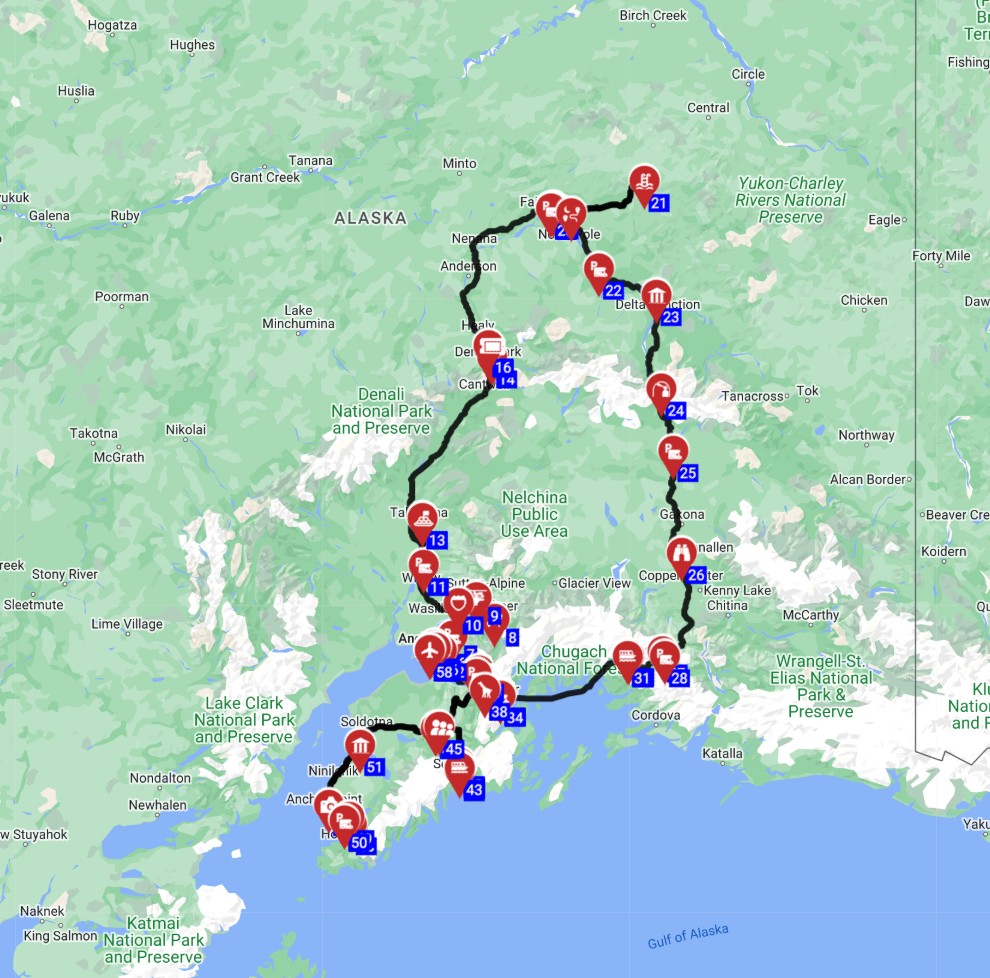
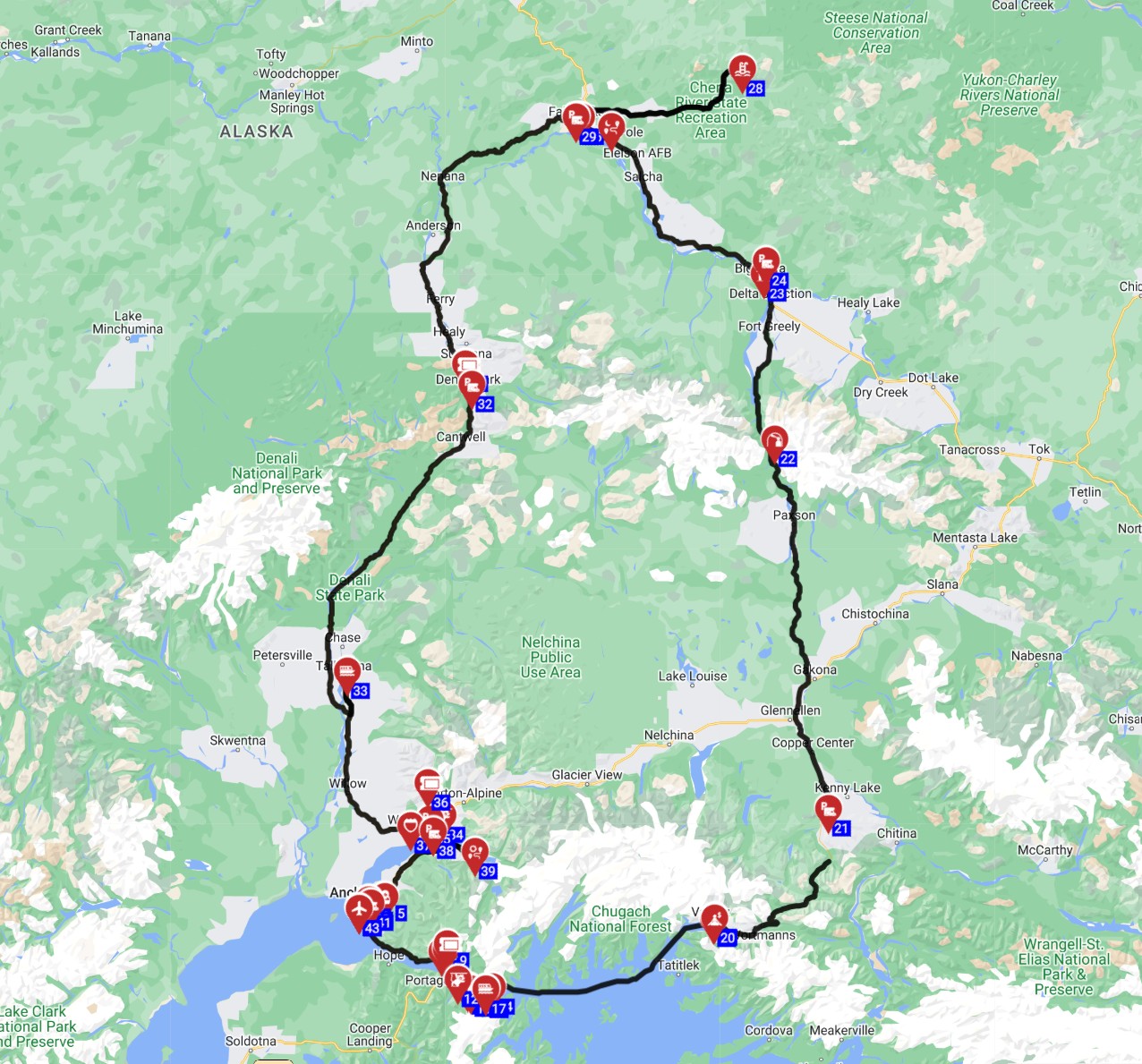
- Looking for expert insights from Avi Bandana? Top 5 Adventures - recommendations from Avi Bandana:
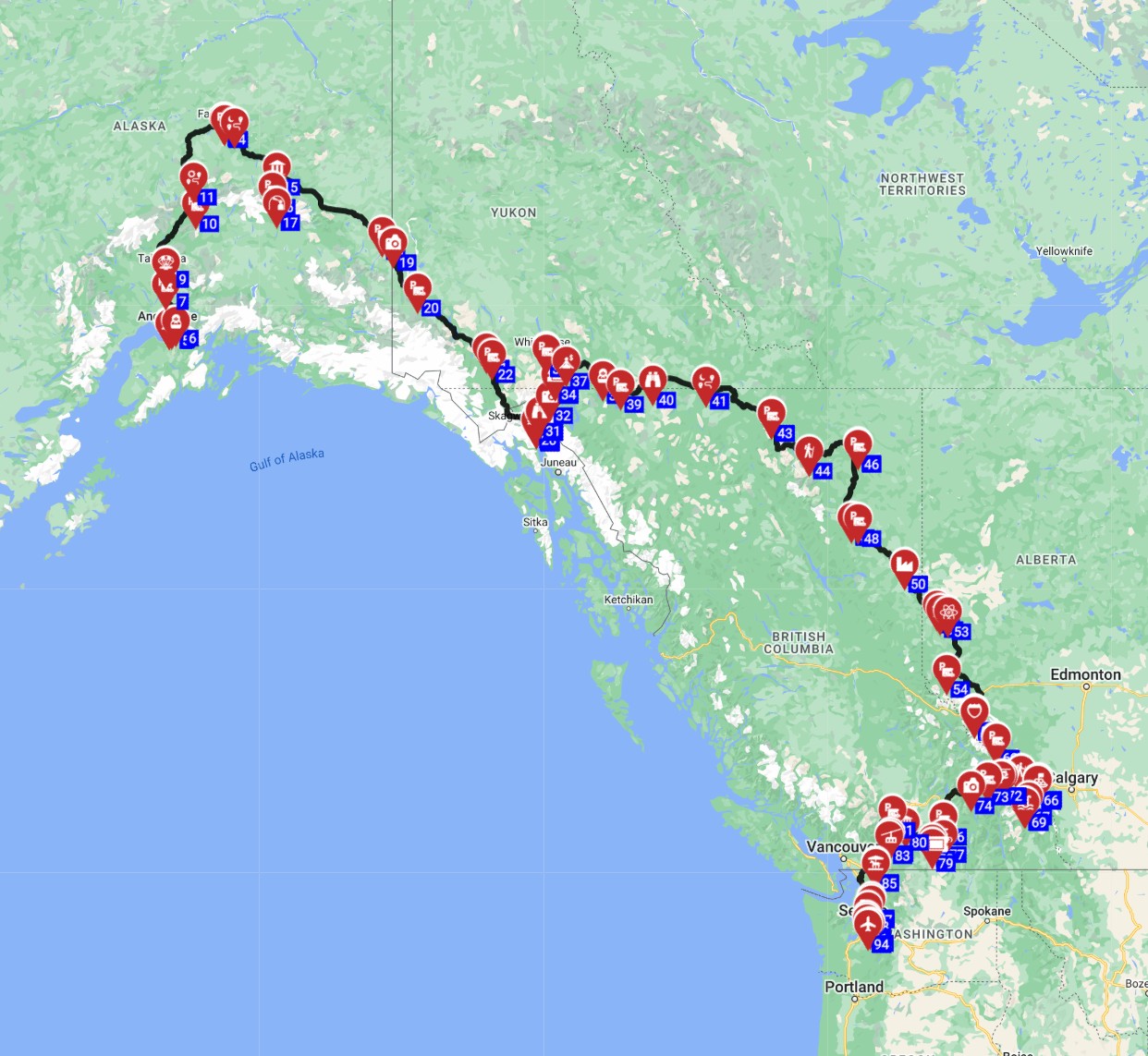
Embark on the 23-day, 3539.2 km
. This comprehensive itinerary includes 1 amusement park, 1 botanical garden, 1 canoe/kayak/rafting experience, 1 cave, 3 cruise terminal/sailing excursions, 3 day tours, 1 extreme activity, 1 family activity, 1 heritage site, 3 hiking areas, 1 historical site, 3 museums, 2 natural features, 1 night tour, 1 park, 3 points of interest, 1 science site, 1 tourist attraction, 1 traditional restaurant/fine dining experience, and 1 traditional visit.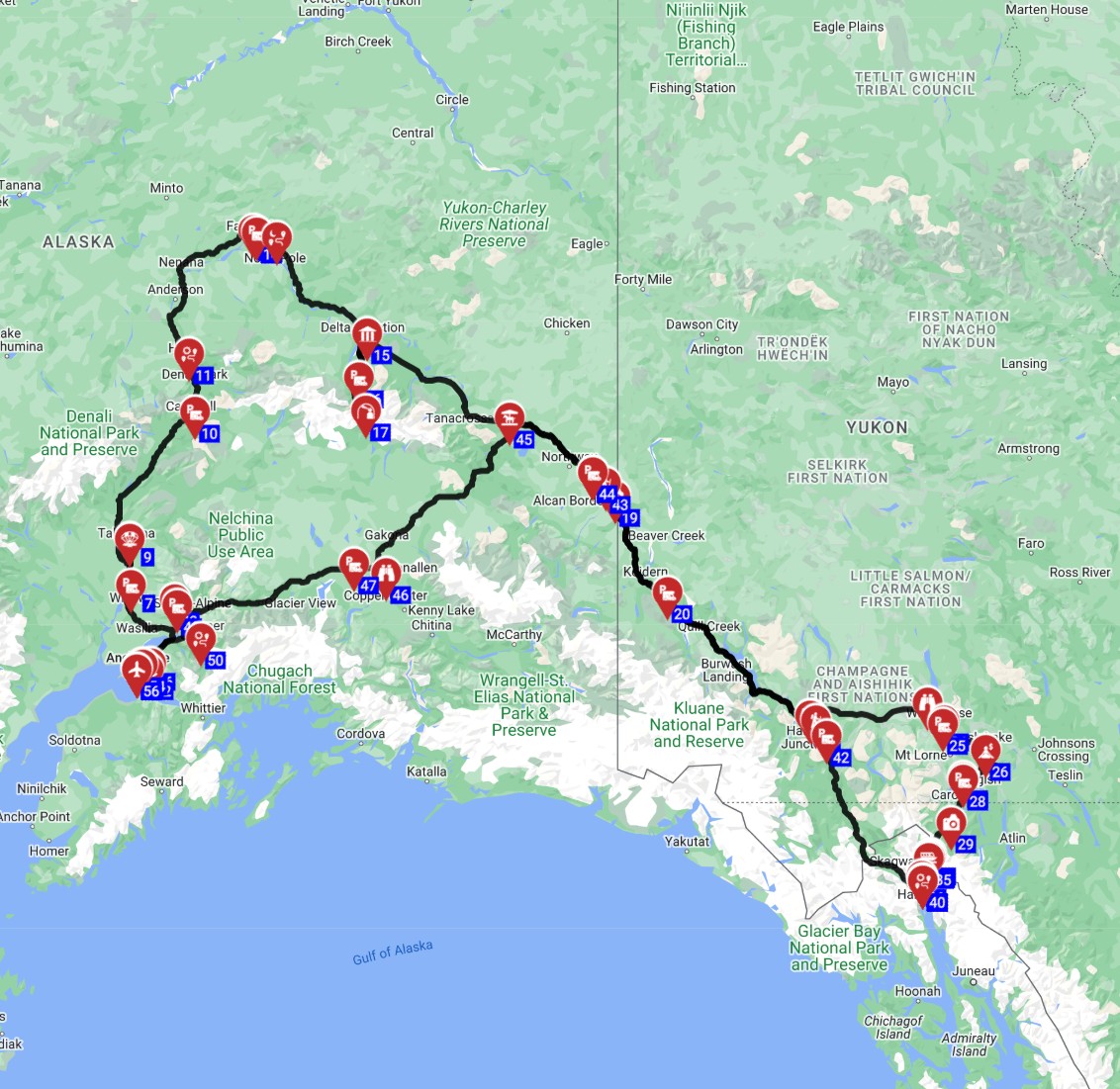 Anchorage Round Trip - Alaska-Yukon Discovery Trail
Discover the 15-day, 1929.9 km
. This route plan features 2 animal shows/wildlife watches, 1 cable railway, 1 canoe/kayak/rafting opportunity, 1 cave, 3 cruise terminal/sailing adventures, 1 day tour, 1 extreme activity, 2 hiking areas, 1 historical site, 2 museums, 1 night tour, 1 scenic route, 1 swimming spot, 4 tourist attractions, 1 traditional restaurant/fine dining, and 1 traditional visit.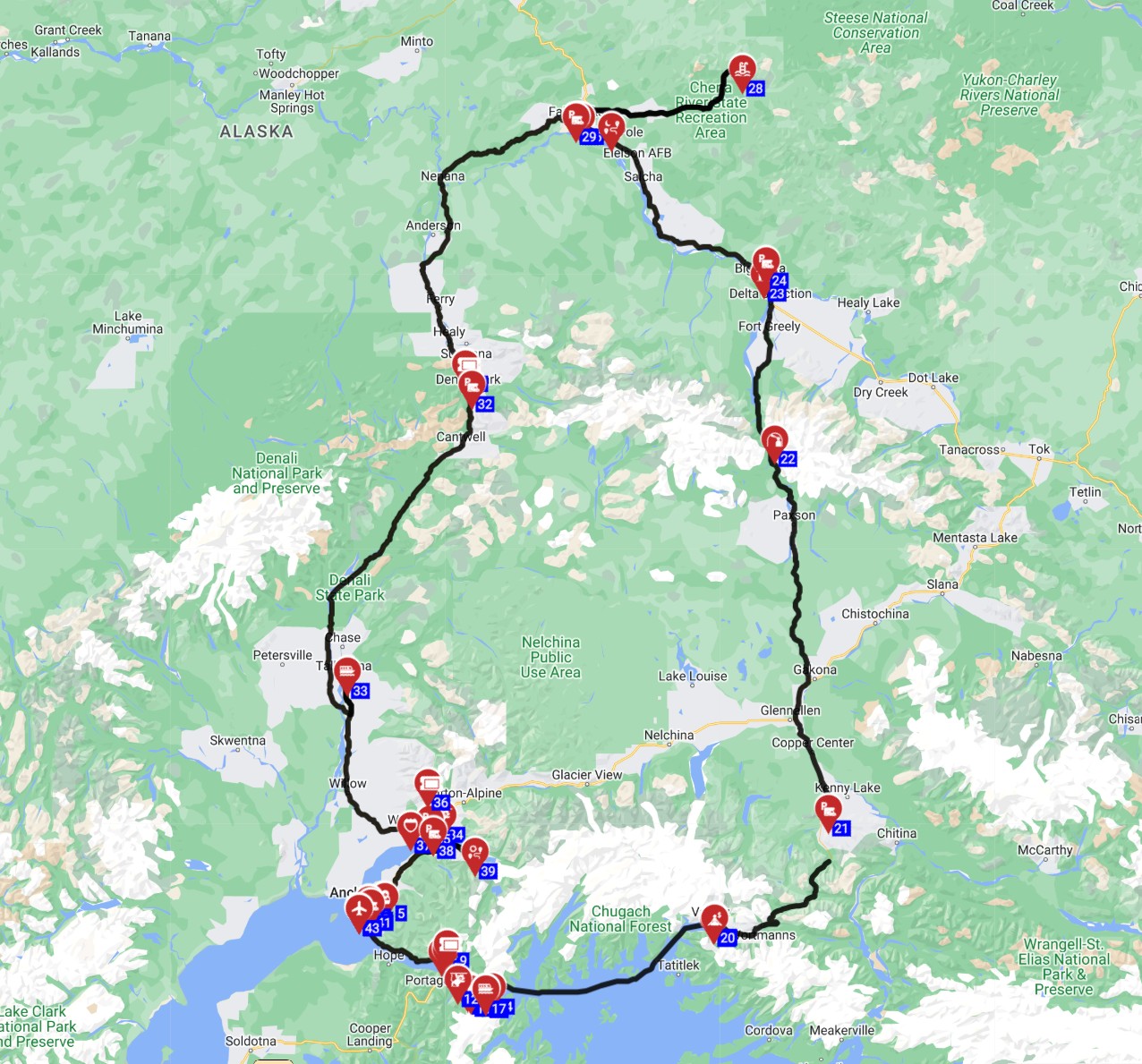 Anchorage Roundtrip Heading North - The Great Alaskan Wilderness Road Trip
Embark on the 20-day, 2558.8 km
. This extensive itinerary includes 2 animal shows/wildlife watches, 1 aquarium, 1 botanical garden, 1 cable railway, 1 canoe/kayak/rafting trip, 1 cave, 4 cruise terminal/sailing excursions, 1 day tour, 1 extreme activity, 1 family activity, 2 historical sites, 1 local industry visit, 3 museums, 1 natural feature, 1 night tour, 2 points of interest, 1 scenic route, 1 swimming location, 4 tourist attractions, 2 traditional restaurants/fine dining, 1 traditional visit, and 1 zoo.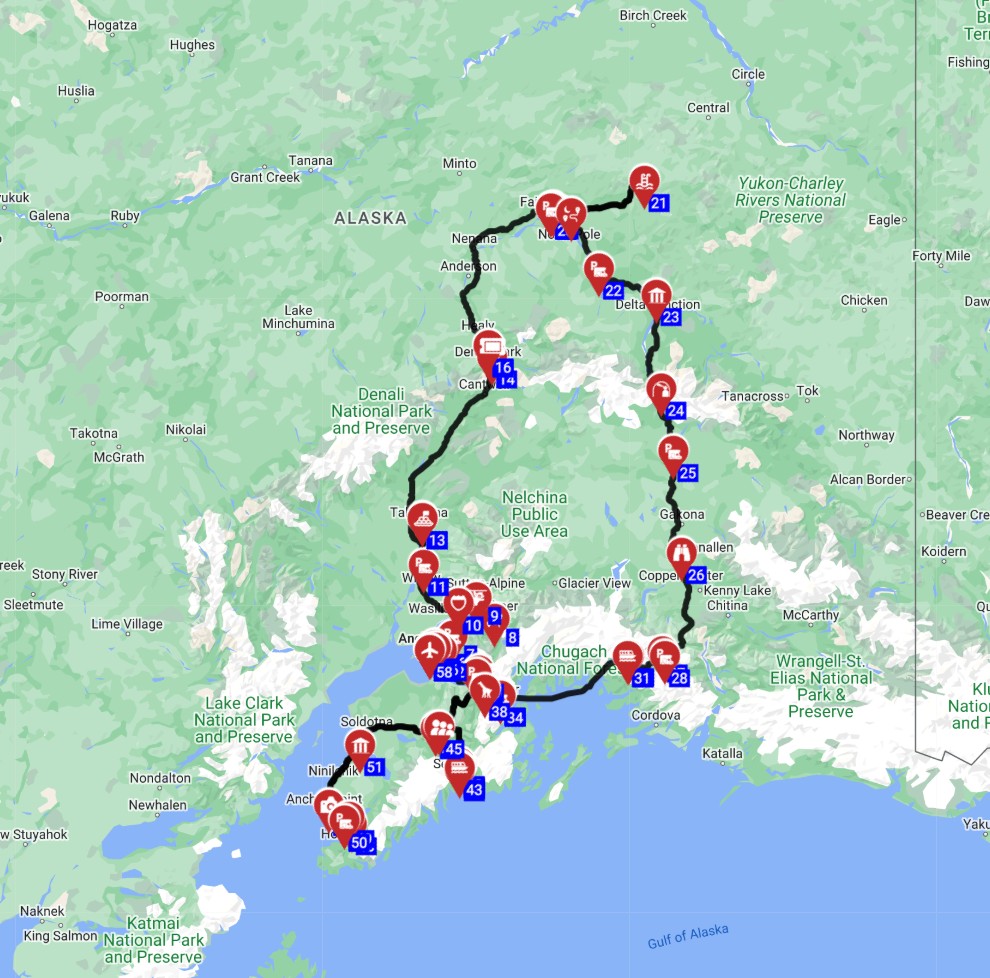 Anchorage Round trip - Grand Alaska Loop
Final Thoughts
Navigating Anchorage by rented RV is an experience rich with discovery, offering the flexibility to chase the northern lights or find a serene spot by the Cook Inlet. While managing fuel costs and understanding local driving nuances are part of the adventure, the freedom a cheap RV rental provides far outweighs any minor challenges. We're here to support you every step of the way, ensuring your booking is transparent and stress-free.
So, whether you're planning a week-long trip to explore the vast Alaskan wilderness or an extended road trip through the state's iconic landscapes, remember that an RV rental gives you a mobile headquarters to venture out and create unforgettable memories. Don't let anything hold you back from experiencing the majesty of Alaska. Get inspired for your next trip and plan a journey that perfectly balances adventure with affordability.
Find Motorhome Rentals in Anchorage