In This Guide
- How Do the RV Families Compare for West Canada?
- What is a Class A (Integrated) Motorhome Best For in West Canada?
- How Do RV Rental Prices Compare by Class in West Canada?
- What is a Class SI (Semi-Integrated) Motorhome Best For in West Canada?
- What is a Class C (Alcove) Motorhome Best For in West Canada?
- What is a Class B (Campervan) Best For in West Canada?
- How Do RV Classes Compare Side-by-Side for West Canada Travel?
- What RV Rental Do We Recommend for West Canada Travelers?
- How Much Does an RV Trip in West Canada Truly Cost Beyond the Rental Fee?
- What is the Best Month to RV in Canada?
- What Are the Disadvantages of Renting an RV in Canada?
- How Can I Stay Connected While RVing in Remote West Canada?
- Can I Boondock or Dispersed Camp in West Canada?
- How to Practice Leave No Trace RVing in West Canada
- Where Are the Best Places to RV in British Columbia?
- Can I Take an RV from Canada to US?
- Is it Better to Rent an RV or a Car in Alberta?
- What You Shouldn't Miss
- Why Book with Bandana Caravan
- Final Thoughts
- Frequently Asked Questions
Embarking on an RV adventure in West Canada offers an unparalleled sense of freedom, allowing you to explore breathtaking landscapes at your own pace. With Bandana Caravan, comparing and booking the perfect airport RV rental in West Canada is straightforward and transparent. We're here to help you navigate the options, from compact campervans ideal for couples to spacious motorhomes perfect for families, ensuring your journey through the Canadian Rockies, coastal rainforests, and vibrant cities like Vancouver and Calgary is nothing short of spectacular. For live availability and current prices, start with our RV Rental West Canada - Complete Guide 2026 guide.
How Do the RV Families Compare for West Canada?
The choice of a rented RV family significantly impacts your West Canada adventure, influencing comfort, accessibility, and overall cost. When selecting an RV for your trip, consider West Canada's diverse terrain, varying climates, typical trip lengths, and the size of your travel group. Our airport RV rentals offer convenience, making the choice of RV family crucial for a seamless start to your journey, whether you're seeking a nimble campervan or a spacious motorhome. You'll find that options vary between Class A, Class B, Class C, and Semi-Integrated models, each suited for different travel styles.
Understanding the nuances of each motorhome and campervan class helps tailor your experience. For instance, a larger Class A motorhome provides residential-style comfort for longer excursions, while a compact Class B campervan offers superior maneuverability for navigating smaller towns or national park roads. We partner with over 50 leading RV suppliers worldwide, including trusted names like El Monte and Cruise America, to ensure you have a wide array of options to compare for your specific West Canada itinerary.
What is a Class A (Integrated) Motorhome Best For in West Canada?
Class A integrated motorhomes, averaging 7.5 meters (25 feet) in length and typically sleeping 4 to 6 people, are ideal for travelers seeking maximum comfort and luxury during their West Canada airport RV rental. These spacious vehicles are perfect for larger families or groups, offering extensive living areas, full kitchens, and often multiple bathrooms, with a typical fuel consumption of 11-12 liters per 100 km (20-21 MPG). They excel on major highways and for longer trips where comfort and ample amenities are prioritized, though their size can make navigating smaller towns or winding mountain roads more challenging. Drive slowly and carefully, and you can drive almost anywhere without issues. No need to stress - just use common sense and pay attention. Trade-offs include higher fuel costs due to their size and an average load capacity of 209.5 kg. On the routes offered through RV PLANET routes, you can itemize and track every expense along the way for easy budgeting.
With a rented Class A motorhome, you're essentially bringing a home-away-from-home on wheels. Imagine preparing delicious meals in a full kitchen with a refrigerator and stove, then enjoying dinner with a view of the Canadian Rockies. For more culinary inspiration, check out our RV-friendly recipes playlist.
How Do RV Rental Prices Compare by Class in West Canada?
Understanding RV rental costs is crucial for planning your West Canada trip, and pricing is dynamic, varying significantly by demand, season, and rental duration. Prices for a rented motorhome or campervan in West Canada are much like flight tickets; they change daily based on availability and supplier marketing decisions. Booking several months ahead, especially for popular summer months, can often lead to more favorable rates.
The table below provides real example prices from Bandana's live search for various RV classes and trip durations, offering a snapshot of current market rates. Keep in mind these are estimates and update daily; for the most accurate and current availability, use the live search box to compare prices for your specific travel dates and desired vehicle type.
Live April Price Comparison — RV Class × Trip Length
| Trip length | Class A | Class B | Class C | Class SI | Class TC |
|---|---|---|---|---|---|
| 1 week 15/04 → 22/04 | Check prices | 982.26 $ AU | 1,663.72 $ AU | 1,501.00 $ AU | 2,064.96 $ AU |
| 2 weeks 15/04 → 29/04 | Check prices | 1,841.74 $ AU | 2,842.46 $ AU | 2,588.48 $ AU | 3,871.80 $ AU |
| 1 month 01/04 → 30/04 | Check prices | 3,435.66 $ AU | 5,589.57 $ AU | 5,009.45 $ AU | 6,977.99 $ AU |
Estimates only — flex-rate prices change daily based on availability and season.
For more detailed information on budgeting your trip, including fuel and campground costs, exploring options like "RV Rental in West Canada - Prices and Best Deals 2026" or "Luxury RV Rental in West Canada - Premium Prices 2026" can provide deeper insights.
What is a Class SI (Semi-Integrated) Motorhome Best For in West Canada?
Class SI semi-integrated motorhomes, typically around 6.9 meters (23 feet) long and accommodating 3 to 4 sleepers, represent a balanced choice for West Canada airport RV renters, blending comfort with improved maneuverability. With an average fuel consumption of 10-11 liters per 100 km (21-23 MPG) and a load capacity of 72.2 kg, they offer a more economical option than Class A without sacrificing too many amenities. These vehicles are well-suited for couples or small families, providing a comfortable living space that's easier to drive and park than larger RVs, making them versatile for navigating both highways and secondary roads in West Canada. They often outperform both Class A in fuel efficiency and Class C in modern design and driving dynamics, making them excellent for exploring diverse landscapes, such as those found on an extended road trip. Consider vehicles like the "2 Berth Tamar" or "Belle" for their balance of features and size.
What is a Class C (Alcove) Motorhome Best For in West Canada?
Class C alcove motorhomes, averaging 7.5 meters (25 feet) in length and comfortably sleeping 4 to 6 people, are a popular and highly suitable option for families or larger groups utilizing airport RV rentals in West Canada. Distinguished by the sleeping area extending over the driver's cab, these RVs maximize sleeping capacity and are generally more cost-efficient than Class A models, with an average fuel consumption of 10-12 liters per 100 km (20-23 MPG) and a load capacity of 42.4 kg. Their familiar driving experience, similar to a large van or truck, makes them appealing for navigating West Canada's varied road conditions, from scenic highways to national park routes. Class C RVs offer a good balance of space, comfort, and manageability, making them an excellent choice for extended family adventures without extreme fuel consumption. Examples include the "24' Class C Motorhome" or "4 Berth Deluxe", offering features like a shower and toilet.
What is a Class B (Campervan) Best For in West Canada?
Class B campervans, with an average length of 5.8 meters (19 feet) and sleeping 2 to 3 people, are ideal for solo travelers, couples, or small groups seeking maneuverability and fuel economy from their West Canada airport RV rental. These compact vehicles boast excellent fuel efficiency, typically consuming around 10 liters per 100 km (24 MPG), and offer a load capacity of 37 kg, making them easy to drive and park in urban areas or smaller campsites. Campervans are perfectly suited for West Canada scenarios where flexibility is key, such as exploring bustling cities like Vancouver or Banff, accessing remote trailheads, or enjoying scenic drives on narrower roads. While offering fewer amenities than larger classes, their agility and stealth camping potential often appeal to adventurers prioritizing freedom and a more intimate connection with nature. Look for options like the "2 Berth Hi Top" or "HiTop Campervan" for a nimble journey.
How Do RV Classes Compare Side-by-Side for West Canada Travel?
A direct comparison of RV families helps in visualizing key differences to make an informed decision for your West Canada airport RV rental. The table below summarizes essential specifications and ideal use cases for each motorhome and campervan class available in Bandana's fleet for West Canada. This overview can help you choose between the spaciousness of a Class A or the agility of a Class B for your adventure.
| Family | Avg Length (m) | Sleeps | Fuel Use (L/100 km) | Best Use Case in West Canada |
|---|---|---|---|---|
| Class A (Integrated) | 7.5 | 4-6 | 11-12 | Luxury, large groups, long highway trips, comfortable base camps. |
| Class SI (Semi-Integrated) | 6.9 | 3-4 | 10-11 | Balanced comfort and maneuverability, small families/couples, mixed road travel. |
| Class C (Alcove) | 7.5 | 4-6 | 10-12 | Families, cost-efficient, good for national parks and varied roads. |
| Class B (Campervan) | 5.8 | 2-3 | 10 | Solo/couples, urban exploration, remote trails, maximum maneuverability, fuel economy. |
No matter which class you choose, a standard car driver's license is sufficient for all motorhome classes (Class A, Class B, and Class C) in West Canada. An International Driving Permit (IDP) is recommended for visitors from non-English-speaking countries but is not mandatory in most cases.
What RV Rental Do We Recommend for West Canada Travelers?
For most airport RV rental travelers heading to West Canada, the Class C (Alcove) motorhome stands out as the primary recommendation due to its versatility and family-friendly design. Its average length of 7.5 meters (25 feet) and sleeping capacity for 4 to 6 people make it ideal for families or groups, balancing ample living space and amenities with a manageable driving experience suitable for West Canada's diverse roads. Drive slowly and carefully, and you can drive almost anywhere without issues. No need to stress - just use common sense and pay attention. The Class C offers a sweet spot between spacious comfort and ease of use for general touring, whether you're exploring the scenic Icefields Parkway or settling into a campground in a national park.
The runner-up recommendation is the Class B (Campervan), particularly for couples or solo adventurers prioritizing maneuverability, fuel efficiency, and access to smaller, more remote locations. A rented campervan is perfect for those who want to blend into smaller towns or easily park in city centers like Calgary or Vancouver. Both options allow for travel at a slow pace, perhaps 100-150 km per day, giving you time to feel the place, connect to the culture, the food, and the scenery.
🎬 Video coming soon
How Much Does an RV Trip in West Canada Truly Cost Beyond the Rental Fee?
Beyond the initial airport RV rental cost, a comprehensive budget for a West Canada RV trip must account for fluctuating fuel prices, national and provincial park passes, varying campsite fees, food, and activity expenses. Fuel will be a significant variable, especially with West Canada's vast distances and diverse RV fuel consumption rates, necessitating estimates of 10-17 liters per 100 km (14-24 MPG) depending on the rented RV class. Budget for park passes like the Parks Canada Discovery Pass (annual entry to over 80 Parks Canada locations), which costs approximately $145.25 CAD for a family/group, or provincial park day/season passes, which are essential for accessing many popular destinations.
Campsite fees in West Canada range from free (dispersed camping) to $30-$70+ CAD per night for fully serviced sites in popular national parks or private campgrounds, often requiring advance booking during peak season. Factor in food costs, which can be managed by cooking in your RV, as well as activity expenses like guided tours, gondola rides, or equipment rentals (e.g., kayaks, bikes). For effective budgeting and tracking all these ancillary costs, we highly recommend using RV PLANET routes, where you can itemize and track every expense along your planned route.
What is the Best Month to RV in Canada?
The best month to RV in West Canada typically depends on your desired activities and tolerance for crowds, with late spring (May-June) and early autumn (September-October) offering ideal conditions and fewer tourists. May and June provide blossoming landscapes and wildlife viewing opportunities, though some higher elevation roads, such as parts of the Icefields Parkway, may still be partially closed. Early autumn, particularly September, boasts spectacular fall larch viewing in the Rockies, crisp weather, and a significant reduction in tourist traffic after the Labour Day weekend.
July and August are peak season, offering the warmest weather, full accessibility to all roads and services, but also higher prices, heavier crowds, and the need for advance bookings for campsites and activities. Winter RVing (November-April) is for experienced cold-weather enthusiasts, with many roads closed, limited services, and specialized gear required for winter sports access, though unique experiences like ice skating on Lake Louise or visiting hot springs are available. Many national and provincial parks reserve only 25-30% of spots for advance bookings; the rest are first-come-first-serve, so even if you book last minute, you'll find a spot. If not at the first campground, then the next one. Call ahead before driving.
What Are the Disadvantages of Renting an RV in Canada?
While offering unparalleled freedom, renting an RV in Canada presents potential disadvantages including high fuel costs, limited cellular connectivity in remote areas, and the possibility of unexpected situations like mechanical breakdowns or severe weather. The sheer size of some larger motorhomes can make parking and navigating tight spaces challenging, especially in popular towns like Banff or older campgrounds, and fuel consumption for larger units can significantly add to the overall trip cost, often exceeding $200 CAD per day for heavy driving. Remote regions of West Canada, particularly in national parks and wilderness areas, often have spotty or non-existent cellular service, impacting navigation, communication, and emergency access, necessitating pre-downloaded maps or satellite communicators.
Travelers should also be prepared for unexpected mechanical issues, understand the rental company's roadside assistance policy, and be aware of West Canada's variable weather, which can range from sudden snow in the mountains even in summer to heavy rain in coastal areas. It is always wise to carry a basic emergency kit and be aware of weather forecasts, but there's no need for fear-mongering; most challenges are manageable with common sense and preparedness. This honest and transparent approach is part of how Bandana supports travelers before, during, and after their booking.
How Can I Stay Connected While RVing in Remote West Canada?
Staying connected while RVing in remote areas of West Canada requires proactive planning, as traditional cellular service is often unavailable, making solutions like Wi-Fi hotspots, satellite communicators, or local SIM cards essential. Many provincial and national park campgrounds offer limited Wi-Fi at central facilities, but dedicated mobile hotspots or portable Wi-Fi devices, when paired with a strong cellular plan from major Canadian carriers (e.g., Bell, Telus, Rogers), can extend connectivity where service exists. These plans can cost around $50-$100 CAD per month for significant data.
For truly off-grid adventures in areas like the northern sections of Jasper National Park, a satellite communicator (e.g., Garmin InReach, Spot X) provides reliable two-way messaging and SOS capabilities, crucial for safety outside of cellular range and typically costing $20-$50 USD per month for basic services. Consider purchasing a Canadian SIM card with a robust data plan upon arrival to maximize coverage, as even these may be limited in deep wilderness areas such as Haida Gwaii or the remote areas along the Alaska Highway. We recommend planning your route and checking connectivity maps in advance to set realistic expectations.
Can I Boondock or Dispersed Camp in West Canada?
Yes, boondocking (free, dispersed camping without hookups) is possible in many parts of West Canada, particularly on Crown Land, though regulations, etiquette, and recommended spots vary significantly by province and region. In British Columbia and Alberta, extensive networks of Forest Service Roads (FSRs) and Crown Land offer opportunities for free camping, requiring adherence to 'Leave No Trace' principles and understanding specific local restrictions or fire bans. These areas often lack amenities like water, toilets, or trash disposal, so you must be self-sufficient and prepared to pack out everything you pack in.
Utilize apps like iOverlander or websites dedicated to dispersed camping to find verified spots and review current conditions before driving into a remote area, as regulations can change. Always practice respectful etiquette, including packing out all trash, minimizing your footprint, and being aware of wildlife, especially bears, by properly securing food and waste. Respecting the environment ensures these opportunities remain available for everyone. For structured planning and alternative campgrounds, remember to use rvplan.net.
How to Practice Leave No Trace RVing in West Canada
Practicing 'Leave No Trace' (LNT) principles is paramount for sustainable RV travel in West Canada's sensitive ecosystems, ensuring you minimize your impact on national parks and wilderness areas. This commitment protects the pristine beauty that draws so many to this region. Plan ahead and prepare by researching regulations for your chosen destinations, packing out everything you pack in, and being equipped for self-sufficiency to reduce reliance on park services; carrying extra water and fuel is always a good idea.
Dispose of waste properly by using designated dump stations for grey and black water tanks (never dump directly into nature), packing out all garbage, and if boondocking, following guidelines for human waste disposal far from water sources and campsites. Respect wildlife by observing from a distance of at least 30 meters for most animals and 100 meters for bears, never feeding animals, and securing all food and scented items to prevent encounters, especially in bear country common across West Canada. Stay on designated roads and trails, avoid driving or parking on fragile vegetation, and respect private property or cultural sites to preserve the natural and historical integrity of the landscape.
Where Are the Best Places to RV in British Columbia?
British Columbia offers an array of breathtaking destinations for RV travel, with popular routes including the iconic Sea-to-Sky Highway, the sun-drenched Okanagan Valley, and the majestic Canadian Rockies bordering Alberta. The Sea-to-Sky Highway (Highway 99) from Vancouver to Whistler offers stunning coastal and mountain views, with numerous provincial parks and over 50 campsites along the way like Alice Lake Provincial Park. The Okanagan Valley is renowned for its wineries, clear lakes, and warm climate, providing excellent opportunities for watersports and culinary adventures with ample RV parks and resort-style campgrounds.
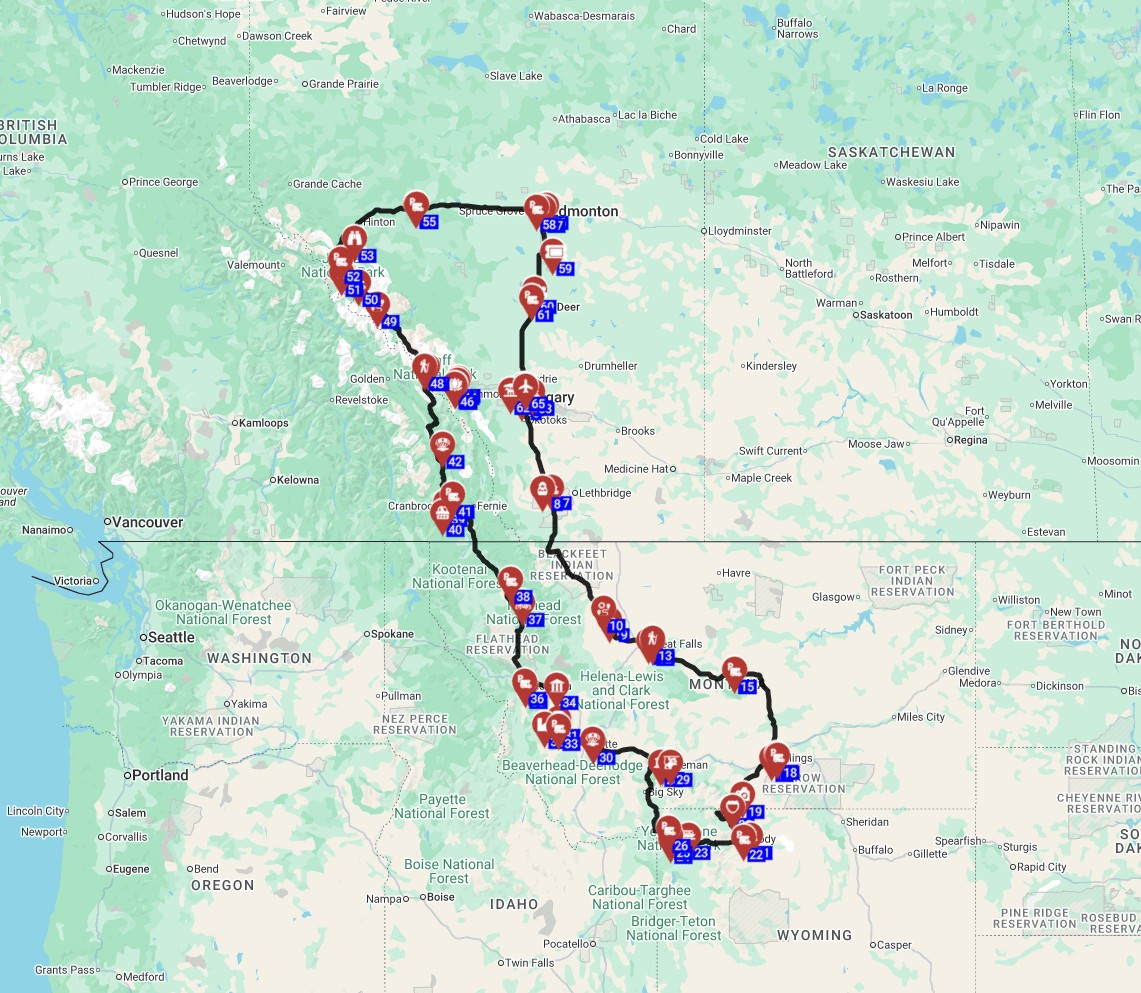
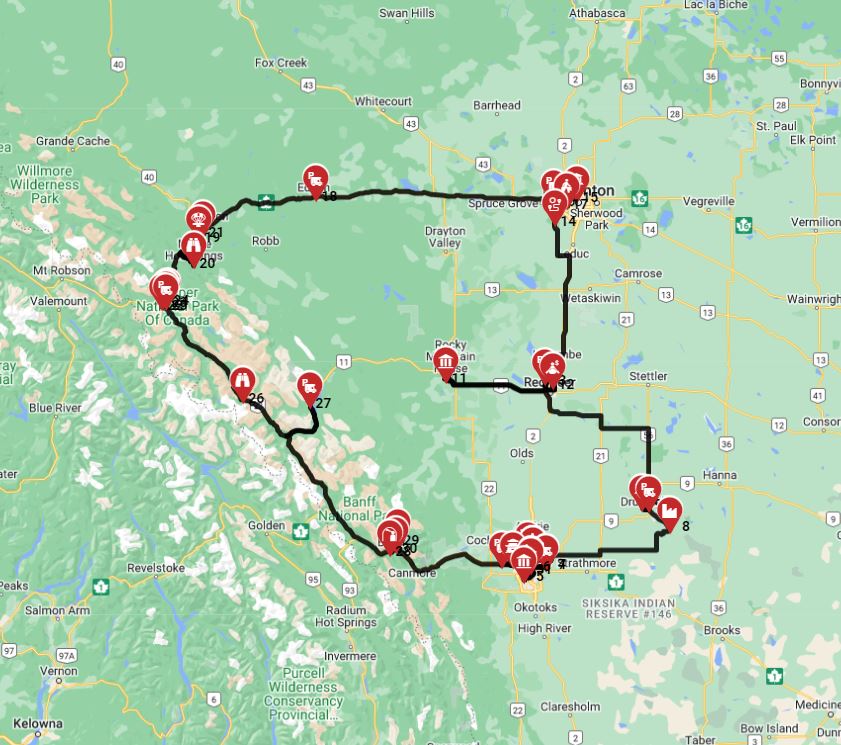
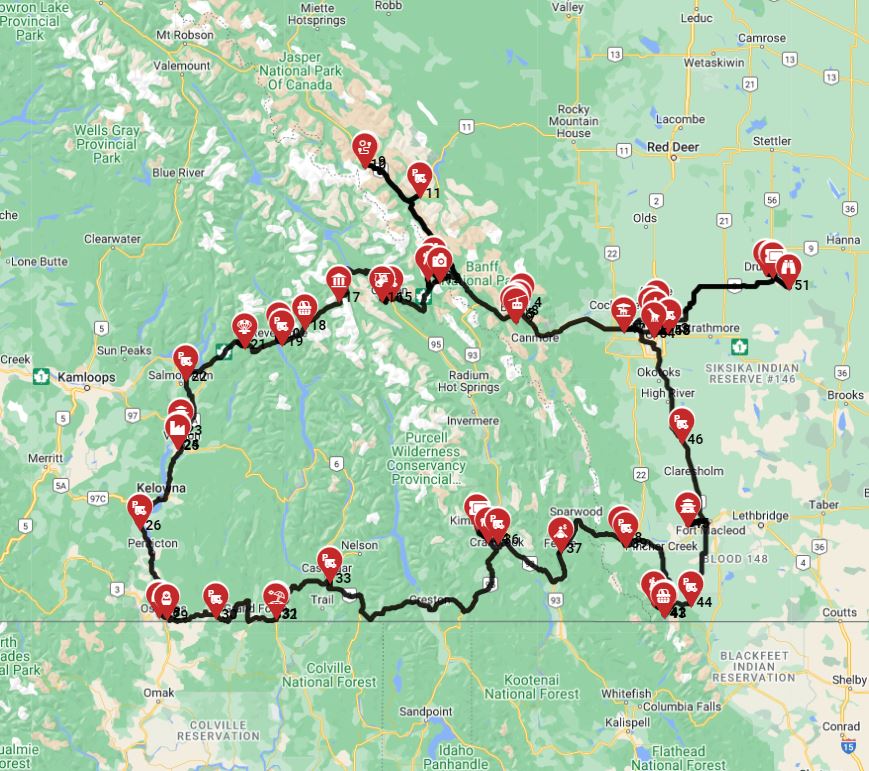
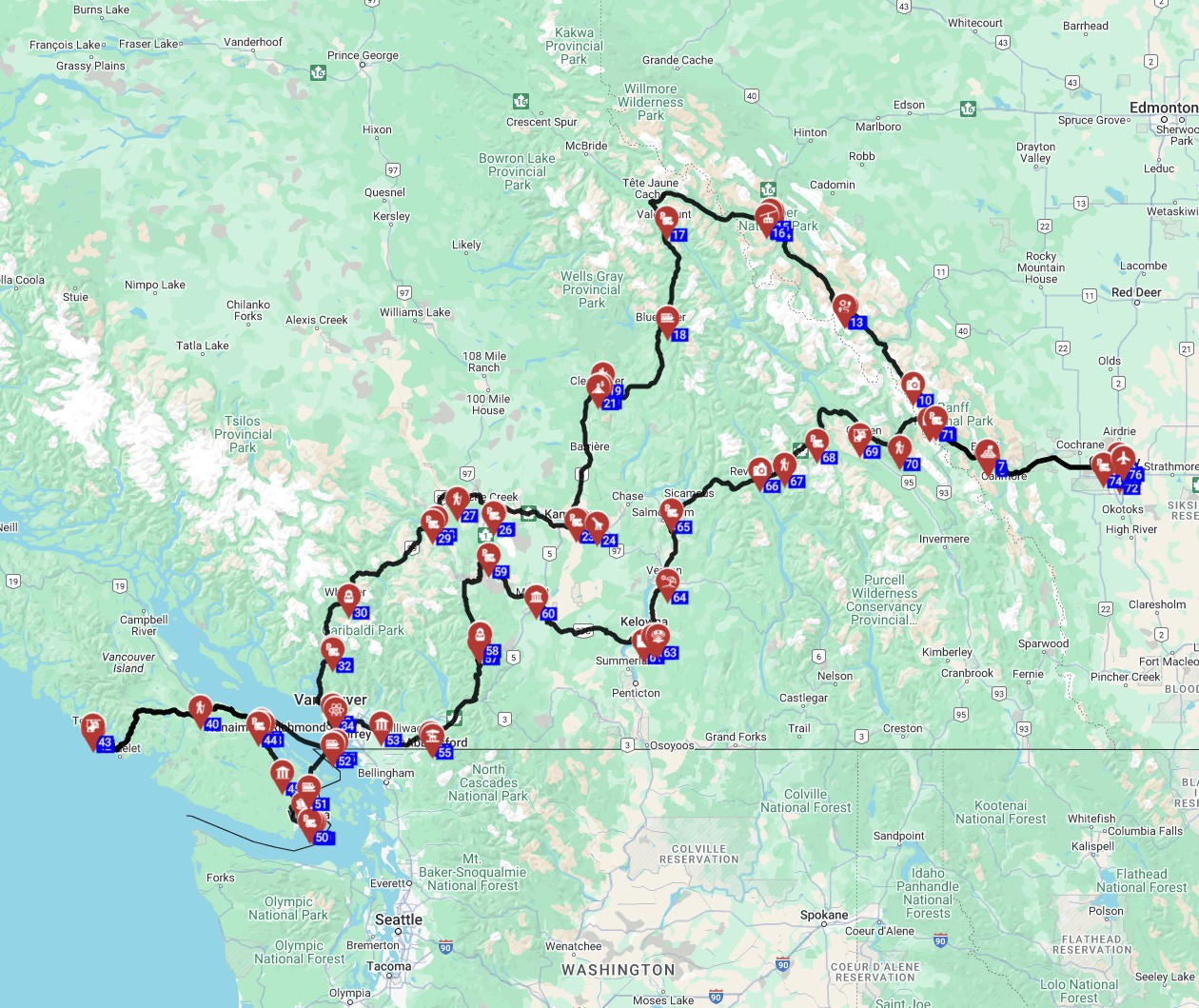
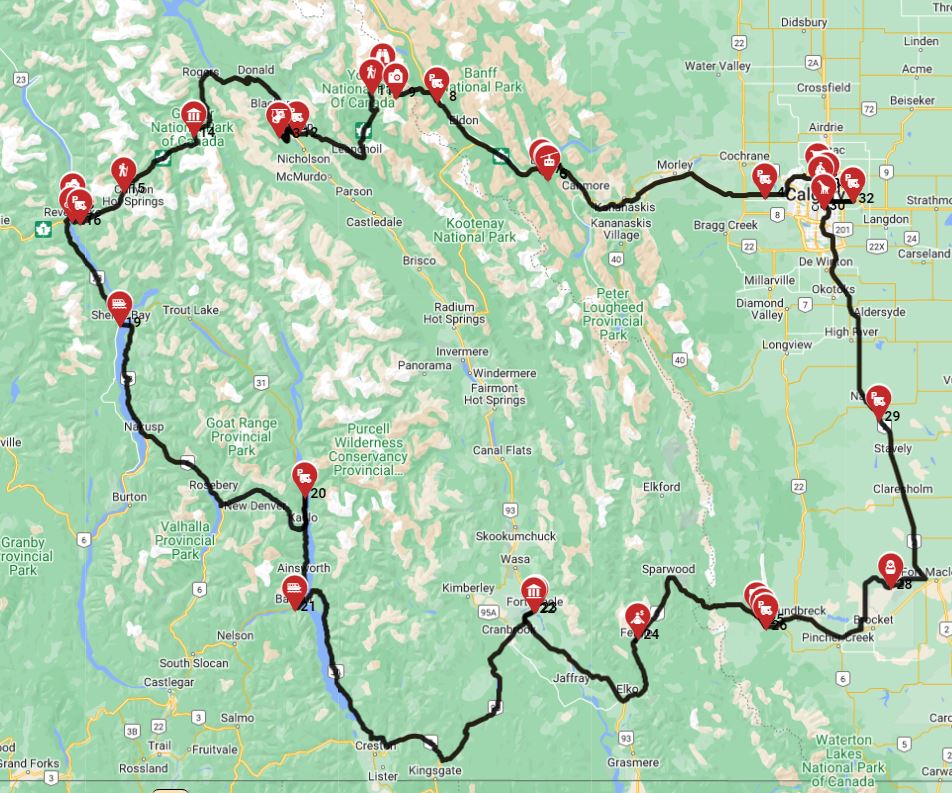
For an iconic mountain experience, RV through the Kootenay Rockies region, accessing Kootenay National Park, Yoho National Park, and Glacier National Park, all offering incredible hiking, wildlife, and scenic drives, with many Parks Canada campgrounds suitable for RVs. Imagine cycling amidst this grandeur on a specific route plan. For example, the

For more inspiration, consider our "RV Travel Guide to West Canada - Tips and Top Spots 2026" which delves into local tips and highlights.
Can I Take an RV from Canada to US?
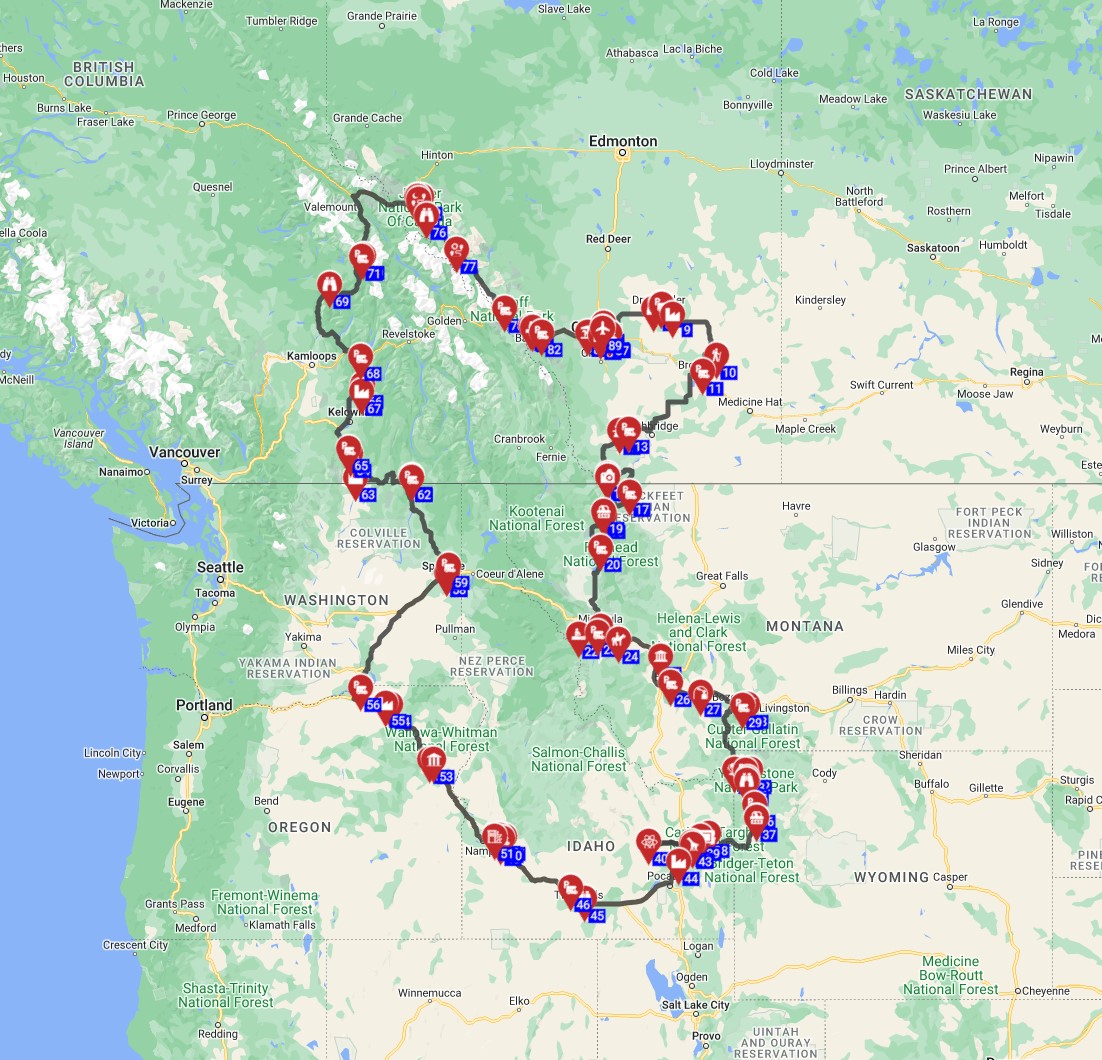
Yes, taking an RV from Canada to the US is generally permitted, but requires careful adherence to specific documentation, customs declarations, and regulations regarding prohibited items, pets, and vehicle insurance. Ensure all occupants have valid passports or enhanced driver's licenses; the RV rental agreement must explicitly allow cross-border travel, and you should carry vehicle registration and proof of insurance, which typically extends to the US but should be confirmed with your rental provider for specific coverage limits. Border crossings can take from 15 minutes to over 2 hours during peak times.
Customs declarations are mandatory for all goods, and strict rules apply to prohibited items like firearms (generally not allowed without prior authorization), cannabis (illegal under US federal law, even if legal in Canada), and certain agricultural products (e.g., fresh fruits, vegetables, meats). Pets require proper documentation, including up-to-date vaccination records and potentially health certificates, which can be obtained from a licensed veterinarian. Planning ahead and having all documents readily accessible will ensure a smooth border crossing, making your "RV Rental USA - Complete Guide 2026" adventure seamless.
Is it Better to Rent an RV or a Car in Alberta?
Choosing between an RV and a car rental in Alberta depends heavily on your travel style, group size, budget, and desired level of independence, each offering distinct advantages. Renting an RV in Alberta provides the significant benefit of combining transportation and accommodation, offering flexibility to stay in scenic campgrounds, cook your own meals, and travel at your own pace, which can be more cost-effective for families or longer trips lasting a week or more. A Class C motorhome, for instance, can comfortably accommodate a family of four for approximately $150-$250 CAD per day (excluding fuel and campsite fees).
A car rental, conversely, offers greater fuel efficiency (e.g., 7-9 L/100km for a compact car compared to 10-25 L/100km for an RV), easier maneuverability in cities and on smaller roads, and typically lower initial rental costs. However, it necessitates booking separate accommodations like hotels or cabins, which can quickly add up to $150-$300 CAD per night in popular areas like Banff or Jasper. For those seeking a comprehensive, immersive outdoor experience where you live and travel from your base, a rented RV is superior, while a car is better for travelers who prefer hotel stays and frequent dining out, or require access to areas not suitable for larger vehicles. Remember, for current pricing on both, you can search for "Find airport rv Rentals in West Canada".
What You Shouldn't Miss
- Drive the Icefields Parkway: Traverse the 232 km (144 mi) stretch of Highway 93N between Banff and Jasper, stopping at iconic spots like Lake Louise, Peyto Lake, and the Athabasca Glacier. This scenic route offers unparalleled mountain vistas and wildlife viewing.
- Explore Banff National Park: Discover the charm of Banff town, hike to Johnston Canyon's waterfalls, and soak in the Banff Upper Hot Springs. Book campsites in advance during peak season for spots in Tunnel Mountain Village campgrounds.
- Visit Jasper National Park: Experience the serene beauty of Maligne Lake, go canyoning in Maligne Canyon, and stargaze in the world's second-largest Dark Sky Preserve. Over 11,000 square kilometers (4,200 sq mi) offer incredible celestial views.
- Discover Vancouver's Urban Oasis: Park your campervan and explore Stanley Park's seawall (a 10 km loop), Granville Island Market, and the Gastown historic district. Drive slowly and carefully in the city; no need to stress.
- Wine Tour the Okanagan Valley: Drive your motorhome to British Columbia's wine country, offering over 180 wineries around Kelowna and Penticton, paired with beautiful lakes for water activities.
- Hike in Yoho National Park: Witness the powerful Takakkaw Falls, one of Canada's highest waterfalls at 384 meters (1,260 ft), and the natural bridge rock formation.
Looking for expert insights from Avi Bandana? Top 5 Adventures - recommendations from Avi Bandana.
Final Thoughts
A rented motorhome or campervan trip through West Canada is an adventure waiting to happen, offering unparalleled access to some of the world's most stunning natural beauty. From the majestic Canadian Rockies to the vibrant cities of British Columbia and Alberta, you have the flexibility to craft a journey that's uniquely yours. Remember to travel slowly, average 100-150 km per day, allowing yourself to truly immerse in each location's culture, food, and scenery.
With Bandana Caravan, you have the support of true RV specialists who prioritize transparency and peace of mind. We're here to help you compare options, understand costs, and prepare for an unforgettable extended road trip. Don't hesitate to explore our tools and resources, like RV PLANET, to make your planning as effortless as the journey itself. Get inspired for your next trip! Discover top destinations, planning tips, all in one place!
Whether you choose a nimble Class B campervan for a romantic escape or a spacious Class C motorhome for a family adventure, West Canada by RV is an experience that promises lasting memories. Plan a trip itinerary in advance with minimal effort and maximum enjoyment. Compare Motorhome Prices for West Canada now and start envisioning your epic journey!