In This Guide
- The RV Families Compared for Scandinavia
- Class A (Integrated) - Best For
- Price Comparison by RV Class in Scandinavia
- Class SI (Semi-Integrated) - Best For
- Class C (Alcove) - Best For
- Class B (Campervan) - Best For
- Side-by-Side Comparison Table
- Our Recommendation for airport rv rental Travelers in Scandinavia
- What are the specific RV-related regulations for each Scandinavian country
- What is the best time to RV in Scandinavia and what weather should I expect
- How can I travel sustainably and responsibly with an RV in Scandinavia
- What are safety tips for wildlife encounters in Scandinavia while RVing
- How do I respect local culture and communities when RVing in Scandinavia
- What is the full cost breakdown for an RV trip in Scandinavia beyond just the rental
- What RV-specific infrastructure is available in Scandinavia
- What gear and vehicle recommendations are essential for Scandinavian RV travel
- How can digital nomads effectively work from an RV in Scandinavia
- How to balance popular attractions with hidden gems on a Scandinavian RV trip
- What are money-saving tips for food while RVing in Scandinavia
- What are the practicalities and costs for ferry travel with an RV in Norway
- How to manage border crossings between Nordic countries with an RV
- Top Cities for RV Rental in Scandinavia
- What You Shouldn't Miss
Embarking on an airport RV rental adventure in Scandinavia offers unparalleled freedom to explore its stunning fjords, dense forests, and vibrant cities. As true RV specialists, Bandana Caravan, founded in 2001, has over 23 years of experience helping tens of thousands of travelers discover the world by rented motorhome, making us uniquely equipped to guide your journey. Whether you're planning a week-long trip to Norway's coast or an extended road trip through Sweden and Finland, understanding the different motorhome and campervan options available is key to a comfortable and memorable journey. For live availability and current prices, start with our RV Rental Scandinavia - Complete Guide 2026 guide.
The RV Families Compared for Scandinavia
Choosing the right RV family significantly impacts your Scandinavian adventure, influencing maneuverability on narrow roads, suitability for diverse climates, and comfort for your group size. Airport RV rentals cater to travelers looking for convenience and immediate departure, making vehicle size and ease of driving critical considerations. Understanding the differences in motorhome and campervan classes helps you choose a vehicle that perfectly matches your itinerary, whether tackling mountain passes or exploring coastal routes.
Class A (Integrated) - Best For
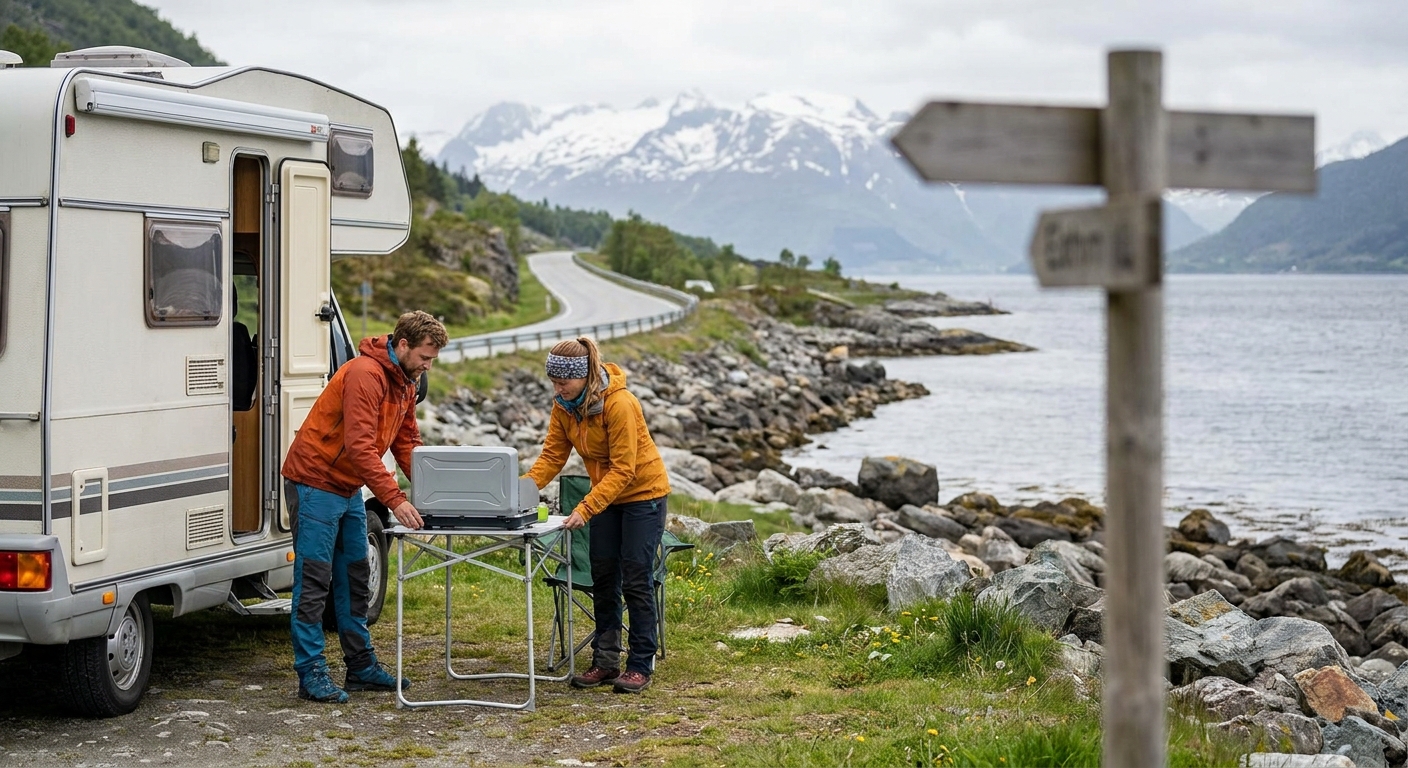
Class A integrated motorhomes are best suited for groups prioritizing luxury, spacious living, and extended stays in Scandinavia, offering a 'home-away-from-home' experience. Bandana's global fleet average for Class A vehicles indicates an average length of 7.5 meters, sleeping approximately 4.4 people, with a load capacity of roughly 209.5 kg. These vehicles typically consume 11-12 liters of fuel per 100 km, making them a consideration for longer journeys where comfort outweighs fuel efficiency concerns. While offering superior comfort and amenities, their larger size requires careful navigation on Scandinavia's narrower, winding roads and in some urban areas, and might incur higher ferry costs.
🎬 Video coming soon
Price Comparison by RV Class in Scandinavia
Because RV rental pricing is dynamically flex-rated based on demand, season, and availability, prices change daily. The table below illustrates example daily prices from Bandana's live search for various trip durations, helping you understand typical rates. These prices are estimates that update constantly, reflecting current market conditions; for the most accurate and real-time numbers, we encourage you to use our search tool. For more detailed information on budgeting, explore our "RV Rental in Scandinavia - Prices and Best Deals 2026" and "Cheap RV Rental in Scandinavia - Budget Guide 2026" pages. If luxury is your priority, consult "Luxury RV Rental in Scandinavia - Premium Prices 2026" for exclusive options. On the routes offered through RV PLANET routes, you can itemize and track every expense along the way for easy budgeting.
Live April Price Comparison — RV Class × Trip Length
| Trip length | Class A | Class B | Class C | Class SI | Class TC |
|---|---|---|---|---|---|
| 1 week 15/04 → 22/04 | Check prices | 1,041.60 $ AU | 1,638.00 $ AU | 1,463.00 $ AU | 1,251.19 $ AU |
| 2 weeks 15/04 → 29/04 | Check prices | 1,739.25 $ AU | 2,954.70 $ AU | 2,581.00 $ AU | 2,060.55 $ AU |
| 1 month 01/04 → 30/04 | Check prices | 3,298.50 $ AU | 5,648.13 $ AU | 4,651.63 $ AU | 3,770.82 $ AU |
Estimates only — flex-rate prices change daily based on availability and season.
Remember that the final price is set at the actual booking time. We believe in full transparency, offering bookings in 30+ currencies with no hidden fees or conversion commissions. You can upgrade to a top-level deductible for extra peace of mind, a popular choice among our travelers.
Class SI (Semi-Integrated) - Best For
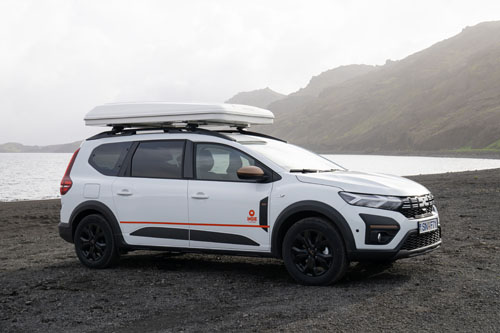
Class SI semi-integrated motorhomes are ideal for airport RV renters in Scandinavia seeking a balanced blend of comfort, maneuverability, and fuel efficiency. Bandana's global fleet average shows these RVs are around 6.9 meters long, sleep approximately 3.8 people, and have an average load capacity of 72.2 kg. They typically consume 10-11 liters of fuel per 100 km, positioning them as a more fuel-efficient option than Class A motorhomes, while still offering ample living space. This class excels in Scandinavia by providing sufficient amenities for comfortable travel without being excessively large for navigating scenic routes and parking at campgrounds.
Class C (Alcove) - Best For
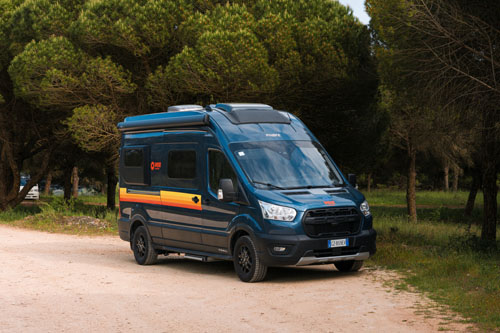
Class C alcove motorhomes are best suited for families and larger groups due to their characteristic over-cab sleeping area, offering additional berths for airport RV renters in Scandinavia. With an average global fleet length of 7.5 meters, Class C RVs typically sleep 5.8 people, making them a practical choice for accommodating more travelers. These vehicles have an average load capacity of 42.4 kg and usually consume 10-12 liters of fuel per 100 km, balancing space with reasonable operating costs. Their robust build and elevated driving position provide good visibility, well-suited for diverse Scandinavian road conditions. Drive slowly and carefully, and you can drive almost anywhere without issues. No need to stress - just use common sense and pay attention.
Class B (Campervan) - Best For
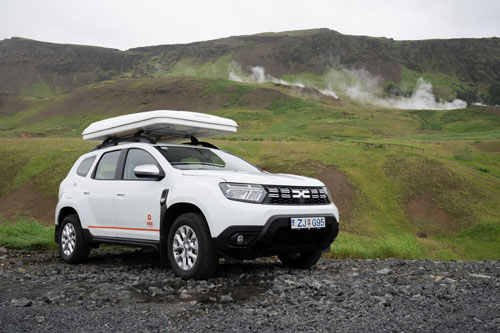
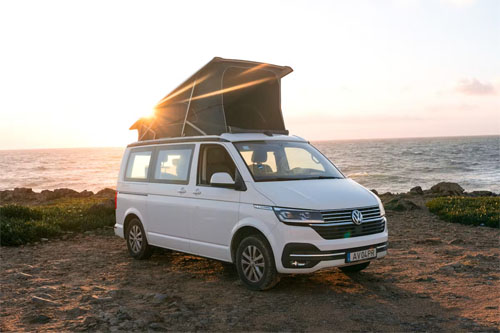
Class B campervans are optimal for solo travelers, couples, or small groups prioritizing agility, ease of parking, and fuel economy when renting an RV from a Scandinavian airport. Bandana's global fleet average indicates these compact RVs are about 5.8 meters long, sleep 3.2 people, and have a load capacity of roughly 37 kg. They are the most fuel-efficient option, typically consuming around 10 liters per 100 km, which is beneficial in a high-cost region like Scandinavia. Campervans are perfect for navigating charming villages, narrow fjord roads, and accessing more remote wild camping spots, offering flexibility and a minimalist adventure style.
Side-by-Side Comparison Table
Below is a comparative overview of the key specifications for each RV family, helping you quickly identify the best fit for your airport RV rental in Scandinavia.
| Family | Avg Length (m) | Sleeps | Fuel Use (L/100km) | Best Use Case in Scandinavia |
|---|---|---|---|---|
| Class A (Integrated) | 7.5 | 4.4 | 11-12 | Luxury, spacious living, extended trips |
| Class SI (Semi-integrated) | 6.9 | 3.8 | 10-11 | Balanced comfort and maneuverability, general touring |
| Class C (Alcove) | 7.5 | 5.8 | 10-12 | Families, larger groups, robust touring |
| Class B (Campervan) | 5.8 | 3.2 | ~10 | Solo/couples, agile travel, fuel efficiency, urban exploration |
Our Recommendation for airport rv rental Travelers in Scandinavia
For most airport RV rental travelers in Scandinavia, the **Class SI (Semi-integrated)** motorhome is our primary recommendation due to its optimal balance of comfort, sufficient living space for small families or couples, and manageable size for navigating Scandinavian roads. Its fuel efficiency (10-11 L/100km) helps mitigate high fuel costs, while its amenities ensure a pleasant journey. As a runner-up, the **Class B (Campervan)** is highly recommended for solo adventurers or couples prioritizing maximum maneuverability, lower rental costs, and excellent fuel economy. This allows for easier parking in towns and access to more remote natural areas, perfect for an agile Scandinavian exploration.
What are the specific RV-related regulations for each Scandinavian country
RV-related regulations in Scandinavia vary by country, with Norway, Sweden, and Finland generally allowing 'Allemannsretten' (the right to roam) for wild camping, albeit with specific restrictions. Norway permits wild camping in undeveloped areas for up to two nights, provided you are at least 150 meters from inhabited houses or cabins and leave no trace. Sweden's 'Allemansrätten' is similar, but RVs must be parked off private land and not obstruct access or cause environmental damage, often guiding campers towards designated overnight spots or campgrounds in popular areas. Finland also embraces 'Everyman's Right,' allowing temporary stays in nature, though larger RVs might find designated campgrounds or rest areas more practical due to vehicle length and weight restrictions on smaller roads. Throughout Scandinavia, winter tire requirements are mandatory during colder months (typically October/November to April/May), and vehicles over 3.5 tonnes may require additional equipment like snow chains, which travelers should be aware of. A standard car driver's license is sufficient for all motorhome classes, but an International Driving Permit (IDP) is recommended for visitors from non-English-speaking countries.
What is the best time to RV in Scandinavia and what weather should I expect
The best time to RV in Scandinavia is generally during the summer months (June to August), offering the mildest weather, longest daylight hours (up to 24 hours in the far north), and full accessibility to attractions and campsites. Expect average summer temperatures ranging from 15-25°C (59-77°F) with potential for warmer spells, though weather can be highly variable, especially in coastal and mountainous regions where rain is common. Shoulder seasons (May and September) provide a balance of fewer crowds, slightly cooler temperatures (5-15°C / 41-59°F), and often more affordable rental rates, though some northern roads or attractions may have limited services or closures. Winter RVing (November to April) is possible for the adventurous, offering unique experiences like chasing the Northern Lights, but requires specialized winterized RVs, winter tires, and preparation for sub-zero temperatures and snow, with many campsites closing or offering limited services.
Regarding booking lead times, while many national and state parks reserve only 25-30% of spots in advance, the rest are often first-come-first-serve. So, whether you are a pre-planner who likes everything organized or a spontaneous traveler who books day-to-day, you'll find a spot. If not at the first campground, then the next one. Always call ahead before driving to confirm availability.
How can I travel sustainably and responsibly with an RV in Scandinavia
Traveling sustainably and responsibly with an RV in Scandinavia involves adhering to 'leave no trace' principles, respecting local ecosystems, and utilizing designated infrastructure. Always dispose of grey and black water at official dump stations, which are widely available at campgrounds and some fuel stations, rather than in natural environments. Conserve water and electricity by using onboard resources mindfully and opting for campsites with eco-friendly practices. Minimize waste by sorting trash, recycling whenever possible, and bringing reusable items to reduce single-use plastics and packaging. Stick to marked roads and trails to prevent damage to fragile landscapes, especially in national parks and protected areas, and keep a respectful distance from wildlife.
What are safety tips for wildlife encounters in Scandinavia while RVing
Safety during wildlife encounters while RVing in Scandinavia primarily involves vigilance on roads and respectful behavior at campsites to minimize risks. Drive cautiously, especially at dawn and dusk, and in areas with warning signs for moose, reindeer, and other large animals, as collisions can be severe. If you encounter wildlife on the road, slow down, honk briefly if necessary to encourage them to move, and never attempt to approach or feed animals. At campsites, store food securely inside your RV and dispose of all waste properly to avoid attracting animals like bears, foxes, or wolverines. Familiarize yourself with local emergency numbers and report any injured animals or significant wildlife concerns to authorities.
How do I respect local culture and communities when RVing in Scandinavia
Respecting local culture and communities when RVing in Scandinavia involves mindful interaction, adherence to local customs, and supporting local economies. When parking or camping, ensure you do not block private access, disturb residents, or park for extended periods in residential areas. Be mindful of noise levels, especially in quiet villages or near homes, and always ask permission before taking photos of people or private property. Support local businesses by purchasing groceries, fuel, and souvenirs from small shops and markets, contributing directly to the community. Learn a few basic phrases in Norwegian, Swedish, or Finnish (such as 'hello' and 'thank you') to show goodwill, and always leave natural areas as you found them, upholding the spirit of 'Allemannsretten'. Travel slowly, max 100-150 km per day on average. Take time to feel the place, connect to the culture, the food, and the scenery.
What is the full cost breakdown for an RV trip in Scandinavia beyond just the rental
A full cost breakdown for an RV trip in Scandinavia extends beyond just the rental fee, encompassing fuel, tolls, ferries, camping fees, food, and activities, which collectively impact your budget. Fuel costs are significant, as Scandinavia has some of the highest fuel prices globally, with Diesel typically ranging from €1.80-€2.20 per liter; budget for 10-17 liters per 100 km depending on RV class. Tolls are common, especially in Norway (Autopass system), and for bridges and tunnels in Sweden and Denmark; budget approximately €20-€50 per country for common routes, plus potential congestion charges in cities. Ferry expenses are often unavoidable, particularly when exploring Norway's fjords or traveling between countries; short domestic ferries can be €20-€50, while international crossings can range from €100-€300+ for an RV. Camping fees typically range from €25-€50 per night for a powered pitch, varying by location and season, while wild camping (where permitted) can offer free alternatives. Food and groceries are notably expensive in Scandinavia; budgeting €50-€80 per day for two people for self-catering, while dining out can easily cost €30-€60 per person per meal. For detailed budgeting and tracking every expense along the way, we highly recommend using RV PLANET routes.
What RV-specific infrastructure is available in Scandinavia
Scandinavia offers robust RV-specific infrastructure, including numerous campgrounds, designated dump stations, fresh water refill points, and standardized electrical hookups, ensuring convenient travel. Campgrounds range from basic natural sites to full-service holiday resorts, typically providing electricity, fresh water, grey/black water disposal, and often laundry facilities and showers. Dump stations (tømmestasjon in Norwegian/Swedish, huoltoasema in Finnish) are widely available at campgrounds, many petrol stations, and designated rest stops, essential for responsible waste management. Fresh water refill points are common at dump stations and campgrounds, but also accessible at some public facilities, ensuring a continuous supply for your RV's tanks. Electrical hookup standards across Scandinavia typically use the blue CEE 17 three-pin plug (230V, 16A), which is standard throughout Europe, so ensure your rented RV has the correct adapter.
What gear and vehicle recommendations are essential for Scandinavian RV travel
Essential gear and vehicle recommendations for Scandinavian RV travel prioritize adaptability to varying climates, self-sufficiency, and safety on diverse terrains. Layered clothing suitable for sudden weather changes, including waterproof and windproof outerwear, is crucial even in summer, along with sturdy hiking boots for outdoor exploration. For the RV, a GPS system with updated maps is vital, potentially supplemented with offline maps, as cell service can be spotty in remote areas. Consider bringing a European electrical adapter (CEE 17 plug) for shore power, and if traveling in cooler months, ensure your RV is equipped with winter tires and possibly snow chains. A basic toolkit, spare fuses, and a first-aid kit are always recommended, along with a high-visibility vest and warning triangle, which are legal requirements in many Scandinavian countries.
How can digital nomads effectively work from an RV in Scandinavia
Digital nomads can effectively work from an RV in Scandinavia by prioritizing reliable connectivity, sufficient power, and selecting suitable campsites with the necessary amenities. Connectivity is generally good in populated areas, but consider investing in a local SIM card with a generous data plan or a portable Wi-Fi hotspot, as rural and mountainous regions may have limited coverage. Power management is crucial; look for campsites offering electrical hookups (230V, 16A) to charge devices and power equipment reliably, or consider an RV with robust solar panels and a large inverter for off-grid work. Seek out campsites with amenities like laundry facilities, quiet areas, and perhaps even dedicated co-working spaces or strong Wi-Fi signals for optimal productivity. Plan your route to include stays near towns or cities periodically for stronger internet signals and access to coffee shops or libraries for alternative workspaces.
How to balance popular attractions with hidden gems on a Scandinavian RV trip
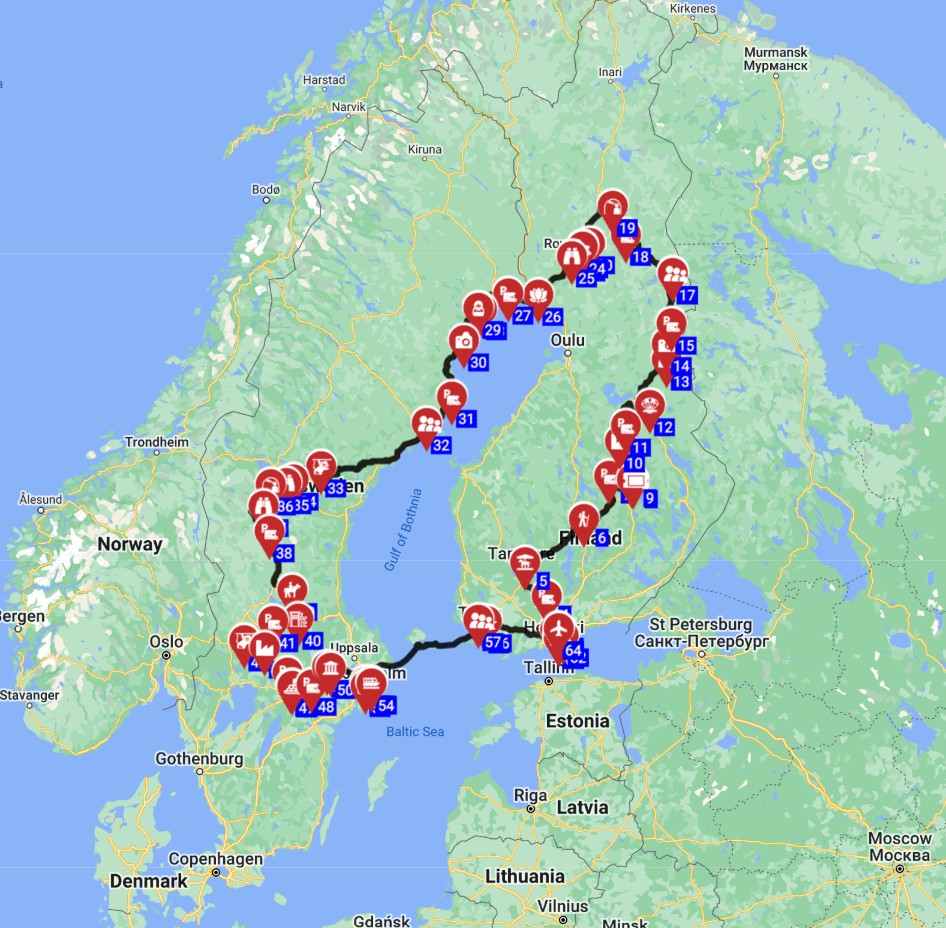
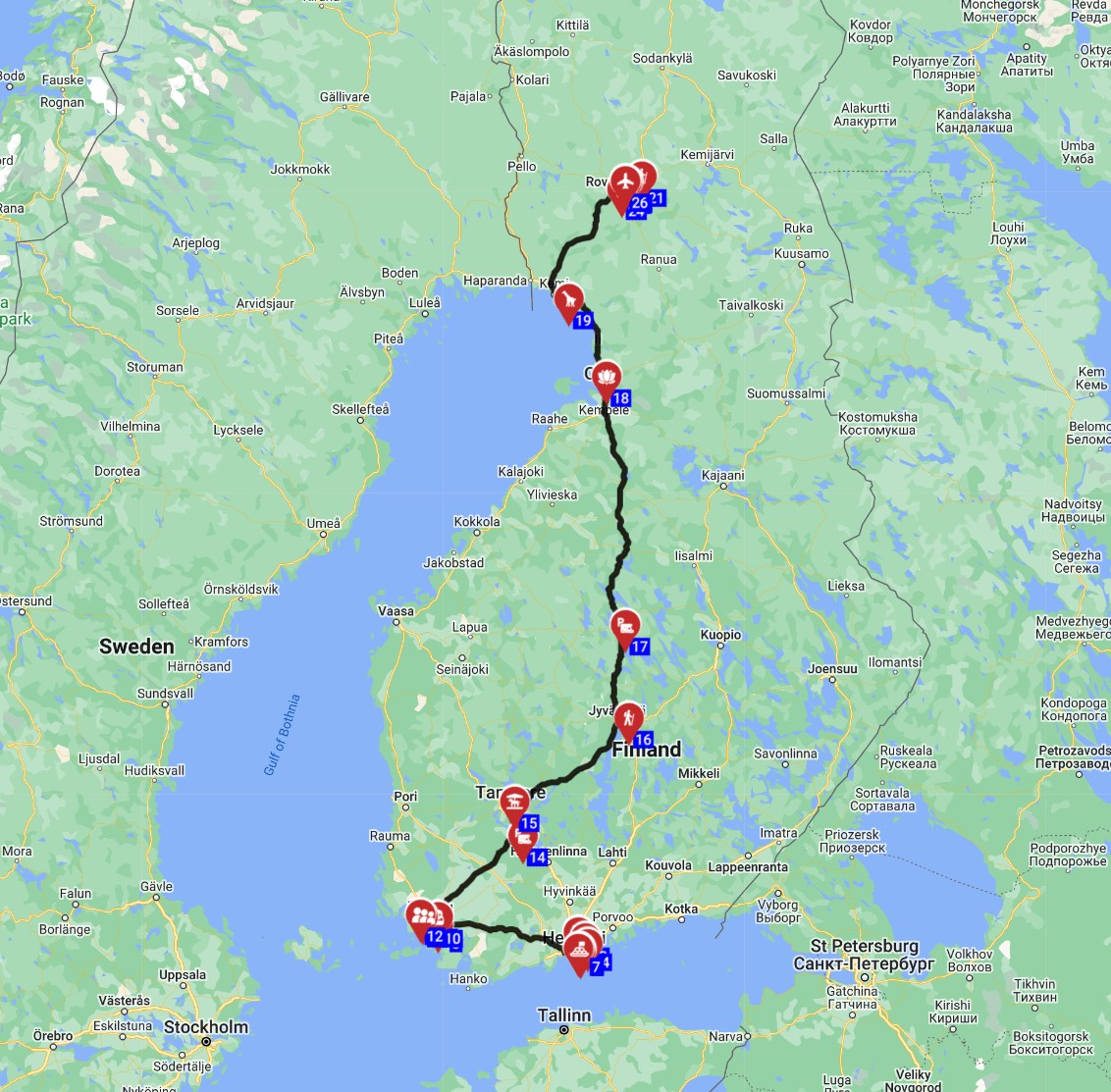
Balancing popular tourist attractions with lesser-known, RV-accessible hidden gems on a Scandinavian trip requires strategic planning and a willingness to explore beyond the main routes. Allocate specific days or blocks of time for iconic sites like Norway's fjords (Geirangerfjord, Nærøyfjord) or Stockholm's archipelago, ensuring pre-booking where necessary, especially for RVs during peak season. Integrate hidden gems by researching local tips, exploring side roads, and using apps like Park4Night for less-trafficked overnight spots near natural wonders. Look for regional tourist information centers upon arrival, as they often provide excellent insights into local secrets and RV-friendly points of interest not widely advertised. Be flexible with your itinerary; sometimes the most memorable experiences are found unexpectedly in small villages or tranquil natural spots discovered while taking a scenic detour. Bandana RV offers specialized route plans like the "Lulea Round trip - Timeless Scandinavia: Fjords, Forests, and History," which is a 15-day, 2910.7 km journey from Luleå, including 2 wildlife watch experiences, 1 bike rental, 1 canoeing activity, 1 cave, 2 cruises, 1 extreme activity, 1 family activity, 2 hiking areas, 1 historical site, 1 horseback riding, 1 local industry visit, 3 museums, 1 natural feature, 1 point of interest, 1 science site, 1 traditional restaurant, and 2 traditional visits.
What are money-saving tips for food while RVing in Scandinavia
Saving money on food while RVing in Scandinavia, a high-cost region, primarily involves maximizing self-catering, shopping smartly, and limiting restaurant meals. Prioritize grocery shopping at larger supermarkets (e.g., Rema 1000, Kiwi, Lidl, Coop) which generally offer better prices than smaller convenience stores or remote village shops. Cook most meals in your RV to significantly reduce expenses; pack staples like pasta, rice, and dried goods, and utilize local fresh produce and seasonal ingredients for a taste of Scandinavia without the restaurant price tag. Look for 'tilbud' (offers/specials) in grocery stores, often prominently displayed, and consider buying larger quantities of non-perishables if space allows. If dining out, opt for lunch specials ('dagens rett') which are typically more affordable than dinner, or enjoy traditional street food like hot dogs or waffles from kiosks. For culinary inspiration on your rented RV, check out our RV-friendly recipes playlist.
What are the practicalities and costs for ferry travel with an RV in Norway
Ferry travel with an RV in Norway is a practical and often essential part of exploring its fjord landscape, with costs varying significantly based on vehicle length, weight, and route. Many domestic car ferries operate on a first-come, first-served basis, so arrive early during peak season or for popular routes, but longer international or inter-regional routes may require booking in advance. Costs are calculated by vehicle length (up to 6m, 6-8m, 8-10m, etc.) and sometimes by weight, plus the number of passengers; a typical short fjord crossing for an RV can range from €20 to €80. Consider purchasing an AutoPASS for ferry tag (Ferjekort or AutoPASS-brikke) if you plan extensive ferry travel, as it often provides discounts of 10-50% and allows for faster boarding and automatic payment. Check ferry schedules and pricing beforehand using websites like Fjord1 or Norled, especially for smaller or less frequent connections, and be aware that some smaller ferries may have limitations on RV length or weight.
How to manage border crossings between Nordic countries with an RV
Managing border crossings between Nordic countries with an RV is generally straightforward due to the Schengen Area agreement, requiring minimal formalities but still necessitating preparedness. As all Nordic countries (Norway, Sweden, Denmark, Finland, Iceland) are part of the Schengen Area, there are typically no routine passport checks at land borders, allowing for seamless travel. Always carry your passport or national ID card, RV registration documents, driver's license, and insurance papers, as random checks can occur, and these documents are legally required. Be mindful of specific import/export regulations, particularly for alcohol, tobacco, and certain food products, as duty-free allowances vary between countries. Ensure your vehicle insurance provides coverage for all countries you plan to visit, and check for any specific vehicle requirements like winter tires, which can differ slightly by country and season. If you're considering a more extensive European adventure, our "RV Rental Europe - Complete Guide 2026" offers comprehensive advice.
Top Cities for RV Rental in Scandinavia
Scandinavia offers several fantastic cities as starting points or key stops for your RV rental adventure. Each city provides convenient access to airport RV rental suppliers and acts as a gateway to unique regional experiences.
- Oslo, Norway: The capital offers great airport RV rental options and is a prime gateway to Norway's stunning fjords and coastal routes. From here, you can easily head north to Lillehammer or west towards Bergen's iconic landscapes.
- Stockholm, Sweden: As Sweden's vibrant capital, Stockholm allows you to pick up your motorhome and immediately immerse yourself in city life before heading out to the archipelago or deeper into the Swedish countryside.
- Copenhagen, Denmark: This charming Danish capital is a perfect starting point for exploring Denmark's fairytale castles and beautiful islands, with many RV-friendly sites within easy reach.
- Helsinki, Finland: Known for its distinctive design and proximity to vast natural areas, Helsinki is ideal for travelers looking to venture into Finland's thousands of lakes and national parks.
- Bergen, Norway: While a smaller city, Bergen is an essential hub for those specifically wanting to explore the heart of the Norwegian fjords, with pickup locations often offering routes directly into some of the most scenic drives.
- Gothenburg, Sweden: Located on Sweden's west coast, Gothenburg offers excellent access to coastal routes and a more laid-back urban experience before heading to the islands or inland lakes.
- Malmö, Sweden: Just across the bridge from Copenhagen, Malmö provides another convenient pick-up point, especially for those wanting to explore southern Sweden and connect easily to Denmark.
Planning your pick-up and drop-off can be streamlined through our platform, which directly partners with 50+ leading RV suppliers worldwide, including trusted names like El Monte, Cruise America, Apollo, and Britz in other regions, ensuring you find the best vehicle for your Scandinavia RV adventure.
What You Shouldn't Miss
Scandinavia is a treasure trove of breathtaking landscapes and rich cultural experiences best discovered at a leisurely pace in a rented RV. Here are some must-do adventures:
- Drive the Atlantic Ocean Road in Norway: This 8.3-kilometer stretch of road is consistently ranked as one of the world's most scenic drives, winding across small islands and islets connected by causeways and bridges.
- Explore the Lofoten Islands, Norway: Venture into this stunning archipelago north of the Arctic Circle, famous for its dramatic peaks, sheltered bays, pristine beaches, and picturesque fishing villages.
- Hike in Abisko National Park, Sweden: Experience the untouched wilderness of Swedish Lapland, renowned for its spectacular views of Lake Torneträsk and excellent opportunities to witness the Northern Lights or the Midnight Sun.
- Visit the UNESCO-listed Geirangerfjord, Norway: Cruise or drive alongside one of the world’s most iconic fjords, marveling at its steep cliffs, cascading waterfalls like "The Seven Sisters," and abandoned mountain farms.
- Discover the Finnish Lakeland: Immerse yourself in the tranquility of Finland's vast network of lakes, offering endless opportunities for swimming, fishing, and lakeside camping with your mobile home.
- Wander through Stockholm's Gamla Stan, Sweden: Park your campervan and spend a day exploring the narrow, cobblestone streets of Stockholm's Old Town, filled with historic buildings, charming cafes, and unique shops.
Looking for expert insights from Avi Bandana? Top 5 Adventures - recommendations from Avi Bandana.
Final Thoughts
Scandinavia by rented RV is an experience of a lifetime, offering breathtaking natural beauty and rich cultural immersion. From the dramatic fjords of Norway to the serene lakes of Finland and the cosmopolitan flair of Sweden's cities, a motorhome or campervan provides the flexibility and comfort to truly discover these incredible destinations at your own pace. With Bandana Caravan, you’re not just renting a vehicle; you’re gaining a partner dedicated to making your journey smooth, transparent, and unforgettable.
Imagine waking up to the gentle sounds of nature, brewing coffee in your onboard kitchen, and stepping out to a panoramic view of a pristine Scandinavian landscape. That's the freedom and joy an airport RV rental offers. We’re here to help you navigate every detail, from choosing the perfect vehicle to understanding local regulations, so you can focus on making incredible memories.
Get inspired for your next trip! Discover top destinations, planning tips, all in one place, and plan a trip itinerary in advance with minimal effort and maximum enjoyment. Compare Motorhome Prices for Scandinavia today and start dreaming of your Nordic adventure!