For live availability and current prices, start with our RV Rental North Canada - Complete Guide 2026 guide.
In This Guide
- The 5 RV Families Compared for North Canada
- Class A (Integrated) — Best For
- Price Comparison by RV Class in North Canada
- Class SI (Semi-Integrated) — Best For
- Class C (Alcove) — Best For
- Class B (Campervan) — Best For
- Class TC (Truck Camper) — Best For
- Side-by-Side Comparison Table
- Our Recommendation for airport rv rental Travelers in North Canada
- What is the best company to rent an RV from?
- How much does it cost to rent an RV for a week in Canada?
- Is Outdoorsy a reputable company?
- Which motorhome rental company is the best in Canada?
- Which RV rental site is best?
- Is renting an RV cheaper than flying?
- What is the 333 rule for campervan?
- Can I buy an RV in the USA and bring it to Canada?
- How much does a RV cost in Canada?
- How much does it cost to rent an RV in Canada?
The 5 RV Families Compared for North Canada
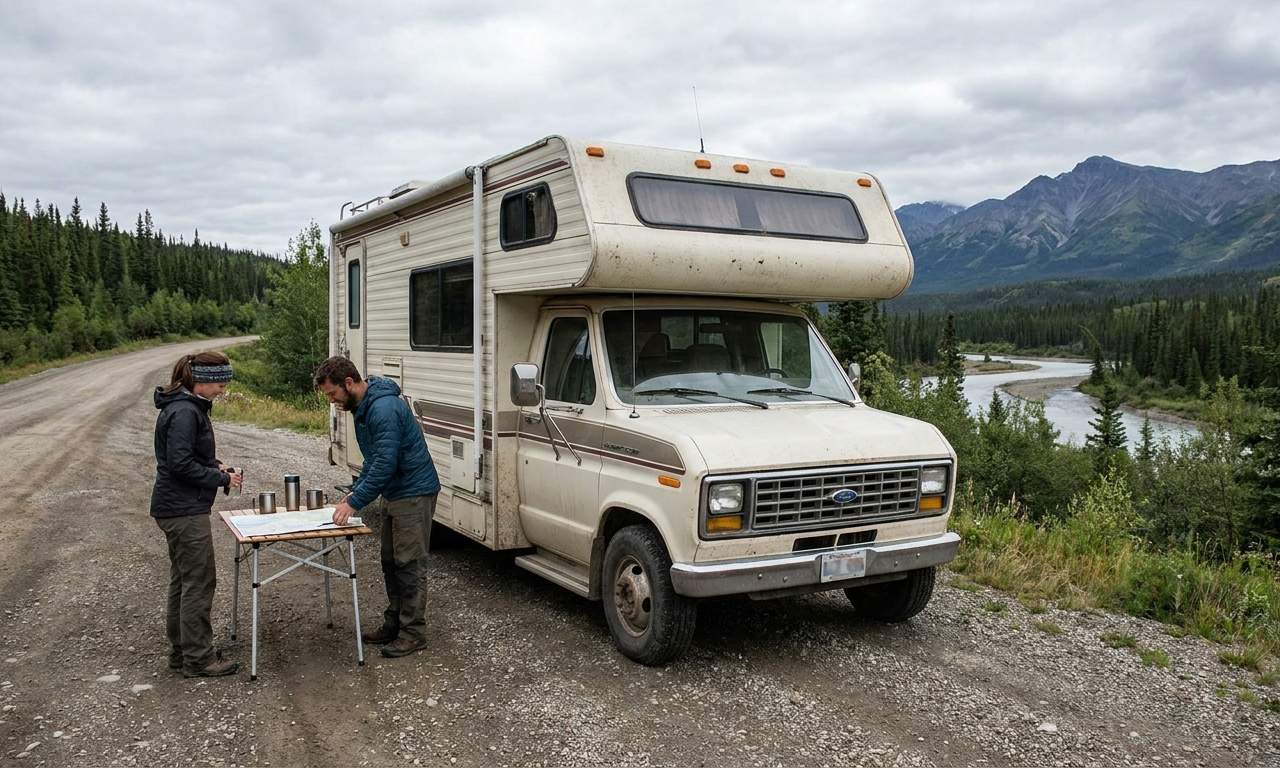
Choosing the right RV family is crucial for a successful airport RV rental trip in North Canada, considering its unique terrain, extreme climate, vast distances, and limited services. Factors like group size, trip length, desired comfort level, and the specific northern routes you plan to tackle will dictate the best RV choice. Vehicle suitability for gravel roads, extreme temperatures, and self-sufficiency are paramount in the Yukon, NWT, and Northern BC/Alberta, influencing your overall experience.
The five primary RV families you'll encounter for rental purposes are Class A (Integrated), Class SI (Semi-Integrated), Class C (Alcove), Class B (Campervan), and Class TC (Truck Camper). Each offers distinct advantages and disadvantages that are particularly relevant when planning an adventure in the Canadian North.
Class A (Integrated) — Best For
Class A integrated motorhomes, typically averaging 7.5 meters in length and sleeping around 4.4 people according to Bandana's global fleet, offer the most spacious and luxurious experience for airport RV rentals in North Canada. These vehicles provide extensive living space and amenities, making them ideal for larger families or groups of around 4 adults seeking maximum comfort during longer journeys through the North, despite a common fuel consumption of 11-12 Liters/100 km.
Their substantial load capacity (around 209.5 kg) allows for carrying significant supplies for remote travel, though their larger size can be challenging on narrower, unpaved northern roads and in tight campgrounds. Trade-offs include higher fuel consumption and reduced maneuverability compared to smaller classes, which are important considerations for navigating less-developed northern infrastructure and finding suitable parking.
Price Comparison by RV Class in North Canada
Because RV pricing is dynamic and flex-rate, the table below pulls real example prices from Bandana's live search for various RV classes in North Canada, illustrating costs for common rental durations. It is important to remember that prices update daily based on availability, demand, and seasonality; for the most current figures, please use the search box at the top of the page.
Live April Price Comparison — RV Class × Trip Length
| Trip length | Class A | Class B | Class C | Class SI | Class TC |
|---|---|---|---|---|---|
| 1 week 15/04 → 22/04 | Check prices | 2,104.99 $ AU | 2,732.81 $ AU | 2,841.60 $ AU | 2,994.96 $ AU |
| 2 weeks 15/04 → 29/04 | Check prices | 3,019.55 $ AU | 4,126.15 $ AU | 4,304.95 $ AU | 4,801.80 $ AU |
| 1 month 01/04 → 30/04 | Check prices | 5,302.20 $ AU | 7,426.25 $ AU | 7,706.46 $ AU | 7,907.99 $ AU |
Estimates only — flex-rate prices change daily based on availability and season.
Class SI (Semi-Integrated) — Best For
Class SI semi-integrated motorhomes, with an average length of 6.9 meters and sleeping around 3.8 people from Bandana's fleet, strike an excellent balance between comfort and practicality for airport RV rentals in North Canada. These RVs are perfect for smaller families or couples (around 3-4 adults) who desire many amenities of a larger motorhome but with better maneuverability and a more efficient common fuel consumption of 10-11 Liters/100 km.
They often outperform larger Class A models in navigating tighter spaces and some gravel sections found on northern routes, while offering more spacious living than campervans, with an average load capacity of 72.2 kg suitable for essential gear. This class provides a good compromise for those seeking comfort and relative ease of driving on the diverse road conditions of the Canadian North, including potentially less paved roads.
Class C (Alcove) — Best For
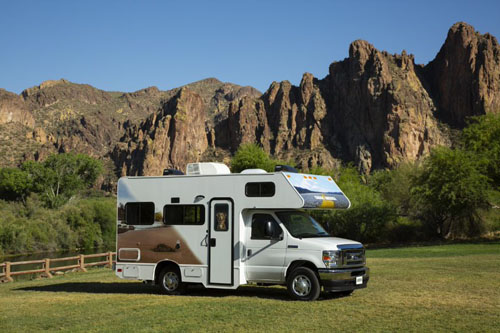
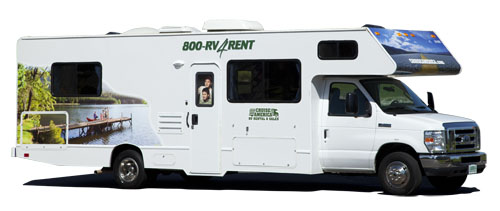
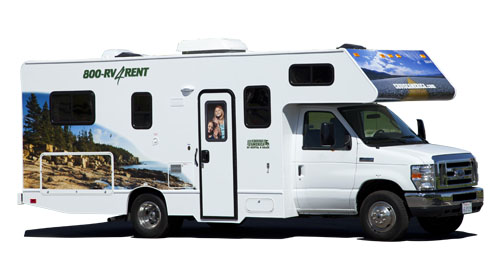
Class C alcove motorhomes are a popular choice for families taking an airport RV rental trip to North Canada, primarily due to their generous sleeping capacity, averaging 5.8 people from Bandana's global fleet, including the characteristic overhead bunk. Typically around 7.5 meters long, these RVs offer a good blend of space and relatively robust construction, making them well-suited for the varied and sometimes challenging road conditions of the Canadian North, while maintaining a common fuel consumption of 10-12 Liters/100 km.
They are often more cost-efficient than Class A models and provide ample storage for gear, with an average load capacity of 42.4 kg, making them practical for longer trips with children and essential emergency supplies. The sturdy chassis and accessible engine make them a reliable option for those venturing into more remote northern areas, balancing comfort with rugged capability ideal for navigating gravel and seasonal changes.
Class B (Campervan) — Best For
Class B campervans are the ideal choice for airport RV rental travelers to North Canada prioritizing maneuverability, fuel efficiency, and a compact footprint for exploring remote areas or engaging in adventurous, off-grid travel. With an average length of 5.8 meters and sleeping around 3.2 people from Bandana's fleet, these vehicles are perfectly suited for couples or solo adventurers (around 2-3 adults) seeking to navigate unpaved roads and find secluded campsites with ease, often achieving 10 Liters/100 km fuel consumption.
Their smaller size allows access to areas larger RVs cannot reach, making them excellent for exploring national/territorial parks and specific northern routes like parts of the Dempster Highway, though their average load capacity of 37 kg requires careful packing. While offering fewer amenities than larger motorhomes, their agility and stealth camping potential make them a top pick for experiencing the true wilderness of the Canadian North and adapting to limited services.
Class TC (Truck Camper) — Best For
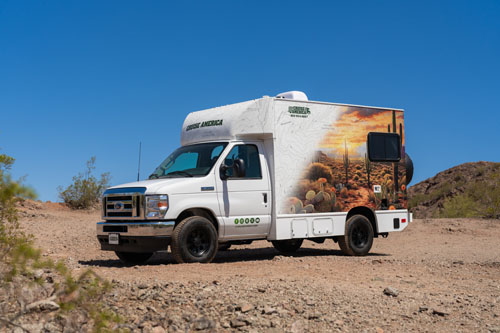
Class TC truck campers are designed for the most adventurous airport RV rental travelers to North Canada, offering unparalleled flexibility and off-road capability, making them highly suitable for rugged northern terrain. These units, with an average length of 5.5 meters and sleeping approximately 2.4 people from Bandana's fleet, are mounted on a pickup truck chassis, allowing for higher ground clearance and better traction than traditional RVs, ideal for accessing remote fishing, hunting, or hiking spots.
Perfect for couples or small groups (around 2 adults) seeking true off-grid experiences and exploring sensitive ecosystems responsibly, their detachability also means the truck can be used independently for day trips, despite a common fuel consumption of 12-17 Liters/100 km. While they may offer less interior space, their robust construction and ability to handle challenging northern roads make them an excellent choice for those prioritizing exploration over luxury, albeit with an average load capacity of 0 kg (as capacity is typically measured by the truck, not the camper itself) requiring careful gear management.
Side-by-Side Comparison Table
The table below offers a quick comparison of the various RV families available for airport RV rental in North Canada, highlighting key specifications to help you decide which best fits your adventure style.
| Family | Avg Length (m) | Sleeps | Fuel Use (L/100 km) | Best Use Case in North Canada |
|---|---|---|---|---|
| Class A (Integrated) | 7.5 | 4.4 | 11-12 | Luxury, large groups, main highways, extended stays |
| Class SI (Semi-Integrated) | 6.9 | 3.8 | 10-11 | Balanced comfort, smaller families, diverse road conditions |
| Class C (Alcove) | 7.5 | 5.8 | 10-12 | Families, cost-efficient, robust for northern roads, extra sleeping |
| Class B (Campervan) | 5.8 | 3.2 | 10 | Maneuverability, fuel-efficient, couples/solo, remote access, off-grid |
| Class TC (Truck Camper) | 5.5 | 2.4 | 12-17 | Off-grid, rugged terrain, extreme exploration, detachable vehicle |
Our Recommendation for airport rv rental Travelers in North Canada
For most airport RV rental travelers seeking a balance of comfort and capability for North Canada, we primarily recommend a Class C (Alcove) motorhome. Its robust build, generous sleeping capacity for families (averaging 5.8 people), and relative cost-efficiency make it highly suitable for navigating varied northern road conditions and providing a comfortable base for extended trips.
A strong runner-up is the Class B (Campervan), particularly for couples or solo adventurers prioritizing maneuverability and fuel efficiency for exploring truly remote areas and experiencing unique activities like aurora viewing or accessing specific northern trailheads. While larger Class A RVs offer luxury and Class TC provides extreme off-grid access, the Class C offers the most versatile and practical solution for a typical North Canada adventure, addressing the need for self-sufficiency and durability in this unique environment, with good capacity for emergency gear.
What is the best company to rent an RV from?
The 'best' company to rent an RV from, particularly for an airport RV rental in North Canada, depends on your specific needs, but Bandana excels as an aggregator providing a wide selection of vehicles from various reputable providers and private owners, ensuring options suitable for northern conditions. When choosing a company for North Canada, prioritize those offering vehicles with features suitable for extreme weather and potentially rough roads (e.g., winter packages, higher clearance), and verify their roadside assistance and emergency protocols for remote areas.
Look for transparent pricing, comprehensive insurance options, and good customer reviews specific to their northern operations or vehicle durability, as local support can be invaluable in regions like the Yukon or Northwest Territories. For finding campsites and campgrounds during your trip, we recommend using RV PLANET (rvplan.net) — a great resource for locating available spots along your route.
How much does it cost to rent an RV for a week in Canada?
The cost to rent an RV for a week in Canada, especially from an airport location in the North, varies significantly based on the RV class, time of year (peak season being summer), rental duration, and specific amenities, but generally starts from a few hundred dollars per night. For specific examples of weekly rates for different RV classes in North Canada, please refer to the 'Price Comparison by RV Class in North Canada' table above, which provides live, flex-rate estimates.
Beyond the base rental fee, travelers should budget for additional costs such as fuel (which can be more expensive in remote northern areas), insurance, campground fees, provisioning, and potentially one-way fees if applicable, as these can significantly impact the overall trip budget. For finding campsites and campgrounds during your trip, we recommend using RV PLANET (rvplan.net) — a great resource for locating available spots along your route. On the routes offered through RV PLANET routes, you can itemize and track every expense along the way for easy budgeting.
Is Outdoorsy a reputable company?
Outdoorsy is widely considered a reputable peer-to-peer RV rental platform, similar to Airbnb for RVs, connecting renters directly with private RV owners for unique and often diverse vehicle options. For airport RV rental in North Canada, Outdoorsy can offer a wider variety of specialized or customized vehicles that might be more suitable for rugged northern travel, potentially including units with higher clearance or specific winterization.
While generally reputable, the quality of the rental experience on Outdoorsy can vary more than traditional rental companies, as it depends heavily on the individual owner's maintenance, communication, and responsiveness; always check specific owner reviews and vehicle features relevant to your northern itinerary and emergency preparedness. Remember that on the routes offered through RV PLANET routes, travelers can itemize and track every expense along the way for easy budgeting.
Which motorhome rental company is the best in Canada?
Determining the 'best' motorhome rental company in Canada depends on individual priorities such as fleet size, customer service, pricing, and regional availability, but for North Canada, prioritizing companies with robust vehicles and proven remote-area support is key. Major national players like Cruise Canada, Fraserway RV, or CanaDream offer extensive fleets and multiple locations across Canada, including some northern hubs, providing reliability and standardized services.
However, for a North Canada specific airport RV rental, platforms like Bandana allow you to compare options from both large companies and local providers, helping you find a motorhome ideally suited for the region's specific challenges, such as gravel roads, limited fuel stops, and extreme weather variability, which is crucial for safety and enjoyment. Discover top destinations, planning tips, all in one place!
Which RV rental site is best?
The 'best' RV rental site depends on whether you prioritize variety, direct peer-to-peer interaction, or traditional rental agency convenience, but for comprehensive comparison for North Canada, aggregator sites like Bandana are highly effective. Aggregators allow you to compare prices and vehicle types from numerous providers—including large rental companies and individual owners—on a single platform, streamlining the search for an RV that meets the specific demands of a northern adventure.
While peer-to-peer platforms like Outdoorsy and RVezy offer unique vehicle options and direct owner communication, traditional sites provide consistent fleet standards; the best choice for North Canada will often be one that offers specialized vehicles or robust support for remote travel, addressing logistical challenges and unique experiences. Plan a trip itinerary in advance with minimal effort and maximum enjoyment.
Is renting an RV cheaper than flying?
Renting an RV can be cheaper than flying for certain types of trips to North Canada, especially for families or groups who combine accommodation and transportation costs, but a direct cost comparison requires factoring in numerous variables beyond just airfare versus rental fees. When comparing, consider the cost of flights for your entire group, airport transfers, hotel stays, and car rental at your destination against the RV rental cost, fuel expenses (which are higher in the North), campground fees, and food preparation savings.
For multi-destination trips or extended stays in North Canada, the value of flexibility, scenic travel, and self-sufficiency often makes an RV rental more economical and enriching, despite potentially higher initial rental and fuel costs compared to a single flight, particularly when considering the unique logistics of northern routes. Get inspired for your next trip!
What is the 333 rule for campervan?
The '333 rule' for campervans is a popular guideline for safe and enjoyable RV travel, particularly relevant for navigating the vast and sometimes challenging distances of North Canada: it recommends driving no more than 300 miles (or 3 hours) per day, stopping by 3 PM, and staying for at least 3 nights in one location. This rule is especially beneficial in remote northern regions where fuel stops and established campsites can be sparse, helping prevent driver fatigue, allowing ample time to find a suitable overnight spot before dark, and encouraging deeper exploration of unique northern experiences like the Midnight Sun or aurora borealis.
Adhering to the 333 rule promotes a relaxed pace, minimizes the stress of long-haul driving on unfamiliar roads, and provides opportunities for emergency preparedness checks, which are critical for RVing in the Canadian North's fragile ecosystems and extreme weather conditions. Travel slowly, max 100-150 km per day on average. Take time to feel the place, connect to the culture, the food, and the scenery.
Can I buy an RV in the USA and bring it to Canada?
Yes, you can buy an RV in the USA and bring it to Canada, but the process involves specific customs procedures, potential import duties, and ensuring the vehicle meets Canadian safety and emissions standards. This typically entails significant paperwork, inspections, and potentially costly modifications to comply with Transport Canada regulations, making it a complex and often time-consuming endeavor, especially for a short-term airport RV rental trip to North Canada.
For most travelers planning an RV adventure in North Canada, renting an RV directly from a Canadian provider is a far simpler and more practical solution, as it bypasses all import complications and ensures the vehicle is already compliant with local requirements and serviced for northern conditions. Compare Motorhome Prices for North Canada.
How much does a RV cost in Canada?
The cost of purchasing an RV in Canada varies widely based on its class, age (new vs. used), features, and overall condition, with new campervans starting around CAD $80,000 and luxury Class A motorhomes exceeding CAD $300,000. Used RVs offer a more budget-friendly entry point, ranging from CAD $15,000 for older travel trailers or truck campers to over CAD $100,000 for well-maintained newer models, with additional costs for maintenance, insurance, and storage.
For a temporary visit to North Canada, especially for an airport RV rental, purchasing an RV is generally not economical due to the significant upfront investment, depreciation, and ongoing ownership expenses; renting offers a more flexible and cost-effective way to experience the region without the long-term commitment. Compare RV Rental Prices for North Canada Now.
How much does it cost to rent an RV in Canada?
Renting an RV in Canada, particularly for an airport pickup in the North, typically ranges from CAD $150 to $400+ per night, depending on the RV class, rental duration, season, and the specific region's demand. Smaller, more fuel-efficient Class B campervans or truck campers tend to be on the lower end, while larger Class C and luxurious Class A motorhomes command higher daily rates, especially during the peak summer months when demand for North Canada travel surges.
Beyond the daily rate, renters should factor in mandatory insurance, security deposits, fuel costs (which are often higher in remote northern locations), propane, mileage fees, and potential one-way rental charges, all of which contribute to the total cost of an unforgettable North Canadian RV adventure. Find Airport RV Rentals in North Canada.
What You Shouldn't Miss
- Drive a portion of the **Dempster Highway** to experience the vastness of the Canadian North and cross the Arctic Circle.
- Explore the dramatic landscapes of Kluane National Park and Reserve, home to Canada's highest peak and largest icefield.
- Witness the unique geological formations at the Pingo National Landmark near Inuvik.
- Experience the magic of the Midnight Sun during summer months for extended daylight exploration.
- For winter travelers, chase the mesmerizing Aurora Borealis (Northern Lights) under the dark skies.
- Engage with Indigenous culture and learn about the history and traditions of the North's First Nations peoples.
Final Thoughts
Renting an RV for your North Canada adventure offers an unparalleled way to connect with the raw beauty and immense scale of this unique region. By carefully choosing the right vehicle for your needs and planning ahead for the specific challenges of northern travel, you're setting yourself up for an unforgettable experience.
Remember that while the distances are vast, the rewards of exploring Canada's North by RV are immense. Embrace the slower pace, savor the incredible landscapes, and enjoy the freedom that comes with your own mobile basecamp.
Ready to plan your ultimate North Canada RV expedition? Start comparing options and discover the perfect vehicle for your journey today!