In This Guide
- The RV Families Compared for Chile
- Class A (Integrated) - Best For
- Price Comparison by RV Class in Chile
- Class SI (Semi-Integrated) - Best For
- Class C (Alcove) - Best For
- Class B (Campervan) - Best For
- Side-by-Side Comparison Table
- Our Recommendation for rv rental Travelers in Chile
- What do I need to know about driving an RV in Chile
- Do I need a special driver's license to rent an RV in Chile
- What are the visa requirements for renting an RV in Chile
- What are the insurance requirements for RV rental in Chile
- What are the best RV routes in Chile for a scenic trip
- How do I find RV campgrounds in Chile
- Is it safe to wild camp in an RV in Chile
- How much does it cost to rent an RV in Chile
- What are the best times of year to RV in Chile
- What size RV is best for Chile
- Are one-way RV rentals available in Chile
- What is the average fuel consumption for RVs in Chile
- Renting an RV in Chile vs buying one locally
- What You Shouldn't Miss
- Why Book with Bandana Caravan
- Final Thoughts
- Frequently Asked Questions
Embarking on an unforgettable RV adventure through Chile's diverse landscapes begins with choosing the right vehicle and understanding the local nuances of travel. Chile offers a breathtaking spectrum of experiences, from the lunar landscapes of the Atacama Desert in the north to the majestic fjords and glaciers of Patagonia in the south. With a rented motorhome or campervan from one of our trusted airport pickup suppliers, you gain the freedom to explore at your own pace, creating memories that last a lifetime. For live availability and current prices, start with our RV Rental Chile - Complete Guide 2026 guide.
The RV Families Compared for Chile
Choosing the right RV family significantly impacts your travel experience in Chile due to its diverse terrain, varying climates, and potential for remote travel. Considerations like your group size, desired comfort level, and the types of roads you plan to navigate-whether it's the rugged Carretera Austral or smoothly paved highways-are crucial for selecting the ideal rented RV for your Chilean adventure. This comparison will help you align a motorhome class with your specific trip requirements, ensuring a comfortable and efficient journey. As true RV specialists, we at Bandana help you make an informed decision by offering full transparency and expert guidance, ensuring no surprises when you pick up your vehicle.
Class A (Integrated) - Best For
Class A motorhomes, averaging 7.5 meters in length and designed to sleep around 4 to 6 people comfortably, are best suited for luxury-focused travelers or larger groups seeking maximum comfort and amenities on Chile's well-maintained paved roads. Bandana's global fleet averages indicate these units typically accommodate 4 adults, offer a high load capacity of around 209.5 kg, and consume approximately 8-12 liters of fuel per 100 km. They excel on longer trips across Chile's major routes, such as Ruta 5, providing a spacious 'home-on-wheels' experience, perfect for those who prioritize plush interiors and comprehensive facilities, although their size can be a consideration for navigating narrow city streets or very remote, unpaved paths.
🎬 Video coming soon
Price Comparison by RV Class in Chile
Understanding RV rental costs in Chile requires considering the vehicle class, rental duration (Bandana specializes in trips of one week or more), and booking season, as prices are dynamic and fluctuate daily based on availability and supplier marketing decisions. Because pricing is flexible, the table below provides real example prices from Bandana's live search for various RV classes and trip durations, offering transparent cost insights. These prices are estimates and can change daily; always check the search box on our platform for live, up-to-date availability and rates for your specific travel dates and locations, ensuring full transparency with no hidden fees or surprises.
| RV Class | 1 Week (approx. daily rate in USD) | 2 Weeks (approx. daily rate in USD) | 1 Month (approx. daily rate in USD) |
|---|---|---|---|
| Class A (Integrated) | $250 - $450 | $200 - $400 | $180 - $350 |
| Class SI (Semi-Integrated) | $180 - $320 | $150 - $280 | $130 - $250 |
| Class C (Alcove) | $160 - $300 | $140 - $270 | $120 - $240 |
| Class B (Campervan) | $100 - $200 | $80 - $180 | $70 - $160 |
For flexible travelers, consider booking your motorhome or campervan during Chile's shoulder seasons (October-November and March-April) to find potentially cheaper RV Rental Deals in Chile - Latest Offers 2026. Last-Minute RV Rental in Chile - What to Expect 2026 still offers options, but prices may be higher due to limited availability.
Class SI (Semi-Integrated) - Best For
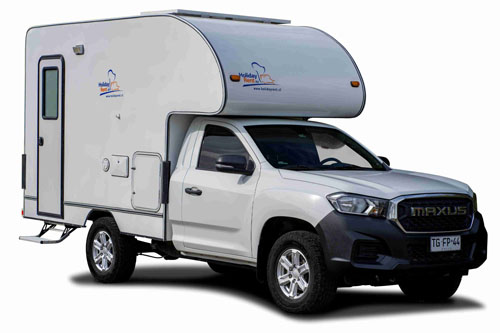
Class SI motorhomes, typically 6.9 meters long and sleeping about 3 to 4 people, offer an excellent balance of comfort, maneuverability, and fuel efficiency, making them ideal for couples or small families exploring Chile's diverse landscapes. Bandana's global fleet averages show these vehicles typically accommodate 3.4 adults, provide a load capacity of approximately 72.2 kg, and have a common fuel consumption of 10-11 liters per 100 km. They are a versatile choice for trips encompassing both urban areas and well-traveled rural roads, outperforming larger Class A units in ease of driving while offering more amenities than a campervan, proving particularly suitable for routes like a significant portion of the Carretera Austral where agility and comfort are both valued.
Class C (Alcove) - Best For
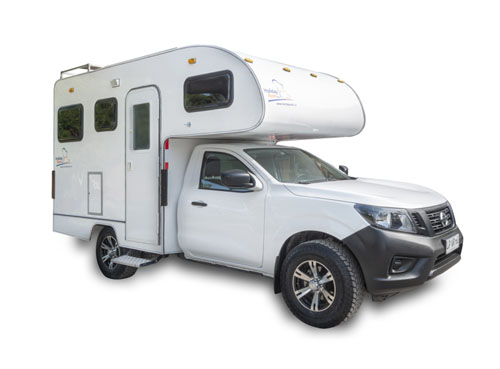
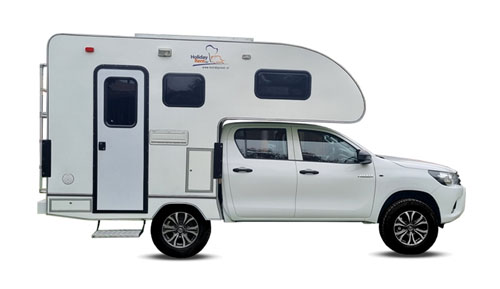
Class C alcove motorhomes, averaging 7.5 meters in length and designed to sleep around 5 to 7 people, are optimal for families or larger groups prioritizing separate sleeping areas and cost-efficiency during their Chilean RV rental. Bandana's global fleet averages indicate these units typically accommodate 4.4 adults, offer a load capacity of approximately 42.4 kg, and consume 10-12 liters of fuel per 100 km. With their distinctive over-cab sleeping area, they provide ample space and comfort for extended trips, proving capable on Chile's main roads and accessible campsites, balancing spaciousness with a more manageable driving experience compared to Class A RVs. For a family adventure, a Class C offers a comfortable base for cooking meals, which you can enhance with ideas from our RV-friendly recipes playlist.
Class B (Campervan) - Best For
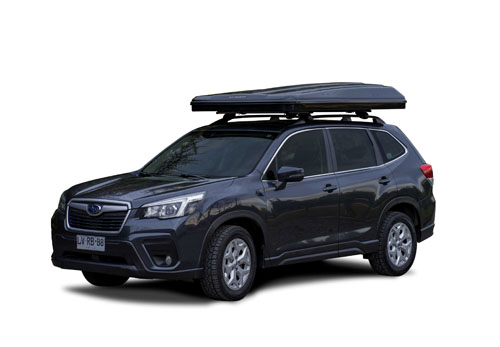
Class B campervans, typically 5.8 meters long and sleeping around 2 to 3 people, are perfect for adventurous couples or solo travelers seeking maximum maneuverability, fuel economy, and the flexibility to access more remote or less developed areas of Chile. Bandana's global fleet averages show these compact vehicles typically accommodate 2.7 adults, provide a load capacity of approximately 37 kg, and consume a highly efficient 8-10 liters of fuel per 100 km. Their smaller size makes them ideal for navigating Chile's mountain passes, bustling town centers, and less-traveled side roads, offering a blend of comfort and off-grid capability that larger RVs cannot match, making them superb for surf trips or Patagonian explorations where agility is key.
Side-by-Side Comparison Table
This table provides a concise overview of the key characteristics for each RV family, aiding in your decision-making process for an RV rental in Chile, helping you compare final prices across suppliers and choose what's right for you.
| Family | Avg Length (m) | Sleeps | Fuel Use (L/100km) | Best Use Case in Chile |
|---|---|---|---|---|
| Class A (Integrated) | 7.5 | 4-6 | 8-12 | Luxury, large groups, paved road comfort |
| Class SI (Semi-Integrated) | 6.9 | 3-4 | 10-11 | Balanced comfort, small families, mixed roads |
| Class C (Alcove) | 7.5 | 5-7 | 10-12 | Families, groups, cost-effective spaciousness |
| Class B (Campervan) | 5.8 | 2-3 | 8-10 | Couples, solo, maneuverability, fuel efficiency |
Our Recommendation for rv rental Travelers in Chile
For most RV rental travelers exploring Chile, the Class SI (Semi-Integrated) motorhome is our primary recommendation due to its optimal balance of comfort and practicality. Its average length of 6.9 meters offers sufficient interior space and comfort for small families or couples (sleeping 3-4 people) while remaining manageable for navigating Chile's varied road conditions, including gravel sections of the Carretera Austral, and providing good fuel economy (10-11 L/100km). The Class B (Campervan) is our strong runner-up, particularly for adventurous couples or solo travelers who prioritize extreme maneuverability, excellent fuel efficiency (8-10 L/100km), and accessing the most remote or challenging terrains Chile has to offer, like specific surf spots or national park trails where agility is key.
What do I need to know about driving an RV in Chile
Driving a rented RV in Chile requires familiarity with specific documentation, varying road conditions, and adherence to local traffic laws, ensuring a safe and compliant journey. Drivers generally need an International Driving Permit (IDP) alongside their national license; for cross-border trips to Argentina or Bolivia, additional vehicle permits and specific insurance endorsements for the RV are mandatory and should be arranged in advance with your rental provider. Road conditions range from excellent paved highways (like Ruta 5) to challenging gravel roads, especially in Patagonia (Carretera Austral), necessitating careful driving, appropriate tire pressure, and awareness of potential washboard effects. Always remember to travel slowly, max 100-150 km per day on average, to fully experience the culture, food, and scenery. Ferry bookings are often essential for traversing certain regions, like crossing into Chiloé or navigating the fjords of Patagonia; ensure you book RV-specific slots well in advance, especially during peak season, as capacity for larger vehicles can be limited and costs can be significant. Emergency roadside assistance is crucial; confirm your rental includes comprehensive coverage tailored for larger vehicles, and consider carrying a satellite communication device for remote areas with no cell service, as detailed information on fuel types (diesel is common for larger RVs) and potable water sources is vital for planning. When planning your trip budget for these ancillary costs like fuel and tolls, remember that RV PLANET routes allow travelers to itemize and track every expense along the way for easy budgeting, offering full transparency. On the routes offered through RV PLANET routes, you can itemize and track every expense along the way for easy budgeting.
Do I need a special driver's license to rent an RV in Chile
To rent and legally drive a motorhome or campervan in Chile, most foreign visitors will need a valid national driver's license from their home country accompanied by an International Driving Permit (IDP). The IDP translates your national license into multiple languages and is recognized internationally, serving as official proof that you are authorized to drive the class of vehicle you are renting. Your standard car license is sufficient for all motorhome classes (Class A, Class B, and Class C) in Chile, and no special license or additional permits are required. Ensure both your national license and IDP are current for the entire duration of your rental period in Chile, and remember the minimum rental age is 21.
What are the visa requirements for renting an RV in Chile
Visa requirements for renting an RV in Chile are generally tied to your nationality's entry requirements for Chile itself, not specific to RV rental. Many nationalities, including citizens of the US, Canada, Australia, New Zealand, and most EU countries, can enter Chile as tourists for up to 90 days without a visa, receiving a 'Tourist Card' (Tarjeta de Turismo) upon arrival. Always verify the most current visa and entry requirements for your specific nationality through the Chilean Embassy or Consulate in your home country, or consult official government travel advisories, well in advance of your trip.
What are the insurance requirements for RV rental in Chile
RV rental in Chile necessitates comprehensive insurance coverage, often including third-party liability and options for collision damage waiver (CDW) or theft protection, which are typically mandatory for rented motorhomes and campervans. Most rental companies offer their own insurance packages, but travelers should carefully review the deductibles, coverage limits, and any exclusions, such as damage to tires, windshields, or undercarriage, which are critical given Chile's diverse road conditions. You can upgrade to a top-level deductible for extra peace of mind, traveling with confidence knowing you're well-protected. For those planning cross-border travel into Argentina or Bolivia, specific additional insurance coverage is required and must be arranged through the rental provider; this 'Mercosur' insurance ensures your RV is legally covered in neighboring countries, and failure to secure it can lead to significant penalties and complications. It is advisable to check if your personal travel insurance or credit card offers any supplemental RV rental coverage, but do not rely solely on these without confirming their applicability and extent in Chile.
What are the best RV routes in Chile for a scenic trip
Chile offers several spectacular RV routes, each presenting unique scenic beauty and specific driving challenges, making route selection crucial for an enjoyable trip with your rented motorhome. The Carretera Austral (Ruta 7) in Patagonia is renowned for its wild, untamed landscapes, fjords, glaciers, and national parks (e.g., Queulat National Park); while incredibly scenic, much of it is gravel, requiring an RV suitable for rougher roads (Class B campervans or Class SI motorhomes are ideal) and diligent planning for fuel, water, and ferry crossings. Another top route is exploring the Atacama Desert in northern Chile, visiting places like San Pedro de Atacama, Valle de la Luna, and El Tatio Geysers; this region demands preparedness for extreme arid conditions, high altitudes, and clear instructions for navigating off-road sections to attractions, with reliable communication often limited to satellite phones in truly remote zones. The Central Valley and Lake District provide a gentler RV experience with lush landscapes, volcanoes, and numerous national parks (e.g., Villarrica National Park), offering more developed infrastructure and paved roads suitable for larger RVs (Class A, SI, C), with internet and cell service generally more reliable along these routes. Always research current road conditions, particularly for unpaved sections or mountain passes which can be affected by weather, and plan for potential dead zones in cell coverage along popular RV routes by considering offline maps and satellite communication options. Plan a trip itinerary in advance with minimal effort and maximum enjoyment by checking our RV PLANET routes for Chile.
How do I find RV campgrounds in Chile
Finding RV campgrounds in Chile involves utilizing a combination of online resources, dedicated apps, and local information, which is essential for securing suitable overnight parking and access to utilities for your rented motorhome or campervan. Key resources include apps like iOverlander or Campercontact, which provide crowdsourced information on campgrounds, free camping spots, fuel stations (especially diesel for larger RVs), potable water sources, and dump stations, crucial for comprehensive RV infrastructure mapping. National parks (e.g., Torres del Paine, Conguillío) often have designated campgrounds that may require advance booking, particularly for RVs due to size restrictions and hookup availability, with specific booking processes detailed on their official websites. Look for 'camping' signs along main routes, especially in popular tourist areas, and inquire locally in smaller towns for privately run campgrounds, ensuring you understand facilities like electricity hookups, water, and waste disposal before settling in. For finding campsites and campgrounds during your trip, we recommend using RV PLANET (rvplan.net) - a great resource for locating available spots along your route.
Is it safe to wild camp in an RV in Chile
Wild camping in an RV in Chile can be safe and rewarding, particularly in remote areas, but requires adherence to ethical practices, safety precautions, and respect for local regulations to minimize environmental impact and ensure security. When considering wild camping with your rented motorhome or campervan, always prioritize safety by choosing well-lit, visible locations or designated free camping spots listed on apps like iOverlander, avoiding isolated or private property unless explicit permission is obtained. Adhere strictly to 'leave no trace' principles: pack out all trash, dispose of greywater and blackwater at designated dump stations, and use biodegradable products to protect Chile's diverse and fragile ecosystems. For advanced RV safety and security, ensure all windows and doors are locked, use curtains for privacy, and consider additional security measures like alarms or steering wheel locks, communicating your route and expected return with someone reliable, especially when venturing into areas with limited cell service. Drive slowly and carefully, and you can drive almost anywhere without issues. No need to stress - just use common sense and pay attention.
How much does it cost to rent an RV in Chile
The total cost of an RV trip in Chile extends beyond the rental fee, encompassing fuel, national park entry fees, ferry charges, and potential unexpected expenses, requiring a granular breakdown for accurate budgeting. Beyond the rental vehicle itself (see 'Price Comparison by RV Class in Chile' above), fuel costs are a significant factor, with diesel (commonly used by larger RVs) fluctuating; Bandana's global fleet averages show consumption ranges from 8-10 L/100km for Class B Campervans to 10-12 L/100km for Class C motorhomes, so factor in significant fuel expenses for long distances. National park entry fees are per person, but some parks also charge a vehicle entry fee, which can add up; ferry costs, particularly for RVs, can be substantial for routes like those in Patagonia (e.g., crossing to Chiloé or navigating the fjords), and these should be researched and booked in advance. Budget for additional expenses like campground fees (especially for hookups), propane refills, potential roadside assistance (if not fully covered by insurance), and unforeseen repair costs, ensuring a transparent cost analysis for your entire RV travel experience. Our RV PLANET routes are designed to help you itemize and track every expense along the way, making budgeting easy and clear. For more detailed pricing, explore "RV Rental in Chile - Prices and Best Deals 2026" or "Cheap RV Rental in Chile - Budget Guide 2026".
What are the best times of year to RV in Chile
The best time of year to RV in Chile varies significantly by region, primarily due to extreme weather patterns impacting road accessibility, ferry schedules, and camping conditions. Summer (December to February) is ideal for Patagonia (south), offering the warmest weather and longest daylight hours, making it prime for exploring the Carretera Austral and national parks, though it's also peak season with higher prices, requiring advance bookings for ferries and campgrounds. Shoulder seasons (October-November and March-April) are excellent for the Central Valley and Lake District, providing pleasant temperatures, fewer crowds, and more favorable conditions for hiking and outdoor activities, with generally stable road access. For the Atacama Desert (north), any time of year is generally suitable due to its arid climate, but the shoulder seasons can avoid the intense summer heat; however, prepare for cold nights at altitude regardless of the month. Always consult a month-by-month RV seasonality guide specific to your planned regions, as weather can affect road conditions, ferry operations (especially off-season), and the availability of specific activities for RVers across Chile's diverse regions. Remember that many national/state parks reserve only 25-30% of spots for pre-booking, with the rest being first-come-first-serve, so you'll always find a spot. If not at the first campground, then the next one; just call ahead before driving.
What size RV is best for Chile
The best RV size for Chile depends largely on your travel style, group size, and the specific regions you plan to explore, balancing comfort with maneuverability. Smaller RVs like Class B Campervans (avg. 5.8m) are generally best for navigating Chile's more challenging terrains, including narrow mountain roads, unpaved sections of the Carretera Austral, and accessing remote wild camping spots, offering greater flexibility and fuel efficiency. For small families or couples seeking more comfort on mixed terrain, a Class SI (Semi-Integrated) motorhome (avg. 6.9m) provides a good balance of amenities and drivability, while larger Class C (Alcove, avg. 7.5m) and Class A (Integrated, avg. 7.5m) vehicles are better suited for larger groups sticking to major paved highways and established campgrounds where spaciousness is a priority. Ultimately, the choice ensures your rented motorhome perfectly matches your adventure, from a Cheap RV Rental in Chile - Budget Guide 2026 trip to a more spacious Luxury RV Rental in Chile - Premium Prices 2026 experience.
Are one-way RV rentals available in Chile
One-way RV rentals are typically available in Chile between major cities or popular tourist hubs, offering flexibility for travelers who wish to explore different regions without backtracking. This option allows for diverse itineraries, such as starting in Santiago and driving south along the Carretera Austral to return the RV in Punta Arenas, but usually incurs a one-way fee ranging from $150-$500 USD, depending on the route and distance. Availability and pricing for one-way rentals can vary significantly by rental company and season, so it is recommended to inquire about this option early in your planning process to compare costs and ensure your desired route is feasible. For more specific details, refer to our One-Way RV Rental in Chile - Price Guide 2026.
What is the average fuel consumption for RVs in Chile
The average fuel consumption for RVs in Chile varies by vehicle class, with Bandana's global fleet typically showing ranges from 8-10 liters per 100 km for Class B Campervans to 10-12 liters per 100 km for Class C (Alcove) and Class A (Integrated) motorhomes. Class SI (Semi-Integrated) RVs generally consume 10-11 L/100km. These figures are crucial for transparent cost analysis for RV travel, as fuel will be a significant ongoing expense, especially given the vast distances and varying terrain in Chile. Most larger motorhomes run on diesel, which is widely available.
Renting an RV in Chile vs buying one locally
Deciding between renting an RV in Chile versus buying one locally depends on the duration of your trip, budget, and appetite for bureaucratic processes. Renting a motorhome is generally the more practical and straightforward option for short to medium-term trips (up to a few months), as it avoids the complexities of vehicle import/export, registration, insurance, and maintenance in a foreign country, offering immediate access to a road-ready vehicle. Buying an RV locally, while potentially more cost-effective for extended stays (six months or more), involves significant upfront investment, navigating Chilean vehicle purchasing and ownership laws, obtaining specific insurance, and dealing with eventual resale, which can be time-consuming and bureaucratic. For most international travelers, especially those planning a typical vacation, the ease and convenience of an RV rental far outweigh the potential logistical and financial complexities of purchasing a vehicle in Chile, making it the preferred choice for a hassle-free adventure. We handle the details, you live the journey, with personal service from day one until your booking is confirmed.
What You Shouldn't Miss
- Drive the Carretera Austral (Route 7): This legendary 1,240 km route through Chilean Patagonia offers unparalleled access to national parks, glaciers, and fjords, from Futaleufú to Villa O'Higgins. Plan for gravel sections and necessary ferry crossings.
- Explore the Atacama Desert: Discover the otherworldly landscapes around San Pedro de Atacama, including Valle de la Luna (Moon Valley), El Tatio Geysers, and star-gazing opportunities in one of the world's driest places.
- Wander through the Lake District: Drive around beautiful lakes like Llanquihue and Villarrica, with views of active volcanoes and charming towns like Puerto Varas and Pucón. Perfect for a rented family motorhome.
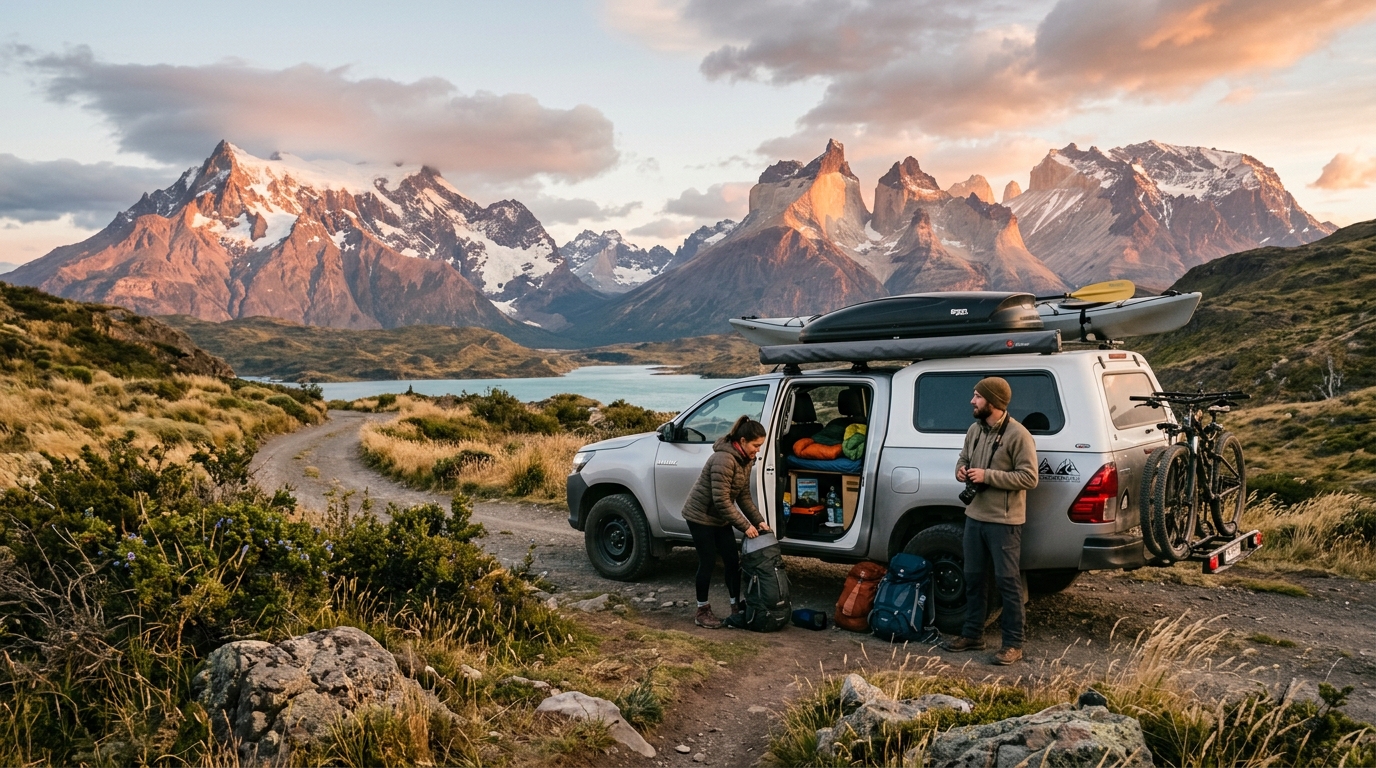
- Visit Torres del Paine National Park: While further south, this iconic Patagonian park offers some of the most dramatic mountain scenery and trekking in the world. RV campsites are available, but book well in advance.
- Experience Santiago and Valparaíso: Begin or end your RV adventure exploring the vibrant capital city of Santiago, then head west to the colorful, bohemian port city of Valparaíso, a UNESCO World Heritage site. Remember to drive slowly and carefully in cities; it's easy to navigate with common sense.
Looking for expert insights from Avi Bandana? Top 5 Adventures - recommendations from Avi Bandana.
Final Thoughts
Exploring Chile by rented RV or campervan is an adventure waiting to happen, offering unparalleled freedom and access to some of the world's most spectacular natural wonders. From the dramatic peaks of Patagonia to the arid expanses of the Atacama, a mobile home gives you the flexibility to chase sunsets, explore hidden trails, and truly immerse yourself in the country's vibrant culture. Remember, whether you're a meticulous pre-planner or a spontaneous traveler, Bandana is here to support you every step of the way, making sure your journey is as smooth and enjoyable as possible.
Don't just dream of the open road – make it a reality. We handle the details, you live the journey, ensuring a vacation filled with discovery and delight. Your perfect Chilean RV adventure starts now.
Compare Motorhome Prices for Chile Today!