In This Guide
- The 4 RV Families Compared for California
- Class A (Integrated) - Best For Luxury Trips in California
- Class SI (Semi-Integrated) - Best For Balanced RV Trips in California
- Class C (Alcove) - Best For Family RV Trips in California
- Class B (Campervan) - Best For Agile RV Adventures in California
- Price Comparison by RV Class in California
- Side-by-Side Comparison Table for RV Classes in California
- Our Recommendation for RV Rental Travelers in California
- What RV rental companies are in California
- What is the best way to travel around California
- Is it worth renting an RV in California
- How much does it cost to rent an RV in California for a week
- What are the cheapest RV rentals in California
- What do you need to know before renting an RV in California
- Where can I park an RV for free in California
- How much are RV park fees in California
- What is the average gas mileage for RVs in California
- Can you take an RV anywhere in California
- Do you need a special license to drive an RV in California
- What's the difference between an RV and a motorhome
Embarking on an RV adventure in California promises an unforgettable journey, offering unmatched freedom to explore the Golden State’s diverse landscapes, from sun-kissed beaches to towering redwood forests and dramatic desert vistas. Renting a motorhome provides your very own mobile sanctuary, allowing you to chase sunsets along the Pacific Coast Highway or wake up to mountain views in the Sierra Nevadas. For live availability and current prices, start with our RV Rental California - Complete Guide 2024 guide, a comprehensive resource designed to simplify your travel planning.
At Bandana RV, we understand that finding the perfect RV rental in California starts with clear information and trust. We pride ourselves on full transparency, ensuring no hidden fees or surprises spoil your trip. Our team consists of true RV specialists, not just a side department of a generic travel agency. We are passionate about RV travel and committed to supporting you before, during, and after your booking, making your experience seamless and enjoyable from the moment you start comparing options.
The 4 RV Families Compared for California
Choosing the right RV for your California adventure hinges on several key factors, including group size, trip length, and desired comfort levels. RV choice significantly impacts navigability across California's diverse terrain, from coastal highways to winding mountain roads and vast deserts. Climate considerations are also important, as robust AC is necessary in hot desert regions like Death Valley, while adequate heating is essential for colder mountain areas such as Yosemite in the shoulder seasons. Each RV class offers a unique set of advantages tailored to different travel styles, ensuring you find the perfect mobile home for your journey.
Class A (Integrated) - Best For Luxury Trips in California
Class A integrated motorhomes from Bandana’s fleet typically average 7.5 meters in length and comfortably sleep around 4.4 people, making them ideal for large families or groups seeking a premium experience. These vehicles offer a substantial average load capacity of approximately 209.5 kg, allowing for ample gear and supplies for extended journeys. Fuel consumption for Class A models is commonly between 11-12 liters per 100 km, reflecting their spaciousness and extensive amenities. They are best suited for travelers prioritizing luxury, expansive living spaces, and long trips primarily across California's main highways and well-equipped RV resorts, though their size might pose challenges in tighter national park roads or urban parking.
🎬 Video coming soon
Class SI (Semi-Integrated) - Best For Balanced RV Trips in California
Bandana's fleet of Class SI semi-integrated motorhomes averages 6.9 meters in length, comfortably accommodating around 3.8 sleepers, often with a more streamlined design. These units provide a balanced average load capacity of approximately 72.2 kg, suitable for typical travel essentials without feeling overcrowded. Common fuel consumption for Class SI RVs is typically 10-11 liters per 100 km, offering better efficiency than Class A models. They are an excellent choice for couples or small families seeking a comfortable middle-ground between the spaciousness of a Class A and the maneuverability of a Class B, ideal for exploring California's diverse attractions with good drivability on both highways and more accessible secondary roads.
Class C (Alcove) - Best For Family RV Trips in California
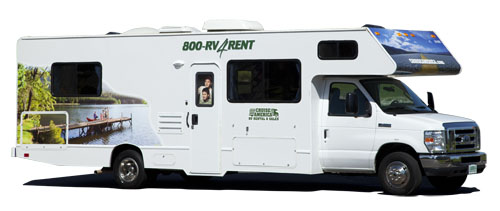
Class C alcove motorhomes from Bandana's fleet typically average 7.5 meters in length and are well-suited for families, sleeping around 5.8 people due to their distinctive over-cab sleeping area. These RVs offer an average load capacity of approximately 42.4 kg for luggage and supplies, balancing space with practical considerations. Fuel consumption for Class C models generally ranges from 10-12 liters per 100 km, making them a relatively efficient option for their size. They are a highly popular and cost-efficient choice for families with children or medium-sized groups prioritizing extra sleeping space without sacrificing too much maneuverability, perfect for navigating California's national parks, state beaches, and family-friendly campgrounds.
Class B (Campervan) - Best For Agile RV Adventures in California
Bandana's Class B campervans average 5.8 meters in length, typically sleeping around 3.2 people, offering a compact and agile option for California explorers. They feature a lower average load capacity of approximately 37 kg, which is suitable for minimalist travel or short getaways. Known for excellent fuel economy, common consumption is around 10 liters per 100 km, making them a budget-friendly choice for fuel costs. These agile vehicles are ideal for solo travelers, couples, or small groups who prioritize maneuverability, ease of parking, and accessing tighter spots, perfect for urban exploration, navigating California's winding coastal roads, or stealth camping in designated areas near national parks. On the routes offered through RV PLANET routes, you can itemize and track every expense along the way for easy budgeting.
Price Comparison by RV Class in California
RV rental prices in California operate on a dynamic flex-rate system, meaning costs fluctuate daily based on demand, season, booking lead time, and the specific RV class chosen. Larger, more luxurious RV classes, such as Class A motorhomes, typically have higher rental rates compared to smaller, more nimble options like Class B campervans. For example, a Class B campervan might start from around $100-$150 per day in the off-season, while a Class A could easily exceed $300-$500 per day during peak times. More budget-friendly choices often include Class B campervans, which offer greater fuel efficiency and lower nightly rates.
When planning your budget for an RV rental in California, remember to account for ancillary costs beyond the base rental fee. These can include fuel, campground fees, propane, dump fees, and tolls. RV PLANET routes offer a unique feature where travelers can itemize and track every expense along the way for easy budgeting, providing comprehensive financial oversight for your trip. Specific pricing updates daily, therefore, always check the search box at the top of the page for real-time availability and current rates for your desired travel dates.
Side-by-Side Comparison Table for RV Classes in California
To help you quickly compare the main motorhome types available for rent in California, here's a side-by-side overview of their average characteristics and best uses.
| Family | Avg Length (m) | Sleeps (approx.) | Fuel Use (L/100km) | Best Use Case in California |
|---|---|---|---|---|
| Class A (Integrated) | 7.5 | 4.4 | 11-12 | Luxury, large groups, long trips, maximum comfort |
| Class SI (Semi-integrated) | 6.9 | 3.8 | 10-11 | Couples/small families, balanced comfort and maneuverability |
| Class C (Alcove) | 7.5 | 5.8 | 10-12 | Families with kids, medium groups, cost-efficient, good space |
| Class B (Campervan) | 5.8 | 3.2 | ~10 | Solo/couples, maneuverability, fuel economy, urban/tight spots |
Our Recommendation for RV Rental Travelers in California
For the majority of RV rental travelers exploring California, the Class C (Alcove) motorhome stands as the primary recommendation due to its versatility and family-friendly features. It provides an exceptional blend of sleeping capacity (around 5.8 people), comfortable living space, and manageable drivability, making it ideal for families or groups wanting to experience California's diverse landscapes and popular attractions without compromise. Its balanced fuel efficiency of 10-12 liters per 100 km and practical layout offer great value, especially when factoring in the cost-saving potential of preparing your own meals in the onboard kitchen. For ideas you can prep on the road, watch our RV-friendly recipes playlist on YouTube.
A strong runner-up is the Class B (Campervan), particularly for solo adventurers, couples, or those prioritizing agility and fuel economy (around 10 liters per 100 km). Its compact size, averaging 5.8 meters, allows for easy navigation through urban environments, along winding coastal roads, and into more secluded camping spots where larger RVs might be restricted, offering unparalleled flexibility for a more spontaneous itinerary. Ultimately, your choice should align with your group size, budget, and the specific type of California experience you envision.
What RV rental companies are in California
RV rental options in California encompass a range of reputable providers, including large traditional rental companies and specialized outfits known for their diverse fleets. Bandana partners with leading RV suppliers worldwide, including popular names like El Monte, Cruise America, Apollo, and Britz, ensuring a wide selection of quality motorhomes and campervans. Traditional rental companies offer standardized fleets and services, often with well-established pickup and drop-off locations near major airports like LAX or SFO.
When choosing a company, consider factors such as their insurance policies, roadside assistance coverage, and the types of RVs available to match your trip needs. For instance, some suppliers might specialize in Class C motorhomes with features like "Front Air condition" and "Shower", perfect for a family of 2+2, while others offer more compact Class B campervans for couples. Always review rental agreements carefully for any mileage limits or specific rules regarding travel within California to ensure full transparency and avoid surprises.
What is the best way to travel around California
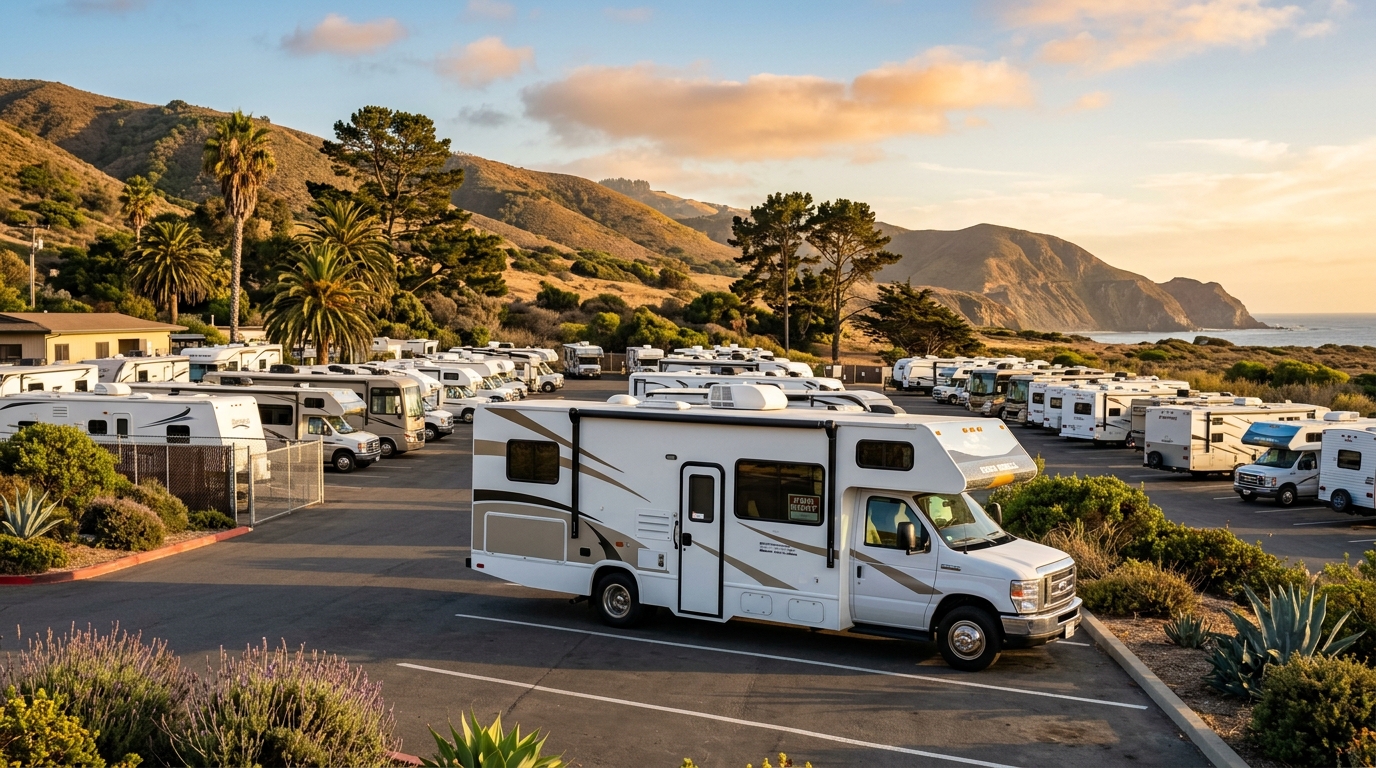
Traveling by rented RV is widely considered the best way to explore California, offering unparalleled flexibility to access its vast and diverse landscapes, from bustling cities to serene national parks and lesser-known regional gems. An RV eliminates the need for constant packing and unpacking, serving as both transport and lodging, which fosters a deeper, more immersive travel experience. Imagine waking up to a different spectacular view each day, having your coffee with the Pacific Ocean as your backdrop, or enjoying a fresh breakfast prepared in your onboard kitchen overlooking the Sierra Nevada mountains. You can even find inspiration from our
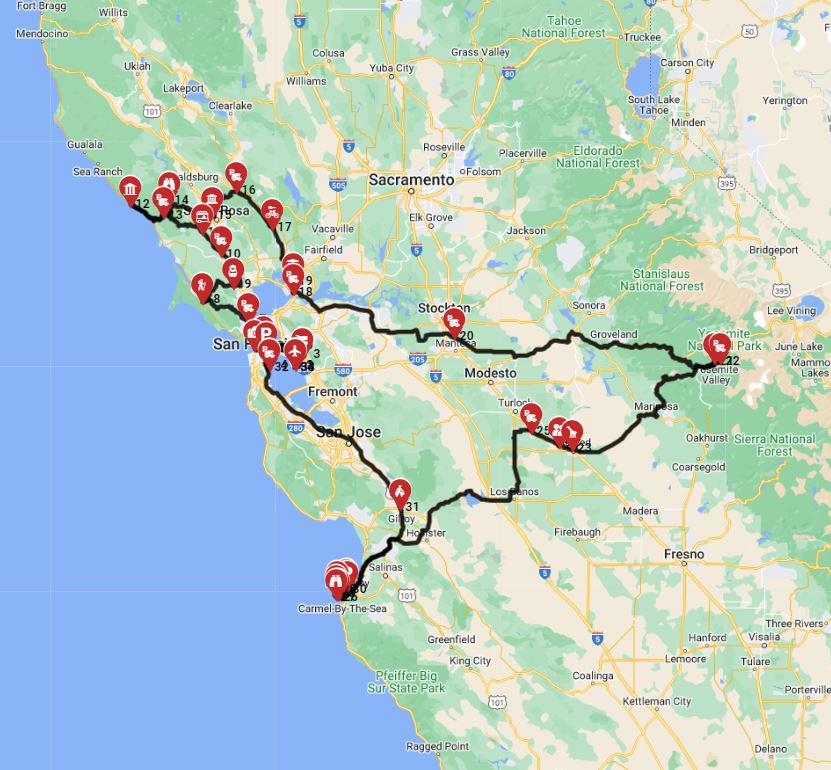
This mode of travel allows for spontaneous changes to your itinerary, letting you linger longer in places you love or detour to unexpected discoveries, a distinct advantage over fixed hotel bookings or tour packages. It’s particularly suited for experiencing California's outdoor-centric culture, enabling easy access to hiking, surfing, wine tasting, and other hobby-specific adventures. When you rent a motorhome, you have the freedom to follow your own path.
Is it worth renting an RV in California
Renting an RV in California is definitely worth it for those seeking a unique, flexible, and often more immersive way to experience the state's iconic scenery and diverse attractions. While initial rental costs, fuel, and campground fees can seem significant, RV travel can be more economical than combining traditional hotel stays, restaurant meals, and separate car rentals, especially for families or longer trips. The ability to cook your own meals, for example, can significantly reduce daily expenses.
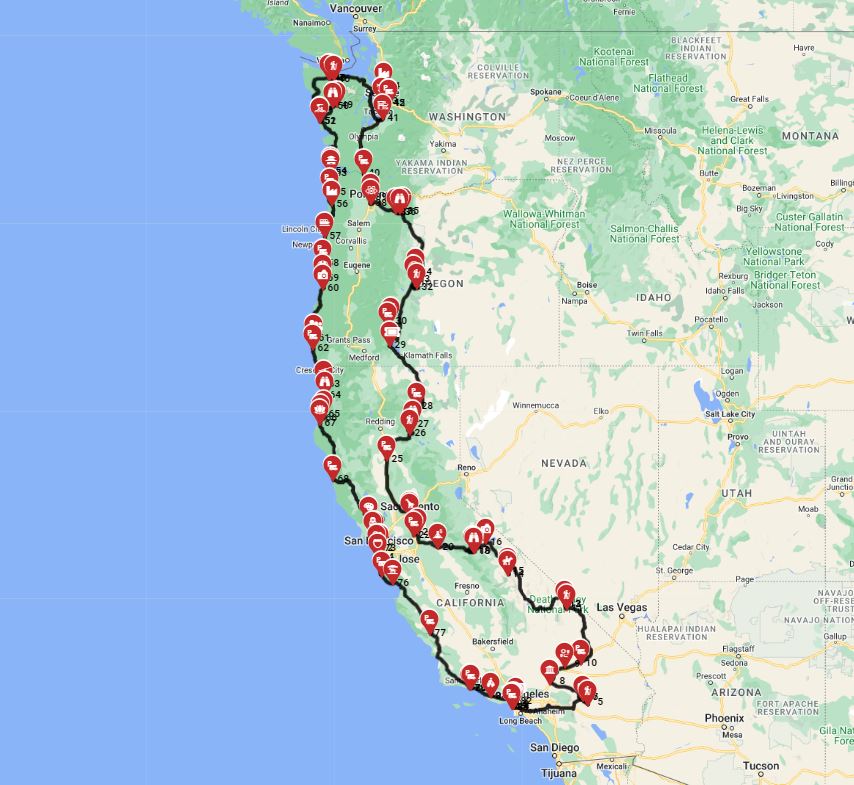
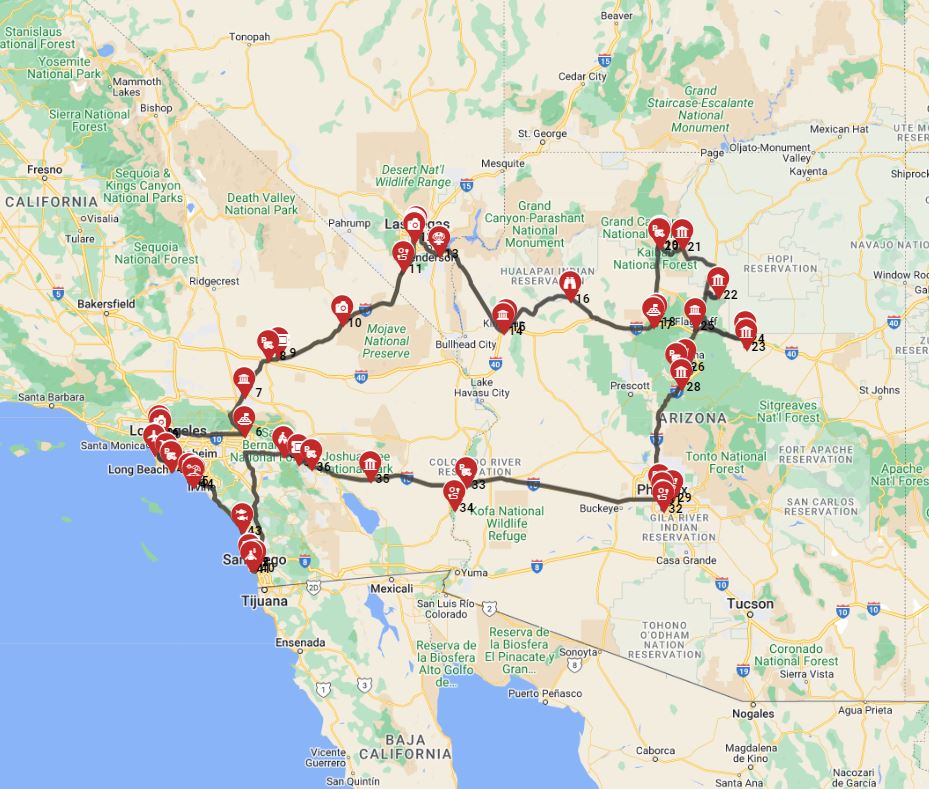
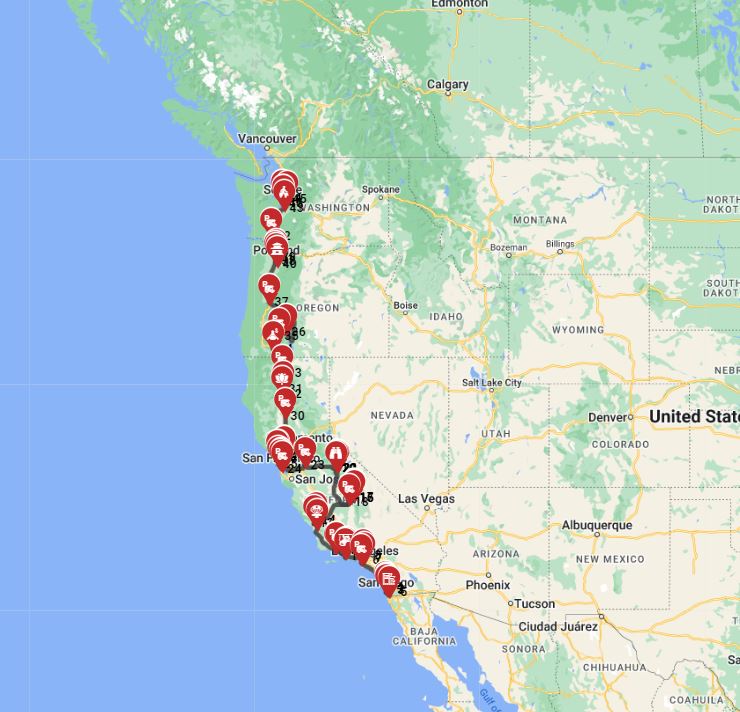
The freedom to set your own pace and wake up to breathtaking views in various locations provides an unparalleled sense of adventure and convenience. Imagine cruising from San Diego up the coast to the Pacific Northwest on an 18-day, 3370.8 km journey, with 6 hiking areas and 2 natural features to explore, as suggested in our
How much does it cost to rent an RV in California for a week
The cost to rent an RV in California for a week typically ranges from approximately $700 for a compact campervan to over $2,500 for a large luxury motorhome, with prices significantly influenced by the RV class, season, specific location, and how far in advance you book. Peak seasons, such as summer and major holidays, consistently see higher rental rates due to increased demand. For example, a "24' Class C Motorhome" might cost less than a "Luxury" Class A motorhome for a week. Beyond the base rental fee, expect potential additional costs for mileage packages, generator usage (often around $5 per hour), cleaning services, propane refills, and specific amenities or insurance upgrades.
For the most accurate and current pricing, always utilize Bandana's comparison platform, which provides real-time quotes based on your exact travel dates and preferred vehicle type. Remember, our full transparency means what you see is what you pay, with no surprise fees at pickup. For detailed pricing by duration, explore our "Weekly RV Rental in California - Pricing 2024" guide.
What are the cheapest RV rentals in California
The cheapest RV rentals in California are generally found among smaller, more fuel-efficient classes like Class B campervans, with nightly rates often starting around $100-$150, particularly through our comparison platform. To secure the lowest prices, consider booking during the off-season (fall, winter, excluding holidays), being flexible with your travel dates, and looking for older models. Booking well in advance can also provide access to better deals before availability becomes limited and prices rise, potentially saving you up to 20% by booking 90+ days out.
Strategically planning your trip to minimize mileage and exploring free camping options on public lands can further reduce overall travel expenses. Our "RV Rental in California - Prices and Best Deals 2024" guide offers more strategies for finding affordable options. We aim to help you compare final prices across suppliers, ensuring transparency and making budgeting simpler for your California adventure.
What do you need to know before renting an RV in California
Before renting an RV in California, it's crucial to thoroughly understand your rental agreement, review all insurance options, identify potential hidden fees, and familiarize yourself with the RV's operation. Many rental agreements for motorhomes like the "cruise america rv rental example Explorer" or "rv rentals utah example Sunrise Escape" include specifics on mileage, security deposits, and return conditions. Research specific local regulations regarding parking, campfire restrictions (especially during California's wildfire season), and any driving restrictions on certain scenic or mountainous roads. Planning your itinerary to include stops for essential logistical support like dump stations, potable water, and propane refills is vital, and always have a clear understanding of emergency procedures and roadside assistance.
Always conduct a detailed walk-through inspection with the supplier before departure to document existing damage and ensure all systems are functioning correctly. With Bandana, we handle the details, so you can live the journey, offering personal service from day one until your booking is confirmed. Our 24/7 support means real people are behind you every step of the way, ready to assist with pre-booking comparisons or booking support.
Where can I park an RV for free in California
You can park an RV for free in California through dispersed camping (boondocking) on public lands managed by the Bureau of Land Management (BLM) and within designated areas of National Forests, strictly adhering to Leave No Trace principles. While popular national parks primarily offer paid campgrounds, these vast public lands provide thousands of free overnight spots. Some rest stops and truck stops may permit overnight parking for a limited number of hours, primarily for rest rather than extended camping, with specific rules varying by location and often restricting stays to 8-12 hours.
It is imperative to research specific locations beforehand for current regulations, including fire restrictions, maximum stay limits (often 14 days within a 30-day period), and local ordinances, as enforcement is strict, particularly in environmentally sensitive or wildfire-prone areas. Utilize resources like iOverlander or FreeCampsites.net to identify legal and suitable free parking and boondocking spots across the state. Remember, Bandana focuses on longer trips, making free camping a great way to extend your adventure and save on RV PLANET routes ancillary costs.
How much are RV park fees in California
RV park fees in California vary widely, ranging from approximately $30-$70 per night for basic state or national park campgrounds to $70-$200+ per night for private RV resorts offering full hookups and extensive amenities. State and national park campgrounds are generally more affordable but often require reservations months in advance, especially for popular destinations like coastal areas or major national parks such as Yosemite, where spots can be booked 6-12 months out. However, many national/state parks reserve only 25-30% of spots for reservations-the rest are first-come-first-serve, so you'll find a spot, and if not at the first campground, then the next one. Always call ahead before driving.
Private RV parks and resorts often include full hookups (water, electricity, sewer), Wi-Fi, laundry facilities, pools, and recreational activities, with premium locations like those near theme parks or pristine beaches commanding higher prices. Always confirm cancellation policies, check for any minimum stay requirements during peak season (often 3-7 nights), and inquire about included amenities before booking to avoid surprises. For instance, the
What is the average gas mileage for RVs in California
The average gas mileage for RVs in California varies significantly by vehicle class and the state's diverse driving conditions, with Class B campervans typically offering the best fuel economy around 10 liters per 100 km (or approximately 23.5 miles per gallon). Larger Class A motorhomes and Class C models generally have lower mileage, ranging from 11-17 liters per 100 km (14-21 mpg), due to their size and weight. For example, a "MHC30" Class C motorhome might consume about 23 liters per 100 km (around 10 miles per gallon). Factors like terrain (steep mountain passes increase consumption), driving speed, and overall vehicle weight (including cargo) all play a crucial role in actual fuel efficiency.
Budgeting for higher fuel costs is essential for an RV trip in California, particularly for longer journeys or when exploring mountainous regions. Practicing conservative driving habits, like maintaining consistent speeds (max 100-150 km per day on average, as we recommend slow travel) and avoiding rapid acceleration, can help improve mileage. For more insights on total costs, consider our "RV Rental Deals in California - Latest Offers 2024" guide.
Can you take an RV anywhere in California
While a rented RV offers significant freedom, you cannot take it absolutely anywhere in California, as certain roads, national parks, and urban areas impose specific restrictions based on vehicle size or weight. Drive slowly and carefully, and you can drive almost anywhere without issues. No need to stress - just use common sense and pay attention. Some narrow or winding mountain roads, such as portions of Highway 1 in Big Sur or certain internal routes within Yosemite National Park, may have length or weight limits for RVs. Always consult road signage and official park regulations before venturing into unfamiliar or potentially restricted territories to ensure a smooth and compliant journey.
Many urban centers also have ordinances against overnight street parking for oversized vehicles, so planning your overnight stops at designated campgrounds or RV parks is crucial. For finding campsites and campgrounds during your trip, we recommend using RV PLANET (rvplan.net) - a great resource for locating available spots along your route. Keep an eye out for specific signage, especially in areas prone to wildfires, which may have temporary restrictions on vehicle access or open flame policies.
Do you need a special license to drive an RV in California
No special license, CDL, or additional permits are required for any rented motorhome in California; a standard Class C driver's license is generally sufficient for driving most RVs, specifically motorhomes under 26,000 pounds Gross Vehicle Weight Rating (GVWR). This covers all common rental motorhome classes, including Class A, Class B, and Class C vehicles. For visitors from non-English-speaking countries, an International Driving Permit (IDP) is recommended but is NOT mandatory in most cases when renting a motorhome.
It is always crucial to verify the specific GVWR of your rental RV and consult the California Department of Motor Vehicles (DMV) website for the most current and accurate licensing requirements if you have any doubts. Even without a special license, gaining familiarity and comfort with driving a larger vehicle through practice in a quiet area is highly recommended for safety and confidence on California's diverse roads.
What's the difference between an RV and a motorhome
The term 'RV' (Recreational Vehicle) is a broad, overarching category that encompasses all vehicles designed for temporary living and travel, including motorhomes, campervans, travel trailers, and truck campers. A 'motorhome' is a specific type of RV that is self-propelled, meaning it has an engine and driving compartment integrated directly into the living quarters. Motorhomes themselves are further categorized into classes such as Class A (Integrated), Class B (Campervan), Class C (Alcove), and Class SI (Semi-integrated), which are built on various chassis types.
Therefore, while all motorhomes are RVs, not all RVs are motorhomes. Travel trailers and truck campers are examples of RVs that are towed or mounted rather than driven independently. At Bandana, when we talk about RV rentals, we are exclusively referring to motorhomes and campervans, offering you the best self-driven adventure options. Our fleet includes models like the "MHLUX" Class A or a "Combi Van" campervan.
What You Shouldn't Miss
California is a treasure trove of experiences, and with a rented motorhome or campervan, you have the ultimate flexibility to discover its gems. Here are some must-do experiences:
- Coastal Cruise on Highway 1: Drive a rented Class B campervan along the iconic Pacific Coast Highway, especially the Big Sur section. Pull over at scenic viewpoints, watch for whales, and enjoy the breathtaking ocean vistas. The tight turns are easier in a compact model.
- Explore National Parks: Immerse yourself in the grandeur of Yosemite, Sequoia, or Joshua Tree National Parks. A Class C motorhome is perfect for families wanting to access the parks' main campgrounds and facilities. Plan your days to include hiking some of the many trails and stargazing at night.
- Wine Tasting in Napa Valley or Sonoma: Drive your RV to California's renowned wine country. Many vineyards offer RV parking, and nearby towns have charming overnight spots. Remember to appoint a designated driver!
- Desert Adventures in Death Valley: Witness the stark beauty of Death Valley National Park. Experience extremes from Badwater Basin to Zabriskie Point. Ensure your RV has good air conditioning if traveling in warmer months, and carry extra water.
- Urban Exploration with Ease: Head to vibrant cities like San Francisco, Los Angeles, or San Diego. Drive slowly and carefully, and you can drive almost anywhere without issues. No need to stress - just use common sense and pay attention to parking signs. Park your campervan at a city-fringe campground and use public transport or ride-shares to explore the urban highlights.
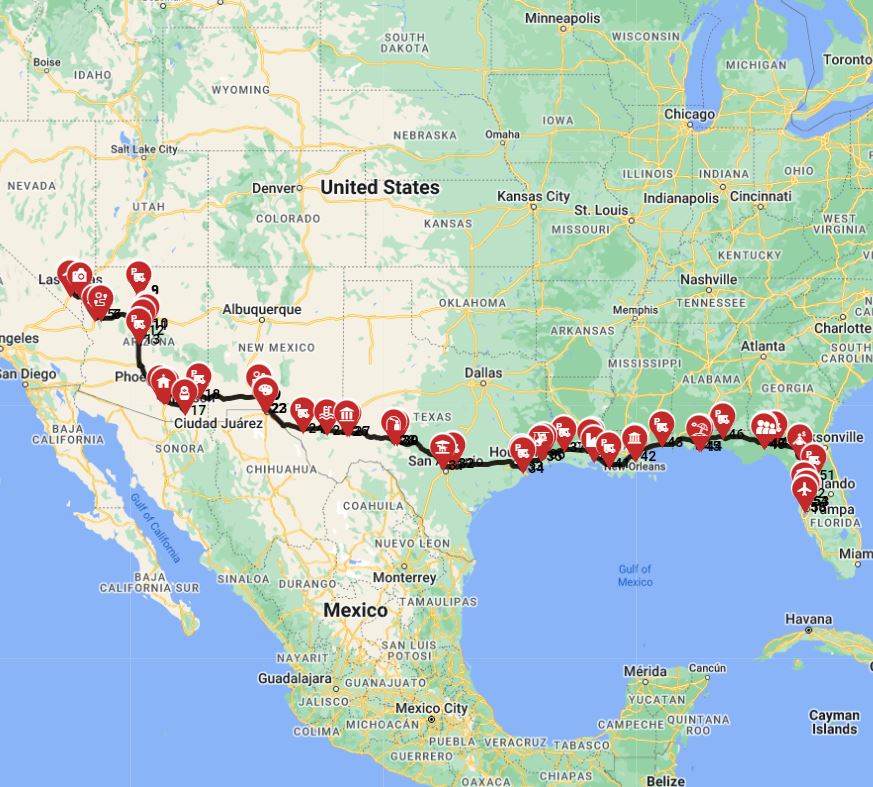
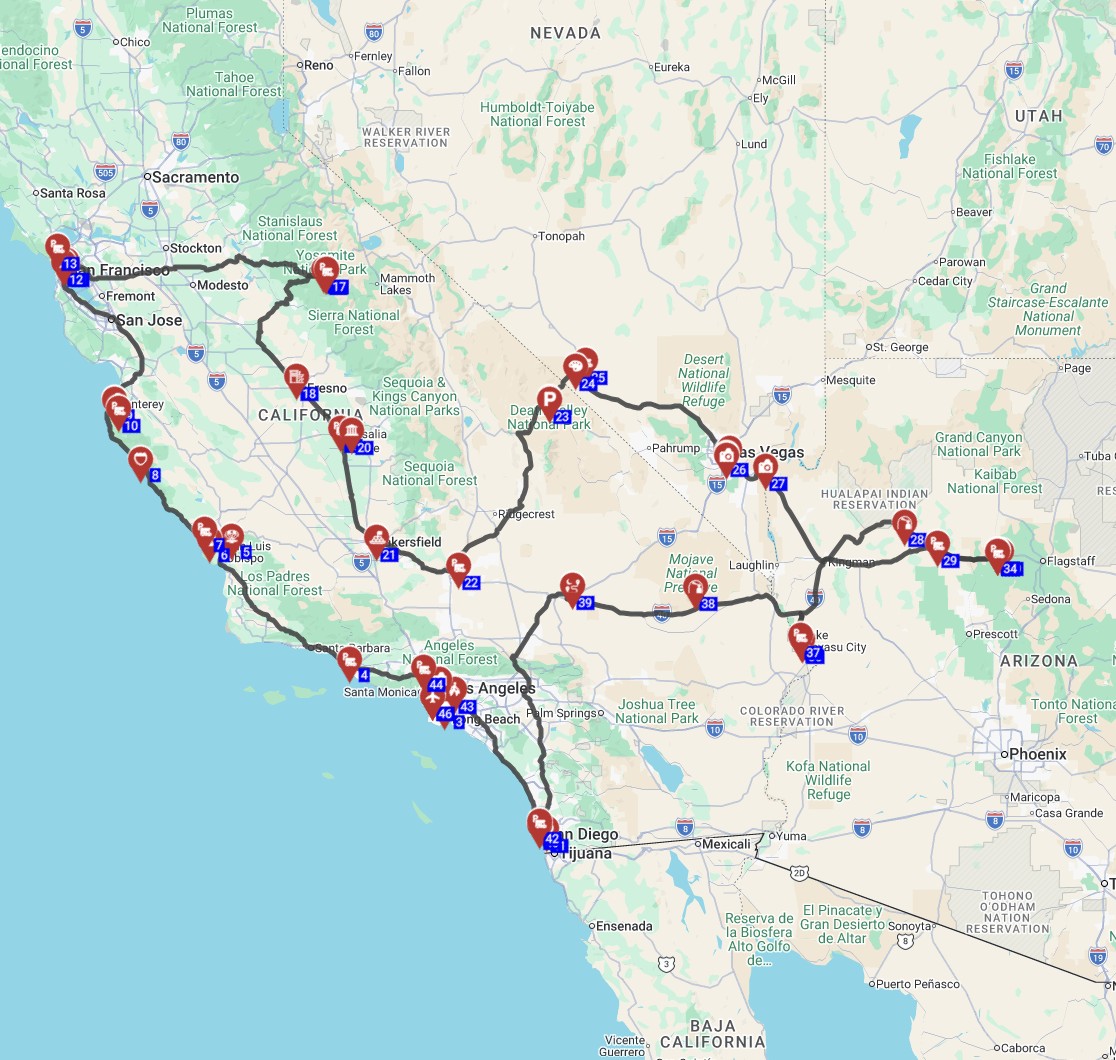
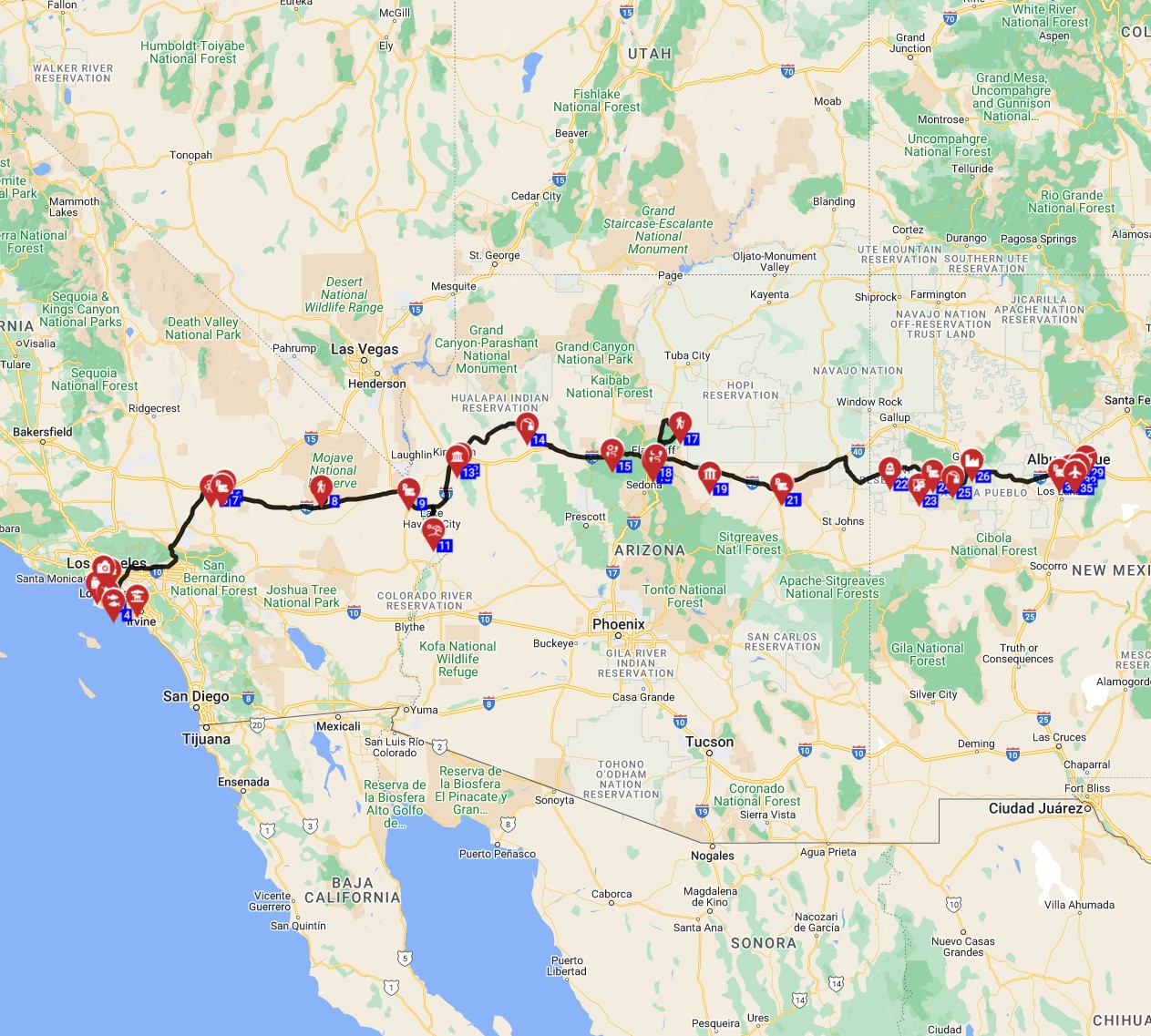
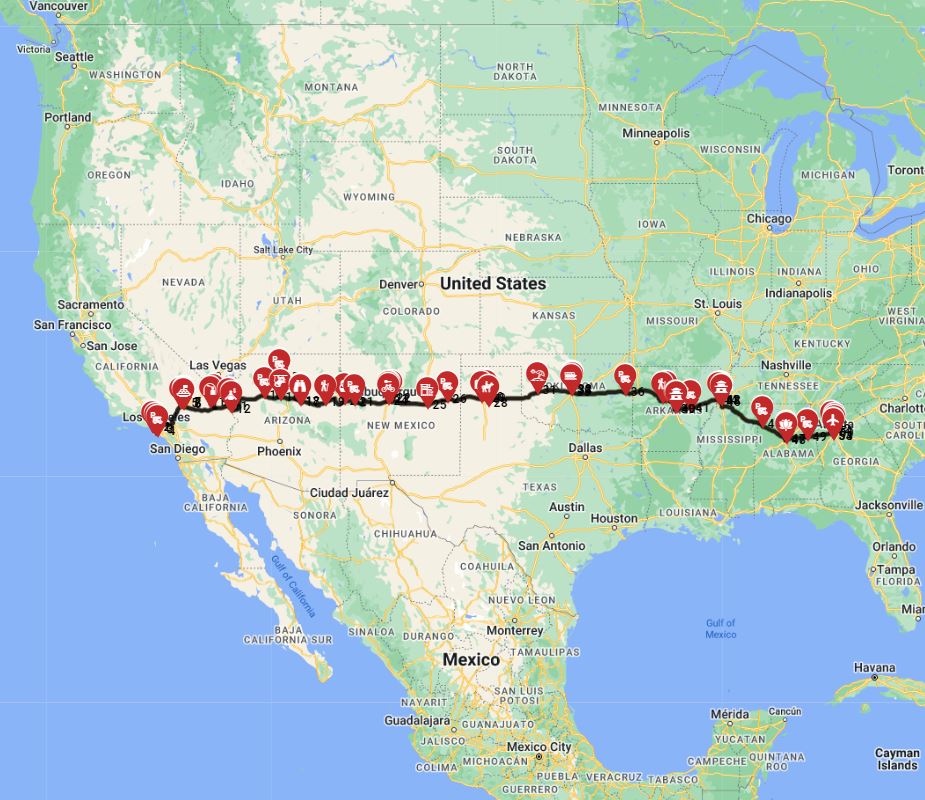
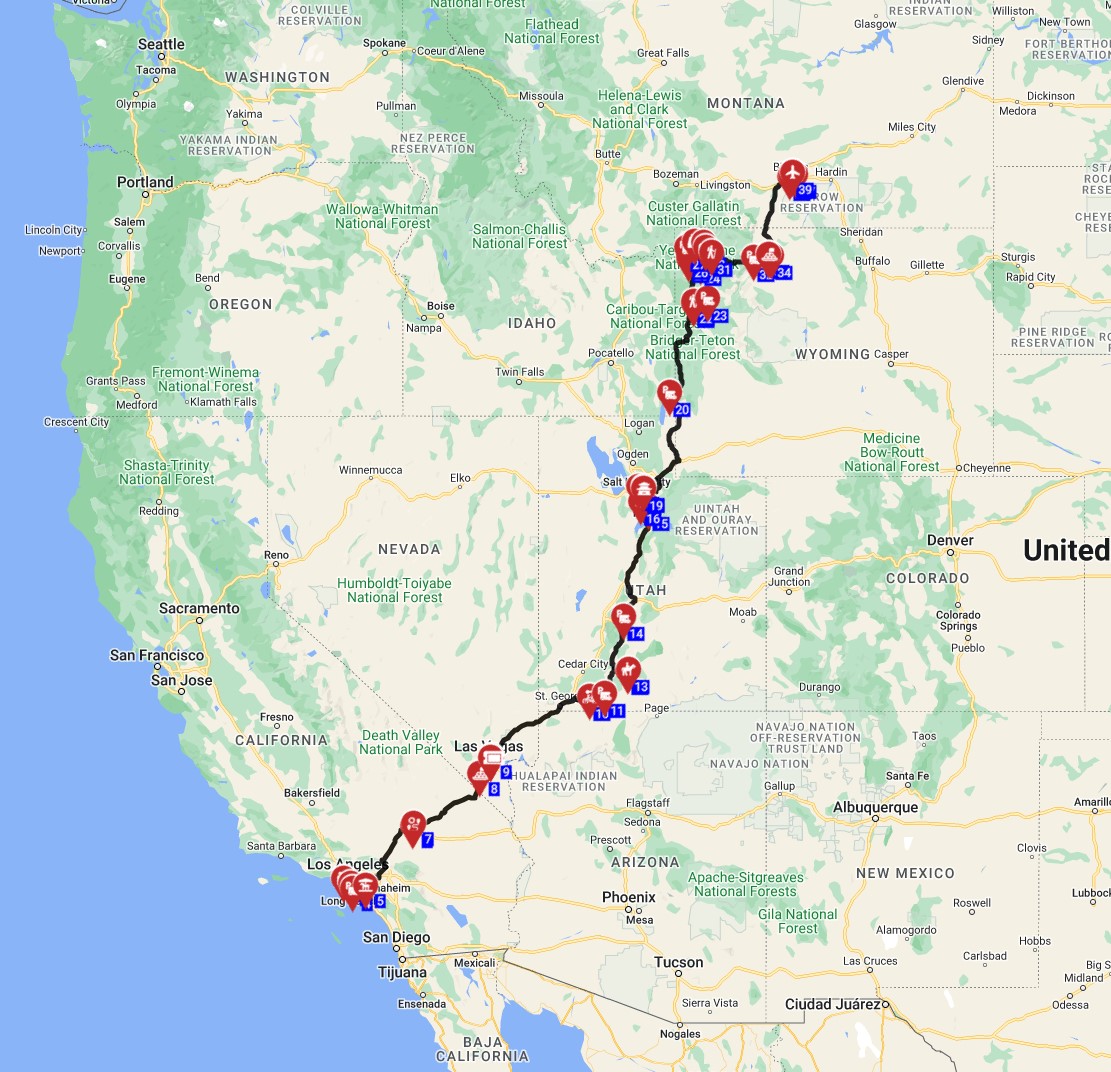
- Southern Roots and California Shores: Consider a longer, multi-state journey like the Charlotte to San Francisco - Southern Roots and California Shores route, a 27-day, 5690.1 km adventure that includes 9 hiking areas, 6 museums, and 5 natural features, providing a broad taste of the USA.
Final Thoughts
Your RV adventure through California is more than just a trip-it's an opportunity to create lasting memories, discover hidden gems, and experience unparalleled freedom. With a rented motorhome or campervan, the Golden State unfolds before you at your own pace, offering everything from serene natural beauty to vibrant cityscapes. We encourage you to travel slowly, averaging a maximum of 100-150 km per day, allowing yourself time to truly feel each place, connect to its culture, savor the local food, and absorb the breathtaking scenery.
At Bandana, we're here to ensure your journey is smooth, transparent, and utterly enjoyable. From comparing motorhome prices for California to providing 24/7 support and pre-planned routes, we're dedicated to being your trusted partner every step of the way. So, go ahead, plan that incredible road trip, and discover why RV travel in California is truly an experience of a lifetime!
Find RV rentals in California now and start planning your escape!