In This Guide
- Top 5 Tips for RV Rental in Spain
- Before You Book - Class, Dates, Insurance
- Pre-Trip Prep - Packing Checklist for Spain
- On the Road - Driving, Fueling, Navigation
- At the Campground - Setup, Hookups and Etiquette
- RV Rental-Specific Tips for Spain
- Common Mistakes to Avoid in Spain
- How much does it cost to RV in Spain?
- Can you stay in a motorhome anywhere in Spain?
- What is the RV community like in Spain?
- Can you RV in Spain in winter?
- Can you take an RV on Spanish ferries?
- How long can I stay in Spain with an RV?
- How to find authentic local experiences in Spain by RV?
- How to stay connected as an RV digital nomad in Spain?
- How to practice sustainable RV travel in Spain?
- What are the best RV routes and itineraries in Spain?
- What You Shouldn't Miss
- Why Book with Bandana Caravan
- Final Thoughts
- Frequently Asked Questions
Imagine touching down in beautiful Spain, ready to swap airport queues for scenic routes and historic charm. An RV adventure, often starting with an airport pickup, is truly one of the most liberating ways to experience this vibrant country, from its bustling cities to its tranquil coastlines and majestic mountains. Our comprehensive Airport RV Pickup Tips for Spain - Fly and Drive Guide 2026 is here to help you navigate your journey with ease. At Bandana RV, we’re true RV specialists, not just a side department of a travel agency, meaning we genuinely understand and love helping you discover the joy of the open road in a rented motorhome or campervan.
Whether you dream of a week-long trip exploring sun-drenched beaches or a two-week adventure through ancient villages, a rented RV provides unparalleled freedom and flexibility. For live availability and current prices, start with our RV Rental Spain - Complete Guide 2026 for an extensive overview of options and advice. We're with you every step of the way, offering supportive guidance before, during, and after your booking, ensuring full transparency with no hidden fees or surprises.
Top 5 Tips for RV Rental in Spain
Securing your ideal RV for a Spanish adventure requires some foresight and planning to ensure a smooth journey.
- **Book your RV well in advance, especially for peak seasons,** to secure preferred models and rates, potentially saving up to 15-20%. Spain's popular coastal and historical regions, like those highlighted in our "Weekly RV Rental in Spain - Pricing 2026" guide, see high demand.
- **Familiarize yourself with Spanish road signs and basic traffic laws** before you start your journey to ensure safe and confident driving. For instance, speed limits are generally 120 km/h on motorways and 90 km/h on national roads.
- **Consider a rented RV with adequate storage and sleeping arrangements** for your group's comfort, whether you're a couple looking for a nimble campervan like the rv rental denver example Category Van or a family needing a spacious Class C motorhome with 3 double beds.
- **Plan a flexible itinerary that allows for spontaneous stops** at interesting local spots, ensuring you travel slowly, averaging a maximum of 100-150 km per day, to truly absorb the culture and scenery.
- **Budget for additional costs like fuel, tolls, and various camping fees,** which can range from free 'Áreas de Autocaravanas' to full-service campsites costing €20-€50 per night. For managing these expenses, remember that RV PLANET routes allow you to itemize and track every expense for easy budgeting.
Before You Book - Class, Dates, Insurance
Making informed decisions before your booking significantly enhances your RV rental experience in Spain.
- Choosing Your RV Class: Select an RV class based on the number of travelers, desired comfort level, and the types of roads you anticipate driving. Smaller campervans (Class B) are agile for city streets, while larger motorhomes (Class C or A) offer more amenities for longer trips. For example, a "hire campervan example Paradise S/T" could be ideal for two couples, while a "rv rentals example Comfort Class" is perfect for a family of 2+2, offering ample space.
- Locking in Dates: Rental prices for a rented campervan or motorhome fluctuate seasonally, just like flight tickets, changing daily based on availability, seasonality, and supplier marketing decisions. Booking during shoulder seasons (spring/autumn) can offer a balance of good weather and potentially lower prices, while summer (July-August) sees the highest demand and rates. Confirming your dates early is especially important if traveling during holidays, but spontaneous travelers will still find options, as many national and state parks keep 70-75% of their spots first-come, first-served.
- Insurance Options: Basic insurance is always included with your RV rental in Spain. To see prices including the most comprehensive coverage, select that option during your search on our platform; then all relevant insurance options will be shown. We also offer an optional upgrade to a top-level deductible for extra peace of mind, allowing you to travel with confidence. We believe in full transparency, with no hidden fees or surprises.
Pre-Trip Prep - Packing Checklist for Spain
Packing smart for your RV rental adventure in Spain ensures you have everything you need without overpacking.
Clothing:
- Lightweight, breathable layers (for varying temperatures, especially when transitioning from coast to mountains).
- Swimsuit and beach towel (if visiting coastal areas like the Costa del Sol).
- Comfortable walking shoes for exploring cities and natural parks.
- Rain jacket or umbrella (especially in northern Spain, like Galicia).
- Sun hat and sunglasses are essential year-round.
Kitchen Essentials (Check what's included with rental):
- Reusable water bottles to stay hydrated and reduce plastic waste.
- Coffee/tea supplies to enjoy your morning brew with a view.
- Basic cooking spices, oil, and non-perishable staples for preparing meals in your RV's kitchen. For recipe inspiration, check out our RV-friendly recipes playlist.
- Dish soap and sponges for easy cleanup.
Safety & Comfort:
- First-aid kit for minor emergencies.
- European plug adapter (Type F) and power bank for charging devices.
- Headlamps or flashlights for evening strolls or campsite setup.
- Insect repellent, especially in rural or marshy areas.
- Small backpack for day trips and excursions.
Documents & Navigation:
- Valid driver's license (a standard car license is sufficient for all motorhome classes in Spain). An International Driving Permit is often recommended for non-EU drivers but is not mandatory in most cases.
- Passport/ID and any necessary visa documents.
- RV rental agreement and insurance documents, which you'll receive from us after booking.
- GPS device or reliable smartphone navigation (with offline maps downloaded) to guide you through Spain's diverse landscapes.
- Roadside assistance contact information, provided with your rental, to ensure you're never alone on the road.
At the Campground - Setup, Hookups and Etiquette
Setting up your rented RV at a Spanish campsite or 'Área de Autocaravanas' is straightforward, allowing you to quickly relax and enjoy your surroundings.
Parking and Leveling: Upon arrival, always park your RV in the designated spot, ensuring it doesn't obstruct other vehicles or amenities. Use leveling blocks if necessary to ensure your RV is stable and comfortable. This simple step helps your refrigerator function correctly, prevents water from pooling in the shower, and significantly improves your sleep quality. Many spots in Spain, particularly at 'Áreas de Autocaravanas', are designed with easy access and leveling in mind.
Electrical Hookup: Connect your rented RV to the electrical pedestal using your provided power cable. Ensure the connection is secure, and check that your RV's internal circuit breakers are on. Spain uses Type F (Schuko) sockets, so international travelers might need a European plug adapter, which is a common item on a packing checklist. This connection provides power for your interior lights, appliances, and any charging needs.
Water Hookup: For fresh water, connect a potable water hose to the campground's water source and your RV's fresh water inlet. Always use a dedicated drinking water hose to prevent contamination. You can choose to continuously hook up or simply refill your tank as needed. Remember to disconnect the hose when not actively filling to avoid pressure issues or trip hazards.
Waste Disposal: Responsible waste disposal is a cornerstone of RV travel. Locate the designated grey water (from sinks and showers) and black water (from the toilet) disposal points. Empty grey water first, then black water, and rinse the black water tank thoroughly if a hose is available. Always use these designated points only and never dispose of waste indiscriminately, preserving Spain's beautiful natural environments for everyone. Many 'Áreas de Autocaravanas' offer these services for free or a nominal fee.
Campsite Etiquette: Respecting your neighbors and the campground rules ensures a pleasant experience for all. Observe quiet hours, typically from late evening until morning, by keeping noise levels down. Maintain a tidy pitch, dispose of trash properly, and be mindful of your water and electricity consumption. A friendly 'hola' or 'buenos días' goes a long way in fostering a welcoming atmosphere with fellow travelers and campground staff.
RV Rental-Specific Tips for Spain
Tailoring your rented RV experience to your travel style ensures maximum enjoyment of Spain's diverse offerings.
For Families: Opt for a larger RV motorhome model like a "Group G" with a bunk bed, offering separate sleeping areas for children and adults, or multiple double beds for larger families. Plan routes with shorter daily driving distances, averaging no more than 100-150 km per day, and include frequent stops at parks, beaches, or family-friendly attractions. An awning provides crucial shade for outdoor play or relaxing naps during warm Spanish afternoons, and many vehicles come equipped with living room heating for cooler evenings. Check out our Pet-Friendly RV Rental in Spain - Pricing 2026 guide if you're bringing your furry friends along.
For Couples: A nimble campervan (Class B) such as the "rv rental denver example Category Van" or a compact semi-integrated motorhome like the "Luxury Small" is perfect for couples, offering ease of driving and parking in smaller towns and cities. Focus on romantic routes, perhaps exploring wine regions or coastal paths. These vehicles provide all essential amenities without the bulk, making spontaneous stops more manageable. For budget-conscious couples, consider our "Cheap RV Rental in Spain - Budget Guide 2026" to find the best value.
For Budget Travelers: Maximize savings by utilizing Spain's numerous free or low-cost overnight parking spots, known as 'Áreas de Autocaravanas'. Prioritize cooking most of your meals in your rented RV's kitchen to save on dining out expenses. Travel during the shoulder seasons (spring or autumn) for lower rental rates and fewer crowds at popular sites. Our "RV Rental in Spain - Prices and Best Deals 2026" provides further insights into cost-effective options.
For Senior Travelers: Choose an RV with an automatic transmission for easier driving and ensure it has comfortable, accessible beds. Many motorhomes offer rear beds at a convenient height, avoiding the need for climbing. Plan more relaxed itineraries, allowing ample time for rest, leisurely exploration, and enjoying local culture at your own pace. A smaller, yet fully equipped, Class B or C rented RV can be ideal for ease of navigation.
For Luxury Seekers: Look for premium Class A or large Class C motorhome models, which often feature amenities like larger bathrooms, integrated entertainment systems, and expansive living areas. Vehicles like the "Luxury" or "Comfort Luxury" models might offer a refrigerator with freezer, multi-burner gas stoves, and even sun canopies. Consider adding premium linen or kitchen packages, and book full-service campsites with resort-style facilities, perhaps along the coast or near major historic cities for an indulgent experience. Our "Luxury RV Rental in Spain - Premium Prices 2026" offers a detailed look at high-end options.
Common Mistakes to Avoid in Spain
Even seasoned RVers can encounter surprises in a new country, so being aware of common pitfalls in Spain will enhance your journey.
- **Not Booking Campsites Ahead:** Instead, especially during peak season or in popular tourist areas, reserve your spots at campsites or 'Áreas de Autocaravanas' in advance to avoid disappointment. While many national parks reserve 70-75% of spots for first-come, first-serve, calling ahead is always recommended.
- **Underestimating Road Sizes:** Drive slowly and carefully, and you can drive almost anywhere without issues. No need to stress - just use common sense and pay attention. Use an RV-specific GPS or carefully map out routes, particularly when venturing into smaller towns or mountainous regions where roads can be narrow and winding.
- **Overlooking Siesta Times:** Instead, adapt your schedule. Many shops and businesses, especially outside major cities, close for a few hours in the afternoon, typically between 2-5 PM. Plan errands for the morning or late afternoon to avoid closures.
- **Ignoring Local Parking Rules:** Instead, always check signs carefully, as parking rules vary by municipality, and fines can be steep. Ensure your rented RV is legally parked and not obstructing traffic or access, particularly in historic city centers.
- **Not Learning Basic Spanish Phrases:** Instead, make an effort to learn common greetings and essential phrases. While English is spoken in major tourist areas, a few Spanish words can significantly enhance your interactions with locals and prove invaluable in less touristed regions, making for a richer, more authentic experience.
How much does it cost to RV in Spain?
RV rental costs in Spain typically range from €70 to €200 per day, varying significantly based on the season, RV size, and rental duration, with additional expenses for fuel, tolls, and camping.
Rental Base Price: The cost of renting a motorhome in Spain is dynamic, much like flight tickets, changing daily based on availability, seasonality, and supplier marketing decisions. Expect to pay more for larger, newer models like a Class A "rent motorhome example E3" or during high season (June-August). Off-peak rates during winter or shoulder seasons can be considerably lower. For a detailed breakdown, explore our "RV Rental in Spain - Prices and Best Deals 2026" guide.
Fuel Costs: Diesel ('gasóleo') is the most common fuel type for rented RVs. Fuel prices in Spain are generally comparable to other Western European countries, so factor in your planned mileage. An average RV consumes about 10-14 liters per 100 km, so for a 2,000 km trip, you could expect to spend around €200-€300 on fuel. Remember, to track these and other expenses, RV PLANET routes allow for easy itemization.
Tolls (Peajes): Many motorways have tolls, which can add up, especially if traveling long distances on express routes. Budgeting for these or planning to use slower, toll-free national roads is a personal choice. A route from Barcelona to Seville, for instance, might incur €30-€50 in tolls one-way.
Camping Options:
- Wild Camping/Freedom Camping: Generally free, but rules vary by municipality (see 'Can you stay in a motorhome anywhere in Spain?'). While often tolerated, always be respectful and leave no trace.
- 'Áreas de Autocaravanas': Dedicated motorhome service areas, managed by municipalities, often provide free or very low-cost parking (€5-€15 per night) with basic services like water and waste disposal. Spain has a fantastic network of these.
- Campsites: Full-service campsites with amenities like showers, electricity, and swimming pools typically cost €20-€50 per night, depending on location and season. Booking 3-6 months in advance for peak season can secure preferred spots.
Food and Activities: Your daily food budget depends heavily on whether you primarily cook in your rented RV (saving significantly, especially using local markets) or dine out. Entry fees for attractions, excursions, and local experiences, such as those found on a "Ruta de la Plata" itinerary, should also be factored into your budget. For a detailed look at cost management, consider our "Cheap RV Rental in Spain - Budget Guide 2026".
Can you stay in a motorhome anywhere in Spain?
In Spain, overnight parking in a motorhome or campervan is generally permitted where other vehicles can legally park, however, setting up camp (e.g., deploying awnings, tables) is restricted to designated campsites or 'Áreas de Autocaravanas'.
Parking vs. Camping: The crucial distinction in Spanish law is between parking your vehicle and actively camping. Parking is often tolerated in legal parking spots, meaning your rented RV simply occupies a space without external modifications. Camping, however, involves extending beyond the vehicle's footprint by putting out chairs, tables, or an awning, and is usually illegal outside designated areas. To avoid issues, always ensure your setup adheres strictly to parking rules.
'Áreas de Autocaravanas': These are specific service areas for motorhomes, often managed by municipalities, offering parking, fresh water, and waste disposal facilities. Spain has hundreds of these, many of which are free or low-cost (€5-€15) and are excellent for overnight stays. They are a core part of the Spanish RV culture and community.
Municipal Variations: Rules regarding overnight RV parking can differ significantly between regions and even individual municipalities. Some coastal or heavily touristed areas, such as those in Catalonia or along the Costa del Sol, may have stricter regulations or outright bans on overnight RV parking in certain zones, especially during peak season. Always look for local signage and respect restrictions.
Respectful Practices: To avoid fines and maintain goodwill with local communities, always adhere to a "leave no trace" policy. This means properly disposing of all waste, not littering, respecting local signage, and ensuring your rented RV is not blocking access or disturbing residents or nature. When in doubt, it is always best to seek out a designated campsite or an 'Área de Autocaravanas'. You'll find a spot; if not at the first campground, then the next one. Call ahead before driving to confirm availability.
What is the RV community like in Spain?
The RV community in Spain is vibrant and welcoming, characterized by a strong sense of camaraderie, particularly evident at 'Áreas de Autocaravanas' where social interaction and shared experiences are common.
Culture of Camaraderie: Spanish RVers, known as 'autocaravanistas', often share tips, stories, and even meals, creating a warm, communal spirit. This friendly atmosphere is a highlight of traveling by rented motorhome or campervan in Spain. You'll frequently find travelers from across Europe, not just Spain, sharing advice on the best local spots or a new RV-friendly recipes playlist.
Social Hubs: The 'Áreas de Autocaravanas' mentioned earlier serve as informal social hubs where travelers gather. It’s common to see groups chatting in the evenings, exchanging local recommendations, and simply enjoying the relaxed pace of RV life. This sense of belonging is part of what makes RVing in Spain so special.
Local Customs and Etiquette: While generally informal, politeness and respect are key within the community. A simple 'hola' (hello) or 'buenos días' (good morning) can open doors to friendly interactions. Respecting quiet hours, keeping your area tidy, and leaving no trace are unwritten rules that everyone follows.
Family-Oriented: RVing is often a cherished family activity in Spain. You’ll frequently see multi-generational groups enjoying trips together, especially during school holidays and regional festivals. This makes it a fantastic environment for families seeking a shared adventure.
Environmental Awareness: The Spanish RV community increasingly emphasizes responsible and sustainable travel. There's a growing commitment to proper waste disposal, conserving resources, and respectful interaction with natural environments, aligning with global eco-tourism efforts.
Can you RV in Spain in winter?
Yes, RVing in Spain during winter is an excellent option for mild weather and fewer crowds, particularly in southern regions like Andalusia and along the Mediterranean coast.
Best Regions for Mild Weather: Southern Spain, including Andalusia and Murcia, and the Mediterranean coast, encompassing Valencia and Costa Blanca, offer significantly milder winters compared to central or northern Europe. These regions boast many sunny days, with average temperatures rarely dropping below 10°C (50°F), making them perfect for a winter escape in a rented RV.
Winter Activities: Winter RV travel in Spain allows you to enjoy hiking in national parks without the summer heat, explore historic cities and towns without the crowds, or simply relax on less-populated beaches. Skiing is also a popular option in the Sierra Nevada mountains, just a short drive from the warm coast, showcasing Spain's incredible geographic diversity.
Advantages of Off-Season Travel: Beyond the pleasant climate, you'll experience fewer tourists at popular attractions, potentially lower RV rental and camping prices, and a more authentic local atmosphere. This makes it an ideal time for slow travel, allowing you to connect deeper with the culture, the food, and the scenery, typically averaging 100-150 km per day.
Challenges: While generally mild, some northern and central areas of Spain can experience cold temperatures, occasional snow, and shorter daylight hours. It’s also important to note that some smaller campsites or seasonal attractions might be closed during the off-peak months, so always check opening times and availability beforehand. For winter preparedness, a rented motorhome like the "Koru Star 4 Freedom" or "2 Berth Hi Top" often feature heating systems.
RV Preparation: Ensure your rented RV's heating system is fully functional for colder nights, even in the south. Filling up with fuel and supplies in larger towns is advisable, as smaller ones may have reduced services during the quieter season. Our RV Rental Europe - Complete Guide 2026 offers broader advice for winter travel in the continent.
Can you take an RV on Spanish ferries?
Yes, you can typically take a rented RV on Spanish ferries, especially those connecting mainland Spain with the Balearic Islands, Canary Islands, or even Morocco, though booking well in advance is highly recommended due to limited space and specific pricing for larger vehicles.
Ferry Routes: Major ferry operators such as Baleària, GNV, and Trasmediterránea provide extensive services from mainland Spanish ports like Barcelona, Valencia, Denia, Cádiz, and Algeciras. These routes can take your rented motorhome to popular destinations including Mallorca, Ibiza, Gran Canaria, Tenerife, and even Tangier in Morocco, opening up incredible multi-country itineraries.
Booking Process: When booking your ferry tickets, accurately provide your rented RV's exact length, height, and width, including any roof racks or bike carriers. These precise dimensions are critical for both pricing and ensuring adequate space on the car deck. Incorrect measurements could lead to issues or additional charges at the port.
Pricing: RVs are priced differently from standard cars on ferries, usually based on their dimensions. Larger RVs, such as a Class C motorhome like the "Adak Argonaut 28 - Gold", will incur higher costs than a compact campervan like the "hire campervan example Active Classic". Comparing prices across different operators and considering off-peak travel can lead to potential savings. For details on pricing, refer to our "One-Way RV Rental in Spain - Price Guide 2026" which often covers transport costs.
Onboard Experience: Once onboard, you'll typically park your rented RV on a designated vehicle deck and then proceed to the passenger areas. Many overnight ferries offer comfortable cabins, which can be booked for a more relaxed journey. Always ensure your RV is securely parked and any loose items inside are safely stowed before the ferry departs.
How long can I stay in Spain with an RV?
Non-EU citizens can generally stay in Spain with a rented RV for up to 90 days within any 180-day period under the Schengen Area rules, while EU citizens face no time limits on their stay.
Schengen Area Rules (Non-EU Citizens): Spain is a member of the Schengen Area, which operates as a single travel zone without internal border controls. Visitors from non-EU countries, such as the USA, Canada, or the UK post-Brexit, are permitted to stay for a maximum of 90 days within any 180-day period across all Schengen countries combined. Overstaying this limit can result in significant fines, deportation, or future entry bans, so it's crucial to track your days carefully for any extended road trip.
EU Citizens: Citizens of EU member states, as well as those from Iceland, Liechtenstein, Norway, and Switzerland, enjoy the right to free movement within the EU. This means they can stay in Spain indefinitely with their rented RV, subject to national residency laws if planning very long-term stays (beyond three months).
Visa Requirements for Longer Stays: If you are a non-EU citizen and wish to stay in Spain longer than the standard 90 days, you would need to apply for a specific long-stay visa (e.g., a tourist visa, student visa, or non-lucrative visa) from a Spanish consulate in your home country before your trip. This process can be complex, requires specific documentation, and should be initiated well in advance of your planned departure for an extended RV adventure.
Practicalities for Extended Stays: For long-term RV travelers planning extended trips, consider setting up a Spanish SIM card for reliable connectivity. Ensure your rented RV's registration and insurance are valid for the entire duration of your stay. Planning longer itineraries, focusing on slow travel of maximum 100-150 km per day, allows you to truly immerse yourself in the culture and rhythm of Spanish life.
How to find authentic local experiences in Spain by RV?
To find authentic local experiences while RVing in Spain, focus on visiting smaller villages, attending regional festivals, engaging with locals at markets, and exploring non-touristy natural parks or culinary routes with your rented motorhome.
Explore Smaller Villages: Venture beyond the major cities like Barcelona or Seville. Rural villages offer a genuine glimpse into traditional Spanish life, unique architecture, and local crafts. Park your rented RV respectfully in a designated area and take time to wander the streets, perhaps enjoying a traditional "menu del día" at a local eatery.
Attend Regional Festivals: Check local tourism calendars for 'fiestas' or 'romerías'. These events, often centered around religious holidays, agricultural seasons, or local saints, provide vibrant cultural immersion. You’ll experience traditional music, dance (like flamenco in Andalusia), and unique regional foods. These are fantastic opportunities to connect with the local pulse of Spain.
Engage at Local Markets: Visit municipal markets ('mercados') in towns and cities to buy fresh produce, local cheeses, cured meats, and other regional specialties. Strike up conversations with vendors – many are happy to share recommendations, offer samples, or tell you about their products and local traditions. This is a great way to stock your RV kitchen for memorable meals on board.
Discover Non-Touristy Spots: Seek out less-advertised natural parks, hidden coves along the coast (such as those on the Costa de la Luz), or hiking trails popular with locals rather than international tourists. Spain’s extensive network of over 130 'Vías Verdes' (Greenways), converted from disused railway lines, offers traffic-free routes for cycling and walking, providing tranquil beauty away from the crowds.
Experience Local Gastronomy: Beyond the well-known tapas bars, inquire about regional specialties in family-run restaurants. Each region of Spain boasts its own unique cuisine. Don't be afraid to try local wines, ciders (in Asturias), or specific pastries. The beauty of a rented RV is you can bring these culinary discoveries back to your mobile home for an evening feast. For more cooking ideas, see our RV-friendly recipes playlist.
Connect with Locals: Learning a few basic Spanish phrases can significantly enhance your interactions. Spaniards are generally warm and hospitable, and even a simple attempt at their language can lead to memorable encounters and invaluable local insights. Don't be afraid to ask for recommendations for the best local spots or hidden gems.
How to stay connected as an RV digital nomad in Spain?
RV digital nomads in Spain can maintain connectivity through local SIM cards offering generous data plans, portable Wi-Fi devices, and utilizing Wi-Fi available at many campsites and some 'Áreas de Autocaravanas'.
Local SIM Cards: The most reliable and cost-effective way to stay connected is to purchase a prepaid SIM card from major Spanish mobile providers like Movistar, Orange, or Vodafone upon arrival. These companies offer excellent 4G and increasingly 5G coverage across most of the country, with various data packages suitable for remote work. A typical data plan of 50-100GB can cost around €20-€30 per month.
Portable Wi-Fi Devices (MiFi): Consider investing in a portable Wi-Fi hotspot, also known as a MiFi device. You can insert a local Spanish SIM card into this device to create a personal Wi-Fi network within your rented RV, allowing multiple devices to connect. This is particularly useful for couples or groups traveling together with devices like laptops, tablets, and smartphones.
Campsite Wi-Fi: Many private campsites across Spain offer Wi-Fi, often included in the nightly rate or available for a small fee. While the quality and speed can vary from basic browsing to streaming-capable, it's generally reliable enough for essential tasks like email, video calls, and project management. Always check reviews or call ahead to confirm Wi-Fi quality if it's crucial for your work.
'Áreas de Autocaravanas' and Public Wi-Fi: Some 'Áreas de Autocaravanas' may offer limited Wi-Fi access, though it tends to be less common and less robust than at private campsites. Additionally, cafes, restaurants, and public libraries in towns and cities often provide free Wi-Fi access, offering alternative workspaces for digital nomads.
Coverage in Remote Areas: While Spain boasts good general mobile coverage, be prepared for potential dead zones in very remote mountainous regions or deep within national parks, like Ordesa y Monte Perdido. It's always a good practice to download essential documents, maps, and even entertainment for offline access, especially when planning routes through less populated areas.
Power Solutions: Ensure your rented RV has reliable power solutions to keep your devices charged. Many modern motorhomes come equipped with robust leisure batteries and inverters, and some might feature solar panels, allowing you to work off-grid for longer periods. Supplemental power banks are also a good idea for charging smaller devices.
How to practice sustainable RV travel in Spain?
Practicing sustainable RV travel in Spain involves minimizing waste by separating recyclables, conserving water and electricity, using designated waste disposal points, and supporting local businesses and communities directly.
Waste Management: Spain has a strong recycling infrastructure. Utilize the clearly marked recycling bins (often color-coded for plastics/cans, paper, and glass) found in towns, cities, and at most campsites. Always separate your waste in your rented RV and ensure proper disposal. Critically, always use designated grey and black water disposal points and never discharge waste into natural environments. This responsible practice helps preserve Spain's stunning landscapes.
Conserve Resources: Be mindful of your water and electricity consumption in your motorhome or campervan. Take shorter showers, turn off lights when not needed, and unplug devices when not in use. Many modern RVs, such as the "Active Pop Top" or "Combi Van," are designed with efficiency in mind, making conservation easier. Consider renting an RV equipped with solar panels for extended off-grid stays, reducing reliance on external power.
Support Local Economies: Make a conscious effort to purchase groceries, crafts, and services from local shops, markets ('mercados'), and small businesses rather than large chain stores. Dine at family-run restaurants and patronize local tour operators. This directly contributes to the community and provides a more authentic cultural experience, aligning with the spirit of slow travel, averaging 100-150 km per day.
Respect Nature and Wildlife: When exploring Spain's beautiful natural parks and protected areas, stick to marked trails and designated paths. Observe wildlife from a distance and avoid disturbing natural habitats or removing any natural elements. Responsible travel minimizes your impact on the delicate ecosystems you are enjoying.
Minimize Your Footprint: Drive efficiently to reduce fuel consumption, perhaps by maintaining a steady speed and avoiding aggressive acceleration. Choose established campsites or 'Áreas de Autocaravanas' over inappropriate wild camping to lessen impact on sensitive areas. Always leave every spot cleaner than you found it, adhering to the "leave no trace" principle, ensuring future travelers can enjoy Spain as much as you do.
What are the best RV routes and itineraries in Spain?
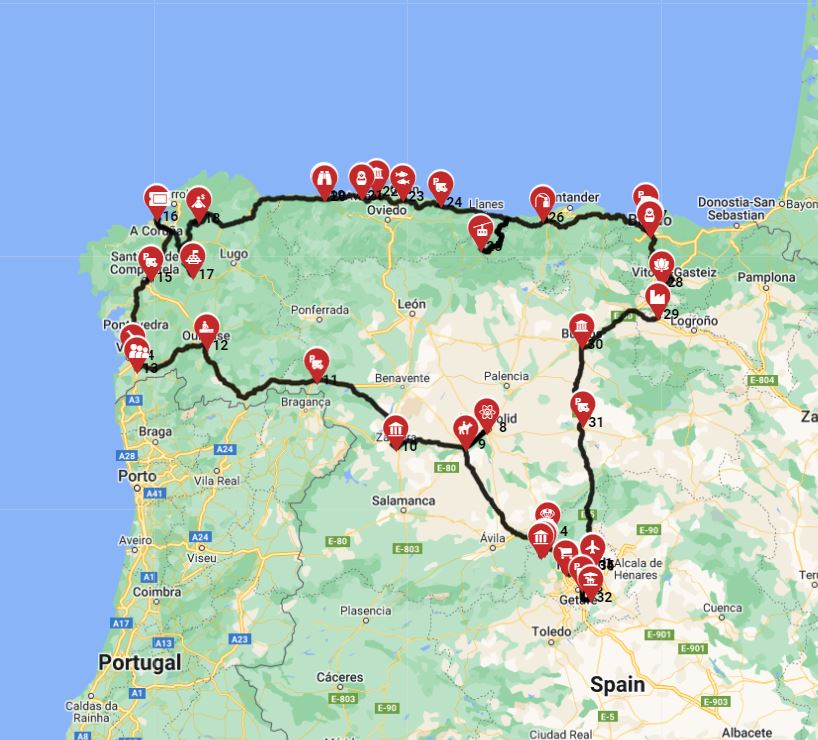
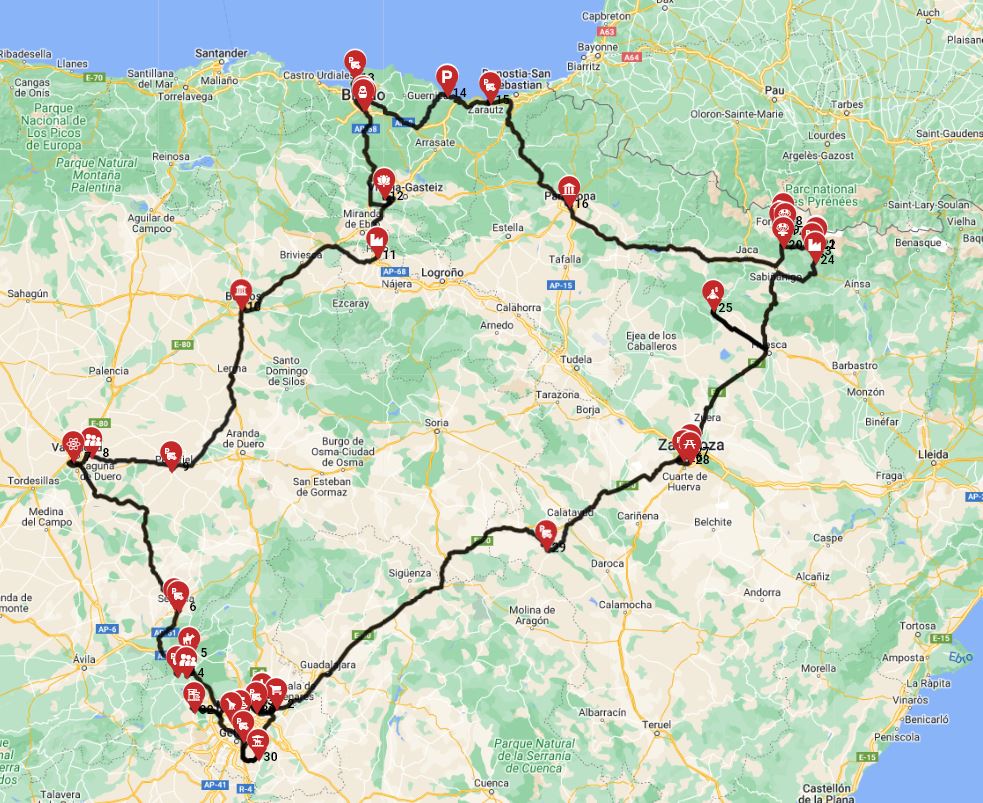
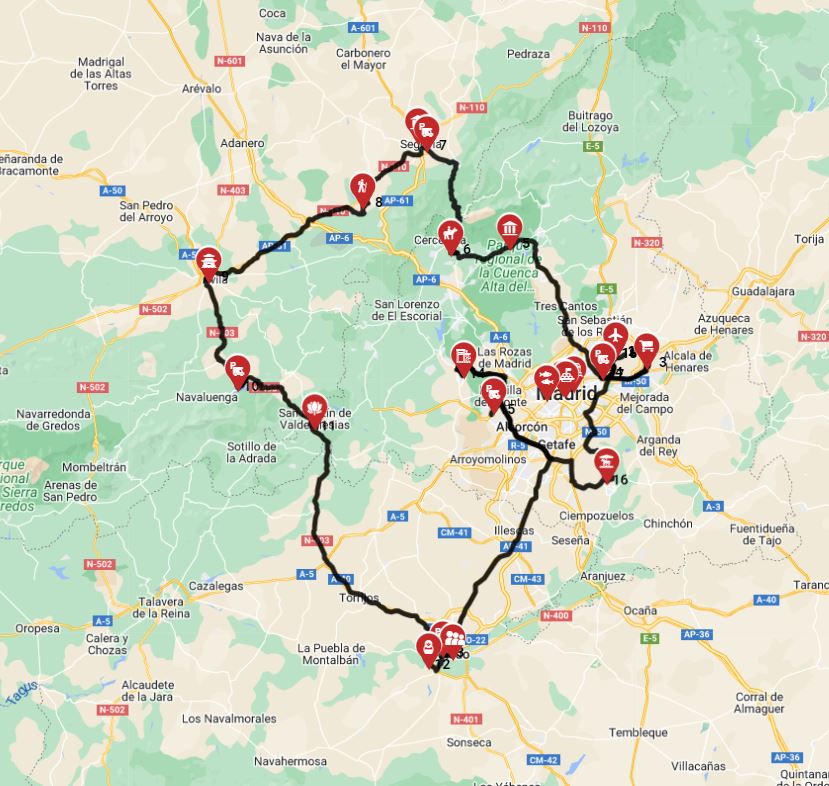
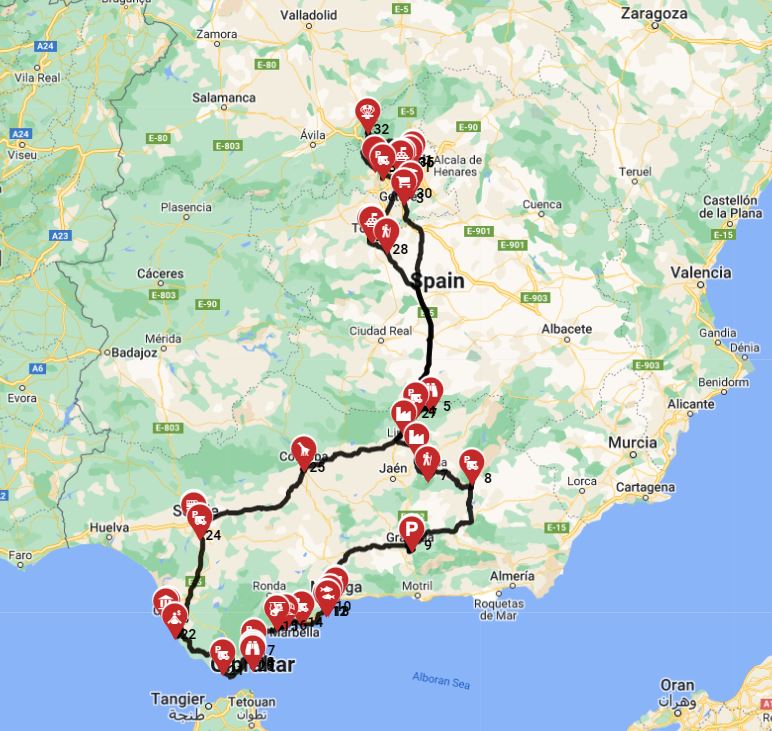
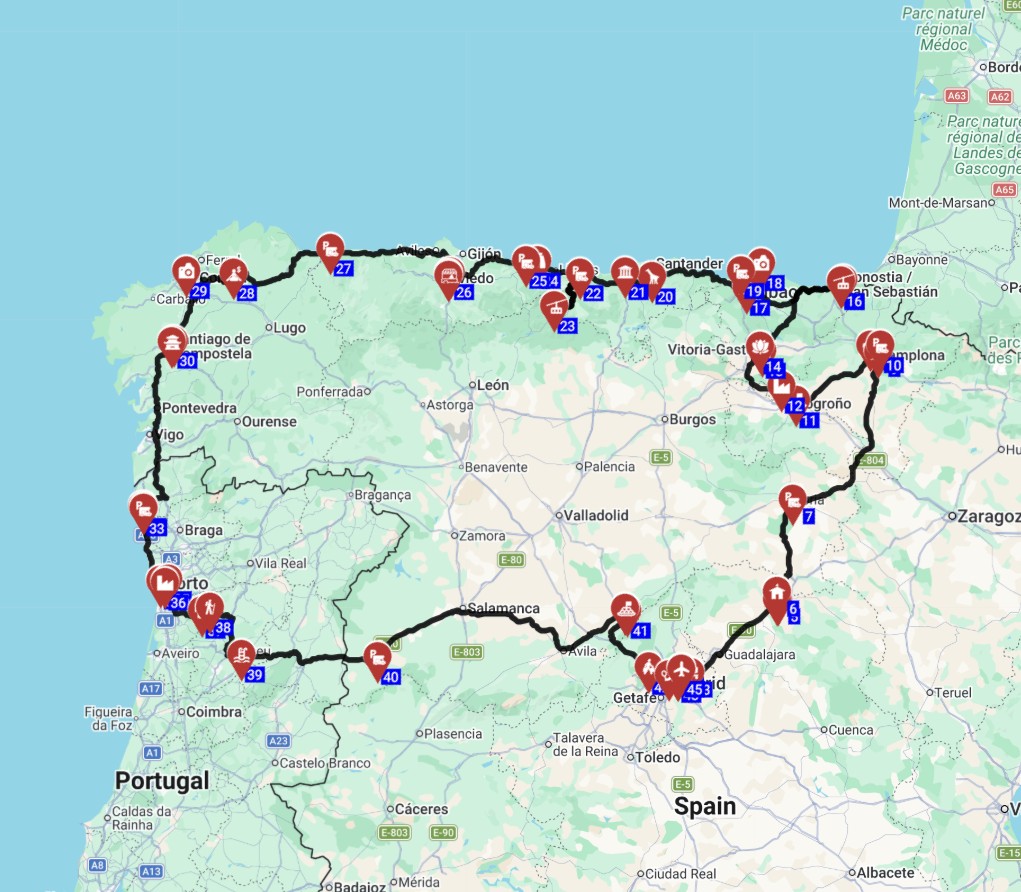
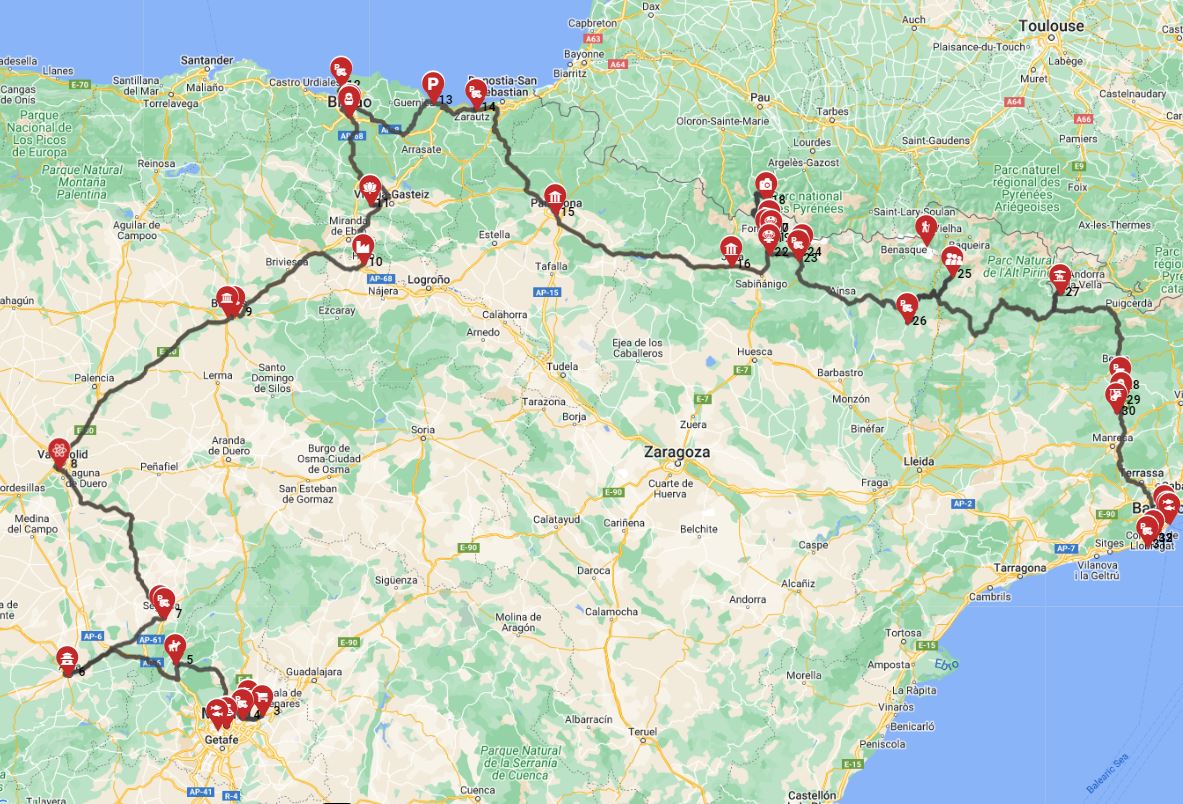
Spain offers diverse and captivating RV routes, ranging from the historic Ruta de la Plata through western Spain to the coastal delights of Andalusia and the scenic mountain passes of the Pyrenees, all perfect for exploration in a rented motorhome or campervan.
- The Ruta de la Plata (Silver Route): This ancient Roman road runs north-south through western Spain, from Seville to Gijón, covering approximately 800 km. It's ideal for history buffs, passing through cities like Mérida (famous for its extensive Roman ruins), Cáceres (a UNESCO-listed medieval old town), and Salamanca (a vibrant university city with stunning architecture). This itinerary offers diverse landscapes, from the plains of Extremadura to the green coasts of Asturias, and rich cultural heritage.
- Andalusia's Moorish Heritage: Explore southern Spain with a route through its iconic cities: Seville (with its stunning Alcázar and Cathedral), Córdoba (home to the Mezquita-Cathedral), Granada (featuring the breathtaking Alhambra), and the cliff-top town of Ronda. This itinerary focuses on stunning Moorish architecture, passionate flamenco culture, and delicious tapas. Coastal extensions can include the sun-drenched Costa del Sol or the wilder, more serene Costa de la Luz. Many 'Áreas de Autocaravanas' are available in this region.
- Pyrenees Mountain & Hiking Route: For nature lovers and hikers, a route through the Spanish Pyrenees offers breathtaking mountain scenery, including national parks like Ordesa y Monte Perdido, charming mountain villages, and endless opportunities for outdoor adventures. This route is best enjoyed in late spring, summer, or early autumn when passes are clear. It's an ideal choice for those who prefer cooler temperatures and dramatic landscapes over coastal heat.
- Northern Spain - Green Spain: Discover the lush, verdant landscapes of Galicia, Asturias, Cantabria, and the Basque Country. This itinerary offers dramatic coastlines, the majestic Picos de Europa National Park, delicious seafood, and vibrant cities like Bilbao (with the Guggenheim Museum) and San Sebastián (renowned for its culinary scene). It’s cooler and often greener than the south, providing a refreshing contrast for your rented RV journey.
- Mediterranean Coast & Coves: From Catalonia down to Valencia and Murcia, this route follows the sunny Mediterranean coastline, famous for its golden beaches, charming fishing villages, and bustling cities. It's ideal for a relaxed trip with plenty of sun and sea access. Explore hidden coves in the Costa Brava, enjoy the vibrant city life of Valencia, or discover the historical sites of Cartagena. Many campsites along this route cater specifically to motorhome and campervan travelers.
For more detailed route plans and expert itineraries, remember that RV PLANET offers over 1,300 pre-planned routes across 5 continents, including many for Spain, crafted by professionals. Plus, you can enjoy a 25% planning discount when using rvplan.net for your next adventure.
What You Shouldn't Miss
- **Experience a Flamenco Show in Seville:** Immerse yourself in the passionate artistry of a live flamenco performance in its spiritual home.
- **Wander Through Granada's Alhambra:** Spend a full day exploring this breathtaking Moorish palace and fortress complex, a UNESCO World Heritage site.
- **Hike in the Picos de Europa National Park:** Discover stunning limestone peaks, deep gorges, and lush valleys in Northern Spain, with numerous RV-friendly stops nearby.
- **Savor Tapas in San Sebastián:** Indulge in the Basque Country's renowned culinary scene, especially the 'pintxos' (small, gourmet tapas), often enjoyed standing at the bar.
- **Explore the 'Vías Verdes' by Bike:** Rent bicycles and enjoy traffic-free cycling along Spain's converted railway lines, revealing hidden natural beauty.
- **Discover Europe's Only Desert: Tabernas Desert:** Drive your rented RV through Almería's unique Tabernas Desert, famous for Spaghetti Westerns, and explore its rugged, cinematic landscapes.
Looking for expert insights from Avi Bandana? Top 5 Adventures - recommendations from Avi Bandana.
Final Thoughts
A fly-and-drive RV rental in Spain offers an unparalleled sense of freedom, allowing you to discover the country's diverse landscapes and rich culture at your own pace. From the moment you pick up your motorhome at the airport, a world of adventure unfolds before you, promising unforgettable memories whether you choose a bustling city or a serene mountain retreat.
Remember, the best RV trips are often about the journey itself, embracing slow travel and allowing for serendipitous discoveries. We handle the details, you live the journey – personal service from day one until your booking is confirmed, ensuring you have the confidence and support to make your Spanish RV dream a reality. So, pack your bags, prepare your route, and get ready for the open road.
Ready to plan your incredible Spanish RV adventure? Compare Motorhome Prices for Spain and find the perfect rented vehicle for your trip today!