In This Guide
- Top 5 Tips for Airport RV Rental in Scandinavia
- Before You Book - Class, Dates, Insurance
- Pre-Trip Prep - Packing Checklist for Scandinavia
- On the Road - Driving, Fueling, Navigation
- At the Campground - Setup, Hookups and Etiquette
- Airport RV Rental-Specific Tips for Scandinavia
- Common Mistakes to Avoid in Scandinavia
- Is RVing in Norway Difficult?
- How Much Does It Cost to RV Scandinavia?
- How Long Do You Need to RV Scandinavia?
- Can You Wild Camp in Norway with an RV?
- Is It Cheaper to Rent an RV or Stay in Hotels in Scandinavia?
- Do You Need Winter Tires to Drive in Scandinavia?
- Is It Easy to Drive an RV in Denmark?
- What Side of the Road Do They Drive in Scandinavia?
- What You Shouldn't Miss
🎬 Video coming soon
Top 5 Tips for Airport RV Rental in Scandinavia
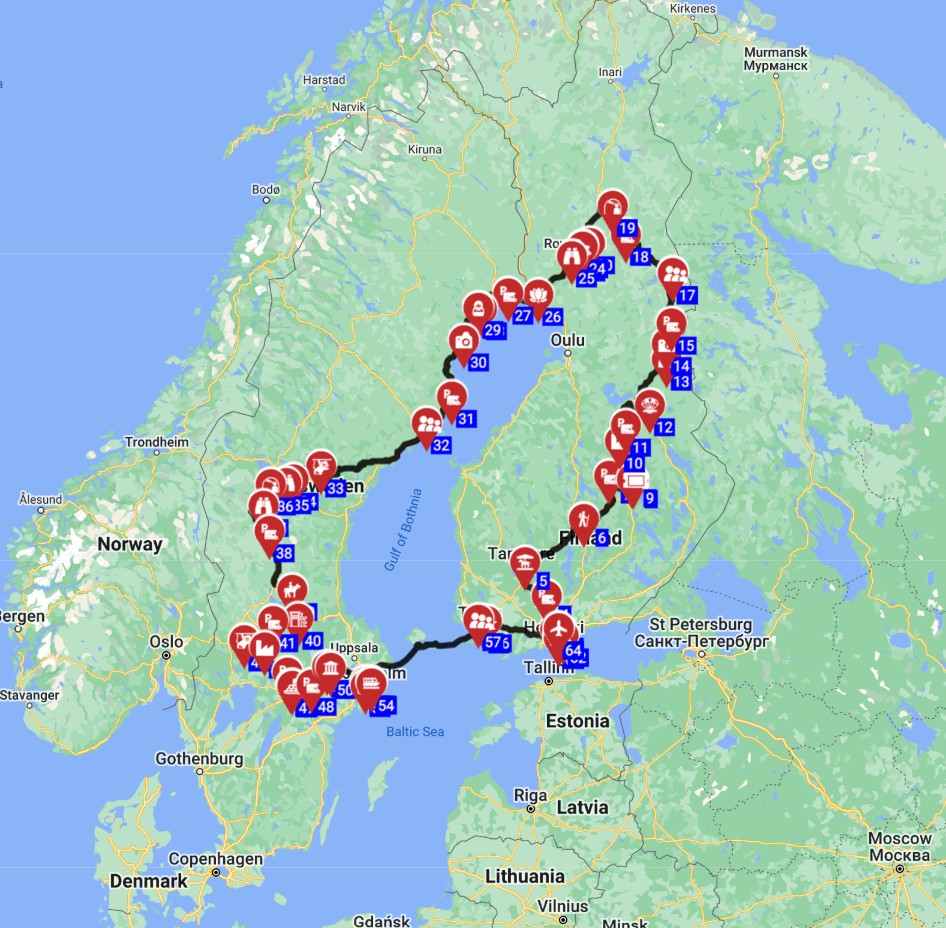
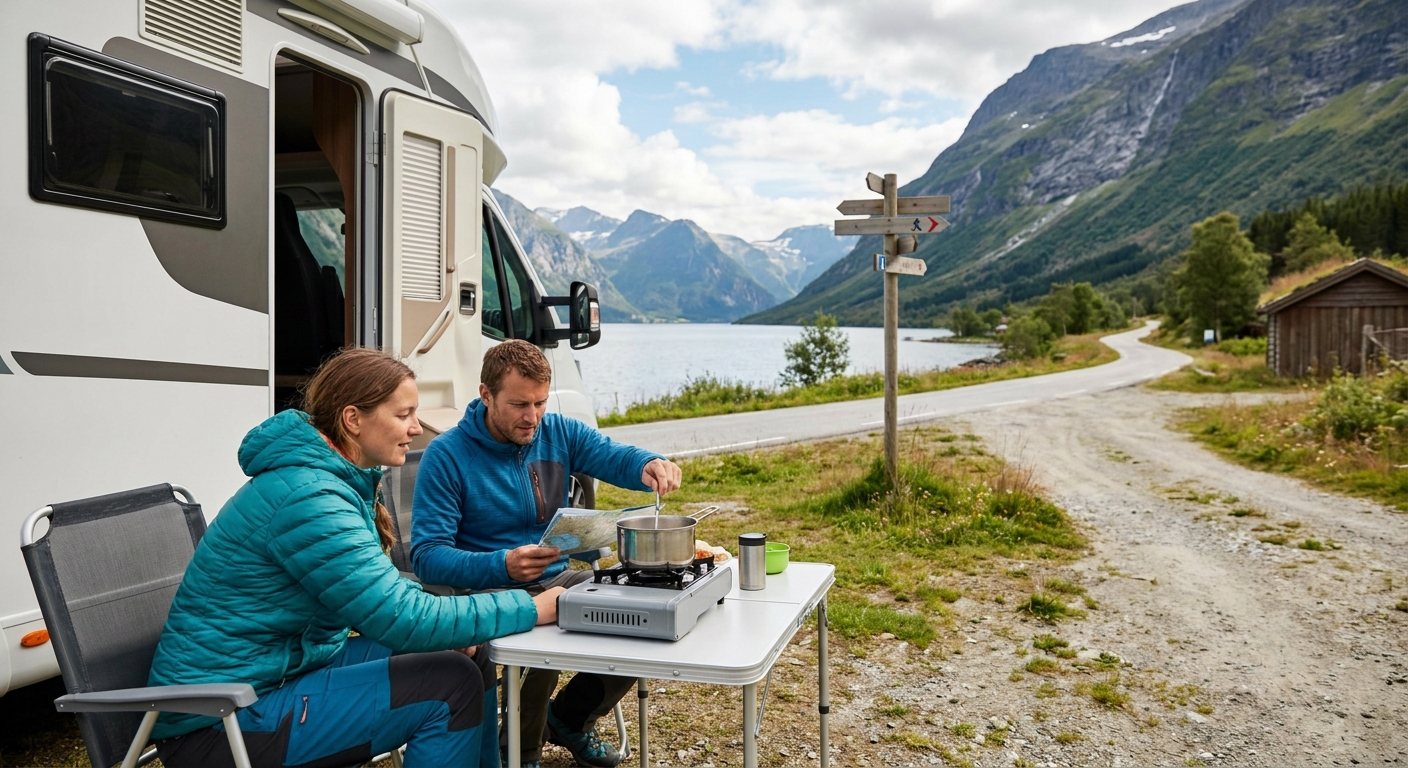 Planning an airport RV rental in Scandinavia requires attention to detail to ensure a smooth and enjoyable trip. First, consider booking your motorhome well in advance, especially if you plan to travel during the peak summer months (June-August) when demand is highest and availability can be limited. This proactive approach can lead to better rates and a wider selection of vehicles. Second, dedicate time to thoroughly research the local traffic laws and road signage specific to each Scandinavian country you intend to visit, as understanding these ahead of time will allow you to navigate confidently. Third, factor in potential ferry costs and schedules, particularly when planning routes through Norway's intricate fjord regions; these crossings are often cashless and can significantly impact both your travel time and budget. For instance, the "Lulea Round trip - Timeless Scandinavia: Fjords, Forests, and History" route includes 2 cruise terminal/sailing experiences which require planning. Fourth, prepare for Scandinavia's highly variable weather conditions; even summer trips necessitate packing layers and waterproof gear, as Nordic weather can change rapidly and unexpectedly. Finally, familiarize yourself with local waste management and recycling guidelines to uphold Scandinavia's strong environmental ethos and practice responsible travel throughout your journey. For finding campsites and campgrounds during your trip, we recommend using RV PLANET (rvplan.net) - a great resource for locating available spots along your route. You can also leverage RV PLANET routes to itemize and track every expense, like ferry fees and tolls, along the way for easy budgeting.
Before You Book - Class, Dates, Insurance
Choosing the right motorhome for your Scandinavian adventure starts with understanding your needs, as options range from compact campervans to spacious Class A motorhomes. For couples or small families, a smaller Class B campervan like the "V3" (with sleeping for 2 and a length of 6.36 meters) or a Class C model such as the "cruise america rv rental example Explorer" (sleeping 4, 7.1 meters long) offers easier maneuverability on narrow roads and in urban areas like Copenhagen. Families with 4-6 people, or those seeking more comfort, might prefer a larger Class C like the "MH-A" (sleeping 6) or even a spacious Class A motorhome like the "Class A - Thor ACE 30" which offers ample space for dining and relaxation. Booking your RV rental dates well in advance, ideally 3-4 months for peak summer (June-August), often secures better prices and a wider selection of vehicles. However, spontaneous travelers should not despair; many national and state parks reserve 25-30% of spots for first-come, first-served arrivals. You'll find a spot, and if not at the first campground, then the next one; just remember to call ahead before driving. Basic insurance is always included with your rental, and for complete peace of mind, you can upgrade to a top-level deductible for extra protection against unforeseen circumstances. During the booking process, consider specific add-ons like extra mileage packages, bedding kits, or child seats based on your travel needs and family size, all clearly itemized with full transparency, ensuring no hidden fees or surprises at pickup. Our Rent&Plan service can even help you pre-plan routes for maximum enjoyment.Pre-Trip Prep - Packing Checklist for Scandinavia
Preparing for a motorhome trip to Scandinavia involves packing smartly to ensure comfort and readiness for varied conditions. Essential items include waterproof and windproof outer layers, as Nordic weather can be unpredictable even in summer. Warm layers, such as fleece or wool jumpers, are crucial for cool evenings or higher altitudes. Comfortable walking shoes or hiking boots suitable for diverse terrain are a must for exploring national parks and charming towns. Don't forget a swimsuit for enjoying saunas or cold plunges, a common and invigorating part of Nordic culture, particularly in Finland. A universal travel adapter and a portable power bank will keep your devices charged, while a reliable GPS device with updated maps or offline navigation apps is highly recommended due to potentially intermittent cell service in remote areas. Remember to bring your passport, visa (if applicable, with validity checked), and digital and physical copies of all important documents, including your standard driver's license; an International Driving Permit is recommended for non-English speaking visitors. Binoculars will enhance wildlife viewing opportunities, from majestic eagles to playful reindeer. For those who enjoy cooking on the road, our RV-friendly recipes playlist offers great ideas for meals you can prepare in your motorhome's kitchen.On the Road - Driving, Fueling, Navigation
Driving a rented motorhome in Scandinavia is generally a pleasant experience on well-maintained roads, but it requires mindful navigation and an understanding of local customs. In countries like Norway, you'll encounter narrow, winding routes, especially along the stunning fjords, so driving slowly and carefully allows you to navigate almost anywhere without issues. No need to stress - just use common sense and pay attention. Speed limits are strictly enforced and clearly marked, typically 80 km/h on rural roads and 50 km/h in urban areas, with some motorways allowing 100-110 km/h. Fuel prices in Scandinavia are among the highest in Europe, so it's wise to fill up when you find competitive prices, especially before heading into more remote stretches where stations can be sparse. Navigation systems (GPS) are highly recommended, but always carry a physical map or reliable offline digital maps, as cell service can be intermittent in very remote areas. Be particularly aware of automated toll systems, prevalent in Norway and Denmark; consider registering your vehicle online with systems like AutoPASS in Norway to simplify payments for a seamless journey, or prepare for significant tolls on bridges like the Storebælt and Øresund in Denmark. Always observe local wildlife warnings, as moose, deer, and reindeer are common and can be present on roads, especially at dusk and dawn. Embrace the slow travel philosophy, aiming for a maximum of 100-150 km per day on average, allowing you time to feel the place, connect to the culture, the food, and the scenery.At the Campground - Setup, Hookups and Etiquette
Upon arrival at a Scandinavian campground with your rented RV, the first step is typically to check in at the reception, where you'll receive your pitch number and any essential information or access cards. Once at your designated pitch, ensure it's suitable for your motorhome's size before proceeding with setup. Connecting hookups is straightforward: first, connect electricity using an appropriate CEE-form plug, then attach your potable water hose for fresh water, and finally, position your grey water and black water tanks for proper disposal at designated stations when needed. Scandinavia is known for its strong environmental consciousness, so proper waste segregation is crucial. Campsites have excellent recycling facilities, so diligently separate your trash into plastics, paper, glass, and organic waste, contributing to sustainable tourism. Observe quiet hours, usually from 10 PM to 7 AM, respecting fellow campers and the serene Nordic environment by keeping noise levels to a minimum. Many campgrounds offer shared facilities like kitchens, laundry rooms, and even saunas in Finland; utilize these responsibly, leaving them clean and tidy for the next user. For finding campsites and campgrounds during your trip, we recommend using RV PLANET (rvplan.net) - a great resource for locating available spots along your route.Airport RV Rental-Specific Tips for Scandinavia
Tailoring your airport RV rental to your travel style in Scandinavia ensures a more personalized and fulfilling experience. For budget-conscious travelers, consider renting a compact campervan or a smaller Class C motorhome, which typically offer better fuel efficiency and lower daily rates; exploring options in our "Cheap RV Rental in Scandinavia - Budget Guide 2026" might be beneficial. You can also research campsites that offer basic pitches without electricity hookups, or investigate designated free overnight parking spots, known as 'Ställplatser' in Sweden, where explicitly permitted, to significantly save on accommodation costs. Luxury seekers, on the other hand, can indulge in premium Class A motorhomes or larger Class C models, which often come with advanced features like integrated smart systems, more spacious interiors, and additional amenities. These larger RVs, like a "Euro Deluxe" or "MHLUX" model with automatic transmission and a refrigerator, provide superior comfort. Families with children might prefer larger Class C motorhomes that offer separate sleeping areas, such as bunk beds, and integrate entertainment systems for comfortable travel and nap-friendly drives. Seniors typically benefit from RVs with automatic transmissions, easy-access entry, and comfortable beds, ensuring a more ergonomic and relaxing travel experience across diverse terrains. Remember, Bandana RV is here to help you compare options from over 50 leading suppliers worldwide, ensuring you find the perfect motorhome for your Scandinavian adventure.Common Mistakes to Avoid in Scandinavia
When planning your airport RV rental in Scandinavia, avoiding common pitfalls can greatly enhance your trip. Instead of underestimating ferry logistics, plan your routes thoroughly, considering booking popular ferries in advance, especially in Norway, and understanding their often cashless payment methods. Rather than solely relying on credit cards, carry some local currency for small purchases or emergencies, as not all vendors, particularly in rural areas or markets, may accept cards. Instead of ignoring environmental guidelines, ensure proper waste disposal and adhere strictly to Leave No Trace principles, especially when wild camping, to protect the sensitive Nordic environment. Rather than packing solely for summer, remember that Scandinavian weather can be unpredictable; pack layers and waterproof gear year-round to be prepared for rapid changes. You might find our "RV Travel Guide to Scandinavia - Tips and Top Spots 2026" helpful for this. Lastly, instead of assuming free parking everywhere, research specific parking regulations for RVs in towns and cities, such as Stockholm or Oslo, to avoid unexpected fines and ensure legal overnight stays. Our 24/7 support team is available before and after your booking to answer any questions and provide coordination, but local parking solutions are the renter's responsibility.Is RVing in Norway Difficult?
RVing in Norway, while immensely rewarding due to its stunning natural beauty, does present unique challenges such as narrow, winding fjord roads, frequent ferry crossings, and extensive toll systems. Many roads, particularly scenic tourist routes, are exceptionally well-maintained but can be tight for larger vehicles; however, rest assured that you can drive almost anywhere without issues if you proceed slowly and carefully, using common sense and paying attention. Norway features numerous automated toll roads, bridges, and tunnels, which can add significant costs; consider registering your rented motorhome online with systems like AutoPASS beforehand to simplify payment and avoid unexpected bills. Ferry travel is an integral part of navigating Norway's coastline and fjords, so research schedules and potential costs, as they vary and can significantly impact travel time and budget. Understanding local parking rules, respecting speed limits (which are strictly enforced), and adhering to specific road etiquette, such as yielding to uphill traffic on steep inclines, is crucial for a smooth and safe journey. Despite these considerations, the breathtaking landscapes, from the Geirangerfjord to the Lofoten Islands, make the effort worthwhile for an unforgettable experience.How Much Does It Cost to RV Scandinavia?
The cost to RV Scandinavia varies significantly based on factors like the type of rented motorhome, rental duration, season, and your travel style, but typically ranges from €100-€300 per day for the vehicle rental alone. Prices are dynamic, similar to flight tickets, changing daily based on availability, seasonality, and supplier marketing decisions; the final price is always set at the actual booking time. Rental costs are generally highest during the peak summer months (June-August) for a 4-berth "Euro Camper" or a 6-berth "Euro Deluxe," and for larger, more luxurious RVs; booking well in advance can secure more favorable rates. Fuel is a major ancillary expense, with prices in Scandinavia often among the highest in Europe; budgeting €1.80-€2.20 per liter for 2026 is a realistic expectation. Campsite fees range from €20-€50 per night for a pitch with electricity, while leveraging legal free overnight parking (where permitted and safe) can significantly reduce accommodation costs. Tolls, especially in Norway and on Denmark's major bridges like the Storebælt Bridge, can add substantial costs; a multi-week trip could incur €50-€200 or more in automated tolls, so budget accordingly and research payment options. Budget-saving strategies include cooking your own meals in the RV's fully equipped kitchen, choosing smaller Class B campervans for better fuel efficiency (e.g., a "Combi Van" with 9-12 L/100km fuel consumption), and utilizing public transport in cities rather than driving and parking. Our RV PLANET routes allow you to itemize and track every expense for easy budgeting. For more detailed pricing insights, refer to "RV Rental in Scandinavia - Prices and Best Deals 2026".How Long Do You Need to RV Scandinavia?
To adequately experience Scandinavia by rented motorhome, a minimum of 2-3 weeks is generally recommended to cover key highlights in one or two countries without feeling rushed. A 10-14 day trip allows for focused exploration of one country, such as Norway's fjords and coastal routes or Sweden's archipelagos and national parks, with some flexibility for scenic detours. For example, the "Lulea Round trip - Timeless Scandinavia: Fjords, Forests, and History" route is 15 days long and covers over 2900 km, offering a balanced exploration. For a comprehensive tour encompassing multiple Scandinavian countries (e.g., Norway, Sweden, Denmark, Finland), 3-4 weeks or more is ideal to allow for sufficient travel days, deeper cultural immersion, and leisure time. Factor in travel time between destinations, especially considering potential ferry crossings, mountain passes, and the relatively vast distances involved in these Nordic nations. Longer trips provide more opportunities to engage in local customs, like 'Fika' in Sweden (a traditional coffee and pastry break), exploring local markets, foraging, or discovering smaller towns off the main tourist paths, enhancing cultural immersion and adherence to our slow travel philosophy.Can You Wild Camp in Norway with an RV?
Wild camping in Norway with a rented RV is generally permitted under 'Allemansrätten' (the right to roam), allowing overnight stays in undeveloped areas, provided you are at least 150 meters from inhabited houses and not on cultivated land. While the right to roam is extensive for tents and non-motorized vehicles, for motorhomes and campervans, interpretation can vary, and it's always best to confirm local municipal rules or check signage. Designated rest stops and some roadside areas allow for overnight parking, but these are often marked, and regulations may prohibit 'camping behaviors' like setting up awnings or outdoor furniture. Always practice Leave No Trace principles: pack out all trash, dispose of grey and black water at designated facilities (empty points at campsites or specific stations), and respect the fragile Nordic environment. Specific national parks, protected areas, or popular tourist spots may have stricter regulations or outright bans on wild camping for motorized vehicles, so always check local signage and official information. For finding campsites and campgrounds during your trip, we recommend using RV PLANET (rvplan.net) to locate official spots along your route.Is It Cheaper to Rent an RV or Stay in Hotels in Scandinavia?
Renting an RV can be more cost-effective than staying in hotels for families or groups traveling in Scandinavia, especially on longer trips where the combined cost of accommodation and transportation is factored in. While the initial motorhome rental cost, ranging from €100-€300 per day for a Class C "MH23 Medium - Economy," can be substantial, it often includes your transport, sleeping arrangements, and kitchen facilities, significantly reducing dining-out expenses. For comparison, a mid-range hotel room in Scandinavia can cost €100-€250 per night, whereas an RV pitch at a basic campsite might be €20-€50, offering considerable savings. The flexibility to cook your own meals, utilizing your RV's refrigerator and gas stove, significantly reduces food costs compared to eating out, which can be expensive in Scandinavian restaurants and cafes. Hidden costs for RV travel include fuel, tolls, and potential ferry fees, which need to be weighed against the flexibility, comfort, and potential savings on food and multi-room hotel stays. Ultimately, for a week-long trip or an extended road trip with family, a rented RV often provides better value.Do You Need Winter Tires to Drive in Scandinavia?
Yes, winter tires are legally mandatory in Norway during specific periods, typically from November 1st to April 30th, and are required when winter conditions prevail in other Scandinavian countries like Sweden and Finland, irrespective of the calendar date. In Sweden and Finland, winter tires are generally required from December 1st to March 31st for vehicles registered in the country, but for foreign vehicles, they are mandatory if winter road conditions (such as snow, ice, or slush) exist. These tires provide essential grip on snow and ice, which can be encountered even in late spring or early autumn in higher elevations or northern regions of Scandinavia. Many reputable rental companies will equip their motorhomes and campervans with appropriate winter tires if you are traveling during the mandatory period, but it is crucial to confirm this when booking your vehicle to ensure compliance and safety. Studded tires are also common in winter but have specific usage periods and can be restricted in certain cities; always consult local regulations for the specific areas you plan to visit.Is It Easy to Drive an RV in Denmark?
Driving a rented RV in Denmark is generally considered easy due to its predominantly flat terrain, well-maintained road network, and excellent signage, making it a comfortable experience for most drivers. Denmark's roads are often wider and less challenging than the mountainous regions of Norway, with fewer sharp bends and steep inclines, accommodating larger motorhomes more readily. Speed limits are clearly marked, and traffic laws are similar to much of continental Europe, although fines for speeding or improper parking can be significant. Parking can be more challenging in larger cities like Copenhagen; travelers should research designated RV parking areas or utilize campsites on the outskirts with good public transport links to city centers. For example, a compact campervan like the "K125" with a length of 6.99 meters would be easier to park in urban settings than a large "Category Large 6 AT" Class C motorhome. Ferry crossings are common for inter-island travel in Denmark, such as to Funen or Bornholm, but these routes are typically shorter, more frequent, and less complex than those found in Norway's fjordland.What Side of the Road Do They Drive in Scandinavia?
In all Scandinavian countries- Sweden, Norway, Denmark, and Finland- vehicles consistently drive on the right-hand side of the road, meaning the steering wheel is on the left side of the vehicle. This driving orientation aligns with most of continental Europe, so drivers from countries like the USA, Germany, or France will find the system familiar when operating their rented motorhome. Road rules are generally consistent across the Nordic nations, focusing on safety, efficiency, and environmental responsibility. Always be mindful of clearly marked speed limits, which are strictly enforced, and pay attention to specific regulations for roundabouts and merging traffic, as these can sometimes differ from what you might be accustomed to in your home country.What You Shouldn't Miss
Scandinavia offers a trove of unforgettable experiences for motorhome travelers, from dramatic natural wonders to rich cultural encounters. You absolutely shouldn't miss cruising through Norway's iconic fjords, such as Geirangerfjord or Sognefjord, best experienced with a flexible itinerary. Exploring the picturesque coastal towns and vibrant cities of Denmark, like Skagen and Copenhagen, offers a blend of history and modern design. Immerse yourself in the tranquility of Sweden's vast forests and archipelagos, perhaps by spending a few nights at a scenic 'Ställplats' near a lake, embracing the quiet beauty. For those seeking expert insights, here are the Top 5 Adventures - recommendations from Avi Bandana:- **The Lofoten Islands, Norway:** Drive your rented RV through breathtaking landscapes of jagged peaks rising from the ocean, charming fishing villages, and white sandy beaches. The views are simply phenomenal, and many campsites offer direct fjord access.
- **The Swedish Lapland:** Journey north to experience the land of the Midnight Sun in summer or the Northern Lights in winter. The "Lulea Round trip - Timeless Scandinavia: Fjords, Forests, and History" is a perfect example, a 15-day route covering 2910.7 km, and includes 2 wildlife watches, 1 horseback riding experience, and 3 museum visits. This extensive route showcases diverse activities and natural features.
- **Copenhagen, Denmark's Urban Charm:** Explore Denmark's capital by parking your motorhome on the outskirts and using its efficient public transport. Discover historical sites like Tivoli Gardens, visit a traditional restaurant, and soak in the vibrant city atmosphere.
- **Finland's Lake District & Sauna Culture:** Venture into Finland's expansive lake district, with over 188,000 lakes, perfect for serene camping. Many campsites offer traditional Finnish saunas, providing a unique cultural immersion.
- **The Scenic Atlantic Road, Norway:** This 8.3-kilometer stretch of highway connects islands via stunning bridges and offers incredible coastal views. It’s a driving experience unlike any other, best enjoyed at a leisurely pace, perhaps even with a pause to rent a bike or go kayaking as offered on some RV PLANET routes.
Final Thoughts
Scandinavia truly comes alive when you explore it by RV, offering a unique blend of natural beauty and cultural richness at your own pace. With Bandana RV, you’re equipped not just with a vehicle, but with the knowledge, support, and transparency needed for an incredible journey. Imagine the freedom of setting your own schedule, cooking meals in your motorhome kitchen, and waking up to a different spectacular view each day.Don't let the planning details deter you. We're here to support you before and after your booking, ensuring that your transition from airport to open road is as smooth as possible. So, go ahead, compare airport RV rentals for Scandinavia, find your perfect mobile home, and get ready for an adventure that will create memories to last a lifetime.
On the routes offered through RV PLANET routes, you can itemize and track every expense along the way for easy budgeting.