In This Guide
- Top 5 Tips for airport rv rental RV Rental in North East US
- Before You Book - Class, Dates, Insurance
- Pre-Trip Prep - Packing Checklist for North East US
- On the Road - Driving, Fueling, Navigation
- At the Campground - Setup, Hookups and Etiquette
- Airport rv rental-Specific Tips for North East US
- Common Mistakes to Avoid in North East US
- Is it cheaper to rent an RV or stay in a hotel?
- What state is most RV friendly?
- What are the drawbacks of renting an RV?
- What is the best company to rent an RV from?
- Can I rent an RV in one state and return it in another?
- What is the cheapest way to rent an RV?
- Is renting an RV cheaper than flying?
- What is the 3-3-3 rule for RV travel?
- What is the 444 rule for RV travel?
- What is the 2 2 2 rule for RV travel?
Top 5 Tips for airport rv rental RV Rental in North East US
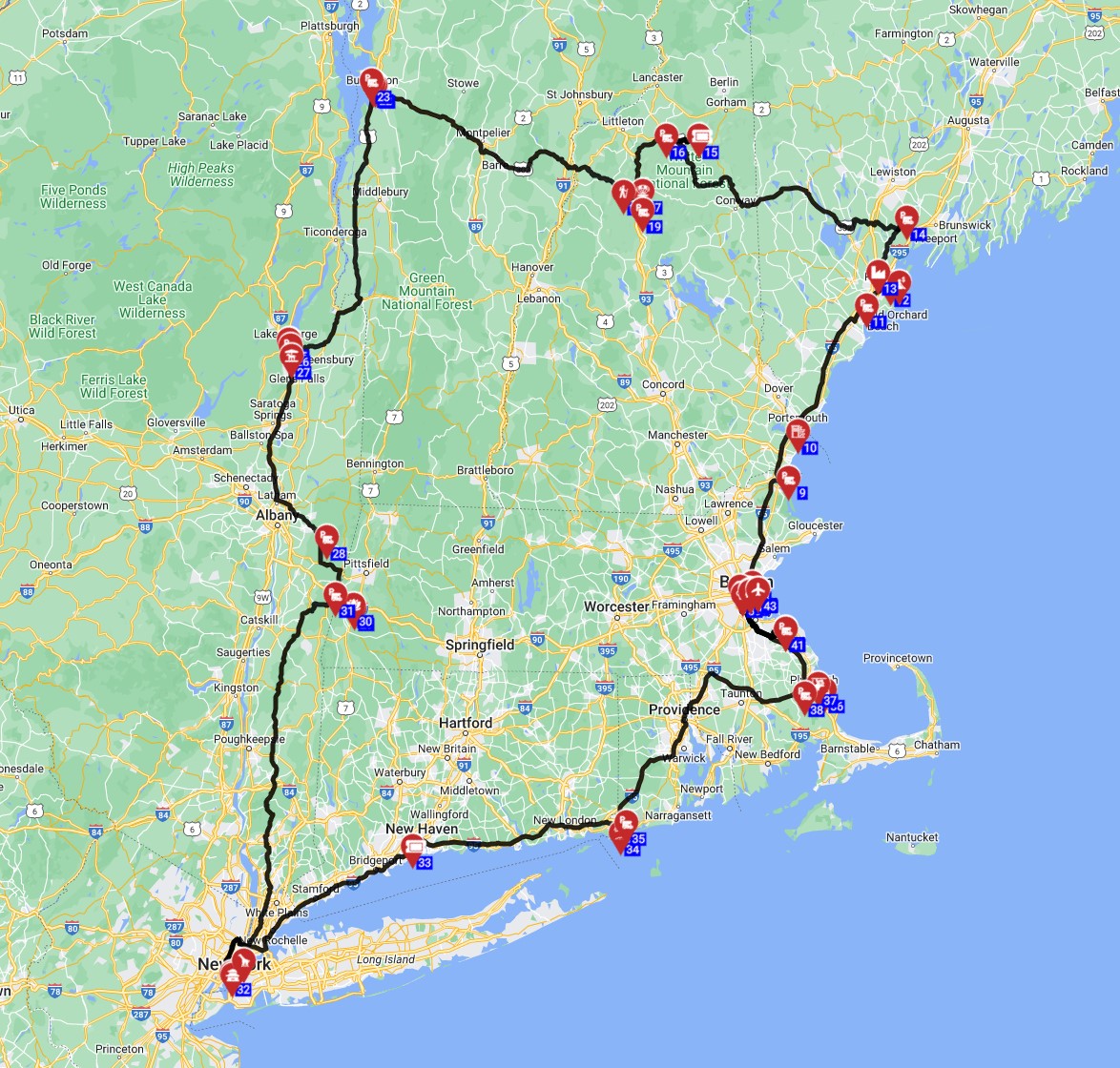
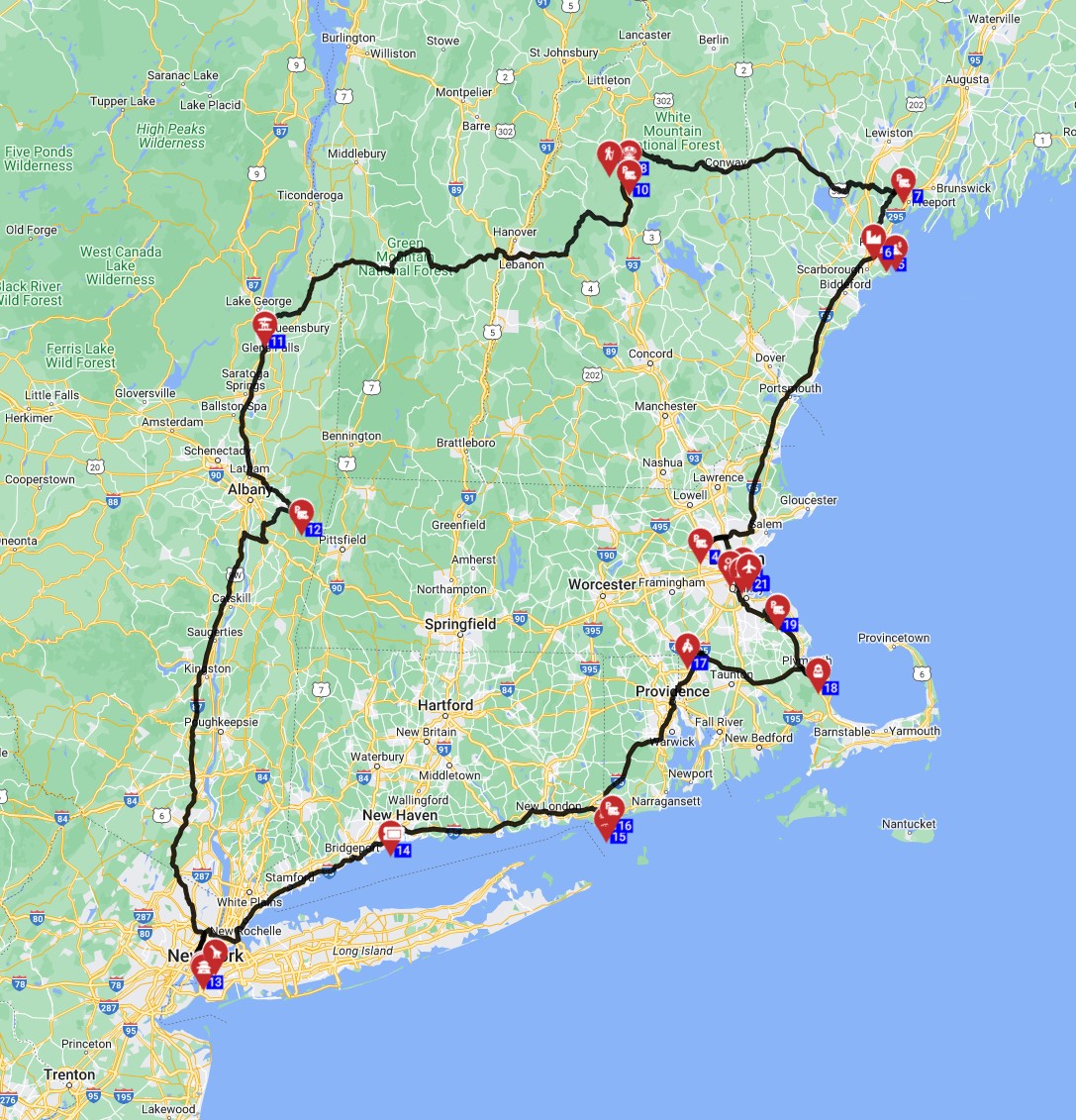
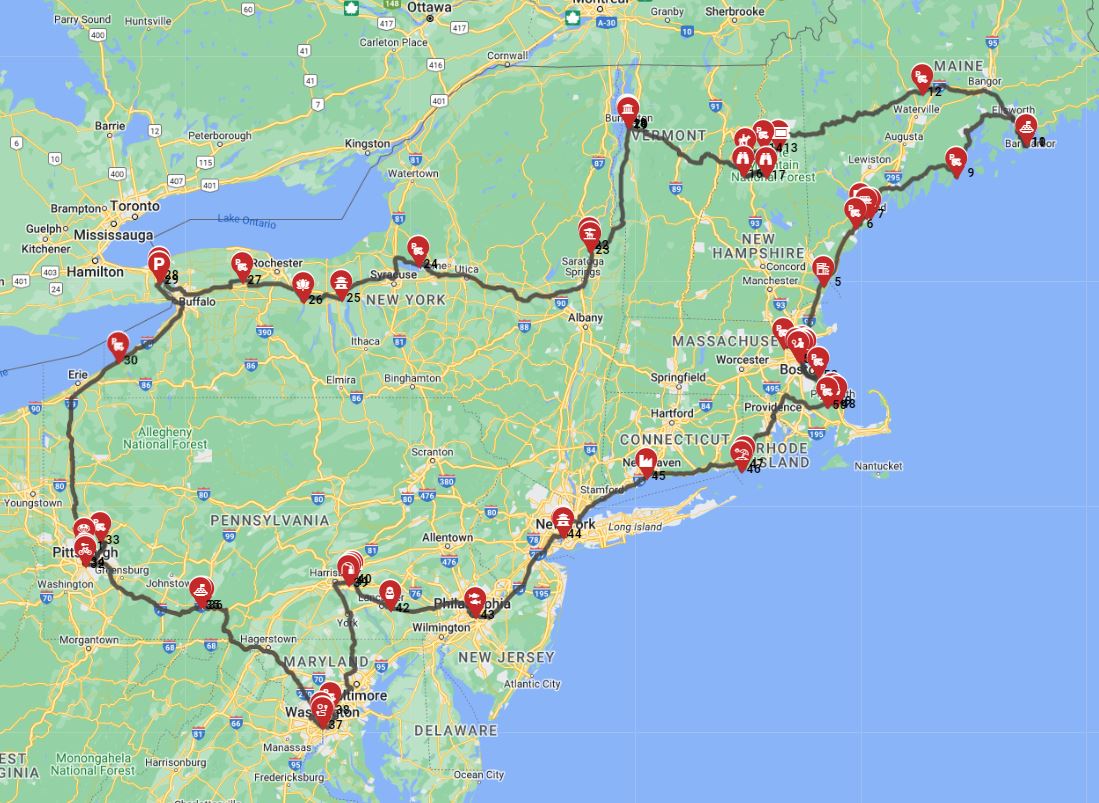
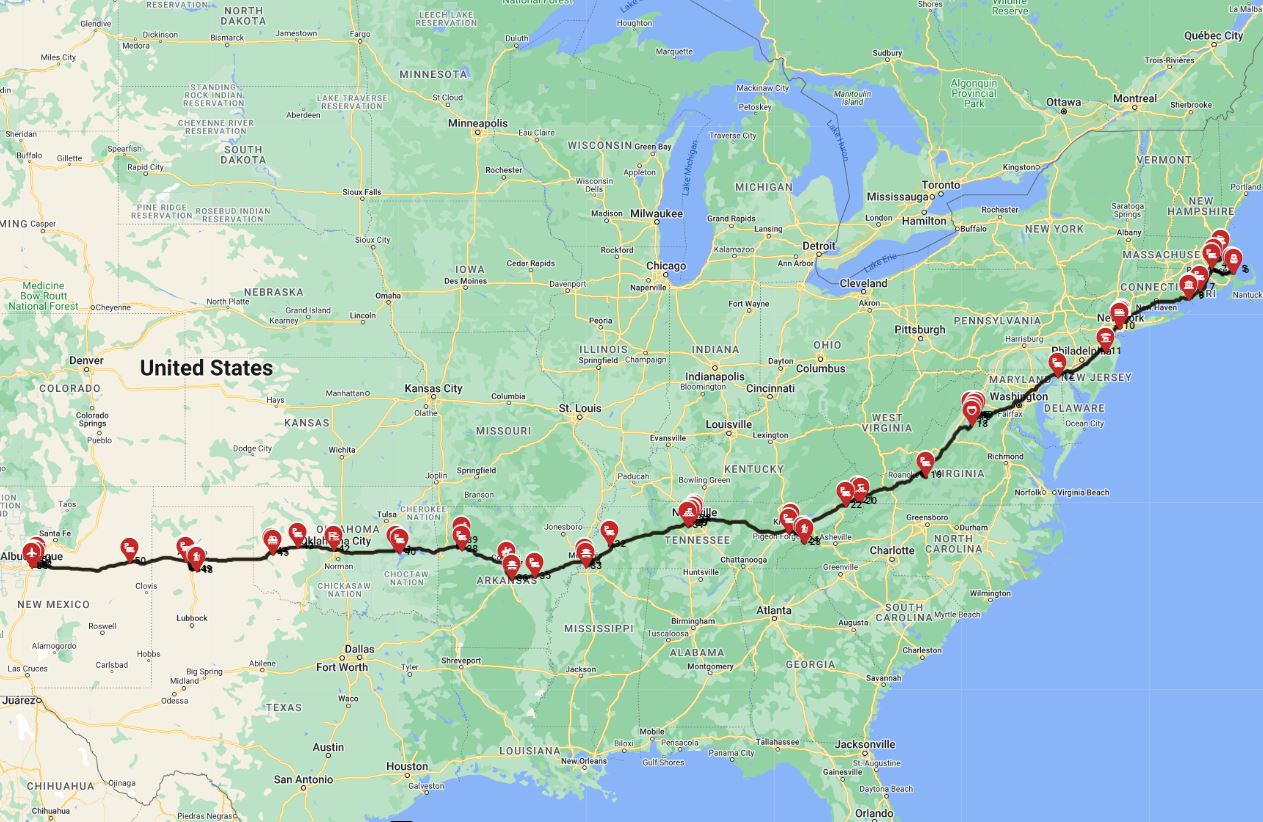
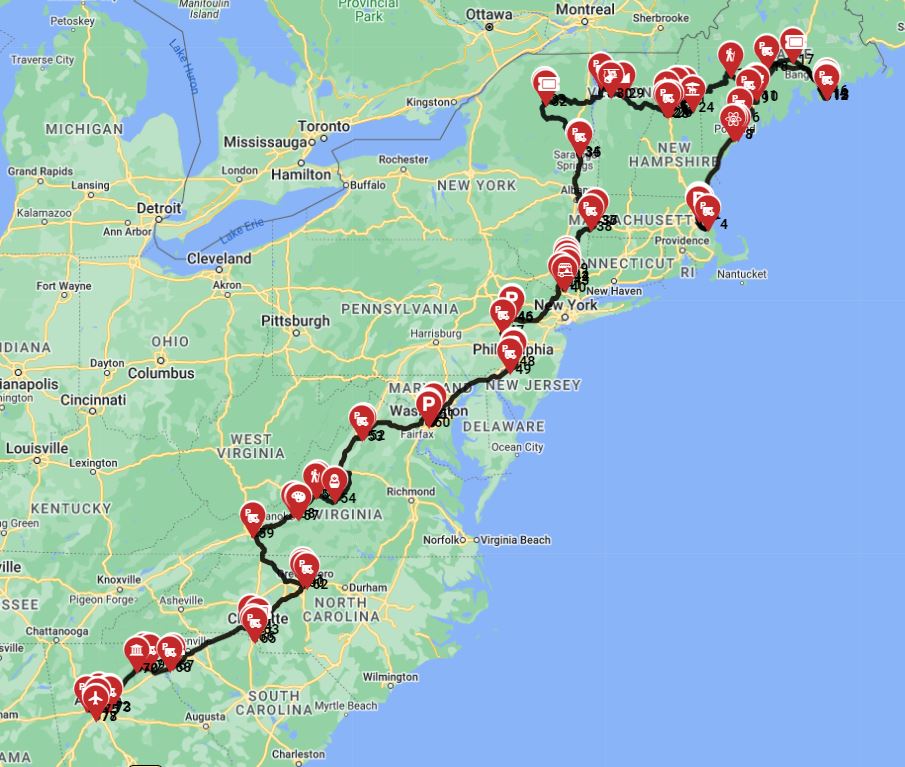
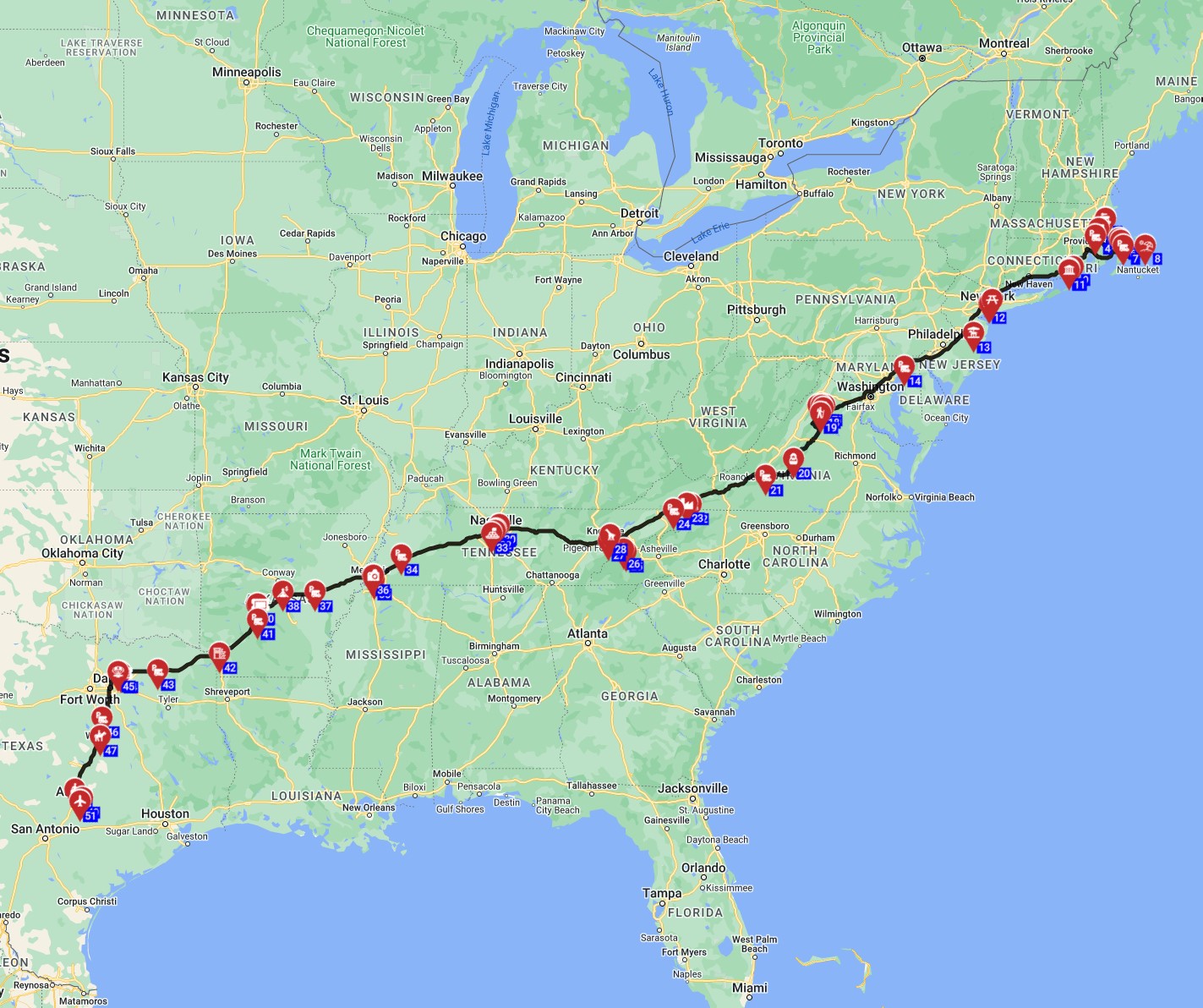
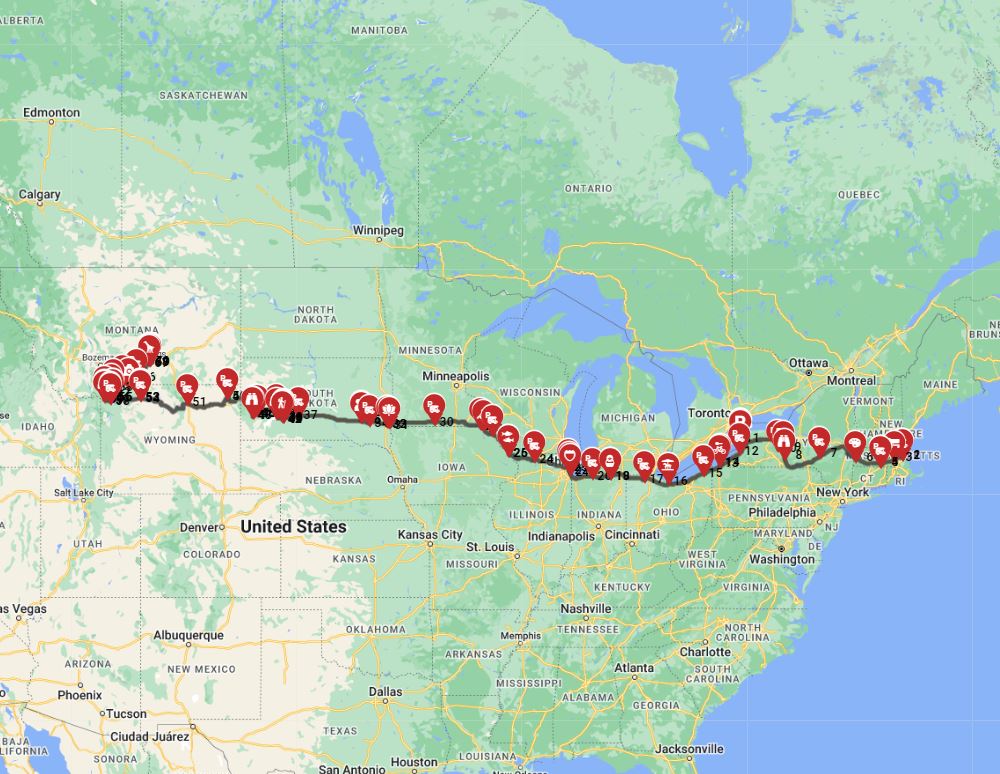
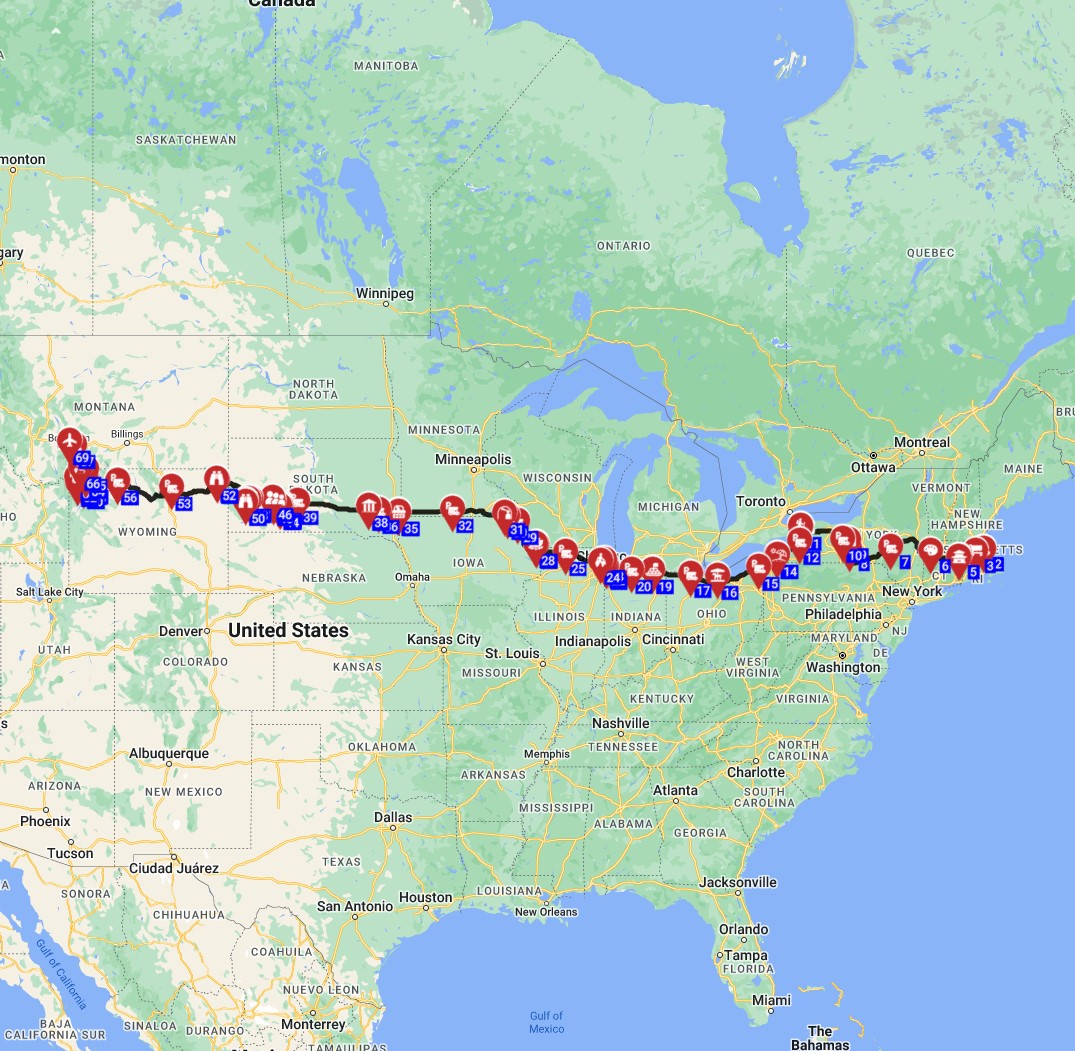
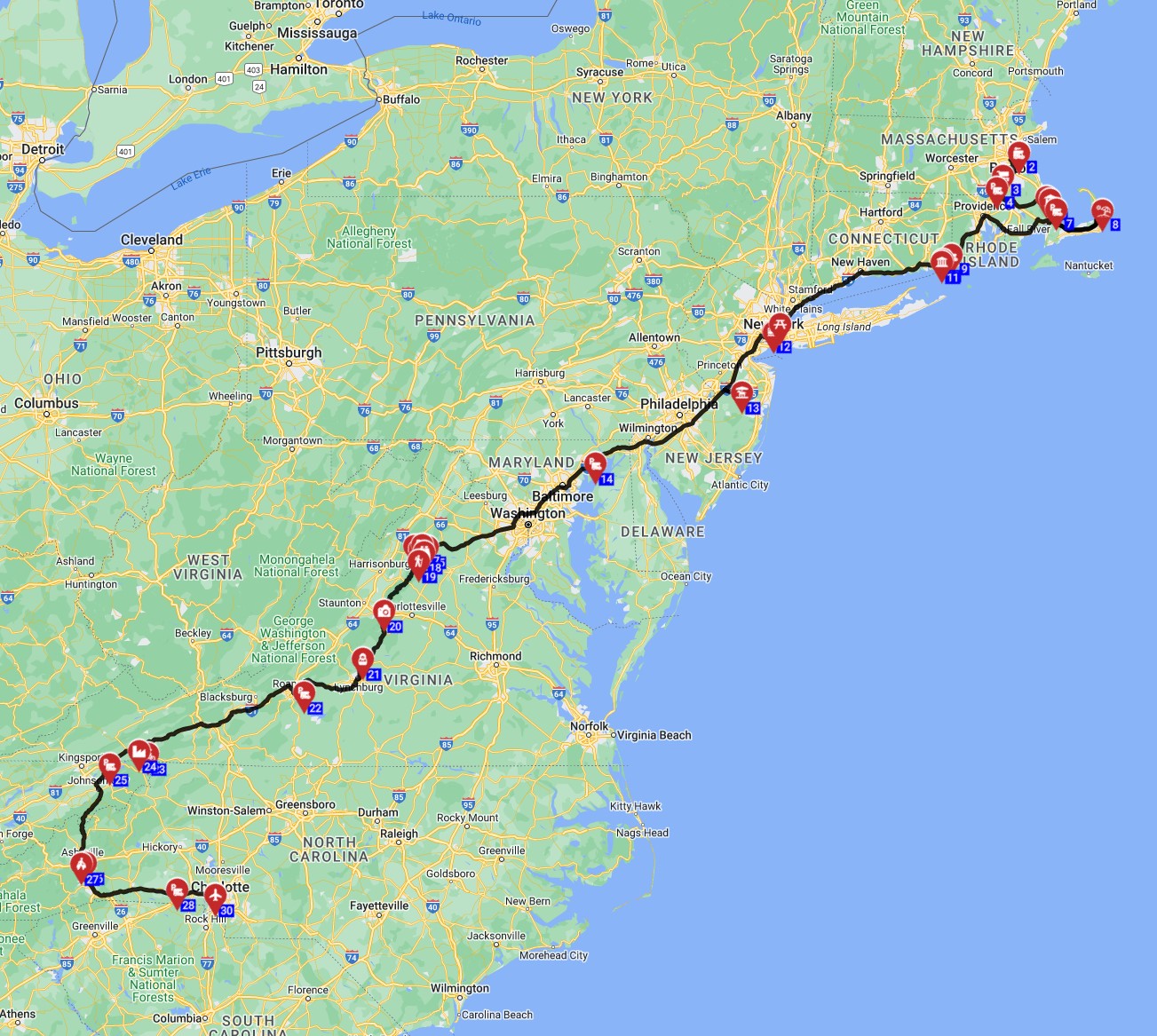
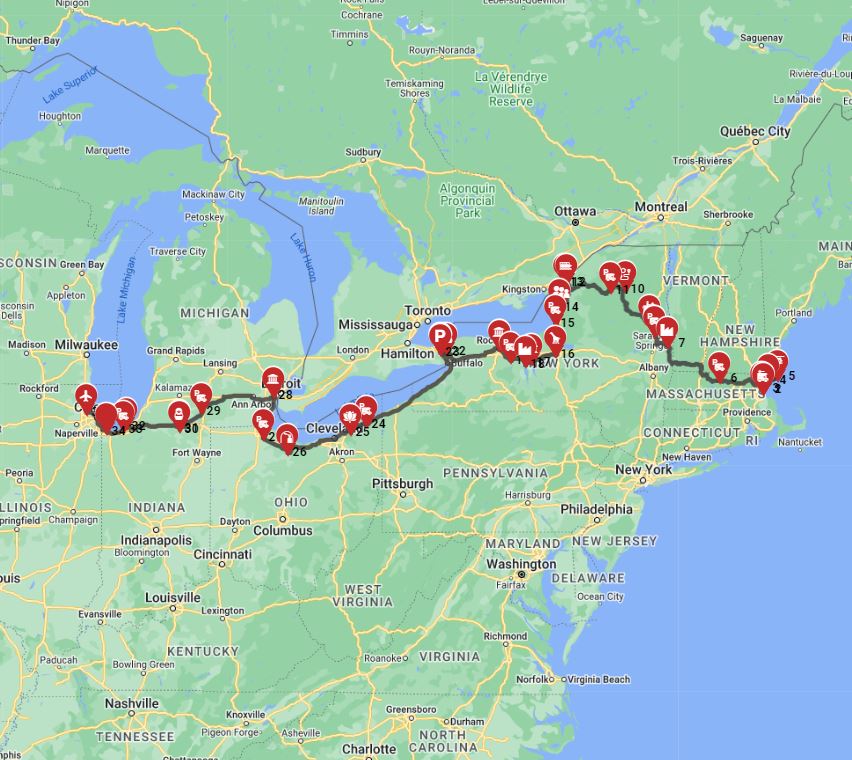
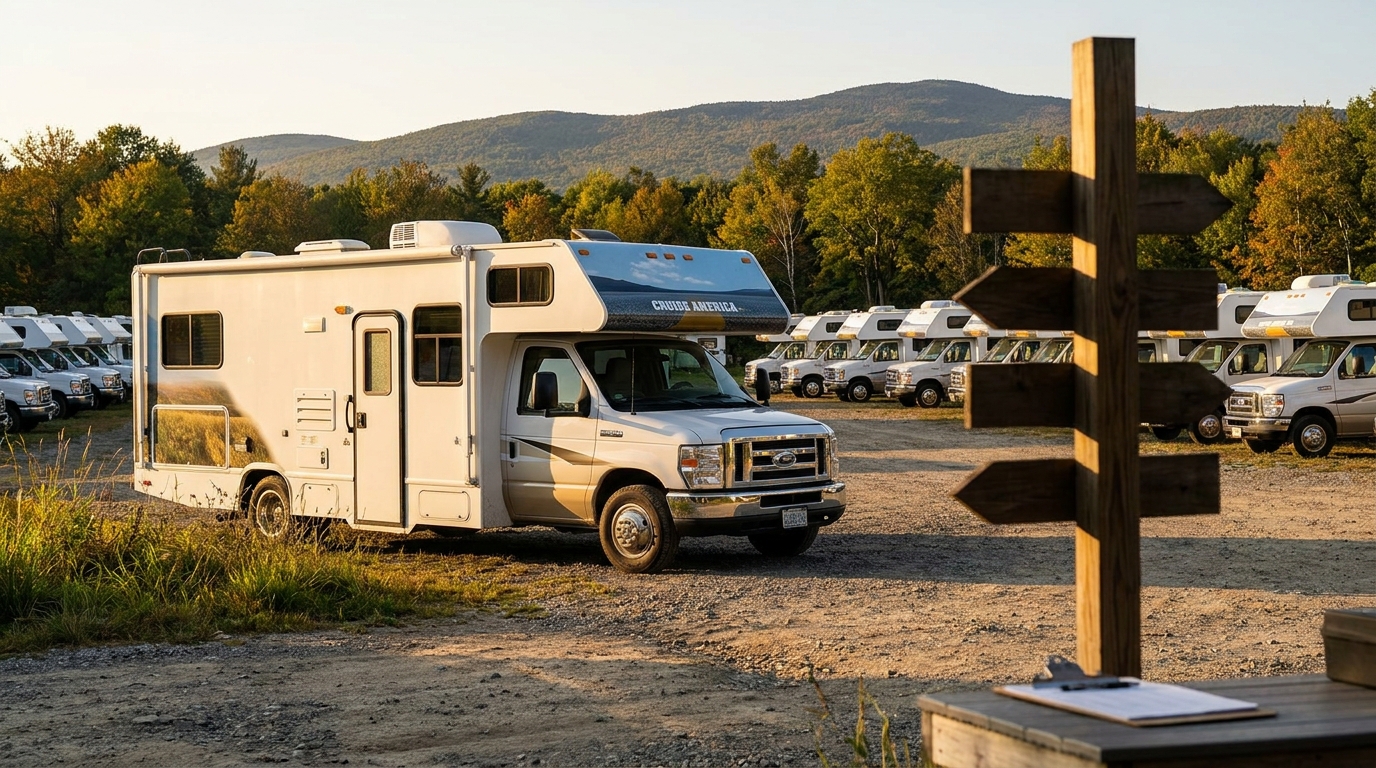
Securing an airport RV rental in the Northeast US requires thoughtful planning to maximize your adventure. Start by booking your RV rental well in advance, especially for popular seasons like the vibrant fall foliage in autumn and the pleasant summer months, to ensure availability and potentially better rates. Familiarize yourself with Northeast-specific driving challenges, such as the charming but sometimes winding rural roads and historic town centers, which are easily navigated with careful driving. Factor in regional considerations like potentially higher fuel costs compared to other parts of the country and the varied campground availability across different states. Choose an RV class that comfortably accommodates your group and is suitable for navigating the diverse regional roads; a Class C motorhome, for example, offers a good balance of space and maneuverability. Finally, plan flexible itineraries to adapt to the Northeast's famously varied weather conditions, which can range from sudden summer showers to early autumn cold snaps. On the routes offered through RV PLANET routes, you can itemize and track every expense along the way for easy budgeting.
Before You Book - Class, Dates, Insurance
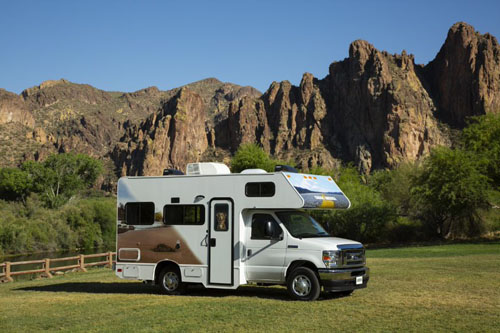
Selecting the right RV class is paramount for a comfortable Northeast journey. For instance, a Class C motorhome generally offers excellent maneuverability on the region's scenic, often winding roads, while providing ample living space. If your group is larger or you prioritize more amenities, a Class A motorhome might be suitable, though always consider the road conditions. Locking in your rental dates as early as possible is crucial, particularly for trips during the peak summer or autumn foliage seasons, as this not only ensures availability but can also lead to better rates. When it comes to insurance, basic coverage is typically included. To explore all available options, including the most comprehensive coverage for added peace of mind, simply select the insurance upgrade option during the search process; this will then display all relevant insurance choices and their associated prices.
Pre-Trip Prep - Packing Checklist for North East US
Proper packing ensures a smooth and enjoyable RV adventure throughout the Northeast US. For clothing, prioritize layered items suitable for the region's variable temperatures, such as fleece jackets, quick-dry tops, and a reliable rain jacket. Comfortable walking or hiking shoes are essential for exploring trails and charming towns. Don't forget swimwear and towels if your itinerary includes lakes or coastal activities. Even in summer, pack a warm hat and gloves for cooler evenings. In the kitchen, ensure you have basic cooking essentials like pots, pans, utensils, and a cutting board. Stocking up on non-perishable food items and snacks for the initial days is a smart move, and reusable water bottles and coffee mugs are eco-friendly choices. A cooler can be invaluable for extra food and drinks, especially if you plan on any off-grid camping. For safety, a comprehensive first-aid kit, roadside assistance contacts, a flashlight with extra batteries, and a multi-tool are recommended. It's also wise to carry physical maps or download offline maps, as cell service can be spotty in more remote Northeast areas. Finally, ensure you have all necessary documents: your driver's license, the RV rental agreement, proof of insurance, and any campground reservation confirmations. If your travels might take you across the Canadian border, for example from Maine or Vermont, remember your passport or other required identification. For ideas you can prep on the road, watch our RV-friendly recipes playlist on YouTube.
On the Road - Driving, Fueling, Navigation
Navigating the open roads of the Northeast in your rented RV is a core part of the experience. Before hitting the highways, take some time to practice driving your RV in a low-traffic area. This allows you to get accustomed to its size, braking, and handling characteristics, making the transition to more populated roads much smoother. Plan your fuel stops carefully, especially in the more rural Northeast areas where gas stations can be sparse, and prices can vary significantly. Utilizing a combination of GPS, physical maps, or dedicated RV navigation apps is highly recommended to help you avoid potential hazards like narrow roads, low bridges, or steep grades that might not be suitable for your RV's dimensions. This ensures a safer and more enjoyable journey through the diverse landscapes of the Northeast.
At the Campground - Setup, Hookups and Etiquette
Setting up your rented RV at a campground is a straightforward process that enhances your stay. Upon arrival, the general recommendation is to first level your RV using blocks or jacks, then connect electricity, water, and finally the sewer hose. This order ensures proper system function and prevents issues. It's always important to familiarize yourself with campground-specific rules, which often include designated quiet hours, pet policies, fire regulations, and waste disposal guidelines. Being considerate of your neighbors is key to a positive camping experience; by keeping noise levels down, especially during quiet times, and maintaining a tidy campsite, you contribute to a harmonious environment for everyone.
Airport rv rental-Specific Tips for North East US
When your airport RV rental journey begins, a few specific tips for the Northeast US can smooth the process. Plan your transportation from the airport to the RV rental depot in advance, as many facilities are not directly on airport property. Allow extra time for the RV pickup process itself; this includes the detailed orientation you'll receive on your specific RV model, which is particularly important after a flight when you might be feeling tired. Consider making an initial grocery run near the rental depot to stock your RV before heading to more remote Northeast destinations, where shopping options might be more limited. If you're flying out immediately after returning the RV, double-check the rental depot's operating hours to ensure they align with your flight schedule and allow ample travel time back to the airport.
Common Mistakes to Avoid in North East US
Avoiding common pitfalls can significantly enhance your Northeast RV rental experience. A frequent mistake is not booking campgrounds in advance. Instead, make sure to reserve your campsites, especially for popular destinations and during peak seasons in the Northeast, to secure your spot and avoid disappointment. Another common error is underestimating driving times. Always build in extra travel time for scenic routes, navigating small historic towns, and potential traffic, which is common in the Northeast, particularly during summer or fall. Always be mindful of vehicle weight limits; pack judiciously and distribute weight evenly to ensure safe handling and avoid exceeding legal limits, which can affect performance and safety. Finally, neglecting seasonal weather preparations is a mistake many make. Instead, diligently check forecasts and prepare for varied Northeast weather, from summer humidity to sudden fall chills or potentially muddy spring conditions.
Is it cheaper to rent an RV or stay in a hotel?
Renting an RV can indeed be more cost-effective than staying in hotels, particularly for longer trips or larger groups, as it efficiently combines accommodation and transportation costs while offering opportunities for self-catering meals. RV travel costs typically encompass rental fees, fuel, campground fees, and groceries, all of which can be shared among travelers. Conversely, hotel travel incurs separate costs for accommodation, dining out, and often separate vehicle rentals or public transport at each destination. The financial advantage of an RV often increases significantly with trip duration and the number of travelers sharing expenses, especially when compared to the costs of multiple hotel rooms and frequent restaurant meals.
What state is most RV friendly?
While specific states might be highly RV-friendly due to vast natural parks or favorable regulations, the "most" RV-friendly state is subjective and depends on a traveler's priorities regarding scenery, amenities, and regulations. In the Northeast, states like Maine, New Hampshire, and Vermont offer extensive natural beauty and well-developed RV amenities, making them popular choices. RV friendliness can be gauked by factors such as the density of campgrounds, availability of dump stations, quality of roads suitable for larger vehicles, and local RV-specific laws. Many travelers often cite Western states like California, Arizona, and Oregon as highly RV-friendly due to their abundant public lands and national parks. For the Northeast, however, states known for their scenic routes, numerous state parks, and welcoming RV infrastructure include Maine (home to Acadia National Park), Vermont (with its Green Mountains), and New Hampshire (featuring the White Mountains).
What are the drawbacks of renting an RV?
Renting an RV, while offering incredible freedom, does come with potential drawbacks. These include higher fuel costs, as larger vehicles naturally consume more, which can significantly impact overall trip expenses, especially on long journeys. There's also a learning curve associated with driving and operating an RV, requiring increased awareness, practice, and caution, particularly on the narrow, winding roads or in crowded urban areas common in the Northeast. Furthermore, regular maintenance tasks, such as emptying wastewater tanks, refilling fresh water, and connecting to campground hookups, are an inherent part of the RV experience. Flexibility can also be reduced by the necessity for advanced campground reservations, particularly in popular areas and during peak seasons, which can make spontaneous itinerary changes more difficult.
What is the best company to rent an RV from?
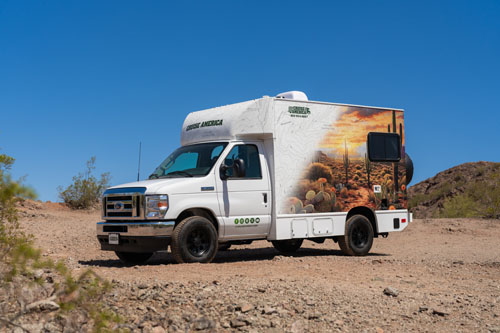
The "best" company to rent an RV from often depends on individual needs, budget, and desired RV class, with popular options ranging from national chains offering wide selections and professional support to peer-to-peer platforms providing unique choices. National rental companies like Cruise America and El Monte RV typically offer standardized fleets, multiple locations, dependable support, and often newer models. Peer-to-peer platforms such as Outdoorsy and RVshare connect renters directly with RV owners, often providing a wider variety of unique vehicles, potentially more personalized experiences, and competitive pricing. Key factors to consider when choosing a company include vehicle availability, included amenities, insurance options, customer service reviews, pickup/drop-off flexibility, and cancellation policies.
Can I rent an RV in one state and return it in another?
Yes, one-way RV rentals are generally possible, allowing travelers the flexibility to pick up an RV in one state and return it in another, although these rentals typically incur additional one-way fees. These fees compensate the rental company for the logistical complexities and costs associated with repositioning the vehicle back to its home base or a designated new pickup location. The availability of one-way rentals can be seasonal, route-dependent, and sometimes limited, often requiring significant advance booking to secure your desired itinerary. This option is particularly ideal for extensive road trips covering long distances, enabling you to explore a vast region without the need to circle back to your original pickup point.
What is the cheapest way to rent an RV?
The most economical way to rent an RV typically involves booking during off-peak seasons, opting for smaller or older RV models, utilizing peer-to-peer rental platforms, and maintaining flexibility with pickup and drop-off locations. Traveling during the shoulder seasons, such as spring or late fall in the Northeast, can significantly reduce rental rates compared to peak summer or holiday periods. Consider renting a smaller Class C or Class B RV, or an older model, as these are generally more budget-friendly than brand-new, larger Class A motorhomes. Peer-to-peer platforms often present competitive pricing and a broader selection of options, including privately owned RVs that may come at lower rates. Keep an eye out for relocation specials or last-minute deals where rental companies offer discounted rates to strategically move vehicles between depots to balance their fleet.
Is renting an RV cheaper than flying?
Renting an RV can be a more economical choice than flying for certain types of trips, especially for families or groups traveling to multiple destinations within driving distance. This is primarily because it eliminates airfare, checked baggage fees, and hotel costs at each stop. The overall cost comparison involves factoring in airfare, baggage fees, airport transfers, car rentals, and hotel expenses for flying versus RV rental fees, fuel, campground fees, and groceries for RV travel. For solo travelers or very long distances where time is a critical factor, flying might still prove more economical or practical, particularly if the RV's fuel consumption is high. However, larger groups can often achieve significant savings with an RV by splitting rental and fuel costs, and by self-catering meals instead of dining out frequently.
What is the 3-3-3 rule for RV travel?
The 3-3-3 rule is a popular guideline for RV travel, suggesting a relaxed pace by aiming to drive no more than 300 miles a day, arriving at your destination by 3 PM, and staying for a minimum of 3 nights. This approach helps prevent driver fatigue, allows for spontaneous stops and sightseeing, and reduces the stress often associated with constant travel. Arriving by 3 PM provides ample daylight for setting up camp, exploring the immediate surroundings, and unwinding before evening. Staying for at least three nights at each location encourages deeper exploration of the area, minimizes the frequency of packing and unpacking, and fosters a more immersive travel experience.
What is the 444 rule for RV travel?
The 4-4-4 rule for RV travel offers an alternative to the 3-3-3 guideline, proposing a slightly more expansive pace by suggesting driving a maximum of 400 miles a day, stopping by 4 PM, and staying at least 4 nights at each location. This rule is beneficial for travelers who wish to cover a bit more ground than the 3-3-3 rule allows while still maintaining a leisurely and enjoyable pace. Driving up to 400 miles a day can be suitable for more experienced RVers or those needing to reach specific destinations more efficiently. Arriving by 4 PM ensures sufficient daylight for setting up camp and settling in before dusk, reducing travel-related stress. Extended stays of four nights or more provide a greater opportunity to truly immerse oneself in a destination and its surrounding attractions, fostering a sense of home on the road.
What is the 2 2 2 rule for RV travel?
The 2-2-2 rule for RV travel emphasizes a slower, more immersive experience by suggesting driving no more than 200 miles a day, stopping by 2 PM, and staying for at least 2 nights at each location. This rule is particularly well-suited for first-time RVers, families with young children, or anyone looking to fully relax and explore each stop without feeling rushed. Minimal daily driving of 200 miles significantly reduces stress, maximizes opportunities for sightseeing, and allows for unexpected detours or spontaneous discoveries. Stopping by 2 PM ensures maximum daylight hours for camp setup, enjoying campground amenities, embarking on local excursions, or simply relaxing at the campsite. Staying for at least two nights at each location allows for deeper exploration and reduces the fatigue associated with frequent packing and moving.
What You Shouldn't Miss
- Explore the vibrant fall foliage by RV in Vermont or New Hampshire, seeking out scenic byways like the Kancamagus Highway.
- Visit Acadia National Park in Maine for breathtaking coastal drives and hiking opportunities, reserving your campsite well in advance.
- Experience the historic charm of towns like Newport, Rhode Island, or Salem, Massachusetts, with their unique maritime history and architecture, easily accessible by motorhome.
- Sample local delicacies, from Maine lobster rolls to Vermont maple syrup and Connecticut's famous pizza, by planning culinary stops along your route.
- Drive the scenic routes of the Berkshires in Massachusetts for a blend of culture, arts, and natural beauty, with plenty of RV-friendly campgrounds.
- Discover the unique charm of the Finger Lakes region in New York, known for its wineries and stunning glacial lakes, offering beautiful RV park settings.
Final Thoughts
Embarking on an RV adventure in the Northeast US offers an unparalleled way to connect with the region's diverse landscapes and rich history. From the stunning coastlines of Maine to the rolling hills of Vermont, a rented RV provides the freedom and flexibility to explore at your own pace.
Remember to plan ahead, pack wisely, and embrace the journey. With Bandana Caravan, you can be confident in finding the perfect RV for your Northeast adventure, backed by our commitment to transparency and exceptional support. Get inspired for your next trip and discover the ease of planning a memorable RV getaway!
Discover top destinations, planning tips, all in one place! Explore our curated RV PLANET routes to get started on your Northeast adventure today.