In This Guide
- Top 5 Tips for RV Rental in Namibia
- Before You Book - Class, Dates, Insurance
- Pre-Trip Prep - Packing Checklist for Namibia
- On the Road - Driving, Fueling, Navigation
- At the Campground - Setup, Hookups & Etiquette
- RV Rental-Specific Tips for Namibia
- Common Mistakes to Avoid in Namibia
- What RV Safety Protocols and Emergency Preparedness are Essential for Namibia?
- What are Namibia's Road Conditions and Which RV Type is Suitable?
- How to Manage RV Logistics (Water, Fuel, and Waste) in Remote Namibia?
- Where are Lesser-Known Regions and Community Campsites in Namibia?
- How Much Does RV Rental in Namibia Cost?
- How to Stay Connected When RVing in Remote Namibia?
- What are Ethical Wildlife Viewing and Responsible RV Practices in Namibia?
- Top Cities for RV Rental in Namibia
- Why Book with Bandana Caravan
- Final Thoughts
- Frequently Asked Questions
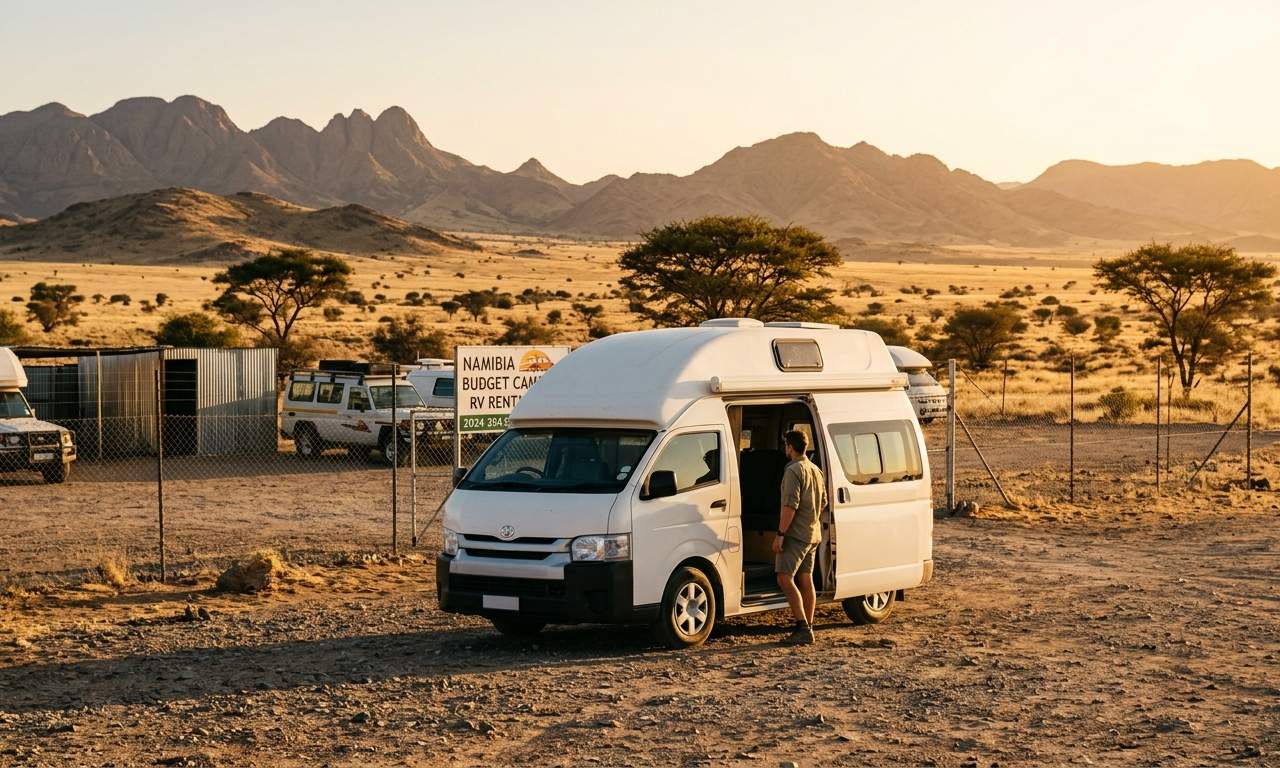
Embarking on an RV adventure in Namibia offers an unparalleled sense of freedom, allowing you to explore vast desert landscapes, abundant wildlife, and rich cultural experiences at your own pace. With a rented motorhome, you're not just traveling; you're carrying your home on wheels through one of Africa's most breathtaking countries. From the iconic red dunes of Sossusvlei to the wildlife-rich plains of Etosha National Park, Namibia is a dream destination for self-drive explorers. To ensure a smooth journey, it's vital to prepare thoroughly, understand local nuances, and choose the right rental vehicle for your adventure. For live availability and current prices, start with our RV Rental Namibia - Complete Guide 2026 guide.
Top 5 Tips for RV Rental in Namibia
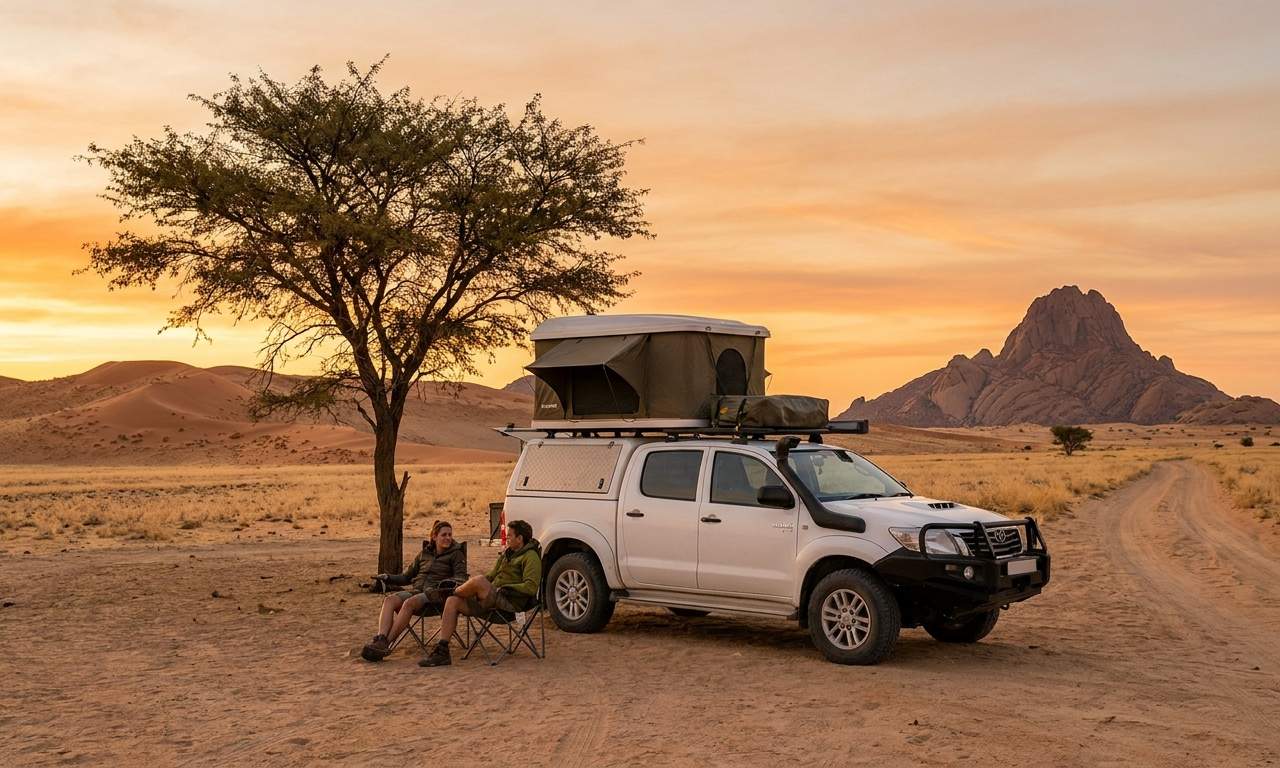
To make your Namibia RV adventure truly unforgettable, these top five tips will set you up for success. First, securing your chosen RV rental in advance is crucial, especially if you plan to travel during Namibia's peak dry season (July-October), as popular models and dates can book out quickly, potentially saving up to 20% by booking 3-6 months ahead. Second, consider opting for a 4x4 RV or campervan if your itinerary includes challenging gravel roads or remote national parks like Kaokoland or Damaraland, which demand higher ground clearance and enhanced traction beyond what a standard 2WD campervan can offer. Third, take the time to familiarize yourself with all RV logistics, including the management of fresh water, fuel consumption (expect 12-25 liters per 100 km depending on vehicle size and terrain), and waste disposal, as self-sufficiency is key when exploring Namibia's remote regions.
Fourth, meticulously plan your route, accounting for driving times on diverse road types (tarred roads typically 120 km/h, gravel roads 80 km/h) and ensuring you've identified sufficient fuel stops, particularly when traversing long, uninhabited stretches. Finally, embrace the profound freedom and unique wildlife encounters that only RV travel in Namibia can offer; drive slowly, averaging no more than 100-150 km per day, allowing yourself ample time to absorb the stunning scenery, connect with local cultures, savor the food, and appreciate the incredible natural beauty. Remember, a flexible attitude and careful preparation are your best companions for a seamless Namibian road trip.
Before You Book - Class, Dates, Insurance
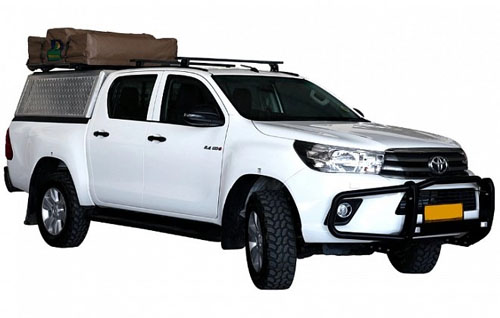
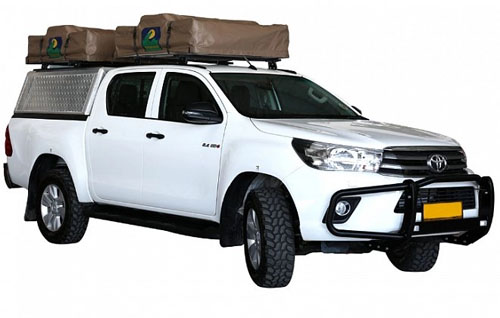
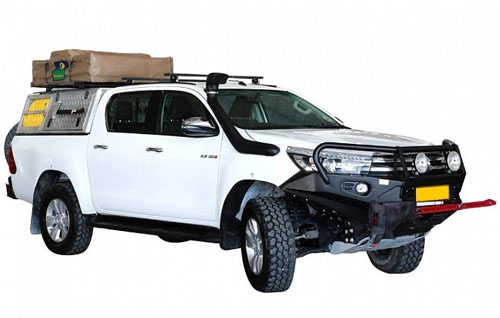
Before confirming your motorhome rental in Namibia, choosing the right RV class, finalizing your dates, and understanding insurance options are paramount for a tailored experience. When selecting an RV class, you'll need to balance comfort, maneuverability, and suitability for Namibia's diverse terrain; while many tarred main routes and well-maintained gravel roads (like the route to Sossusvlei) are accessible by 2WD campervans (e.g., a Combi Van with its compact dimensions), a 4x4 RV or camper (such as a 4x4 Camper B - THOR) is strongly recommended for venturing into more remote areas, unpaved tracks, or certain wilderness campsites that require higher ground clearance and enhanced traction.
Securing your rental dates as early as possible is crucial, especially for trips during Namibia's dry season (May-October), to ensure vehicle availability and potentially better rates, with many seasoned travelers booking 6-9 months ahead. Regarding insurance, basic third-party liability insurance is always included with Bandana Caravan rentals; for the most comprehensive coverage and peace of mind, including options to upgrade to a top-level deductible for extra protection, select these options during your search on our platform to see prices that reflect maximum coverage. We offer full transparency, ensuring what you see is what you pay, with no surprise fees at pickup.
Pre-Trip Prep - Packing Checklist for Namibia
A well-prepared packing list is essential for a comfortable and safe RV trip through Namibia's varied climate and remote areas. For clothing, pack versatile layers that can accommodate hot desert days (up to 40°C in summer) and cool desert nights (dropping to 5°C or lower), along with a wide-brimmed hat, sunglasses, and sturdy closed-toe shoes suitable for walking on uneven terrain. Your rented RV will typically include basic kitchen equipment, bedding, and some emergency tools, but always confirm specifics with your supplier.
Equip your RV kitchen with basic cooking utensils beyond what's included, durable water bottles or a water bladder (up to 20 liters recommended per person per day for drinking and basic hygiene), and a cooler for keeping fresh provisions chilled, especially if your motorhome's refrigerator is smaller. Remember that cooking your own meals can be a fantastic way to save on ancillary trip costs; check out our RV-friendly recipes playlist for inspiration. Essential items to include are a comprehensive first-aid kit with any personal medications, emergency breakdown tools (including two spare tires and a puncture repair kit are highly recommended for remote Namibian roads), and copies of important documents such as your driver's license (a standard car license is sufficient for all motorhome classes), an International Driving Permit (recommended for non-English speaking visitors but not mandatory), and national park permits. On the routes offered through RV PLANET routes, you can itemize and track every expense along the way for easy budgeting.
At the Campground - Setup, Hookups & Etiquette
Efficient campground setup ensures a smooth and enjoyable RV experience in Namibia, particularly when managing water, fuel, waste disposal, and electricity in remote areas where resources can be limited. Upon arrival at a campsite, first, level your rented RV to ensure comfort and proper appliance function, using leveling blocks if necessary. Next, connect to shore power if available (common in most established campsites), followed by your fresh water hookup (always boil or filter tap water before drinking unless explicitly stated as potable).
Familiarize yourself with waste disposal procedures, including emptying grey water (from sinks and showers) and black water (from the toilet) tanks at designated dump stations, which are found at most formal campsites. Observe proper campground etiquette, such as adhering to quiet hours (typically 10 PM to 6 AM) to respect other campers, and minimize generator use to reduce noise disturbance for both fellow travelers and local wildlife. Always leave your campsite cleaner than you found it, packing out all your trash, which is a fundamental responsible RV practice in Namibia. Some national parks only reserve 25-30% of spots; the rest are first-come-first-serve, so you'll find a spot. If not at the first campground, then the next one. Call ahead before driving.
RV Rental-Specific Tips for Namibia
Tailoring your RV rental in Namibia to your travel style and group type ensures maximum enjoyment and comfort on your adventure. Families renting an RV in Namibia, especially those with young children, should prioritize vehicles with comfortable sleeping arrangements for 4-6 people, like a Class C motorhome (e.g., a F4 with bunk beds and multiple sleeping areas), and consider kid-friendly activities with nap-friendly drive schedules, adhering to the slow travel recommendation of max 100-150 km per day. Senior travelers may benefit from ergonomic RV classes offering easier access and comprehensive amenities, planning routes with shorter daily drives and frequent rest stops to comfortably explore locations such as the Fish River Canyon or Skeleton Coast.
Budget-conscious travelers can significantly save on their Namibia RV trip by opting for smaller campervans (like a Chaser), utilizing self-catering options from local markets, and seeking out community-run or lesser-known campsites which often offer more affordable rates than those within major national parks. Conversely, luxury RVers can enhance their experience with premium add-ons like enhanced off-road capabilities for deeper exploration of Damaraland, on-demand satellite internet for staying connected, and exclusive campsite bookings that offer greater privacy and unique settings. Regardless of your budget, remember to account for dynamic pricing that changes daily based on availability, seasonality, and supplier marketing decisions, with the final price set at the actual booking time. For those seeking a truly premium experience, our "Luxury RV Rental in Namibia - Premium Prices 2026" guide offers insights into high-end options.
When thinking about a weekly trip in Namibia, our "Weekly RV Rental in Namibia - Pricing 2026" offers useful insights into budgeting and options.
Common Mistakes to Avoid in Namibia
Avoiding common pitfalls when renting an RV in Namibia can significantly enhance your travel experience. One critical mistake is underestimating driving distances and travel times on gravel roads; instead, always factor in extra time for slower speeds (often 50-70 km/h) and unexpected stops, especially when covering long stretches between destinations like Windhoek and Etosha (approx. 500 km). Another error is neglecting to book campsites in advance, particularly within popular national parks like Etosha or Namib-Naukluft, by securing your spots well ahead of time, as many highly sought-after campsites can be fully booked months in advance. Remember, many national and state parks reserve only 25-30% of spots for pre-booking, leaving the rest for first-come-first-serve, so you'll find a spot. If not at the first campground, then the next one, but call ahead before driving.
Never embark on long journeys without two spare tires and the necessary tools for changing them; instead, always inspect your spares and confirm their condition before departure, as punctures are a common occurrence on gravel roads. Prevent running out of fuel in remote areas by refueling at every available opportunity, even if your tank isn't empty, and consider carrying extra jerry cans (an additional 20-40 liters) if venturing off main routes into areas with sparse services. Lastly, do not underestimate the importance of reliable navigation tools; while mobile phone coverage is good near cities like Walvis Bay and Swakopmund, many areas have no signal, so offline maps or a dedicated GPS device are essential. For those concerned about budgeting and finding affordable options, our "Cheap RV Rental in Namibia - Budget Guide 2026" provides useful tips.
What RV Safety Protocols and Emergency Preparedness are Essential for Namibia?
Essential RV safety protocols for Namibia include carrying a satellite phone or a high-frequency radio for emergencies, as mobile reception is often nonexistent in remote areas, particularly in the vast expanses of the Namib Desert. Always inform someone of your itinerary, especially when venturing into remote regions, and establish regular check-in times with family or friends to ensure your safety. Preparing for potential breakdowns is crucial; carry a comprehensive toolkit, extra potable water (at least 20 liters per person), and spare parts like fan belts and fuses, even for a well-maintained rented motorhome like an Apollo or Britz model.
Being acutely aware of wildlife is paramount; never approach animals, especially larger ones like elephants or rhinos, always keep campsite food secured to prevent attracting them, and drive cautiously, particularly at dawn and dusk, when wildlife activity is highest. A well-stocked medical emergency kit, including supplies for snake bites and basic trauma care, is crucial given the significant distances to medical facilities in many parts of the country. Travel insurance with emergency evacuation coverage is highly recommended. You can upgrade to a top-level deductible for extra peace of mind, an optional upgrade offered by many suppliers.
What are Namibia's Road Conditions and Which RV Type is Suitable?
Namibia's road conditions are predominantly gravel outside major towns, ranging from well-maintained, smooth surfaces to challenging and corrugated tracks that require careful driving. For itineraries covering popular tarred routes (such as the B1 highway) and well-trafficked gravel roads leading to iconic sites like Sossusvlei (C14) or the main camps within Etosha National Park, a 2WD campervan or standard motorhome (e.g., a Class C such as a CA-25 or a campervan like Condo) may be sufficient, provided you drive slowly and carefully. Drive slowly and carefully, and you can drive almost anywhere without issues. No need to stress - just use common sense and pay attention.
However, a 4x4 RV is truly essential for venturing into more remote areas, such as Kaokoland, Damaraland's unpaved tracks, or certain wilderness campsites that necessitate higher ground clearance and enhanced traction (e.g., a DCE or SE). Routes like the C14 to Sossusvlei or D407 require careful driving, but generally, a robust 2WD motorhome can manage these; for destinations like Spitzkoppe or Palmwag, a 4x4 offers greater peace of mind and access, particularly during the wet season (November-April) when roads can become muddy and challenging. Always check the latest road conditions locally before setting out, especially after heavy rains, and remember that Bandana RV are true RV specialists, ready to help you compare the perfect vehicle for your specific Namibian adventure.
How to Manage RV Logistics (Water, Fuel, and Waste) in Remote Namibia?
Effective management of RV logistics for water, fuel, and waste is critical for extended travel in Namibia's remote areas, ensuring self-sufficiency and environmental responsibility. Always carry extra potable water, beyond what the RV tank holds (a typical Class C might have an 80-120 liter fresh water tank), as water sources can be scarce and unreliable, particularly outside major towns. Consider robust, food-grade water containers for an additional 20-40 liters.
Monitor your fuel levels diligently and refuel at every opportunity, especially when entering vast, sparsely populated regions like the Kunene or Kalahari, where distances between stations can exceed 300 km; carrying jerry cans with an extra 20-40 liters of diesel or petrol is a highly recommended precaution. Waste disposal requires careful planning; always utilize designated dump stations at formal campsites for grey and black water tanks, and rigorously adhere to leave-no-trace principles by packing out all solid waste. Electrical management often involves a combination of solar panels (many modern rental RVs are equipped with these), auxiliary batteries (typically 12V deep cycle units), and generator use at designated times and locations, as shore power is not universally available in remote campsites. When enjoying meals prepared in your RV kitchen, be sure to properly dispose of any waste. Remember, we were founded in 2001 and have years of experience helping tens of thousands of travelers navigate these logistical challenges.
Where are Lesser-Known Regions and Community Campsites in Namibia?
Beyond the main tourist circuit, Namibia offers incredible experiences in lesser-known regions and at community-run campsites for a more authentic local interaction and deeper immersion into the country's diverse landscapes. Explore the vast, wild landscapes of the Kunene Region (formerly Kaokoland) for rugged adventure, unique Himba cultural encounters, and sightings of desert-adapted wildlife, often only accessible with a 4x4 campervan like a "Patagonia Camper 4x4 double cab" or similar model. The Zambezi Region (Caprivi Strip) provides a stark contrast to Namibia's arid west with its lush riverine ecosystems, abundant birdlife, and proximity to Botswana's Okavango Delta, offering a different kind of wilderness experience.
Seek out community-run campsites in areas like Damaraland, Brandberg (home to ancient rock art), or the /Ai-/Ais Richtersveld Transfrontier Park, which directly benefit local communities and offer unique cultural insights away from the more commercialized areas. These campsites provide basic facilities but often boast spectacular, secluded settings. Opportunities for authentic local interactions include guided village tours, craft markets, and sharing stories around a campfire with local hosts, offering a chance to connect meaningfully with Namibia's people. Remember, Bandana RV offers Rent&Plan services, including pre-planned route plans by professionals that can highlight these hidden gems, and you receive a 25% planning discount when you use rvplan.net for your route planning.
How Much Does RV Rental in Namibia Cost?
The cost of an RV rental in Namibia typically ranges from N$1,500 to N$4,500 (approximately €90 to €270 or $100 to $300 USD) per day, depending on the vehicle class, rental duration, and season, with peak season (June-October) being the most expensive. This pricing is dynamic, much like flight tickets, changing daily based on availability and supplier marketing decisions, so the final price is always set at the actual booking time. Budget for significant fuel costs, which can average 11-25 liters per 100 km (depending on vehicle size like a "cruise america rv rental example Explorer" vs. a more compact "rv rental denver example Category Van") and are higher in remote areas; current fuel prices can be checked online. For a one-week trip, expect total costs to start from around N$10,000 (€600) for a basic campervan, while a two-week adventure could be N$20,000-N$30,000 (€1200-€1800) for a larger motorhome including rental and basic expenses.
National park entry fees (e.g., Etosha National Park, Namib-Naukluft Park) are generally around N$150 per person per day plus N$50 per vehicle, adding to your overall ancillary trip costs. Campsite fees vary from N$150 for basic community sites to N$500+ for premium campsites with full amenities, while opting for a top-level deductible (an optional upgrade) will add to your rental cost but provide greater peace of mind. Allocate funds for groceries, as self-catering is common with RV travel, and consider budgeting for optional activities like guided safaris or cultural tours to enrich your experience. For comprehensive cost breakdowns and budgeting tools, our RV PLANET routes allow travelers to itemize and track every expense. Our guides "RV Rental in Namibia - Prices and Best Deals 2026" and "RV Driving Deals in Namibia - Routes and Savings 2026" offer more detailed financial planning advice.
How to Stay Connected When RVing in Remote Namibia?
Staying connected while RVing in remote Namibia can be challenging, but several strategies can help bridge the communication gap or prepare you for when you can't be reached. The most effective approach is to purchase a local SIM card from MTC, Namibia's primary mobile provider, immediately upon arrival at Windhoek Airport, as MTC offers the best coverage in populated areas and along major routes. However, expect significant stretches of road, particularly in national parks and very remote regions, to have intermittent or nonexistent mobile signal. For airport pickup tips, remember to arrange for SIM card purchase as part of your initial arrival process.
For truly remote regions or emergency situations, a satellite phone is the most reliable option for communication, offering connectivity where mobile networks fail, and some RV rental suppliers may offer these as an add-on. Always inform family and friends of your detailed travel plans and expected check-in times, especially when heading off-grid for several days. Crucially, download offline maps and essential travel information beforehand, as relying on internet access for navigation or research is often not feasible. This preparation ensures you remain safe and informed even when disconnected. Bandana Caravan provides 24/7 support for pre-booking, booking support, and post-booking coordination, so we're with you every step of the way until your booking is confirmed.
What are Ethical Wildlife Viewing and Responsible RV Practices in Namibia?
Ethical wildlife viewing and responsible RV travel practices are paramount to preserving Namibia's unique ecosystems and ensuring safe interactions, especially when camping in wilderness areas. Maintain a respectful distance from all wildlife (a minimum of 25 meters from large animals and 100 meters from predators) and never approach animals, especially potentially dangerous ones like elephants, rhinos, or lions. Use binoculars for close-up views and observe their behavior without disturbing them. Many rental motorhomes, such as a "Category Family 5" are well-suited for wildlife viewing from a safe distance.
Never feed wild animals, as this can alter their natural behavior, make them dependent on humans, and pose dangers to both animals and people. Stick to designated roads and tracks to minimize environmental impact, prevent soil erosion, and avoid disturbing fragile habitats; off-road driving is generally prohibited outside of designated 4x4 tracks. When camping in wilderness areas, secure all food and waste in your RV (which typically features a 60-150 liter refrigerator/freezer capacity) to prevent attracting animals, use eco-friendly products, and always leave no trace of your presence. This means packing out all trash and disposing of grey and black water at designated dump stations. These practices ensure the pristine beauty of Namibia is preserved for future generations.
Top Cities for RV Rental in Namibia
Namibia offers several key cities where you can pick up your RV rental, making it convenient to start your self-drive adventure across this diverse country. Windhoek, the capital, is the primary hub for RV rentals in Namibia. It boasts the widest selection of motorhomes and campervans, from compact models ideal for a couple to larger family-friendly RVs. Travelers often fly into Hosea Kutako International Airport (WDH) near Windhoek, where direct airport pickup services are frequently available from major suppliers like Apollo and Britz.
Another excellent starting point is Swakopmund, a charming coastal town known for its German colonial architecture and adrenaline activities. Renting an RV from Swakopmund allows for immediate access to the Skeleton Coast and the Namib-Naukluft Park. While selection might be slightly more limited than in Windhoek, it offers a great alternative, often with pickups available directly from Swakopmund Airport. Walvis Bay, located just south of Swakopmund, is also a viable option, particularly for those looking to explore the coastal wetlands and marine life before heading inland. Both Swakopmund and Walvis Bay offer convenient access to fuel stations and grocery stores for provisioning your RV. Regardless of your chosen starting point, comparing options from different suppliers ensures you find the best vehicle for your itinerary and budget. For those interested in one-way trips, our "One-Way RV Rental in Namibia - Price Guide 2026" covers fees and options between these cities.
Final Thoughts
A fly-and-drive RV rental in Namibia is more than just a vacation; it's an immersive journey into the heart of an incredible country, offering unparalleled independence and discovery. Imagine waking up to the sound of the desert, brewing coffee in your rented campervan, and setting off on another adventure, knowing your comfortable base is always with you. From navigating diverse landscapes to encountering magnificent wildlife, Namibia by motorhome is an experience that truly connects you with nature.
With Bandana Caravan, you have a partner dedicated to making your planning process seamless and transparent. We're here to help you compare the best options, understand the nuances of Namibian travel, and embark on a trip that will create lasting memories. So, pack your bags, choose your perfect RV, and get ready for the adventure of a lifetime. Discover top destinations, planning tips, all in one place!
Plan a trip itinerary in advance with minimal effort and maximum enjoyment. Find your ideal Namibia RV rental now and start dreaming of those wide-open roads!
🎬 Video coming soon