In This Guide
- Top 5 Tips for Airport RV Rental in East Canada
- Before You Book - Class, Dates, Insurance
- Pre-Trip Prep - Packing Checklist for East Canada
- On the Road - Driving, Fueling, Navigation
- At the Campground - Setup, Hookups and Etiquette
- Airport RV Rental-Specific Tips for East Canada
- Common Mistakes to Avoid in East Canada
- What is the 3-3-3 rule for RV travel?
- Which RV rental company in Canada is the best?
- Do RVs get searched at the Canadian border?
- What are the drawbacks of renting an RV?
- How much does it cost to rent an RV for a week in Canada?
- What is the cheapest way to rent an RV?
- Can you take an RV from the USA to Canada?
- What do you need to enter Canada with an RV?
- What is the 4-4-4 rule for RV travel?
- What is the best month to visit the Maritimes?
- What You Shouldn't Miss
- Why Book with Bandana Caravan
- Final Thoughts
- Frequently Asked Questions
Top 5 Tips for Airport RV Rental in East Canada
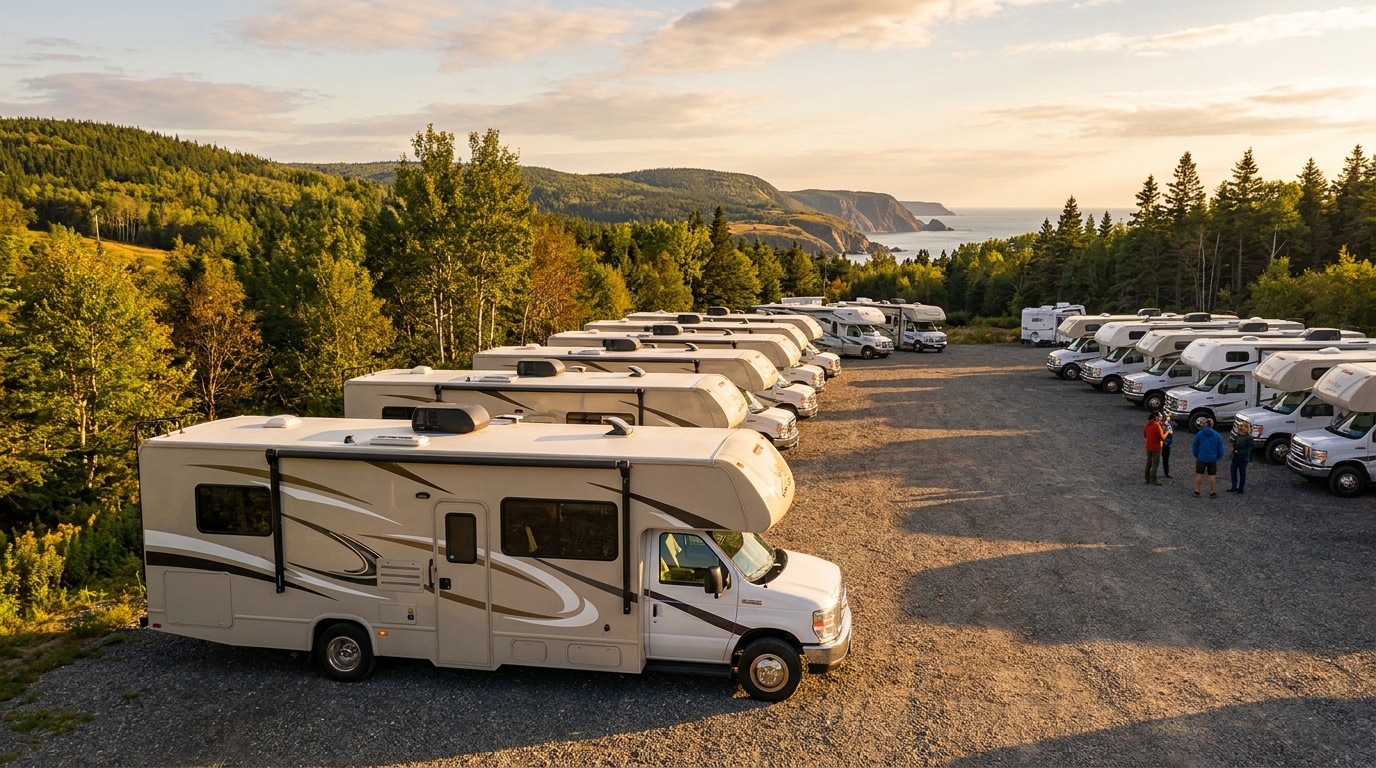
Securing an airport RV rental in East Canada for a memorable fly-and-drive adventure begins with smart planning to maximize your experience. To ensure the best selection and rates, booking your rented motorhome early, especially for the peak season of July and August in popular destinations like the Cabot Trail or Prince Edward Island, is always a good idea.
Consider the class of RV that best suits your travel style and itinerary; a nimble campervan like a `Category Van` (small, front A/C, shower, toilet) is often ideal for navigating the charming but sometimes narrow coastal roads, while a more spacious Class C or Class A motorhome like the `MHLUX` (sleeps 7, 320 Liter fuel tank, 260 Liter fresh water) offers ample comfort for families exploring provincial parks. Always budget transparently for all potential trip costs, including significant distances which will incur higher fuel expenses (an average of 11-25 Liters/100 Km for most RVs), ferry fees to islands like Prince Edward Island or Newfoundland, and any required provincial park permits. Plan your route with realistic daily driving distances, aiming for about 100-150 km per day on average, allowing you to truly immerse yourself in East Canada's varied terrain, picturesque winding roads, and unique cultural experiences. Lastly, take time to familiarize yourself with Canadian driving regulations and specific provincial park rules before you hit the road. For live availability and current prices, start with our RV Rental East Canada - Complete Guide 2026 guide.
Before You Book - Class, Dates, Insurance
Choosing the right rented RV class for your East Canada adventure is crucial, balancing the size of your group with your comfort needs and the nature of your planned routes. For instance, a compact campervan (Class B) such as the `DVC` (ideal for a couple, with a 114-liter fresh water tank and a microwave) offers superior maneuverability for tight turns on winding coastal roads like the Cabot Trail, or parking in quaint fishing villages.
If you're traveling with family or desire more living space, Class C RVs, like the `24 Class C Motorhome` (sleeping 5, featuring a 7.46-meter length and oven), or even luxurious Class A motorhomes, provide greater comfort for extended stays in provincial parks across Nova Scotia or Prince Edward Island. When selecting your rental dates, it's wise to book as early as possible, ideally 3-6 months in advance for peak summer travel (July and August), which ensures better availability and potentially more favorable rates. However, flexible travelers can often find last-minute availability, as many national and state parks reserve a significant portion of spots for walk-ins, so don't stress if you're a spontaneous booker.
Regarding insurance, every Bandana RV rental includes basic coverage, but we always recommend reviewing what's covered for collisions, liability, and deductibles. You can opt for additional comprehensive coverage or upgrade to a top-level deductible for extra peace of mind directly through our platform, ensuring you travel without surprises. We pride ourselves on full transparency: what you see is what you pay, with no hidden fees at pickup.
Pre-Trip Prep - Packing Checklist for East Canada
Preparing thoroughly for your rented RV trip in East Canada ensures a comfortable and worry-free adventure, given the region's often unpredictable coastal weather. Start by thinking in layers for your clothing, as temperatures can fluctuate quickly, even in summer. Don't forget waterproof and windproof outerwear, comfortable walking shoes, and hiking boots to explore scenic trails.
For your RV's kitchen, basic cooking utensils, pots, pans, and dishes are typically included, but confirm with your supplier and consider bringing reusable water bottles and coffee mugs. For those who enjoy preparing meals on the road, exploring an RV-friendly recipes playlist can inspire delicious campground cooking.
Safety essentials should include a comprehensive first-aid kit, strong bug repellent for mosquitoes and black flies (especially in wooded areas), headlamps, and a roadside emergency kit. Crucially, carry physical maps alongside your GPS, as cell service can be spotty in remote areas of Newfoundland, Labrador, or northern New Brunswick and Nova Scotia. Always have your driver's license (a standard car license is sufficient for all motorhome classes), any recommended International Driving Permit, passport, RV rental agreement, and campground reservations readily accessible. For a full breakdown of ancillary trip costs beyond your RV rental, like fuel and campground fees, remember that RV PLANET routes allow travelers to itemize and track every expense for easy budgeting. On the routes offered through RV PLANET routes, you can itemize and track every expense along the way for easy budgeting.
At the Campground - Setup, Hookups and Etiquette
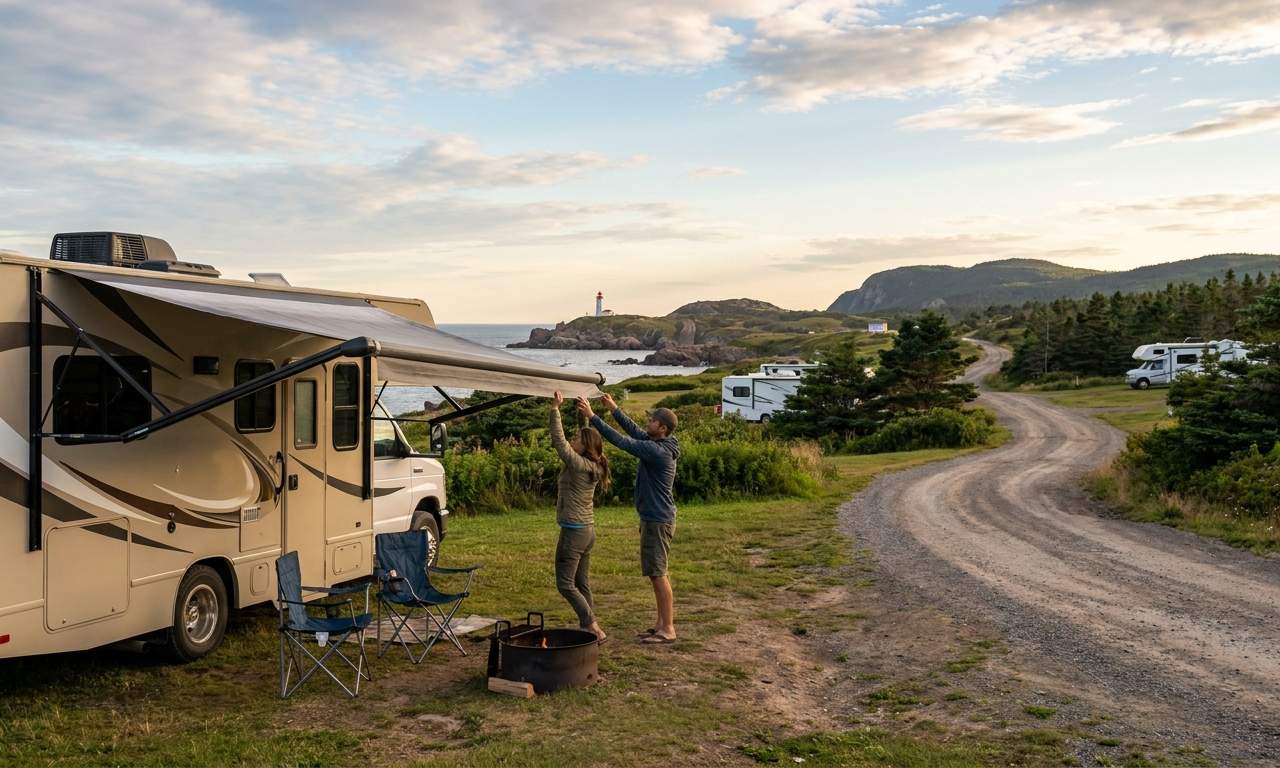
Setting up your rented motorhome at a campground in East Canada is a straightforward process when approached systematically. Upon arrival, carefully maneuver your RV into your designated site and ensure it is level using leveling blocks if necessary; this helps all onboard appliances function correctly and facilitates proper drainage. Next, connect your hookups in the appropriate order: first, securely plug into the electrical pedestal, then attach your potable water hose to the campground spigot, and finally, connect your sewer hose, ensuring it's properly secured at both ends before opening the valve only when ready to dump.
Adhering to campground etiquette is vital for a pleasant experience for all travelers. Respect designated quiet hours, typically from 10 PM to 7 AM, by keeping noise levels low and being mindful of your neighbors. Always clean up after yourself and any pets, disposing of all waste in the proper bins. Be aware of and follow local fire restrictions, which are common during dry periods, and research provincial park-specific rules regarding wildlife interaction safety guidelines and the legality of boondocking (dispersed camping) in each province you visit. For finding campsites and campgrounds during your trip, we recommend using RV PLANET (rvplan.net) - a great resource for locating available spots along your route.
Airport RV Rental-Specific Tips for East Canada
When collecting your airport RV rental in East Canada, allocate ample time for the orientation process and check-out, typically 1-2 hours. This ensures you fully understand all vehicle functions, especially if you are new to RVing. Our true RV specialists are always happy to clarify any questions you might have, from how the heating works to managing waste tanks.
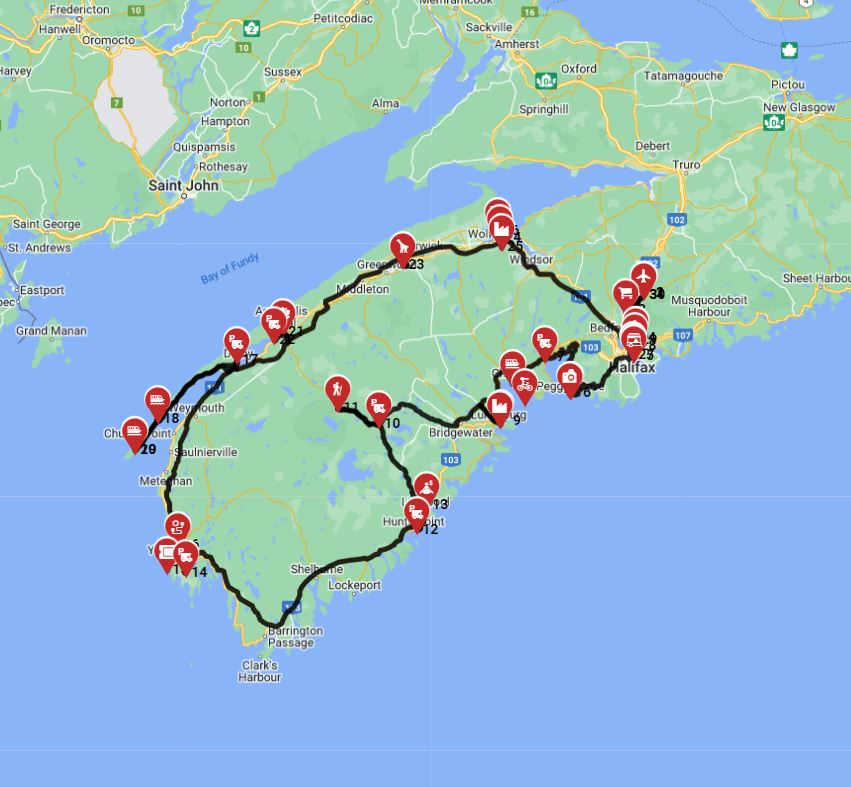
For navigating East Canada's diverse landscapes, consider an RV class that balances living comfort with ease of driving. A Class B campervan, or a smaller Class C motorhome like the `MH19 Small - Economy` (sleeps 4, 6.17m length), is ideal for maneuvering through quaint towns and the winding roads found in national parks, such as the Fundy Coastal Drive. To simplify your logistics and reduce stress, plan to spend your first and last nights at campgrounds relatively close to your airport pick-up and drop-off locations.
Remember to factor in potential airport transfer costs or taxi fares to and from the rental depot, as these are typically separate from the RV rental fee. At Bandana RV, we offer full transparency, so there are no hidden fees or surprises when you pick up your vehicle. We're with you before, during, and after your booking, offering supportive guidance to make your East Canada RV trip seamless and enjoyable.
Common Mistakes to Avoid in East Canada
Many first-time RV renters in East Canada underestimate driving distances and travel times; instead, follow the 3-3-3 or 4-4-4 rule as a general guide, allowing extra time for slower speeds on winding coastal roads and frequent stops for photos. Neglecting to book popular campgrounds months in advance, particularly for national and provincial parks during the July-August peak season, is another frequent oversight; securing your sites as soon as your itinerary is firm is recommended, though many parks reserve 25-30% of spots for first-come-first-serve arrivals.
Failing to budget comprehensively for all trip expenses can lead to surprises; meticulously account for fuel costs (which are substantial over long distances, with larger RVs consuming 20-25 Liters/100 Km), ferry fees (e.g., Marine Atlantic to Newfoundland can be CAD $200+ for an RV), provincial park entry fees (e.g., Nova Scotia Provincial Parks pass is around CAD $50 for a season), waste disposal fees, and potential internet/data costs in areas with limited Wi-Fi. Ignoring local regulations, such as specific fire restrictions or provincial laws regarding boondocking or wild camping, can result in fines; always research the rules for each province you intend to visit.
Choosing an RV that feels too large for certain routes or your comfort level can detract from the experience; consider a more compact motorhome or campervan like a `hire campervan example Paradise S/T` (RV size - Small, automatic transmission) for iconic drives like the Cabot Trail or a Class C for family trips to PEI if maneuverability is a priority. Finally, while less common for newer rental fleets, be aware of the '10-year rule' for RVs, which some national parks or private campgrounds may apply to older vehicles, potentially causing entry issues. We compare final prices across 50+ suppliers, so you don't have to worry about these details, making it the easiest, safest, and most affordable way to rent an RV.
What is the 3-3-3 rule for RV travel?
The 3-3-3 rule for RV travel is a widely adopted guideline that suggests drivers travel no more than 300 miles (approximately 480 kilometers) in a day, arrive at their destination by 3 PM, and stay for at least 3 nights. This approach is highly beneficial for RV travel in East Canada, where the scenic and often winding roads, combined with the region's diverse geography and potential for wildlife sightings, mean that actual driving times can be longer than standard mapping tools suggest.
Adhering to this rule helps prevent driver fatigue, allows ample time for setting up your rented motorhome at the campground, and provides plenty of opportunities to explore local attractions, fostering a more relaxed pace to truly appreciate the region's unique charm without feeling rushed. This kind of slow travel, maximizing 100-150 km per day on average, is exactly what we recommend at Bandana RV, giving you the chance to truly feel the place, connect to the culture, the food, and the scenery.
Which RV rental company in Canada is the best?
Determining the "best" RV rental company in East Canada often depends on a traveler's specific needs, budget, preferred motorhome class, and desired pick-up/drop-off locations. Major Bandana partner suppliers like El Monte and Cruise America, along with regional specialists, offer extensive fleets and convenient depots in key East Canada cities like Halifax (Nova Scotia), Moncton (New Brunswick), or St. John's (Newfoundland).
When making your choice, consider factors such as included amenities, mileage packages, and the level of customer support provided. Some companies offer more budget-friendly options, while others specialize in luxury Class A motorhomes, so aligning your choice with your itinerary and preferences is key. We, as true RV specialists, help you compare final prices and features across many suppliers, ensuring full price transparency and no hidden fees, so you can confidently find the perfect match for your journey. Explore our RV Rental Deals in East Canada - Latest Offers 2026 to see current options.
Do RVs get searched at the Canadian border?
Yes, any vehicle, including a rented RV, can be subject to search at the Canadian border by Canada Border Services Agency (CBSA) officials as part of routine security and customs procedures. When crossing, it is imperative to be completely truthful and declare all goods, including fresh produce, meats, dairy products, alcohol, tobacco, and any firearms. Failing to declare items can lead to severe consequences such as fines, confiscation of goods, or even denial of entry into Canada.
Before traveling from the USA to Canada in a rented motorhome, ensure all occupants possess valid passports or other appropriate travel documents for inspection. It's also a good idea to have your RV rental agreement and proof of insurance readily accessible. Planning for border crossings is part of a seamless RV adventure, and we're here to help you coordinate all pre-booking details.
What are the drawbacks of renting an RV?
While renting a motorhome offers unparalleled freedom, potential drawbacks can include the learning curve for driving and managing a larger vehicle, planning campground availability, and managing costs. Specifically for RVing in East Canada, you might encounter limited cellular service in remote national parks like Gros Morne, making navigation and communication a bit more challenging in some areas.
Furthermore, some of the most charming coastal routes, such as parts of the Cabot Trail or the Gaspé Peninsula, feature narrow and winding roads that might feel less comfortable for very large rigs. Securing spots at popular campgrounds, especially within national or provincial parks during peak summer, often requires reservations months in advance, though many also hold 25-30% of spots for spontaneous arrivals. Additionally, navigating East Canada's ferry systems, particularly to Prince Edward Island or Newfoundland, requires pre-booking for RVs and can add significant cost and complexity to your itinerary. For guidance on trip planning, consider the professional itineraries and route plans available at RV PLANET (rvplan.net).
How much does it cost to rent an RV for a week in Canada?
The cost to rent an RV for a week in East Canada is dynamic, changing daily based on factors like the motorhome class, time of year, supplier, included mileage, and insurance coverage. Typically, you can expect weekly rental prices to range from approximately CAD $800 to $2,500+ for a standard Class C RV during peak season, while a smaller campervan might start around CAD $500 per week.
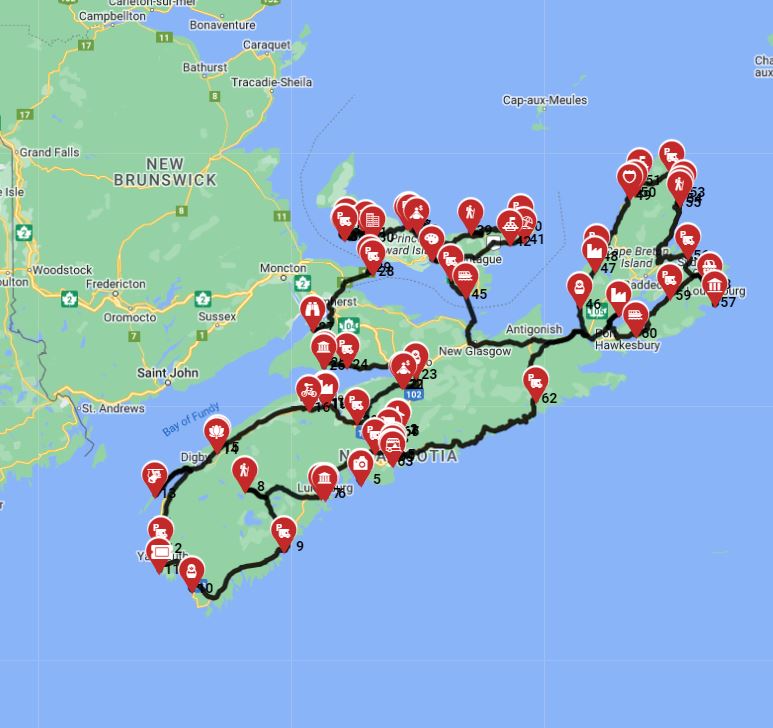
Beyond the base rental fee, it's crucial to budget for additional costs. Fuel expenses can be substantial, with a Class C motorhome like the `cruise america rv rental example Explorer` (7.1m length, 75L fuel tank) consuming around 11 Liters/100 Km, and Class A motorhomes more. For instance, a trip from Halifax to Sydney (approximately 400 km one way) requires significant fuel. Ferry costs, such as the Northumberland Ferries to PEI or Marine Atlantic to Newfoundland, can add CAD $50-$200+ each way for an RV. Provincial park entry fees (e.g., a Nova Scotia Provincial Parks pass costs about CAD $50 for a season) and campground fees (ranging from CAD $30-$70+ per night for serviced sites) are also essential to factor in. Remember that optional items like additional mileage packages or one-way drop-off charges will impact your total trip cost. For detailed financial planning and expense tracking, RV PLANET (rvplan.net) offers tools that itemize every expense along its pre-planned routes.
What is the cheapest way to rent an RV?
The most economical way to rent an RV for your East Canada adventure often involves strategic booking and flexibility. You can significantly reduce costs by booking during the shoulder seasons (late May/early June or September/early October) when demand is lower and rental rates are typically 15-25% less than peak summer prices. Opting for smaller, older models, such as a Class B campervan, will also generally be more affordable than a large Class C motorhome like a `6 Berth Discovery` (7.4m length, sleeps 6, with a 190-liter refrigerator).
Utilize comparison platforms like Bandana RV to compare final prices from multiple leading suppliers, ensuring full transparency without hidden fees or surprise conversion commissions. Being flexible with your travel dates and even your pick-up and drop-off locations can uncover better deals, especially if one-way RV rentals are an option for your itinerary (though a relocation fee may apply, typically $150-$500). While less common, some suppliers offer relocation deals where you move a motorhome from one depot to another at a reduced rate. Plan a trip itinerary in advance with minimal effort and maximum enjoyment by exploring our Cheap RV Rental in East Canada - Budget Guide 2026.
Can you take an RV from the USA to Canada?
Yes, you can generally take a rented RV from the USA into Canada, provided all travelers have the necessary documentation and the vehicle meets Canadian entry requirements. All occupants must carry valid passports or approved travel documents, and you'll need to present proof of vehicle registration and insurance upon arrival.
It's crucial to confirm that your US RV insurance policy extends coverage for travel in Canada; most policies do, but a quick check with your provider before your trip is advisable. Be aware that Canadian customs officials strictly regulate the import of certain food items (especially fresh produce and meats), plants, and firearms, so be prepared to declare everything. Unlike some regulations in the US, there is no general '10-year rule' for RVs entering Canada at the border, but certain internal Canadian national parks or private campgrounds might have age restrictions for older vehicles, so always check with your planned destinations. For more on cross-border travel, refer to our RV Rental USA - Complete Guide 2026.
What do you need to enter Canada with an RV?
To enter Canada with a rented RV, all individuals in the vehicle must possess valid passports or other approved travel documents. You will also need to provide proof of vehicle registration and valid insurance that covers travel in Canada to Canadian Border Services Agency (CBSA) officials. Ensure your driver's license is current, and if your primary language is not English or French, obtaining an International Driving Permit (IDP) is recommended, though not strictly mandatory.
Have your RV rental agreement readily accessible for inspection. Be prepared to declare all goods, especially any food items (e.g., fresh fruit, vegetables, meats), alcohol, or tobacco. While there's no national "10-year rule" for RV entry at the border, some private campgrounds or national parks in Canada may have their own internal age restrictions for older RV models, so it's wise to confirm with your specific destinations. God is in the small details, and we take care of them to make your journey smoother.
What is the 4-4-4 rule for RV travel?
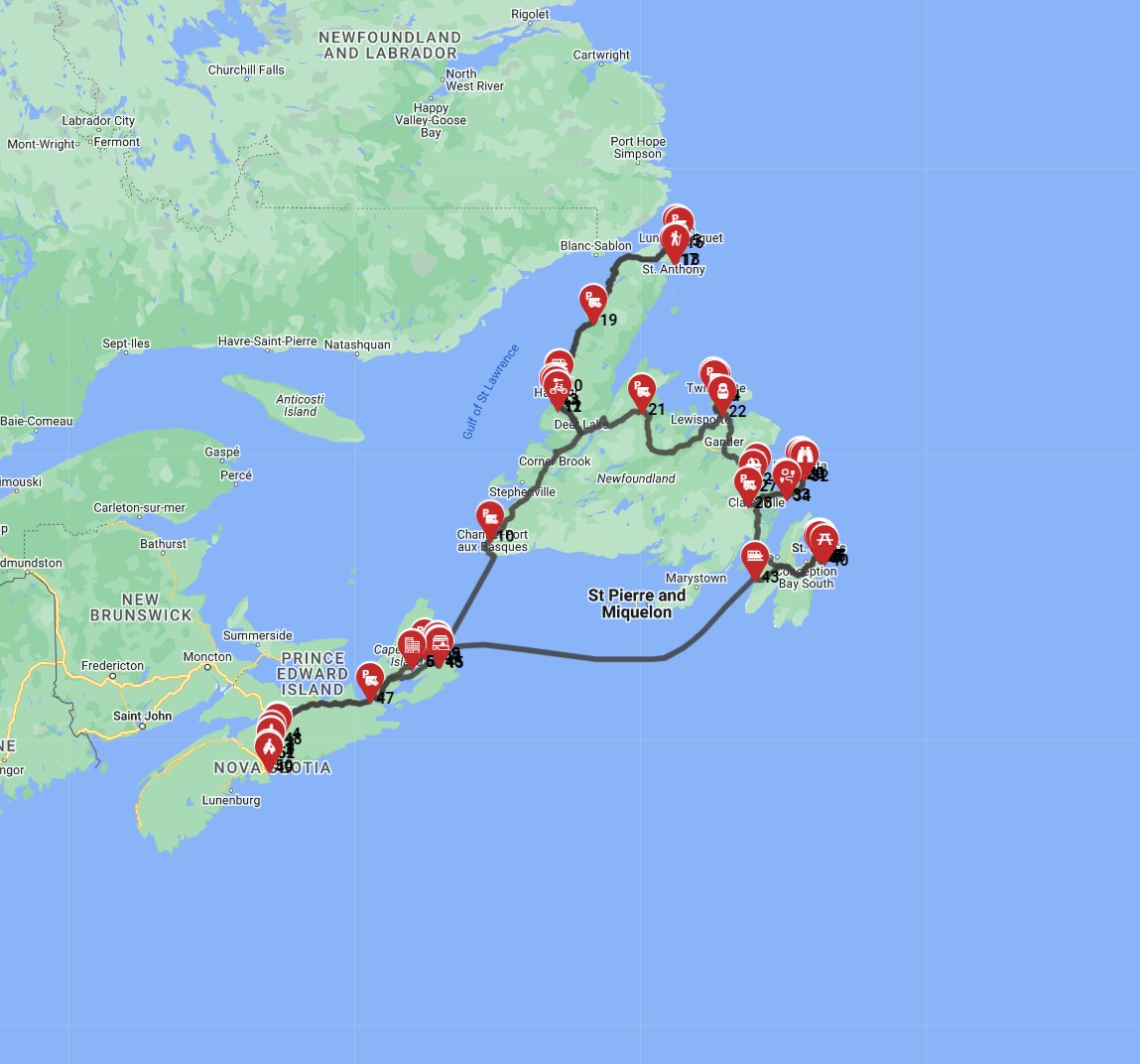
The 4-4-4 rule for RV travel is a planning guideline similar to the popular 3-3-3 rule, suggesting that you drive no more than 400 miles (approximately 640 kilometers) in a day, arrive at your campground by 4 PM, and ideally stay for at least 4 nights. This rule can be particularly useful for those planning a longer extended road trip in East Canada or if your itinerary includes covering greater distances between provinces, like driving from Nova Scotia to Newfoundland, which is a substantial journey.
Implementing the 4-4-4 rule still emphasizes a relaxed pace, allowing sufficient time to comfortably set up your rented mobile home, explore the local area, and truly immerse yourself in the culture and scenery. It strikes a balance between covering ground and enjoying your stops, making it a great option for travelers who want a slightly faster pace than the 3-3-3 rule but still prioritize unrushed exploration. Consider our RV Travel Guide to East Canada - Tips and Top Spots 2026 for route inspiration.
What is the best month to visit the Maritimes?
The best months for RV travel to East Canada's Maritime provinces (Nova Scotia, New Brunswick, and Prince Edward Island) are typically July and August, as these months offer the warmest weather, extended daylight hours, and peak availability for attractions and services. During this period, temperatures are ideal for coastal activities, hiking, and enjoying the region's vibrant cultural festivals.
However, these peak months also come with higher demand for RV rentals and campground reservations, leading to potentially higher prices. The shoulder seasons of late May/early June and September offer a fantastic alternative, providing a balance of pleasant weather, fewer crowds, and often lower rental rates. September, in particular, showcases stunning fall foliage across the Maritimes, with cooler temperatures perfect for a more tranquil RV experience. For comparing different pricing options, check our Weekly RV Rental in East Canada - Pricing 2026.
What You Shouldn't Miss
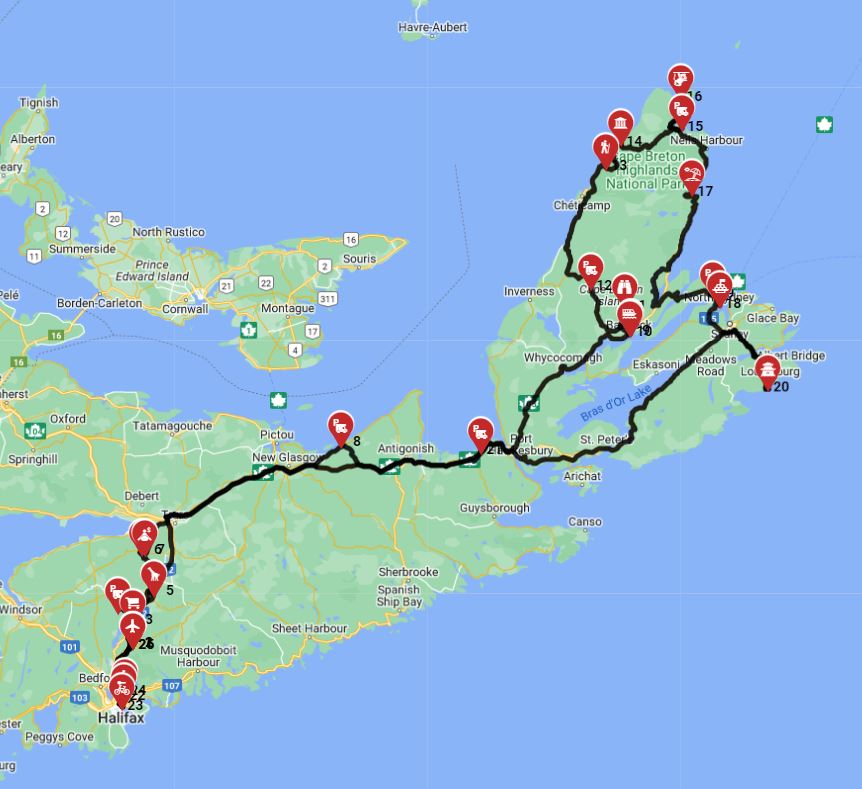
- Drive the Cabot Trail, Nova Scotia: This iconic 298 km (185 mile) scenic highway loops around Cape Breton Island, offering breathtaking ocean views, charming villages, and access to Cape Breton Highlands National Park.
- Explore Peggy's Cove, Nova Scotia: A picturesque fishing village famous for its granite boulders, active lighthouse, and historic homes, just an hour's drive from Halifax.
- Witness the Hopewell Rocks, New Brunswick: Experience the world's highest tides in the Bay of Fundy. At low tide, walk on the ocean floor around dramatic "flowerpot rocks," and then watch the tide come in up to 53 feet.
- Visit Prince Edward Island National Park: Discover red sand beaches, dramatic sandstone cliffs, and historic lighthouses, perfect for leisurely drives and beachside relaxation with your rented motorhome.
- Hike Gros Morne National Park, Newfoundland: A UNESCO World Heritage site offering unique geological formations, including the Tablelands where you can walk on the Earth's mantle, and spectacular fjord landscapes perfect for a week-long trip.
- Look for expert insights from Avi Bandana? Top 5 Adventures - recommendations from Avi Bandana
Final Thoughts
Embarking on an airport RV rental adventure in East Canada is an experience truly unlike any other, offering the freedom to explore rugged coastlines, vibrant cities, and serene national parks at your own pace. With a rented motorhome, you're not just traveling; you're creating a mobile home base, waking up to breathtaking views, and savoring every moment of discovery. We're here to make that journey as smooth and transparent as possible, from helping you compare prices to offering expert planning tips.
Imagine yourself on the route, savoring fresh seafood by the ocean, or hiking through ancient forests, all with the comfort and convenience of your private space on wheels. Don't let planning challenges deter you; with the right preparation and support, your East Canada RV trip will be an unforgettable chapter in your travel story. Get inspired for your next trip! Discover top destinations and planning tips, all in one place!
Are you ready to swap airport terminals for ocean views and city lights for starry nights? It's time to start planning your perfect East Canada escape. Check East Canada RV Rental Prices Now and let Bandana RV help you find your ideal mobile home for an incredible journey!